How TAGMED Treats Lumbar Disc Herniations Without Surgery in Laval
August 16, 2025
Understanding spinal disc herniation in Terrebonne: An overview of neurovertebral decompression sessions and treatments
August 16, 2025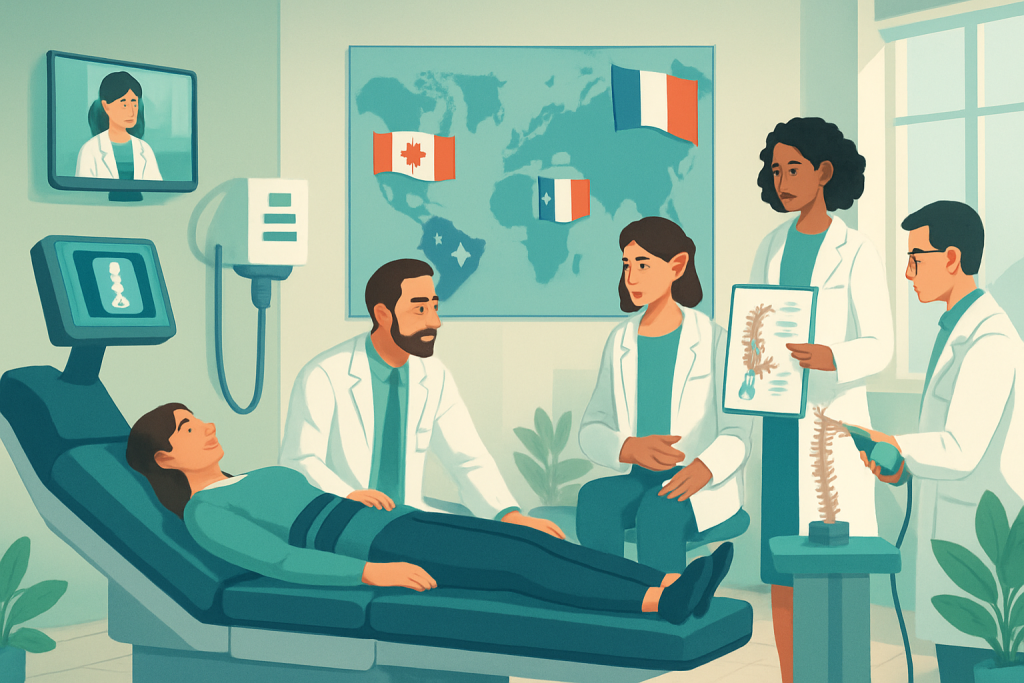
Over the past decades, spinal care has witnessed remarkable advancements aimed at preserving the spine’s natural mechanics rather than limiting its function. “Motion surgery,” a domain rapidly gaining recognition, represents this progressive approach by prioritizing the maintenance of spinal flexibility while addressing degenerative conditions. Unlike traditional fusion surgeries that immobilize segments of the spine, motion-preserving techniques seek to restore mobility using innovative implants and surgical methods. Patients facing chronic back pain, neurological symptoms, or mobility restrictions now have more options than ever before, enabling them to retain a more natural, active lifestyle post-treatment. Steering this revolution, Dr. Sylvain Desforges, an expert with over 30 years’ clinical experience, combines scientific rigor, advanced technology, and compassionate patient care to redefine treatment pathways. His leadership in institutions such as TAGMED Clinics and the Canadian College of Osteopaths positions him uniquely to bridge conventional and emerging therapies, also coordinating international care between Canada and France for optimal outcomes. As the field evolves with technologies from innovators like Medtronic, NuVasive, and Zimmer Biomet, motion surgery emerges not only as a surgical choice but as a holistic commitment to spinal health and patient empowerment.
Understanding Motion Surgery: Preserving Natural Spinal Flexibility
Motion surgery marks a transformative leap in spinal treatment by offering patients an alternative to spinal fusion, which permanently stops movement between vertebrae. The essence of motion-preserving surgery lies in restoring or maintaining the dynamic range of movement at the affected spinal segment. This is achieved through specialized implants, often referred to as dynamic stabilization devices or artificial discs, many of which are developed by leading medical device companies like Alphatec Spine, Globus Medical, and DePuy Synthes.
Traditional fusion surgery, although effective in alleviating pain caused by instability or degeneration, often results in adjacent segment disease, where increased stress on neighboring vertebrae leads to further degeneration. Motion surgery mitigates this by allowing continued motion, reducing mechanical strain on adjacent levels.
The spectrum of motion surgery encompasses several distinct techniques, including:
- Artificial Disc Replacement (ADR): Replacing a damaged spinal disc with an implant that mimics natural disc movement, preserving flexibility in the cervical or lumbar spine.
- Dynamic Stabilization Devices: Implants designed to support and stabilize the spine while allowing a controlled range of motion.
- Interspinous Process Devices: Small implants positioned between spinous processes to maintain space and reduce nerve compression while preserving movement.
The benefits of these approaches are multifold:
- Retention of natural biomechanics: Enabling patients to maintain posture and movement patterns closer to normal.
- Improved recovery timelines: Less invasive than fusion in many cases, enabling faster rehabilitation.
- Reduced likelihood of adjacent segment degeneration: By avoiding spinal rigidity, the wear and tear on neighboring vertebrae decrease.
- Enhanced patient satisfaction: Patients report improved quality of life due to the preservation of function.
Dr. Sylvain Desforges, with his expertise in evaluating complex spinal disorders, carefully assesses each patient’s unique condition, ensuring that motion surgery is offered when its advantages surpass those of fusion or conservative treatment. His adherence to evidence-based practice and patient-centered ethics guarantees that the surgical plan aligns with the latest scientific insights and regulatory standards, following recommendations from bodies like the Collège des médecins du Québec.
For further detailed insights on the benefits of motion-preserving spinal surgery, the reader may consult this comprehensive resource or discover spinal treatments focused on motion preservation.

IntraSPINE® in Sherbrooke: A Long-Lasting Solution for Chronic Lower Back Pain
Chronic lower back pain remains one of the most pressing health concerns in Sherbrooke and beyond, impacting millions and often diminishing daily quality of life. Despite the prevalence of lumbar discomfort, many face limited access to cutting-edge treatments amidst lengthy…
Types of Motion Surgery Procedures Available in France: Flexibility Meets Innovation
France offers a diverse selection of spinal surgeries, with emerging emphasis on motion-preservation techniques tailored to patient-specific needs. Understanding each option helps patients make informed decisions in alignment with their lifestyle and spine health objectives.
The primary surgical interventions include:
- Simple Decompression Surgery: Procedures such as nerve root decompression that alleviate pressure without spinal fusion. This approach is frequently recommended for patients where disc herniation or spinal stenosis causes pain but spinal stability is preserved.
- Spinal Fusion Surgery: The traditional approach that joins vertebrae to stop motion at a problem site. Used for conditions like scoliosis, severe degenerative disc disease, or spinal instability, fusion effectively stabilizes but sacrifices segmental mobility.
- Motion Preservation Surgery (also called FlexiChirurgie): Utilizes dynamic implants such as the MotionProtect system, which allow for controlled flexibility. Such devices come from manufacturers including SpineArt, LDR Medical, and Centinel Spine, known for engineering implants that accommodate natural spinal movement.
Each technique carries distinct benefits and limitations as summarized below:
| Surgery Type | Main Advantage | Limitation |
|---|---|---|
| Simple Decompression | Minimally invasive relief of nerve pressure with no fusion | Does not address spinal instability |
| Spinal Fusion | Strong stabilization of problematic segments | Permanent loss of motion; risk of adjacent segment disease |
| Motion Preservation Surgery | Maintains spinal mobility and reduces stress on adjacent vertebrae | Not suitable for all cases; requires strict patient selection |
Dr. Desforges emphasizes the importance of a comprehensive evaluation to determine the most suitable surgery type, focusing on integrating prior conservative treatments like neurovertebral decompression. His practice at TAGMED Clinics underscores a thorough, personalized strategy where surgical innovation complements a patient’s anatomy and objectives.
Understanding the distinct techniques and their applications empowers patients to actively participate in their care. To explore patient journeys and surgical possibilities further, consider reviewing expert content at common pitfalls to avoid in spinal surgery or comprehensive eligibility criteria for back surgery.

Herniated Disc Care in Sainte-Julie: Why TAGMED’s Neurovertebral Decompression Therapy Stands Out
In the vibrant community of Sainte-Julie, back pain—particularly that stemming from herniated discs—has become a widespread concern affecting people from all walks of life. The relentless search for effective, non-invasive treatments has brought renewed attention to a pioneering therapy that…
Biomchanical Advantages of Motion Surgery: Enhancing Spine Function Beyond the Operating Room
The spine’s complex biomechanical performance is essential for daily function, involving flexibility, shock absorption, and posture maintenance. While spinal fusion can alleviate pain effectively, it compromises this intricately balanced system by rigidly fixing vertebrae. Motion surgery prioritizes preserving the delicate mechanics by:
- Maintaining vertebral segment mobility: Dynamic implants permit controlled movement, crucial for tasks requiring bending, twisting, and weight distribution.
- Preserving spinal alignment and posture: Continuous motion allows proprioceptive feedback and muscular coordination, reducing compensatory habits that lead to secondary pain.
- Preventing adjacent segment degeneration: By avoiding the stiffening of segments, stress distribution remains physiologically balanced.
- Facilitating natural spinal kinematics: Enhanced segmental mobility supports overall spinal health and reduces long-term degeneration risks.
These advantages resonate especially well in patient cases involving complex lumbar or cervical issues, where postural control and mobility impact quality of life heavily. Collaborations with cutting-edge device manufacturers—such as Stryker, Medtronic, and NuVasive—enable access to the latest dynamic implant technologies that optimize these biomechanical benefits.
| Biomechanical Benefit | Clinical Impact | Long-Term Outcome |
|---|---|---|
| Mobility Preservation | Improved range of motion post-surgery | Reduced adjacent segment pathology |
| Load Distribution | Balanced spinal forces during activities | Diminished risk of implant failure or degeneration |
| Postural Stability | Maintained muscle coordination and proprioception | Enhanced functional independence |
Dr. Sylvain Desforges utilizes this biomechanical understanding to customize approaches, ensuring that the surgical intervention complements the patient’s musculature and skeletal integrity. His commitment to innovation supports safer and more effective patient outcomes, framing motion surgery as a hallmark of modern spinal care.
Back Surgery in Trois-Rivières: Alleviating Pain While Preserving Mobility
In Trois-Rivières, Quebec, the persistence of back pain affects a substantial portion of the population seeking effective and personalized solutions. Back pain, often caused by spinal disorders or herniated discs, can drastically diminish quality of life, limiting mobility and causing…
The Patient Journey in Motion Surgery: From Evaluation to Rehabilitation
The pathway to motion surgery under Dr. Desforges’ care involves a comprehensive, patient-centered process designed to optimize safety, efficacy, and satisfaction. It includes several critical stages:
- Initial Assessment: Patients undergo a detailed history review and symptom analysis, ensuring all underlying factors are understood.
- Specialized Evaluation: Dr. Desforges employs advanced diagnostic tools and his clinical experience to assess the extent of spinal pathology thoroughly.
- Conservative Treatment Trial: Prior to considering surgical intervention, patients generally engage in non-invasive therapies such as neurovertebral decompression offered at TAGMED Clinics, laser therapy, or osteopathic manipulation.
- Decision-Making for Surgery: Surgery is considered when conservative measures do not achieve desired relief over 3-6 months, emphasizing patient preference and lifestyle factors.
- Surgical Procedure: Utilizing implants from industry leaders like Zimmer Biomet and Centinel Spine, the procedure is tailored to preserve motion while resolving biomechanical issues.
- Post-Operative Rehabilitation: A structured plan focused on gradual mobilization, strengthening, and functional restoration with regular monitoring.
This structured journey reflects Dr. Desforges’ dedication to clear communication and personalized care. Patients are encouraged to voice concerns and participate in goal setting, enhancing trust and cooperation. A successful outcome depends not only on the surgical technique itself but also on follow-up and adherence to rehabilitation protocols, as stressed in this post-operative recovery guide.

Disc herniation remains a significant health concern in Pointe-Claire, impacting the lives of a diverse population ranging from labor-intensive workers to the aging community. The condition, characterized by the displacement or rupture of the intervertebral disc, often leads to debilitating…
International Coordination: Optimizing Access to Motion Surgery Across Canada and France
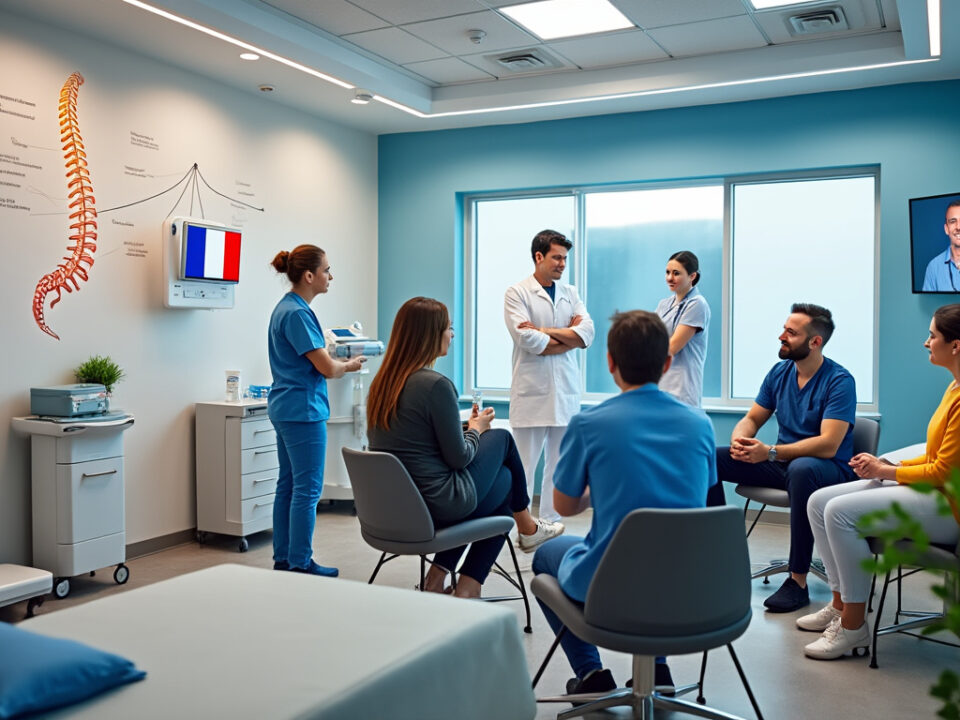
Dr. Sylvain Desforges plays a pivotal role in managing transatlantic patient pathways between Québec, Canada, and France, facilitating access to renowned surgical expertise and innovation not always immediately available locally. This international collaboration addresses challenges such as surgical wait times, procedure availability, and comprehensive rehabilitation support.
Key benefits of this coordinated approach include:
- Access to Advanced Surgical Technologies: French centers often provide cutting-edge implants and motion-preserving techniques pioneered in Europe and adopted worldwide.
- Streamlined Scheduling and Care: Coordination through platforms like SOS Tourisme Médical reduces delays and ensures swift, efficient patient management across borders.
- Cost Efficiency: Comparative analyses reveal significantly lower direct and indirect costs in some French surgical centers compared to Canadian rates without compromising quality.
- Personalized Multidisciplinary Support: Integration of osteopathy, physiotherapy, and innovative rehabilitation techniques in both countries ensures continuity of care.
| Service Component | Typical Cost in Québec | Typical Cost in France | Benefits of Transatlantic Care |
|---|---|---|---|
| Initial Consultation | 150 $ | 80 € | Lower cost with comparable expertise |
| Motion Surgery Procedure | 15,000 $ | 8,000 € | Access to innovative implants and techniques |
| Rehabilitation | 3,000 $ | 1,500 € | Comprehensive, multidisciplinary follow-up |
Dr. Desforges’ leadership ensures patients receive the highest standard of care throughout this journey, highlighting that quality and innovation transcend geographical boundaries. For details about patient pathways and international collaboration, readers can visit this resource on spine surgery in France for Québec patients.
TOPS™ in Gatineau: A High-Performance Solution for Lumbar Spine Care
In a region where chronic back pain increasingly affects quality of life, the quest for advanced and effective lumbar spine treatments is paramount. Lumbar spinal stenosis, a prevalent condition among Quebec’s aging population, often imposes persistent discomfort and mobility limitations.…
Innovative Technologies Empowering Motion Surgery Today
The success of motion surgery relies heavily on advanced implant technologies and surgical tools that preserve or restore the spine’s natural function. The collaboration between surgeons like Dr. Desforges and industry leaders drives rapid innovation, enabling tailored solutions for complex spinal pathologies.
- Dynamic Implants: Companies like SpineArt and LDR Medical engineer devices such as the MotionProtect implant, which allow controlled vertebral movement post-surgery while providing stability.
- Artificial Discs: Designs from Zimmer Biomet and Centinel Spine mimic natural disc anatomy and biomechanics, offering alternatives to spinal fusion.
- Minimally Invasive Surgical Tools: Instruments from DePuy Synthes and Stryker facilitate precise implantation with minimal tissue disruption, leading to faster recovery.
- Adjunctive Therapies: Incorporation of laser therapy, neurovertebral decompression, and shockwave therapy—methods expertly used at TAGMED Clinics under Dr. Desforges’ guidance—boost rehabilitation and outcomes.
Emphasizing evidence-based methodology and strictly following Quebec and Canadian medical regulations, Dr. Desforges ensures each technological application maximizes patient safety and therapeutic efficacy.
Learn more about the spectrum of motion-preserving options and innovation here: Motion Surgery Official Site and detailed patient perspectives at Maxim Spine’s guide.
At Gouin Clinic, the landscape of herniated disc therapy has entered a transformative era marked by the integration of Personalized Treatment Plans and breakthrough Neurovertebral Decompression Therapy. This non-surgical approach is revolutionizing how spinal disorders are managed, offering patients an…
Conservative Care at Clinique TAGMED: The First Step Before Surgery
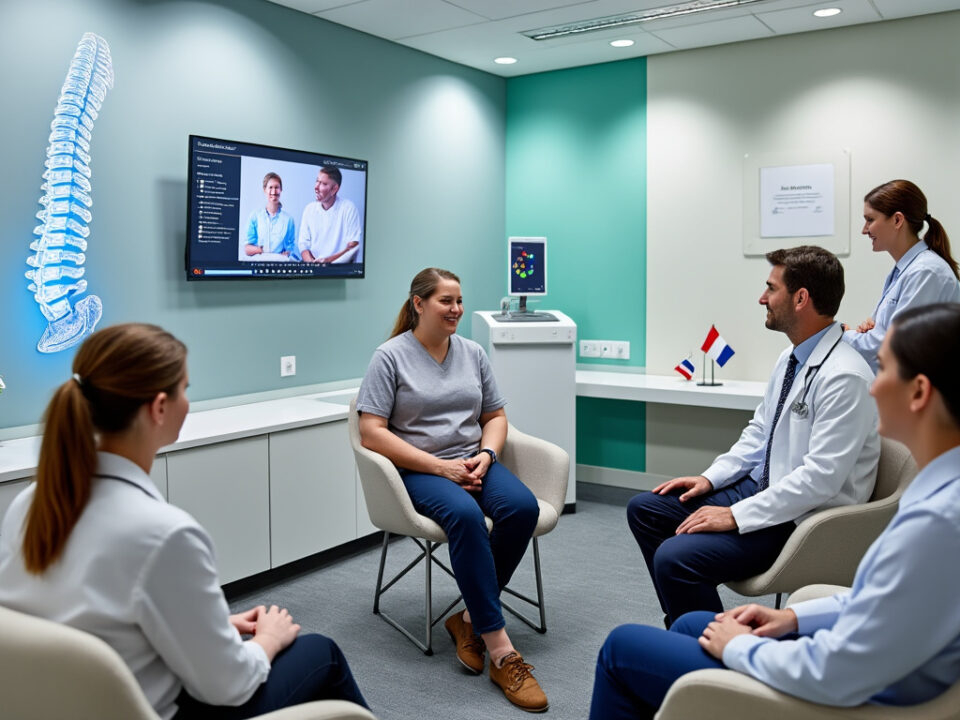
Dr. Sylvain Desforges strongly advocates a comprehensive evaluation and the utilisation of conservative treatments prior to any surgical intervention. At Clinique TAGMED, located in Montréal and Terrebonne, patients benefit from advanced non-surgical therapies designed to improve spinal health and mitigate pain.
Key non-surgical treatments include:
- Neurovertebral Decompression: An innovative technique that relieves disc pressure and promotes healing without invasive procedures.
- Precision Osteopathic Manual Therapy: Targeted manipulations addressing structural imbalances and muscular tension.
- Laser and Shockwave Therapies: Promote tissue regeneration and reduce inflammation, supporting recovery.
These modalities often help patients avoid or delay surgery by addressing the root causes of spinal pain. Dr. Desforges’ approach is holistic, ensuring each patient has a personalized care plan that factors in their unique circumstances, aligning with recommendations on conservative treatments discussed here.
Early engagement with such treatment pathways emphasizes a gradual, safe approach, providing patients with autonomy over their health decisions and maximizing long-term spinal function.
Cervical Disc Prosthesis in Quebec: Preventing Post-Operative Stiffness
Neck pain is one of the most common musculoskeletal complaints in Quebec, affecting a significant portion of the population annually. Often rooted in degenerative cervical disc diseases or herniated discs, this persistent discomfort severely impacts daily life and mobility. Fortunately,…
FAQs Related to Motion Surgery and Spinal Care
The prevalence of herniated disc conditions in Blainville has sparked considerable discussion and misconceptions about their causes, symptoms, and treatments. While the pain and disability associated with this spinal disorder are well documented, the emergence of non-surgical options such as…
What are the criteria for considering motion-preserving spine surgery?
Patients are typically candidates after thorough clinical evaluation and having attempted conservative therapies for 3 to 6 months, including neurovertebral decompression and osteopathic care. A comprehensive assessment by an expert like Dr. Sylvain Desforges ensures that motion surgery is suitable based on the biomechanical condition and severity of degeneration.
How does motion surgery compare with traditional spinal fusion?
Motion surgery allows controlled spinal movement post-operatively, unlike fusion, which eliminates segmental motion. This preservation decreases the risk of adjacent segment disease, generally improves patient satisfaction, and facilitates quicker functional recovery.
Are advanced implants safe and FDA or Health Canada approved?
Yes, implants from internationally recognized companies such as Medtronic, NuVasive, and Zimmer Biomet have undergone rigorous regulatory scrutiny. Dr. Desforges ensures only accredited and thoroughly evaluated devices are used in his practice to guarantee patient safety.
Is it possible to arrange a consultation with Dr. Sylvain Desforges remotely?
Yes, remote consultations are available, enabling patients across Québec, Canada, and internationally to receive specialized evaluation and guidance in planning their care journey.
What conservative treatments are recommended before considering surgery?
Recommended therapies include neurovertebral decompression, osteopathic manual therapy, laser and shockwave therapy. These treatments are personalized and monitored closely to assess efficacy before any surgical suggestions.