Why Brossard Residents Choose TAGMED for Non-Surgical Disc Treatment
August 19, 2025
understanding why experts advocate for partnered hospitals and surgeons
August 19, 2025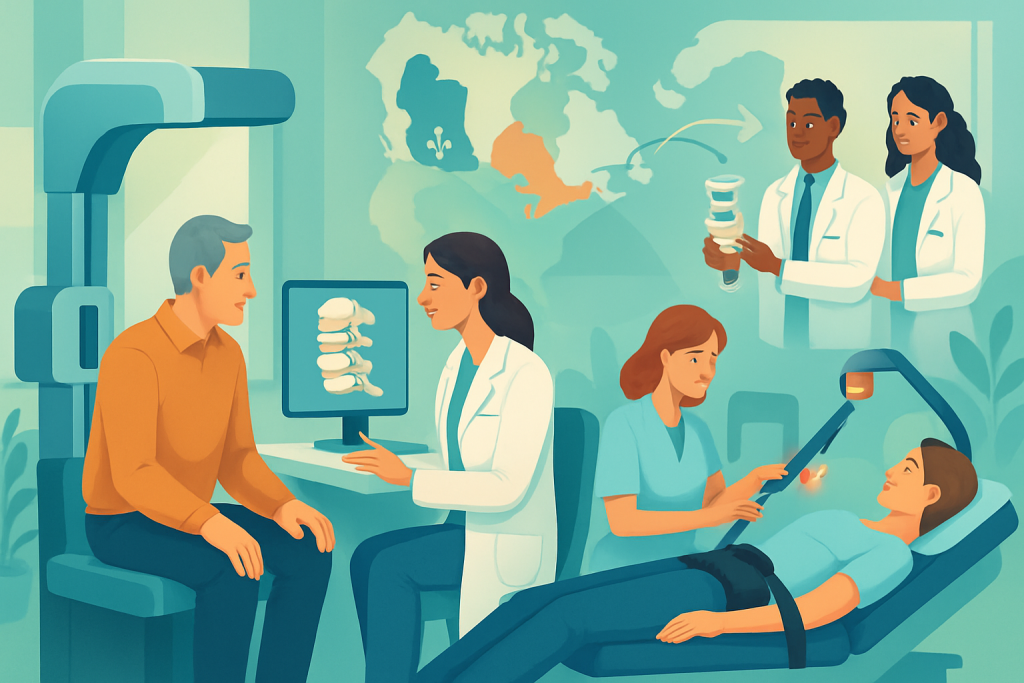
The rise of cervical spine disorders has sparked a surge in innovative solutions aimed at preserving mobility and enhancing patient quality of life. Among these, cervical disc prosthesis emerges as a transformative surgical option, designed to replace damaged intervertebral discs while maintaining the natural motion of the neck. This approach contrasts with traditional fusion surgeries that restrict movement and may contribute to problems in adjacent spinal segments. In Quebec, patients seeking these advanced treatments benefit from the expertise of leading figures like Dr. Sylvain Desforges. With over 30 years of clinical experience and a pioneering spirit in spinal care, Dr. Desforges advocates for scientifically rigorous, ethical, and patient-centered approaches. His efforts facilitate transatlantic collaborations between Canadian and French medical teams, expanding access to cutting-edge implants and personalized follow-up care. This article delves deeply into cervical disc prosthesis characteristics, surgical pathways, conservative therapies, international cooperation, and patient-centric innovations that redefine spine treatment in 2025.
Key Features and Indications of Cervical Disc Prosthesis in Quebec
Cervical disc prosthesis represents a significant advancement in spine surgery, particularly in treating cervical disc disorders. Unlike fusion surgeries, which immobilize spinal segments by joining two vertebrae, disc prostheses aim to preserve the normal biomechanics of the cervical spine. This preservation of motion helps reduce the risk of adjacent segment disease, where increased stress leads to degeneration of neighboring discs after fusion.
This surgical option targets specific cervical spine conditions:
- Herniated discs: Situations where the intervertebral disc protrudes or ruptures, pressing on nerve roots and causing debilitating pain or neurological symptoms.
- Degenerative disc disease: Early to moderate disc arthropathy where damage has not progressed to severe osteoarthritis.
- Young and active patients: Individuals prioritizing preservation of neck motion and aiming to avoid potential long-term complications from fusion, such as decreased mobility or secondary disc degeneration.
Choosing the appropriate implant is a crucial technical consideration. Various models on the market, such as the Mobi-C, ProDisc C, Prestige LP, Activ-C, Bryan Disc, and CerviCore, bring distinctive biomechanical features designed to replicate natural disc function. Companies like Medtronic, Stryker, and Zimmer Biomet have developed prostheses that effectively restore disc height and allow dynamic movement including flexion, extension, rotation, and lateral bending.
These devices include next-generation options like the M6-C and Simplify Disc which incorporate viscoelastic properties to better mimic physiological disc behavior under mechanical stress. Innovation also extends to the PCM Cervical Disc, Freedom Cervical Disc, and MOTION Cervical Disc models, designed to offer enhanced durability and optimized kinematics.
Such technical advancements translate into tangible patient benefits by maintaining cervical range of motion, improving pain relief, and potentially reducing overall recovery time. These benefits make cervical disc prosthesis an attractive alternative to fusion in select cases following thorough evaluation by experts like Dr. Sylvain Desforges, who applies his vast osteopathic and naturopathic background to ensure holistic patient assessment.
| Condition | Indication for Cervical Disc Prosthesis | Implant Examples |
|---|---|---|
| Herniated Disc | Severe nerve compression from disc damage, refractory to conservative care | Mobi-C, ProDisc C, Prestige LP |
| Degenerative Disc Disease | Moderate degeneration without advanced osteoarthritis | Activ-C, Bryan Disc, CerviCore |
| Young Active Patients | Desire to maintain full neck mobility and function | M6-C, Simplify Disc, PCM Cervical Disc |
Access to these implants in Canada, particularly Quebec, remains carefully regulated and predominantly offered through specialized clinics that comply with national healthcare standards. For more detailed information on implant availability and surgical candidacy, patients and providers can refer to reputable resources such as the Canadian Healthcare Spine Surgery directory or visit dedicated informational sites on disc replacement in Canada.

IntraSPINE® in Sherbrooke: A Long-Lasting Solution for Chronic Lower Back Pain
Chronic lower back pain remains one of the most pressing health concerns in Sherbrooke and beyond, impacting millions and often diminishing daily quality of life. Despite the prevalence of lumbar discomfort, many face limited access to cutting-edge treatments amidst lengthy…
Surgical Procedure and Post-Operative Care Pathway for Cervical Disc Prosthesis
The cervical disc prosthesis surgery pathway begins with a meticulous and comprehensive evaluation process. Dr. Sylvain Desforges underscores the necessity of detailed clinical exams combined with advanced imaging modalities, including MRI and CT scans, to ensure accurate diagnosis and candidate suitability for disc replacement over fusion or other interventions.
This surgical intervention generally follows these steps:
- Initial evaluation (2 to 4 weeks): Clinical assessment coupled with imaging to identify disc pathology and rule out contraindications such as severe osteophyte formation or spinal instability.
- Surgical intervention (1 to 3 days hospitalization): Anterior cervical approach through a small incision allows removal of the damaged disc and implantation of the prosthetic device under fluoroscopic guidance.
- Post-operative follow-up (6 to 12 months): Includes routine medical consultations, imaging to verify implant positioning and integration, and initiation of rehabilitation protocols.
Post-surgical rehabilitation plays a pivotal role in optimizing functional outcomes. Targeted physiotherapy programs aim to strengthen cervical musculature, improve range of motion, and restore fine motor control. The multidisciplinary care approach also involves ergonomic advice and pain management strategies tailored to the patient’s daily activities and lifestyle.
| Phase | Activity | Average Duration |
|---|---|---|
| Pre-Operative | Clinical assessments, imaging, patient education | 2–4 weeks |
| Hospital Stay | Disc removal, prosthesis implantation | 1–3 days |
| Post-Operative Rehabilitation | Physiotherapy, monitoring implant condition | 6–12 months |
Effective follow-up also minimizes risks such as implant migration, infection, or persistent symptoms, ensuring timely interventions if complications arise. Patients receive personalized guidance throughout their recovery journey, consistent with Dr. Desforges’ commitment to ethical, evidence-based care adhering to Quebec’s medical guidelines.

Herniated Disc Care in Sainte-Julie: Why TAGMED’s Neurovertebral Decompression Therapy Stands Out
In the vibrant community of Sainte-Julie, back pain—particularly that stemming from herniated discs—has become a widespread concern affecting people from all walks of life. The relentless search for effective, non-invasive treatments has brought renewed attention to a pioneering therapy that…
Conservative Treatments Before Considering Cervical Disc Prosthesis Surgery
Prioritizing non-invasive therapies before surgery is central to the comprehensive care philosophy championed by Dr. Sylvain Desforges. Conservative management offers patients substantial symptom relief and functional improvement, potentially obviating the need for surgical intervention. This approach aligns with modern evidence-based spine care protocols advocating stepwise treatment escalation.
Key components of conservative care include:
- Neurovertebral decompression therapy: Utilizes specialized spinal decompression tables to gently relieve nerve root compression and enhance disc hydration, accelerating natural healing processes.
- Physiotherapy: Structured exercises strengthen cervical muscles, increase flexibility, and correct posture to reduce undue spinal stress.
- Ergonomic counseling: Customized advice on workstation setup, daily movement habits, and sleep positioning mitigates exacerbating factors.
- Pharmacological management: Use of anti-inflammatories or analgesics prescribed judiciously to manage acute flare-ups.
- Patient education: Empowering patients with knowledge about their condition promotes adherence and realistic expectations on treatment outcomes.
Dr. Desforges advocates for a minimum of 3 to 6 months dedicated to these conservative measures before considering surgical referral. This timeline permits adequate assessment of therapy effectiveness, maximizing the likelihood of exceptional outcomes. More information on the role and organization of imaging and conservative care in Quebec’s healthcare system can be found on this informative resource.
Examples of successful conservative treatment include patients with moderate disc herniation who, through systematic decompression and physiotherapy, regained functional independence and reduced dependency on analgesics without undergoing surgery.
Back Surgery in Trois-Rivières: Alleviating Pain While Preserving Mobility
In Trois-Rivières, Quebec, the persistence of back pain affects a substantial portion of the population seeking effective and personalized solutions. Back pain, often caused by spinal disorders or herniated discs, can drastically diminish quality of life, limiting mobility and causing…
Rehabilitation and Long-Term Follow-Up After Cervical Disc Prosthesis Surgery
Comprehensive post-surgical care ensures the longevity of cervical disc prostheses and sustained patient well-being. Dr. Desforges emphasizes individualized rehabilitation plans that adapt to evolving patient needs throughout recovery.
Key elements of this phase include:
- Regular clinical monitoring: Scheduled visits to track neurological function, pain levels, and implant integrity.
- Imaging follow-up: Periodic MRI or X-rays validate prosthesis positioning and durability.
- Targeted physiotherapy: Progressive exercises focusing on cervical stabilization and flexibility are critical to regaining full function.
- Lifestyle modification support: Guidance on activities to avoid, return-to-work timelines, and ergonomics to prevent reinjury.
This proactive strategy not only reduces complication risks such as prosthesis displacement or infection but also encourages optimal patient engagement and functional restoration. Multidisciplinary cooperation, involving osteopaths, physiotherapists, and ergonomic specialists, exemplifies the patient-first philosophy that defines care standards at Clinique TAGMED.
| Follow-Up Activity | Description | Suggested Timeline |
|---|---|---|
| Clinical evaluation | Assessment of pain, range of motion, and neurologic signs | Monthly (first 6 months), then quarterly |
| Imaging studies | X-rays or MRI to check prosthesis status | At 3 months, 6 months, then annually |
| Physiotherapy | Customized exercise therapy to restore mobility | Ongoing for 6 to 12 months |
| Ergonomic consultation | Advice on lifestyle and work postures | As needed |
Patients often report improved confidence and faster return to usual activities under this closely guided scheme. The continuity of care demonstrates Dr. Desforges’ holistic commitment to spinal health beyond surgery itself.

Disc herniation remains a significant health concern in Pointe-Claire, impacting the lives of a diverse population ranging from labor-intensive workers to the aging community. The condition, characterized by the displacement or rupture of the intervertebral disc, often leads to debilitating…
The Benefits of Transatlantic Medical Collaboration in Cervical Disc Replacement
One of the most striking developments in advanced spinal care originates from the fruitful cooperation between Quebec and France. Dr. Sylvain Desforges leads efforts to optimize patient outcomes through transatlantic partnerships that combine technical innovation and personalized service.
Advantages of this collaborative model include:
- Access to cutting-edge implant technologies: Patients may receive specialized devices not widely available in Canada, including select models from manufacturers such as German Spine Solutions or innovations like the MOTION Cervical Disc.
- Reduced waiting times for surgery: Coordinated scheduling and case management enable patients to receive timely interventions, bypassing domestic backlogs.
- Cost optimization: Leveraging competitive pricing and insurance frameworks provides financially accessible care without compromising quality.
- Integrated follow-up: Seamless communication between Canadian and French clinicians ensures uninterrupted post-operative management and monitoring.
This integrative approach is supported by organizations such as SOS Tourisme Médical, which facilitate patient navigation between countries while preserving personalized support throughout the medical journey. The result is a bespoke experience that empowers patients facing complex cervical conditions.
Dr. Desforges’ leadership in this area reflects his dedication to expanding care horizons through ethical and scientifically driven innovation. For patients exploring these options, valuable insights and procedural details are available via platforms like SOS Herniated Disc.
At Gouin Clinic, the landscape of herniated disc therapy has entered a transformative era marked by the integration of Personalized Treatment Plans and breakthrough Neurovertebral Decompression Therapy. This non-surgical approach is revolutionizing how spinal disorders are managed, offering patients an…
Unique Services and Innovations Offered by Dr. Sylvain Desforges in Quebec
At Clinique TAGMED, Dr. Sylvain Desforges distinguishes himself by blending osteopathic expertise with state-of-the-art technological access. His more than three decades of clinical practice underpin a unique service offering tailored to spinal health restoration with a core focus on safety, innovation, and patient empowerment.
Some distinctive elements include:
- Advanced neurovertebral decompression technology: Devices that enhance disc physiology through precise mechanical unloading.
- Laser therapy and shockwave treatment: Adjunctive modalities that accelerate tissue healing and reduce inflammation.
- Dynamic spinal implants: Use of cutting-edge discs such as ProDisc C and Freedom Cervical Disc that maximize biomechanical fidelity.
- Comprehensive pre- and post-operative support: Including detailed education, multidisciplinary assessment, and close rehabilitative supervision.
- Personalized patient navigation: Emphasizing empathy and clarity, Dr. Desforges ensures that individuals understand their condition, treatment options, and expected outcomes.
This integrative approach addresses not just symptoms but also root causes, helping patients regain functional independence with confidence. The clinic’s offerings also incorporate compliance with Quebec and Canadian medical standards, including guidelines from the Collège des médecins du Québec, ensuring the highest care quality.
Those interested can consult comprehensive resources on advanced spinal surgeries in Montreal via trusted medical centers like Neurothérapie Montréal or review scientific evidence supporting such techniques on repositories like NCBI.

Cervical Disc Prosthesis in Quebec: Preventing Post-Operative Stiffness
Neck pain is one of the most common musculoskeletal complaints in Quebec, affecting a significant portion of the population annually. Often rooted in degenerative cervical disc diseases or herniated discs, this persistent discomfort severely impacts daily life and mobility. Fortunately,…
Managing Risks and Limitations of Cervical Disc Prosthesis Surgery
Despite its many advantages, cervical disc prosthesis is not without potential risks. Dr. Desforges stresses that transparent patient communication and informed consent are foundational to ethical spine care. Understanding possible complications allows patients to weigh options realistically.
Possible adverse outcomes include:
- Infection: Though infrequent, infections require prompt treatment and may necessitate implant removal in severe cases.
- Prosthesis migration or loosening: Malposition can cause pain or reduced functionality, occasionally requiring revision surgery.
- Persistent or recurrent pain: Some patients may experience ongoing symptoms despite technically successful implantation, mandating extended rehabilitation.
- Limited candidacy: Certain patients with extensive osteoarthritis, spinal instability, or systemic illnesses may be unsuitable candidates.
Effective management entails structured post-operative monitoring coupled with proactive rehabilitation. Dr. Desforges also emphasizes the importance of individualized treatment plans reflecting each patient’s unique spinal anatomy and lifestyle demands to minimize risk exposure.
For patients wishing to deepen their understanding of surgical indications, benefits, and limitations, educational articles like this resource provide valuable guidance.
The prevalence of herniated disc conditions in Blainville has sparked considerable discussion and misconceptions about their causes, symptoms, and treatments. While the pain and disability associated with this spinal disorder are well documented, the emergence of non-surgical options such as…
Empowering Patients Towards Informed Decisions on Cervical Disc Prosthesis
Making an informed decision about cervical disc prosthesis surgery involves a comprehensive understanding of all available treatment options and their implications. Dr. Sylvain Desforges promotes a patient-centric educational approach that dismantles medical jargon, replaces it with clear explanations, and supports shared decision-making.
Patients are encouraged to consider these aspects thoughtfully:
- Evaluate the effectiveness of conservative care: Surgery should typically be reserved for cases unresponsive to at least 3 to 6 months of well-structured non-surgical management.
- Understand risks and benefits: Weigh potential improvements in mobility and pain relief against surgical risks and recovery demands.
- Assess implant options: Discuss with the expert the choice among various prostheses that best align with your anatomy and activity level.
- Clarify postoperative expectations: Prepare for rehabilitation efforts and lifestyle adaptations to sustain functional gains.
Dr. Desforges’ extensive background and dedication to patient empowerment make him an invaluable resource for those embarking on their spine health journey. To initiate an evaluation or obtain personalized recommendations, patients may contact Clinique TAGMED or consult platforms like SOS Tourisme Médical.
Minimally Invasive Surgery in Longueuil: Reducing Hospital Stays for Faster Recovery
In recent years, a transformative wave has swept through spinal healthcare in Longueuil, aiming to revolutionize treatment experiences for patients suffering from back disorders. This shift stems from a growing demand for procedures that minimize hospital stays without compromising efficacy.…
Frequently Asked Questions About Cervical Disc Prosthesis
What distinguishes cervical disc prosthesis from traditional spinal fusion?
The prosthesis preserves natural neck movement, whereas fusion limits mobility by joining vertebrae, potentially stressing adjacent discs.
How long does recovery take after cervical disc replacement surgery?
Most patients begin to resume normal activities within 2 to 4 weeks, but full rehabilitation may continue for up to 12 months.
When should surgery be considered for cervical disc problems?
If pain or neurological symptoms persist despite 3 to 6 months of comprehensive conservative treatment, an evaluation for surgery is warranted.
Are cervical disc prostheses covered by Canadian healthcare?
Coverage varies by province and specific cases, often requiring thorough assessment and prior authorization.
Can cervical disc prosthesis improve quality of life?
When appropriately indicated, the surgery can relieve pain, preserve neck mobility, and enable a return to active living.