IntraSPINE® in Laval: Fast and Lasting Recovery
October 26, 2025
Disc Prosthesis in Quebec City: Restore Back Flexibility
October 26, 2025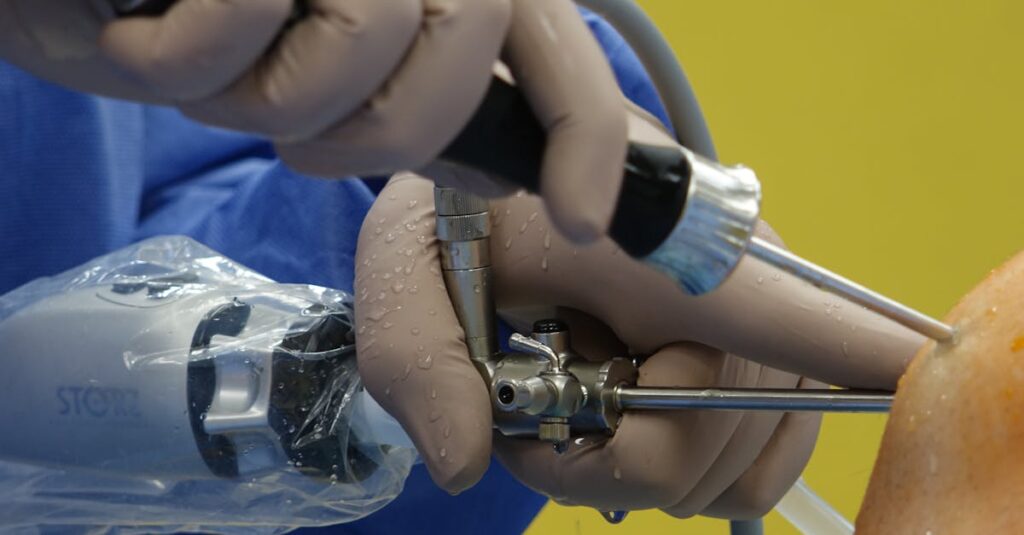
In the evolving landscape of medical care in Longueuil and the surrounding regions, minimally invasive surgery is transforming patient experiences and outcomes. This advanced approach reduces tissue trauma, limits postoperative pain, and significantly shortens hospital stays compared to traditional open surgery. Patients benefit not only from faster recovery times but also from less risk of complications and quicker returns to daily life. For those exploring surgical options, understanding the nuances of minimally invasive techniques and their benefits is paramount.
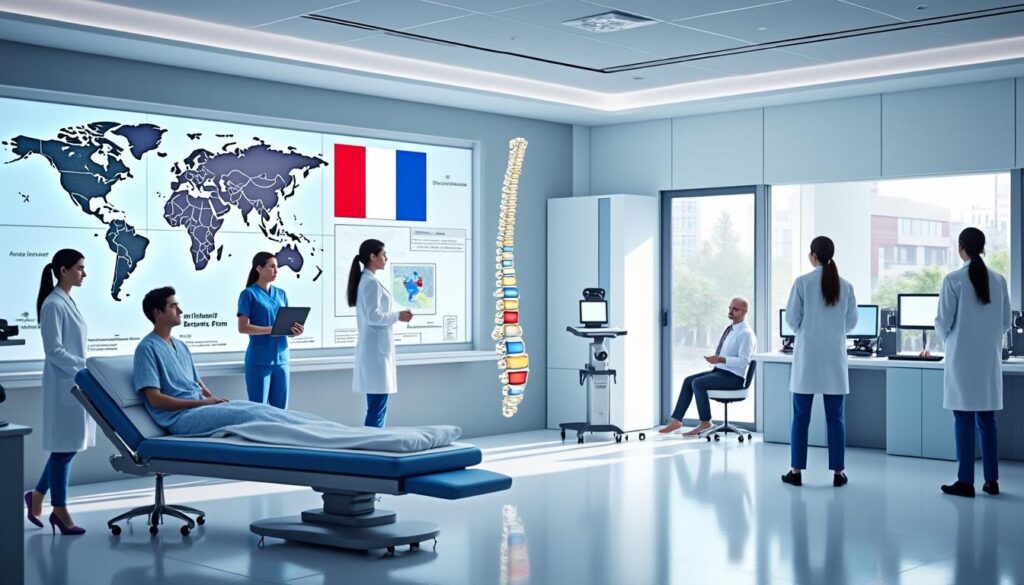
With over 30 years of experience, Dr. Sylvain Desforges stands as a leader and educator in spinal care innovations, coordinating international pathways between Québec and France. His expertise shines particularly in helping patients navigate advanced treatment options, including minimally invasive surgery tools offered by world-renowned technology providers like Intuitive Surgical and Medtronic. The multidisciplinary and patient-centered approach is enhanced by clinical partnerships ensuring rigorous, evidence-based care while fostering safe, personalized surgical solutions.
Advancements in Minimally Invasive Surgery Techniques
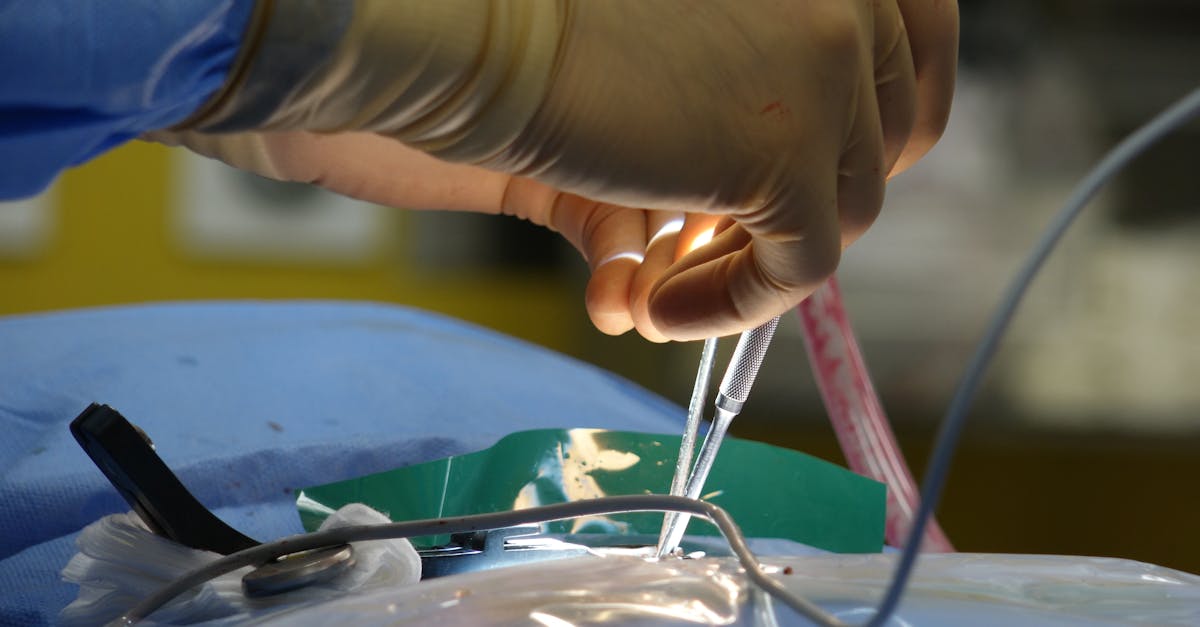
Minimally invasive surgery (MIS) has revolutionized various surgical fields, including cardiac, orthopedic, and spinal surgeries. Unlike conventional open methods that require large incisions and extensive disruption of tissue, MIS utilizes smaller incisions aided by cameras and specialized instruments. This translates into significantly reduced trauma, less scarring, and accelerated healing.
Several innovations have propelled these advancements forward:
- Robotic-Assisted Surgery — The use of robotic platforms such as those developed by Intuitive Surgical enhances precision and dexterity, especially in delicate spinal or cardiac interventions.
- Laser Technologies — Employed for neurovertébral decompression and tissue ablation, lasers improve accuracy while minimizing collateral damage.
- Dynamic Implants and Instrumentation — Innovations from companies like Zimmer Biomet and Smith & Nephew provide tailored spinal stabilization solutions that preserve natural motion.
- Neurovertébral Decompression Devices — Highly specialized tools refine decompression treatments, reducing nerve impingement with minimal disruption.
Dr. Desforges emphasizes that the integration of these technologies complies strictly with Canadian and Québec regulations, ensuring patient safety and adherence to the highest standards of medical ethics. The concerted effort to blend innovation with evidence-based protocols fosters optimal outcomes and encourages the evolving role of minimally invasive options in spinal care.
Disc Prosthesis in Lévis: Maintain Natural Mobility
In the evolving landscape of spinal health, the pursuit of innovative solutions for chronic back pain and degenerative disc conditions has never been more critical. Residents of Lévis and surrounding regions seeking pathways beyond the limitations of traditional spinal fusion…
Types of Minimally Invasive Surgeries Available in France for Quebec Patients
For patients considering surgery options beyond Québec due to wait times or treatment availability, France offers a spectrum of minimally invasive procedures, particularly for spinal and cardiac conditions. These can be broadly categorized into:
- Simple Minimally Invasive Surgeries: Procedures targeting localized disc herniations, spinal stenosis, or minor valve repairs where small incisions and targeted instrumentation suffice.
- Fusion Surgeries: Techniques involving minimally invasive placement of hardware to fuse affected vertebrae or heart valves, aimed at restoring stability with less tissue disruption.
- Motion-Preserving Surgeries: Advanced options designed to maintain spinal or cardiac mobility post-operation. Examples include dynamic stabilization implants or artificial valve repairs.
The choice among these depends on comprehensive patient evaluation, including biomechanical considerations, pathology specifics, and patient lifestyle. Dr. Desforges’ unique expertise ensures a rigorous assessment that aligns patient needs with the most suitable surgical modality available internationally.
| Surgery Type | Description | Benefits | Typical Indications |
|---|---|---|---|
| Simple MIS | Small incision procedures, often outpatient | Less pain, rapid recovery | Disc herniations, mild stenosis |
| Fusion Surgery | Stabilization using implants to fuse vertebrae | Long-term spinal stability | Severe degeneration, instability |
| Motion-Preserving Surgery | Dynamic implants preserving motion | Maintains mobility, reduces adjacent segment wear | Active patients, early degeneration |
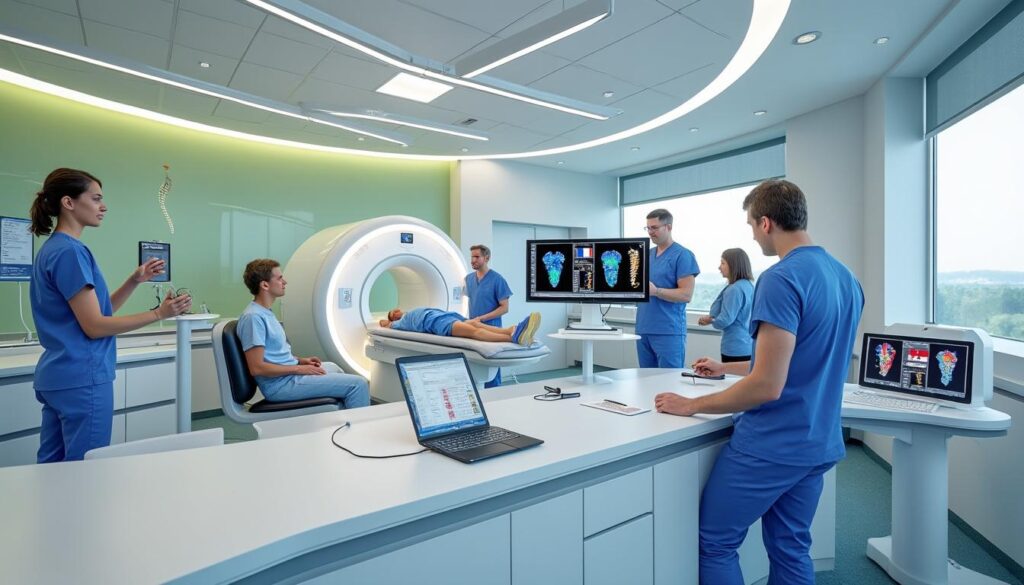
For those keen to explore personalized surgical journeys, France’s medical centers partnered with Dr. Desforges’ coordination offer cutting-edge technology like those from Stryker and Karl Storz, notable for minimally invasive tools and visualization systems.
Motion Surgery in Terrebonne: Advanced Techniques Available in France
With over three decades of dedicated expertise in spine care, I have witnessed firsthand the evolution of surgical options aimed at improving quality of life for those living with spinal disorders. Among these advances, Motion Surgery stands out in Terrebonne…
Step-by-Step Patient Journey in Transatlantic Minimally Invasive Surgery
Under Dr. Desforges’ guidance, the journey for patients from Québec to France for minimally invasive surgery is meticulously coordinated to optimize timing, outcomes, and patient comfort.
- Preoperative Evaluation: Comprehensive assessment including clinical examination, imaging, and conservative treatment review, emphasizing advanced conservative care at Clinique TAGMED.
- Verification of Conservative Management: Ensuring successful completion of 3 to 6 months of non-surgical treatments such as physiotherapy, osteopathy, or neurovertébral decompression. Surgery is only contemplated if these do not yield sufficient relief.
- Surgical Planning and Scheduling: Coordination with French surgical teams, featuring renowned specialists and access to premium facilities, guaranteeing no unnecessary delays.
- Travel and Admission: Assistance with travel arrangements, complete administrative support including insurance and communication facilitation.
- Procedure and Immediate Recovery: Use of the latest minimally invasive techniques under expert surgical hands, aiming for rapid mobilization and reduced postoperative discomfort.
- Postoperative Care and Rehabilitation: Personalized rehabilitation plans facilitated both in France and upon return to Québec, integrated with remote follow-ups via collaborative platforms.
Dr. Desforges’ role is crucial in maintaining consistency and quality throughout this pathway, enhancing both patient trust and clinical results. This approach assures compliance with both Canadian and international medical standards, creating a seamless continuum of care.
Key Elements for Patients to Consider During this Journey
- Completion of conservative treatments including neurovertébral decompression.
- Detailed preoperative discussions regarding the risks, benefits, and expected outcomes of surgery.
- Transparent access to technology descriptions (e.g., implants from Boston Scientific and Olympus) ensuring informed consent.
- Structured support system that respects cultural and linguistic differences to reduce journey-related stress.
Lumbar Disc Prosthesis in Saguenay: Long-Lasting Relief After Surgery
Chronic back pain rooted in lumbar disc degeneration challenges many patients in Saguenay and beyond, urging exploration of innovative solutions to restore spine health and quality of life. Traditional spinal fusion surgeries, though effective for stabilizing painful segments, have notable…
Biomechanical and Clinical Advantages of Minimally Invasive Surgeries
From a biomechanical standpoint, minimally invasive surgeries offer distinct advantages over traditional open surgeries for spinal and cardiac care:
- Reduced Muscle and Tissue Damage: Smaller incisions and targeted dissections minimize trauma to muscles and ligaments, preserving core stability and reducing morbidity.
- Preservation of Natural Motion: Motion-preserving devices allow the spine or valves to maintain physiological movement, which reduces adjacent segment degeneration.
- Enhanced Postoperative Functional Outcomes: Patients experience less stiffness and a quicker return to normal activities due to less scar tissue formation and better muscle preservation.
Recent studies highlighted in Mayo Clinic reports confirm these biomechanical benefits with clinical data supporting reduced complications such as postoperative stiffness and prolonged pain encountered in open surgeries.
| Benefit | Effect | Clinical Outcome |
|---|---|---|
| Muscle Sparing | Reduced tissue trauma | Less postoperative pain, faster recovery |
| Motion Preservation | Maintains natural spinal kinetics | Lower risk of adjacent segment disease |
| Smaller Incisions | Reduced scar formation | Improved aesthetics, less infection risk |
Economic and Human Impact of Shortened Hospital Stay
The economic savings from reduced hospitalization cannot be overstated. Shorter stays translate to:
- Lower medical costs for patients and insurers
- Freed healthcare resources allowing faster access for others
- Decreased risk of hospital-acquired infections and complications
The human dimension is equally vital. Patients enjoy a quicker return to family and work life, maintain independence, and experience less psychological distress associated with hospitalization. Dr. Desforges underscores that these benefits are amplified when surgeries are supported by dedicated teams ensuring continuous patient education and empathetic communication.
IntraSPINE® in Sherbrooke: Maintain Lumbar Function
In the modern management of lumbar spine conditions, patients in Sherbrooke and across Quebec are increasingly presented with innovative solutions that prioritize maintaining natural spinal function while alleviating debilitating pain. Among these advancements, the IntraSPINE device has emerged as a…
Why Surgery is a Last Resort: The Importance of Conservative Treatment
While minimally invasive techniques offer tremendous benefits, surgery should only be considered after a thorough trial of conservative management. The standard recommendation is 3 to 6 months of non-surgical treatments including:
- Neurovertébral Decompression Therapy: Offered at institutions like Clinique TAGMED, this approach helps relieve nerve pressure without invasive intervention.
- Physiotherapy and Osteopathic Care: To improve mobility, strength, and posture.
- Medication and Pain Management: To reduce inflammation and discomfort.
- Lifestyle Modifications: Including ergonomic adjustments and physical activity regulation.
If these conservative options are insufficient, Dr. Desforges’ evaluation can clarify whether minimally invasive surgery in France represents the next optimal step. This structured approach respects patient safety and ensures that surgery is an informed, deliberate decision rather than a premature recourse.
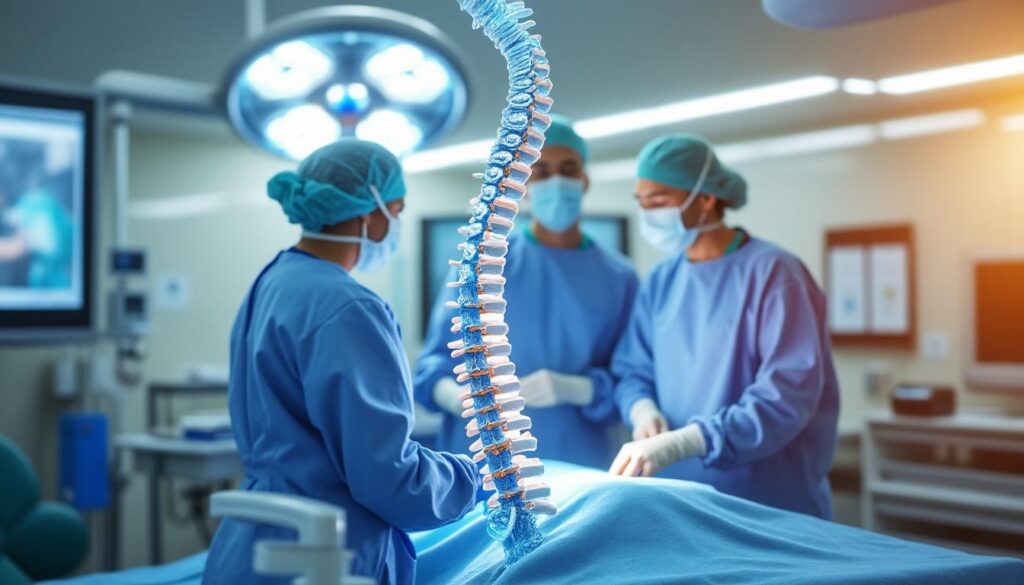
Minimally Invasive Surgery in Longueuil: Reduce Post-Surgery Pain
Minimally invasive surgery in Longueuil is transforming the patient experience by significantly reducing post-surgery pain and accelerating recovery times. With advances in surgical techniques such as laparoscopic and robotic-assisted procedures, patients can benefit from smaller incisions, less tissue damage, and…
International Collaboration Enhancing Personalized Spine and Cardiac Care
The transatlantic collaboration led by Dr. Desforges harnesses the strengths of Canadian expertise and French surgical innovations. This integrated approach delivers several advantages:
- Access to State-of-the-Art Technologies: Enabling patients to benefit from devices and techniques not yet widely accessible in Quebec.
- Expedited Surgical Scheduling: Avoiding long wait times common in Quebec’s public system.
- Comprehensive Pre- and Postoperative Care: Supported by a network of surgeons, rehabilitation specialists, and telemedicine platforms.
- Quality Control and Ethical Oversight: Adherence to regulatory standards across both healthcare systems.
This exemplary coordination accentuates the human-centric aspect of care, fostering motivation and confidence in patients navigating complex health journeys.
Highlighted Technologies Involved
- CONMED electrosurgical instruments improving precision
- Olympus endoscopic visualization systems for clear intraoperative imaging
- Boston Scientific implants enhancing spinal stability and cardiac valve function
- Smith & Nephew advanced minimally invasive surgical tools
Neck Surgery in Montreal: Maintain Natural Cervical Flexibility
Neck surgery remains a crucial consideration for patients suffering from severe cervical spine disorders where conservative treatments have failed. In Montreal, access to specialized care offers patients the opportunity to explore advanced surgical solutions designed to maintain natural cervical flexibility—an…
Risks and Safety Measures in Minimally Invasive Surgery Managed by Experts
While minimally invasive surgery offers numerous advantages, it is not without risks. Proper patient selection, meticulous surgical technique, and thorough postoperative monitoring are critical to minimizing complications.
- Trained and experienced surgeons with specialized skills in MIS.
- Strict adherence to infection control protocols.
- Use of cutting-edge surgical navigation and imaging systems from trusted brands such as Zimmer Biomet and Ethicon ensuring precision throughout surgery.
- Effective postoperative pain management and early mobilization protocols.
Dr. Desforges advocates for transparent discussions addressing risks and benefits, empowering patients through clear information so they remain active partners in their care decisions.
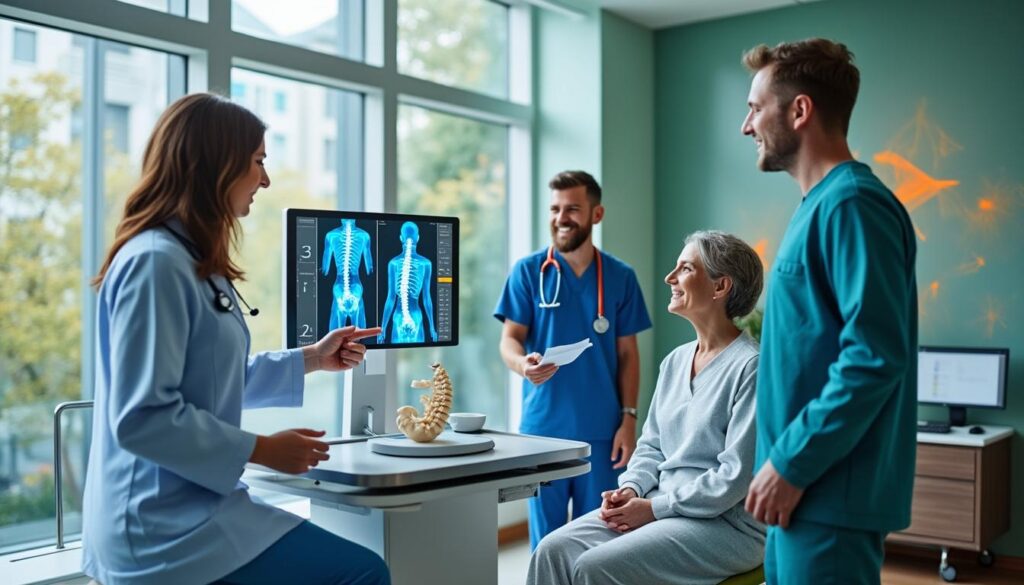
Disc Prosthesis in Lévis: Fast and Lasting Results
In the realm of spinal care, patients battling chronic back pain and degenerative disc diseases continuously seek solutions that offer not just symptom relief but also the restoration of natural spinal function. Disc prosthesis, or artificial spinal disc replacement, has…
Optimizing Recovery and Maintaining Function Post-Surgery
Postoperative care is vital to consolidate surgical gains and restore function. Effective strategies include:
- Customized physical therapy targeting strength and flexibility
- Regular follow-ups coordinated between French surgeons and Quebec-based care providers
- Use of telehealth platforms facilitating remote monitoring and education
- Patient education on ergonomics, lifestyle, and long-term joint/spine preservation
Such comprehensive follow-up reduces risk of reinjury and optimizes the longevity of surgical benefits. Patients feel supported not only medically but psychologically throughout their recovery journey.
| Recovery Phase | Focus Area | Expected Outcome |
|---|---|---|
| Immediate Postoperative | Pain control, early mobilization | Reduced complications, quicker discharge |
| Rehabilitation | Muscle strengthening, flexibility | Improved mobility, function |
| Long-Term Maintenance | Ergonomics and lifestyle | Prevention of recurrence |
The commitment to a multidisciplinary approach highlights the value placed on patient-centered care, a principle central to Dr. Desforges’ ethos.
Motion Surgery in Terrebonne: Reduce Postoperative Complications
In the evolving landscape of spine care, Motion Surgery in Terrebonne represents a groundbreaking approach that offers patients a significant advantage in reducing postoperative complications while preserving spinal mobility. Traditional spinal surgeries have long been associated with challenges, including stiffness,…
Accessing Minimally Invasive Surgery Through the Transatlantic Care Coordination
Longueuil patients considering minimally invasive surgery internationally can engage with specialized care coordination services providing:
- Personalized patient evaluations by Dr. Desforges, ensuring treatment appropriateness.
- Arrangements for timely appointments and surgery scheduling in France without undue delays.
- Continuous collaboration with international partners and follow-up management upon returning to Québec.
- Clear explanation of financial and insurance aspects to avoid unexpected burdens.
Such structured coordination fosters peace of mind, making renowned advanced surgical treatments accessible and manageable.
For detailed inquiries or to start your personalized assessment journey, please contact the SOS Tourism Medical team. Expert guidance from initial evaluation to return home is guaranteed, offering an integrated and reassuring path forward.
What is the main advantage of minimally invasive surgery in Longueuil?
Minimally invasive surgery reduces tissue damage and shortens hospital stays, allowing patients to recover faster with less pain than traditional surgery.
How long is the typical hospital stay after minimally invasive cardiac surgery?
Patients generally experience shorter hospital stays, often less than a week, compared to longer stays following open-heart surgery.
Are there alternative treatments before considering surgery?
Yes, conservative treatments such as neurovertébral decompression, physiotherapy, and osteopathic care are recommended for 3 to 6 months prior to surgery to avoid unnecessary operations.
What role does Dr. Sylvain Desforges play in patient care?
Dr. Desforges expertly evaluates spinal and cardiac conditions, coordinates international surgical pathways, and ensures evidence-based, ethical, and personalized care for his patients.
Is surgery in France a common choice for Quebec patients?
Due to shorter wait times and access to advanced technologies, many Quebec patients choose France for minimally invasive surgeries coordinated by experts like Dr. Desforges.