Non-Surgical Cervical Disc Herniation Care in Blainville
October 27, 2025
Blainville Herniated Disc Solutions Without Medication or Surgery
October 27, 2025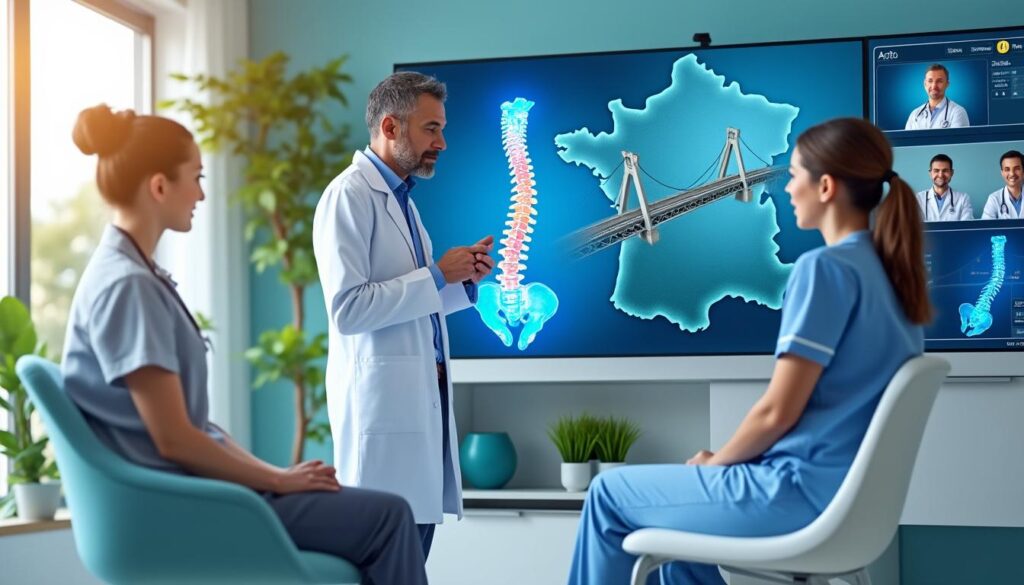
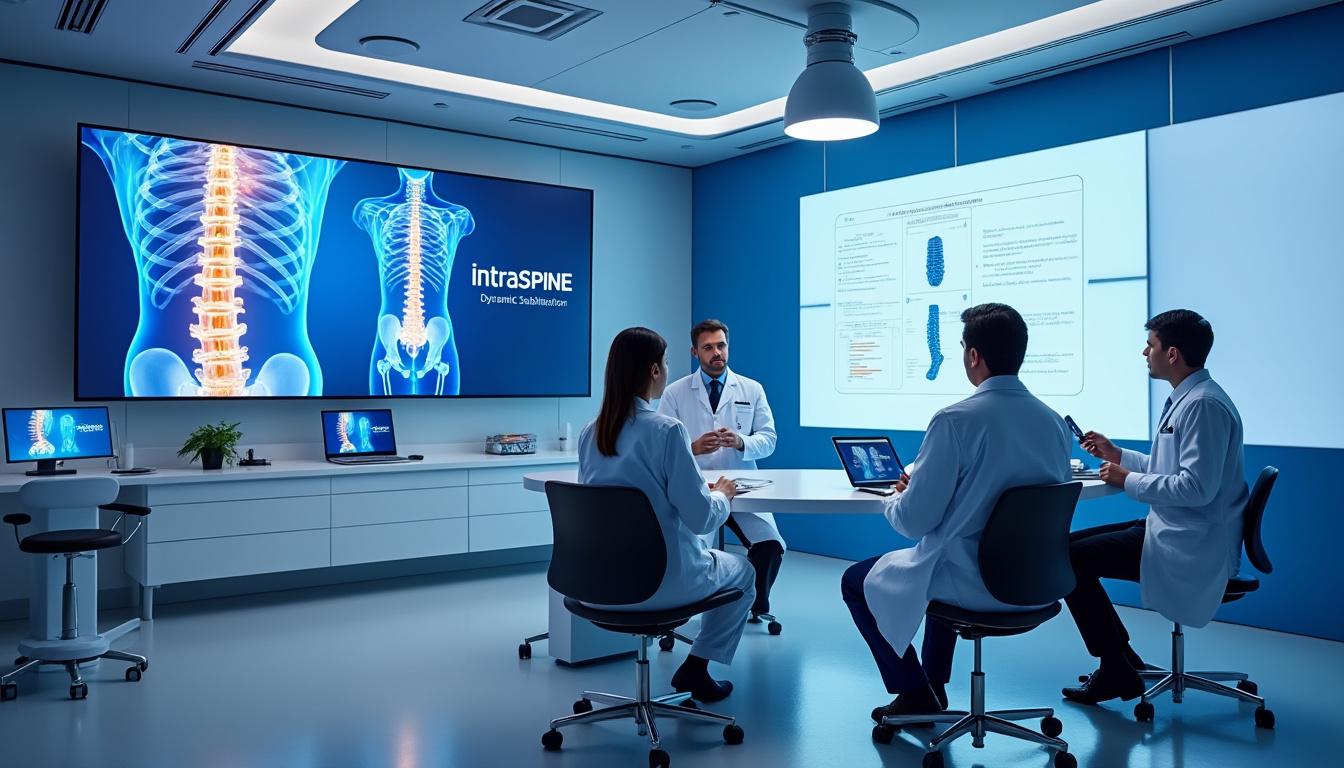
Chronic low back pain remains a pervasive and challenging condition that affects millions worldwide, often disrupting everyday activities and diminishing quality of life. With evolving medical innovations, patients are now experiencing treatment breakthroughs that not only promise relief but protect the natural function of the spine. One standout advancement is the IntraSPINE device, which has gained recognition for its unique approach to maintaining spinal dynamics while effectively reducing pain. In Sherbrooke, this innovative treatment has become a beacon for those seeking alternatives to conventional invasive surgeries, combining safety, efficacy, and quicker recovery times.
The complex nature of chronic low back pain calls for a solution that respects the delicate biomechanics of the spinal column. Traditional surgical approaches, including fusion techniques, can inadvertently restrict movement and alter spinal load distribution, sometimes leading to adjacent segment disease or further degeneration. IntraSPINE presents a dynamic interlaminar stabilization system designed specifically to preserve mobility and support the spine’s natural lordosis. As a result, patients benefit from a treatment that integrates biomechanical harmony with substantial pain management.
Behind the scenes of these advanced therapies stands Dr. Sylvain Desforges, an osteopathic expert with over 30 years of experience, whose leadership and pioneering work emphasize the rigorous application of evidence-based practices. He champions a treatment philosophy grounded in scientific rigour, patient safety, and ethical innovation — a combination that inspires confidence throughout the patient journey, particularly for those navigating international pathways between Quebec and France. The synergy of multidisciplinary teams and state-of-the-art technologies ensure that chronic low back pain management evolves beyond mere symptom relief to encompass comprehensive care and long-term wellbeing.
Understanding Chronic Low Back Pain and When IntraSPINE is Recommended
Chronic low back pain (cLBP), defined by persistent discomfort lasting at least three months, encompasses a range of musculoskeletal issues often complicated by age-related degeneration or injuries. The causes include arthritis of the spine, spinal stenosis, disc herniations or bulges, and sometimes myofascial pain syndrome without clear origins. Patients typically report fluctuating pain intensity that limits functional capacity and complicates treatment efforts.
Identifying the appropriate intervention requires a thorough evaluation, particularly because the success of any procedure depends greatly on understanding the underlying pathology. The IntraSPINE device targets specific conditions such as degenerative disc disease and lumbar instability by operating within the interlaminar space of the vertebrae. It allows the spine to maintain natural curvature and movement, which are critical for overall spinal health.
For example, patients with symptomatic lumbar disc degeneration exhibiting instability or recurrent low back pain after lumbar discectomy can benefit significantly from IntraSPINE. Unlike rigid fusion devices, it provides dynamic stabilization by absorbing shocks and preserving physiological segmental motion. This approach contrasts with more traditional fusion methods offered by manufacturers like Medtronic or Zimmer Biomet, whose devices often focus on immobilizing segments to prevent pain but risk compromising long-term spinal mechanics.
Key advantages of IntraSPINE in chronic low back pain management include:
- Preservation of normal spinal lordosis and motion
- Reduced stress on adjacent spinal segments
- Minimally invasive implant insertion with a faster postoperative recovery
- Compatibility with advanced conservative treatments such as neurovertebral decompression
- Improved lumbar stability supporting natural biomechanics
| Comparison Aspect | IntraSPINE | Traditional Fusion Devices |
|---|---|---|
| Mobility Preservation | Dynamic stabilization ensures natural spinal movement | Often rigid, limiting segment motion |
| Biomechanical Load Distribution | Maintains physiologic load across spinal segments | Alters load patterns, possibly causing adjacent segment degeneration |
| Recovery Time | Faster, minimally invasive procedure | Longer, invasive surgeries requiring extensive rehabilitation |
| Technological Innovation | Utilizes interlaminar stabilization technology | Conventional implants focusing on fusion |
For patients interested in alternatives that transcend conventional fusion surgeries, IntraSPINE offers an optimal balance between stability and mobility, a feature especially appealing in the Sherbrooke context where access to state-of-the-art treatments aligns with a commitment to personalized patient care.
IntraSPINE® in Sherbrooke: Durable Solution for Chronic Low Back Pain
The management of chronic low back pain, a widespread condition affecting millions across Quebec and beyond, has reached a pivotal moment thanks to innovative medical technologies and coordinated care pathways. At the heart of this evolution lies the IntraSPINE implant,…
Key Stages of the Patient Journey: From Evaluation to Postoperative Care
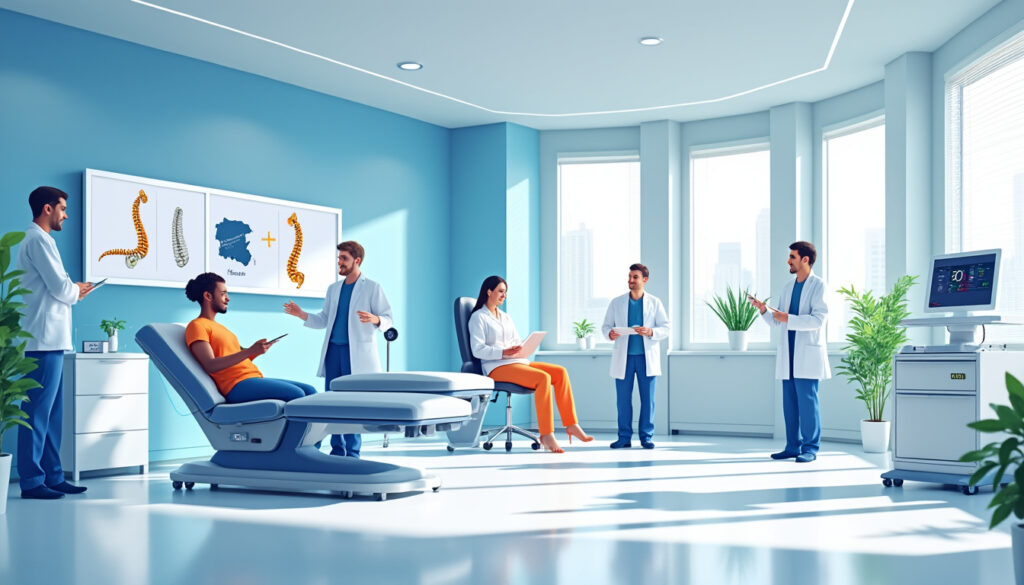
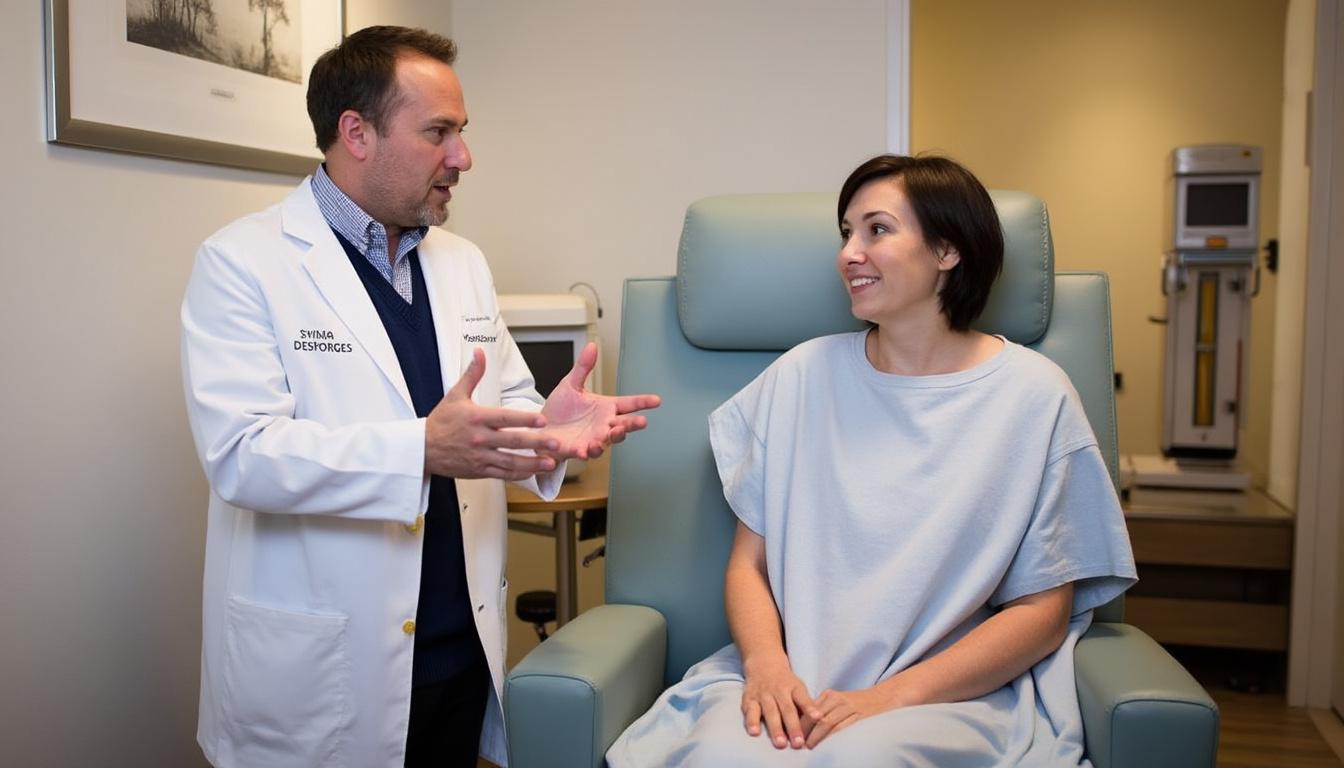
Effective management of chronic low back pain via IntraSPINE requires a meticulously coordinated patient journey. This begins with comprehensive evaluation by experts like Dr. Desforges, whose experience in osteopathic evaluations and international collaboration with surgical centers ensures that each patient receives tailored recommendations based on an accurate assessment of spinal pathology.
The patient journey typically unfolds through the following essential phases:
- Expert Evaluation and Diagnostic Imaging: Utilizing advanced imaging modalities to assess spinal alignment, segmental stability and disc health, complemented by a detailed clinical exam.
- Conservative Treatment Period: Implementation of non-surgical therapies such as physical therapy tailored to core stability, neurovertebral decompression available at the Clinique TAGMED, medication adjustments, and lifestyle modifications, typically lasting 3 to 6 months.
- Multidisciplinary Review and Decision-Making: Evaluating treatment response including advanced nonsurgical options; if insufficient relief occurs, surgical candidacy for IntraSPINE implantation is considered with collaboration between Canadian and French surgical specialists.
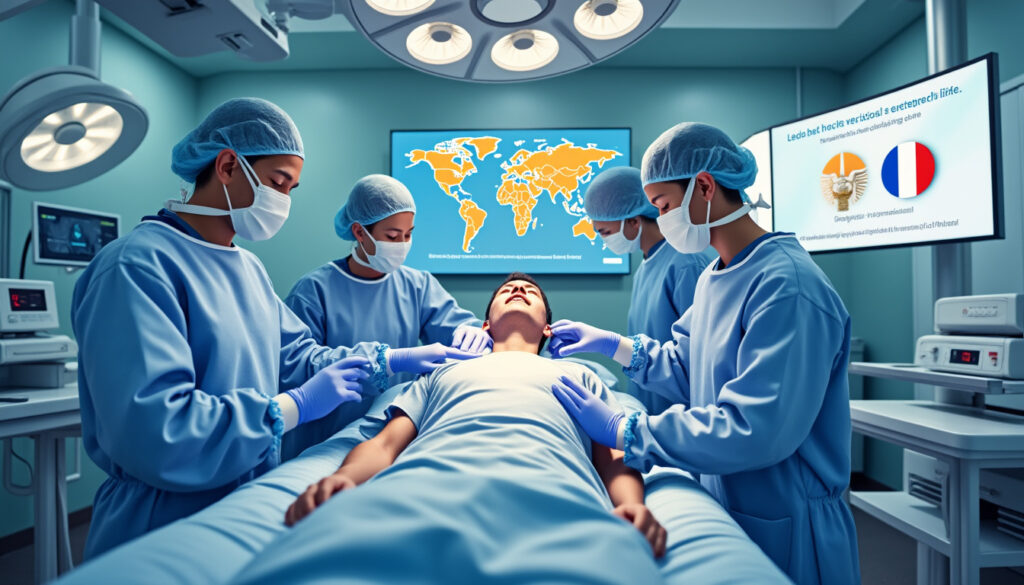
- Surgical Procedure: Performed in experienced centers using minimally invasive approaches that prioritize spinal biomechanics and safety.
- Postoperative Rehabilitation: Early mobilization with physical therapy focusing on maintaining spinal motion and core strength to optimize surgical outcomes and minimize recurrence.
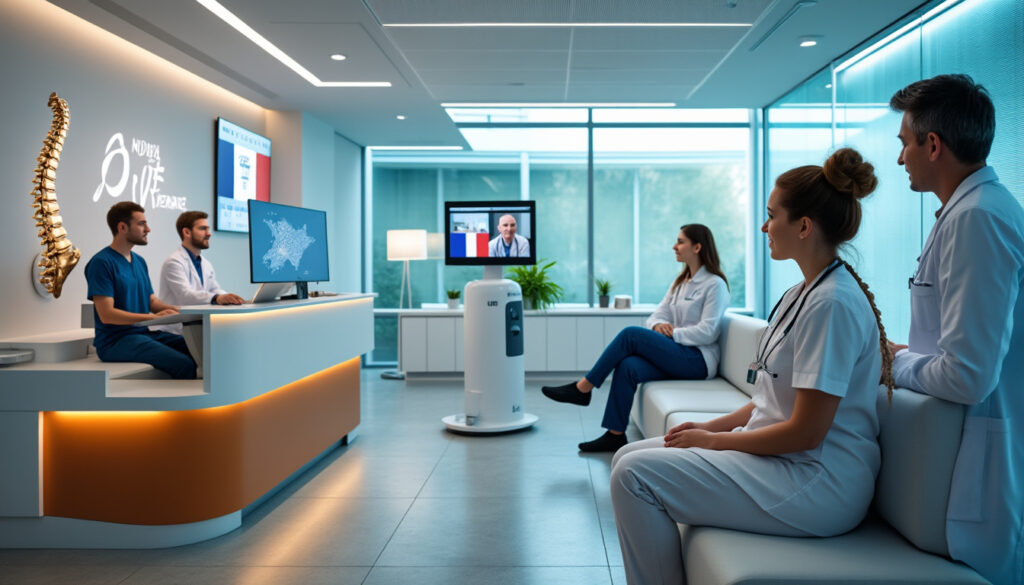
- Follow-up and Long-Term Monitoring: Regular assessments by the international medical team to ensure sustained symptom relief and spinal health, facilitated by telemedicine and cross-border coordination.
Throughout this pathway, Dr. Desforges’s role as founder and president of professional osteopathic bodies and the ACMA reflects his commitment to rigorous care standards and ethical oversight, ensuring treatments adhere strictly to Quebec and Canadian medical regulations. This extends to patient education, where clear, jargon-free explanations help individuals understand the rationale, benefits, and risks associated with treatment stages.
| Journey Stage | Details and Patient Considerations | Involved Professionals |
|---|---|---|
| Evaluation & Diagnostics | Comprehensive clinical exam and individualized imaging review | Dr. Desforges, Radiologists, Spine specialists |
| Conservative Treatment | Targeted physical therapy, neurovertebral decompression, lifestyle changes | Physiotherapists, Osteopaths, TAGMED team |
| Surgical Decision | Evidence-based review balancing risks and benefits, patient consent | Surgeons (Canada, France), Dr. Desforges |
| Surgery & Implantation | Minimally invasive IntraSPINE device insertion preserving spinal biomechanics | Surgeons, Anesthetists, Nursing staff |
| Rehabilitation & Follow-Up | Early mobilization, continued assessments via teleconsultations | Physiotherapists, Dr. Desforges, Rehabilitation specialists |
Spine Surgery in Trois-Rivières: Reduce Pain and Preserve Mobility
In recent years, spine surgery in Trois-Rivières has evolved notably, combining advanced medical expertise with innovative technologies to deliver patient-centered care. This growing field addresses the increasing demand among Quebec residents seeking effective solutions for chronic back pain and mobility…
Exploring Surgical Techniques for Low Back Pain: Fusion, Motion Preservation & Simple Procedures
A nuanced understanding of the surgical options available for chronic low back pain is necessary for qualified decision-making. Surgery is typically reserved for patients whose conservative care, including specialized treatments like neurovertebral decompression, has not sufficiently alleviated symptoms over at least 3 to 6 months—an essential prerequisite emphasized by Dr. Desforges to avoid premature surgical intervention.
The main surgical methods include:
- Simple decompression procedures: These involve relieving nerve pressure by removing bone or soft tissue compressing nerves. They are relatively less invasive but may not address biomechanical instability fully.
- Spinal fusion: Fixates vertebral segments to eliminate motion at painful joints. While effective in stabilizing, fusion alters spinal biomechanics and may lead to adjacent segment disease. These procedures often use implants from manufacturers like DePuy Synthes or Stryker.
- Motion-preserving surgery: Involving devices like the IntraSPINE or those by NuVasive and Globus Medical, these procedures aim to maintain natural spinal movement and load distribution, reducing the risk of further degeneration.
For patients motivated to maintain an active lifestyle, motion-preserving surgeries provide notable advantages, including faster recovery and lower risks of adjacent segment degeneration. Dr. Desforges consistently promotes a personalized approach, ensuring patients fully understand the limits, benefits, and associated surgical hardware when considering these options.
| Surgical Technique | Description | Pros | Cons |
|---|---|---|---|
| Simple Decompression | Relieves nerve pressure by removing compressive tissue | Less invasive, shorter surgery time | Does not stabilize spine mechanically |
| Spinal Fusion | Joins vertebrae to prevent motion | Effective stabilization | Loss of motion, increased adjacent segment stress |
| Motion Preservation | Maintains spinal motion using dynamic devices | Preserves biomechanics, potential for quicker recovery | Newer technology, less long-term outcome data |
Choosing the right surgical strategy requires a comprehensive analysis of the individual’s anatomy, symptoms, lifestyle, and treatment history. This is precisely where Dr. Desforges’s expertise in spinal evaluation proves invaluable, helping patients navigate the complex landscape of spinal surgeries while ensuring alignment with the latest innovations like those promoted by Alphatec Spine and SpineWave.
Cervical Disc Prosthesis in Quebec City: Avoid Post-Surgery Stiffness
Chronic neck pain remains a significant challenge for thousands of residents in Quebec City every year, often leading them to seek effective spinal surgery options that minimize downtime and maximize long-term mobility. Among the recent advancements revolutionizing cervical spine care,…
Advantages of a Transatlantic Surgical Pathway: Merging Innovation and Personalized Care
The international coordination between Canadian and French surgical teams enhances the treatment options available to Quebec patients suffering from chronic low back pain. With Dr. Desforges facilitating this transatlantic collaboration, patients gain access to cutting-edge surgical technologies and expert multidisciplinary teams that might be less accessible within Canada alone, particularly for implants and procedures not yet widespread in Quebec.
This approach offers multiple benefits:
- Access to Innovations: Devices like IntraSPINE, supported by manufacturers such as Zimmer Biomet and Centinel Spine, may have earlier or more extensive use in France, giving patients earlier access to these technologies.
- Reduced Waiting Times: Canadian public healthcare systems often involve lengthy queues for spine surgeries. The international pathway helps optimize scheduling, significantly reducing wait times and expediting care.
- Comprehensive Multidisciplinary Support: Coordination includes preoperative and postoperative care, rehabilitation, and follow-up, facilitated by platforms such as SOS Tourisme Médical.
- Economic and Logistical Benefits: Patients benefit financially by accessing high-quality surgical care without incurring the higher costs typical of private North American healthcare, yet still retain the comfort of a supervised recovery in Canada.
| Benefit | Canadian Context | Transatlantic Pathway |
|---|---|---|
| Access to Cutting-Edge Technology | Limited by availability and approval times | Broader access to newer implants and procedures |
| Waiting Times | Often months to years | Significantly reduced via partnered clinics |
| Continuity of Care | Fragmented follow-ups possible | Integrated transatlantic management and follow-up |
| Cost Efficiency | High private care expenses | More affordable access with negotiated arrangements |
This system reflects Dr. Desforges’s dedication to patient-centered, evidence-based practice that embraces the best global standards while maintaining compliance with Canadian medical regulations. It empowers patients to actively participate in decision-making with full transparency and personalized guidance.
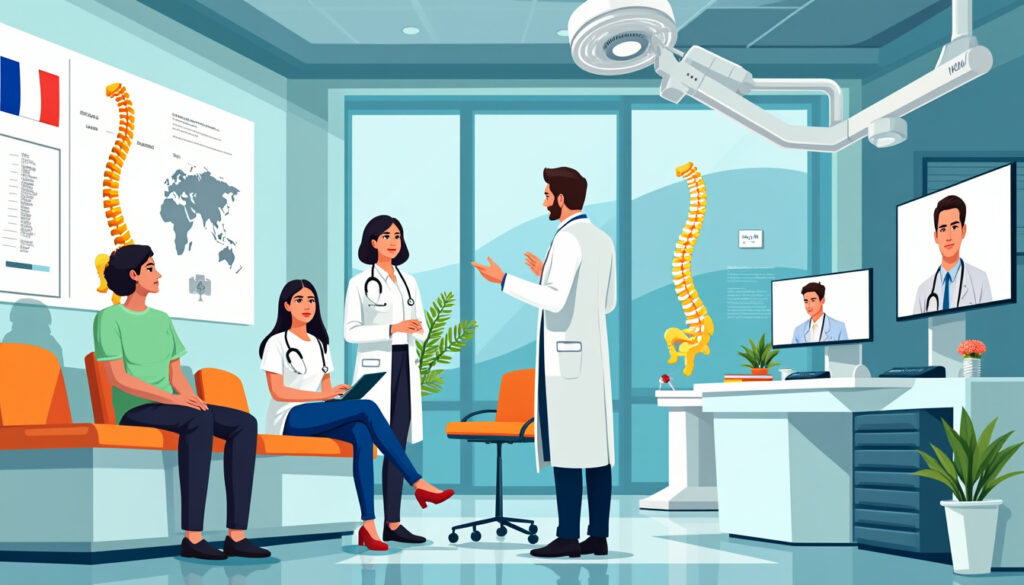
Minimally Invasive Surgery in Longueuil: Reduce Hospital Stay Duration
In recent years, advances in spinal care have dramatically reshaped the treatment landscape for patients suffering from debilitating spinal conditions. Particularly in Longueuil, the emergence of minimally invasive surgery (MIS) techniques offers a transformative alternative to conventional open surgeries. These…
The Role of Conservative Treatments: Foundation Before Surgery
In the spine care philosophy upheld by Dr. Sylvain Desforges, surgery is viewed strictly as a last resort, only to be contemplated after a full course of conservative treatments over at least three to six months. This includes therapies that target pain relief, functional restoration, and potential reversal of symptoms before elective invasive procedures.
A core component of this conservative approach is neurovertebral decompression, a sophisticated non-surgical modality offered at the Clinique TAGMED. This technique employs advanced traction and decompression technology to relieve pressure on spinal discs and nerves, often yielding substantial relief and postponing or avoiding the need for surgery.
- Physical therapy centered on core stability and lumbar flexibility
- Targeted neurovertebral decompression using high-technology devices
- Pharmacological management with the least invasive approach
- Educational programs on lifestyle and ergonomic modifications
- Psychological support addressing chronic pain frustration and anxiety
Importantly, patients who have not yet undergone these advanced conservative treatments are encouraged to do so before surgical evaluation. This disciplined approach respects the natural healing potential while ensuring surgical decisions are reserved for refractory cases.
| Conservative Treatment | Purpose | Provider |
|---|---|---|
| Physical Therapy | Restore function and strengthen musculature | Physiotherapists, Osteopaths |
| Neurovertebral Decompression | Reduce disc and nerve pressure non-invasively | TAGMED clinicians |
| Medication Management | Control inflammation and pain | General practitioners, Pain specialists |
| Patient Education | Encourage self-management and ergonomic adjustments | Osteopaths, Rehabilitation specialists |
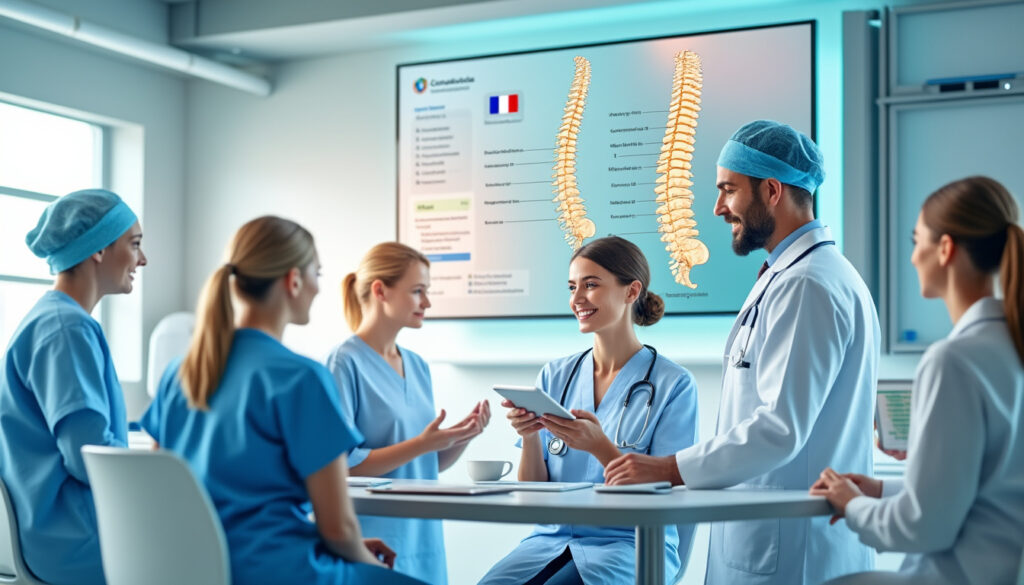
IntraSPINE® in Laval: Modern Solution for Lumbar Stabilization
In the evolving landscape of orthopedic treatments, the city of Laval has become a hub for innovations addressing chronic lower back pain. Among the groundbreaking solutions gaining attention is the IntraSPINE device—a modern spinal implant designed to offer dynamic lumbar…
Innovative Technologies Shaping Treatments for Chronic Low Back Pain
Alongside IntraSPINE and decompression therapies, 2025 has seen significant advances in implant materials and surgical techniques driven by companies like Stryker, Alphatec Spine, and SpineWave. These innovations focus on personalized treatment and anatomical preservation that align closely with the patient-centered care model advocated by Dr. Desforges.
Examples include:
- Dynamic implants: Devices that allow controlled mobility, reducing the risks associated with rigid fusion.
- Laser-assisted procedures: Minimally invasive techniques that aid in soft tissue management and faster recovery.
- Advanced biomaterials: Development of implants with improved biocompatibility and durability to enhance integration and longevity.
- Neurostimulation and nerve ablation: Technologies like the Intracept Procedure provide pain relief targeting vertebrogenic pain sources without permanent hardware.
| Technology | Function | Benefit |
|---|---|---|
| Dynamic Spinal Implants | Allow controlled vertebral movement | Preserves spinal biomechanics and reduces adjacent segment disease |
| Laser Therapy | Minimally invasive soft tissue management | Reduced surgical trauma and faster recovery |
| Biocompatible Materials | Ensure implant longevity and integration | Long-term patient safety and comfort |
| Intracept Nerve Ablation | Targets basivertebral nerve for pain relief | Minimally invasive, no implant needed, durable pain control |
For detailed insight into the Intracept Procedure, patients are encouraged to explore options with specialists like Dr. Tony Lai, whose expertise complements the comprehensive care coordinated by Dr. Desforges on both sides of the Atlantic.
Further understanding of non-surgical and surgical options is accessible through resources such as Hopkins Medicine’s guidelines on chronic back pain treatment and updated clinical research reviews covering evidence-based recommendations for spine care [see here].
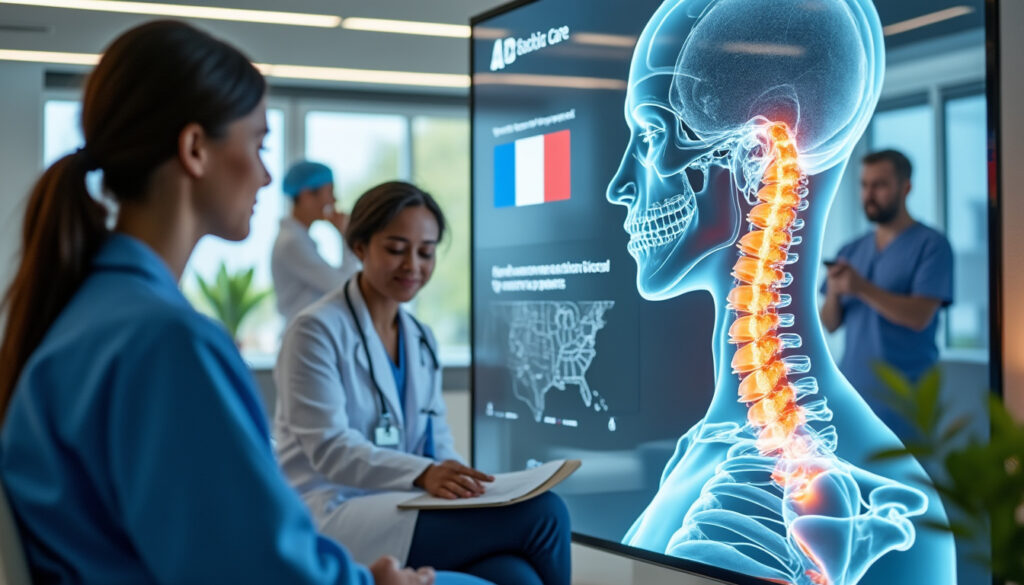
Neck Surgery in Montreal: Maintain Cervical Flexibility and Function
Neck conditions causing persistent pain or functional loss place a substantial burden on individuals and healthcare systems, especially in urban centers like Montreal. Surgical interventions targeting the cervical spine have evolved tremendously, aiming not only to relieve symptoms but to…
Emphasizing Patient-Centered Education and Ethical Care
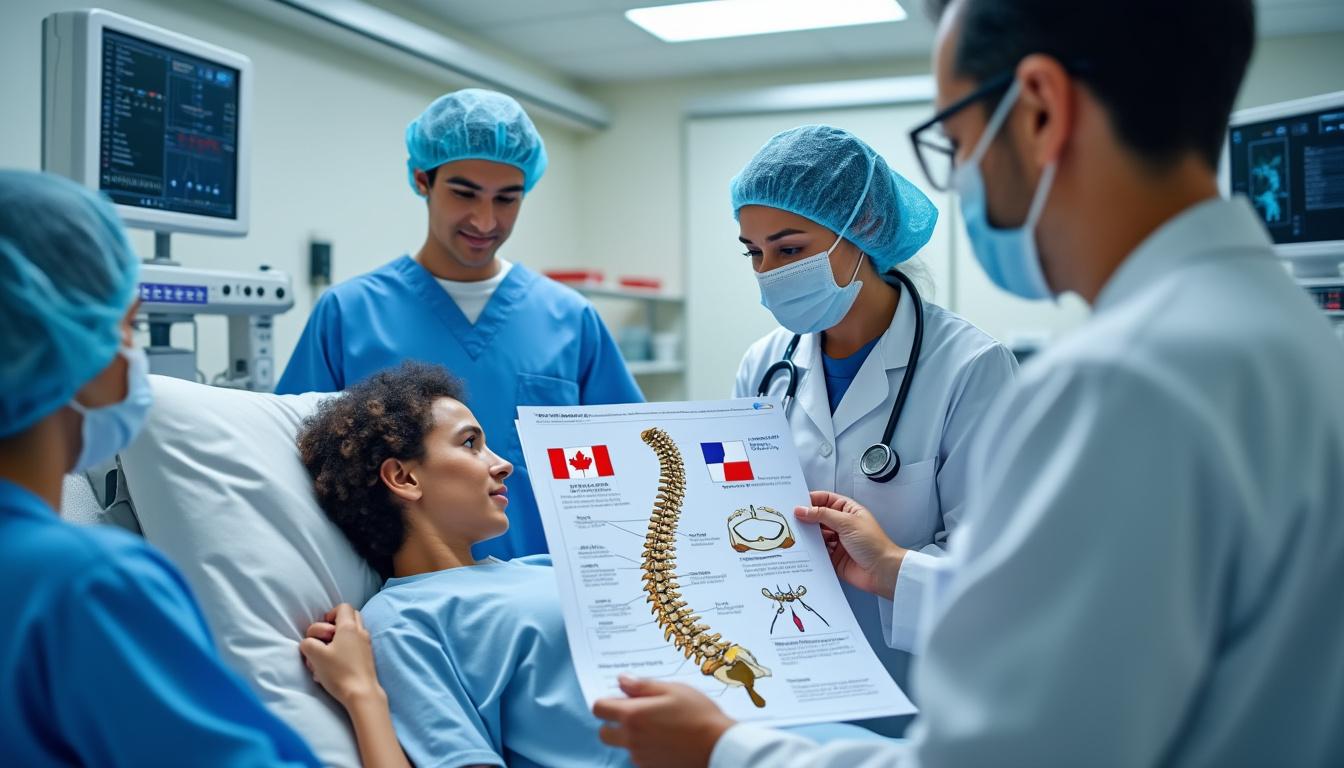
Dr. Desforges’s approach melds sophisticated clinical assessment with empathetic communication. By thoroughly educating patients, he fosters informed decision-making that respects individual preferences and unique spinal conditions. This philosophy ensures that treatments like IntraSPINE are presented not as one-size-fits-all solutions but as components of a tailored journey, emphasizing benefit-risk balance and transparent expectations.
Patients are encouraged to ask questions, discuss their personal goals, and recognize that spine conditions and their responses to treatment can vary widely. This dialog also addresses concerns about surgical timing, the role of conservative care, and long-term management strategies.
- Clear explanation of indications, risks, and benefits
- Discussion of alternative conservative measures before surgery
- Outline of postoperative expectations and rehabilitation commitments
- Supportive follow-up ensuring continuous care
- Coordination with international partners for seamless transitions
By integrating these principles, patients receive reassurance and motivation throughout the complex landscape of chronic low back pain treatment, supported by a collaborative, multidisciplinary care network.

Disc Prosthesis in Lévis: Quick and Long-Lasting Results
Chronic back pain caused by degenerative disc disease continues to profoundly impact the quality of life for many residents in Lévis and the broader Quebec area. For decades, traditional spinal fusion surgery has been the primary solution for alleviating severe…
Long-Term Outcomes and Patient Satisfaction with IntraSPINE
Emerging data from both clinical practice in Sherbrooke and international centers highlight encouraging long-term outcomes after implantation of IntraSPINE. Patients report significant pain reduction, improved functional mobility, and a quicker return to daily activities compared with traditional fusion procedures.
Feedback from patients often emphasizes:
- Preservation of motion that facilitates active lifestyles
- Reduction in post-surgical complications linked to rigid fusion
- Faster rehabilitation timelines, enabling return to work and leisure
- Improved quality of life and decreased reliance on pain medication
A pivotal factor remains the comprehensive, personalized care coordinated by experts like Dr. Desforges, whose protocols ensure that surgical intervention is combined with tailored rehabilitation and continuous follow-up. This collaborative model supports sustained improvement and patient satisfaction.
| Outcome Measure | Results Post-IntraSPINE | Results Post-Traditional Fusion |
|---|---|---|
| Pain Reduction | Marked reduction in visual analog scale (VAS) scores | Variable, sometimes incomplete relief |
| Spinal Mobility | Maintained near-normal segmental motion | Significant loss of segment movement |
| Time to Resume Activities | Typically 4-6 weeks | Up to several months |
| Patient Satisfaction | Generally high with dynamic stabilization | Mixed due to functional restrictions |
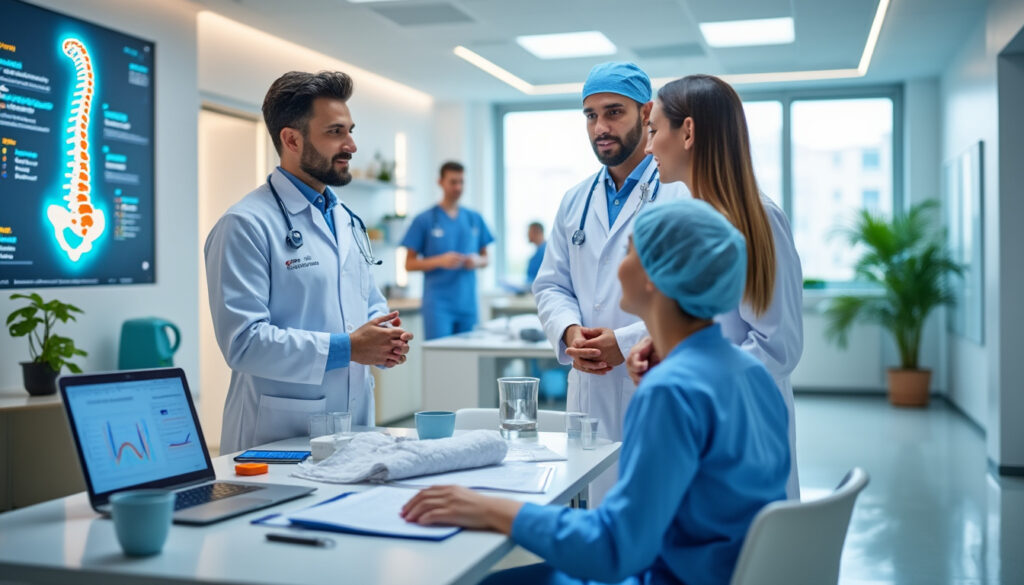
Motion Surgery in Terrebonne: Maintain Intervertebral Mobility
Back pain remains a widespread concern for many in Quebec, with traditional treatment pathways often imposing lengthy waiting periods and financial constraints. Recently, Motion Surgery in Terrebonne has emerged as a transformative option, attracting patients seeking spinal solutions that prioritize…
Taking the Next Step: Personalized Spine Care Consultation in Sherbrooke
Chronic low back pain patients seeking innovative, safe, and effective solutions are invited to explore personalized evaluation with Dr. Desforges, who offers expert osteopathic assessment and care coordination. This engagement ensures a holistic review of your spine health, treatment history, and lifestyle needs.
Given the sophisticated treatment landscape — from advanced conservative care at Clinique TAGMED to the latest surgical devices including IntraSPINE — Dr. Desforges ensures guidance that enhances patient empowerment and informed choices.
- Assessment of candidacy for neurovertebral decompression or surgical intervention
- Detailed explanation of treatment pathways and expected outcomes
- Collaboration with Canadian and French specialists for transatlantic care coordination
- Personalized follow-up plans tailored to your recovery and activity goals
To initiate your personalized consultation or learn more about transforming your chronic low back pain journey, please visit SOS Tourisme Médical contact page. Embrace the opportunity to regain mobility and reduce pain with expert-led, evidence-based care that respects your individual needs.
What distinguishes IntraSPINE from traditional spinal fusion?
IntraSPINE is a dynamic interlaminar stabilization device designed to preserve natural spinal motion and lordosis, whereas traditional fusion immobilizes spinal segments, potentially leading to adjacent segment degeneration.
How long should conservative treatments be tried before considering surgery?
A minimal period of three to six months of dedicated conservative care, including neurovertebral decompression and physical therapy, is recommended before evaluating surgical options.
What are the benefits of the transatlantic pathway for spine surgery?
It offers patients faster access to innovative surgical devices, reduced wait times, integrated multidisciplinary care, and cost efficiencies while maintaining high safety standards.
Can IntraSPINE help patients with lumbar instability?
Yes, it provides dynamic stabilization that maintains lumbar stability and preserves spinal biomechanics, which benefits patients with segmental instability.
Is the Intracept Procedure related to IntraSPINE?
While both address chronic back pain, Intracept focuses on ablating the basivertebral nerve for pain control without implants, whereas IntraSPINE is an implant that stabilizes the spine dynamically.