Les innovations dans les techniques modernes de décompression neurovertébrale pour le pincement discal
November 2, 2025
Saint-Eustache Herniated Disc Relief After Failed Physiotherapy
November 2, 2025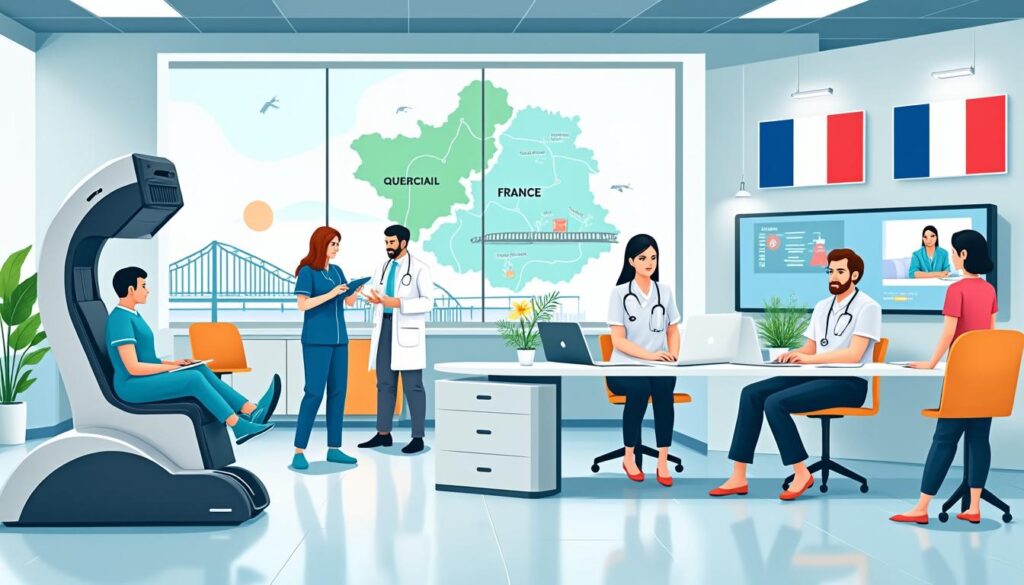
Minimally invasive surgery (MIS) is reshaping the surgical experience in Longueuil, Québec, heralding a new era where patients benefit from quicker recovery, less pain, and shorter hospital stays. This modern approach leverages tiny incisions, refined instruments, and cutting-edge imaging to limit tissue damage during procedures. For those facing spine and joint conditions, or who seek alternatives to traditional open surgery, MIS offers a promising path forward.
Behind this innovation stands a rigorous approach grounded in scientific evidence and patient safety—qualities championed by experts like Dr. Sylvain Desforges with over 30 years of dedicated experience in spinal health. Through collaborations across the Atlantic and the integration of advanced technologies such as neurovertebral decompression and dynamic implants, patients from Quebec can access comprehensive care tailored to their unique needs.
Understanding Minimally Invasive Surgery: A Revolution in Spinal and General Surgery
Minimally invasive surgery is a transformative surgical methodology focused on performing interventions through small incisions, employing specialized instruments and visual aids such as cameras. This reduces trauma to the surrounding tissues, a definitive advantage over traditional open surgery where large incisions and significant muscle retraction were commonplace.
The mechanics of MIS involve:
- Small incisions: Typically less than an inch, these minimize skin disruption.
- Precision instruments: Long, slender tools that allow surgeons to navigate delicate anatomy accurately.
- Real-time imaging: Use of high-definition cameras and imaging technology to guide the procedure internally.
- Reduced tissue damage: Limited cutting or displacement of muscles and skin, aiding in faster healing.
Prominent medical device companies such as Medtronic, Stryker, and Zimmer Biomet have been instrumental in pioneering the tools utilized in these operations, pushing the boundaries of surgical precision and safety.
| Key Component | Traditional Surgery | Minimally Invasive Surgery |
|---|---|---|
| Incision Size | Large (several inches) | Small (<1 inch) |
| Tissue Disruption | Extensive muscle and skin damage | Minimal damage preserving musculature and skin |
| Hospital Stay | Often multiple days | Same day or 1–2 days |
| Recovery Time | Weeks to months | Days to a few weeks |
| Scarring | Pronounced and visible | Minimal and less noticeable |
The elevation of MIS enables patients in Longueuil and beyond to anticipate surgical interventions with greater confidence regarding postoperative function and aesthetics, diminishing the anxiety often linked to surgery.
Lumbar Disc Prosthesis in Saguenay: Maintain Mobility Over the Long Term
Low back pain affects millions of people worldwide, often limiting daily activities and reducing quality of life. In the Saguenay region, where active lifestyles are cherished, preserving spinal function is vital. For those facing chronic back conditions, particularly degenerative disc…
The Spectrum of Minimally Invasive Surgeries Available in France: Choices for Quebec Patients
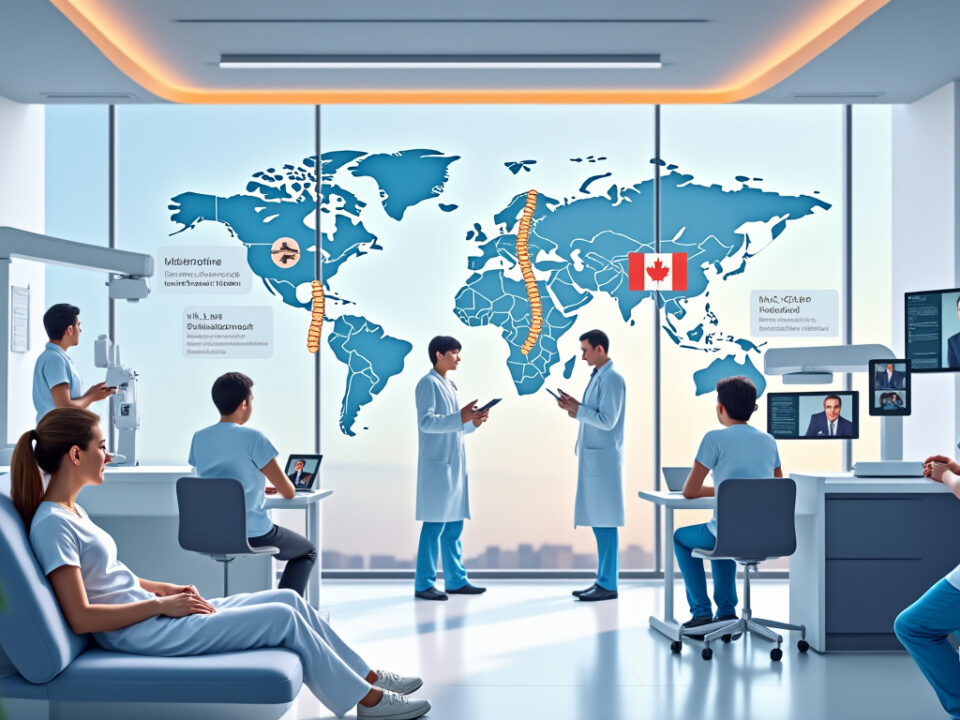
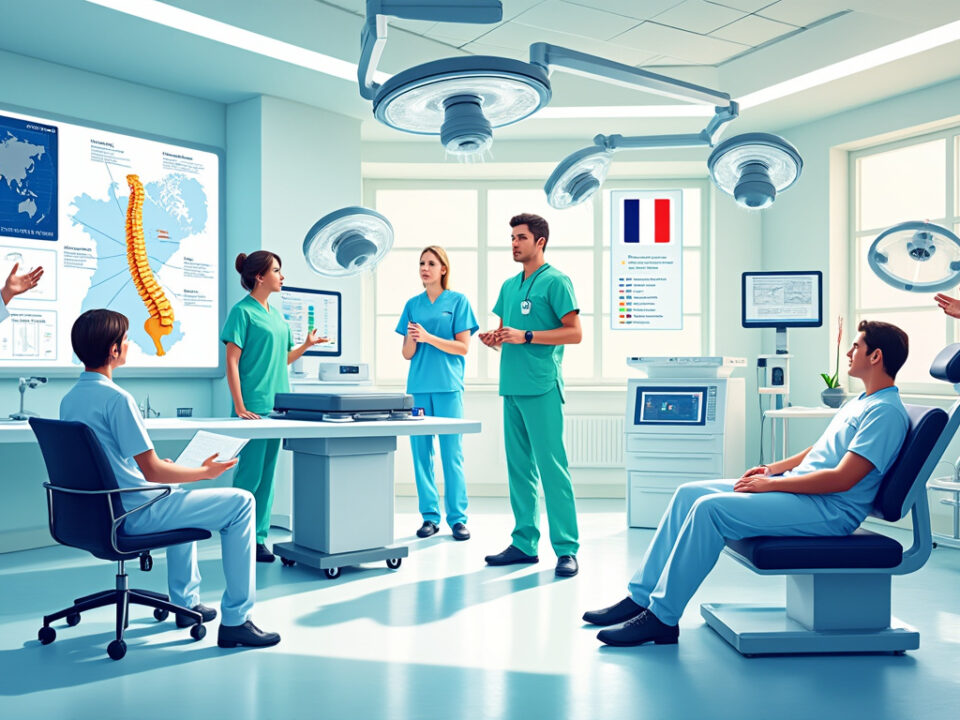
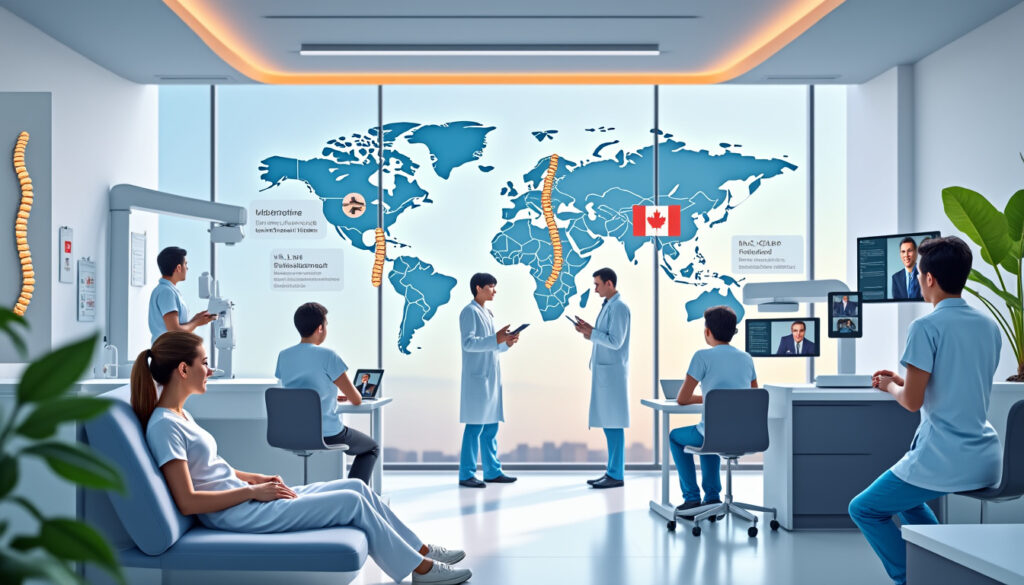
For patients exploring transatlantic care options, France stands out due to its advanced surgical techniques that often surpass those available in Canada. These options include:
- Simple decompression surgeries: Techniques focused on relieving pressure on neural structures with minimal hardware implantation.
- Fusion surgeries: Procedures aimed at stabilizing vertebral segments by fusing bones with implants; traditionally involving longer recovery but now increasingly done with MIS approaches to reduce downtime.
- Motion preservation surgeries: Innovative surgeries using dynamic implants designed to maintain spinal flexibility while addressing instability or degeneration.
Such surgeries reflect a wide range of patient needs and conditions, and their application requires a nuanced clinical evaluation, led by experienced practitioners. Dr. Desforges supports this through rigorous assessments, rooted in over three decades of professional expertise, with the aim to guide patients safely through their options.
International cooperation fosters tailored care protocols that respect provincial and national medical guidelines while embracing innovation. The collaboration between Canadian and French surgical teams enables access to cutting-edge equipment, such as robotics from Intuitive Surgical and endoscopic technologies from Olympus.
| Type of Surgery | Main Goal | Recovery Characteristic | Availability in France |
|---|---|---|---|
| Simple Decompression | Remove neural compression | Rapid recovery with minimal scarring | Widely available with advanced MIS techniques |
| Fusion Surgery | Stabilize spinal segments | Longer but improving recovery times | Common, with new MIS approaches |
| Motion Preservation | Maintain spinal mobility | Reduced recovery impact, innovative | Emerging but growing rapidly |
These surgical solutions represent the spectrum of care provided to patients seeking alternatives outside Canada, guided by experts who prioritize individualized protocols and outcomes.
IntraSPINE® in Sherbrooke: Approved Procedure for Dynamic Stabilization
In the evolving landscape of spinal health, patients facing chronic back pain and degenerative spine conditions often find themselves seeking solutions that balance effectiveness with safety and mobility preservation. Sherbrooke has recently become a focal point for advanced spinal procedures,…
The Patient Journey: From Evaluation to Recovery in Transatlantic Spine Care
Embarking on a surgical treatment abroad may seem daunting. However, with expert coordination led by Dr. Desforges and his team, the path becomes clear, logical, and patient-centric.
- Comprehensive evaluation: Initial in-depth assessments leverage clinical examinations and advanced imaging to establish the condition’s precise nature.
- Discussion of options: Patients receive clear explanations of surgical and non-surgical choices, benefits, risks, and steps.
- Pre-surgical treatment: Conservative therapies, especially neurovertebral decompression as offered at the Clinique TAGMED, are strongly emphasized prior to surgery consideration.
- Travel coordination: Partnerships including surgical centers and platforms like SOS Tourisme Médical ensure streamlined logistics from Quebec to France.
- Surgery and immediate post-op care: Specialized teams in France perform the procedure, supported by the latest technologies and safety protocols.
- Rehabilitation and return: Patients follow tailored rehab programs supervised by multidisciplinary experts before their return journey.
This structured approach promotes patient confidence, reduces uncertainty, and seeks optimal outcomes through interpersonal communication and evidence-based care.
Spine Surgery in Trois-Rivières: Innovation in Motion Surgery
In Trois-Rivières, patients living with persistent back pain and spinal disorders find themselves at a crossroads where traditional surgical options blend with groundbreaking innovations that aim to preserve natural spinal function. As demand grows for treatments that offer relief without…
Advantages of a Transatlantic Approach for Patients in Quebec
The transatlantic healthcare pathway offers significant biomechanical, economic, and humanistic benefits that make it a compelling choice for many Quebec patients facing spinal surgery:
- Enhanced surgical options and technology: Access to innovative implants, dynamic systems, and cutting-edge procedures unavailable or limited in Quebec.
- Reduced waiting times: The transatlantic pathway often shortens delays to surgery compared to local access.
- Cost efficiency: Competitive pricing on surgeries abroad, with comprehensive care often including pre- and post-operative services.
- Multidisciplinary support: Integration of osteopathic insights with surgical expertise ensures holistic patient-centered care.
- Cultural and linguistic familiarity: French-speaking surgical teams and coordination reduce communication barriers, promoting better understanding.
Experts advising on this approach carefully weigh all aspects of care to ensure safety, conformity with Canadian and Quebec medical standards, and to optimize postoperative outcomes.
| Benefit Category | Details | Impact for Patients |
|---|---|---|
| Technology Access | Robotic-assisted surgery, dynamic implants, laser therapies | Improved surgical precision, less invasive treatment |
| Wait Time | Shortened surgical scheduling due to international coordination | Quicker treatment and recovery |
| Cost Savings | Transparent pricing including pre/post-operative care | Economic relief for patients |
| Personalized Care | Multidisciplinary teams and bilingual support | Better patient engagement and satisfaction |
TOPS™ in Gatineau: Preserve Natural Lumbar Biomechanics
The intricate structure of the human spine plays a pivotal role in maintaining our mobility, protecting vital neural pathways, and supporting the skeletal framework. For individuals grappling with chronic lower back pain or degenerative lumbar conditions, the quest for solutions…
The Crucial Role of Conservative Treatments Before Surgery: Managing Expectations
It is essential to understand that surgery should be the last resort after a thorough conservative management attempt. For 3 to 6 months, patients must explore non-surgical treatments targeting symptom relief and function preservation. These may include:
- Physical therapy: Guided exercises aimed at strengthening and stabilizing the spine.
- Medication management: Pain relief and anti-inflammatory medications under medical supervision.
- Neurovertebral decompression: Particularly at the Clinique TAGMED, where advanced technologies achieve targeted relief without invasive surgery.
- Osteopathic evaluations and manual therapies: Enhancing diagnosis and complementary support.
If these non-invasive interventions do not yield meaningful improvement, then MIS and other surgical options may be discussed. This staged approach epitomizes the ethical and evidence-based principles central to Dr. Desforges’ practice and patient advocacy.
Understanding this pathway empowers patients to make informed decisions grounded in clinical evidence and personal circumstances.
Cervical Disc Prosthesis in Quebec City: Approved and Durable Solution
In Quebec City, the landscape of spinal health care is evolving rapidly to meet the growing demand for effective, durable, and patient-centered treatments for cervical spine disorders. Cervical Disc Prosthesis stands at the forefront of this transformation, representing a breakthrough…
Key Technologies Advancing Minimally Invasive Spine Surgery in Longueuil
The evolution of minimally invasive spine surgery heavily relies on the integration of high-tech equipment and bespoke implants. Innovations facilitated by companies such as Ethicon, Boston Scientific, and BD (Becton, Dickinson and Company) empower surgeons to optimize procedural outcomes with minimal patient impact.
Some key technologies include:
- Neurovertebral decompression systems: Devices designed to relieve nerve compression while preserving healthy tissue.
- Dynamic spinal implants: These implants allow natural movement post-operation, reducing stress on adjacent vertebrae.
- Laser-assisted surgery: Precision cutting and ablation that minimize collateral damage during interventions.
- Robotic-assisted platforms: Leveraging robotics for enhanced dexterity and accuracy in confined anatomical spaces.
Clinicians at leading institutions like Clinique TAGMED continuously pioneer these technologies and protocols to foster recovery that is not only swift but sustainable.
| Technology | Purpose | Patient Benefit |
|---|---|---|
| Neurovertebral Decompression Devices | Reduce nerve root pressure | Improved pain relief and nerve function |
| Dynamic Implants | Preserve spinal motion | Enhanced flexibility and reduced secondary degeneration |
| Laser Surgery Equipment | Precision tissue ablation | Minimal collateral tissue damage |
| Robotic Surgical Systems | Superior accuracy and control | Reduced operative trauma and improved outcomes |
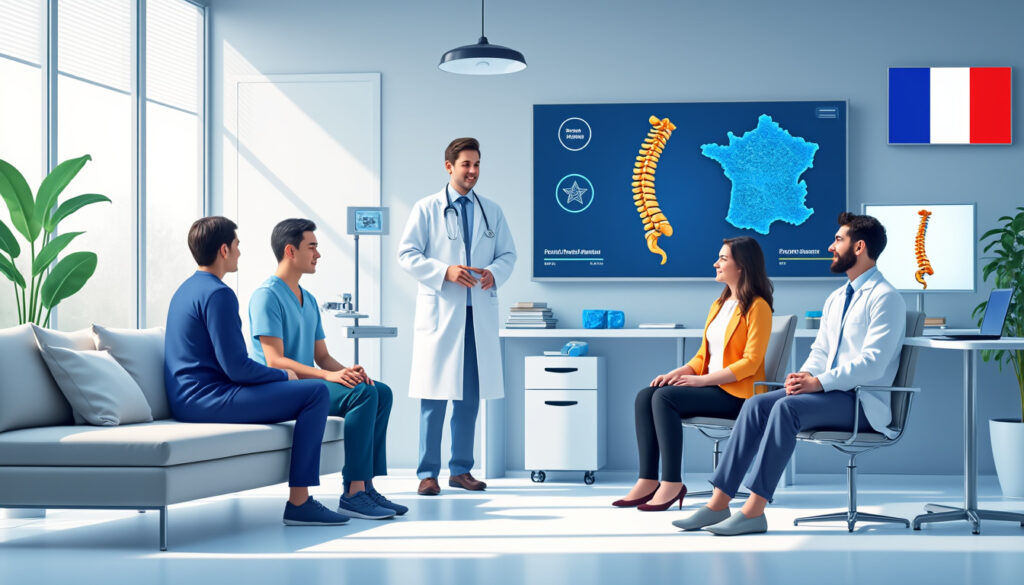
Minimally Invasive Surgery in Longueuil: Quick and Lasting Intervention
In the evolving landscape of surgical care, Minimally Invasive Surgery (MIS) in Longueuil stands as a beacon of innovation, offering patients quicker recovery times and lasting results. Coupled with advanced technologies and a patient-centered approach, this modern surgical intervention addresses…
Postoperative Expectations: Recovery, Functionality, and Quality of Life in Longueuil
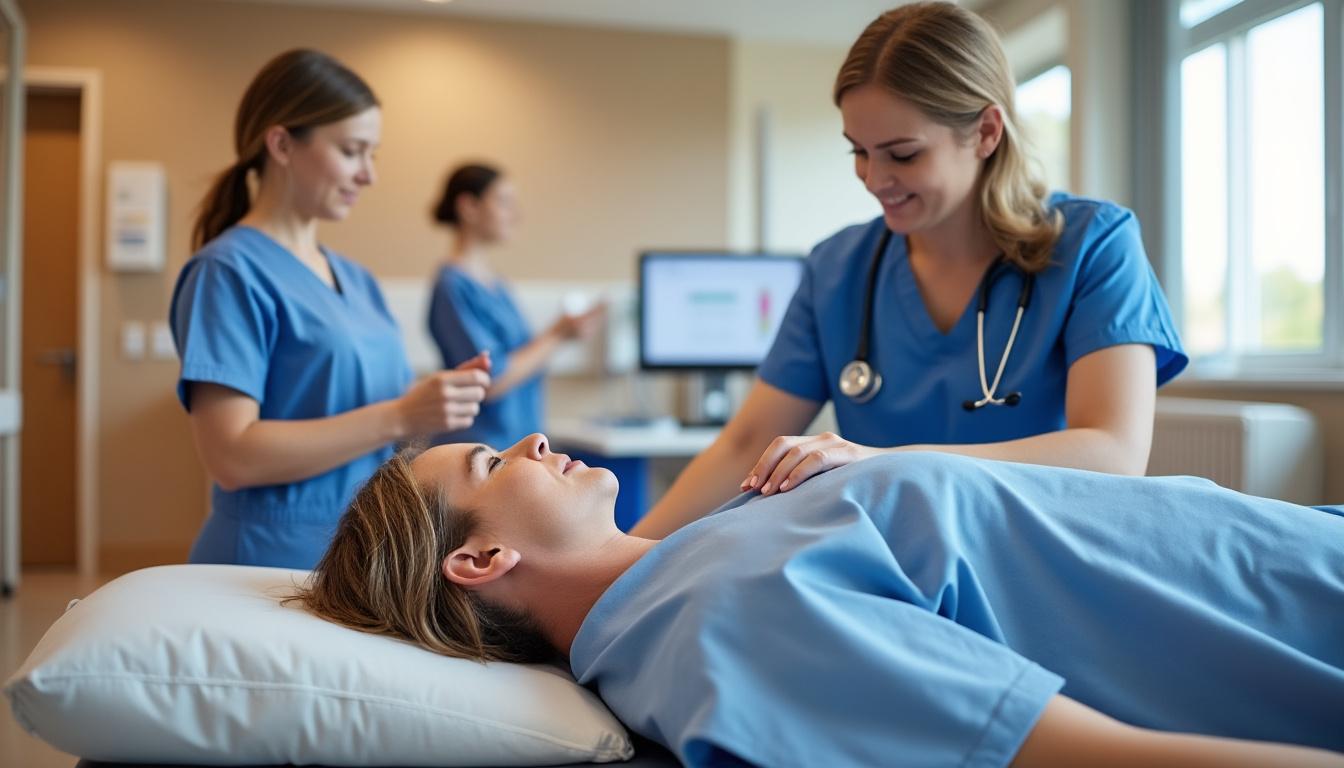
Following minimally invasive surgery, patients generally experience a significantly abbreviated recovery phase compared to open surgery, with less postoperative pain and quicker restoration of mobility. Key factors supporting this include:
- Early mobilization: Patients encouraged to engage in gentle movement soon after surgery to promote circulation and prevent stiffness.
- Targeted pain management: Use of multimodal analgesia tailored to minimize medication overuse.
- Comprehensive rehabilitation: Personalized physiotherapy focusing on core stability and functional restoration.
- Ongoing assessment: Regular checkups ensure that healing proceeds as expected, with adjustments as necessary.
Dr. Desforges emphasizes the patient’s active role and adherence to rehabilitation plans to maintain postoperative mobility and overall well-being, fostering long-term success in spinal health.
IntraSPINE® in Laval: Effective Solution for Low Back Pain
Low back pain continues to affect millions worldwide, often diminishing quality of life and restricting daily activities, particularly for those leading active lifestyles. In Laval, a breakthrough in spinal health management is gaining attention: the IntraSPINE device, a minimally invasive…
Choosing Minimally Invasive Surgery in Longueuil: Empowering Patients Through Expertise and Innovation
Opting for minimally invasive surgery should be a well-considered decision, informed by expert evaluation and comprehensive understanding of all viable treatments. Dr. Sylvain Desforges, with his established expertise and leadership roles such as founder and president of the Canadian Association of Manual Osteopathy and the College of Canadian Osteopaths, is instrumental in guiding patients through this journey.
His approach is marked by scientific rigor, ethical practice, and a heartfelt commitment to patient education. By demystifying complex surgical pathways and advocating for incorporating advanced conservative treatments like those available at the Clinique TAGMED, he champions an individualized, patient-first philosophy.
Coordinating international care efforts ensures seamless transitions and optimized outcomes for patients deciding on a surgical path abroad, supported by a multidisciplinary team and state-of-the-art technologies.
- Rigorous preoperative evaluations to tailor surgical plans
- Clear communication of expectations, risks, and benefits
- Integration of latest technologies for safety and precision
- Follow-up and rehabilitation coordination across borders
Patients are encouraged to engage actively in their healthcare decisions and to seek evaluations that match their unique profiles and preferences.
Who is a suitable candidate for minimally invasive surgery?
Patients with manageable spinal conditions, absence of extensive scar tissue, and good overall health usually benefit most from minimally invasive surgery. A thorough evaluation by experts like Dr. Desforges is vital to determine eligibility.
What are the main advantages compared to traditional open surgery?
Minimally invasive surgery offers shorter hospital stays, less pain, fewer complications, and faster return to daily activities, which has been verified through various clinical studies.
Is surgery always necessary for spinal conditions?
Surgery should only be considered after 3 to 6 months of conservative treatments, including specialized options like neurovertebral decompression offered at Clinique TAGMED, to maximize non-invasive recovery potential.
How does the transatlantic collaboration optimize patient outcomes?
The cooperation between Canadian and French healthcare teams ensures access to advanced technologies, bilingual support, minimized waiting periods, and personalized postoperative care, improving overall success rates.
How can I start the evaluation process?
Contacting the multidisciplinary teams coordinating care through platforms like SOS Tourisme Médical or directly reaching out to Clinique TAGMED allows you to initiate a personalized assessment and plan your patient journey with expert guidance.
Neck Surgery in Montreal: Modern Techniques for Cervical Spine
Neck surgery in Montreal has experienced significant advancements in recent years, offering patients access to a wide range of cutting-edge techniques for treating cervical spine disorders. With evolving knowledge and technology, surgical solutions now emphasize preserving mobility and function, reducing…