Laval Lumbar Herniated Disc Solutions for Seniors
April 9, 2026
Spine Surgery in Trois-Rivières: French Surgical Innovation
May 15, 2026
In Quebec City, the challenge of chronic neck pain and cervical spine disorders has intensified, prompting a surge in patients seeking innovative, effective solutions that preserve natural motion and reduce discomfort. Cervical Disc Prosthesis technology emerges as a groundbreaking alternative to traditional fusion surgeries, promising restored spinal mobility and long-term pain relief. This advanced orthopedic surgery, supported by over three decades of experience from leaders like Dr. Sylvain Desforges, combines the best of modern biomechanics, evidence-based practices, and compassionate patient care. Moreover, the unique transatlantic collaboration between Canadian and French medical experts ensures patients benefit from cutting-edge techniques unavailable locally, reducing wait times while optimizing treatment outcomes.
With cervical spine surgery evolving rapidly, Quebec’s patients can access highly specialized interventions such as Artificial Disc Replacement and minimally invasive surgery, integrating sophisticated technologies including dynamic implants and robot-assisted decompression. This approach prioritizes spinal health and pain management while enabling a swift return to daily activities. The coordinated care model also supports patients throughout the entire journey—from thorough initial evaluations and evidence-driven conservative therapy to surgery and post-operative rehabilitation. Together, these advances mark a new era for those seeking relief from cervical pain without sacrificing the flexibility essential for quality of life.
Cervical Disc Prosthesis: Innovations in Neck Pain Relief and Spinal Mobility Restoration
The prevalence of cervical spine disorders in Quebec City has led to growing interest in alternatives that not only alleviate pain but also preserve or restore the neck’s natural range of motion. Traditional surgical interventions like arthrodesis, although effective in stabilizing the spine, often result in rigidity of the treated segment, which can accelerate degeneration of adjacent discs and limit overall spinal mobility. Cervical Disc Prosthesis, alternatively known as cervical artificial disc replacement or cervical arthroplasty, offers a modern solution designed specifically to maintain functional movement at the operated level.
This type of surgery involves replacing a damaged intervertebral disc—a common source of nerve root compression and pain—with a highly specialized implant engineered to mimic natural biomechanics. Implants such as the DisqueCervical Plus or FlexiCou utilize mobile cores or multipolar surfaces, enabling flexion, extension, and rotation similar to a healthy disc.
Research demonstrates that patients undergoing artificial disc replacement tend to experience faster recovery and less postoperative stiffness compared to fusion patients. Preservation of spinal dynamics translates into improved long-term outcomes, including reduced risk of developing adjacent segment disease—a frequent complication after rigid fusion surgeries. This innovation is particularly suited for younger, active individuals who prioritize maintaining neck mobility for both professional and personal pursuits.
More than a technical procedure, cervical disc prosthesis represents a shift towards patient-centered, biomechanically respectful care. The expertise of professionals like Dr. Sylvain Desforges, who brings over 30 years of experience and foundational roles in Canadian osteopathic associations, is crucial in guiding patients through this option with a focus on scientific rigor and transparent communication. Patients are supported to understand the procedure’s indications, benefits, and potential risks clearly, empowering them for informed decision-making.
For a detailed exploration of these surgical advancements and clinical results in Quebec, interested readers can consult resources such as Cervical Disc Prosthesis in Quebec City: Preserve Neck Mobility and Avoid Postoperative Stiffness with Advanced Cervical Surgery.
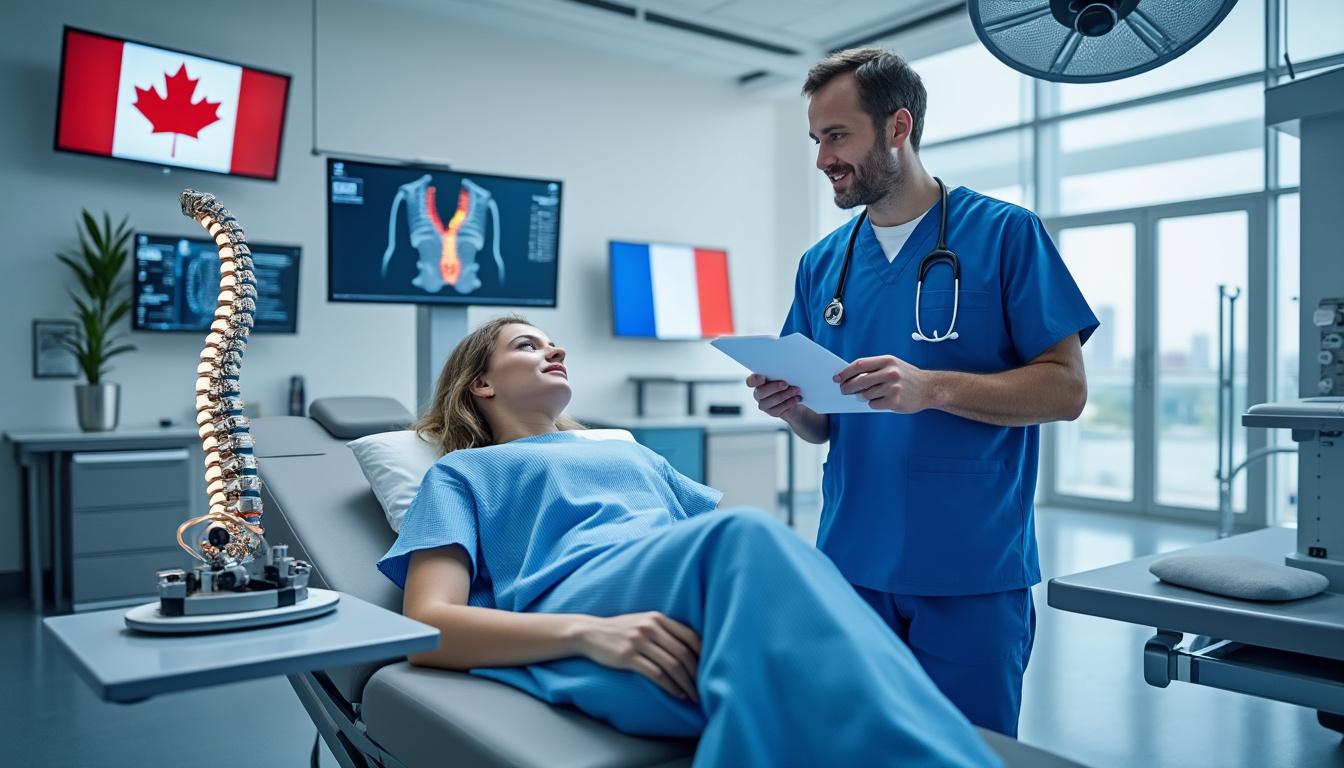

IntraSPINE® in Sherbrooke: Durable Solution for Chronic Low Back Pain
The management of chronic low back pain, a widespread condition affecting millions across Quebec and beyond, has reached a pivotal moment thanks to innovative medical technologies and coordinated care pathways. At the heart of this evolution lies the IntraSPINE implant,…
Evaluating the Cervical Spine: The Essential Role of Expert Assessment Before Surgery
Before embarking on the path to cervical disc prosthesis, precise evaluation is indispensable. Dr. Sylvain Desforges emphasizes the importance of a comprehensive preoperative assessment grounded in his extensive expertise in spinal health and osteopathy. This involves an array of imaging studies including dynamic X-rays, CT scans, and MRI investigations, which collectively reveal the degree of disc degeneration, the presence of herniation compressing nerve roots, and any factors that might contraindicate surgery such as advanced osteoarthritis or spinal instability.
The purpose of this rigorous examination protocol is twofold. First, it confirms the exact pathological level suitable for artificial disc replacement, ensuring the patient’s symptoms correlate well with imaging findings. Second, it eliminates other conditions that might require alternative treatments. For example, severe posterior joint arthrosis might exclude a patient from prosthetic candidacy, steering care towards fusion or decompression instead.
Dr. Desforges’ role as an evaluator is pivotal in maintaining a high standard of scientific and ethical practice. Alongside his team at the Clinique TAGMED, he ensures that conservative treatments, including advanced options like neurovertébral decompression, have been fully pursued for 3 to 6 months before recommending surgery. This ensures that interventions remain appropriately staged and avoids premature surgical approaches.
Patients benefit from a thorough explanation throughout the process, where terminology is simplified without losing precision, fostering trust and adherence to treatment plans. The multidisciplinary collaboration with imaging centers, surgeons, and rehabilitation specialists supports this personalized evaluation and optimizes outcomes.
Key Components of a Preoperative Cervical Spine Evaluation:
- Detailed patient history and symptom mapping
- Dynamic radiographs to assess stability
- CT scans to evaluate bony structures and detect calcifications
- MRI for soft tissue and neural element visualization
- Assessment of range of motion and functional capacity
- Review of prior conservative treatment responses
- Patient education on procedural risks, benefits, and expectations
The preoperative evaluation thereby ensures that cervical disc prosthesis candidates in Quebec City receive individualized, evidence-based recommendations that prioritize safety and functional restoration.
Spine Surgery in Trois-Rivières: Reduce Pain and Preserve Mobility
In recent years, spine surgery in Trois-Rivières has evolved notably, combining advanced medical expertise with innovative technologies to deliver patient-centered care. This growing field addresses the increasing demand among Quebec residents seeking effective solutions for chronic back pain and mobility…
The Spectrum of Cervical Spine Surgical Techniques in France: From Fusion to Motion Preservation
In France, where many Quebec patients access specialized cervical spine surgery, a broad array of techniques address spinal pathologies with varying complexity and patient-specific customization. Understanding the options helps patients appreciate the distinction between traditional methods and the newer paradigm of motion-preserving interventions.
Arthrodesis (Cervical Fusion) remains a widely performed procedure intended to stabilize the vertebral segment by fusing adjacent vertebrae. Effective at decompression and pain relief, fusion unfortunately results in permanent loss of segmental motion. This stiffness can increase stress on adjacent discs, accelerating degeneration in those levels. Patients should be counseled about the implications for long-term spinal mobility.
Simple Decompression Surgery aims at relieving neural compression by removing offending tissue such as disc fragments or bone spurs. While less invasive than fusion or prosthesis, decompression alone may not address underlying segmental instability, potentially leading to symptom recurrence.
At the forefront of innovation are Artificial Disc Replacement and Dynamic Stabilization Devices like the TOPS and IntraSPINE implants. These methods preserve or restore physiological motion, offering significant biomechanical benefits and enhanced postoperative quality of life. Mini-invasive and endoscopic techniques available in France further reduce surgical trauma and facilitate quicker recovery.
This spectrum allows tailored surgical planning based on individual pathology, lifestyle demands, and anatomical considerations. Quebec patients benefit uniquely from access to these diverse options through partnerships and coordinations established by experts like Dr. Desforges and organizations such as Franchir, which manage logistics between countries.
| Surgical Procedure | Postoperative Mobility | Hospital Stay Duration | Typical Recovery Time | Risks & Complications | Functional Benefits |
|---|---|---|---|---|---|
| Cervical Disc Prosthesis | Preserved | 1 night | 4 to 6 weeks | Rare implant migration, minimal neurological risk | Natural motion retention, faster return to daily activities |
| Arthrodesis (Fusion) | Lost | 3-5 days | 8 to 12 weeks | Segmental stiffness, adjacent segment degeneration | Strong stabilization, effective decompression |
| Dynamic Stabilization (TOPS, IntraSPINE) | Maintained | 1 night | Variable, often similar to prosthesis | Limited to selected cases, implant-specific risks | Preserves movement, supports spinal stability |
For patients contemplating cervical spine surgery, understanding these distinctions enables better discussions regarding anticipated outcomes, recovery expectations, and suitability.
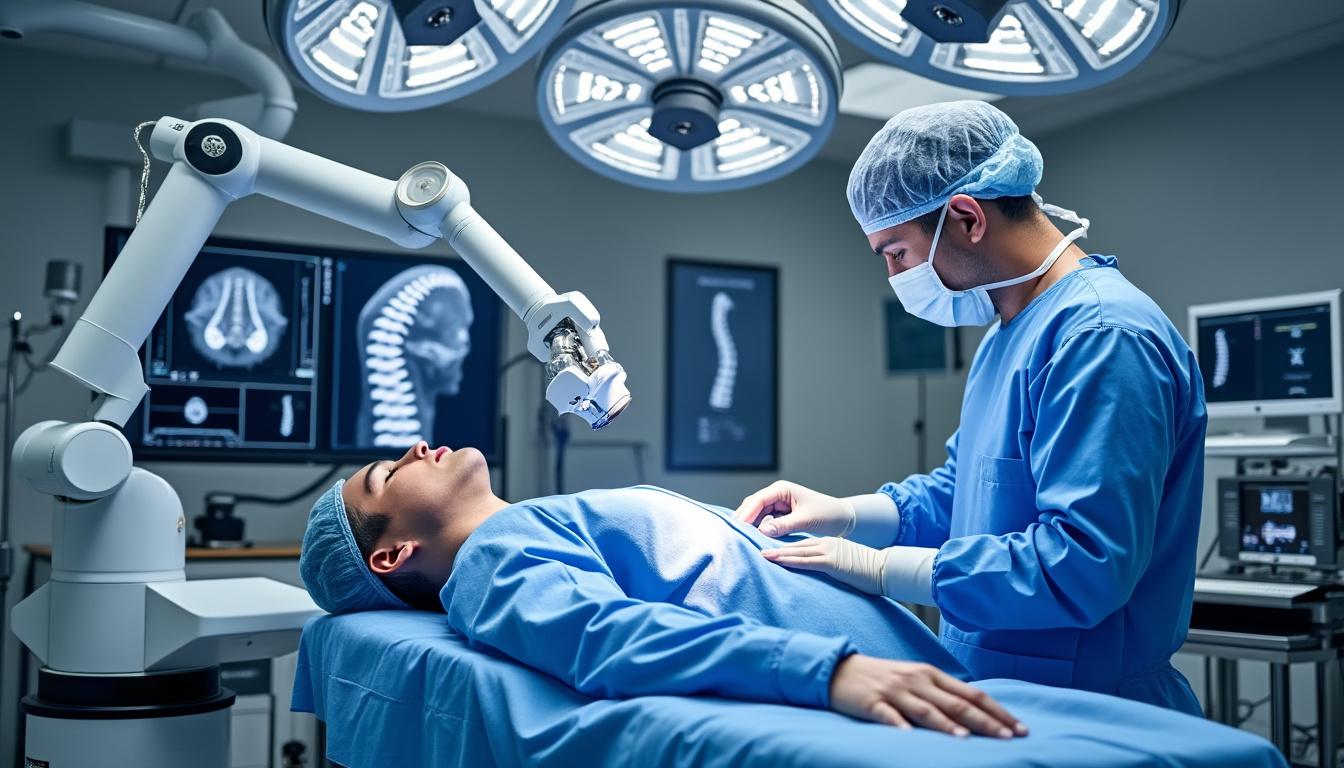
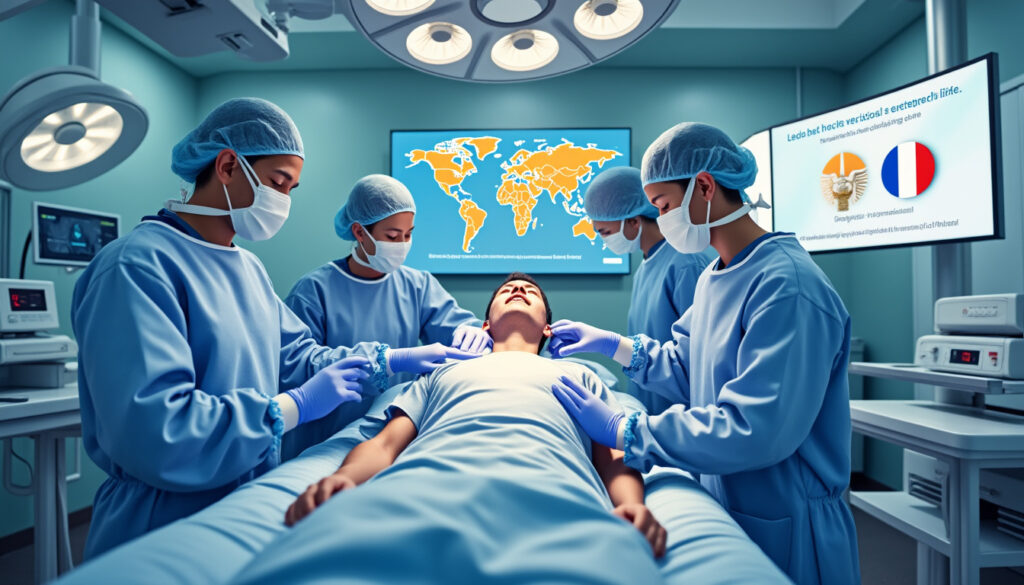
Cervical Disc Prosthesis in Quebec City: Avoid Post-Surgery Stiffness
Chronic neck pain remains a significant challenge for thousands of residents in Quebec City every year, often leading them to seek effective spinal surgery options that minimize downtime and maximize long-term mobility. Among the recent advancements revolutionizing cervical spine care,…
Conservative Treatments: The Crucial First Step Managed by TAGMED Before Any Surgical Consideration
Before advancing to surgical solutions, it is vital to exhaust well-established conservative treatments proven to alleviate symptoms and sometimes avert the need for surgery altogether. Dr. Sylvain Desforges and his team at Clinique TAGMED in Quebec City champion a rigorous process incorporating advanced non-invasive therapies such as neurovertébral decompression, combined with osteopathic care, pharmacological management, and tailored physical therapy.
This multidisciplinary approach is grounded in scientific evidence and patient safety, aligning with provincial and national medical regulations. Patients typically engage in these therapies for 3 to 6 months, allowing sufficient time to evaluate effectiveness.
A notable innovation at TAGMED is the use of robotically-assisted neurovertébral decompression, which precisely reduces nerve root pressure and inflammation, enhancing symptom control without invasive surgery. Such methods provide significant neck pain relief and functional improvement.
Only upon failure or progression despite these conservative efforts would a patient be considered for cervical spine surgery. This strategy emphasizes ethical, patient-centric care, ensuring surgery remains a considered, last-resort intervention. It also prepares patients better mentally and physically to achieve optimal surgical outcomes if necessary.
More information on these conservative care options is available on the TAGMED clinic website.
Minimally Invasive Surgery in Longueuil: Reduce Hospital Stay Duration
In recent years, advances in spinal care have dramatically reshaped the treatment landscape for patients suffering from debilitating spinal conditions. Particularly in Longueuil, the emergence of minimally invasive surgery (MIS) techniques offers a transformative alternative to conventional open surgeries. These…
International Coordinated Care: Transatlantic Pathways for Optimized Cervical Spine Surgery
Quebec patients undergoing cervical spine surgery with prosthetic implants benefit from a seamless, transatlantic healthcare coordination that embodies the spirit of partnership and excellence. This collaboration links Canadian expertise in spinal assessment and conservative care to specialist surgeons and advanced operating centers in France.
Dr. Sylvain Desforges stands at the heart of this coordinated network, overseeing patient evaluations and ensuring that surgical candidacy is based on robust clinical indications. The French surgical teams, supported by organizations like Franchir, provide tailored operative solutions, including minimally invasive anterior cervical approaches and dynamic device implantation.
The logistic intricacies—from scheduling, travel, accommodation, to post-operative homecoming—are managed to reduce patient stress and interruptions. In Quebec, the post-surgery rehabilitation and pain management are orchestrated by Neurothérapie Montréal, ensuring continued recovery support with a humanistic touch.
This pathway reduces wait times markedly compared to local options and grants access to state-of-the-art surgery with superior clinical results. Patients appreciate both the medical quality and the empathetic, transparent guidance traversing international borders.
Such a system exemplifies how healthcare innovation transcends geographical barriers while maintaining personalized patient-centered care, led by experts committed to restoring mobility and relieving chronic neck pain.
IntraSPINE® in Laval: Modern Solution for Lumbar Stabilization
In the evolving landscape of orthopedic treatments, the city of Laval has become a hub for innovations addressing chronic lower back pain. Among the groundbreaking solutions gaining attention is the IntraSPINE device—a modern spinal implant designed to offer dynamic lumbar…
Postoperative Rehabilitation and Follow-Up: Ensuring Sustainable Recovery in Quebec
Successful cervical disc prosthesis surgery culminates in carefully structured postoperative care, crucial to consolidating surgical benefits and preventing complications. Returning to Quebec, patients enter rehabilitation programs supervised by dedicated teams such as those at Neurothérapie Montréal, specialists in spinal health recovery.
Postoperative protocols emphasize a graduated plan of pain management, muscular strengthening, and mobility restoration. Early controlled movements help maintain implant integrity while avoiding excessive stress. Regular imaging follow-ups assess prosthesis positioning and detect any early signs of wear or migration.
Beyond physical recovery, psychological support and patient education form integral components, helping patients regain confidence and adopt lifestyle adjustments conducive to lasting spinal health. A multidisciplinary approach ensures that each patient’s unique needs dictate therapy progression and timing.
This thorough follow-up aligns with Dr. Desforges’ lifelong commitment to innovation, pedagogy, and ethics in spine care, guaranteeing that patient journeys extend beyond the operating room into sustainable quality of life improvements.
Core Elements of Postoperative Care:
- Scheduled clinical and imaging assessments
- Personalized physiotherapy focusing on neck strength and flexibility
- Regular pain and functional capacity evaluations
- Patient education on spinal ergonomics and activity modifications
- Psychological and emotional support
- Long-term monitoring for implant durability and adjacent segment health
Neck Surgery in Montreal: Maintain Cervical Flexibility and Function
Neck conditions causing persistent pain or functional loss place a substantial burden on individuals and healthcare systems, especially in urban centers like Montreal. Surgical interventions targeting the cervical spine have evolved tremendously, aiming not only to relieve symptoms but to…
The Biomechanical and Economic Advantages of Cervical Disc Prosthesis
Cervical disc prosthesis offers significant biomechanical benefits compared to fusion surgeries. By maintaining segmental mobility, dynamic implants reduce abnormal load distribution on adjacent levels, minimizing the risk of secondary degeneration. This functional preservation plays a critical role in maintaining overall spinal health and reducing chronic neck pain recurrence. Patients maintain a natural range of motion, essential for day-to-day activities, occupational demands, and physical wellbeing.
Economically, opting for prosthesis-assisted surgery within the transatlantic framework can lower overall healthcare costs for Quebec patients by shortening hospital stays, accelerating return to work, and reducing long-term disability expenses. The collaboration between Canadian care coordination and French surgical expertise leverages innovations not yet widely available in Canada, offering superior outcomes and cost-effectiveness.
The holistic care approach—integrating advanced conservative treatments before surgery, precision surgery, and structured rehabilitation—enhances patient satisfaction and functional recovery, creating a compelling value proposition in spinal health management.
For detailed insights into the economic and biomechanical outcomes, patients can explore studies featured in articles such as Superior Clinical Results of Cervical Disc Prosthesis.

Disc Prosthesis in Lévis: Quick and Long-Lasting Results
Chronic back pain caused by degenerative disc disease continues to profoundly impact the quality of life for many residents in Lévis and the broader Quebec area. For decades, traditional spinal fusion surgery has been the primary solution for alleviating severe…
Empowering Patients: The Importance of Education and Support in the Cervical Disc Prosthesis Journey
Throughout the cervical disc prosthesis pathway, a clear, accessible explanation of complex concepts is vital to empower patients in making informed choices. Dr. Sylvain Desforges prioritizes this educational aspect, tailoring communication to avoid unnecessary jargon while thoroughly addressing the indications, procedural steps, and potential challenges.
Patients are encouraged to engage actively by asking questions and participating in discussions about their care options. This dialogue fosters trust and reduces anxiety associated with surgical decisions. The integrative care team across Quebec and France provides consistent messaging, ensuring the patient remains well-informed at every stage.
Additionally, psychosocial support acknowledges the emotional dynamics tied to chronic pain and surgical interventions. By fostering a reassuring environment and emphasizing the uniqueness of each case, patients find motivation and hope for recovery. The collaboration with SOS Tourisme Médical plays a key role in navigating administrative requirements and logistical hurdles, further lightening the patient’s burden.
This holistic approach exemplifies a humanized, balanced medical practice—anchored in evidence, compassion, and transparency—that shapes the future of cervical spine care.

Motion Surgery in Terrebonne: Maintain Intervertebral Mobility
Back pain remains a widespread concern for many in Quebec, with traditional treatment pathways often imposing lengthy waiting periods and financial constraints. Recently, Motion Surgery in Terrebonne has emerged as a transformative option, attracting patients seeking spinal solutions that prioritize…
Taking the Next Step: How to Begin Your Personalized Cervical Disc Prosthesis Evaluation in Quebec City
For Quebec residents experiencing persistent neck pain unresponsive to conservative care, exploring cervical disc prosthesis surgery through established transatlantic pathways represents a valuable option. The first step involves a thorough evaluation led by Dr. Sylvain Desforges and his expert team at Clinique TAGMED, where your medical history, imaging, and treatment response are carefully reviewed to identify the most suitable course.
From there, if surgical intervention is deemed appropriate, coordination with international surgical partners and support services ensures a seamless patient experience. This comprehensive framework is designed to reduce anxiety, optimize outcomes, and preserve spinal mobility for years to come.
Patients interested in discussing their specific condition or beginning the assessment process are encouraged to visit SOS Tourisme Médical contact page for personalized advice and next steps.