Vaudreuil-Dorion Neck Pain Relief with Spinal Decompression
May 15, 2026
La Prairie Cervical Disc Recovery Without Hospitalization
May 15, 2026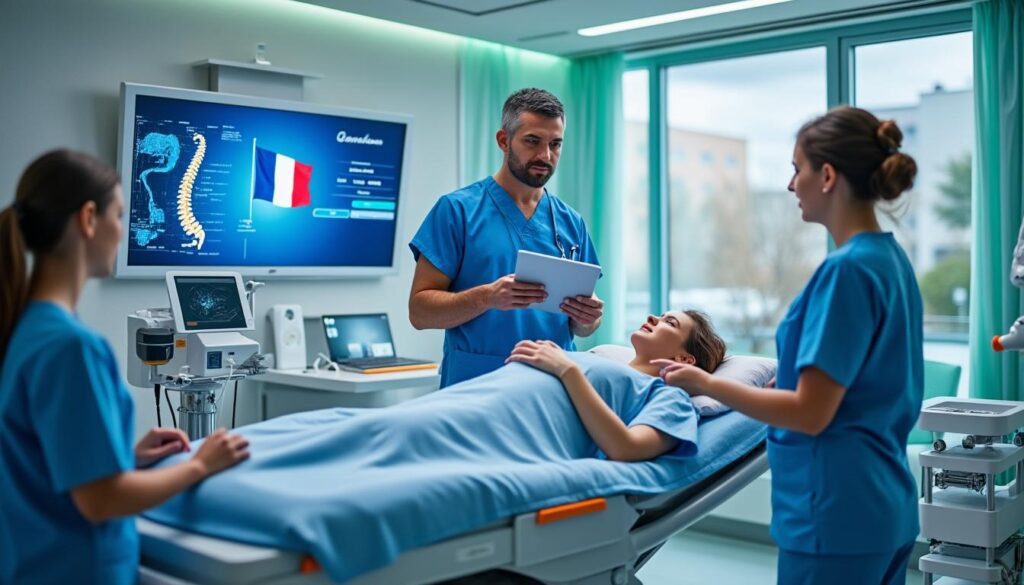
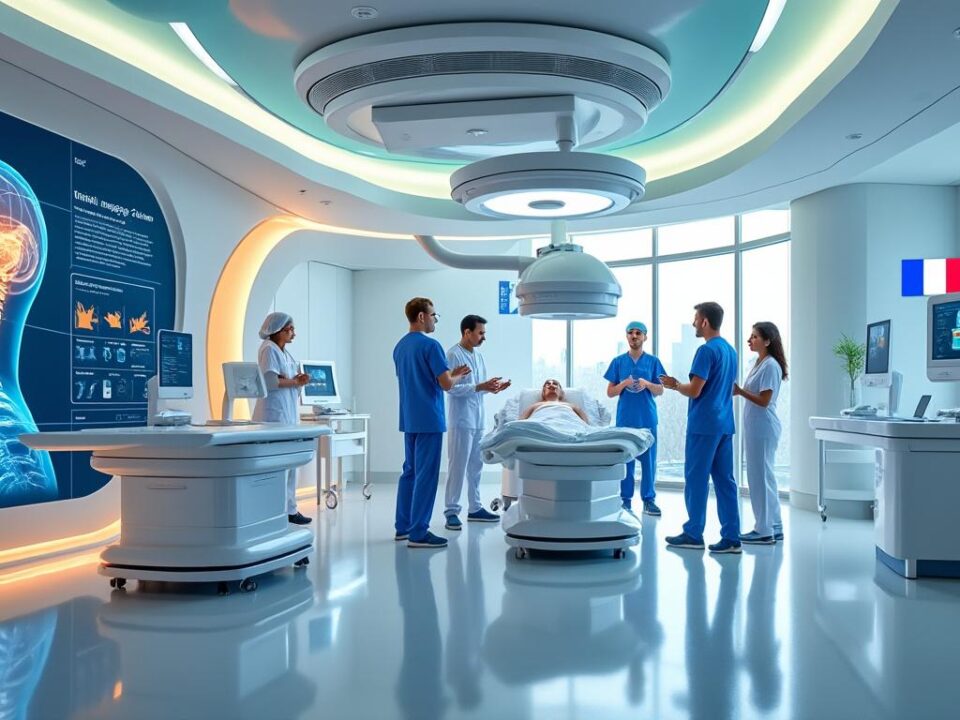
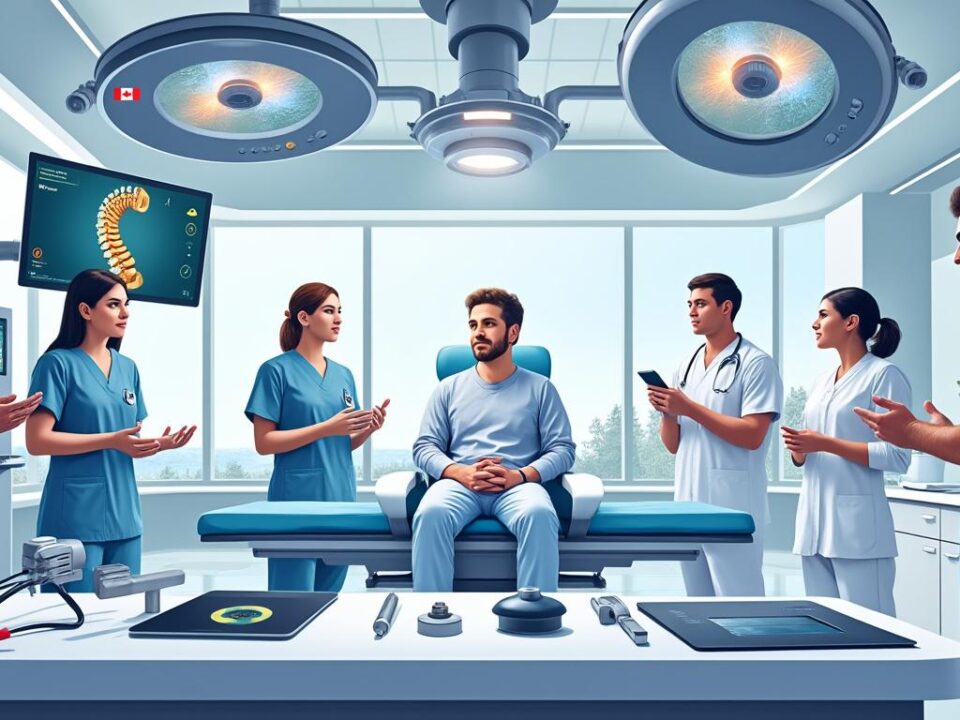
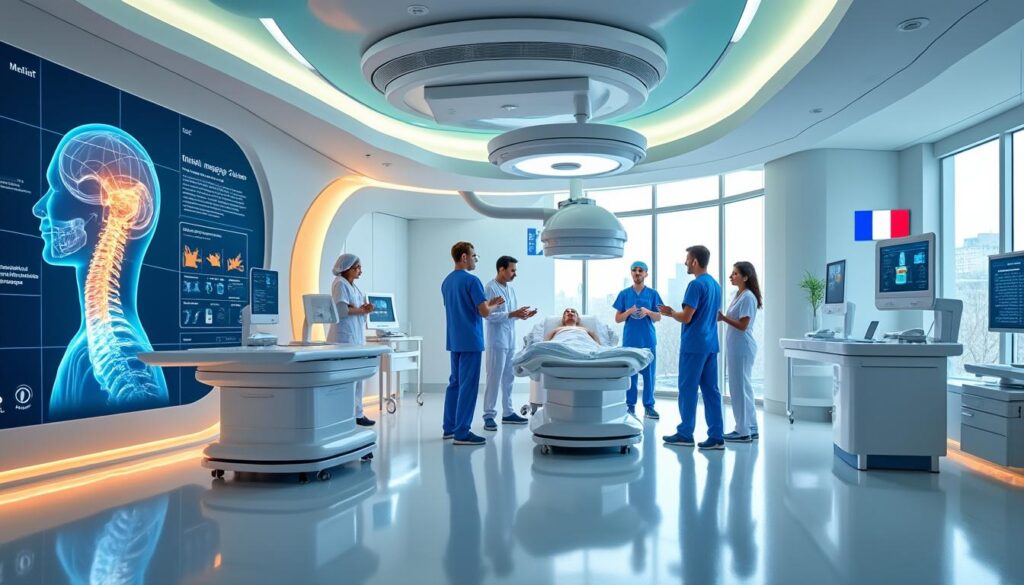
Spine surgery remains a challenging yet transformative approach for patients experiencing debilitating back issues that have not responded to conservative treatments. For those residing in Trois-Rivières and surrounding Quebec regions, the prospect of accessing advanced spine surgery options abroad presents an innovative solution to bypass lengthy wait times and restrictions imposed by local healthcare infrastructures. France stands out as a destination that combines high-level medical expertise with cutting-edge technologies, offering new hope for restoring spine health and regaining quality of life. This comprehensive overview introduces the newest spine surgery techniques available in France, explores the transatlantic care coordination facilitated by experts such as Dr. Sylvain Desforges, and explains the pathways patients can take to navigate this effective international treatment journey.
The complexity of spine disorders calls for a multidisciplinary understanding to ensure patient safety and optimize outcomes. As an expert with over 30 years of experience, holding credentials including B.Sc., D.O., and N.D., Dr. Sylvain Desforges has led pioneering initiatives in spine care through founding the ACMA, the Collège des Ostéopathes Canadiens, and TAGMED. His commitment to scientific rigor and evidence-based practices shapes every aspect of the spine surgery evaluations he performs. In addition to clinical skill, Dr. Desforges emphasizes ethical responsibility, patient education, and innovative use of technology—ranging from neurovertebral decompression to dynamic implants—in his approach.
Patients considering surgical intervention must understand the spectrum of modern techniques accessible in France, from minimally invasive surgeries to complex motion-preserving implants. This resource also clarifies the critical importance of exhausting conservative treatments first, specifically advanced non-surgical care like that provided by the specialized facilities at Clinique TAGMED. For Quebec patients ready to explore surgery abroad, detailed insights on administrative and clinical steps, cost considerations, and postoperative support form an integral foundation for informed decision-making.
Exploring Minimal Invasive Surgery for Spine Conditions in France
Minimal invasive spine surgery (MISS) has revolutionized treatment paradigms by significantly reducing tissue damage, postoperative pain, and recovery time compared to traditional open surgeries. In France, MISS is increasingly offered as a first-line surgical solution, especially for lumbar and cervical pathologies. Procedures utilize small incisions, endoscopic visualization, and advanced instrumentation to precisely decompress nerves, relieve herniated discs, and stabilize vertebrae without major disruption of surrounding musculature.
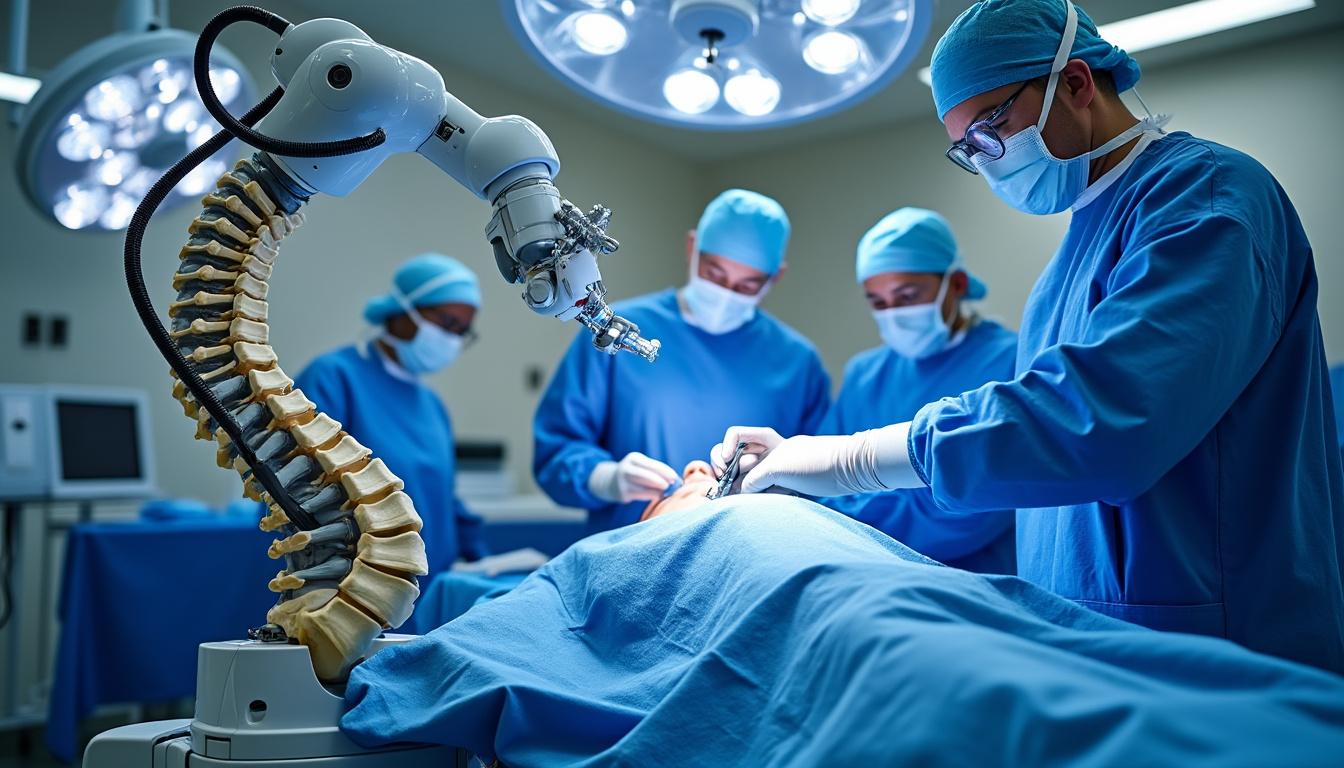
Expert teams, often composed of orthopedic surgeons and neurosurgeons with specialized training, collaborate within a multidisciplinary setting to maximize outcomes. The expertise integrated into MISS techniques in France reflects decades of refinement, incorporating real-time imaging, robotics, and laser assistance to improve surgical precision. For example, laser spine surgery utilizes targeted photonic energy to remove disc tissue or scarred ligaments with minimal collateral damage, thus preserving spinal biomechanics.
This approach benefits patients from multiple perspectives: reduced hospital stays often lasting just a few days, faster return to daily activities, and lower infection rates. Moreover, France’s healthcare infrastructure supports early mobilization and rigorous postoperative protocols to facilitate healing. Patients in Trois-Rivières considering MISS abroad should understand that the selection criteria are stringent and based on thorough evaluations such as those performed by Dr. Desforges, ensuring that such advanced interventions correspond to individual pathology and patient profile.
The motivating factor behind offering MISS in France also involves cutting-edge technologies such as robotic spine surgery, which complements human skill by enhancing accuracy and reducing surgeon fatigue during intricate spinal reconstructions. Through collaborations with Canadian experts, this technological transfer empowers patients to benefit from novel treatment innovations not uniformly available locally.
Neck Surgery in Montreal: Preserve Cervical Mobility After Surgery
The management of cervical spine disorders presents unique challenges that often require innovative surgical techniques aimed not only at alleviating pain but also at preserving the natural mobility of the neck. In Montreal, patients seeking relief from cervical spine issues…
Understanding Spinal Fusion and Motion Preservation Techniques Offered in French Orthopedic Surgery
Spinal fusion remains one of the foundational surgical techniques for managing instability, deformity, and degenerative conditions affecting the vertebral column. However, understanding the nuances behind fusion and how it compares to motion preservation options is essential for patients evaluating their surgical choices. France’s orthopedic surgery centers combine traditional fusion with leading-edge solutions designed to maintain biomechanical integrity.
Traditional spinal fusion involves permanently joining two or more vertebrae to eliminate painful motion segments or stabilize fractured bones. Materials such as titanium rods, cages, or bone grafts support the fusion process. While effective, it inevitably restricts spinal motion at the fused segments, which could lead to accelerated degeneration in adjacent areas over time.
To address these concerns, French surgeons have integrated dynamic implants and artificial disc replacements into their repertoire. These innovations aim to preserve the spine’s natural range of motion, reduce mechanical stresses on neighboring discs, and improve long-term functional outcomes. By maintaining mobility, patients can experience less stiffness and better overall spine health.
An illustrative case from a Parisian orthopedic center involved a patient with lumbar disc degeneration who underwent a dynamic implant insertion as an alternative to fusion. The patient reported reduced pain, improved flexibility, and quicker rehabilitation compared to previous fusion cases, highlighting the promising role of motion-preserving technologies in modern spine surgery.
Dr. Desforges advocates for such nuanced understanding in his evaluations, ensuring patients appreciate the advantages and limitations of fusion versus motion surgery. This transparency helps shape realistic expectations and personalized care pathways, particularly for those engaging in transatlantic surgical journeys.
| Technique | Purpose | Advantages | Limitations |
|---|---|---|---|
| Spinal Fusion | Stabilize vertebrae, relieve pain | High success rate, proven durability | Loss of segment mobility, risk of adjacent degeneration |
| Dynamic Implants | Preserve motion, reduce stress on adjacent levels | Improved flexibility, reduced stiffness | Limited long-term data, suitability dependent on patient |
| Artificial Disc Replacement | Replace damaged disc, maintain motion | Natural spine kinematics maintained | Not suitable for all patients, surgical complexity |

Disc Prosthesis in Lévis: Approved Surgical Innovation
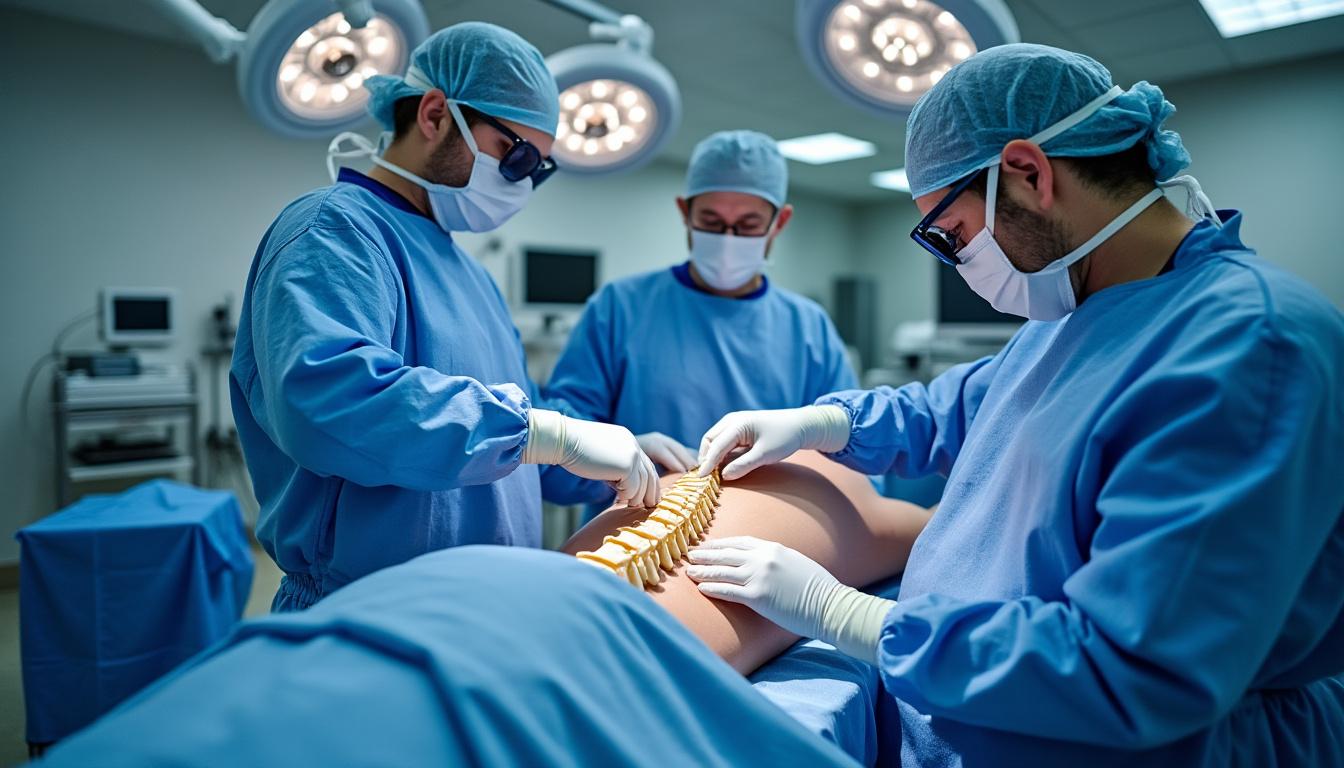
In the evolving landscape of spine health, the advent of the Disc Prosthesis in Lévis marks a significant stride in surgical innovation. This breakthrough approved medical device offers patients an advanced option for conditions previously limited to traditional fusion surgery.…
Key Stages of the Spine Surgery Patient Pathway from Trois-Rivières to France
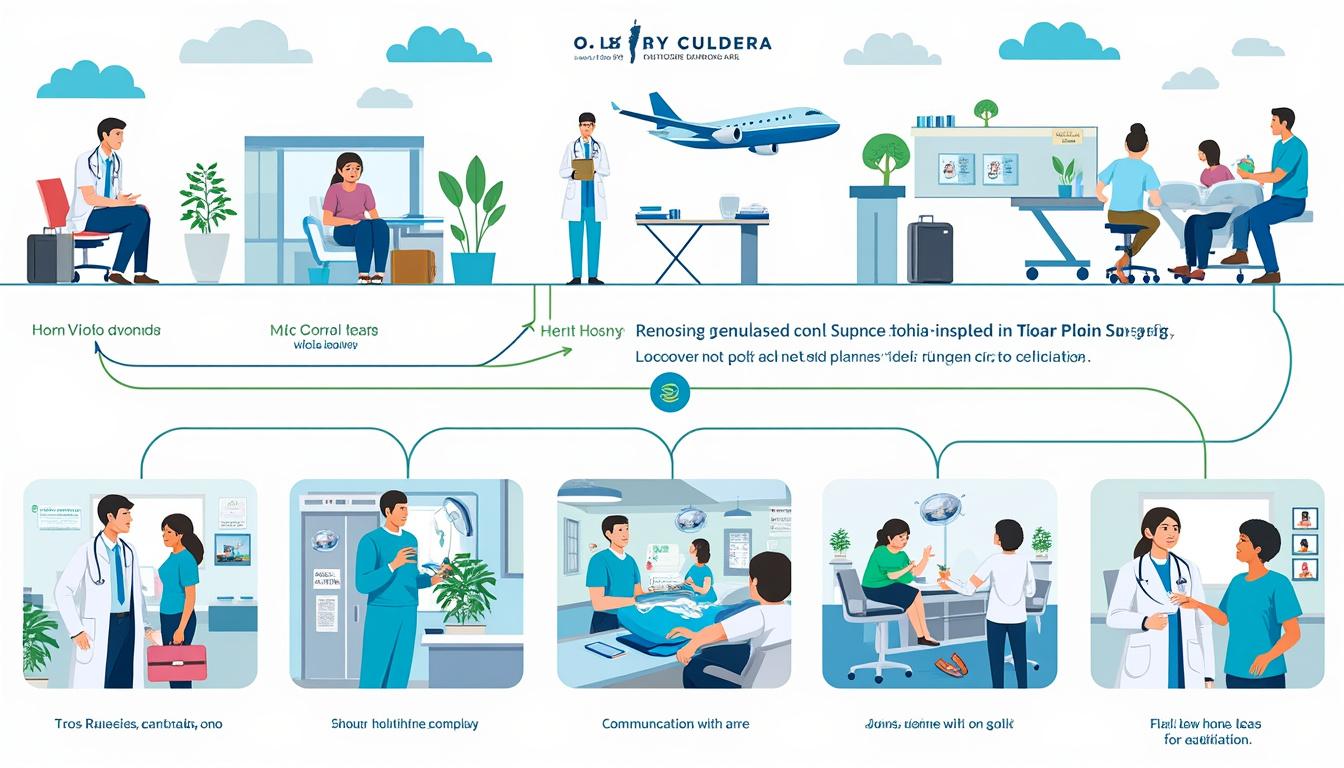
Navigating an international spine surgery pathway requires clear coordination and guidance to ensure optimal clinical and logistical outcomes. Patients from Trois-Rivières interested in surgery in France typically undergo a structured multi-phase process beginning with expert evaluation and extending through postoperative recovery back in Québec.
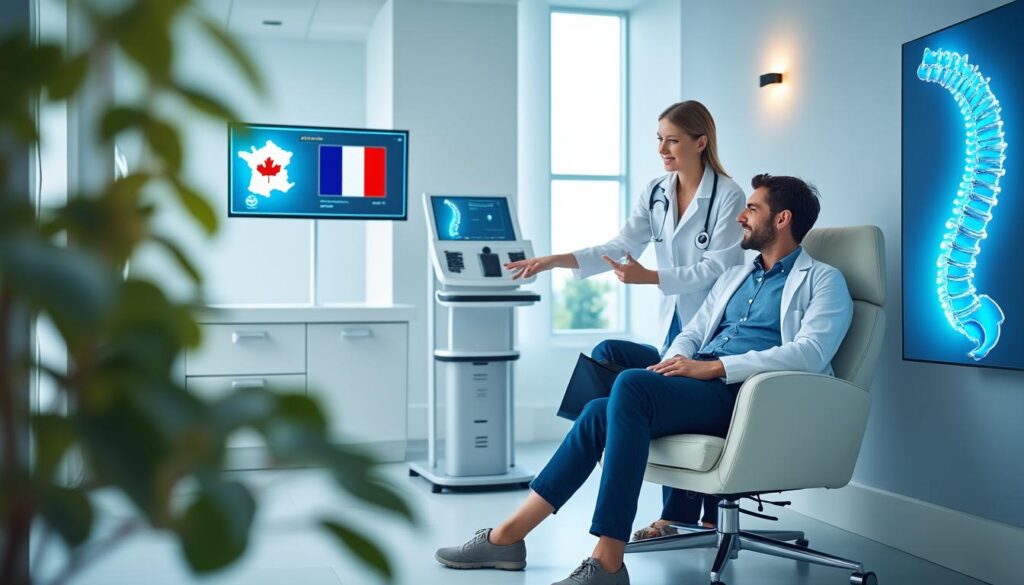
The initial stage involves a comprehensive remote assessment by Dr. Sylvain Desforges who specializes in spine health evaluation. Through detailed medical history review, imaging analysis, and sometimes teleconsultations, he provides personalized recommendations about potential surgery and further preparatory care such as advanced conservative treatments.
Next, patients collaborate with Canadian and French partners for scheduling surgery. These partnerships include surgeons, clinics, and platforms such as SOS Tourisme Médical, which streamline appointments, visas, and accommodations. This coordination also prioritizes minimizing waiting times while optimizing access to modern techniques such as robotic spine surgery or laser-based procedures.
Upon arrival in France, patients undertake clinical admission, preoperative testing, and consultations with the surgical team. Surgery is tailored to the individual’s diagnosis and needs, followed by hospitalization in facilities renowned for adherence to strict safety and hygiene protocols.
Post-surgery, comprehensive rehabilitation programs commence under the guidance of multidisciplinary teams. Patients benefit from well-defined physiotherapy regimens, pain management strategies, and education on spine health maintenance to support sustainable recovery.
Finally, patients return to Trois-Rivières for ongoing follow-up. This phase involves close communication between French surgeons, Canadian healthcare providers, and Dr. Desforges to monitor recovery progress and address any complications or adjustment needs.
Motion Surgery in Terrebonne: Maintain Intervertebral Mobility
In recent years, the landscape of spine surgery has witnessed transformative advancements, with Motion Surgery emerging as a pivotal innovation, particularly in Terrebonne. Unlike traditional spine operations that often focus on immobilizing affected segments, Motion Surgery prioritizes preserving natural intervertebral…
Why Conservative Therapies Must Be Exhausted Before Considering Spine Surgery
It is essential to recognize that spine surgery should not be the initial option for patients with back or neck pain. Expert evaluations, including those performed by Dr. Sylvain Desforges, emphasize the completion of a minimum of 3 to 6 months of conservative therapies prior to contemplating surgical intervention. This strategic approach prioritizes patient safety, reduces unnecessary surgical risks, and respects current medical ethics.
Among conservative therapies, advanced modalities like neurovertebral decompression using non-invasive technologies offered at Clinique TAGMED in Trois-Rivières have demonstrated remarkable efficacy. These treatments alleviate nerve compression, decrease inflammation, and allow the discs and surrounding structures to heal without incisions or implants.
In many cases, patients who adhere to such structured conservative care experience significant reduction or complete resolution of symptoms, thus avoiding or delaying surgery altogether. Therefore, a careful reassessment following these treatments is vital. Surgery becomes an option mainly if conservative interventions have failed to deliver meaningful improvement, and diagnostic assessment confirms that surgery would likely provide lasting relief.
The collaborative multidisciplinary care model, combining expertise from osteopathy, physiotherapy, and advanced medical technologies, ensures that patients receive holistic attention tailored to their unique spine conditions. Dr. Desforges’ role in steering such evaluations combines clinical judgment with an empathetic understanding of patient expectations and lifestyles.

Lumbar Disc Prosthesis in Saguenay: Approved and Safe Solution
Chronic lower back pain has long been a pervasive health challenge in the Saguenay region, significantly impacting the daily lives of many residents. In recent years, advances in spinal care have introduced promising alternatives to traditional spinal fusion surgery, offering…
Economic and Human Benefits of the Transatlantic Spine Surgery Care Pathway
Choosing spine surgery in France through the coordinated transatlantic pathway carries significant financial and human advantages for patients from Trois-Rivières. Contrary to perceptions that international care is costly or complicated, many find that the total expenses—including surgery, rehabilitation, travel, and accommodation—are competitive or even favorable compared to prolonged treatment in private Canadian settings.
One important economic consideration is the reduction of indirect costs such as work absenteeism, chronic disability progression, and the high costs associated with waiting in the Canadian system. By accessing surgery more promptly, patients often resume professional and personal activities earlier, mitigating financial stress.
Beyond economics, the human dimension is paramount. Patients express appreciation for the personalized attention received, bilingual communication, and the ethical standards upheld by French surgical teams in combination with the continuity of care facilitated by Dr. Desforges. The reassurance that comes from transparent information and collaborative support reduces anxiety and nurtures confidence throughout the surgical journey.
This international model also brings innovation exposure, granting patients access to implants and techniques not commonly available in Quebec, such as dynamic implants and robotic-assisted procedures. A case study involved a middle-aged professional whose successful robotic-assisted spinal fusion in France enabled him to regain active lifestyle capabilities within months, vastly improving his quality of life.
Thus, the blend of technical excellence, cost efficiency, and empathetic care makes the transatlantic spine surgery pathway an increasingly attractive option for discerning patients seeking modern solutions without compromising on safety or quality.
IntraSPINE® in Sherbrooke: Improve Posture and Reduce Pain
Chronic low back pain is a pervasive challenge that affects countless individuals in Sherbrooke and beyond, limiting daily activities and reducing overall quality of life. Amidst the growing demand for effective and durable solutions, the IntraSPINE implant has emerged as…
The Role of Technology and Innovation in French Spine Surgery Excellence
France has cemented its status as a leader in orthopedic and spine surgery largely through sustained commitment to integrating cutting-edge technology and research-driven innovations into clinical practice. This progress supports surgeons in delivering safer, more effective, and less invasive procedures adapted to diverse patient needs.
Among the forefront advancements are robotic spine surgery systems which enhance delicacy in bone drilling, screw placement, and implant positioning. These robots reduce surgeon fatigue and improve accuracy, directly translating to decreased complication risks. Laser spine surgery technologies offer non-traditional options to ablate problematic tissue with minimal collateral damage, targeting affected nerves or discs with unparalleled precision.
Dynamic implants embody the convergence of biomechanics and materials science to uphold spinal mobility postoperatively. Their selective use requires deep understanding of patient-specific factors, aligning perfectly with the rigorous assessment framework Dr. Desforges upholds.
Integration of telemedicine also bolsters patient access and care continuity. Remote pre- and post-operative consultations bridge geographical divides while supporting personalized follow-up and rehabilitation planning. This virtual connectivity layer is critical in managing the transatlantic patient experience without sacrificing the human touch necessary for reassurance and motivation.
Importantly, the French regulatory environment enforces safety and quality controls that foster responsible adoption of technology. Collaboration between researchers, clinicians, and patient representatives ensures that innovations remain patient-centered and ethically sound while advancing spine health.
TOPS™ in Gatineau: Preserve Function and Reduce Lumbar Pain
In the evolving landscape of spine surgery, patients suffering from degenerative lumbar conditions are seeking solutions that not only alleviate pain but also preserve the natural function of the spine. The introduction of the TOPS (Total Posterior Spine) system in…
Distinctive Features of the French Spine Surgery Offer Compared to Canadian Options
The French spine surgery landscape stands out for combining innovation with a holistic patient-centric approach. While Canadian care boasts high standards, patients often encounter long delays and limited access to novel interventions, which can hinder timely recovery. France’s offer includes several unique advantages:
- Access to cutting-edge implants and surgical techniques often unavailable in Quebec, such as dynamic stabilization devices and advanced laser systems.
- Comprehensive preoperative and postoperative care tightly coordinated between multidisciplinary teams, optimizing patient outcomes and satisfaction.
- Personalized procedural planning guided by experts like Dr. Desforges who understand biomechanical subtleties and patient goals.
- Shorter wait times through streamlined international scheduling supported by partnerships that reduce bureaucracy and logistical hurdles.
- Integrated rehabilitation programs ensuring smooth transition between hospital discharge and home recovery.
For Quebec patients weighing their options, understanding these distinctive elements is key in assessing the total value of the French spine surgery pathway. This differentiation blends state-of-the-art technology, ethical care models, and personalized clinical insight for holistic spine health restoration.

Cervical Disc Prosthesis in Quebec City: Restored and Durable Mobility
The management of cervical spine disorders has evolved remarkably over recent decades, with a particular emphasis on preserving natural neck mobility and providing durable solutions to debilitating conditions. Quebec City patients facing cervical spine issues now have access to innovative…
How Dr. Sylvain Desforges Ensures Safe, Ethical, and Innovative Spine Care Coordination
Dr. Sylvain Desforges is uniquely positioned as a leader in spine evaluation and care coordination with over 30 years of experience and robust academic credentials (B.Sc., D.O., N.D.). His pioneering roles as founder and president of the ACMA, the Collège des Ostéopathes Canadiens, and TAGMED showcase his dedication to advancing spine health sciences.
His approach is characterized by unwavering commitment to scientific rigor, ethical standards, and integration of the newest technologies such as neurovertebral decompression, dynamic implants, and laser surgery. Dr. Desforges consistently prioritizes patient safety by adhering to Canadian (including Collège des médecins du Québec) and French regulatory requirements.
Beyond technical assessment, Dr. Desforges excels at translating complex medical information into accessible language. This pedagogical skill fosters patient empowerment, allowing individuals to actively engage in decision-making regarding their spine health journey.
Through transatlantic coordination efforts, Dr. Desforges organizes personalized care pathways spanning Trois-Rivières and France, involving surgeon collaborations, clinical logistics, and postoperative follow-up strategies. His humanistic tone underscores reassurance and motivation, reinforcing that each patient’s case is unique and deserving of tailored attention.
Patients benefit not only from his expansive expertise but from his advocacy for transparency and evidence-based interventions. This model of care reassures patients navigating the complexities of spine surgery and offers a trustworthy bridge across continents and healthcare systems.
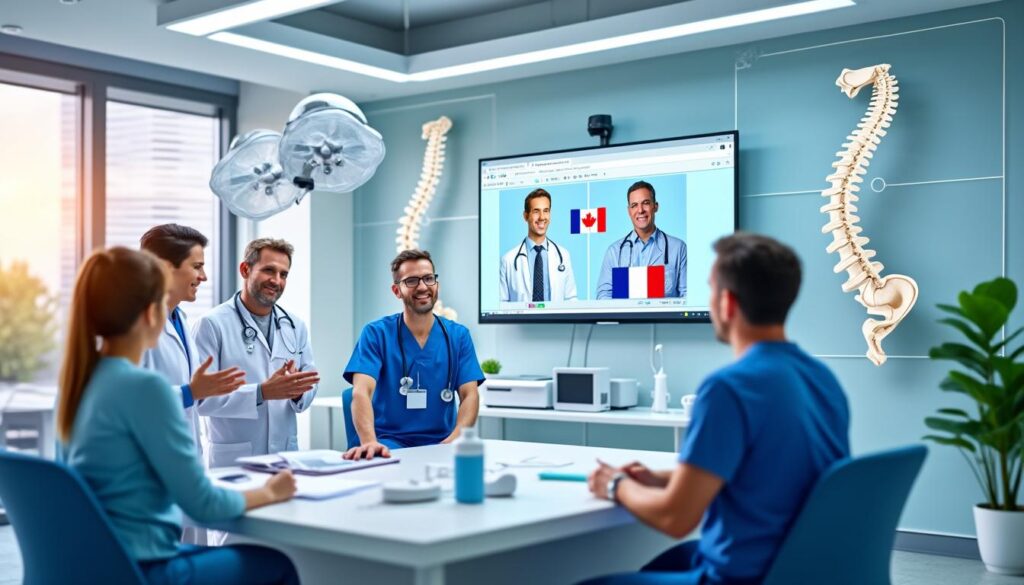
Minimally Invasive Surgery in Longueuil: Innovation to Preserve Biomechanics
In the evolving landscape of orthopedic surgery, minimally invasive surgery (MIS) in Longueuil has emerged as a beacon of innovation aimed at preserving spinal biomechanics. This approach combines cutting-edge technology and refined surgical techniques to reduce trauma and foster quicker…
Encouragement to Engage and Begin Your Personalized Spine Surgery Assessment
If you are a patient in Trois-Rivières exploring alternatives to protracted wait times or high private costs in Quebec, considering spine surgery in France offers a promising option grounded in innovation and ethical care. Dr. Sylvain Desforges and his collaborative network provide expert evaluations designed to clarify your specific condition and explore appropriate treatment avenues.
Understanding that surgery is one step in a broader spine health strategy—which includes preoperative conservative care, advanced therapies at Clinique TAGMED, and a robust postoperative plan—is fundamental to success. Patients are invited to actively participate in their journey by seeking detailed information, asking questions, and weighing all options with trustworthy guidance.
For more information or to discuss your individual case, please visit https://www.sostourismemedical.com/contact to connect with professionals dedicated to optimizing your spine health with safety, transparency, and innovation.
What types of spine surgeries are commonly performed in France?
Common spine surgeries in France include minimally invasive surgery, spinal fusion, dynamic implant placement, laser-assisted surgeries, and robotic-assisted procedures tailored to individual patient needs.
How does the transatlantic coordination work between Trois-Rivières and France?
Dr. Sylvain Desforges coordinates assessment, scheduling, surgery planning, and postoperative follow-up between Canadian patients and French surgical centers to provide seamless international care pathways.
Is spine surgery always necessary for back pain?
Surgery is only considered after completing at least 3 to 6 months of conservative treatments, including advanced non-invasive therapies, to ensure that less invasive options have been properly explored.
What technological innovations make French spine surgery unique?
Innovations include robotic spine surgery, laser spine surgery, dynamic implants that preserve motion, and telemedicine-supported care coordination enhancing precision, recovery, and patient comfort.
How does the cost of spine surgery in France compare to Canada?
Total costs including surgery, travel, and rehabilitation in France can be competitive or favorable when considering shorter wait times, quicker recovery, and avoidance of extended disability costs typical in Canada.