Back Surgery in Trois-Rivières: Reducing Chronic Pain for a Better Quality of Life
November 23, 2025
Stepwise Functional Recovery: The Heart of the Care Pathway
November 23, 2025
Addressing spinal disorders requires a nuanced understanding of the available treatment modalities, encompassing conservative treatments and surgical options. Patients in regions like Quebec often face challenges with access to timely care, complicated by administrative barriers and lengthy wait times. To circumvent these hurdles, a model of transatlantic collaboration between Quebec and France has emerged, offering patients an innovative pathway. This approach integrates advanced non-invasive therapies at specialized clinics such as Clinique TAGMED with cutting-edge surgical interventions performed in France. Such coordination optimizes treatment effectiveness while ensuring patient safety and continuity of care, emphasizing a personalized journey from initial evaluation to post-operative rehabilitation.
The distinction between conservative and surgical pathways hinges on various patient-centered factors, including symptom severity, underlying pathology, and individual health profiles. Whereas conservative management prioritizes symptom alleviation and functional restoration through modalities like physical therapy and pain management, surgery addresses mechanical instability or advanced degeneration that compromises patient quality of life. Innovations in surgical technology, including mini-invasive procedures and dynamic spinal implants, have revolutionized outcomes, yet the decision-making process demands comprehensive assessment and shared deliberation between clinicians and patients.
Understanding Conservative Treatments: Foundations and Advances in Non-Invasive Therapies
Conservative treatments represent the initial line of defense in managing spinal pathologies, focusing on symptom control, mobility enhancement, and preventing disease progression. These approaches encompass a spectrum of non-invasive therapies combining manual interventions, exercise regimens, and pharmacological support.
Among the most effective conservative interventions is physical therapy, which leverages tailored exercises aimed at strengthening paraspinal musculature, correcting postural imbalances, and enhancing spinal flexibility. Programs typically extend over several months, reflecting a commitment to sustained improvement rather than immediate resolution. For example, a patient experiencing lumbar radiculopathy might engage in core stabilization exercises coupled with nerve gliding techniques, significantly reducing nerve root irritation without resorting to surgery.
Additionally, advanced modalities such as robot-assisted neurovertebral decompression have gained traction. This technology-based method provides controlled spinal traction, aimed at alleviating pressure on nerve roots and intervertebral discs, thereby diminishing inflammation and neuropathic pain. Clinics like TAGMED in Quebec offer these services as part of an integrative conservative care plan, demonstrating meaningful symptom relief and delaying or circumventing surgical intervention in many cases.
- Efficacy of physical therapy: Proven to improve range of motion and reduce pain for disc herniation and degenerative disc disease.
- Pain management strategies: Use of NSAIDs, muscle relaxants, and targeted injections to control acute flare-ups.
- Education and lifestyle adjustments: Patient empowerment through ergonomic advice and activity modification to prevent relapse.
| Conservative Treatment | Purpose | Duration | Expected Outcomes |
|---|---|---|---|
| Physical Therapy | Improve spinal support and flexibility | 3 to 6 months | Reduced pain, improved function |
| Neurovertebral Decompression (robot-assisted) | Reduce nerve root pressure | 3 to 6 months | Alleviation of neuropathic symptoms |
| Pain Management | Control inflammation and discomfort | Variable, often short-term | Symptom stabilization |
| Patient Education | Prevent recurrent injury | Ongoing | Long-term spinal health |
Insights into these methods can be further explored through resources detailing the effectiveness of conservative treatments versus surgery. Moreover, understanding how conservative care contrasts with surgical intervention aids patients in appreciating their options.
Understanding Sciatic Pain: Key Symptoms and When to Seek Medical Advice
Sciatic pain is a prevalent condition impacting a wide demographic, manifesting primarily as intense pain radiating from the lower back down the leg. This pain stems from irritation or compression of the sciatic nerve, a major nerve extending through the…
Modern Surgical Options for Spinal Disorders: Techniques and Technological Innovations
When conservative measures fail to restore adequate relief or functional capacity, surgical options become an important consideration. France’s spinal surgery domain exemplifies the forefront of innovation, offering procedures tailored to intricate pathophysiological scenarios.
Three principal surgical techniques dominate contemporary practice: fusion surgery, motion-preserving implants, and mini-invasive approaches enhanced by robotic technology.
Fusion Surgery: Stability Through Vertebral Immobilization
Fusion surgery entails permanently joining two or more vertebrae to eliminate motion that causes pain or neurological compromise. Indications include severe spondylolisthesis, unstable fractures, and pronounced degenerative instability. While effective in restoring mechanical solidity, fusion unavoidably reduces segmental flexibility, potentially transferring augmented biomechanical stress to adjacent vertebral levels.
Recent advancements allow for fusion via mini-invasive routes, minimizing soft tissue damage and accelerating recovery timelines. In these approaches, smaller incisions combined with navigation assist minimize hospital stay and complications, improving patient comfort and outcome sustainability.
Motion Preservation: Spinal Implants that Maintain Natural Flexibility
To address the limitations of fusion, implants such as artificial disc replacements and dynamic stabilization devices have emerged. Unlike fusion, these implants aim to preserve segmental mobility, decreasing the occurrence of adjacent segment disease.
Dynamic implants like TOPS and Intraspine, widely utilized in France, offer controlled motion while stabilizing pathological segments. Clinical studies demonstrate quicker rehabilitation and improved quality of life for patients receiving these alternatives, although expertise in their application is crucial for optimal results.
Mini-Invasive and Endoscopic Surgery: Minimizing Trauma for Maximized Recovery
Endoscopic spinal surgery utilizes small incisions and high-resolution visual guidance to target displaced disc fragments or mild spinal stenosis with minimal tissue disruption. The integration of FDA-cleared robotic platforms for navigation further refines precision, reducing surgery risks and enhancing patient outcomes.
- Fusion Surgery: Efficacious for advanced instability, with reduced pain but decreased mobility.
- Motion-Preserving Implants: Maintain spinal function with lower risk of adjacent degeneration.
- Mini-Invasive Techniques: Offer rapid recovery and lower complication rates.
| Surgical Technique | Main Indications | Advantages | Limitations |
|---|---|---|---|
| Fusion Surgery | Spondylolisthesis, fractures, severe instability | Enhanced mechanical stability, significant pain reduction | Loss of segmental motion, possible adjacent segment overload |
| Motion-Preserving Implants | Disc degeneration, uncomplicated herniations | Maintains mobility, reduces adjacent segment disease | Limited indications, requires surgical expertise |
| Mini-Invasive/Endoscopic Surgery | Disc herniations, mild spinal stenosis | Less postoperative pain, fast recovery | Technical complexity, specialized equipment required |
Further details can be sought on platforms explaining the breadth of pros and cons of spine treatments and the evolving landscape of conservative versus surgical orthopedic approaches. These insights help patients make informed evaluations based on their unique circumstances.

The Stepwise Role of Functional Recovery in Achieving Successful Outcomes
The journey to full recovery following spinal surgery is often complex and multifaceted, demanding a meticulously structured approach to ensure optimal functional outcomes. In recent years, the concept of functional recovery through a stepwise approach has garnered significant attention in…
Orchestrating a Transatlantic Care Pathway: The Quebec-France Surgical Collaboration Model
Patients in Quebec benefit from an integrative, cross-border framework designed to circumvent local healthcare challenges. Initiated and led by eminent specialists like Dr. Sylvain Desforges, this pathway ensures rigorous patient assessment, optimized pre-surgical conservative management, advanced surgical care in France, and synchronized postoperative support back in Quebec.
The model begins with a comprehensive preoperative evaluation in Quebec, during which patients engage in specialized conservative treatments such as the clinically effective robot-assisted neurovertebral decompression. This phase not only serves as a diagnostic sweep to gauge surgical necessity but also as a therapeutic gestation period, maximizing recovery potential and reducing the immediate need for surgical intervention.
If surgical treatment is indicated, logistical arrangements are managed by the organization Franchir, which coordinates travel and accommodations, alleviating administrative burden on the patient. The French surgical teams implement state-of-the-art techniques, supported by a multidisciplinary approach to tailor treatments precisely. Subsequently, the patient returns home where structured rehabilitation supervised by Neurothérapie Montréal facilitates recovery.
- Preoperative conservative rehabilitation (3–6 months)
- International coordination of surgical logistics
- Access to innovative surgical implants and techniques
- Tailored post-operative rehabilitation at home
| Step of Care | Responsible Entity | Objective | Approximate Duration |
|---|---|---|---|
| Preoperative Assessment & Conservative Therapy | Dr. Sylvain Desforges & TAGMED | Maximize non-invasive treatment success | 3 to 6 months |
| Orientation & Surgical Logistics | Franchir | Organize cross-border surgical access | Variable, based on scheduling |
| Surgical Intervention in France | Partner Surgeons | Deliver high-precision, modern surgical care | Hospital stay: short-term |
| Postoperative Follow-up & Rehabilitation | Neurothérapie Montréal | Enhanced recovery and functional restoration | Variable, patient-dependent |
This care model exemplifies a patient-centered continuum that synergizes the strengths of healthcare systems from two continents, highlighting the importance of innovation and personalized support in spinal disorder management.


Transatlantic Patient Journey: Insights into Indications, Benefits, and Challenges
The emergence of the Transatlantic Patient Journey as a strategic model within healthcare continues to capture attention for its innovative potential, especially in specialized fields such as spinal surgery. This cross-border care pathway integrates rigorous medical evaluation from Quebec with…
Biomechanical and Psychosocial Benefits of Combined Conservative and Surgical Interventions
The judicious integration of conservative treatments and surgical options contributes not only to biomechanical restoration but also to enhanced patient confidence and emotional well-being. The utilization of dynamic spinal implants such as TOPS and Intraspine facilitates biomechanical stability while preserving spinal flexibility, mitigating degenerative risks to neighboring segments.
Complementing these mechanical advantages are innovative conservative strategies, including robot-assisted decompression, which effectively reduce neural impingement and associated pain. This comprehensive biological approach translates to improved patient outcomes, demonstrating resilience against symptom recurrence and functional decline.
Psychoemotional support woven throughout the transatlantic care journey enhances patient trust and adherence to treatment, crucial elements for long-term success. Logistic support through organizations like Franchir ensures seamless navigation across healthcare systems, eliminating common stressors linked to cross-border care.
- Preservation of spinal mobility via dynamic implants reducing adjacent segment disease
- Reduction in neural pressure through advanced decompressive methods
- Psychological reassurance via continuous, empathetic patient support
- Streamlined logistics fostering seamless treatment progression
| Benefit Category | Details | Impact on Patient |
|---|---|---|
| Biomechanical | Dynamic implants maintaining motion | Lower adjacent segment degeneration, improved function |
| Physiological | Targeted decompression decreasing inflammation | Symptom relief and better mobility |
| Psychosocial | Patient-centered navigation and support | Higher adherence and reduced anxiety |
| Logistical | Coordinated international care pathway | Reduced administrative burden |
Residents curious about combining pain management techniques with novel surgical technologies may find value in this multi-faceted approach. Details concerning dynamic stabilization in lumbar surgeries are elaborated in specialized resources explaining treatments like IntraSPINE for severe low back pain.
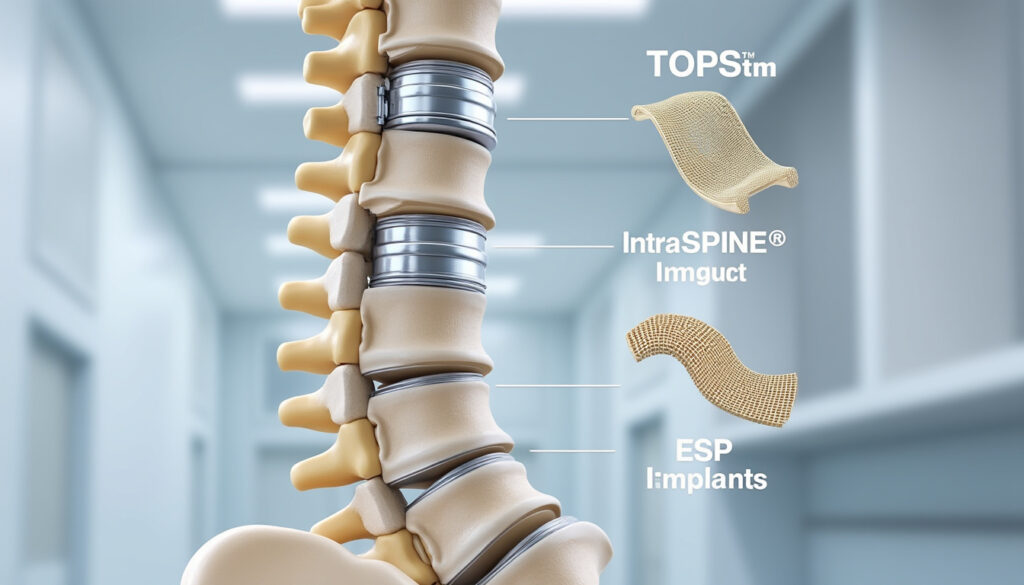
The evolving field of spinal surgery is witnessing a transformative shift, fueled by cutting-edge implant technologies such as TOPS, Intraspine, and ESP. These innovative implants redefine treatment possibilities by emphasizing preservation of natural spinal mechanics, while ensuring durable stabilization and…
The Critical Role of Conservative Phase Before Surgery: Why Timing Matters in Medical Decision-Making
A foundational principle endorsed by spinal health experts emphasizes an exhaustive trial of conservative treatments before considering surgical intervention. This phase, ideally spanning 3 to 6 months, assesses the spine’s responsiveness to non-invasive therapies such as physical therapy and neurovertebral decompression.
By prioritizing conservative care, clinicians aim to reduce unnecessary surgical procedures, minimize inherent surgery risks, and optimize long-term outcomes. This phased approach also facilitates patient conditioning and psychological preparedness, integral to successful postoperative rehabilitation.
For instance, patients with severe sciatica participating in comprehensive conservative programs often report substantial symptom remission, obviating the need for complicated surgeries. These clinical observations underscore the importance of patience and adherence to treatment regimens as detailed by comparative studies on spine surgery and non-surgical management.
- Monitored conservative care phase to evaluate treatment response
- Avoidance of premature surgery when symptoms are manageable
- Improved surgical outcomes when surgery becomes necessary
- Enhanced patient education on disease progression and treatment expectations
| Focus | Purpose | Patient Benefits |
|---|---|---|
| Conservative Trial | Evaluate potential for non-surgical recovery | Decreased surgery rates, less risk exposure |
| Patient Conditioning | Prepare physically and mentally for surgery | Faster, safer postoperative recovery |
| Education & Communication | Clarify treatment expectations | Increased adherence, informed choices |
Additional information about the importance of conservative management in spinal disease can be found through insightful evaluations of indications, benefits, and limitations of both approaches.
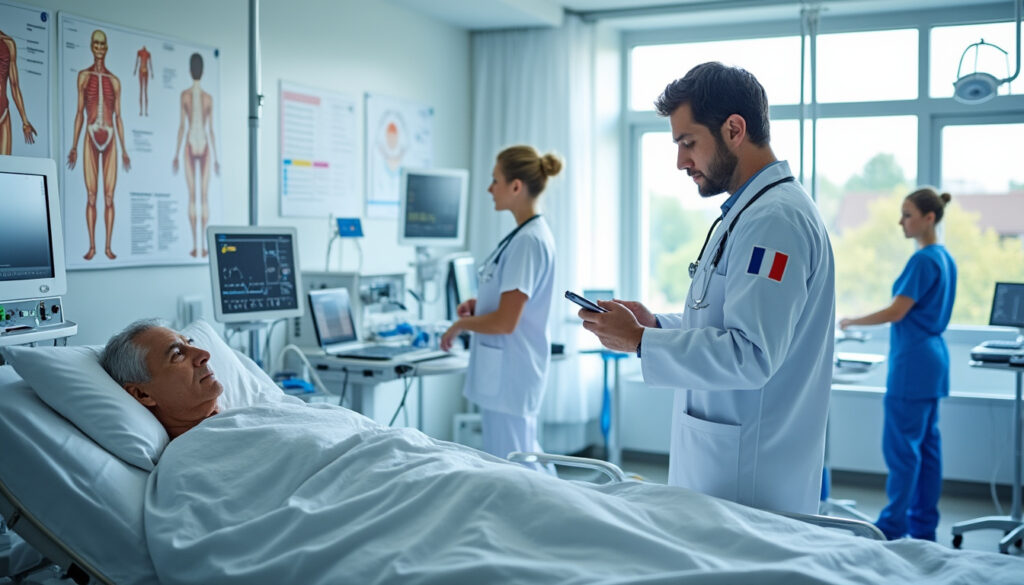
Preparing for Surgery in France: Key Indications, Benefits, and Limitations
In an evolving global healthcare landscape, France emerges as a beacon of advanced surgical expertise, particularly attracting international patients seeking expedited and innovative medical interventions. Patients from regions experiencing long wait times, such as Quebec, increasingly view France as an…
Factors Influencing the Choice Between Conservative Treatments and Surgery
Selecting the appropriate therapeutic route demands a comprehensive assessment that blends clinical, radiological, and patient-specific variables. Understanding this multifactorial decision-making process is crucial for tailoring individualized care plans aligned with patient goals.
Key determinants include:
- Severity and type of spinal pathology: Herniated discs, spinal stenosis, or vertebral instability each pose unique challenges.
- Symptom progression and response to conservative care: Improvement vs. persistence or worsening of pain and function.
- Overall health and comorbidities: Age, pre-existing conditions, and fitness influence surgical candidacy and recovery potential.
- Patient lifestyle and expectations: Activity demands, pain tolerance, and functional goals must be deliberated.
- Risks and benefits analysis: Considering surgery risks alongside the likelihood of durable symptom relief and improved quality of life.
| Decision Factor | Considerations | Impact on Treatment Choice |
|---|---|---|
| Pathology Characteristics | Type, location and extent of spinal damage | Guides conservative vs surgical approach |
| Symptom Response | Clinical improvement or deterioration over time | Determines treatment urgency and pathway |
| Medical Profile | Age, comorbidities, physiological resilience | Assesses surgical risk and expected recovery |
| Patient Expectations | Functional aims, quality of life priorities | Influences shared decision-making |
| Risk-Benefit Ratio | Potential complications vs expected outcomes | Informs consent and treatment plan |
Patients seeking practical guidance on making this choice can consult comprehensive resources such as orthopedic treatment comparisons and consult expert opinions available through specialized clinics.

Unveiling the Hidden Benefits of Quality and Certification in Devices
The landscape of device manufacturing and clinical application in 2026 has been fundamentally shaped by the rigorous interplay between quality management and certification processes. Within this complex framework, the hidden benefits of adhering to international standards and obtaining relevant certifications…
Innovations Enhancing Patient Outcomes: Integrating Technology With Personalized Rehabilitation
The intersection of technology and rehabilitation has forged new pathways to optimize patient recovery regardless of chosen treatment strategy. Advanced imaging, robotic navigation, and minimally invasive surgical tools complement comprehensive rehabilitation programs that address functional restoration and pain relief.
Personalized rehabilitation involves:
- Customized physical therapy targeting muscle imbalances and movement correction
- Use of biomechanical assessments employing 3D imaging to monitor progress
- Integration of tele-rehabilitation enabling remote support and adherence tracking
- Psychosocial support to address pain perception and coping strategies
| Innovation | Benefit | Clinical Application |
|---|---|---|
| Robotic Surgical Assistance | Increased precision, reduced risk | Minimally invasive spinal operations |
| 3D Biomechanical Imaging | Enhanced diagnostics and progress monitoring | Tailored rehabilitation programs |
| Tele-Rehabilitation Platforms | Improved accessibility, continuous care | Support for remote patients |
| Multidisciplinary Pain Counseling | Improves coping mechanisms | Complement to physical therapies |
For detailed insights into managing chronic pain through conservative and surgical means, patients may explore resources provided by experts specializing in this domain, such as chronic pain management clinics.
Comparaison : traitements conservateurs vs options chirurgicales
Filtre les traitements selon les avantages contenant le texte saisi.
| Traitement ⇅ | Avantages | Limites | Temps de récupération | Candidats typiques | Exemples |
|---|
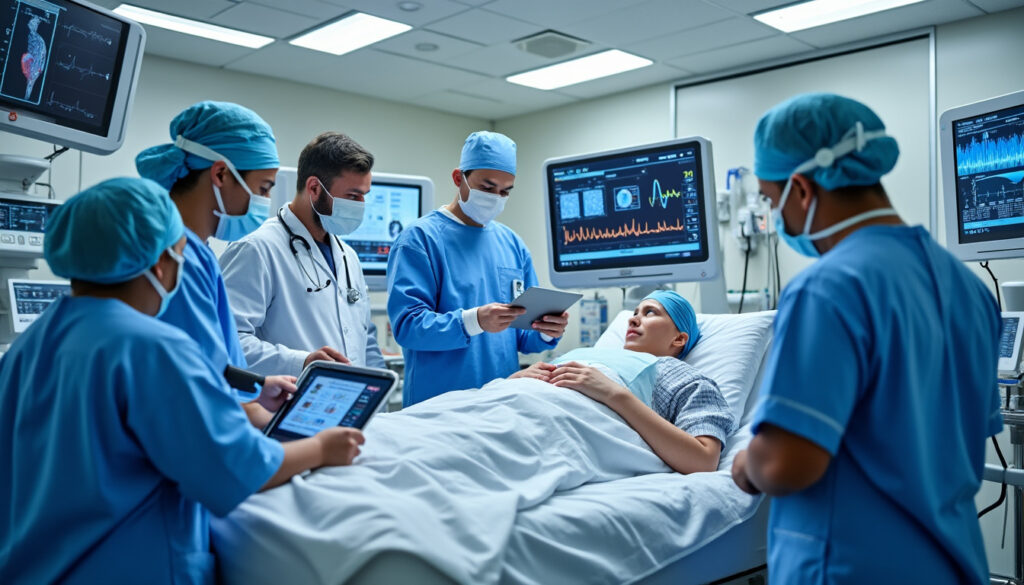
Why Experts Advocate for Comprehensive Preoperative Evaluations
In the complex and demanding field of spinal surgery, the emphasis on comprehensive preoperative evaluations has become a fundamental pillar supporting successful surgical outcomes. These evaluations, far beyond mere routine checks, integrate detailed analyses of patient health, surgical risk assessments,…
Achieving Informed Decisions: Patient Education and Empowerment in Orthopedic Care
Effective medical decision-making depends on empowering patients with clear, thorough knowledge about their options, expected outcomes, and associated risks. Providing accessible, evidence-based information encourages active participation in care pathways and improves satisfaction with treatment results.
Strategies to foster patient empowerment include:
- Detailed consultations explaining benefits and risks of conservative treatments and surgery
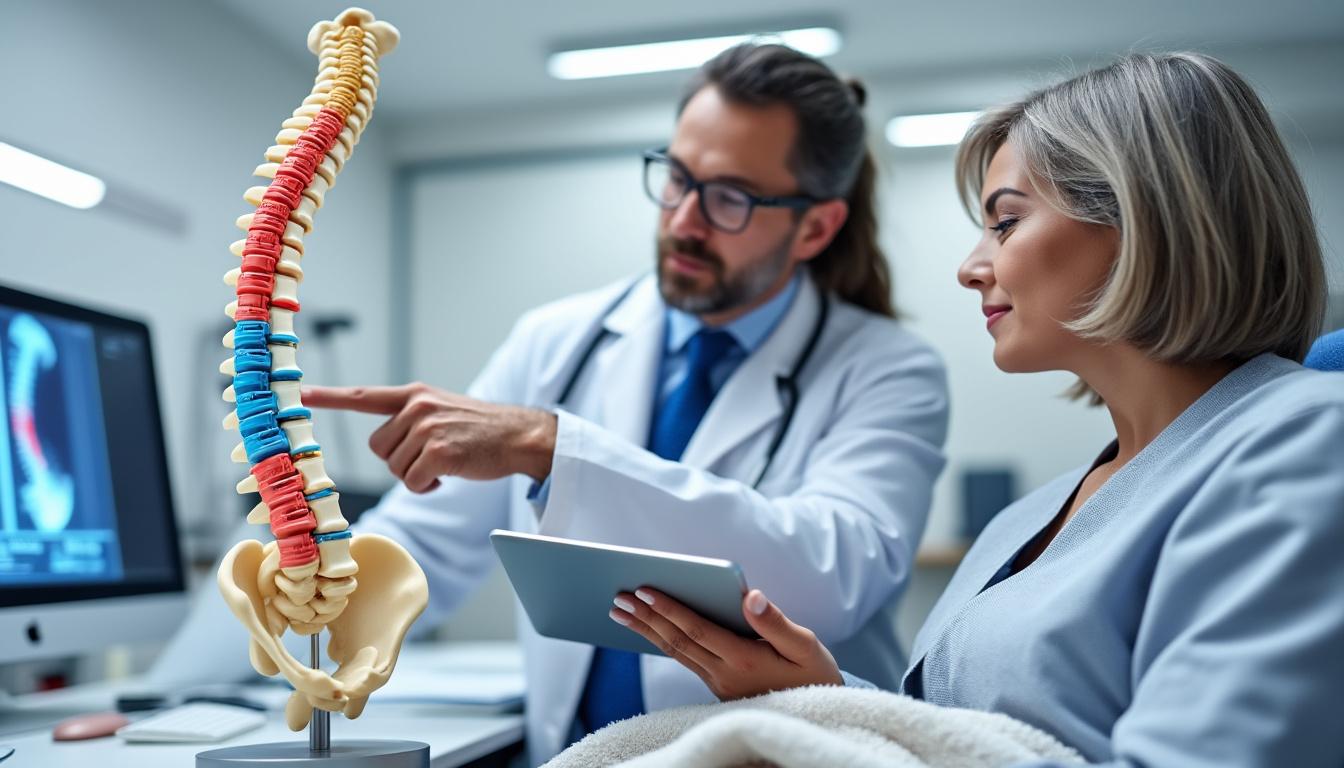
- Use of visual aids and models to demonstrate spinal mechanics
- Access to multimedia educational resources and patient testimonials
- Encouragement of questions and shared decision-making sessions
| Education Strategy | Purpose | Impact on Patient |
|---|---|---|
| Consultations | Clarify treatment choices and expectations | Informed consent and trust |
| Visual Aids | Enhance understanding of anatomy and procedures | Reduced anxiety, clearer communication |
| Multimedia Resources | Provide ongoing education | Improved adherence to therapy |
| Shared Decision-Making | Active patient engagement in care planning | Higher satisfaction and outcomes |
Resources providing comprehensive overviews on conservative versus surgical care are invaluable for those navigating complex orthopedic decisions. Information available from trusted institutes can provide foundational clarity and support.
What are the main benefits of conservative treatments for spinal disorders?
Conservative treatments offer a non-invasive approach that reduces pain, improves function, and often avoids the risks associated with surgery. They emphasize physical therapy, pain management, and patient education to promote long-term spinal health.
When is surgery preferred over conservative care for spinal conditions?
Surgery is favored when patients have severe spinal instability, neurological deficits, or when conservative treatments have failed to alleviate significant pain or disability. Surgical options also consider patient-specific factors and overall health.
What advancements have improved surgical outcomes in spinal care?
Innovations such as motion-preserving implants, robotic-assisted minimally invasive surgery, and advanced imaging techniques have enhanced precision, reduced recovery times, and improved functional outcomes.
How does the transatlantic care pathway benefit patients from Quebec?
This collaborative model ensures early conservative treatment, access to state-of-the-art surgical techniques in France, and coordinated postoperative rehabilitation back in Quebec, optimizing safety, recovery, and patient satisfaction.
Why is patient education crucial in deciding between conservative and surgical treatments?
Educated patients are better equipped to understand the risks and benefits, engage in shared decision-making, and navigate their care journey with confidence, leading to improved treatment adherence and outcomes.
The Future of Surgery Lies in Stepwise Functional Recovery
The evolution of surgical care in 2026 reveals a compelling shift toward approaches that prioritize the holistic recovery of patients, moving beyond traditional metrics like length of hospital stay or mortality rates. This modern paradigm highlights the principle that the…