Hospitals and Surgeon Partnerships: Key Insights, Benefits, and Challenges
November 16, 2025
Mascouche Non-Surgical Herniated Disc Rehabilitation Program
November 16, 2025
Chronic low back pain remains an immense challenge for millions globally and particularly among patients in Sherbrooke, Quebec. The pursuit of effective therapy that alleviates debilitating pain while preserving spinal mobility has gained renewed energy thanks to breakthrough innovations like the IntraSPINE device. This dynamic interlaminar implant—positioned uniquely between the laminae—offers promising relief for severe low back pain by targeting biomechanical restoration, neurogenic decompression, and functional recovery.
The scarcity of definitive non-surgical solutions, combined with prolonged wait times and costs associated with private surgical options in Quebec, has led many patients to explore advanced treatments abroad, including in France, where cutting-edge spine technologies are available with streamlined transatlantic medical coordination. This evolving landscape is reshaping how patients approach surgical intervention, balancing cautious conservative management with timely, minimally invasive procedures that optimize quality of life without sacrificing spinal biomechanics.
As the foundational principles of spine care shift towards innovation, ethics, and personalized care, the role of experts such as Dr. Sylvain Desforges, with over 30 years of experience coordinating complex evaluations and patient pathways between Canada and France, becomes paramount. His commitment to evidence-based practices and patient-centered guidance underscores the possibilities inherent in therapies like IntraSPINE—offering renewed hope for those grappling with the multifaceted burdens of chronic low back pain.
Understanding IntraSPINE: A Biomechanical Solution for Severe Low Back Pain Relief
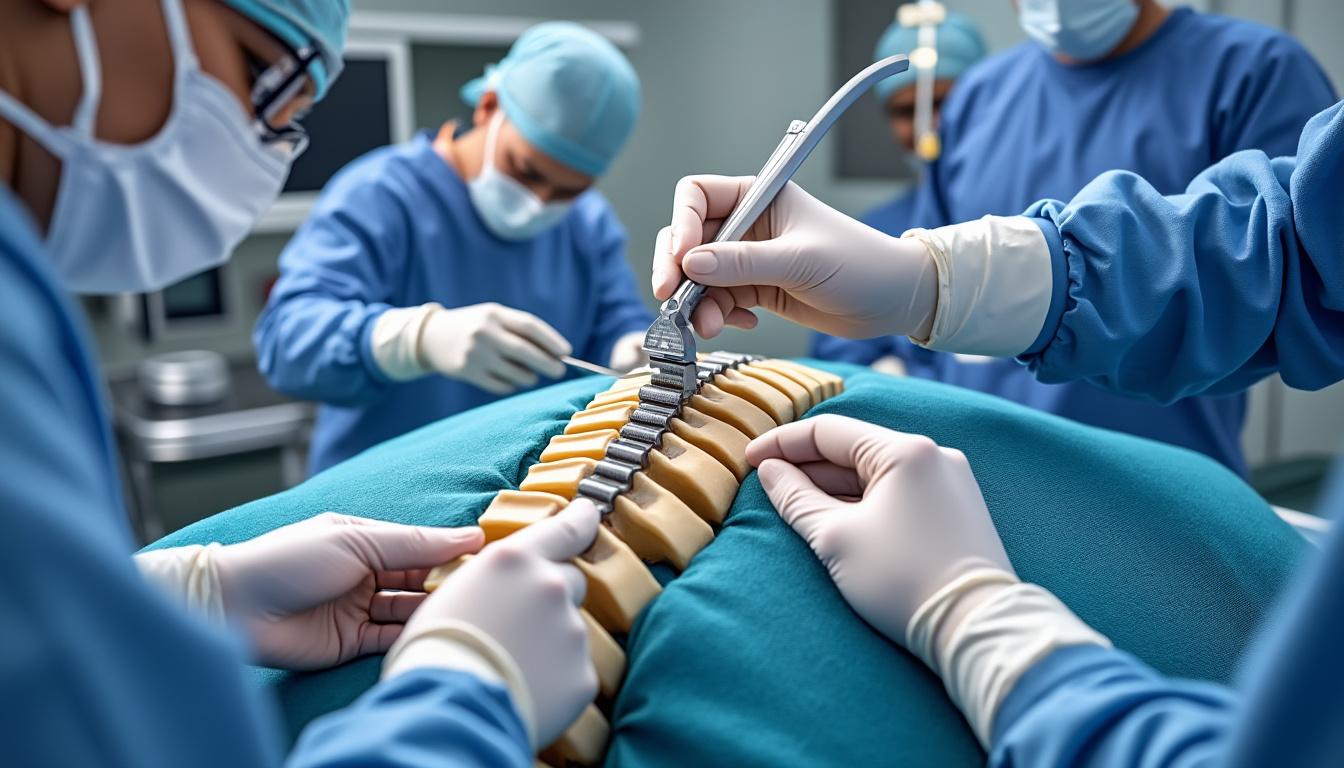
At the heart of successful chronic low back pain treatment lies a thorough grasp of spinal biomechanics and how devices like IntraSPINE restore natural function. Unlike conventional fusion surgeries that eliminate motion at the affected segment—often precipitating adjacent segment degeneration—IntraSPINE is designed to maintain a degree of physiological movement. This distinction offers considerable advantages both biomechanically and clinically.
The device is strategically positioned anteriorly between the laminae and spinous processes, aligning with the instantaneous axis of rotation (IAR) of the lumbar segment. This placement is critical as it allows preservation of segmental motion and balance across flexion-extension cycles. Constructed from biocompatible materials including flexible medical-grade silicone enclosed in polyethylene terephthalate, the implant’s elastic deformation zones absorb and modulate mechanical forces, notably unloading facet joints and reopening neural foramina.
Clinical benefits from this biomechanical innovation include:
- Partial preservation of range of motion (ROM) at treated levels, reducing compensatory hypermobility often seen post-fusion.
- Restoration of posterior disc height and foraminal dimensions critical for nerve root decompression and pain relief.
- Reduction in adjacent segment degeneration (ASD) by preventing abnormal biomechanical stress transfers to neighboring levels.
- Minimally invasive surgical approach, leading to decreased operative times, blood loss, and faster recovery.
Longitudinal data support the efficacy of IntraSPINE as showing comparable or superior outcomes to fusion candidates with the added benefit of maintaining spinal mechanics, which directly correlates with improved postoperative satisfaction and reduced complication rates. For detailed surgical outcomes and biomechanical assessments, readers may consult clinical studies such as those found in publications reviewing degenerative lumbar disc disease treatments with dynamic stabilization (surgical outcomes study).
| Biomechanical Feature | Clinical Impact | Patient Benefit |
|---|---|---|
| Anatomical anterior interlaminar positioning | Aligns with natural instantaneous axis of rotation | Preserves physiological spinal motion and balance |
| Elastic deformation zones | Allows controlled flexion and extension | Reduces facet joint stress and prevents stiffness |
| Biocompatible composite materials | Flexible yet durable implant support | Minimizes implant-related complications and improves integration |
IntraSPINE® in Sherbrooke: Durable Solution for Chronic Low Back Pain
The management of chronic low back pain, a widespread condition affecting millions across Quebec and beyond, has reached a pivotal moment thanks to innovative medical technologies and coordinated care pathways. At the heart of this evolution lies the IntraSPINE implant,…
Dynamic Implants Versus Traditional Fusion: Key Considerations for Patients in Sherbrooke
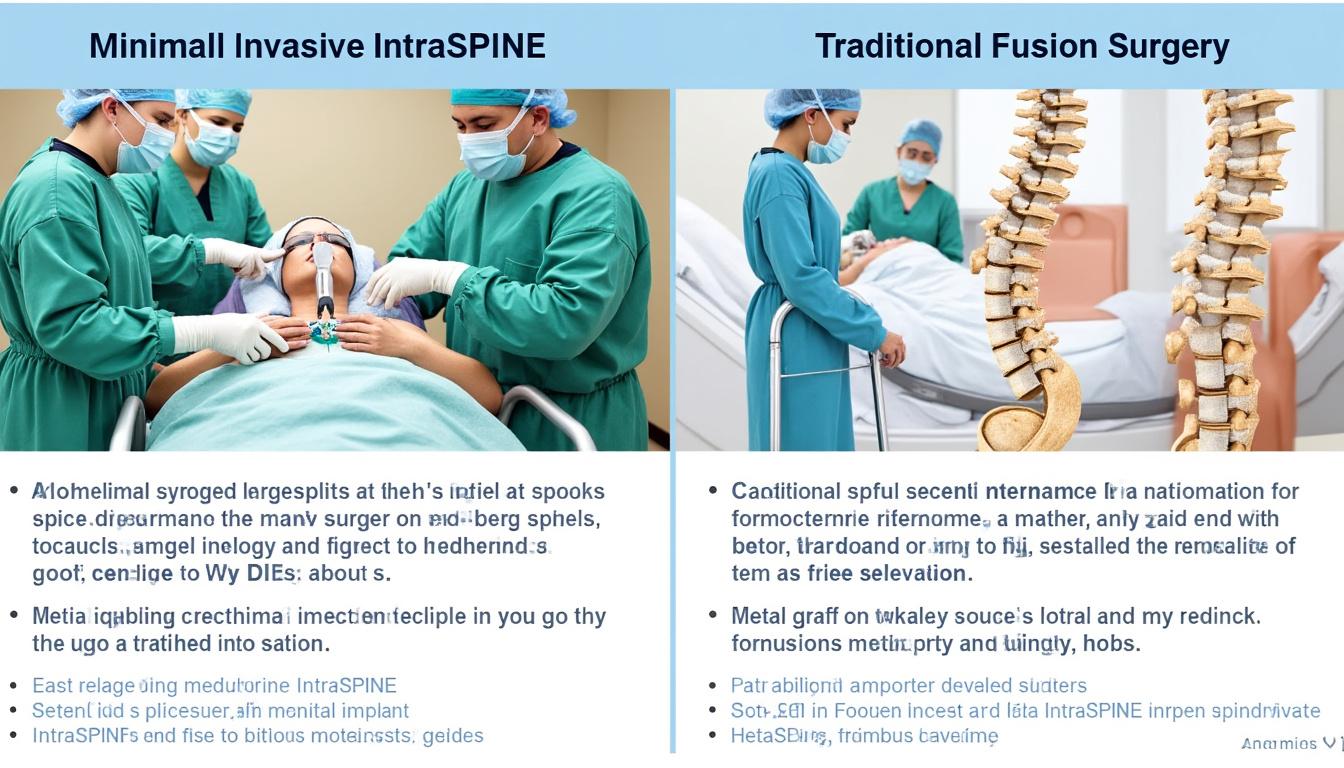
While posterior lumbar fusion remains a cornerstone for treating severe degenerative lumbar disease, it has sizable limitations, including rigidity-induced adjacent segment degeneration and prolonged recovery. Dynamic stabilization technologies like IntraSPINE offer compelling alternatives by maintaining motion and facilitating quicker functional restoration.
Specific comparative aspects include:
- Operative length and invasiveness: IntraSPINE procedures typically involve reduced surgical time and morbidity.
- Postoperative range of motion preservation: Fusion eliminates motion; IntraSPINE retains partial physiological function.
- Hospitalization duration and rehabilitation: Patients with dynamic implants return to daily activities more efficiently.
- Long-term biomechanical consequences: ASD incidence is notably lower with motion-preserving implants.
A recent prospective comparison indicates that IntraSPINE surgery averages approximately 72 minutes operative time compared to 82 minutes for fusion, with corresponding benefits in intraoperative blood loss and shorter hospital stays (fast recovery after surgery review). Clinical outcomes report superior motion preservation (~50%) at the operative site with IntraSPINE in contrast to almost none following fusion, aligning with decreased rates of ASD within 12 months post-intervention.
| Parameter | IntraSPINE | Traditional Fusion | Statistical Significance |
|---|---|---|---|
| Mean operative time (minutes) | 72 | 82 | p < 0.01 |
| Intraoperative blood loss (ml) | 65 | 82 | p < 0.01 |
| Hospital stay (days) | 9 | 11 | p < 0.05 |
| Postoperative ROM preservation (%) | ~50 | ~0 | p < 0.001 |
| Incidence of adjacent segment degeneration at 12 months | Lower | Higher | Clinically significant |
Such data highlight the clinical value for Sherbrooke patients seeking minimally invasive solutions that emphasize biomechanical preservation and functional recovery, reflecting evolving standards in orthopedics and spinal care.
Spine Surgery in Trois-Rivières: Reduce Pain and Preserve Mobility
In recent years, spine surgery in Trois-Rivières has evolved notably, combining advanced medical expertise with innovative technologies to deliver patient-centered care. This growing field addresses the increasing demand among Quebec residents seeking effective solutions for chronic back pain and mobility…
Guiding Principles: Conservative Treatment is Essential Before Considering Surgery
Expert opinion universally agrees that surgical intervention, including implantation of devices such as IntraSPINE, should only be contemplated after rigorous conservative treatment spanning at least 3 to 6 months. This approach aligns with scientific rigor, safeguards patient safety, and improves postoperative outcomes.
Such conservative management delivered by specialists like Dr. Sylvain Desforges at Clinique TAGMED includes:
- Neurovertebral decompression therapy: A non-invasive technique alleviating nerve root pressure and improving local biomechanics.
- Supervised physical therapy: Strengthening core musculature and restoring spinal flexibility.
- Pharmacological pain management: Strategic use of anti-inflammatory and analgesic medications.
- Complementary approaches: Acupuncture, massage, and psychosocial supports augment recovery.
Insisting on such comprehensive non-surgical interventions before surgery ensures that patients have exhausted less invasive options and that surgical candidacy is assessed based on persistent disability and refractory pain. Evidence shows that inadequate conservative care prior to surgery may lead to suboptimal surgical results, emphasizing the need for thorough evaluation and monitored treatment protocols (conservative treatment guidelines).
| Conservative Treatment Modality | Function | Benefit in Surgical Candidacy |
|---|---|---|
| Neurovertebral decompression | Reduces nerve root impingement | Improves symptoms, delays or avoids surgery |
| Physical therapy | Strength and flexibility restoration | Enhances functional capacity and spinal support |
| Pharmacotherapy | Inflammation and pain control | Symptom management facilitating rehabilitation |
| Complementary methods | Holistic nervous system and circulatory support | Adjunctive aid in symptom relief |
TOPS™ in Gatineau: High-Performance Option for the Lumbar Spine
The landscape of spinal surgery has witnessed profound evolution, particularly for patients grappling with lumbar spine disorders such as spinal stenosis and spondylolisthesis. These conditions, increasingly prevalent among Quebec’s population, impose substantial limitations on mobility and quality of life. The…
Optimizing the Transatlantic Patient Journey for Lumbar Surgery
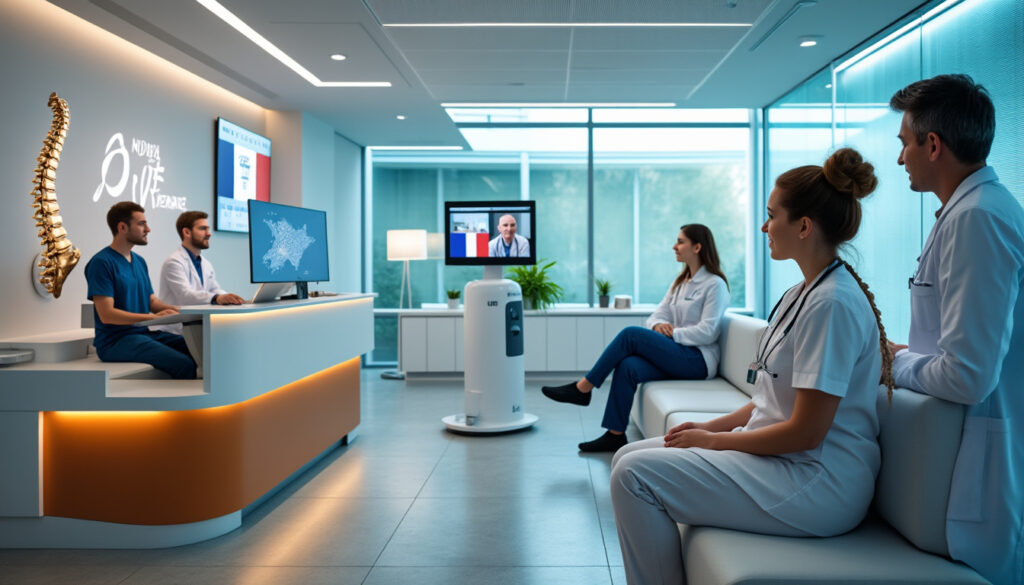
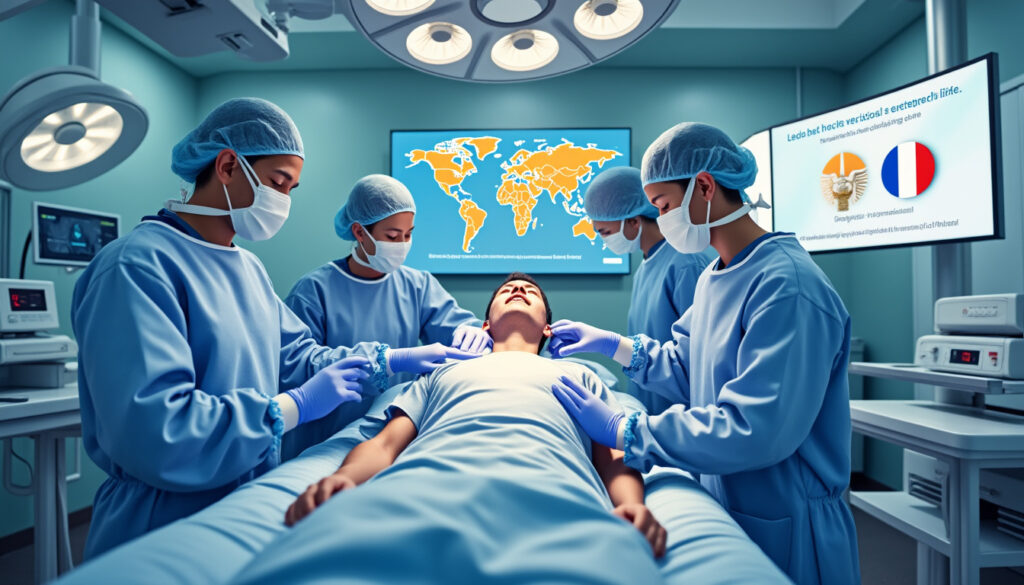
One of the most innovative developments for Quebec patients facing surgical spinal interventions is the coordinated transatlantic pathway bridging evaluation in Sherbrooke with expert surgery in France. Spearheaded by leaders such as Dr. Sylvain Desforges, this program integrates comprehensive assessment, treatment optimization, travel coordination, and postoperative care.
Key elements ensuring success and patient-centered outcomes include:
- Complete preoperative evaluation in Quebec—including detailed clinical and imaging assessments at Clinique TAGMED.
- Multilingual care coordination through organizations like SOS Tourisme Médical which handle travel logistics, hospital admissions, and patient education.
- Access to advanced surgical centers in France renowned for expertise in dynamic stabilization technologies like IntraSPINE.
- Structured postoperative follow-up including rehabilitation and neuromodulation support with local providers like Neurothérapie Montréal.
This approach alleviates Quebec’s healthcare constraints such as wait times and limited innovative surgical options, offering patients timely access to state-of-the-art spine surgery in specialized European centers. Such individualized, multidisciplinary pathways exemplify best practices for global spine care coordination.
| Pathway Stage | Key Stakeholders | Patient Benefit |
|---|---|---|
| Preoperative Assessment | Dr. Sylvain Desforges, Clinique TAGMED | Accurate diagnosis, personalized preparation |
| International Coordination | SOS Tourisme Médical, Franchir | Streamlined journey logistics and support |
| Expert Surgery | French centers using robotic assistance and IntraSPINE | Access to advanced, minimally invasive procedures |
| Postoperative Rehabilitation | Neurothérapie Montréal and local rehab clinics | Optimized recovery and long-term spinal health |
Cervical Disc Prosthesis in Quebec City: Avoid Post-Surgery Stiffness
Chronic neck pain remains a significant challenge for thousands of residents in Quebec City every year, often leading them to seek effective spinal surgery options that minimize downtime and maximize long-term mobility. Among the recent advancements revolutionizing cervical spine care,…
Advancements in Minimally Invasive Surgery for Spinal Care in Quebec
Minimally invasive surgery (MIS) techniques have transformed the landscape of back health treatment available in Quebec, particularly for patients in Longueuil and surrounding areas. MIS emphasizes limited tissue disruption, reduced pain, and rapid rehabilitation—features well embodied by procedures involving the IntraSPINE device.
Contemporary MIS procedures incorporate:
- Precision guidance and imaging: High-definition intraoperative imaging combined with robotic-assisted navigation improves implant placement accuracy and safety.
- Smaller incisions and muscle sparing: Allow faster healing and lower infection risks.
- Shorter hospital stays and outpatient procedures: Supporting patient autonomy and reducing healthcare costs.
Cases undergo meticulous selection based on strict criteria to maximize surgical outcomes:
- Patients generally under 65 years without severe osteoporosis or gross spinal instability.
- Single-level lumbar disc degeneration with persistent symptoms despite conservative care.
- No significant spondylolisthesis beyond grade I.
This careful screening under expert supervision, including Dr. Desforges’s team, ensures high success rates and minimal complications for MIS candidates. Emerging enhancements utilize advanced biomaterials and implant designs, extending durability and compatibility.
| Selection Criteria for MIS with IntraSPINE | Clinical Rationale |
|---|---|
| Age below 65 | Optimized bone quality and healing potential |
| Single-level lumbar degeneration | Targeted restoration of function with focal implant |
| Stable spine, grade I or less spondylolisthesis | Sufficient segmental stability for dynamic implant placement |
| Exclusion of severe osteoporosis or large disc herniations | Reduces risk of implant failure and instability |
Minimally Invasive Surgery in Longueuil: Reduce Hospital Stay Duration
In recent years, advances in spinal care have dramatically reshaped the treatment landscape for patients suffering from debilitating spinal conditions. Particularly in Longueuil, the emergence of minimally invasive surgery (MIS) techniques offers a transformative alternative to conventional open surgeries. These…
Personalized Patient Care in Sherbrooke: Enhancing Quality of Life With IntraSPINE
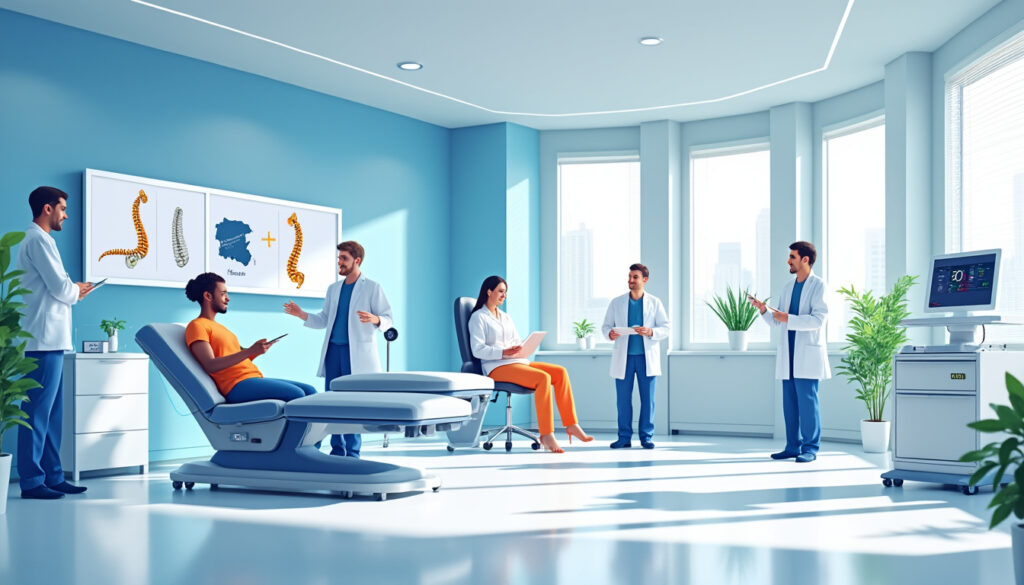
Chronic low back pain is marked not only by physical impairment but emotional and psychological challenges. The multidisciplinary approach championed by Dr. Desforges values comprehensive patient education and personalized care strategies. Patients in Sherbrooke receiving IntraSPINE benefit from:
- Detailed consultations that demystify complex spinal conditions and treatment options.
- Patient empowerment through accessible information on device benefits, risks, and recovery expectations.
- Customized rehabilitation plans focused on restoring autonomy and preventing recurrence.
- Continuity of care facilitated by experienced teams, ensuring smooth transitions from surgery to community-based support.
This holistic model fosters not only physical healing but sustained well-being, promoting confidence and resilience among patients facing chronic pain conditions (customized care program).
| Care Component | Patient-Centered Advantage |
|---|---|
| Clear communication and education | Reduces anxiety, improves treatment adherence |
| Individualized physiotherapy regimens | Promotes functional recovery and long-term spine stability |
| Psychological support integration | Addresses emotional aspects of chronic pain |
| Follow-up and monitoring | Enables early intervention and sustained outcomes |
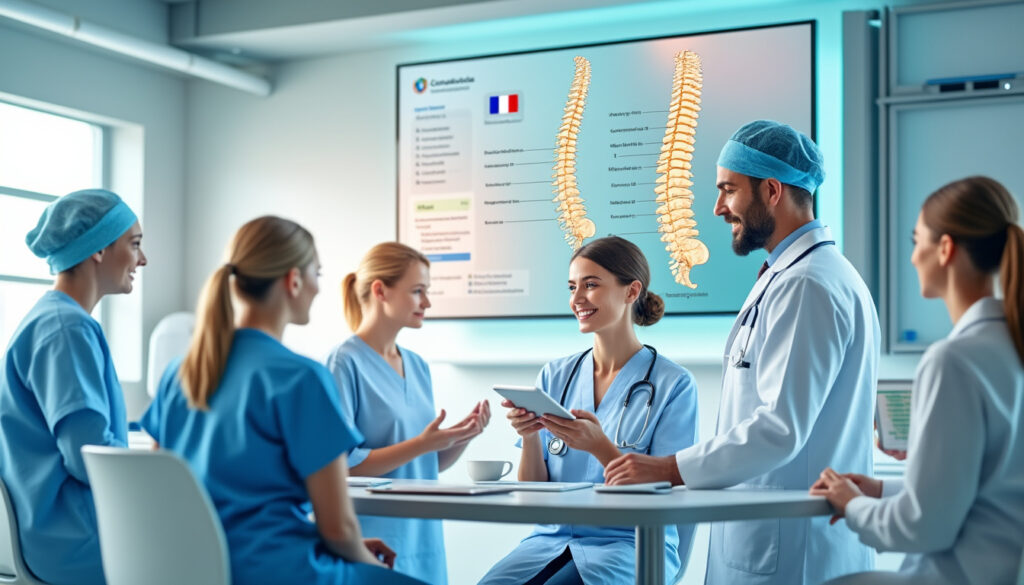
IntraSPINE® in Laval: Modern Solution for Lumbar Stabilization
In the evolving landscape of orthopedic treatments, the city of Laval has become a hub for innovations addressing chronic lower back pain. Among the groundbreaking solutions gaining attention is the IntraSPINE device—a modern spinal implant designed to offer dynamic lumbar…
Role of Technological Innovations in Enhancing IntraSPINE Outcomes
The adoption of advanced medical technologies plays a pivotal role in elevating the safety and precision of IntraSPINE implantation. Surgical teams in Sherbrooke and France utilize innovations from leading companies such as Medtronic and Zimmer Biomet, including:
- Robotic-assisted surgery (e.g., Medtronic Mazor system): enabling precise preoperative planning and intraoperative navigation.
- High-resolution imaging: MRI and CT scans provide detailed anatomical mapping for optimized implant sizing and placement.
- Enhanced biomaterials: biocompatible and flexible components extend implant longevity while preserving natural spinal biomechanics.
- Innovative instrumentation: ergonomically designed tools improve surgical efficiency and reduce operative trauma.
These technological adjuncts reduce risks associated with malposition, minimize soft tissue injury, and support enhanced patient outcomes, reflecting Dr. Desforges’s continuous dedication to integrating science, ethics, and innovation in spinal care (technological advances in spine surgery).
| Technology | Functional Benefit | Clinical Impact |
|---|---|---|
| Robotic-assisted surgery | Accurate implant positioning | Reduced complications, improved outcomes |
| Advanced imaging (MRI, CT) | Detailed anatomical visualization | Customized surgical planning |
| Biocompatible implant materials | Spinal flexibility preservation | Long-term implant stability |
| Custom surgical instruments | Efficient, minimally invasive procedures | Decreased operative time and trauma |
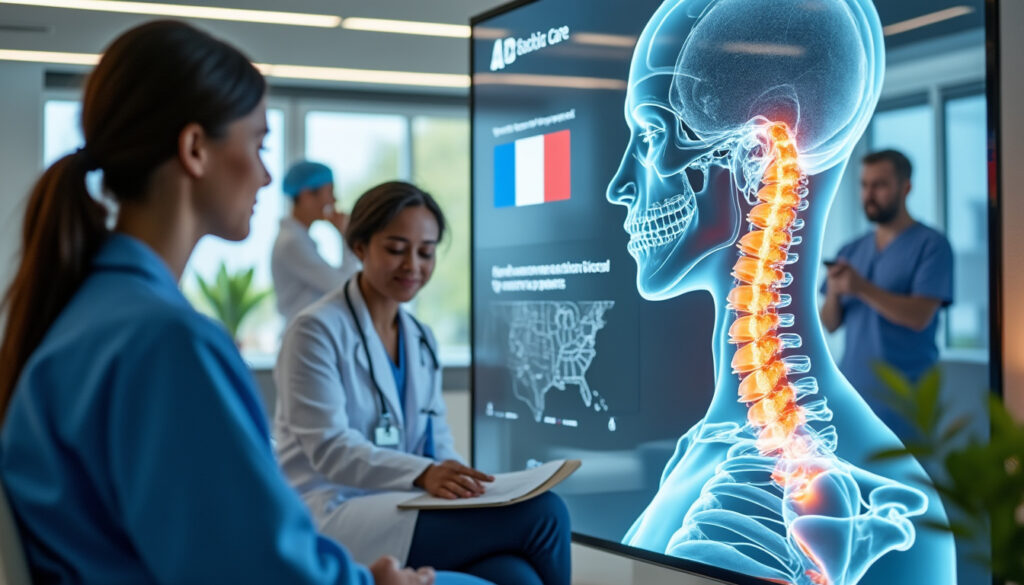
Neck Surgery in Montreal: Maintain Cervical Flexibility and Function
Neck conditions causing persistent pain or functional loss place a substantial burden on individuals and healthcare systems, especially in urban centers like Montreal. Surgical interventions targeting the cervical spine have evolved tremendously, aiming not only to relieve symptoms but to…
Rehabilitation and Postoperative Management for Lasting Pain Relief
The transition from surgery to rehabilitation underscores the continuum of care vital for sustainably managing chronic low back pain. In resuming physical function post-IntraSPINE implantation, patients benefit from multidisciplinary strategies targeting strength, mobility, and pain modulation.
Core components of postoperative management include:
- Customized physical therapy: focused on core stabilization, flexibility, and gradual return to normal activities.
- Neuromodulation interventions: innovative techniques such as repetitive transcranial magnetic stimulation (rTMS) assist in reducing pain perception and enhancing neuroplasticity.
- Patient education programs: stressing spine health maintenance and early identification of recurrent symptoms.
- Regular imaging follow-ups: to assure implant stability and monitor adjacent segment integrity.
These investments in rehabilitation not only aid functional recovery but also decrease the likelihood of reoperation and chronic disability (optimized and lasting recovery protocol).
| Postoperative Component | Outcome Benefit |
|---|---|
| Physical therapy | Restoration of strength, mobility, and spinal stability |
| Neuromodulation (rTMS) | Improved pain control and neurological recovery |
| Patient education | Empowered self-care and prevention strategies |
| Imaging surveillance | Early detection of complications and implant assessment |
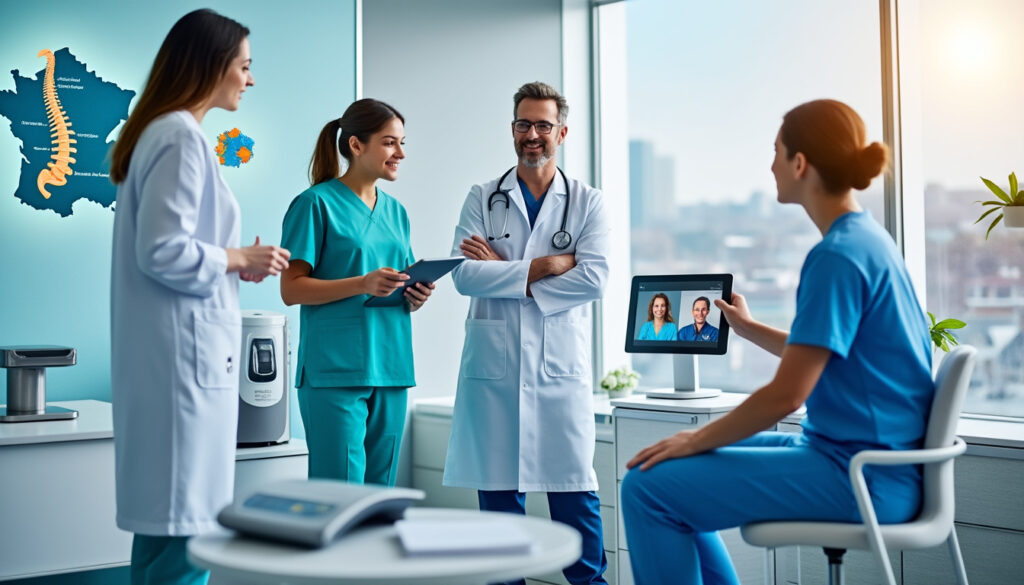
Disc Prosthesis in Lévis: Quick and Long-Lasting Results
Chronic back pain caused by degenerative disc disease continues to profoundly impact the quality of life for many residents in Lévis and the broader Quebec area. For decades, traditional spinal fusion surgery has been the primary solution for alleviating severe…
Future Perspectives: Embracing Innovation and Patient-Centric Care in Sherbrooke
The future of spinal care in Sherbrooke and Quebec leans heavily on the integration of technologies and personalized approaches. The increasing availability and acceptance of dynamic stabilization devices like IntraSPINE resonate with patient desires for motion preservation and minimal invasiveness. Anticipated developments include:
- Refinement of implant materials and designs to further enhance durability and biomechanical compatibility.
- Incorporation of artificial intelligence (AI) in surgical planning and postoperative monitoring.
- Expansion of minimally invasive techniques to wider patient populations, including multi-level degenerative disease.
- Enhanced transatlantic care models supported by telemedicine, improving accessibility and personalized treatment adjustments.
- Tailored rehabilitation protocols based on individual biomechanical and psychological profiles.
These trends will be underpinned by the visionary leadership of clinicians like Dr. Desforges, who harmonizes rigorous scientific inquiry, ethical patient dialogue, and cross-continental collaboration. For patients navigating complex spinal conditions, these advances offer considerable hope for lasting relief and improved quality of life (future of surgery innovations).
What makes the IntraSPINE device different from traditional spinal fusion?
IntraSPINE preserves partial spinal motion by positioning itself anteriorly between the laminae and allowing elastic deformation, unlike fusion which eliminates motion at the operated segment, reducing risks like adjacent segment degeneration.
Is surgery with IntraSPINE recommended immediately after severe low back pain diagnosis?
Surgery is advised only after 3 to 6 months of conservative care, including neurovertebral decompression therapies, to ensure all non-invasive options have been exhausted and to optimize surgical outcomes.
Can patients from Canada access IntraSPINE surgery in Sherbrooke or abroad?
Yes, Canadian patients benefit from coordinated transatlantic pathways allowing expert evaluation in Quebec with surgical procedures performed in specialized centers in France, supported by organizations like SOS Tourisme Médical.
What postoperative care is essential after IntraSPINE implantation?
Effective postoperative protocols include customized physical therapy, neuromodulation treatments, patient education, and regular imaging follow-ups to foster lasting pain relief and spinal health.
Are dynamic spinal implants like IntraSPINE approved for safety and efficacy?
Yes, dynamic implants, including IntraSPINE, meet CE and FDA certification standards, ensuring compliance with rigorous safety, efficacy, and quality controls essential for patient confidence.