Essential tips for effective post-operative recovery after back surgery
August 15, 2025
How TAGMED Treats Lumbar Disc Herniations Without Surgery in Laval
August 16, 2025
Chronic lower back pain profoundly impacts individuals’ lives, often limiting mobility and diminishing quality of life. In Montreal, innovative approaches in lumbar spine care are emerging, offering new hope to those grappling with degenerative disc disease. Advanced disc prostheses represent a modern alternative to traditional spinal fusion, designed to preserve the natural motion of the lumbar spine while alleviating pain. This evolution in surgical care integrates cutting-edge technology and biomechanical insights to enhance patient outcomes. With over three decades of clinical expertise, including the pioneering work of Dr. Sylvain Desforges, Quebec patients now have access to comprehensive evaluation and international care coordination tailored to their unique spinal health needs. This article delves into the sophisticated landscape of lumbar disc replacement surgery available in Montreal, outlining the surgical options, patient pathways, biological benefits, and the distinct advantages of transatlantic medical collaboration for Quebec residents seeking optimal spinal care beyond provincial wait times.
Understanding Lumbar Disc Replacement Surgery in Montreal: Techniques and Innovations
Lumbar disc replacement surgery in Montreal is a biomedical advancement designed to replace damaged intervertebral discs in the lower back with artificial implants that closely mimic the natural motion of healthy discs. Unlike conventional spinal fusion, which immobilizes spinal segments, disc prostheses enable patients to retain flexibility and range of motion, thus reducing the risk of adjacent segment disease. This motion-preserving technology is achieved through carefully engineered devices from world-leading manufacturers such as Medtronic, Zimmer Biomet, DePuy Synthes, and NuVasive, among others.
The procedure typically involves a minimally invasive anterior approach via the abdomen, sparing the posterior musculature critical for spinal stability and movement. Surgeons use advanced imaging techniques, including fluoroscopy and robotic-assisted navigation, ensuring optimal implant placement with reduced tissue trauma. The surgical team at the Clinique TAGMED in Montreal leverages these innovative technologies, providing patients with a blend of precision and safety informed by stringent scientific standards.
Key characteristics of modern lumbar disc prostheses include:
- Dynamic cores: These components move in harmony with spinal motion, accommodating bending, twisting, and load-bearing.
- Anchoring technologies: For example, the VerteBRIDGE system by Spineart ensures stable fixation, minimizing implant migration and wear.
- Material composition: High-grade titanium alloys and polyethylene are commonly used to maximize durability and biocompatibility.
- Customized sizing: Precision tailoring of implant dimensions facilitates anatomical fit for optimal biomechanics.
The use of advanced prostheses by companies such as Aesculap, Orthofix, and Stryker reflects ongoing industry leadership in developing devices that balance motion preservation with patient safety. This nuanced approach not only addresses the mechanical dysfunction caused by degenerative disc disease but also significantly improves pain reduction and functional recovery.
| Implant Manufacturer | Prosthesis Feature | Unique Advantage |
|---|---|---|
| Medtronic | Motion-preserving artificial disc | Industry-leading biomechanical design with extensive clinical data |
| Zimmer Biomet | Modular components for patient-specific customization | Enhanced range of motion and ease of revision surgery |
| DePuy Synthes | Low profile design | Minimally invasive insertion and quick recovery |
| NuVasive | Advanced surface coatings | Improved osseointegration and implant longevity |
Montreal patients can expect these technological advancements to reduce postoperative stiffness, accelerate rehabilitation timelines, and provide sustained pain relief.

IntraSPINE® in Sherbrooke: Durable Solution for Chronic Low Back Pain
The management of chronic low back pain, a widespread condition affecting millions across Quebec and beyond, has reached a pivotal moment thanks to innovative medical technologies and coordinated care pathways. At the heart of this evolution lies the IntraSPINE implant,…
Exploring Surgical Options for Lumbar Spine Conditions: Simple Decompression, Fusion, and Motion Preservation
Patients experiencing lumbar spine pathology often face choices between different surgical interventions. Understanding these options helps ensure decisions that align with both clinical indications and personal lifestyle goals.
Simple Decompression Surgery involves removal of disc fragments or bone spurs pressing on nerve roots to relieve pain and neurological symptoms. It typically suits cases with a herniated disc or spinal stenosis without significant spinal instability. The procedure is less invasive and generally entails a faster recovery but may not address underlying disc degeneration comprehensively.
Spinal Fusion Surgery
Lumbar Disc Replacement (Motion Preservation) emerges as a forward-thinking alternative, offering dynamic stability without inhibiting movement. By replacing the damaged disc with a prosthetic implant from providers like Spineart and Aesculap, the surgery seeks to maintain spinal biomechanics, reduce pain, and lessen employee days lost from back-related disability.
- Decompression offers symptom relief primarily through nerve decompression rather than structural restoration.
- Fusion provides definitive structural support but limits functional flexibility.
- Disc replacement uniquely balances pain management with retention of natural spinal movement.
| Surgery Type | Primary Goal | Pros | Cons |
|---|---|---|---|
| Simple Decompression | Relieve nerve pressure | Minimally invasive, faster recovery | Does not address disc degeneration |
| Spinal Fusion | Stabilize spine | Effective pain relief, long-term stability | Loss of mobility, adjacent segment disease risk |
| Disc Replacement | Preserve spinal motion | Pain relief, mobility retention, less adjacent degeneration | Implant wear potential, candidate restrictions |
Each intervention carries specific eligibility criteria and potential risks. Highlighting the expertise of Dr. Sylvain Desforges in patient evaluation ensures personalized, evidence-based recommendations that emphasize patient safety and functional restoration.

Spine Surgery in Trois-Rivières: Reduce Pain and Preserve Mobility
In recent years, spine surgery in Trois-Rivières has evolved notably, combining advanced medical expertise with innovative technologies to deliver patient-centered care. This growing field addresses the increasing demand among Quebec residents seeking effective solutions for chronic back pain and mobility…
The Journey of a Lumbar Disc Replacement Patient: From Evaluation to Postoperative Recovery in Montreal
Navigating the surgical journey demands meticulous coordination and patient-centered care, especially when involving advanced procedures such as lumbar disc replacement.
The pathway usually encompasses the following stages:
- Initial Comprehensive Assessment: Dr. Desforges conducts an extensive evaluation to characterize the extent of disc pathology with clinical examination and imaging review, integrating latest criteria for disc degeneration severity.
- Conservative Treatment Trial: Patients undergo 3 to 6 months of non-surgical management, including physical therapy, spinal decompression modalities such as those offered at Clinique TAGMED, and pain management strategies.
- Surgical Planning & Multidisciplinary Consultation: Should conservative measures prove insufficient, a tailored surgical plan is co-developed by cross-Atlantic teams including surgeons in France, ensuring access to state-of-the-art motion-preserving implants not widely available in Canada.
- Procedure Execution: The lumbar disc replacement is performed utilizing minimally invasive techniques with robotic assistance and optimal imaging guidance for precise implant positioning.
- Postoperative Care and Rehabilitation: Early mobilization and structured rehab programs facilitate quick restoration of function and pain mitigation, monitored closely by the multidisciplinary team.
- Return to Quebec and Ongoing Follow-up: Patients benefit from coordinated follow-up care upon returning to Quebec with monitoring via telemedicine and access to advanced rehabilitative therapies.
This comprehensive approach minimizes risks and maximizes favorable outcomes through scientifically rigorous, ethical, and transparent processes led by Dr. Desforges.
| Phase | Description |
|---|---|
| Evaluation | Detailed clinical and imaging assessments |
| Conservative care | 3-6 months of treatments including advanced decompression |
| Surgical planning | Multidisciplinary team collaboration, implant selection |
| Surgery | Minimally invasive lumbar disc replacement procedure |
| Postoperative recovery | Personalized rehab and functional restoration |
| Follow-up | Continued remote and in-person monitoring in Quebec |
TOPS™ in Gatineau: High-Performance Option for the Lumbar Spine
The landscape of spinal surgery has witnessed profound evolution, particularly for patients grappling with lumbar spine disorders such as spinal stenosis and spondylolisthesis. These conditions, increasingly prevalent among Quebec’s population, impose substantial limitations on mobility and quality of life. The…
Prioritizing Conservative Care: Essential Pre-Surgical Treatments and Criteria
Evidence-based practice demands that surgery be considered only after a thorough course of conservative treatments, typically spanning between three to six months. These non-invasive therapies prioritize pain management, functional improvement, and spinal decompression, and are designed to prevent unnecessary surgical intervention where possible.
Among these conservative options, the decompression neurovertébrale therapy available at the Clinique TAGMED in Montreal is a leading modality combining mechanical spinal decompression with laser and other advanced technologies to relieve nerve compression and promote disc healing. This approach is especially indicated when standard physical therapy and pharmacological measures fail to adequately control symptoms.
Patients who have:
- Undergone less than three months of conservative care
- Not experienced relief through decompression therapies
- Declined or delayed non-surgical approaches
are advised to revisit these treatments before pursuing surgical disc replacement.
Dr. Desforges emphasizes a patient-centered explanation of the indications, advantages, and the limits of surgery versus conservative approaches, encouraging shared decision-making and informed consent. This ethical stance ensures that surgical intervention is reserved for appropriate candidates with clear clinical indications, thereby optimizing safety and outcomes.

Cervical Disc Prosthesis in Quebec City: Avoid Post-Surgery Stiffness
Chronic neck pain remains a significant challenge for thousands of residents in Quebec City every year, often leading them to seek effective spinal surgery options that minimize downtime and maximize long-term mobility. Among the recent advancements revolutionizing cervical spine care,…
Advantages of Transatlantic Coordination: Optimizing Quebec Patients’ Access to High-Quality Spine Surgery
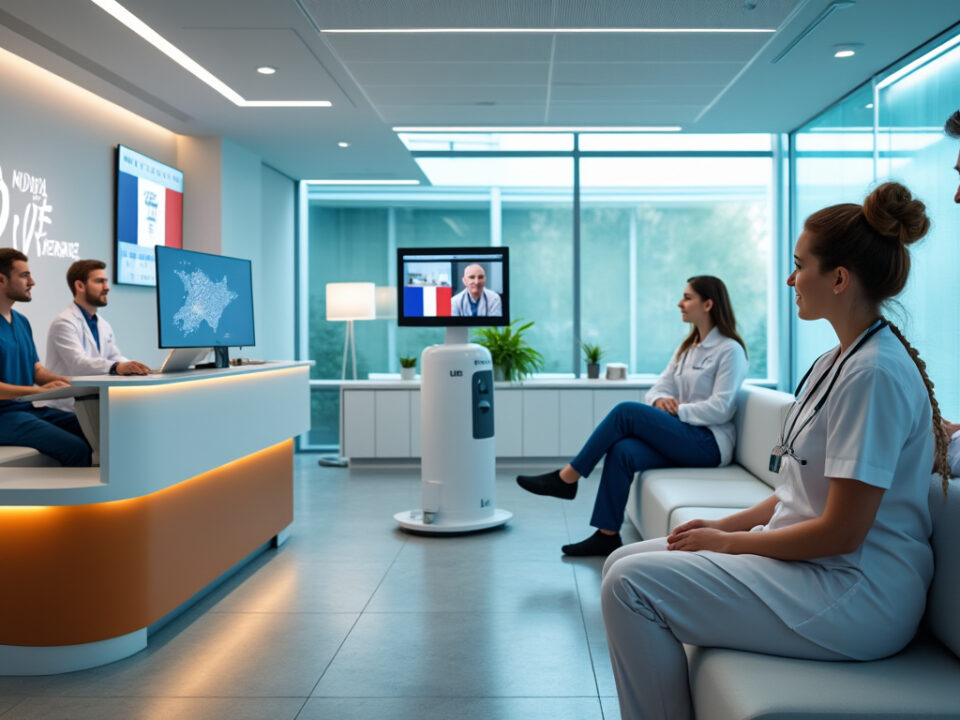
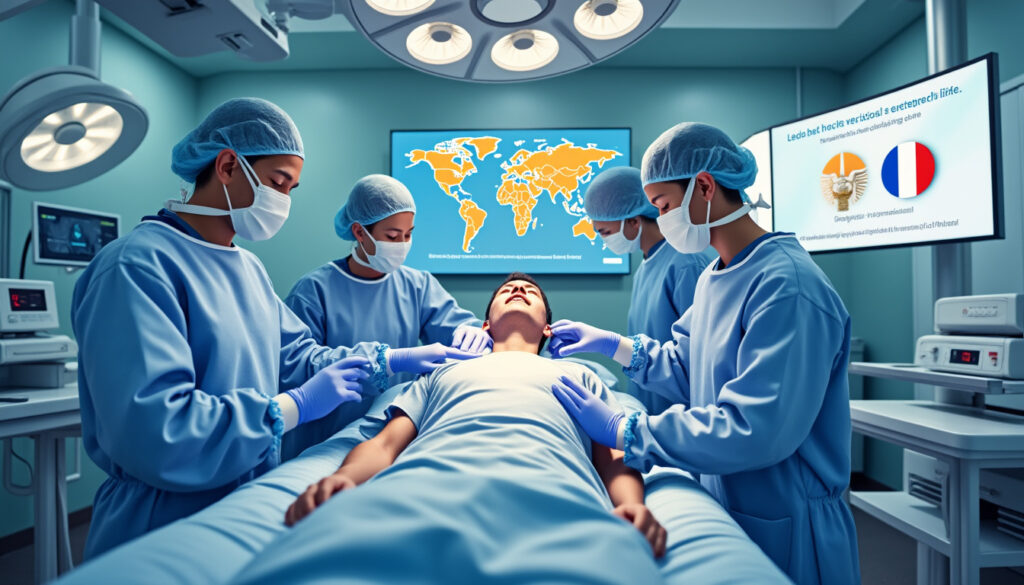
One of the distinguishing features of the care pathway involving Dr. Sylvain Desforges is the seamless coordination between Quebec and France. This transatlantic collaboration opens access to specialized surgeons and innovative implants frequently unavailable or restricted due to Canadian regulatory pathways.
Benefits for Quebec patients include:
- Reduced waiting time: Access to timely surgery in France shortens delays commonly experienced within the Quebec healthcare system.
- Access to motion-preserving technologies: Advanced implants such as those from Spineway, Mobidisc, and activL by B. Braun enhance functional outcomes.
- Customized care coordination: Multidisciplinary teams navigate cross-border logistics including travel, medical records transfer, and post-op rehabilitation strategies.
- Enhanced monitoring: Telemedicine follow-ups help maintain continuity of care post-return.
The collaboration also nurtures innovation through shared scientific dialogue and quality assurance adhering to ethical and regulatory standards both in Canada and France, ensuring patient safety and transparency.
| Benefit | Details |
|---|---|
| Timely intervention | Decreased waitlist duration compared to provincial averages |
| Advanced implants | Access to cutting-edge motion-preserving prostheses not insured locally |
| Coordinated logistics | Efficient patient support throughout pre- and post-surgical phases |
| Continuity of care | Integrated telemedicine monitoring ensures long-term follow-up |
Minimally Invasive Surgery in Longueuil: Reduce Hospital Stay Duration
In recent years, advances in spinal care have dramatically reshaped the treatment landscape for patients suffering from debilitating spinal conditions. Particularly in Longueuil, the emergence of minimally invasive surgery (MIS) techniques offers a transformative alternative to conventional open surgeries. These…
Biomechanical and Economic Benefits of Lumbar Disc Prostheses Compared to Traditional Fusion
Biomechanics plays a crucial role in spinal health, and lumbar disc prostheses are designed to replicate the natural mechanics of the spine faithfully. Unlike fusion, which imposes rigidity and can accelerate degeneration of adjacent spinal segments, motion-preserving implants allow for a distribution of mechanical forces congruent with physiological movement patterns.
Key biomechanical advantages include:
- Preservation of spinal mobility: Patients retain bending and twisting movements essential for daily activities.
- Reduced adjacent segment stress: The dynamic prosthesis prevents excessive load on neighboring vertebrae, lowering secondary degeneration risk.
- Improved load distribution: The implant mimics the shock-absorption qualities of a natural disc.
From an economic standpoint, lumbar disc replacements may offer cost savings by reducing long-term disability and the need for additional surgeries due to adjacent segment disease often seen post-fusion. Moreover, faster recovery times translate into shorter absence from work and daily routines, directly benefiting patients and healthcare systems alike.
| Aspect | Disc Prosthesis | Spinal Fusion |
|---|---|---|
| Spinal Mobility | Preserved | Eliminated at fused segments |
| Adjacent Segment Degeneration Risk | Reduced | Increased |
| Recovery Time | Shorter | Longer |
| Economic Impact | Potential cost savings from faster return to work | Higher long-term costs due to secondary procedures |
Leading institutions like Ortho Westmount and Neurothérapie Montréal incorporate biomechanical principles into patient care, leveraging these benefits in surgical planning and rehabilitation protocols.
IntraSPINE® in Laval: Modern Solution for Lumbar Stabilization
In the evolving landscape of orthopedic treatments, the city of Laval has become a hub for innovations addressing chronic lower back pain. Among the groundbreaking solutions gaining attention is the IntraSPINE device—a modern spinal implant designed to offer dynamic lumbar…
Navigating Eligibility and Safety in Lumbar Disc Prosthesis Procedures
Not every patient qualifies for lumbar disc replacement surgery, underscoring the importance of specialized evaluations that consider individual anatomical and clinical factors.
Ideal candidates typically must meet criteria such as:
- Age range: Generally between 18 and 60 years
- Single-level disc degeneration: The pathology is localized without significant multi-segment disease
- No spinal instability or severe facet joint arthritis: Conditions that contraindicate motion-preserving implants
- Failure of extensive conservative care: Including at least 3 to 6 months of decompression and physical therapy
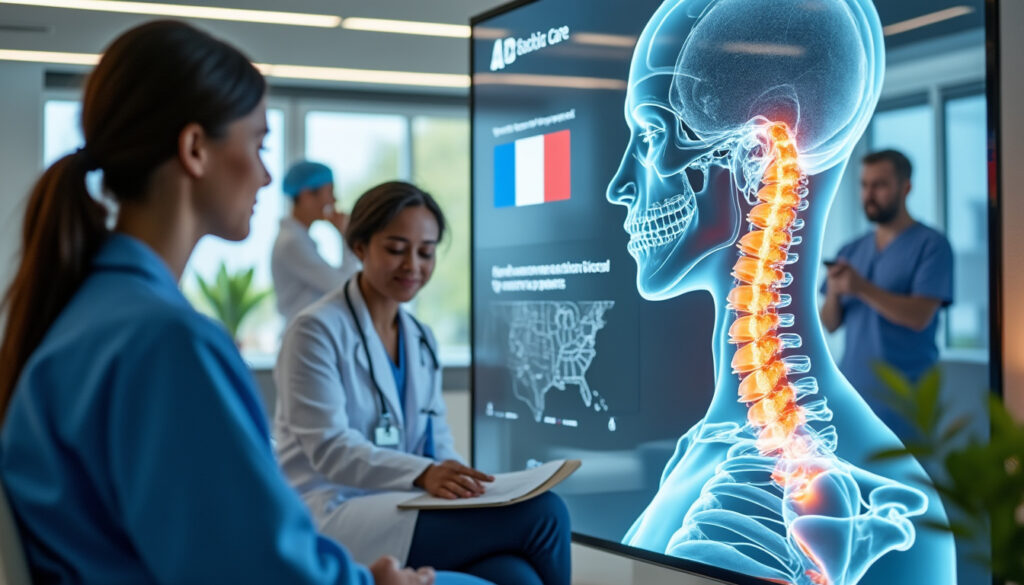
Extensive diagnostic imaging, including MRI and dynamic X-rays, is employed to confirm the diagnosis and exclude complicating factors. The involvement of Dr. Desforges ensures comprehensive evaluation from biomechanical and clinical perspectives. This rigorous patient selection minimizes surgical risks and optimizes outcomes.
Safety is further enhanced by adherence to provincial and federal regulations mandated by the Collège des médecins and other bodies, along with continuous outcome tracking and reporting.
Neck Surgery in Montreal: Maintain Cervical Flexibility and Function
Neck conditions causing persistent pain or functional loss place a substantial burden on individuals and healthcare systems, especially in urban centers like Montreal. Surgical interventions targeting the cervical spine have evolved tremendously, aiming not only to relieve symptoms but to…
How Personalized Patient Education Enhances Spine Care Decisions
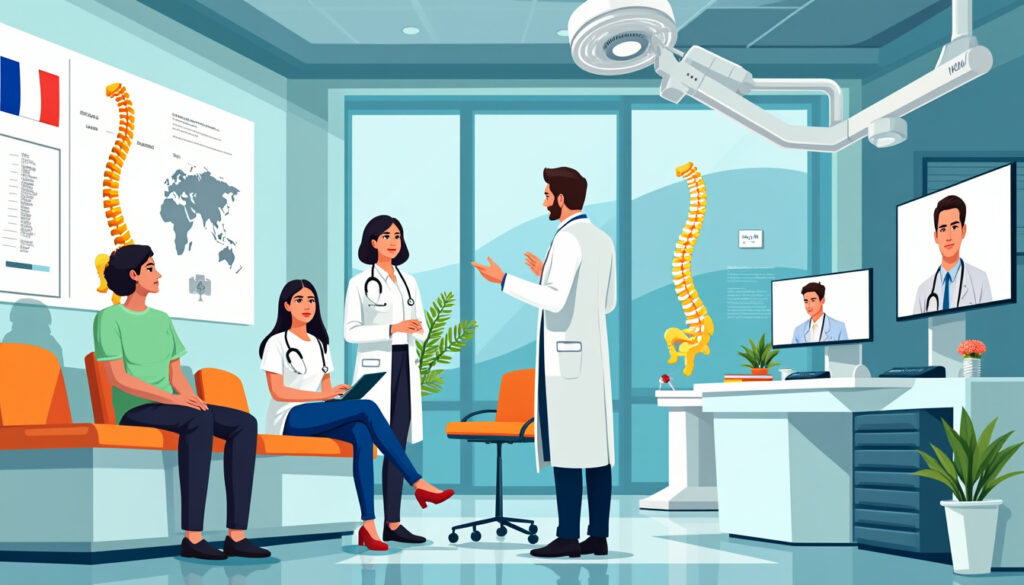
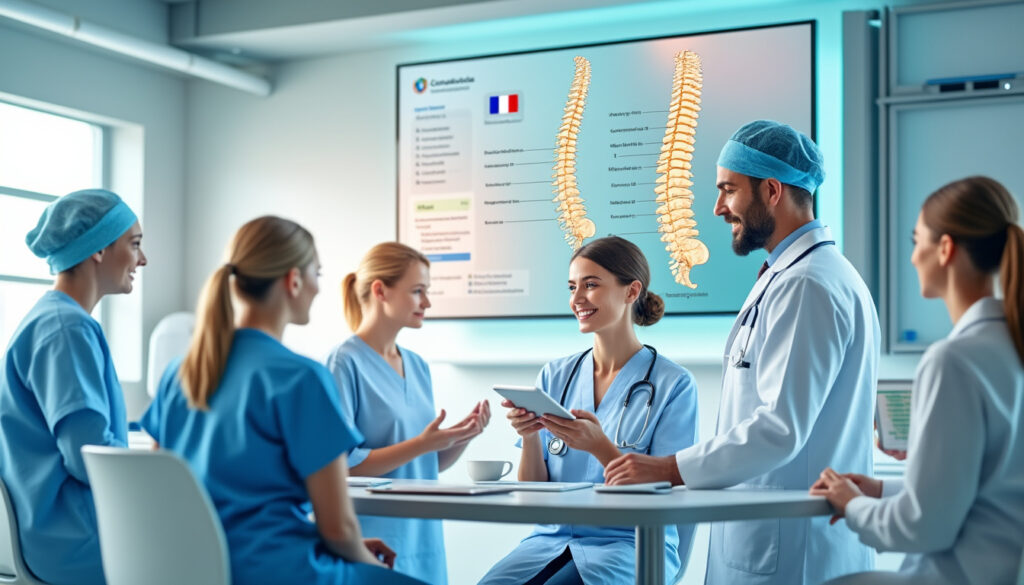
Clear communication and patient empowerment remain foundational to successful spine care. Dr. Desforges prioritizes patient education, translating complex clinical terms into understandable concepts to foster informed consent and encourage active participation in treatment decision-making.
Approaches include:
- Detailed explanations of surgical indications, benefits, and risks
- Visual aids and implant demonstrations to demystify procedural aspects
- Guidance on postoperative expectations and rehabilitation requirements
- Supporting questions and discussions to respect individual concerns and values
This transparent, compassionate interaction builds trust and aligns treatment choices with patients’ lifestyles and goals.

Disc Prosthesis in Lévis: Quick and Long-Lasting Results
Chronic back pain caused by degenerative disc disease continues to profoundly impact the quality of life for many residents in Lévis and the broader Quebec area. For decades, traditional spinal fusion surgery has been the primary solution for alleviating severe…
FAQ About Advanced Lumbar Disc Prosthesis Surgery in Montreal
What distinguishes lumbar disc replacement from traditional spinal fusion?
Lumbar disc replacement preserves natural spinal motion by replacing the damaged disc with a prosthetic that mimics movement. Fusion immobilizes vertebrae, limiting flexibility and potentially accelerating adjacent disc degeneration.
How long is the recovery after lumbar disc replacement surgery?
Most patients experience a shorter recovery compared to fusion, with many returning to daily activities within weeks. Rehabilitation protocols are individualized to ensure gradual reconditioning.
Who is an appropriate candidate for lumbar disc prosthesis?
Ideal candidates have localized single-level disc degeneration, have attempted comprehensive conservative treatments, and have no spinal instability or severe arthritic changes.
Are there risks associated with lumbar disc replacement?
As with all surgeries, risks include infection, implant wear, and rare device migration. Careful patient selection and skilled surgical technique minimize these risks.
How does transatlantic coordination improve access to care for Quebec patients?
Collaborative arrangements with French surgical centers lessen wait times, expand access to advanced implants, and provide comprehensive pre- and postoperative support tailored to Quebec patients’ needs.
For more information or to discuss your individual case, please visit https://www.sostourismemedical.com/contact.