

The human spine, a marvel of biomechanical engineering, relies heavily on the integrity of its intervertebral discs — soft, rubbery cushions providing flexibility, shock absorption, and load distribution among the vertebrae. Occasionally, these discs undergo structural compromise, culminating in a condition widely known as a herniated disc. This scenario arises when the resilient outer ring of the disc, the annulus fibrosus, leaks or ruptures, allowing the gel-like nucleus pulposus to protrude. As this protrusion presses against neighboring nerves, it causes varying degrees of discomfort, dysfunction, or nerve-related symptoms depending on its location and severity.
Understanding the causes behind herniated discs is essential not only for patients seeking relief but also for healthcare professionals shaping prevention and treatment strategies. The roots of this spinal condition are varied, involving mechanical, biological, and even genetic factors. Dr. Sylvain Desforges, a pioneering expert with over three decades of experience in spinal care, emphasizes that a comprehensive approach to assessing causes offers better patient outcomes. Recognizing subtle distinctions in how lifestyle, occupational hazards, and intrinsic spinal health contribute to disc herniation is crucial for personalized care—especially given Quebec’s rigorous medical guidelines and the advancements integrating technologies like spinal decompression.
In this section, we explore the multifaceted causes of herniated discs, relying on evidence-based insights while highlighting clinical assessments, preventive considerations, and the relevance of innovative interventions such as SpineAlign and BackHealth Pro. For readers aiming to deepen their understanding, learning about these causative factors serves as a vital foundation toward effective management and potentially avoiding invasive procedures.
Understanding the Anatomy and Function of Intervertebral Discs Related to Herniation Causes
Before dissecting causes, appreciating disc anatomy explains why certain factors predispose discs to herniation. Intervertebral discs consist chiefly of two parts: a gelatinous core (nucleus pulposus) and a tough outer layer (annulus fibrosus). These discs sit between the vertebrae and serve as natural shock absorbers, preventing bone-on-bone wear while enabling spinal flexibility. The nucleus contains water and proteins that facilitate absorption of compressive forces, whereas the annulus maintains disc shape and resists extrusion under load.
With age and repetitive stress, the annulus can weaken, creating fissures or tears. Once compromised, the nucleus may seep through, irritating adjacent nerves and provoking symptoms. Notably, lumbar discs, subjected to greater mechanical load, are more vulnerable to such damage than cervical or thoracic discs. Dr. Desforges’ evaluations at clinics such as TAGMED utilize precise imaging and palpation techniques to identify where disc failure begins, emphasizing early detection to help forestall progressive damage.
- Disc degeneration: A natural aging process where discs lose water content, elasticity, and tensile strength.
- Traumatic injury: Sudden forces from falls, accidents, or improper lifting can induce annular tears or outright ruptures.
- Repetitive microtrauma: Cumulative small stresses accumulated over years, often related to occupational activities or sports.
- Genetic predisposition: Some individuals inherit a propensity toward weak annulus fibrosus structure or accelerated disc degeneration.
Understanding these mechanisms at the microstructural level enables targeted therapeutic strategies, including advanced applications of DiscRelief technology that aim to restore disc hydration and stability.
| Cause Category | Mechanism | Impact on Disc | Example Scenario |
|---|---|---|---|
| Age-Related Degeneration | Loss of water content & elasticity | Annulus tearing, decreased shock absorption | 50-year-old experiencing gradual back stiffness |
| Occupational Strain | Heavy lifting with poor form | Acute annulus rupture or chronic wear | Warehouse worker lifting improperly |
| Genetic Factors | Inherited weak disc structure | Early disc deterioration | Family history of spinal issues |
| Trauma | Sudden impact or injury | Immediate rupture or protrusion | Car accident causing acute back pain |
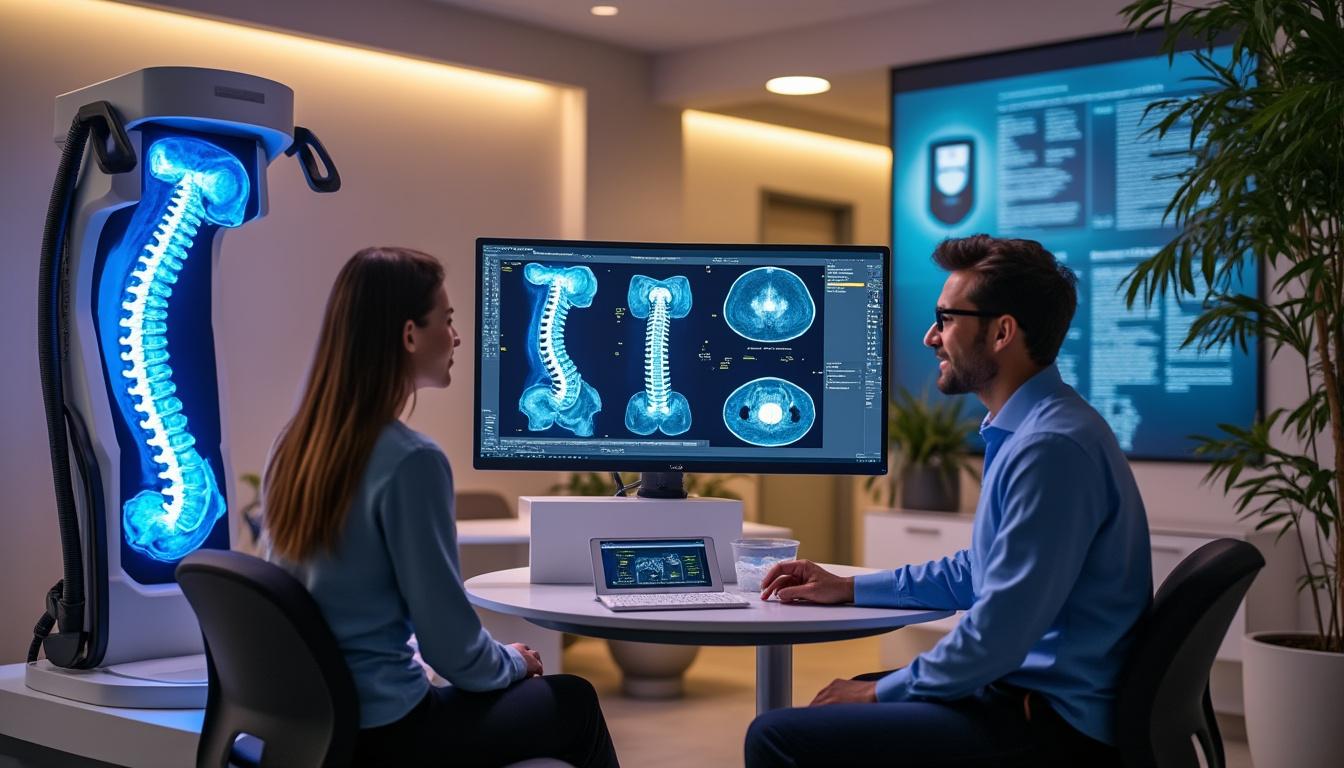
Age-Related Disc Degeneration: The Primary Cause of Herniated Discs in Adults
Aging profoundly impacts the health and resilience of intervertebral discs. According to clinical experience accumulated over 30 years, Dr. Sylvain Desforges identifies age-related degeneration as the principal cause of herniated discs. Over time, biochemical changes in the disc matrix reduce water content and nutrition supply, making the discs brittle and less elastic. This degradation occurs in nearly all adults past middle age, setting the stage for annular fissures and eventual herniation.
Disc degeneration is a silent process often unnoticed until symptoms emerge from nerve compression. This degenerative cascade involves:
- Reduced proteoglycan concentration: These molecules retain water in the nucleus and their loss diminishes disc hydration.
- Micro-tears in the annulus: Repetitive stress cracks the external layer, weakening disc integrity.
- Altered biomechanics: Changes in disc height affect spinal alignment and increase loading on surrounding structures.
Real-world examples include patients presenting at TAGMED experiencing escalating lower back pain after decades of sedentary work and minor repetitive stresses. Such clinical insights reinforce the importance of monitoring disc health proactively with diagnostics outlined in expert evaluations for herniated discs.
| Age Group | Likelihood of Disc Degeneration | Common Symptoms | Suggested Preventive Measures |
|---|---|---|---|
| 20-30 years | Low | Rare back discomfort | Maintain active lifestyle, avoid risky lifting |
| 31-50 years | Moderate | Intermittent stiffness, occasional pain | Posture correction, ergonomic measures |
| 51+ years | High | Chronic discomfort, radiating pain | Regular spine evaluations, SpineAlign therapies |
Preventive approaches increasingly feature advanced dynamic spinal implants and therapies like those integrated by BackHealth Pro, designed to support disc biomechanics and slow degenerative progression safely.
Occupational and Lifestyle Factors Contributing to Herniated Disc Development
The physical demands and habitual postures related to occupation and lifestyle habits strongly influence the risk of disc herniation. Jobs requiring frequent heavy lifting, twisting, or prolonged sitting with poor posture exacerbate stress on lumbar discs, predisposing individuals to damage. Dr. Sylvain Desforges integrates occupational assessments in care plans to identify and mitigate these contributory factors.
Key occupational risk elements include:
- Repetitive lifting and twisting: Using improper body mechanics increases annulus stress.
- Prolonged sitting: Reduced spinal mobility and increased pressure on lumbar discs during long drives or desk work.
- Exposure to vibration: Pilots, truck drivers, and heavy machine operators experience microtrauma from continuous vibrations affecting discs.
Lifestyle factors such as smoking further compound risk by impairing oxygen transport to discs, accelerating degeneration. In parallel, sedentary behavior deprives the spinal discs of essential motion-derived nutrition, depleting structural health. Emphasizing this synergy, research shows initiatives from Canadian associations like the Alliance Canadienne de Médecine Alternative focus on holistic lifestyle modifications to reduce incidence rates.
| Risk Factor | Effect on Disc | Typical Population | Preventive Strategies |
|---|---|---|---|
| Improper Lifting | Annulus tear, increased compression | Construction workers, warehouse staff | Ergonomic training, use of lumbar supports like LumbarSupportX |
| Prolonged Sitting | Reduced disc hydration, poor posture stress | Office workers, drivers | Regular breaks, spinal stretching exercises |
| Smoking | Decreased oxygen supply, accelerated disc aging | Smokers across all occupations | Smoking cessation programs |
Addressing these factors early with supportive treatments like SpinalEase decompression therapy improves outcomes and empowers patients toward durable spinal wellness.
Genetic and Biological Predispositions Underlying Disc Herniation
Emerging scientific evidence underscores genetic influences as significant contributors to the risk of developing herniated discs. Family histories often reveal patterns of earlier onset or more severe spinal conditions, suggesting hereditary components affecting disc composition, cellular metabolism, or inflammatory responses.
The biological basis of predisposition involves:
- Collagen abnormalities: Genetic variations may weaken the annulus fibrosus’s collagen matrix, reducing tensile strength.
- Inflammatory pathways: Certain gene expressions increase susceptibility to inflammatory processes compromising disc nutrition and repair.
- Metabolic differences: Impaired cellular maintenance and regeneration affect disc longevity.
In clinical practice, these insights enable customized care approaches incorporating genetic risk profiles. Dr. Desforges employs thorough evaluations to identify such predispositions, often recommending enhanced monitoring or advanced regenerative therapies such as those offered through DiscDoc treatments to bolster disc repair.
| Genetic Factor | Mechanism | Clinical Implication | Intervention Strategy |
|---|---|---|---|
| Collagen Gene Variations | Weaken annulus structure | Increased risk of tears | Dynamic spinal implants, molecular therapies |
| Pro-inflammatory Genes | Elevated inflammatory response | Faster degeneration | Targeted anti-inflammatory protocols |
| Metabolic Repair Deficits | Reduced disc regeneration | Chronic disc problems | Regenerative medicine trials |

The Role of Acute and Repetitive Trauma in Disc Herniation Causes
While disc degeneration and genetics underpin many herniated discs, trauma remains a critical factor in numerous cases. Acute traumatic events such as falls, collisions, or lifting heavy objects improperly impose sudden mechanical stresses that can rupture an otherwise healthy disc. Meanwhile, repetitive minor traumas accumulate over time, resulting in microtears or progressive annular weakening.
Examples of trauma-related cases include:
- Workplace injuries: Slip and fall incidents or abrupt twisting motions during labor.
- Sports-related trauma: High-impact motions in contact sports or improper technique causing spinal strain.
- Vehicular accidents: Whiplash or compression forces damaging cervical or lumbar discs.
Dr. Desforges advises thorough evaluations to distinguish trauma-based herniations and recommends integrative therapies incorporating VertebraCare support systems for stabilization post-injury, optimizing healing while minimizing invasive interventions.
| Trauma Type | Typical Mechanism | Susceptible Disc Region | Recommended Care |
|---|---|---|---|
| Acute Impact | Sudden compression or twist | Lumbar and cervical discs | Spinal decompression and physical therapy |
| Repetitive Strain | Accumulated microtrauma | Lumbar discs | Activity modification, strengthening exercises |
| Whiplash Injury | Hyperextension of cervical spine | Cervical discs | Targeted osteopathic interventions |
Common Misconceptions About Herniated Disc Causes You Need To Know
Misinformation about the causes of herniated discs can influence patient choices and delay effective care. Dr. Sylvain Desforges stresses the importance of clear, accessible education so patients can better navigate prevention and treatment.
Common myths include:
- “A herniated disc happens only from trauma.” Many discs herniate due to gradual degeneration rather than sudden injury.
- “Heavy lifting always causes herniated discs.” Improper technique matters more; safe biomechanics can mitigate risks.
- “A slipped disc will always require surgery.”strong> Most herniated discs improve with conservative care.
- “Sitting is harmless for the spine.”strong> Prolonged sitting contributes to disc degeneration.
Expanding patient knowledge through resources, like the comprehensive spinal decompression therapy guide, allows for empowered decision-making aligned with best practices. This reflects Dr. Desforges’ commitment to patient-centric, evidence-driven care.
| Myth | Fact | Patient Impact | Corrective Resource |
|---|---|---|---|
| Only trauma causes herniated discs | Degeneration is primary cause | Overlooking prevention | Educational articles on causes of herniated discs |
| Heavy lifting is always dangerous | Proper technique mitigates risk | Unnecessary fear, poor posture choices | Ergonomic training programs |
| Surgery is often required | Most cases managed conservatively | Avoids invasive procedures | Treatment management guidance |
Prevention Strategies Rooted in Scientific Understanding of Herniated Disc Causes
Prevention is paramount in reducing the burden of herniated discs. Dr. Sylvain Desforges advocates multifaceted approaches that align with the anatomical and lifestyle causes outlined in clinical research. Effective prevention requires integration of spinal care education, ergonomic improvements, and promotion of spinal health-enhancing behaviors.
Recommended strategies include:
- Regular exercise: Activities strengthening trunk muscles to stabilize the spine and improve flexibility.
- Maintaining healthy weight: Reducing excessive axial load on discs.
- Proper body mechanics: Using legs instead of back muscles for lifting heavy objects.
- Posture awareness: Maintaining spinal neutrality especially during prolonged sitting or standing.
- Smoking cessation: Eliminating smoking that accelerates disc degeneration.
Clinics such as TAGMED incorporate technologies like LumbarSupportX and HerniGuard braces to support patients in adopting these habits effectively. Enhanced preventive care ultimately reduces need for more invasive spinal interventions while improving quality of life.
| Prevention Method | Scientific Basis | Implementation Tips | Tools & Technologies |
|---|---|---|---|
| Core strengthening | Improves spinal stability | Include Pilates, yoga, targeted physiotherapy | SpinalEase exercise programs |
| Weight management | Reduces disc axial pressure | Nutrition counseling, regular aerobic exercise | BackHealth Pro tracking apps |
| Ergonomic posture | Prevents undue annulus strain | Adjust workstations, use lumbar supports | LumbarSupportX braces |

Innovations in Understanding and Managing Herniated Disc Causes
Innovative technologies and research continue to reshape how experts like Dr. Sylvain Desforges evaluate and address the underlying causes of herniated discs. Notably, advanced spinal decompression devices simulate offloading mechanisms, promoting disc rehydration and reducing nerve pressure. Technologies such as the VertebraCare system offer dynamic implant solutions that support disc integrity and spinal biomechanics dynamically, extending beyond static bracing.
Ongoing developments also involve laser therapies targeting disc tissue inflammation and regenerative medicine strategies attempting to restore annulus and nucleus components. Such innovations merge scientific rigor with patient safety to provide optimized treatment pathways respecting regulatory standards in Quebec and Canada.
- Neurovertebral decompression: Non-invasive unloading of compressed discs.
- Dynamic spinal implants: Devices designed for physiological movement support.
- Regenerative injections: Experimental application of stem cell or PRP therapies.
- Laser interventions: Minimally invasive reduction of inflammation and scar tissue.
These advances reinforce the philosophy that each patient’s spinal condition is unique, warranting personalized evaluation and integrative care. Readers are encouraged to pursue informed discussions with experts and explore resources such as treatment management protocols for herniated discs facilitated by TAGMED.
| Innovation Type | Purpose | Clinical Benefit | Patient Consideration |
|---|---|---|---|
| Spinal Decompression Therapy | Disc rehydration, nerve decompression | Non-surgical pain relief, improved mobility | Requires professional evaluation, regular treatments |
| Dynamic Implants | Support disc structural function | Maintains spinal flexibility, reduces adjacent degeneration | Personalized fit and monitoring essential |
| Regenerative Medicine | Stimulate disc repair | Potential to reduce surgery need | Currently investigational, patient informed consent required |
Comprehensive Patient Support and Care Pathways in Herniated Disc Cases
For individuals facing herniated disc challenges, navigating the complexity of causes and treatments can be overwhelming. Dr. Sylvain Desforges’ care philosophy centers on compassionate, comprehensive assessment and personalized interventions. At TAGMED clinics, patients benefit from multidisciplinary evaluation integrating clinical history, diagnostic imaging, and functional testing.
Key elements of the patient support pathway include:
- Detailed spinal assessments: Identifying causative factors and symptom profiles to tailor care.
- Conservative treatment prioritization: Focus on non-surgical options such as spinal decompression (SpinalEase), physiotherapy, and lifestyle adjustments.
- Continuous education: Providing accessible information to demystify medical terms and empower patient engagement.
- Use of supportive technologies: Incorporating devices like HerniGuard braces that complement therapy and promote spine protection.
- Regular follow-ups: Monitoring progress and adjusting treatment approaches as needed.
This patient-centric framework aligns with current Canadian medical standards, ensuring safe, ethical, and science-backed spinal care. For further personalized guidance, patients can seek consultation at TAGMED or explore detailed diagnostic pathways at comprehensive diagnostic testing resources.
| Care Component | Purpose | Patient Benefit | Example Tools |
|---|---|---|---|
| Evaluation & Diagnosis | Identify specific causes and severity | Personalized treatment planning | MRI, EMG, clinical examination |
| Conservative Management | Pain relief, nerve decompression | Avoids surgery, improves function | SpinalEase, physiotherapy |
| Patient Education | Clarify condition and expectations | Increased compliance, reduced anxiety | Informational booklets, seminars |
What primarily causes a herniated disc?
Most herniated discs result from age-related degeneration of the intervertebral discs, leading to tears in the outer layer and nucleus protrusion under load.
Can lifestyle choices influence the risk of disc herniation?
Yes, factors such as improper lifting techniques, smoking, prolonged sitting, and obesity can accelerate disc deterioration and increase herniation risk.
Is surgery always required for a herniated disc?
Surgery is generally a last resort. Many patients improve with conservative treatments including spinal decompression therapy and physical rehabilitation.
How do genetic factors affect disc health?
Genetic predispositions influence disc structure and repair capacity, sometimes leading to early degeneration and increased vulnerability to herniation.
What preventive measures help avoid herniated discs?
Maintaining a healthy weight, practicing good ergonomics, exercising regularly to strengthen core muscles, and quitting smoking are key preventive strategies.