A Comparative Analysis of Spine Care in France and Quebec: Implications for Surgical Decision-Making
November 3, 2025
A Comprehensive Guide to Comparing Spinal Care Practices in France and Quebec
November 3, 2025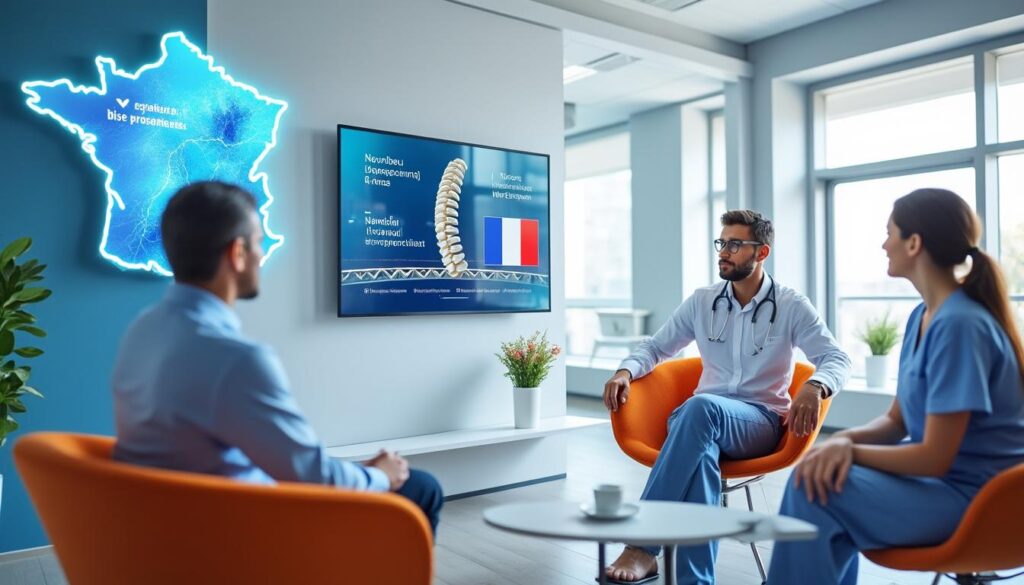
The rising prevalence of cervical spine disorders among Quebec City residents has prompted a transformative wave of medical innovations aimed at alleviating pain while maintaining natural neck mobility. Among these breakthroughs, cervical disc prosthesis stands out as a cutting-edge surgical technique that replaces damaged intervertebral discs with dynamic implants, preserving the physiological movement of the cervical spine. This approach offers a distinct alternative to traditional fusion surgery, which immobilizes spinal segments and can accelerate degeneration in adjacent discs. At the forefront of this evolving field in Quebec City, Dr. Sylvain Desforges leverages over 30 years of clinical experience and multidisciplinary expertise to provide comprehensive, evidence-based evaluations and care pathways that integrate the latest advancements in spinal health.
As an expert with credentials including B.Sc., D.O., and N.D., Dr. Desforges emphasizes the importance of scientific rigor, ethical practice, and patient-centered innovation. His leadership roles as founder and president of influential organizations like the Association Canadienne des Maitres en Ostéopathie (ACMA), the College of Canadian Osteopaths, and TAGMED position him uniquely to bridge Canadian and French expertise in spinal care. This collaboration enables Quebec patients not only to access state-of-the-art implants such as the ProDisc-C, Prestige LP, and Mobi-C but also to benefit from personalized transatlantic treatment coordination that optimizes surgical timelines, outcomes, and comprehensive follow-up. Exploring such pioneering solutions empowers individuals dealing with debilitating neck conditions to pursue tailored therapeutic options that enhance both their physical function and quality of life.
Innovations in Cervical Disc Prosthesis: Preserving Neck Flexibility and Function
Advances in spinal surgery over the past decades have shifted towards techniques that preserve as much natural motion as possible. Cervical disc prosthesis is a prime example of this evolution, representing an alternative to anterior cervical discectomy and fusion (ACDF). Unlike fusion, which permanently joins adjacent vertebrae and restricts movement at the operated segment, disc prosthesis replaces the damaged cervical disc with a mobile implant designed to replicate the natural biomechanics of the spine. This allows the neck to maintain flexion, extension, rotation, and lateral bending, which is crucial for daily activities and overall spine health.
Quebec City patients suffering from herniated or degenerative cervical discs now have access to several prosthetic options, including established devices like the ProDisc-C, Prestige LP, and Mobi-C. More advanced implants such as the M6-C Artificial Cervical Disc and Simplify Disc incorporate viscoelastic materials that simulate natural shock absorption and flexibility. By preserving motion, these prostheses reduce the risk of adjacent segment disease—a common complication after fusion procedures—and often lead to quicker recovery times and less postoperative stiffness.
Key indications for cervical disc prosthesis include:
- Symptomatic cervical disc herniation with nerve root compression unresponsive to at least 3 to 6 months of conservative management.
- Early to moderate degenerative disc disease where motion preservation is feasible.
- Young active individuals desiring to maintain neck mobility and reduce long-term spinal complications.
| Condition | Indication | Example Implants | Key Benefits |
|---|---|---|---|
| Herniated Disc | Severe nerve compression after failed conservative care | ProDisc-C, Prestige LP, Mobi-C | Relieves nerve pressure, preserves motion |
| Degenerative Disc Disease | Early to moderate disc degeneration without severe arthritis | Active-C, Bryan Disc, PCM Cervical Disc | Maintains disc height and flexibility |
| Young Active Patients | Desire to maintain full cervical mobility and function | M6-C Artificial Cervical Disc, Simplify Disc | Long-term mobility preservation and reduced adjacent segment risk |
Cervical disc prosthesis has become more accessible in Quebec through specialized centers like Clinique TAGMED, where the expertise of Dr. Desforges ensures adherence to provincial and national medical regulations while integrating international technological advances.
Minimally Invasive Surgery in Longueuil: Preserve Function and Speed Recovery
Minimally invasive surgery has transformed spine care by blending surgical innovation with patient-centered recovery goals. In Longueuil, Quebec, this approach is redefining how spinal conditions are treated, focusing on preserving function while significantly speeding up recovery time. With advances in…
The Surgical Journey for Cervical Disc Prosthesis: From Evaluation to Rehabilitation
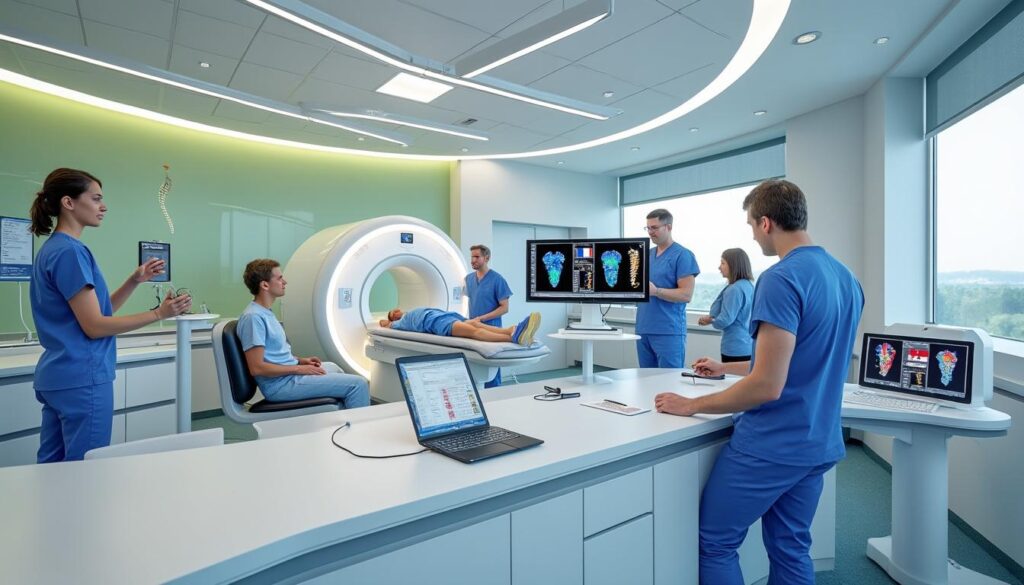
The pathway to receiving a cervical disc prosthesis under the guidance of Dr. Sylvain Desforges starts with a comprehensive clinical and radiological evaluation, ensuring precise diagnosis and candidacy. This evaluation integrates osteopathic and naturopathic expertise and advanced imaging technologies like MRI and CT scans. These tools confirm disc pathology, nerve compression severity, and rule out contraindications such as spinal instability or severe facet joint arthropathy.
The surgical intervention typically follows a clear and patient-centered protocol:
- Initial Assessment (2–4 weeks): Detailed consultations, imaging, and educational sessions aimed at clarifying treatment options, expectations, and personalized care plans.
- Surgical Procedure (hospital stay 1–3 days): Minimally invasive anterior approach with small incisions allows for the removal of the diseased disc and implantation of the prosthesis under real-time fluoroscopic guidance.
- Postoperative Care and Rehabilitation (6–12 months): Structured follow-up with physiotherapy focuses on restoring cervical strength, flexibility, and posture, coupled with routine medical evaluations and imaging to monitor implant integrity.
| Phase | Main Activities | Duration | Expected Outcome |
|---|---|---|---|
| Preoperative | Clinical exams, imaging, patient counseling | 2–4 weeks | Clear diagnosis and surgical readiness |
| Operative | Disc excision, prosthesis implantation | 1–3 days hospitalization | Symptom relief and motion preservation |
| Rehabilitation | Physiotherapy, clinical monitoring, ergonomic advice | 6–12 months | Functional recovery and long-term adaptation |
Patients generally experience reduced postoperative stiffness and resume most daily activities faster than after fusion surgery. This expedited recovery is supported by the multidisciplinary teams coordinated by Dr. Desforges, who prioritizes transparency and patient empowerment throughout the process. The successful surgical journey is one where individualized follow-up and evidence-based protocols merge to optimize long-term outcomes.
Disc Prosthesis in Lévis: Maintain Natural Mobility
In the evolving landscape of spinal health, the pursuit of innovative solutions for chronic back pain and degenerative disc conditions has never been more critical. Residents of Lévis and surrounding regions seeking pathways beyond the limitations of traditional spinal fusion…
Prioritizing Conservative Care Before Surgery: The Essential Step
Dr. Desforges advocates strongly that surgery, including cervical disc prosthesis, should only be considered after a thorough trial of conservative care spanning three to six months. This approach aligns with the best practice standards ensuring the patient’s symptoms and spinal condition have been optimized without invasive intervention.
Core conservative treatment modalities include:
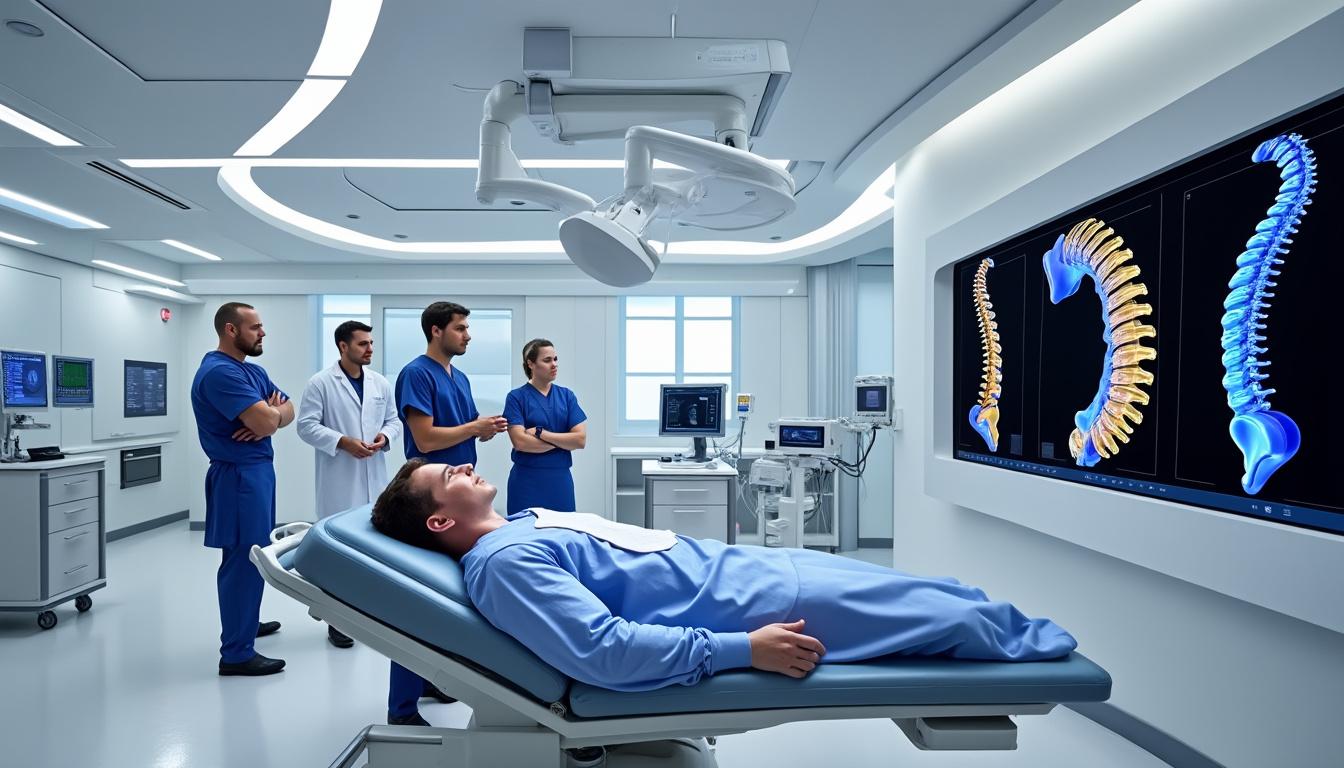
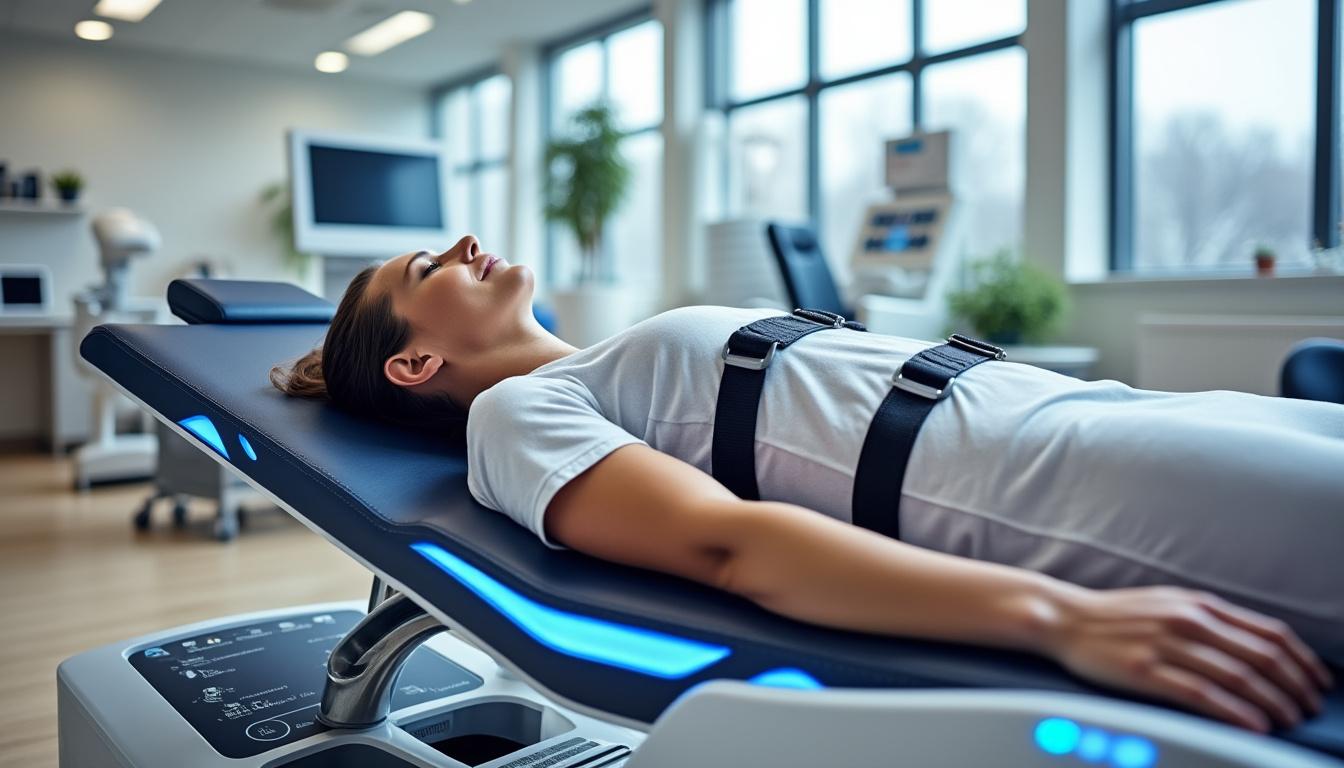
- Neurovertebral Decompression Therapy: Utilizing advanced, computerized spinal decompression tables at facilities like Clinique TAGMED to gently relieve nerve root pressure and promote disc hydration and repair.
- Physiotherapy: Targeted exercises aimed at strengthening neck muscles, improving flexibility, and correcting posture to reduce abnormal spinal loading.
- Ergonomic Counseling: Personalized advice addressing daily activities, workstation setup, and sleep posture to minimize aggravating factors.
- Pharmacological Management: Judicious use of anti-inflammatories and analgesics during acute pain flare-ups under medical supervision.
- Patient Education: Clear, pragmatic explanations foster understanding, realistic expectations, and adherence to treatment plans.
| Conservative Treatment | Purpose | Typical Duration | Expected Outcomes |
|---|---|---|---|
| Neurovertebral Decompression | Alleviate nerve compression and enhance disc repair | 3–6 months | Reduced pain, improved mobility |
| Physiotherapy | Strengthen muscles, correct posture | 3–6 months | Enhanced function and stability |
| Ergonomic Counseling | Limit biomechanical stressors | Ongoing | Fewer exacerbations |
| Pharmacology | Manage inflammation and pain | As needed | Symptom control during flare-ups |
Notably, if neurovertebral decompression was not previously attempted, it remains a critical step before contemplating surgery. Many patients experience notable improvement with conservative treatments alone. When biomechanical decompression and rehabilitation do not yield sufficient relief after an adequate trial, surgical evaluation becomes appropriate. This treatment hierarchy is rigorously implemented at Clinique TAGMED, where Dr. Desforges ensures patients receive the most conservative care possible before moving to surgical options.
Motion Surgery in Terrebonne: Advanced Techniques Available in France
With over three decades of dedicated expertise in spine care, I have witnessed firsthand the evolution of surgical options aimed at improving quality of life for those living with spinal disorders. Among these advances, Motion Surgery stands out in Terrebonne…
Biomechanical and Economic Advantages of Transatlantic Care Coordination
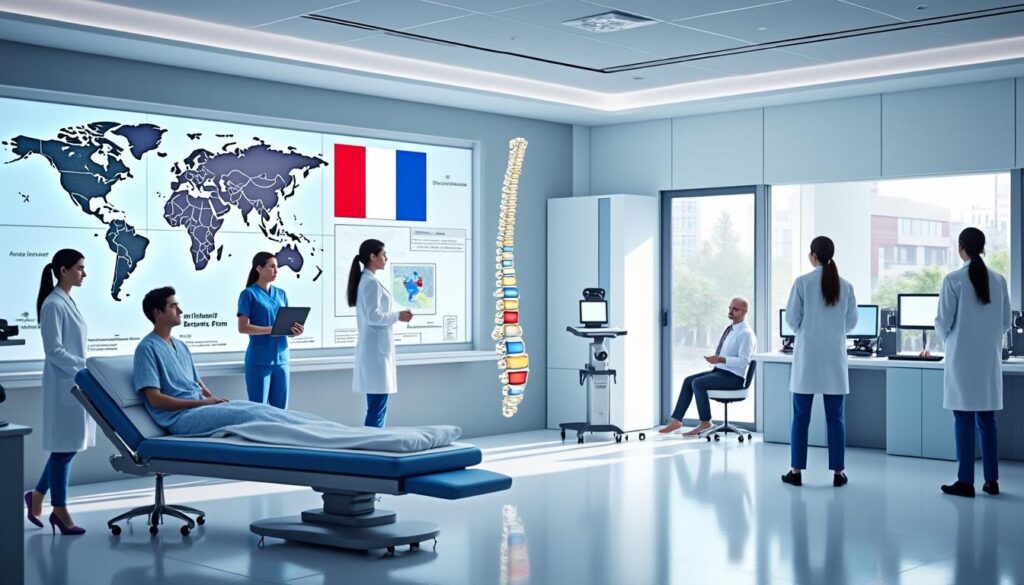
One of the hallmark achievements in cervical disc prosthesis treatment in Quebec City lies in Dr. Desforges’s pioneering role in transatlantic care coordination between Canada and France. This innovation bridges Canadian patients with expert French surgical teams and access to avant-garde implants, enhancing both biomechanical outcomes and cost-efficiency.
Advantages of transatlantic collaboration include:
- Access to Advanced Implants: Patients benefit from technologies such as the Prestige LP or M6-C Artificial Cervical Disc that may not yet be widely available in Canada.
- Reduced Treatment Delays: Coordinated scheduling and navigation facilitate shorter wait times compared to local healthcare systems burdened by long queues.
- Cost Optimization: By leveraging differences in healthcare pricing and insurance structures, patients can obtain premium care at more competitive rates.
- Integrated Follow-Up: Seamless communication between multidisciplinary teams in Quebec and French centers ensures continuity of care from preoperative assessment through postoperative rehabilitation.
- Personalized Navigation Support: Engagement with platforms like SOS Tourisme Médical offers tailored assistance guiding patients through complex transcontinental journeys.
| Benefit | Impact on Patient Care |
|---|---|
| Access to Cutting-Edge Implants | Expanded choices support durable, biomechanically sound outcomes |
| Timely Surgical Intervention | Reduced symptom duration and accelerated return to function |
| Cost-Effective Care | More affordable solutions without compromising quality |
| Comprehensive Continuity | Consistent management across borders lowers complication risks |
This holistic model reinforces the human and scientific dimensions of care delivery championed by Dr. Desforges, ensuring patients feel supported and informed at each step of their treatment.
Lumbar Disc Prosthesis in Saguenay: Long-Lasting Relief After Surgery
Chronic back pain rooted in lumbar disc degeneration challenges many patients in Saguenay and beyond, urging exploration of innovative solutions to restore spine health and quality of life. Traditional spinal fusion surgeries, though effective for stabilizing painful segments, have notable…
Unique Benefits Offered by Cervical Disc Prosthesis Surgery at Clinique TAGMED
Clinique TAGMED, under the direction of Dr. Sylvain Desforges, exemplifies a patient-centered, innovative approach to spinal care, integrating the best of technology and multidisciplinary expertise. The clinic offers specialized services tailored to meet the diverse needs of Quebec patients contemplating cervical disc prosthesis surgery.
Key distinguishing features include:
- Advanced Neurovertebral Decompression: The clinic employs computerized decompression tables that gently unload nerve roots and promote disc healing prior to any surgical decision.
- Access to Next-Generation Implants: Including ProDisc-C, Prestige LP, and the PCM Cervical Disc, chosen to match individual anatomy and activity levels.
- Comprehensive Pre- and Postoperative Care: From detailed pre-surgical planning to long-term rehabilitation involving physical therapy, osteopathic treatments, and ergonomic coaching.
- Ethical and Evidence-Based Protocols: Compliance with Quebec and Canadian healthcare regulations assures safety, efficacy, and transparency.
- Patient Empowerment and Education: Clear, jargon-free communication helps patients understand their condition, treatment options, and rehabilitation milestones.
| Service | Value to Patients |
|---|---|
| Neurovertebral Decompression | Enhances natural healing, reduces surgery necessity |
| Implant Selection | Optimizes biomechanical function and comfort |
| Postoperative Rehabilitation | Supports rapid, sustained recovery |
| Patient Communication | Fosters informed decision-making and trust |
By harmonizing technology, science, and human understanding, Clinique TAGMED is a leader in delivering modern, compassionate cervical spine care within Quebec City. Such innovation reflects Dr. Desforges’ ongoing commitment to elevating standards and outcomes for patients facing cervical spine disorders.
IntraSPINE® in Sherbrooke: Maintain Lumbar Function
In the modern management of lumbar spine conditions, patients in Sherbrooke and across Quebec are increasingly presented with innovative solutions that prioritize maintaining natural spinal function while alleviating debilitating pain. Among these advancements, the IntraSPINE device has emerged as a…
Rehabilitation Strategies for Optimal Recovery and Long-Term Success
Long-term efficacy after cervical disc prosthesis is intricately tied to a robust rehabilitation program. Dr. Desforges designs individualized postoperative plans encompassing physiotherapy, ergonomic guidance, and regular clinical monitoring.
The rehabilitation process includes:
- Regular Clinical Monitoring: Evaluations of pain, neurological status, and cervical mobility occur monthly during the first six months, then quarterly.
- Imaging Surveillance: Scheduled MRI or X-rays at 3, 6 months, and annually to ensure prosthesis positioning and detect any potential complications early.
- Gradual Physiotherapy: Strengthening and flexibility exercises progressively restore functional motion and cervical muscle endurance.
- Ergonomic Adjustments: Lifestyle and workplace modifications help maintain spine health and prevent reinjuries.
| Rehabilitation Component | Focus | Timeline | Goal |
|---|---|---|---|
| Clinical Evaluation | Pain relief and neurological function | Monthly then quarterly | Track recovery and address issues |
| Imaging | Implant integrity and spine alignment | 3, 6 months, annually | Identify early complications |
| Physiotherapy | Muscle endurance and mobility | 6 to 12 months | Restore full function |
| Ergonomics | Posture and activity adjustments | Ongoing | Prevent reinjury |
This multidisciplinary and patient-focused rehabilitation aligns with the strict medical standards of the Collège des médecins du Québec, reflecting Dr. Desforges’ dedication to ethical, evidence-based care and continuous patient support.
Minimally Invasive Surgery in Longueuil: Reduce Post-Surgery Pain
Minimally invasive surgery in Longueuil is transforming the patient experience by significantly reducing post-surgery pain and accelerating recovery times. With advances in surgical techniques such as laparoscopic and robotic-assisted procedures, patients can benefit from smaller incisions, less tissue damage, and…
Risks, Limitations, and Patient Eligibility for Cervical Disc Prosthesis
Despite its many benefits, cervical disc prosthesis surgery carries potential risks and is suitable only for selected patients. Dr. Sylvain Desforges stresses transparent patient education to ensure realistic expectations and informed consent.
Potential risks include:
- Infection: Though rare, infections require prompt management and may necessitate implant removal.
- Implant Migration or Loosening: May lead to pain or neurological symptoms, sometimes requiring revision surgery.
- Persistent or Recurrent Pain: Some patients experience ongoing symptoms, addressed through multidisciplinary pain management strategies.
- Limited Eligibility: Patients with advanced osteoarthritis, significant spinal instability, or systemic illness may not be candidates for prosthesis.
- Postoperative Symptoms: Transient dysphagia or neurological signs typically resolve within a few weeks.
| Risk | Consequence | Management |
|---|---|---|
| Infection | Implant removal, antibiotic therapy | Early diagnosis, sterile surgical technique |
| Implant Migration | Neck pain, neurological deficit, revision | Imaging surveillance, possible revision |
| Chronic Pain | Reduced quality of life | Multidisciplinary rehabilitation |
| Unsuitable Candidacy | Ineffective surgery, complications | Comprehensive preoperative screening |
Meticulous candidate selection and post-surgical follow-up, hallmarks of Dr. Desforges’ approach, help mitigate these risks and improve patient satisfaction. For those interested, additional guidance is available through expert resources such as this cervical disc replacement guide.
Neck Surgery in Montreal: Maintain Natural Cervical Flexibility
Neck surgery remains a crucial consideration for patients suffering from severe cervical spine disorders where conservative treatments have failed. In Montreal, access to specialized care offers patients the opportunity to explore advanced surgical solutions designed to maintain natural cervical flexibility—an…
Exploring Surgical Options in Quebec City: Motion Preservation vs. Fusion
Understanding the surgical options available for cervical spine disorders is essential for making informed decisions. The two primary approaches are traditional fusion surgery and cervical disc prosthesis with motion preservation.
Fusion surgery involves the permanent joining of vertebral segments to stabilize the spine, which effectively eliminates pain by immobilizing the affected area. However, this approach can reduce neck flexibility and increase stress on adjacent segments, leading to accelerated degeneration known as adjacent segment disease.
Conversely, cervical disc prosthesis surgery replaces the damaged disc with an artificial implant like the SECURE-C or NuNec Cervical Disc, which are designed to allow physiological motion. This preservation of motion helps maintain neck flexibility, alleviate pain, and reduce the likelihood of degeneration in adjacent levels.
| Aspect | Fusion Surgery | Cervical Disc Prosthesis |
|---|---|---|
| Purpose | Stabilize spine by immobilizing segments | Replace disc while preserving motion |
| Neck Mobility | Reduced post-surgery | Maintained or improved |
| Risk of Adjacent Segment Disease | Higher due to added stress | Lower due to motion preservation |
| Recovery Time | Longer rehabilitation period | Typical resumption of daily activities within 2-3 weeks |
Quebec patients considering surgical intervention are encouraged to discuss these options thoroughly with experts such as Dr. Desforges, who advocates for a personalized, evidence-based approach tailored to individual pathologies and lifestyle goals.
Disc Prosthesis in Lévis: Fast and Lasting Results
In the realm of spinal care, patients battling chronic back pain and degenerative disc diseases continuously seek solutions that offer not just symptom relief but also the restoration of natural spinal function. Disc prosthesis, or artificial spinal disc replacement, has…
Enhancing Patient Knowledge and Confidence Through Clear Communication
One of Dr. Sylvain Desforges’s key commitments is ensuring that patients fully understand their cervical spine condition and treatment options. By employing clear, jargon-free explanations, he fosters genuine patient empowerment necessary for shared decision-making.
- Explaining the mechanics of cervical disc disease and how prostheses function to preserve motion.
- Discussing the realistic benefits and potential limitations or risks of surgery, including the importance of postoperative rehabilitation.
- Presenting alternative conservative approaches to surgery and emphasizing their pivotal role in care.
- Providing detailed guidance on timing, expectations, and individual suitability for various implants including the Bryan Disc and Active-C.
Clear communication alleviates patient anxiety and aligns treatment goals. It also encourages patients to actively engage in their care process, ask informed questions, and adhere closely to rehabilitation plans, all of which are crucial for optimal outcomes.
Empowering Quebec Patients to Take the Next Step
For Quebec patients faced with debilitating cervical spine conditions, the advent of motion-preserving cervical disc prosthesis offers renewed hope for pain relief and functional restoration. Under the expert guidance of Dr. Sylvain Desforges, individuals receive rigorous evaluations and highly personalized care pathways, often enhanced through international collaborations that expand access to advanced implants and surgical techniques.
Patients are encouraged to thoroughly explore all facets of their spinal health journey, prioritizing conservative therapies such as neurovertebral decompression and physiotherapy before considering surgery. When surgery is appropriate, the comprehensive support and cutting-edge options available at Clinique TAGMED ensure a treatment experience focused not only on clinical success but humanized care and clear communication.
For more information or to discuss your personal spinal health concerns, visiting SOS Tourisme Médical contact page provides a seamless starting point to initiate evaluation and explore customized cervical spine treatment options with trusted experts.
What distinguishes cervical disc prosthesis from fusion surgery?
Cervical disc prosthesis replaces the damaged disc with a mobile implant that allows natural neck motion, whereas fusion surgery joins vertebrae, eliminating movement at the treated segment and risking degeneration of adjacent discs.
How long is the recovery period after cervical disc prosthesis surgery?
Most patients resume office or light activities within 2 to 3 weeks post-surgery, with complete rehabilitation involving physiotherapy and follow-up extending up to 12 months for optimal functional restoration.
When should surgery be considered for cervical disc problems?
Surgery is generally contemplated after 3 to 6 months of diligent conservative care, including neurovertebral decompression and physiotherapy, if significant symptoms persist or worsen despite these treatments.
Are cervical disc prostheses typically covered by Canadian healthcare?
Coverage varies by province and individual case necessities. Many require prior authorization and thorough evaluation. Specialized clinics offering cervical disc prosthesis ensure compliance with Canadian medical guidelines.
Can cervical disc prosthesis improve quality of life?
When appropriately indicated, cervical disc prosthesis relieves pain, maintains neck mobility, and enables a quicker return to daily activities, thereby significantly enhancing patients’ overall quality of life.