Blainville Sciatica Recovery Without Invasive Procedures
May 16, 2026
Boucherville Chronic Back Pain Treatment for Disc Sufferers
May 16, 2026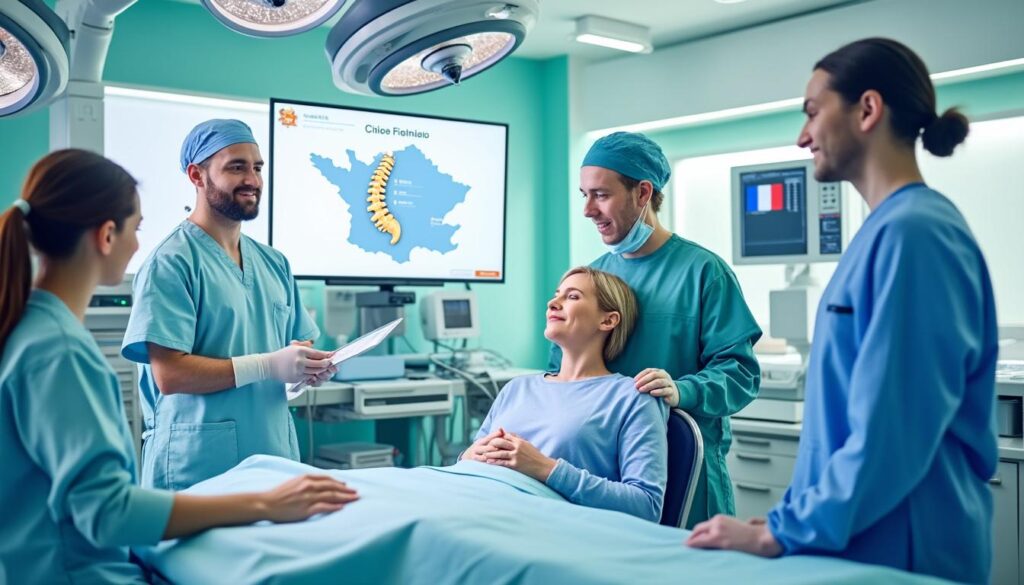
Chronic neck pain significantly affects the lives of many individuals in Quebec City, leading to compromised daily activities, reduced work capacity, and emotional distress. The advancement of spinal health interventions, particularly the cervical disc prosthesis, offers a beacon of hope for those challenged by degenerative cervical conditions. Unlike traditional surgical methods that often limit cervical mobility, this innovative approach preserves the natural movement of the neck while delivering effective pain relief. Patients in Quebec City have increasingly sought these minimally invasive orthopedic interventions that promise quick recovery and long-term comfort, overcoming local healthcare system delays through international cooperation.
With over three decades of experience in spinal care, Dr. Sylvain Desforges stands out as a pioneer and expert in assessing cervical spine disorders and guiding patients through comprehensive care frameworks. His leadership roles in foundational organizations such as the Canadian Osteopaths College and the Association for Musculoskeletal Care highlight his dedication to scientific rigor, ethical innovation, and patient-centered approaches. At the core of these advanced treatments lies a seamless transatlantic partnership that ensures patients access cutting-edge surgeries in France, backed by careful evaluations and tailored rehabilitation plans delivered locally in Quebec.
Overview of Cervical Spine Surgery Options in Quebec City
The treatment landscape for cervical spine disorders is multifaceted, encompassing a spectrum of surgical options tailored to individual patient needs. Understanding the nuances of these options is critical for making an informed choice.
Arthrodesis (Cervical Fusion): Stability at the Expense of Mobility
Arthrodesis involves fusing two or more vertebrae to stabilize the cervical spine, often indicated in cases of severe arthrosis or instability. While effective in alleviating pain caused by vertebral motion, it inherently restricts the natural mobility of the neck segment involved. Patients may experience long-term stiffness and potential increased stress on adjacent segments, which can lead to subsequent degeneration.
The Rise of Cervical Disc Prosthesis: Motion-Preserving Alternative
Contrasting fusion, cervical disc prostheses replace the damaged intervertebral disc with a precisely engineered implant that mimics natural disc biomechanics. This motion-preserving approach is particularly suitable for younger or active patients who wish to maintain neck flexibility and reduce the risk of adjacent segment disease. Innovations such as the MobileCouTech and FlexiCou models utilize advanced materials and multipolar surfaces to provide stability while enabling movement.
Minimally Invasive Techniques and Their Benefits
Minimally invasive spine surgery techniques greatly reduce tissue trauma, promote faster healing, and shorten hospital stays, often to less than 48 hours. This advancement in spine surgery enhances patient comfort and accelerates return to daily activities, aligning perfectly with the goals of the cervical disc prosthesis interventions.
When weighing these options, it is essential to consider anatomical, biomechanical, and lifestyle factors with an expert evaluation to ensure a procedure aligns with personal health objectives.
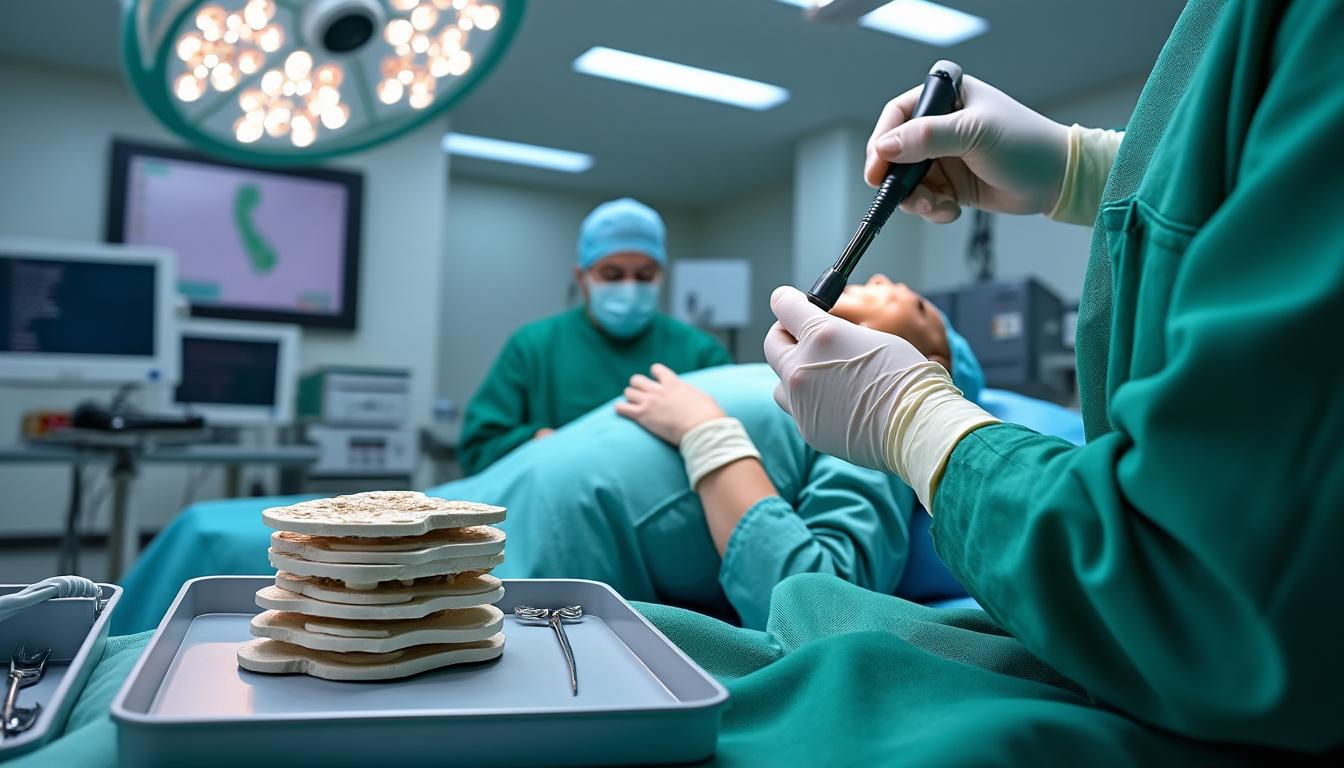

IntraSPINE® in Sherbrooke: Durable Solution for Chronic Low Back Pain
The management of chronic low back pain, a widespread condition affecting millions across Quebec and beyond, has reached a pivotal moment thanks to innovative medical technologies and coordinated care pathways. At the heart of this evolution lies the IntraSPINE implant,…
Spine Surgery in Trois-Rivières: Reduce Pain and Preserve Mobility
In recent years, spine surgery in Trois-Rivières has evolved notably, combining advanced medical expertise with innovative technologies to deliver patient-centered care. This growing field addresses the increasing demand among Quebec residents seeking effective solutions for chronic back pain and mobility…
Step-by-Step Patient Journey for Cervical Disc Prosthesis
Embarking on a cervical disc prosthesis treatment involves a detailed and structured patient journey that ensures safety, efficacy, and personalized care. The pathway designed and supervised by Dr. Sylvain Desforges prioritizes precision at every stage to optimize outcomes.
Initial Evaluation and Diagnostics
The journey begins with a comprehensive evaluation by Dr. Desforges at the renowned Clinique TAGMED. This assessment integrates clinical examination with advanced imaging techniques such as dynamic X-rays and MRI. The objective is to delineate the underlying pathology and evaluate candidacy for prosthetic disc replacement meticulously.
Conservative Treatment Phase (3-6 Months)
Before considering surgery, patients undergo a rigorous conservative treatment phase. Interventions include specialized neurovertebral decompression to alleviate nerve impingement, targeted physiotherapy to strengthen cervical musculature, and ergonomic counseling to reduce mechanical stress during daily activities. This phase is fundamental in potentially avoiding surgery and affirming the necessity when symptoms persist despite optimal care.
International Surgical Coordination and Planning
Recognizing the expertise and advanced technology available in France, the subsequent surgical intervention is coordinated internationally through partners including SOS Tourisme Médical. This collaboration handles comprehensive logistical arrangements, from medical record transfer to travel logistics, ensuring a seamless and patient-focused experience.
Surgical Intervention and Hospitalization
The surgery itself, performed in specialized French centers, replaces the degenerated cervical disc with a dynamic prosthesis custom-selected to each patient’s biomechanics. The minimally invasive approach mitigates intraoperative risks and facilitates rapid recovery, typically involving a hospital stay of 24-48 hours.
Postoperative Care and Rehabilitation Upon Return
After returning to Quebec City, patients engage in tailored rehabilitation programs coordinated by local teams such as Neurothérapie Montréal. Follow-up includes regular consultations, strength and posture enhancement therapies, and monitoring of implant integration and function, fostering a holistic recovery tailored to each patient’s evolving needs.
This structured patient pathway exemplifies how international collaboration bridges local limitations and high standards of care, putting patient safety and outcomes at the forefront.

TOPS™ in Gatineau: High-Performance Option for the Lumbar Spine
The landscape of spinal surgery has witnessed profound evolution, particularly for patients grappling with lumbar spine disorders such as spinal stenosis and spondylolisthesis. These conditions, increasingly prevalent among Quebec’s population, impose substantial limitations on mobility and quality of life. The…

Cervical Disc Prosthesis in Quebec City: Avoid Post-Surgery Stiffness
Chronic neck pain remains a significant challenge for thousands of residents in Quebec City every year, often leading them to seek effective spinal surgery options that minimize downtime and maximize long-term mobility. Among the recent advancements revolutionizing cervical spine care,…
Biomechanical Advantages of Modern Cervical Disc Implants
Modern cervical disc prostheses are designed with profound attention to biomechanical principles, seeking to replicate natural disc behavior within the cervical spine.
Preservation of Cervical Mobility
The dynamic implants maintain the natural range of motion of the cervical spine, allowing flexion, extension, lateral bending, and rotation. Patients benefit from kept cervical flexibility essential for everyday functions, sports, and professional activities.
Reduction of Adjacent Segment Stress
Unlike fusion, which transfers stress to adjacent vertebral levels and can accelerate degeneration, disc replacements distribute mechanical loads more physiologically. This advantage potentially delays or prevents secondary arthrosis, promoting long-term spinal health.
Enhanced Durability and Patient Comfort
Innovative materials and surface textures minimize wear, reduce inflammation risk, and optimize prosthesis lifespan, typically between 15 and 20 years under normal use. Patients report significant decreases in postoperative discomfort and quicker rehabilitation times, reflecting advances in implant design.
| Key Biomechanical Benefits | Clinical Impact |
|---|---|
| Maintains natural neck movement | Improved quality of life with preserved function |
| Reduces mechanical overload on neighboring discs | Lower risk of adjacent segment degeneration |
| Utilizes wear-resistant materials | Long-lasting implant performance |
| Minimally invasive surgical implantation | Faster recovery and fewer complications |
Recognizing these biomechanical advantages underlines why cervical disc prosthesis is a superior solution for many neck pain sufferers. It aligns perfectly with the objective of maintaining spinal health and functionality while offering effective treatment.
Minimally Invasive Surgery in Longueuil: Reduce Hospital Stay Duration
In recent years, advances in spinal care have dramatically reshaped the treatment landscape for patients suffering from debilitating spinal conditions. Particularly in Longueuil, the emergence of minimally invasive surgery (MIS) techniques offers a transformative alternative to conventional open surgeries. These…
IntraSPINE® in Laval: Modern Solution for Lumbar Stabilization
In the evolving landscape of orthopedic treatments, the city of Laval has become a hub for innovations addressing chronic lower back pain. Among the groundbreaking solutions gaining attention is the IntraSPINE device—a modern spinal implant designed to offer dynamic lumbar…
When Surgery Becomes Necessary: The Role of Conservative Treatments
Despite the remarkable progress in cervical disc prosthesis surgery, it remains imperative to exhaust thorough conservative care before opting for surgical intervention.
Importance of Neurovertebral Decompression and Rehabilitation
At the forefront of conservative treatment is neurovertebral decompression, a technique offered at Clinique TAGMED, designed to release pressure on compressed nerves non-invasively. Combined with cervical-specific physiotherapy and ergonomic education, this approach has demonstrated substantial efficacy in reducing neck pain and improving function.
Duration and Monitoring of Conservative Care
Patients typically undergo 3 to 6 months of conservative care, monitored closely by Dr. Desforges and his team. This phase ensures that all non-surgical avenues are explored, optimizes patient conditioning, and supports an informed decision about the necessity of surgery.
The Decision-Making Process for Surgery
Should symptoms persist or worsen after conservative measures, surgery such as cervical disc prosthesis becomes a viable next step. This staged approach embodies ethical responsibility and maximizes patient safety, avoiding premature surgery and ensuring appropriate use of advanced orthopedic intervention techniques.
The dedication of the Clinique TAGMED team to evidence-based practices confirms their pivotal role in guiding patients toward optimal treatment paths with respect and clarity.
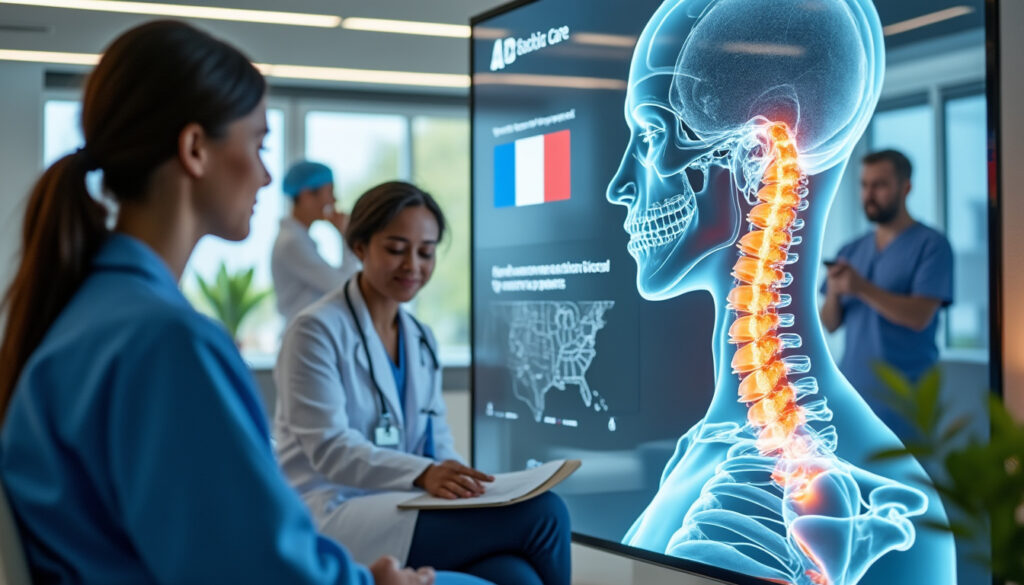
Neck Surgery in Montreal: Maintain Cervical Flexibility and Function
Neck conditions causing persistent pain or functional loss place a substantial burden on individuals and healthcare systems, especially in urban centers like Montreal. Surgical interventions targeting the cervical spine have evolved tremendously, aiming not only to relieve symptoms but to…

Disc Prosthesis in Lévis: Quick and Long-Lasting Results
Chronic back pain caused by degenerative disc disease continues to profoundly impact the quality of life for many residents in Lévis and the broader Quebec area. For decades, traditional spinal fusion surgery has been the primary solution for alleviating severe…
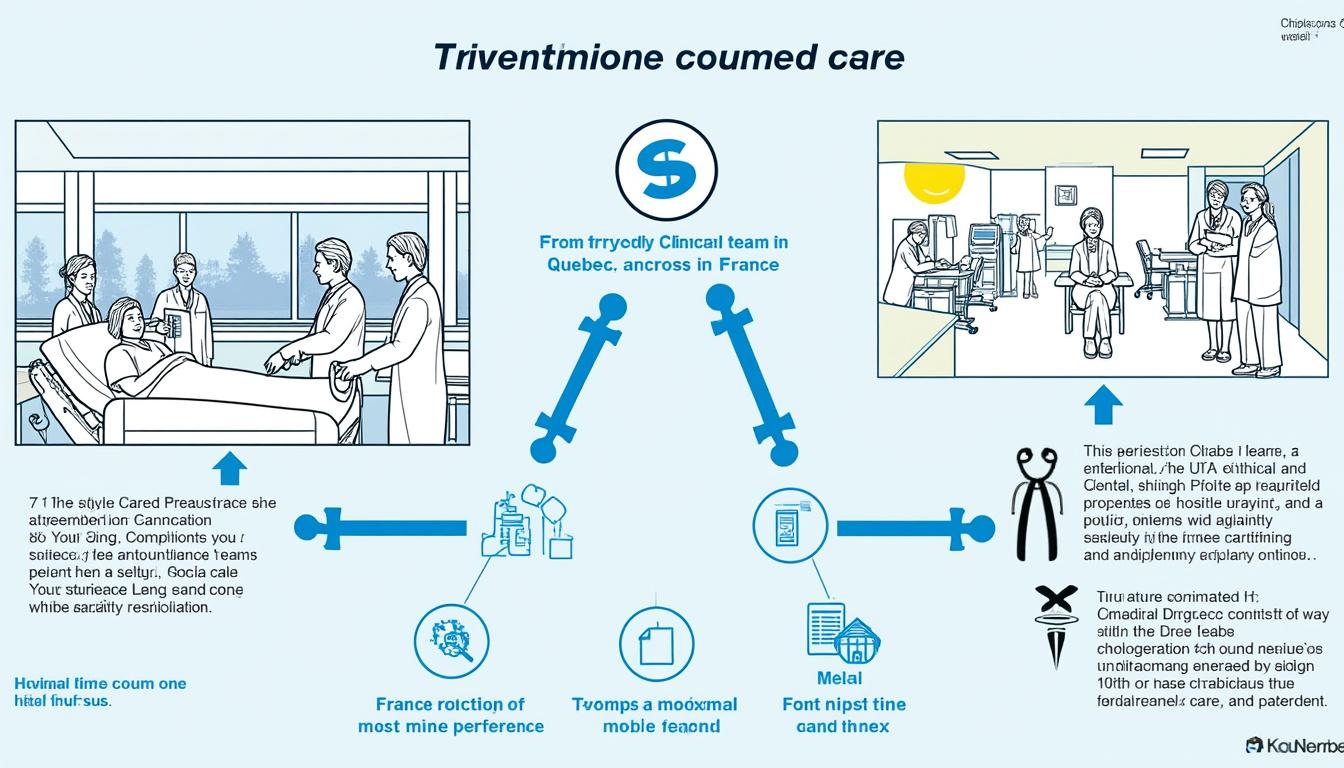
Unique Value of the Transatlantic Care Pathway for Quebec Patients
The amalgamation of expertise between Quebec and France creates an exceptional healthcare continuum unavailable within Quebec’s current service framework alone. This transatlantic pathway extends multiple layers of added value for patients pursuing cervical disc prosthesis.
Streamlined Access to Advanced Surgical Technology
French surgical centers bring years of innovation in dynamic implant technology and precision minimally invasive procedures. By partnering internationally, Quebec patients bypass local system constraints and gain timely access to these superior techniques.
Comprehensive Care Coordination and Logistics
Organizations like SOS Tourisme Médical oversee the intricate logistics of medical files, travel arrangements, and accommodation. Their support reduces patient burden and stress, ensuring the entire process is patient-centric and transparent.
Postoperative Follow-Up in Home Environment
Upon returning home, patients remain linked to local specialists including Dr. Desforges and Neurothérapie Montréal, ensuring continuous care with familiar support systems to promote a smooth and confident recovery.
This integrated model reduces treatment delays, enhances surgical outcomes, and ensures a respectful human approach that considers each patient’s unique circumstances and concerns.
Benefits Beyond Surgery: Economic and Human Considerations
Beyond clinical outcomes, the cervical disc prosthesis pathway designed with international collaboration delivers economic and human advantages that resonate deeply with Quebec patients.
Affordability and Insurance Considerations
Given the high costs and extended waiting periods for spine surgeries within Quebec’s private and public systems, the option to access surgery abroad offers significant economic relief. The collaboration facilitates processing of insurance claims and RAMQ considerations, making care more attainable.
Personalized Treatment Plans and Ethical Frameworks
Dr. Desforges advocates for tailored treatment plans that respect patient individuality and incorporate cutting-edge evidence-based methods. This ethical foundation fosters trust by ensuring patients are neither overtreated nor subjected to unnecessary surgical risks.
Psychological and Emotional Support
Recognizing the anxiety often associated with spine surgery, the care framework emphasizes empathetic communication and continuous patient education. Patients are encouraged to ask questions and participate actively in their treatment decisions, reinforcing autonomy and confidence.
Consequently, this paradigm represents a holistic model that extends beyond surgery to enhance overall wellbeing and empower patients throughout their health journey.
Essential Patient Information and Guidance on Cervical Disc Prosthesis
Understanding the details, benefits, and potential risks associated with cervical disc prosthesis empowers patients to make sound decisions.
- Longevity of the Prosthesis: Modern implants are designed to last 15 to 20 years, given adherence to post-operative guidelines.
- Comparison to Fusion: Unlike arthrodesis, disc prostheses maintain cervical flexibility and reduce risks of arthritis in adjacent segments.
- Indications for Surgery: Typically considered after 3 to 6 months of unsuccessful conservative treatment.
- Postoperative Care: Includes personalized rehabilitation for optimal recovery.
- Potential Risks: Though rare, complications like implant migration or wear require attentive monitoring.
For those interested in a personalized evaluation or to discuss treatment options, contacting experts at Clinique TAGMED remains a key step to receiving trustworthy, evidence-based recommendations. Their commitment to excellence ensures attention to every patient’s unique clinical picture while guiding them through this effective treatment avenue.
What is the expected lifespan of a cervical disc prosthesis?
Modern cervical disc prostheses usually last between 15 and 20 years, depending on normal use and adherence to post-surgical care instructions.
How does a cervical disc prosthesis compare to a fusion procedure?
The prosthesis preserves natural cervical mobility and reduces the risk of arthritis in adjacent spinal segments, unlike fusion which immobilizes the treated area.
When should surgery be considered for neck disc problems?
Surgery is typically considered after 3 to 6 months of conservative treatments fail to relieve symptoms effectively.
What kind of post-operative care is provided after cervical disc prosthesis surgery?
Patients receive personalized rehabilitation programs, regular follow-up visits, and support to ensure optimal recovery and implant function.
Are there risks associated with the cervical disc prosthesis?
Although rare, risks include implant wear, migration, and potential infection. Careful evaluation and monitoring are crucial to minimize these complications.
For more information or to discuss your case in detail, please visit https://www.sostourismemedical.com/contact to initiate your personalized care journey.