
Herniated Disc in Ville-Marie: Exploring Neurovertebral Decompression Therapy and What to Expect During Your Session
May 16, 2026
IntraSPINE® in Sherbrooke: Customized Minimally Invasive Procedure
May 16, 2026
Back surgery remains a vital intervention for many suffering from chronic spinal disorders, especially when conservative treatments prove ineffective. However, the journey to determine whether surgery is the appropriate course is fraught with complexities that often lead to misunderstandings. Misinterpretation of eligibility criteria can result in delayed treatments, unnecessary anxiety, or inadequate preparation for surgical outcomes. As spinal surgery consultants increasingly emphasize, a thorough comprehension of these criteria is essential for both patients and healthcare providers. This article dissects the frequent pitfalls encountered in interpreting back surgery eligibility guidelines, exploring essential elements such as preoperative assessments, patient selection, medical evaluation, and surgical risks. From insurance hurdles to misconceptions about who qualifies, each facet will be critically analyzed with detailed examples and practical recommendations. Navigating this landscape with clarity helps maximize surgical success rates while minimizing potential complications and disappointment.
Common Misunderstandings in Back Surgery Eligibility Criteria
One of the primary challenges in understanding back surgery eligibility criteria lies in the wide variability of indications across different medical centers and surgeons. Some patients mistakenly believe that persistent pain alone guarantees candidacy. In reality, surgeons rely on a combination of subjective symptoms and objective findings during medical evaluation to define eligibility precisely. For instance, imaging studies such as MRI or CT scans must reveal specific anatomical abnormalities correlating with clinical symptoms. Common findings supporting surgery include herniated discs impinging on nerves, spinal stenosis causing canal narrowing, or severe degenerative disc disease leading to structural instability.
Another pitfall is overestimating the benefits of back surgery without appreciating its limitations and inherent risks. Surgery is generally reserved for those with significant functional impairment or neurological deficits refractory to conservative treatments such as physiotherapy, medication, and lifestyle modifications. Rushing into surgical intervention without adequate attempt at conservative management can lead to suboptimal outcomes and unnecessary exposure to surgical risks.
Confusion also arises when patients interpret non-surgical options provided during preoperative assessment as obstacles designed to deny access to surgery. Rather, these treatments serve as essential steps to optimize patient health and determine whether surgery will offer meaningful improvement. Understanding this dynamic emphasizes the collaborative decision-making process between surgeon and patient, grounded in evidence-based treatment guidelines.
This section underscores the importance of comprehensive education about the eligibility criteria to prevent common misconceptions that may otherwise derail the treatment pathway. Familiarity with the multi-dimensional assessment approach supports appropriate patient selection and informed consent, ultimately aligning expectations with realistic surgical outcomes.


Understanding Sciatic Pain: Key Symptoms and When to Seek Medical Advice
Sciatic pain is a prevalent condition impacting a wide demographic, manifesting primarily as intense pain radiating from the lower back down the leg. This pain stems from irritation or compression of the sciatic nerve, a major nerve extending through the…
The Role of Preoperative Assessment in Determining Surgery Candidacy
Preoperative assessment is a critical stage that systematically evaluates a patient’s suitability for back surgery. It encompasses more than just a physical examination; it integrates detailed medical history, functional status evaluation, psychosocial factors, and diagnostic imaging findings. This holistic approach facilitates accurate patient selection, which is paramount to favorable surgical results.
Key elements of the preoperative assessment include:
- Comprehensive medical evaluation: Identification of coexisting conditions such as osteoporosis, diabetes, or cardiovascular disease which may increase surgical risks or complicate recovery.
- Neurological examination: Detecting motor weakness, sensory loss, or reflex changes helps pinpoint candidates demonstrating neurological impairment indicative of surgical intervention.
- Imaging analysis: Correlating MRI or CT evidence with symptoms confirms the precise anatomical lesion responsible for dysfunction.
- Functional and pain assessment: Standardized scales such as the Oswestry Disability Index or Visual Analog Scale quantify disability level and pain severity, guiding eligibility decisions.
- Psychosocial screening: Addressing mental health, depression, or unrealistic expectations is crucial, as these factors significantly influence postoperative satisfaction and recovery trajectory.
Failure to conduct a thorough preoperative assessment often leads to inappropriate surgery or surgical failures. For example, patients with predominant psychosocial distress or somatization disorders may not achieve symptom relief post-surgery despite optimal technical execution. Hence, integrating multidisciplinary inputs from pain specialists, physiotherapists, and psychologists enriches the evaluation quality.
Moreover, insurance companies frequently require comprehensive documentation from preoperative assessments to authorize coverage. Understanding what constitutes adequate evidence expedites approvals and prevents denials or delays in treatment. Clarifying these aspects aligns expectations between medical teams and patients, facilitating smoother surgical preparation phases.

The Stepwise Role of Functional Recovery in Achieving Successful Outcomes
The journey to full recovery following spinal surgery is often complex and multifaceted, demanding a meticulously structured approach to ensure optimal functional outcomes. In recent years, the concept of functional recovery through a stepwise approach has garnered significant attention in…
Patient Selection: Identifying Who Truly Benefits from Back Surgery
Proper patient selection remains one of the most decisive factors influencing the success of any back surgery. Surgeons must balance clinical findings, patient’s overall health status, and individual goals to identify those who stand to benefit most. Misunderstanding eligibility criteria often stems from overgeneralization or insufficient appreciation of nuanced patient factors.
Patients exhibiting symptoms such as severe radicular pain radiating down the leg, objective neurological deficits (e.g., foot drop), or spinal instability typically qualify as surgical candidates. Conversely, those with nonspecific back pain without nerve involvement often respond better to conservative care. Evidence-based treatment guidelines underscore that surgery is unlikely to benefit patients whose pain lacks clear structural cause.
Age and comorbidities also influence the decision; advanced age or significant medical conditions may raise surgical risks beyond acceptable limits, necessitating careful risk-benefit assessment. An example is a patient with mild lumbar stenosis but severe cardiopulmonary disease; postponing or avoiding surgery might reduce overall morbidity.
Common pitfalls in patient selection include:
- Inadequate symptom-corresponding imaging leading to unjustified surgery.
- Ignoring psychosocial factors that predict poor postoperative recovery.
- Premature surgical recommendation without exhaustive conservative treatment trial.
Several centers have adopted scoring systems or checklists integrating clinical and diagnostic data to standardize patient selection processes. These tools enhance transparency and reproducibility, reassuring patients that surgical decisions align with the latest evidence.
More detailed insights on patient selection criteria can be found in specialized resources explaining who is not a candidate for spine surgery and the nuances of eligibility management.


Transatlantic Patient Journey: Insights into Indications, Benefits, and Challenges
The emergence of the Transatlantic Patient Journey as a strategic model within healthcare continues to capture attention for its innovative potential, especially in specialized fields such as spinal surgery. This cross-border care pathway integrates rigorous medical evaluation from Quebec with…
Dangers of Overlooking Surgical Risks in Eligibility Decisions
Informed consent and understanding of surgical risks represent a cornerstone of responsible back surgery practice. Patients often underestimate potential complications, fueled by optimism or incomplete information, which can lead to dissatisfaction or litigation postoperatively. Conversely, overemphasis on risks without contextualizing benefits may deter appropriate candidates from undergoing surgery.
Common surgical risks that should be discussed as part of eligibility evaluation include:
- Infection at the surgical site
- Nerve damage resulting in weakness or sensory changes
- Failure to relieve symptoms (surgical failure)
- Adjacent segment disease leading to degeneration of neighboring spinal levels
- Blood clots and anesthesia-related complications
Understanding the balance between benefits and risks is vital. For example, patients with severe nerve compression causing progressive weakness have much to gain despite elevated operative risks. On the other hand, those with mild symptoms may prefer ongoing conservative therapy.
Insights from studies on failed back surgeries provide valuable lessons to avoid common pitfalls related to risk underestimation. Preoperative optimization, such as managing comorbidities or ensuring patient adherence to postoperative instructions, significantly reduces complication rates.
Educating patients on these risks as part of informed consent not only respects their autonomy but also fosters realistic expectations, which enhances postoperative satisfaction and adherence to rehabilitation protocols.
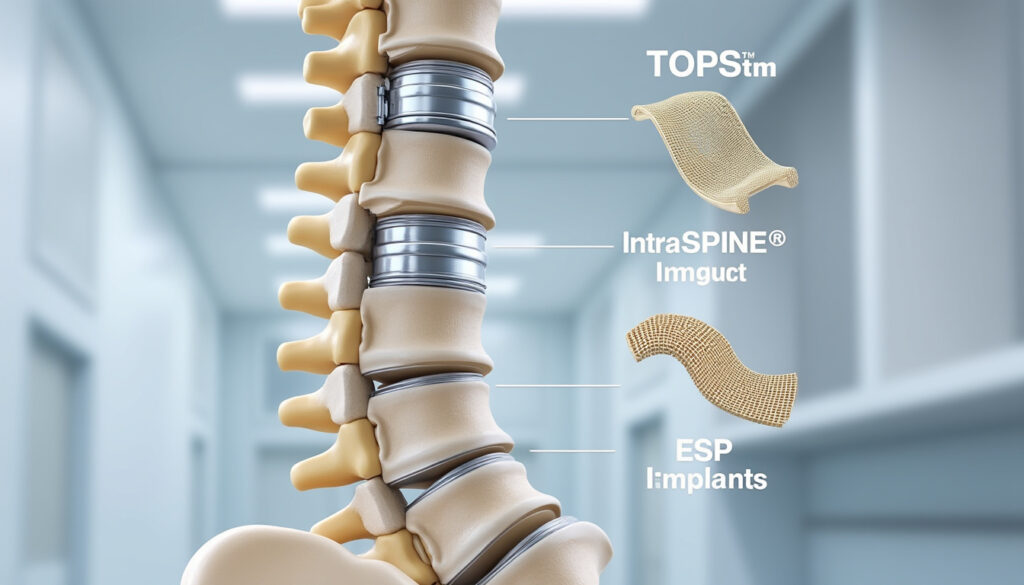
The evolving field of spinal surgery is witnessing a transformative shift, fueled by cutting-edge implant technologies such as TOPS, Intraspine, and ESP. These innovative implants redefine treatment possibilities by emphasizing preservation of natural spinal mechanics, while ensuring durable stabilization and…
How Treatment Guidelines Shape Eligibility Criteria and Outcome Expectations
Current treatment guidelines established by national and international spine societies serve as benchmarks for determining back surgery eligibility criteria. These guidelines evolve continually, reflecting advances in diagnostic technology, surgical techniques, and evidence on long-term outcomes.
Guidelines typically recommend surgery only after failure of a well-documented trial of conservative care lasting several months. They also specify objective criteria such as consistent neurological findings and correlative imaging abnormalities that must be present before considering operative intervention.
Incorporating these guidelines into clinical practice prevents premature surgeries and ensures standardized care delivery. It also drives quality improvement by reducing variability between surgeons and institutions. An example is the avoidance of surgery for patients with chronic nonspecific low back pain who are unlikely to benefit surgically.
Additionally, treatment protocols include recommendations for postoperative rehabilitation and pain management, highlighting back surgery as one component within a broader multidisciplinary approach.
Adhering strictly to these guidelines avoids common pitfalls like inconsistent patient selection or pressure from insurance companies, as preoperative documentation aligns with accepted standards that facilitate treatment approvals.


Preparing for Surgery in France: Key Indications, Benefits, and Limitations
In an evolving global healthcare landscape, France emerges as a beacon of advanced surgical expertise, particularly attracting international patients seeking expedited and innovative medical interventions. Patients from regions experiencing long wait times, such as Quebec, increasingly view France as an…
Insurance and Pre-Approval Pitfalls Impacting Surgery Eligibility
One frequently encountered hurdle during the eligibility determination process is obtaining insurance pre-approval for back surgery. The pre-approval process requires detailed submission of medical documentation verifying that the patient’s condition meets stringent criteria set forth by insurers.
Common reasons for denial include inadequate documentation, insufficient trial of conservative treatment, or lack of objective findings correlating with symptom severity. Misinterpretation of eligibility criteria by patients or even some healthcare providers may contribute to incomplete pre-approval applications, resulting in delays or outright refusal of coverage.
Patients often find themselves bewildered by insurance jargon and requirements, which adds emotional strain to an already complex decision-making process.
It is crucial for healthcare teams to collaborate closely with patients and insurers to ensure all criteria are transparently met and documented. Detailed explanations of what pre-approval entails can empower patients to advocate effectively for their care.
Learning more about the insurance approval process clarifies many common pitfalls and helps streamline access to necessary surgical interventions, reducing unnecessary disruptions to treatment continuity.

Unveiling the Hidden Benefits of Quality and Certification in Devices
The landscape of device manufacturing and clinical application in 2026 has been fundamentally shaped by the rigorous interplay between quality management and certification processes. Within this complex framework, the hidden benefits of adhering to international standards and obtaining relevant certifications…
Understanding Disability Benefits and Eligibility in Relation to Back Surgery
Back problems and spinal disorders are among the leading causes for disability benefit claims. Understanding how surgical eligibility intersects with disability evaluations is pivotal for patients considering back surgery in the broader context of work capacity and daily functioning.
Disability ratings for spinal conditions often depend on the measurable impact on physical function, persistence of pain, and responsiveness to treatment, including surgical intervention. Proper medical evaluation and documentation during the preoperative phase shape how disability claims are processed and approved.
Failing to recognize the interplay between surgical eligibility criteria and disability documentation can hinder patients from receiving deserved benefits or prompt necessary interventions. For example, patients with severe back pain and functional limitations may qualify for Social Security Disability Insurance (SSDI) or Veterans Affairs (VA) disability benefits if adequately documented.
Resources detailing the qualifications for disability benefits related to spinal disorders provide vital guidance for patients navigating this landscape. Ensuring that eligibility criteria discussions incorporate these considerations supports comprehensive patient advocacy.
| Type of Disability Benefit | Key Eligibility Requirements | Role of Back Surgery Eligibility |
|---|---|---|
| Social Security Disability Insurance (SSDI) | Demonstrable severe impairment affecting work capacity lasting at least 12 months | Successful surgery or eligibility for surgery may alter or support claim outcomes |
| Veterans Affairs (VA) Disability | Service-related back or spine injury with documented functional limitations | Eligibility criteria reinforce evidence of severity; surgery history is weighed |
| Private Disability Insurance | Varies by policy; often requires medical documentation of ongoing disability | Surgical interventions influence assessments of residual functional capacity |

Why Experts Advocate for Comprehensive Preoperative Evaluations
In the complex and demanding field of spinal surgery, the emphasis on comprehensive preoperative evaluations has become a fundamental pillar supporting successful surgical outcomes. These evaluations, far beyond mere routine checks, integrate detailed analyses of patient health, surgical risk assessments,…
Common Pitfalls in the Communication of Eligibility and Informed Consent
Communication gaps between healthcare providers and patients regarding eligibility criteria and surgical risks often cause confusion and dissatisfaction. Ensuring that patients fully comprehend their surgical candidacy, treatment options, and possible outcomes is critical for shared decision-making.
Healthcare teams should prioritize clear explanations tailored to the patient’s level of understanding, using visual aids or analogies when necessary. Common communication pitfalls include:
- Using overly technical language without simplification
- Failing to discuss alternative non-surgical treatments adequately
- Not clarifying the extent of expected postoperative improvements
- Neglecting to address patient fears and misconceptions upfront
Effective communication enhances informed consent, fosters realistic expectations, and strengthens the therapeutic alliance. Patients who feel heard and understood are more likely to comply with pre- and postoperative instructions, improving overall outcomes.
Developing communication protocols focusing on eligibility criteria and surgical risks can significantly reduce misunderstandings and improve patient satisfaction rates.

The Future of Surgery Lies in Stepwise Functional Recovery
The evolution of surgical care in 2026 reveals a compelling shift toward approaches that prioritize the holistic recovery of patients, moving beyond traditional metrics like length of hospital stay or mortality rates. This modern paradigm highlights the principle that the…
Strategies to Avoid Eligibility Misinterpretations and Improve Surgical Outcomes
To address the identified pitfalls in understanding back surgery eligibility, structured strategies must be implemented by both healthcare providers and patients. These include comprehensive education initiatives, multidisciplinary collaboration, and utilization of standardized assessment tools.
Patients should be encouraged to seek second opinions if eligibility is unclear or if denied surgery by insurers. Additionally, integrating decision aids that outline individual risks, benefits, and alternatives enhances patient empowerment.
Regular training for surgeons and clinical teams on evolving treatment guidelines and insurance requirements ensures up-to-date, consistent eligibility assessments. Incorporating patient-reported outcome measures during preoperative consultations also helps tailor surgical decisions to individual needs and expectations.
Such proactive measures collectively reduce the occurrence of surgical failures linked to inappropriate eligibility determinations. This ongoing commitment to precision and transparency ultimately optimizes patient care and resource utilization.
Back Surgery Eligibility Quiz
Please select the best answer for each question below.
What clinical signs most strongly indicate eligibility for back surgery?
Patients presenting with objective neurological deficits such as motor weakness, sensory loss, or spinal instability typically qualify for surgery after thorough evaluation.
Why is it important to have a trial of conservative treatment before proceeding with surgery?
Conservative treatment trials help confirm that non-surgical options are inadequate, allowing surgery to be reserved for patients who truly need it according to treatment guidelines.
How can misunderstandings about insurance pre-approval be avoided?
Clear communication between healthcare teams and patients, as well as understanding insurer documentation requirements, ensures smoother pre-approval processes for surgery.
What role do psychosocial factors play in surgical eligibility?
Psychosocial health heavily influences postoperative recovery; addressing mental health and setting realistic expectations is critical for successful surgical outcomes.
How does back surgery eligibility impact disability benefit claims?
Accurate documentation of eligibility and treatment outcomes supports claims for disability benefits by establishing the severity and functional impact of spinal conditions.
Back surgery eligibility remains a complex nexus of clinical judgment, patient factors, insurance protocols, and evolving guidelines. Awareness and mitigation of common pitfalls in understanding these criteria foster better patient selection, informed consent, and ultimately, improved surgical success. For further details, exploring comprehensive discussions on indications, benefits, and limits of back surgery offers valuable depth. Additionally, understanding the delicate balance of risks involved can be enhanced by resources analyzing the reasons for failed back surgery.