Why Preventing Post-Laminectomy Syndrome is a Game-Changer for Quebec Patients
May 16, 2026
Common Pitfalls to Avoid When Understanding Back Surgery Eligibility Criteria
May 16, 2026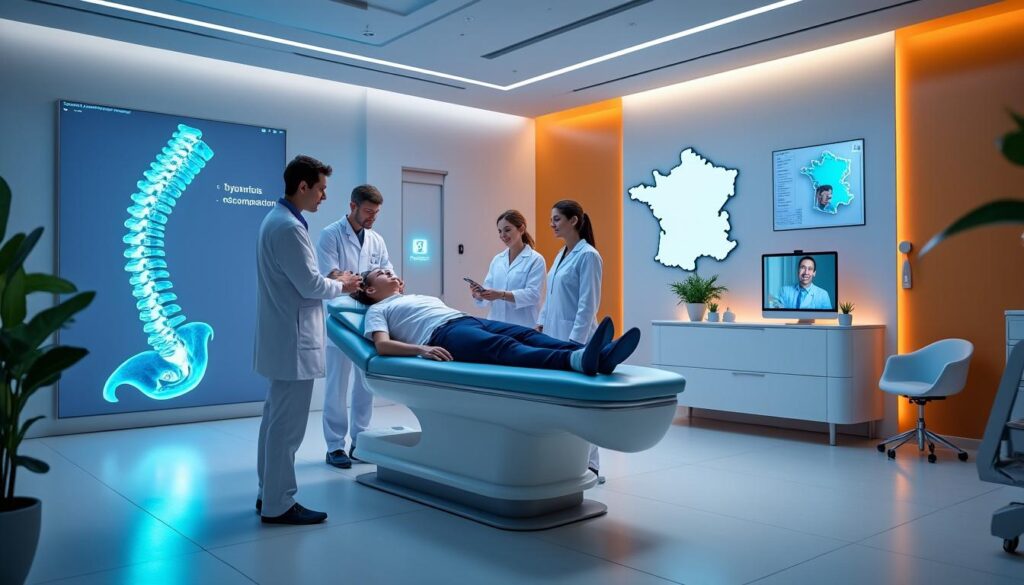
In the bustling heart of Montréal’s Ville-Marie district, a revolutionary approach to managing herniated discs is transforming patients’ lives. As chronic back pain impacts countless individuals, the quest for effective, non-invasive treatments has never been more pressing. Neurovertebral decompression therapy emerges as a beacon of hope, utilizing advanced technology and precise therapeutic methods to mitigate pain and restore spinal health without the need for surgery. This breakthrough is particularly significant in Ville-Marie, where access to innovative medical care complements the urban lifestyle and demands of its residents. Patients can now explore alternatives that prioritise their well-being, comfort, and functional recovery.
Understanding the intricacies of herniated discs is crucial in appreciating the value of neurovertebral decompression. These spinal issues often result in radiating pain, numbness, and weakness due to nerve root compression, severely diminishing daily life quality. Traditional treatments ranged from medication to invasive surgeries, each bearing challenges and risks. However, the evolution of non-surgical options such as neurovertebral decompression reflects a paradigm shift driven by scientific rigor and patient-centered care. In Ville-Marie, the integration of advanced imaging techniques, expert evaluation, and innovative therapy protocols embodies this new era, ensuring tailored treatments that respect each patient’s unique condition.
Under the expert guidance of Dr. Sylvain Desforges, a prominent figure with over 35 years of experience in spinal health and osteopathy, patients receive comprehensive evaluations and support. His leadership at Clinique TAGMED in Montréal fosters an environment where evidence-based methods and cutting-edge technologies like laser therapy and dynamic spinal implants coexist. This fusion of expertise and innovation not only accelerates recovery but also empowers patients through accessible education on their condition and treatment journey. The Ville-Marie community benefits from this unique blend, positioning neurovertebral decompression therapy as a cornerstone in chronic pain management and back pain relief.
Understanding Herniated Disc Pathophysiology and its Impact on Spinal Health in Ville-Marie
A herniated disc, commonly experienced by many in Ville-Marie and beyond, occurs when the intervertebral disc’s inner gel-like nucleus protrudes through its outer fibrous ring. This protrusion can exert pressure on spinal nerve roots, causing symptoms ranging from dull aches to debilitating sciatica. Knowledge of this pathophysiology is essential to grasp how neurovertebral decompression therapy offers targeted relief.
The intervertebral discs act as shock absorbers, maintaining spinal flexibility and evenly distributing mechanical loads. Degeneration or trauma—often exacerbated by aging, poor posture, or repetitive strain—can weaken the disc structure. In Ville-Marie’s dense urban environment, factors such as sedentary office work or physically demanding jobs further contribute to spinal stress.
This condition typically manifests with localized back pain, radiating numbness, tingling sensations, and, in severe cases, motor weakness. The loss of spinal function impacts daily activities and overall quality of life. Given these challenges, Ville-Marie healthcare providers emphasize early and accurate diagnosis, incorporating advanced imaging modalities like MRI and CT scans to delineate the extent and location of the herniation precisely.
From a clinical standpoint, neurovertebral decompression addresses the mechanical root of the problem by gently enlarging intervertebral spaces. This reduces nerve root compression and promotes rehydration of the disc, facilitating natural healing processes. This approach contrasts with conventional pain management techniques, which may focus more on symptom suppression rather than resolving the underlying cause.
In Ville-Marie, this understanding of spinal health enables a holistic vision of treatment pathways. Combining knowledge of disc pathology with personalized therapeutic interventions fosters sustainable back pain relief and functional recovery.
IntraSPINE® in Sherbrooke: A Long-Lasting Solution for Chronic Lower Back Pain
Chronic lower back pain remains one of the most pressing health concerns in Sherbrooke and beyond, impacting millions and often diminishing daily quality of life. Despite the prevalence of lumbar discomfort, many face limited access to cutting-edge treatments amidst lengthy…
Herniated Disc Care in Sainte-Julie: Why TAGMED’s Neurovertebral Decompression Therapy Stands Out
In the vibrant community of Sainte-Julie, back pain—particularly that stemming from herniated discs—has become a widespread concern affecting people from all walks of life. The relentless search for effective, non-invasive treatments has brought renewed attention to a pioneering therapy that…
Role and Expertise of Dr. Sylvain Desforges in Neurovertebral Decompression Therapy
Dr. Sylvain Desforges stands as a leading authority in spinal care and non-surgical management of herniated discs within Ville-Marie and the greater Québec region. Holding esteemed credentials including B.Sc., D.O., and N.D., he brings over three decades of clinical experience founded on rigorous scientific methodology and patient-centered ethics.
As the founder and president of the Alliance Canadienne de Médecine Alternative (ACMA), the Canadian College of Osteopaths, and Clinique TAGMED, Dr. Desforges fosters innovation that continuously refines spinal care practices. His facility in Montréal merges osteopathic principles with technology-driven neurovertebral decompression, offering patients a uniquely comprehensive support system.
Dr. Desforges’ approach prioritizes thorough evaluation over mere diagnosis. By integrating advanced imaging interpretation with hands-on clinical assessments, he precisely identifies the specific vertebral segments affected. This ensures treatments are targeted and efficient, thereby minimizing patient risks and maximizing therapeutic outcomes.
His commitment to evidence-based practice shines through his advocacy for advanced modalities such as laser therapy and dynamic spinal implants which complement decompression therapy. This blend of holistic osteopathic care and cutting-edge technology under Dr. Desforges’ leadership underscores a multidisciplinary methodology unique in Ville-Marie. The care pathways he initiates not only address pain but work towards restoring optimal biomechanical function and preventing recurrences.
Patients report a heightened sense of reassurance through his empathetic communication style, financial transparency, and transparent pathways providing access to both local treatments and international collaborations, especially transatlantic coordination between Canada and France. This comprehensive framework is supported by compliance with provincial medical regulations, including the Collège des médecins du Québec standards.
Innovative Technologies under Dr. Desforges’ Clinic
- Neurovertebral decompression devices: Computer-controlled traction tables delivering precise, individualized spinal stretching.
- Laser therapy: Promotes tissue regeneration and reduces inflammation at the cellular level.
- Dynamic spinal implants: Advanced implants supporting spinal stability and mobility, used in selective cases alongside conservative care.
- Comprehensive rehabilitation programs: Physiotherapy integration to strengthen musculature and optimize posture.
For those seeking detailed information about the treatment modalities and patient pathways at Clinique TAGMED, resources are available that explain how neurovertebral decompression can help regain a pain-free life.
Back Surgery in Trois-Rivières: Alleviating Pain While Preserving Mobility
In Trois-Rivières, Quebec, the persistence of back pain affects a substantial portion of the population seeking effective and personalized solutions. Back pain, often caused by spinal disorders or herniated discs, can drastically diminish quality of life, limiting mobility and causing…
Disc herniation remains a significant health concern in Pointe-Claire, impacting the lives of a diverse population ranging from labor-intensive workers to the aging community. The condition, characterized by the displacement or rupture of the intervertebral disc, often leads to debilitating…
Detailed Overview of a Neurovertebral Decompression Spinal Decompression Session in Ville-Marie
Experiencing a spinal decompression session can evoke curiosity and sometimes apprehension. Understanding the procedure anticipated at Ville-Marie clinics like Clinique TAGMED dispels fears and prepares patients for a positive treatment journey.
Sessions commence with a precise assessment by trained osteopaths who evaluate the herniated disc’s characteristics and the surrounding biomechanical environment. This comprehensive analysis informs the adjustment of the specialized decompression table’s settings to the patient’s specific anatomical and symptomatic profile.
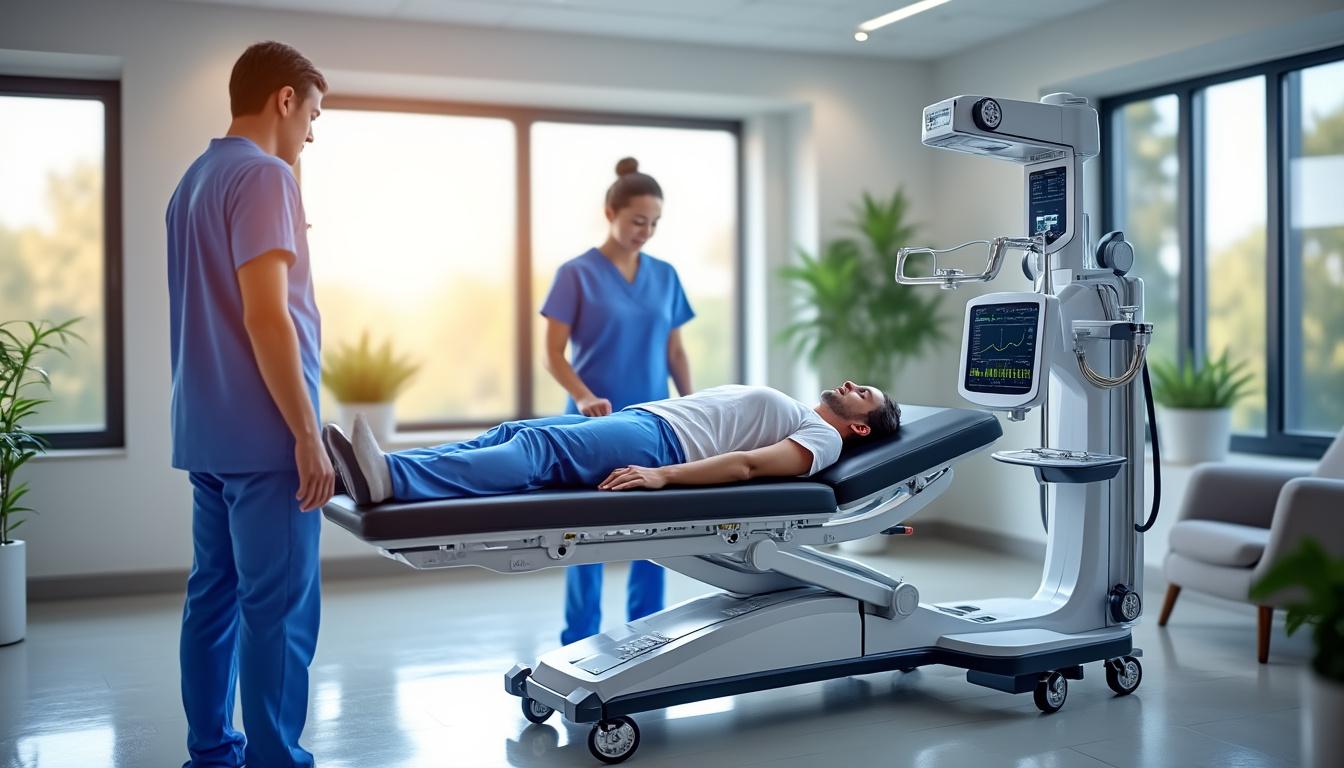
During the session, patients lie comfortably on motorized tables engineered to create intermittent, controlled traction on the spine. This produces a gentle negative pressure within the intervertebral discs, encouraging the herniated material to retract inward gradually, thus alleviating nerve compression. This non-invasive therapy contrasts starkly with harsh manual manipulations, ensuring tissue preservation and patient comfort.
Typical session duration ranges from 20 to 40 minutes, with treatment plans tailored over several weeks. The regularity and number of sessions vary based on symptom severity, imaging findings, and patient response. During treatment, patients often report sensations of relief, reduced stiffness, and progressive improvement in mobility.
Adherence to pre-session instructions, such as avoiding intense physical exertion and maintaining hydration, enhances therapy efficacy. The care team at Clinique TAGMED conducts ongoing monitoring, sometimes through follow-up imaging, to optimally adjust the treatment protocol.
The evolving session framework at Ville-Marie highlights a patient-centric design promoting relaxation, healing, and gradual restoration of spinal function.

TOPS™ in Gatineau: A High-Performance Solution for Lumbar Spine Care
In a region where chronic back pain increasingly affects quality of life, the quest for advanced and effective lumbar spine treatments is paramount. Lumbar spinal stenosis, a prevalent condition among Quebec’s aging population, often imposes persistent discomfort and mobility limitations.…
At Gouin Clinic, the landscape of herniated disc therapy has entered a transformative era marked by the integration of Personalized Treatment Plans and breakthrough Neurovertebral Decompression Therapy. This non-surgical approach is revolutionizing how spinal disorders are managed, offering patients an…
Integrating Physical Therapy in Post-Decompression Rehabilitation in Ville-Marie
Following neurovertebral decompression, physical therapy plays a critical role in consolidating treatment gains and preventing future herniated disc episodes. In Ville-Marie, kinesitherapists collaborate closely with osteopaths to deliver patient-specific rehabilitation programs.
These programs focus on recovering spinal stability by strengthening core musculature, enhancing flexibility, and correcting postural imbalances. Customized exercises prioritize gradual progression tailored to individual capabilities and symptom resolution. By reinforcing the structural supports surrounding the spine, physical therapy safeguards against disc reherniation and chronic pain relapse.
Moreover, physical therapists in Ville-Marie employ modalities such as therapeutic ultrasound, electrical stimulation, and manual techniques, integrating evidence-based interventions to facilitate tissue healing and optimize neuromuscular control. Patient education on body mechanics and ergonomics complements hands-on therapy, empowering individuals to maintain spinal health amid their daily routines.
Consistent engagement in rehabilitation and lifestyle adjustments forms the backbone of effective chronic pain management in the region. Ville-Marie benefits from these multidisciplinary efforts, providing patients with sustainable back pain relief and enhanced quality of life.


Cervical Disc Prosthesis in Quebec: Preventing Post-Operative Stiffness
Neck pain is one of the most common musculoskeletal complaints in Quebec, affecting a significant portion of the population annually. Often rooted in degenerative cervical disc diseases or herniated discs, this persistent discomfort severely impacts daily life and mobility. Fortunately,…

The prevalence of herniated disc conditions in Blainville has sparked considerable discussion and misconceptions about their causes, symptoms, and treatments. While the pain and disability associated with this spinal disorder are well documented, the emergence of non-surgical options such as…
Comparing Therapeutic Approaches for Herniated Disc in Ville-Marie: Risks and Benefits
Ville-Marie’s healthcare landscape presents diverse therapeutic options for herniated disc treatment, each with distinct advantages and considerations. A clear understanding aids patients in selecting suitable interventions in collaboration with their care providers.
| Therapeutic Approach | Duration of Treatment | Invasiveness | Expected Results | Potential Risks |
|---|---|---|---|---|
| Medication (Painkillers, Anti-inflammatories) | Short to Medium (1-6 weeks) | Non-invasive | Temporary symptom relief | Side effects, dependency risk |
| Cortisone Injections | Short (days to weeks) | Invasive (injection) | Temporary pain reduction | Infection, local side effects |
| Surgery (Discectomy, Microdiscectomy) | Variable (weeks to months) | Invasive (operative) | Mechanical removal of hernia | Operative risks, possible recurrence |
| Neurovertebral Decompression | Medium to Long (multiple weeks) | Non-invasive | Gradual, lasting pain relief and spinal function restoration | Very low, preserves spinal mechanics |
This comparison underscores how neurovertebral decompression balances efficacy and safety, offering a compelling alternative, particularly valued by patients hesitant about surgery or long-term medication. For comprehensive patient education and guidance in Ville-Marie, resources are available illustrating these treatment differences thoroughly.
Optimizing Your Neurovertebral Decompression Experience: Essential Preparation and Active Participation
The effectiveness of neurovertebral decompression therapy significantly depends on proper preparation and patient involvement throughout the process. Prior to each session, patients in Ville-Marie are advised to follow clear guidance designed to enhance comfort and therapeutic outcomes.
Key preparatory steps include wearing comfortable clothing to facilitate relaxed positioning on the decompression table, abstaining from strenuous physical activity the day before and day of treatment, and maintaining adequate hydration to improve tissue pliability. Patients also need to bring recent diagnostic imagery to ensure precise session calibration.
Active collaboration with the clinical team is encouraged, emphasizing communication about symptom changes or discomfort to adjust treatment settings promptly. The patient’s commitment to prescribed physical therapy exercises and ergonomic modifications at home plays a pivotal role in preventing recurrence and solidifying treatment benefits.
Ville-Marie’s approach to patient empowerment reflects Dr. Desforges’ philosophy that spinal care extends beyond the clinical environment into daily lifestyle practices. Engaging fully in this program creates the foundation for long-term spinal health and pain management.
Steps to maximize session benefits:
- Adhere to pre-session recommendations regarding activity and attire.
- Bring all relevant medical records and imaging.
- Communicate openly with healthcare providers during and after sessions.
- Commit to follow-up rehabilitation and lifestyle adjustments.
Patient Experiences and the Evolving Landscape of Herniated Disc Care in Ville-Marie
Living with a herniated disc presents a complex array of physical, psychological, and social challenges. Yet, the innovative neurovertebral decompression therapy available in Ville-Marie offers tangible improvements, as affirmed by patient testimonies.
Marie, a 38-year-old Ville-Marie resident, battled intense lower back pain radiating to her legs for years. After initiating neurovertebral decompression under Dr. Desforges’ care, she reports a significant decrease in pain intensity and a return to daily activities once limited by discomfort. Her case exemplifies this therapy’s capacity to restore mobility and enhance life quality without resorting to invasive procedures.
Across Ville-Marie, similar accounts emphasize the compassionate, personalized care patients receive at facilities like Clinique TAGMED. The integration of technological advancements with empathetic clinician-patient relationships bolsters confidence and motivation, critical components in adherence and recovery.
Looking ahead, the city’s growing expertise and continual innovation endorse neurovertebral decompression as a vital pillar in managing chronic pain, extending hope to a broader patient community keen to reclaim active, fulfilling lives.

What are common signs of a herniated disc?
Common signs include persistent lower back pain radiating to the legs, tingling sensations, muscle weakness, and sensory loss in the lower limbs.
Is neurovertebral decompression therapy painful?
This treatment is generally painless, conducted with the patient lying comfortably on a specialized decompression table to ensure optimal comfort during the session.
How many sessions are typically required?
The number of sessions varies with the herniation’s severity and individual response, commonly spanning several weeks with weekly appointments.
Can surgery be avoided with neurovertebral decompression?
In many cases, early and consistently followed neurovertebral decompression reduces pain significantly and helps avoid surgical intervention.
What should I do to prepare for a decompression session?
Patients should avoid strenuous exercise before appointments, wear loose clothing, stay hydrated, and bring all relevant medical images and documentation.