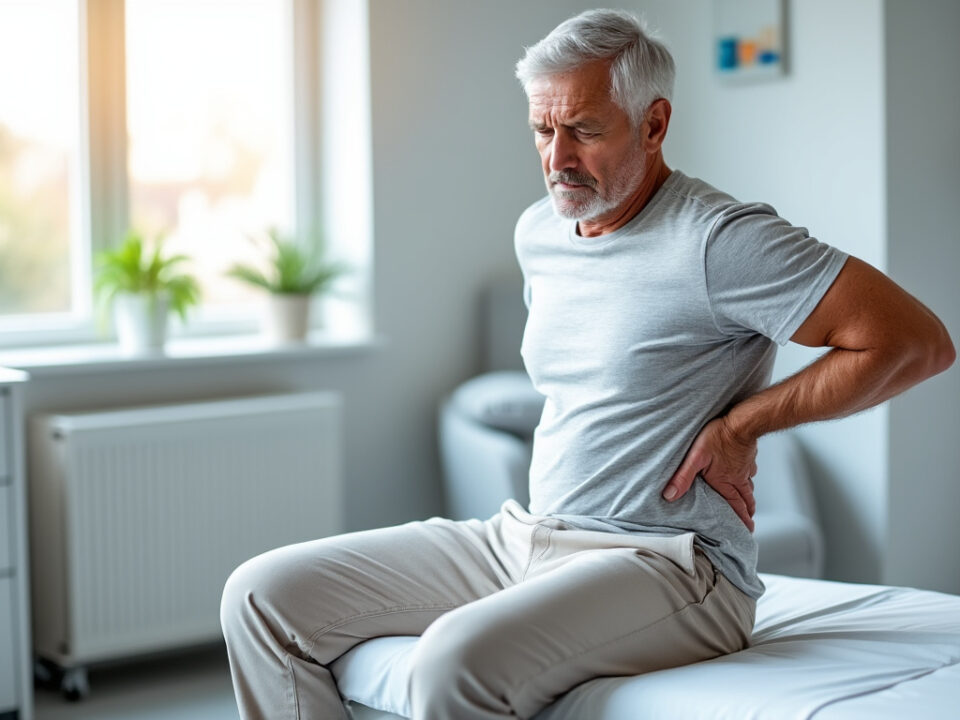
Herniated Disc in Pointe-Claire: Essential Tips for Optimal Recovery and Neurovertebral Decompression Therapy
May 16, 2026
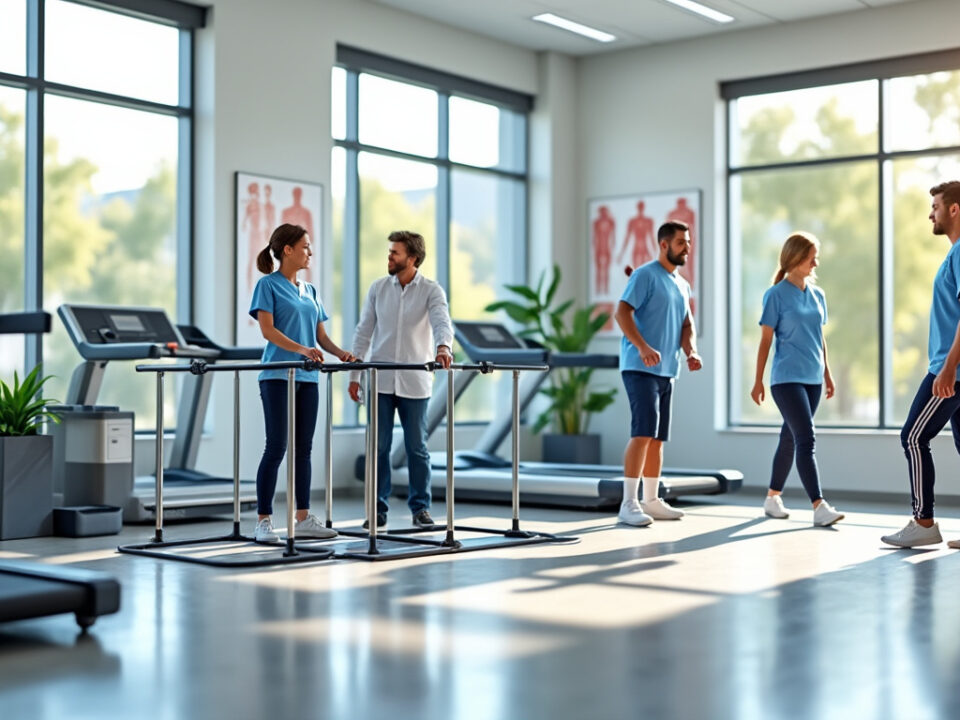
Neck Surgery in Montreal: Reduce Stiffness and Discomfort After Surgery
May 16, 2026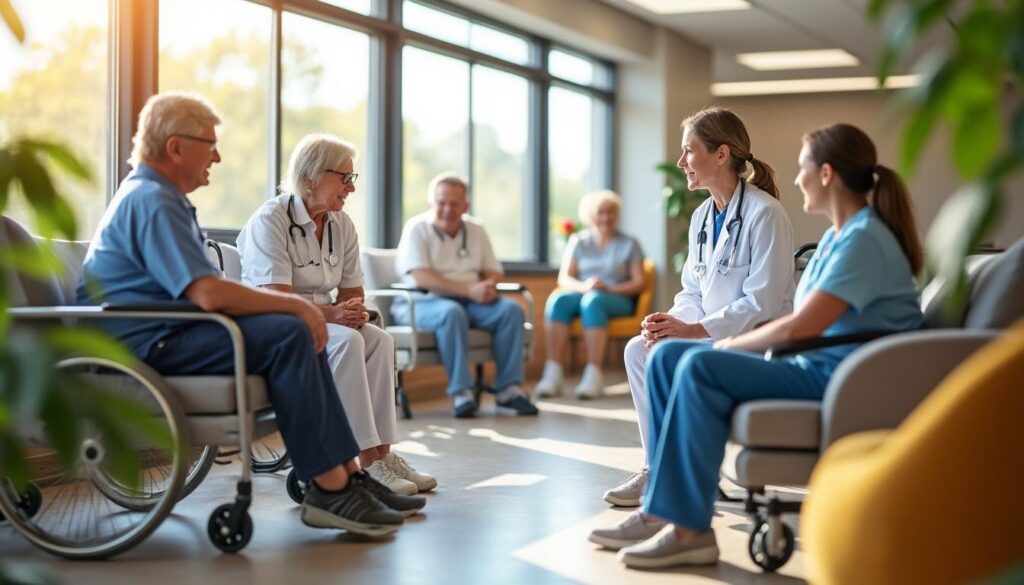
The journey to recovery following medical intervention is often marked by a complex interplay of physical healing, emotional resilience, and the unwavering spirit of patients. Understanding the nuances of patient recovery stories reveals significant insights into the healing process, offering inspiration not only to those undergoing treatment but also to healthcare professionals shaping the future of medicine. In 2026, the healthcare landscape continues to emphasize personalized care, integrating cutting-edge technologies and holistic approaches to maximize patient wellness throughout their convalescence.
Medical success is increasingly linked to effective health rehabilitation strategies tailored to individual recovery trajectories. Patient journeys showcase diverse experiences – some marked by swift progression, others by overcoming unexpected challenges, yet all united by determination and adaptation. Emotional support systems, both clinical and social, emerge as vital components, cushioning the psychological impacts often accompanying physical recuperation. By closely analyzing these recovery stories, stakeholders obtain valuable healthcare insights to refine protocols and foster environments where healing transcends the physiological, embracing the whole person’s well-being.
Unique Dynamics of Patient Recovery After Spinal Surgery: Understanding Individual Journeys
Every patient’s recovery after spinal surgery is a distinct narrative shaped by a multitude of factors, from the kind of surgical intervention to post-operative care frameworks. The recovery process can vary widely, emphasizing the necessity of personalized medical follow-up. For example, patients undergoing a simple decompression lumbar surgery may experience a different pathway compared to those treated with motion-preserving procedures or vertebral fusion (arthrodesis).
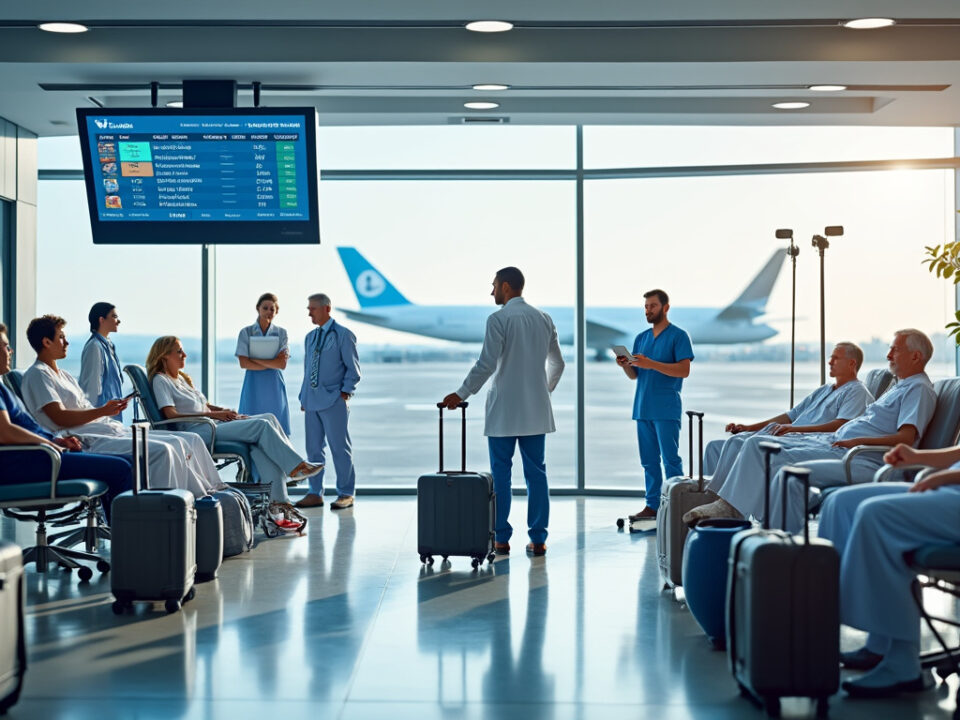
The role of specialists such as Philippe Mazaltarim, a notable expert in neuromodulation based in Montreal, illustrates how multidisciplinary care supports patients returning to Canada after undergoing spine surgery in France. Mazaltarim’s use of innovative therapies like repetitive transcranial magnetic stimulation (rTMS) highlights breakthroughs in pain management and mental health support during recovery. This dual focus on physical healing and emotional well-being is crucial for addressing the unique challenges faced by each patient. It encourages early mobilization to reduce post-surgical complications while fostering a smooth transition back to daily life and wellness.
Collaboration between international healthcare providers, medical tourism facilitators like SOS Tourisme Médical, and rehabilitation centers guarantees a seamless patient journey. This synergy offers comprehensive care plans that include regular neurofunctional assessments and ongoing neuromodulation-based treatments designed to optimize convalescence. The continuous linking of clinical data with patient testimonials enriches the overall understanding of recovery complexities, allowing better anticipation of needs and tailored interventions.
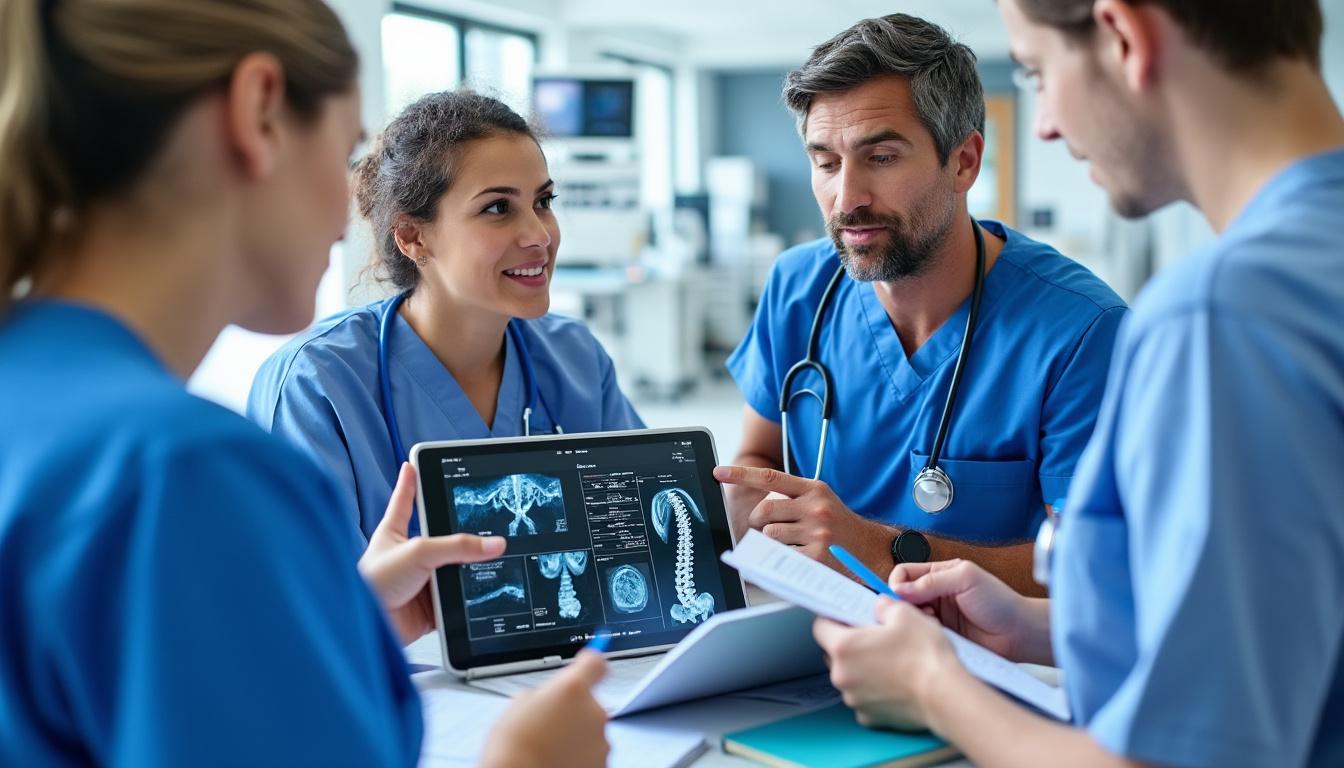

Understanding Sciatic Pain: Key Symptoms and When to Seek Medical Advice
Sciatic pain is a prevalent condition impacting a wide demographic, manifesting primarily as intense pain radiating from the lower back down the leg. This pain stems from irritation or compression of the sciatic nerve, a major nerve extending through the…
Key Phases and Clinical Recommendations in Spinal Surgery Recovery
Recovery timelines after spinal surgery are notably dependent on the surgical approach and the patient’s individual response. Understanding these phases guides both patients and healthcare providers in aligning expectations and rehabilitation protocols.
Post-operative Pain Management and Early Mobilization
In the initial days following simple lumbar decompression, managing pain effectively while encouraging gentle mobilization helps stimulate circulation and reduces risks of thromboembolic events. Progressive walking strides, initiated often within 24-48 hours post-surgery, form a cornerstone of early recovery. Such activity also prevents stiffness and aids in muscle function preservation.
Rehabilitation After Motion-Preserving Surgery
When procedures such as cervical or lumbar disc prostheses are performed to maintain vertebral mobility, recovery demands a carefully staged reeducation protocol. The mechanical strain on the spine is minimized, but ongoing monitoring ensures optimal joint mobility and muscle strength recovery. Typically, functional recovery programs last around three months, extending beyond this period based on continuous clinical evaluations.
Recovery Following Vertebral Fusion
Arthrodesis requires sustained attention to bone consolidation and implant positioning. Extended recovery phases often reach six months or more, accompanied by orthosis reinforcement in certain cases. The gradual increase in physical activity is balanced against the necessity of protecting the spinal segment, with return-to-work timelines adjusted according to occupational demands. High-intensity sports are postponed until adequate consolidation is confirmed.
| Recovery Stage | Typical Time Frame | Core Recommendations |
|---|---|---|
| Initial Mobilization | Day 1-2 | Encourage gentle walking, avoid prolonged bed rest |
| Return to Sedentary Work | 4-6 weeks after simple surgery | Gradual resumption, frequent breaks recommended |
| Engagement in Light Sports | 3 months or more depending on surgery | Strengthen muscles, avoid high-impact activities |
| Return to Intensive Activities | 6 months or longer (fusion cases) | Regular radiological and functional assessments |

The Stepwise Role of Functional Recovery in Achieving Successful Outcomes
The journey to full recovery following spinal surgery is often complex and multifaceted, demanding a meticulously structured approach to ensure optimal functional outcomes. In recent years, the concept of functional recovery through a stepwise approach has garnered significant attention in…
Motor Function and Lifestyle: Timelines for Resuming Work and Physical Activities
Setting clear expectations about when and how patients might resume work or physical activities is pivotal in achieving successful patient recovery. This timeline must be customized to each individual’s surgical procedure and health status.
On the first days post-operation, patients often begin with mild mobilization to counteract complications like blood clots and maintain muscle tone. Many can start light walking under supervision as early as the day after surgery. The return to a desk job is generally feasible between four to six weeks, though this depends on individual recovery speed and comfort levels.
Physically demanding roles, such as those involving heavy lifting or prolonged standing, usually require longer recuperation periods, often extending to three to six months, especially following more invasive procedures like spinal fusion surgery. When it comes to exercise, low-impact activities like swimming, brisk walking, or stationary biking may start at approximately three months post-surgery, fostering muscular endurance and cardiovascular fitness while avoiding undue spinal stress.
Patients are advised to postpone returning to strenuous sports such as tennis, skiing, or weightlifting until at least six months have passed and spinal stability has been assessed via imaging and functional testing.
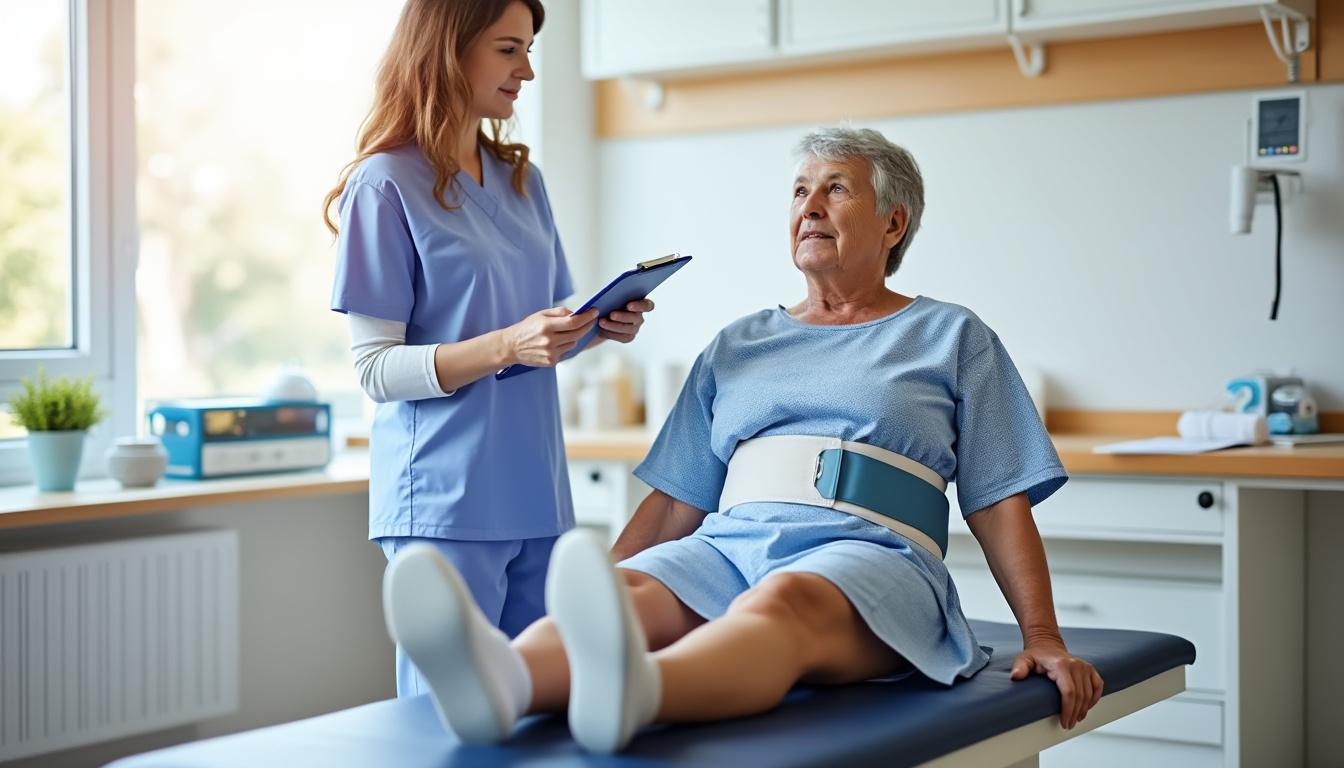

Transatlantic Patient Journey: Insights into Indications, Benefits, and Challenges
The emergence of the Transatlantic Patient Journey as a strategic model within healthcare continues to capture attention for its innovative potential, especially in specialized fields such as spinal surgery. This cross-border care pathway integrates rigorous medical evaluation from Quebec with…
Neuromodulation and Innovations in Managing Post-Surgical Pain and Mood
Among the innovative strategies enhancing patient recovery in recent years, neuromodulation techniques, specifically repetitive transcranial magnetic stimulation (rTMS), stand out for their ability to address neuropathic pain and associated psychological symptoms post-surgery. Chronic pain after spinal intervention can be debilitating, often intertwined with depressive or anxious moods, which complicate the overall healing process.
rTMS therapy, by modulating cortical excitability, alleviates persistent pain signals and improves mental health outcomes. Implemented as part of an integrative rehabilitation plan overseen by centers like Neurothérapie Montréal, rTMS complements physical therapy and psychological counseling, fostering a holistic approach to recovery. Such interventions exemplify how combining medical technology and emotional support enhances wellness and accelerates patient return to a fulfilling life.
Additional emerging technologies, including Brainport and Portable Neuromodulation Stimulator (PoNS), promote neuroplasticity and functional recovery after surgery or neurological events. These tools add depth to recovery protocols, offering hope for patients confronted with complicated or slow-healing trajectories.
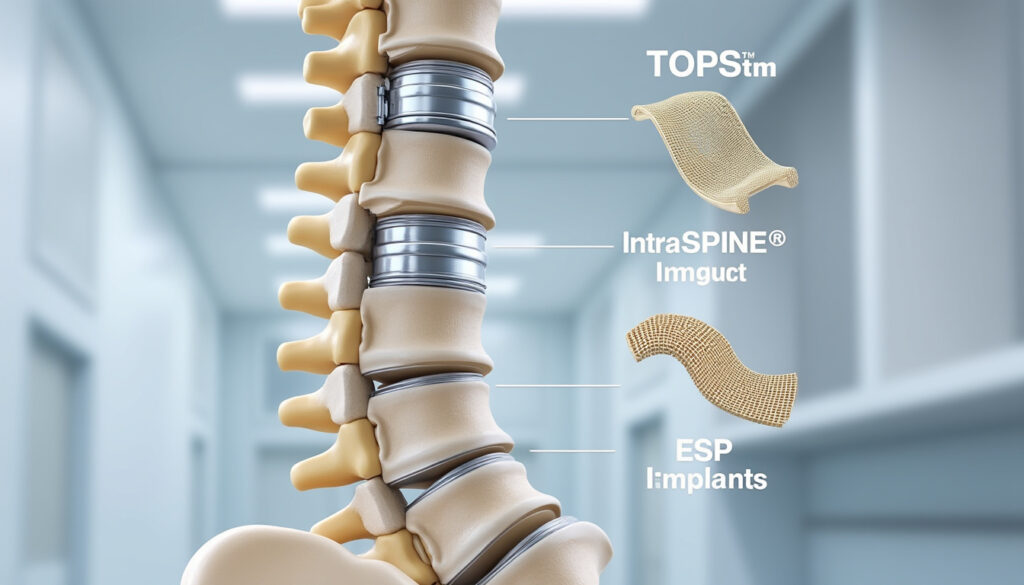
The evolving field of spinal surgery is witnessing a transformative shift, fueled by cutting-edge implant technologies such as TOPS, Intraspine, and ESP. These innovative implants redefine treatment possibilities by emphasizing preservation of natural spinal mechanics, while ensuring durable stabilization and…
Coordinated International Care Pathways: Facilitating Smooth Recovery Experiences
The increasingly global nature of healthcare, especially for Quebecois patients undergoing spinal surgery in France, mandates well-structured coordination to ensure continuity of care. Multidisciplinary teams encompassing specialists like Dr Sylvain Desforges and support organizations such as Franchir, SOS Tourisme Médical, and Neurothérapie Montréal construct a seamless patient journey.
Initial pre-operative evaluations in Quebec assess patient suitability and explore conservative alternatives when possible. Following surgery in renowned French centers, patients benefit from structured post-operative care once back home, orchestrated by experts who understand their medical history and cultural background. This cooperative approach minimizes gaps, reduces stress, and promotes adherence to prescribed rehabilitation regimens.
Such partnerships underscore the importance of trust, communication, and shared responsibility in achieving the best health outcomes. As international healthcare collaborations grow in prominence, these models serve as blueprints for elevating patient recovery standards and exemplify how global resources can be harnessed to patient advantage.
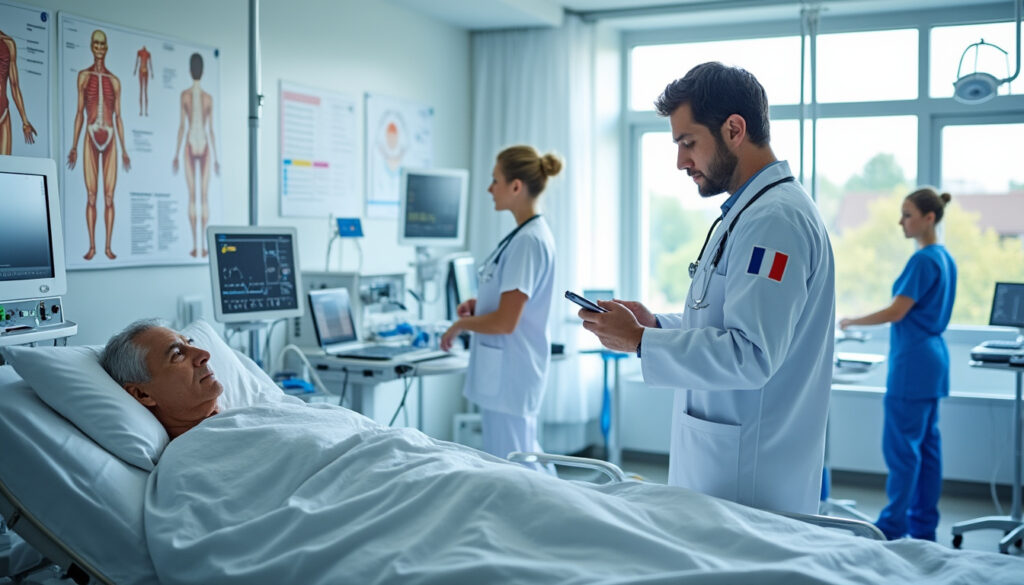
Preparing for Surgery in France: Key Indications, Benefits, and Limitations
In an evolving global healthcare landscape, France emerges as a beacon of advanced surgical expertise, particularly attracting international patients seeking expedited and innovative medical interventions. Patients from regions experiencing long wait times, such as Quebec, increasingly view France as an…
Impact of Patient Testimonials on Health Rehabilitation and Medical Practice
Patient recovery stories are more than chronicles of physical healing—they are reservoirs of emotional strength and practical lessons influencing healthcare delivery. Narratives shared by individuals post-surgery reveal essential factors impacting recovery, from family support networks to the psychological toll of extended convalescence.
The experience of patients like Julie, supported by foundations such as COS, demonstrates how community and tailored psychological assistance can dramatically improve rehabilitation outcomes. These stories frequently highlight the positive effect of multidisciplinary care, including innovative pain management techniques and mental health support.
Incorporating testimonials into clinical practices helps medical professionals refine care strategies and personalize treatment plans. They shed light on patient expectations, everyday challenges, and success factors, injecting a humanized perspective into healthcare systems traditionally focused on objective metrics.

Unveiling the Hidden Benefits of Quality and Certification in Devices
The landscape of device manufacturing and clinical application in 2026 has been fundamentally shaped by the rigorous interplay between quality management and certification processes. Within this complex framework, the hidden benefits of adhering to international standards and obtaining relevant certifications…
Top Insights for Enhancing Patient Journey Success Based on Real Experiences
The analysis of numerous recovery stories provides actionable insights that can be distilled into core principles to advance patient healing and satisfaction:
- Personalized recovery plans cater to individual needs, ensuring flexible and responsive medical follow-ups.
- Early and progressive mobilization is critical to preventing complications and preserving physical function.
- Neuromodulation techniques offer cutting-edge relief for chronic pain and psychological symptoms.
- Interdisciplinary collaboration guarantees continuity and coherence throughout the patient care pathway.
- Patient testimonials enrich clinical perspectives, highlighting areas for improvement in emotional and social support.
These elements form the foundation for transforming healthcare experiences, ensuring that patient recovery becomes a comprehensive process embracing both medical success and holistic wellness.
Comprehensive Guide to Patient Recovery Stories: Insights and Inspirations
Why Experts Advocate for Comprehensive Preoperative Evaluations
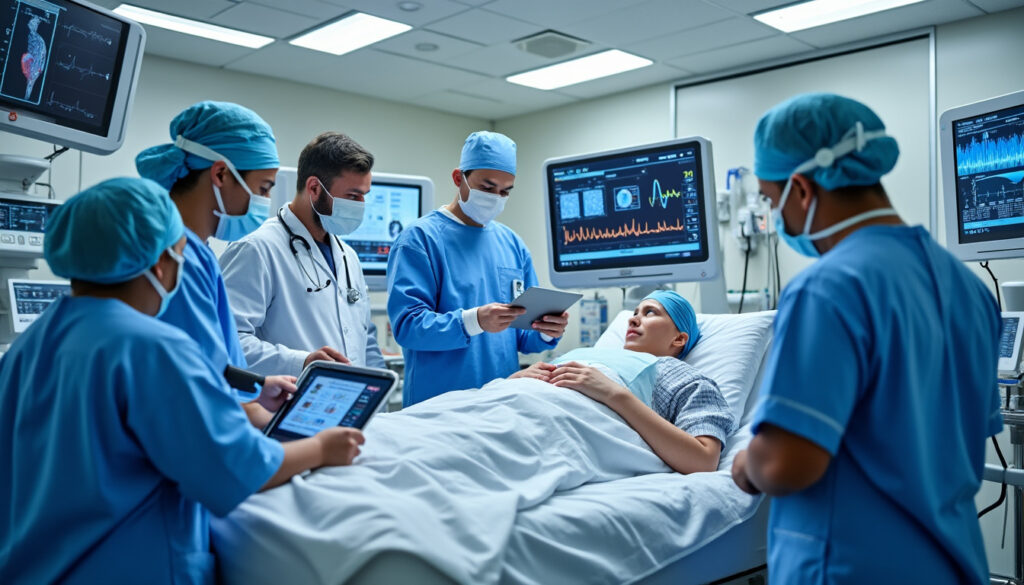
In the complex and demanding field of spinal surgery, the emphasis on comprehensive preoperative evaluations has become a fundamental pillar supporting successful surgical outcomes. These evaluations, far beyond mere routine checks, integrate detailed analyses of patient health, surgical risk assessments,…
Leveraging Patient Recovery Stories to Influence Surgical Decisions and Healthcare Improvements
Beyond individual recovery, the aggregation of patient narratives contributes significantly to the evolution of surgical practices and healthcare policies. Insight gained from these stories informs decisions regarding surgical techniques, post-operative care modalities, and integration of new technologies. For instance, reviewing real-world outcomes of minimally invasive procedures facilitates their broader adoption, enhancing patient comfort and reducing convalescence durations.
Healthcare professionals increasingly recognize the value of engaging patients actively in their recovery, fostering empowerment and adherence to rehabilitation protocols. Testimonials often spotlight the psychological adaptation required, encouraging development of resources that harness emotional support as a pillar of healing. This patient-centered approach aligns with modern medical ethics and contributes to elevating standards of care, ultimately benefiting the wider community.
The Future of Surgery Lies in Stepwise Functional Recovery
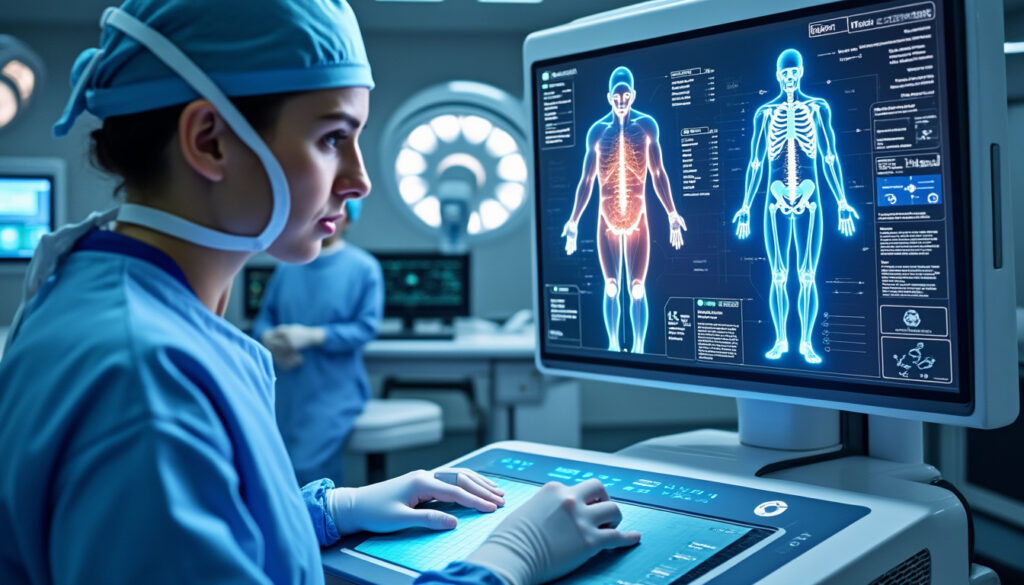
The evolution of surgical care in 2026 reveals a compelling shift toward approaches that prioritize the holistic recovery of patients, moving beyond traditional metrics like length of hospital stay or mortality rates. This modern paradigm highlights the principle that the…
List of Essential Recommendations from Patient Recovery Insights
- Adopt individualized care pathways based on surgical type and patient condition.
- Encourage early mobilization to prevent secondary health issues.
- Integrate neuromodulation strategies like rTMS for pain and mood management.
- Foster strong interdisciplinary communication and collaboration across international teams.
- Utilize patient testimonials to continuously refine healthcare delivery and patient education.
Comprehensive Visualization of Patient Recovery Timelines and Milestones
| Recovery Period | Typical Activities | Recommended Monitoring/Support |
|---|---|---|
| Day 1-7 | Early mobilization and pain management | Medical supervision, initial physiotherapy |
| Weeks 4-6 | Return to light daily activities and sedentary work | Neuromodulation support, clinical follow-ups |
| Months 3-6 | Engagement in low-impact sports and progressive strength training | Functional assessments, psychological counseling |
| 6+ months | Resumption of intensive physical activities and labor | Imaging for consolidation, long-term rehabilitation |
Patient Recovery Resources and Inspirational Stories for Continued Encouragement
Exploring documented success and recovery stories provides valuable emotional support and practical guidance for patients and their families. Platforms such as VA For Doctors’ patient story collection and Mothers Against Addiction’s recovery tales combine real-life experiences with expert commentary. These stories are instrumental in motivating individuals facing similar health challenges, illustrating the transformative power of perseverance and comprehensive care.
Medical professionals benefit from reviewing these narratives to better appreciate patient perspectives and apply learned strategies to enhance health rehabilitation processes within their own practices, fostering a culture of empathy and patient-centered excellence.

How long does recovery typically last after spinal surgery?
Recovery varies depending on the surgery type. Simple procedures may require 4 to 6 weeks for gradual activity resumption, while vertebral fusion often needs 3 to 6 months or longer, tailored through personalized follow-up.
What benefits does rTMS provide in post-surgical recovery?
Repetitive transcranial magnetic stimulation helps modulate chronic neuropathic pain and supports mental health by alleviating depressive and anxious symptoms commonly experienced after spinal surgeries.
In what way does Neurothérapie Montréal assist patients after surgery in France?
Neurothérapie Montréal offers integrated, personalized care combining neurofunctional evaluations, non-invasive neuromodulation, and clinical support to optimize post-operative recovery for patients operated on in France.
Why is international collaboration crucial in spinal surgery recovery?
Coordinated efforts among medical professionals and support organizations in Quebec and France ensure seamless transitions from pre-operative assessment to post-surgery convalescence, providing consistent patient support.
When is it safe to resume sports following vertebral fusion?
Low-impact sports may begin around three months post-surgery with caution, while more intense physical activities are generally delayed until six months or more after confirming spinal stabilization.