Lumbar Disc Herniation in Saint-Léonard: Top 3 Warning Signs and Neurovertebral Decompression Treatment Explained
November 29, 2025
Medical Logistics and Accommodation: Central Pillars in the Patient Care Journey
November 29, 2025
The decision to undergo back surgery involves numerous complex considerations that extend beyond the presence of spinal discomfort. Through an international collaboration between healthcare experts in Quebec and France, patients facing severe spine conditions now have access to advanced surgical options, coupled with a rigorous preoperative framework. This comprehensive guide explores the essential eligibility criteria for back surgery, delving into the structured medical assessments, innovative surgical techniques, and coordinated care pathways that underpin contemporary spinal surgery in 2025.
Understanding these criteria is crucial for surgical candidacy, ensuring patients receive optimal interventions tailored to their specific spinal conditions. With a focus on personalized evaluation, multidisciplinary collaboration, and cutting-edge treatment guidelines, this article provides insights that are invaluable to both patients and practitioners navigating the nuances of back surgery.
Fundamental Eligibility Criteria for Back Surgery: Defining Surgical Candidacy
Identification of suitable candidates for back surgery is grounded in a methodical medical assessment process that considers pain persistence, neurological status, and radiological findings. Chronic back pain that has not responded to six months of conservative treatment such as physical therapy or medication typically triggers eligibility evaluation. However, the nature of the pain must be precisely characterized to differentiate spine-related discomfort from other sources.
Key indicators prompting consideration for surgery include:
- Sustained chronic disabling pain unrelieved by non-surgical interventions
- Progressive neurological deficits, including motor weakness and sensory loss
- Confirmed spinal pathology on imaging such as herniated discs, spinal stenosis, or spondylolisthesis
- General health status that supports toleration of anesthesia and surgical procedures
Conversely, factors disqualifying candidates include active infections, certain cardiovascular conditions, uncontrolled comorbidities, and psychological states incompatible with successful surgical recovery. Thus, a preoperative evaluation team composed of neurologists, spine surgeons, and neurotherapists plays a pivotal role in screening.
This detailed patient selection protocol aligns with contemporary eligibility criteria for back surgery that emphasize safety and outcome optimization.
| Criteria | Favorable Indications | Major Contraindications |
|---|---|---|
| Pain | Persistent disabling pain > 6 months despite conservative therapy | Pain unrelated to spinal pathology or responsive to medical management |
| Neurological Status | Progressive motor or sensory deficits | Stable neurological deficits without progression |
| Imaging Findings | Disc herniation, spinal stenosis, confirmed vertebral instability | Active inflammatory lesions or malignancies |
| General Health | Physiologically stable for surgery | Severe uncontrolled comorbidities |

Can Rehabilitation and Return to Work Prevent the Need for Surgery?
In the constantly evolving landscape of spinal healthcare, patients and practitioners alike grapple with a pivotal question: can the rigorous pathways of rehabilitation and structured return to work reduce or even eliminate the need for surgical intervention? The answer, as…
Exploring the Overlooked Benefits of Spine Surgery in France
Spinal disorders are a significant health concern for many patients worldwide, yet the solutions and benefits of spine surgery often remain underappreciated. France, with its advanced healthcare infrastructure and pioneering surgical techniques, has emerged as a noteworthy destination for patients…
Rigorous Preoperative Evaluations: Medical Assessment and Patient Selection Processes
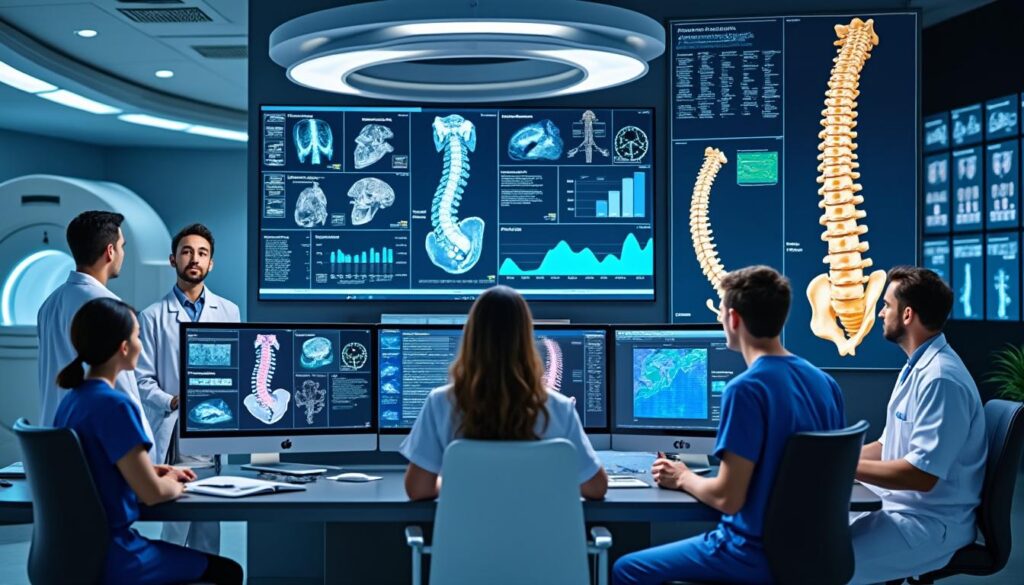
Preoperative evaluation plays a critical role in patient selection for back surgery and involves extensive clinical and radiological analysis to formulate a comprehensive treatment plan. This stage is carefully administered by specialized teams, often under expert supervision, such as the renowned group led by Dr. Sylvain Desforges at TAGMED, prioritizing precision without prematurely assigning surgical diagnoses.
The typical preoperative evaluation includes:
- Symptom analysis and clinical questionnaires: Detailed reports on pain characteristics, functional limitations, and quality of life are collected to gauge severity and daily impact.
- Imaging review: High-resolution MRI, CT, and X-rays submitted by patients undergo expert scrutiny to determine the specific spine pathologies and assess lesion extent.
- Contraindication screening: The presence of medical or psychological conditions such as infections, unstable cardiopulmonary disease, or mental health issues are identified and managed appropriately.
- Multidisciplinary consultations: Neurologists, neurotherapists, and occasionally pain specialists collaborate to tailor therapeutic strategies.
This step ensures that only patients meeting stringent treatment guidelines are forwarded for surgical consideration, improving outcomes and reducing risks. The assessment emphasizes not only the pathology but also psychosocial readiness and realistic postoperative expectations, aligning with comprehensive frameworks like those found in the musculoskeletal treatment guidelines.
| Evaluation Component | Purpose | Outcome |
|---|---|---|
| Clinical Questionnaire | Identify symptom severity and functional impact | Determine pain chronicity and disability level |
| Imaging Analysis | Diagnose structural abnormalities causing symptoms | Inform surgical planning and approach |
| Contraindication Check | Exclude conditions increasing operative risk | Enhance patient safety |
| Consultations | Integrate multidisciplinary opinions | Personalize treatment recommendations |

Cousin Spine Technology and Franchir: Transforming Surgical Decision-Making
In recent years, the integration of advanced medical technologies has dramatically shifted how spinal surgeries are planned, performed, and managed. Among the transformative developments, the alliance between Cousin Spine Technology and Franchir stands out as a pioneering force redefining surgical…
Insights from Research on Preventing Post-Laminectomy Syndrome
Post-Laminectomy Syndrome (PLS), a chronic pain condition arising after spinal surgery, remains a formidable challenge in spinal surgery and pain management. Despite advances in surgical techniques, a significant subset of patients continues to experience persistent neuropathic pain and functional limitations,…
Innovative Surgical Techniques and Patient Access: The France-Quebec Collaborative Model
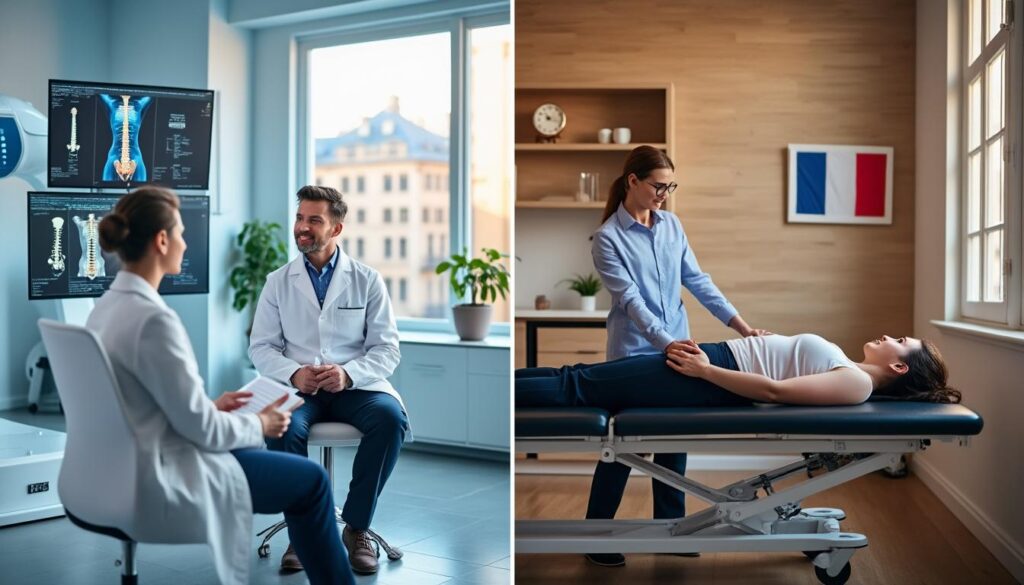
The partnership between Quebec and France has pioneered a streamlined surgical pathway for eligible back surgery candidates, facilitated in part by the company Franchir. This entity coordinates patient referrals, logistical arrangements, and personalized care, ensuring seamless access to cutting-edge surgical procedures. A vast network of over twenty specialized spine surgeons in France is leveraged to match each patient with the optimal surgical expert and facility based on pathology, implant technology, and procedural complexity.
Highlighted surgical techniques include:
- Minimally invasive and endoscopic surgeries: Designed to reduce incision size, hospitalization duration, and accelerate recovery.
- Spinal fusion (arthrodesis): Stabilization of unstable spinal segments, indicated in conditions like spondylolisthesis or fractures.
- Artificial disc replacement and dynamic stabilization devices: Systems such as the TOPS and Intraspine implants preserve spinal motion while addressing pain.
- Traditional open surgeries: Reserved for complex pathologies requiring wider exposure.
This comprehensive surgical menu offers benefits including improved functional outcomes and quality of life, with patients experiencing shorter wait times compared to domestic healthcare options. Logistical support for flights, accommodation, and transfers ensures patient welfare throughout the medical journey, complementing the state-of-the-art procedures.
| Technique | Primary Indications | Key Advantages | Average Hospital Stay |
|---|---|---|---|
| Endoscopic Surgery | Herniated disc, moderate nerve compression | Minimal invasiveness, reduced scarring, faster recovery | 1-2 days |
| Arthrodesis | Spinal instability, spondylolisthesis, fractures | Long-term stabilization, prevents displacement | 3-7 days |
| Disc Prosthesis | Disc degeneration, herniated discs | Preserves mobility, reduces adjacent segment deterioration | 2-4 days |
| Dynamic Devices (TOPS, Intraspine) | Pain syndromes, segmental instability | Maintains motion, minimizes side effects | 3-5 days |
Enhancing surgical outcomes through cross-border cooperation
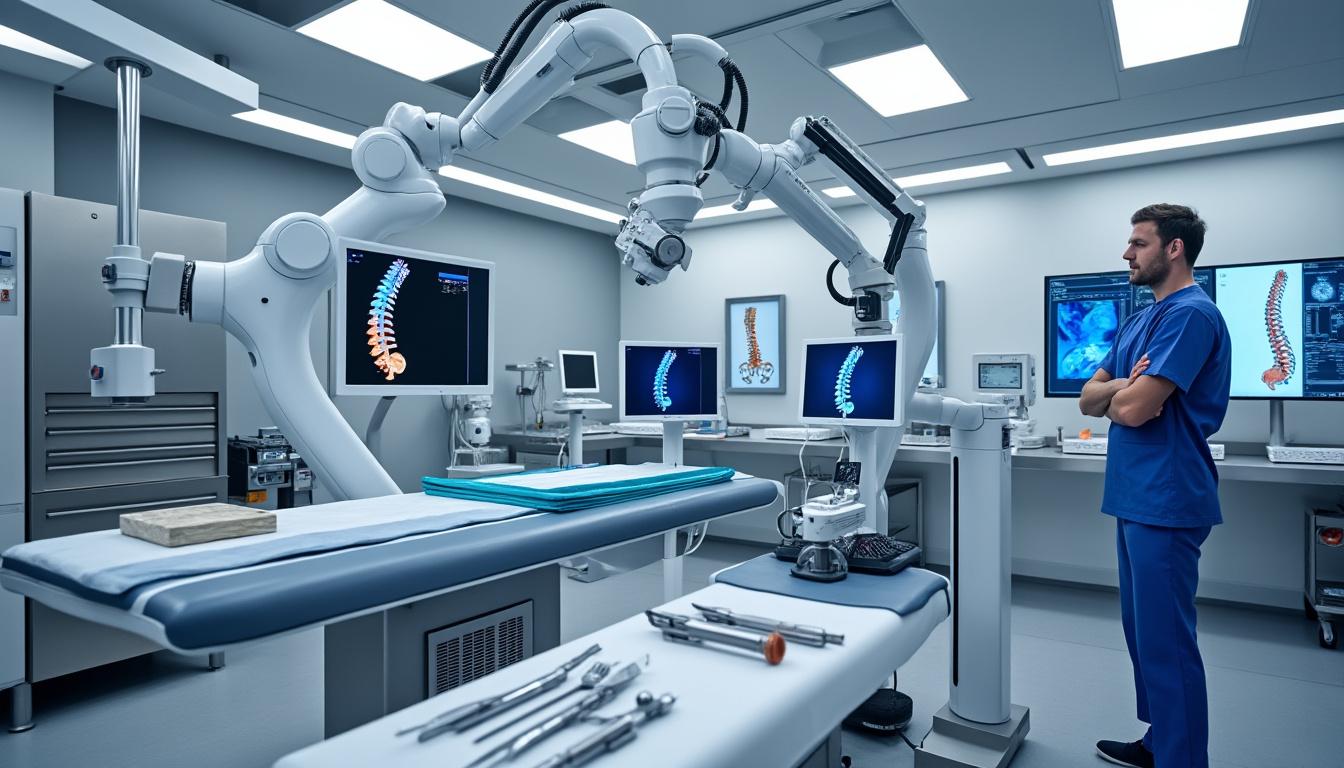
The France-Quebec collaboration benefits patients by providing access to sophisticated medical technology such as robotic spinal navigation and 3D imaging platforms. These advances improve intraoperative precision and safety, addressing surgery risks more effectively. According to a comprehensive resource on spine surgery procedures and techniques, such innovations have become standard in reputable centers.
International Comparison: Spotlight on Spine Care Practices Between France and Quebec
The growing emphasis on spine health in Quebec has spotlighted the value of international collaboration in advancing patient care. With the challenges of prolonged wait times and high private care costs in Quebec, France emerges as an attractive alternative, boasting…

Medical Logistics and Accommodation: Central Pillars in the Patient Care Journey
In the evolving landscape of global healthcare, the interplay between medical logistics and patient accommodation has become a cornerstone for effective and patient-centric care delivery. This synergy is particularly evident in the management of international patient journeys, where cross-border coordination,…
Comprehensive Postoperative Care and Rehabilitation: A Neurotherapeutic Approach in Quebec
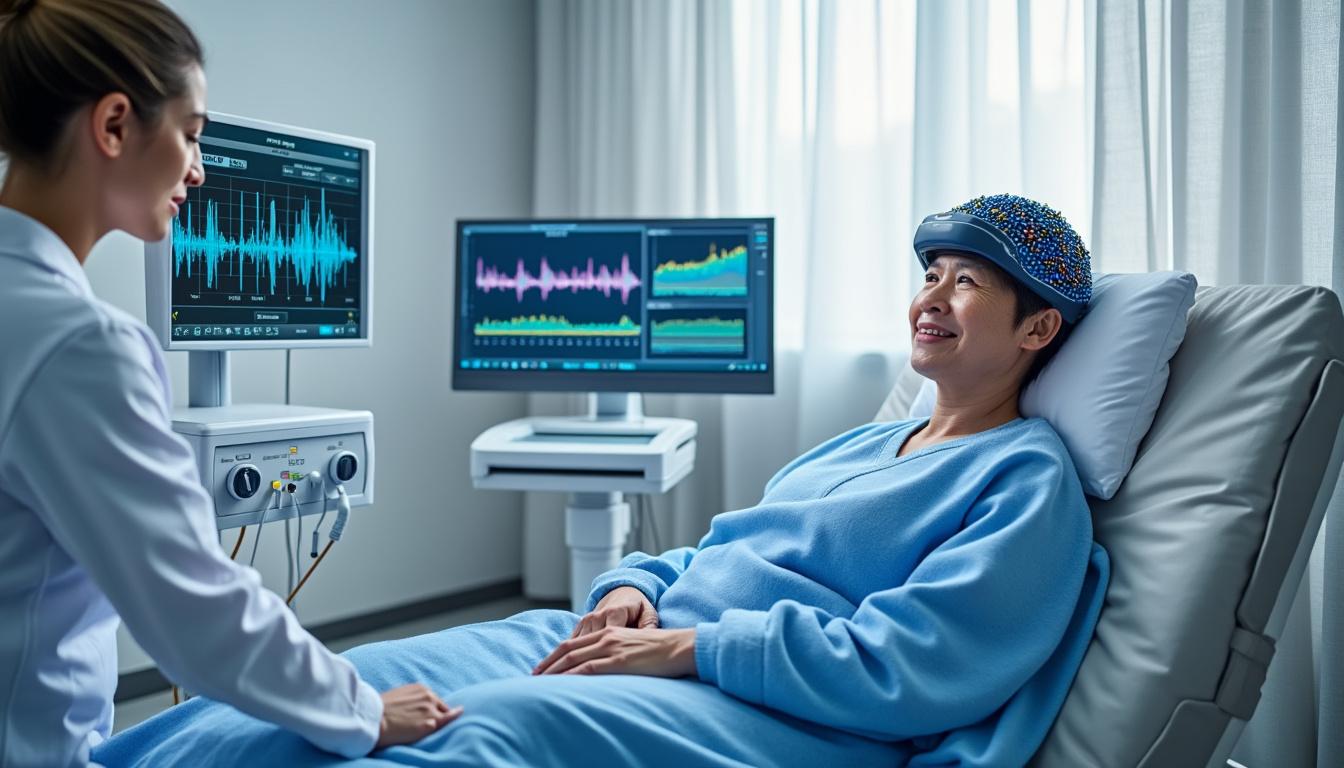
Recovery after back surgery is as critical as the surgical intervention itself. Postoperative care coordinated by Neurothérapie Montréal under the supervision of Marcel Mazaltarim is integral to the patient journey. This center implements individualized neurofunctional evaluations and therapies including biofeedback and neurofeedback to promote neuromuscular recovery and pain control after surgery.
Key protocols include:
- Initial neurofunctional assessment to identify specific rehabilitation needs
- Biofeedback and neurofeedback sessions enhancing motor control and reducing chronic pain
- Psychological support and monitoring to address emotional challenges associated with recovery
- Ongoing coordination with surgical teams in France and local healthcare providers for seamless information exchange
This tailored approach reduces complication rates and improves functional outcomes, supporting a faster return to daily activities. Detailed guidance on postoperative rehabilitation can be found in advanced references such as the article on post-operative care after back surgery in Quebec.
| Rehabilitation Stage | Description | Responsible Provider |
|---|---|---|
| Initial Consultation | Comprehensive neurofunctional evaluation and personalized advice | Neurothérapie Montréal |
| Bio/Neurofeedback Interventions | Neuromuscular recovery and pain modulation | Neurothérapie Montréal |
| Regular Follow-Ups | Assessment of healing and adjustment of therapy protocols | Neurothérapie Montréal & French surgeons |
| Functional Evaluation | Progressive mobility tests and endurance assessments | Multidisciplinary care teams |
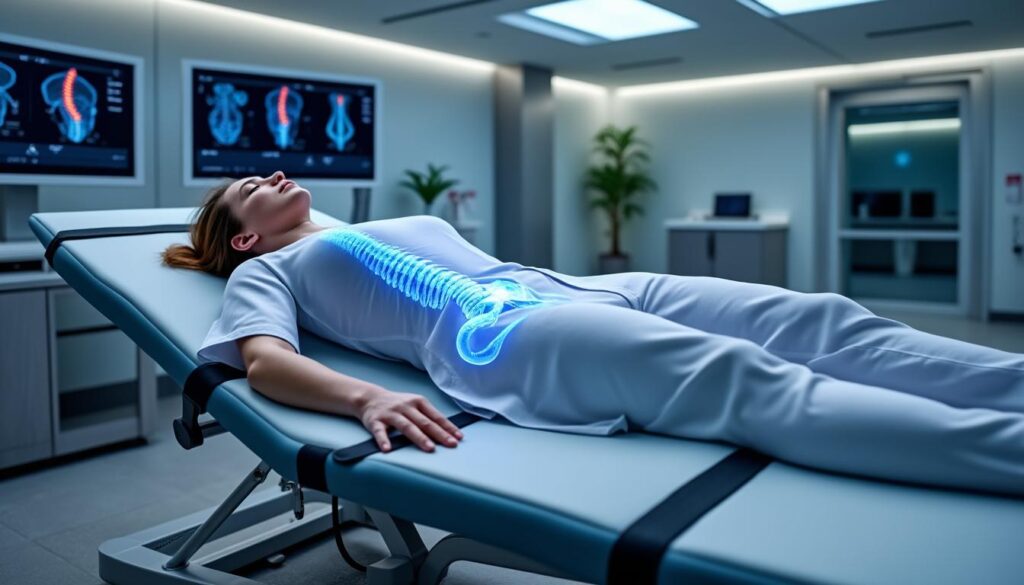
Unveiling the Hidden Benefits of Neurovertebral Decompression Therapy
Chronic back and neck pain remain pervasive health issues impacting millions, often leading to debilitating effects on daily life and overall well-being. Traditional management strategies frequently fall short due to lengthy wait times, high costs, or invasive procedures. Amid this…

What Research Reveals About Rehabilitation and Returning to Work
Rehabilitation and the process of returning to work form a complex interplay that extends far beyond physical recovery. It is a multifaceted journey involving medical treatment, psychological adaptation, workplace accommodation, and social reintegration. Research in recent years underscores the profound…
Pathologies Treatable by Back Surgery: Matching Surgical Options to Spine Conditions
Back surgery addresses a range of spinal disorders ranging from disc herniations to complex deformities. Through the Franco-Québec pathway, patients with various pathologies are offered tailored surgical solutions that best suit their clinical presentations and goals.
Common spine conditions treated include:
- Lumbar herniated discs refractory to conservative management
- Spinal stenosis causing nerve compression and neurological symptoms
- Spondylolisthesis and segmental instability requiring stabilization
- Scoliosis and spinal deformities necessitating corrective surgery
- Progressive myelopathy with deteriorating neurological signs
Selection of surgical method depends on the pathology’s severity and specific patient factors, such as mobility preservation or fusion requirements. Techniques like the use of dynamic stabilization devices—TOPS or Intraspine—offer alternatives to fusion, maintaining intervertebral motion where feasible. These approaches reflect the evolving standards in modern motion-preserving spinal surgery.
| Pathology | Surgical Technique | Advantages |
|---|---|---|
| Lumbar Herniated Disc | Endoscopic discectomy or partial fusion | Rapid pain relief, accelerated recovery |
| Spinal Stenosis | Minimally invasive decompression and fusion | Reduced nerve compression, preserved function |
| Spondylolisthesis | Spinal fusion or dynamic stabilization | Restore stability and improve posture |
| Scoliosis | Corrective surgery with fusion | Curve correction, pain reduction |
Back Surgery Eligibility Key Factors
Explore the critical factors determining eligibility for back surgery by interacting with the chart below.
Hover bars or select items for details about each eligibility factor.
Addressing Surgery Risks: Evaluating Benefits vs Limitations for Patient-Centered Care
Optimal patient outcomes require balancing the inherent risks of surgical intervention against potential benefits. Surgery risks include complications such as infection, neurological injury, and need for reoperation. Statistically, complication rates are influenced by patient selection precision, surgical technique sophistication, and perioperative care quality.
Understanding the limitations of surgery is equally vital:
- Surgery does not guarantee complete pain elimination, particularly in longstanding chronic cases.
- Recovery trajectories vary widely based on pathology and individual health factors.
- Some spinal conditions may be more effectively managed conservatively, limiting surgical candidacy.
Contemporary surgical guidelines such as those from Blue Shield of CA emphasize evidence-based criteria to weigh candidacy rigorously. Decision-making must involve comprehensive patient education about realistic outcomes and risks for informed consent.
| Aspect | Considerations |
|---|---|
| Potential Benefits | Pain reduction, improved mobility, halted neurological decline |
| Risks | Infection, neurological complications, hardware failure |
| Patient Expectations | Must be realistic and aligned with medical assessment |
| Decision Process | Shared decision-making with multidisciplinary team |
Accessible Resources and Insurance Considerations for Back Surgery Patients
Beyond clinical evaluation, navigating the financial and logistic aspects is pivotal. Understanding coverage, reimbursements, and documentation requirements can significantly influence patient readiness and access. Many patients benefit from preauthorization consultations facilitated by healthcare providers knowledgeable in insurance policies.
Important aspects include:
- Documentation of medical necessity through comprehensive clinical and imaging reports
- Clarification of coverage scope under various health insurance plans, including Medicare and private insurers
- Coordination with medical tourism facilitators for international surgical programs easing logistical burdens
- Preoperative financial counseling to estimate costs and reimbursement timelines
Resources offering guidance on navigating insurance and coverage nuances for spine interventions include detailed reviews such as Medicare coverage for spine surgery. Identifying and meeting administrative requirements streamlines the surgical journey from evaluation to recovery.
| Financial Aspect | Recommended Actions |
|---|---|
| Preauthorization | Submit detailed medical records and imaging studies |
| Coverage Verification | Consult insurer policies and clarify benefits |
| Cost Estimation | Obtain upfront pricing and anticipated reimbursement info |
| International Logistics | Work with facilitators like Franchir for travel arrangements |
What are the primary eligibility criteria for back surgery?
Patients generally qualify if they experience persistent disabling pain unresponsive to conservative treatment, progressive neurological deficits, pathologic spine imaging, and stable overall health allowing surgery.
How is the initial medical assessment conducted before back surgery?
A multidisciplinary team evaluates symptoms, imaging, and potential contraindications without premature diagnosis to determine appropriate surgical candidacy.
What advantages does surgery in France offer to Quebec patients?
Access to innovative techniques, expert surgeons, advanced implants, and comprehensive logistics support ensures superior outcomes and patient comfort.
How is postoperative care managed after back surgery?
Neurothérapie Montréal provides neurofunctional assessments and rehabilitation therapies like biofeedback to optimize recovery and minimize complications.
What role does the company Franchir play in the surgical care pathway?
Franchir organizes patient referrals, surgical appointments, travel logistics, and accommodation, streamlining the international care process.