Unlocking the Hidden Benefits of Partnered Hospitals and Surgeons
November 18, 2025
Pointe-Claire Residents Avoid Surgery for Herniated Discs
November 18, 2025
In the realm of spine health, significant advances have transformed how we approach treatments for degenerative spinal conditions. In Terrebonne, the emergence of motion surgery heralds a promising alternative to traditional spinal fusion, emphasizing the preservation of natural intervertebral mobility and enhancing patients’ quality of life. This approach aligns with a growing trend worldwide, where the focus shifts from rigid fusion methods to innovative techniques that maintain spinal flexibility while effectively managing pain and dysfunction.
Motion surgery is particularly relevant for individuals facing lumbar spine disorders, a prevalent cause of chronic discomfort and mobility limitations. By preserving the motion of spinal segments, these advanced procedures not only reduce the risk of complications associated with fusion but also support a quicker, more comfortable recovery. Expertise led by pioneers like Dr. Sylvain Desforges, who combines over 30 years of experience with a strong foundation in osteopathy and coordination of international care pathways, enriches this field with scientific rigor, ethical practice, and patient-centered innovation.
Understanding the types of motion-preserving spine surgery available, the patient journey from evaluation to rehabilitation, and the unique benefits of the Canada-France care model offers a comprehensive perspective for those considering surgical options. By addressing complex spinal issues with minimally invasive techniques and advanced implants, motion surgery in Terrebonne embodies the future of spine care. This article unfolds detailed insights to empower patients and professionals alike in making informed, confident decisions for spinal preservation and improved life mobility.
Exploring Motion Surgery: How Terrebonne Leads in Preserving Intervertebral Mobility
Motion surgery represents a ground-breaking shift in the treatment of degenerative spine conditions, with Terrebonne becoming a notable center for its application. Unlike traditional spinal fusion—which permanently immobilizes segments of the spine—motion-preserving procedures aim to eliminate pain and dysfunction while maintaining the natural movement of the spine. This is critical in preserving intervertebral mobility, which plays a vital role in overall spine health and patient functionality.
The foundation of motion surgery lies in its capacity to restore normal biomechanical function. In the lumbar region, the spine endures substantial load and stress, making preservation of motion particularly challenging yet essential. Procedures such as artificial disc replacements, facet joint replacements, and dynamic stabilization devices have been developed to maintain segmental motion and avoid the stiffness and adjacent segment disease frequently seen after fusion surgeries.
For example, lumbar disc replacement is a proven FDA-approved technique that replaces degenerative discs with artificial implants designed to mimic the spine’s natural anatomy and movement. This approach supports better posture, reduces pain, and fosters greater flexibility. Similarly, facet replacement surgeries target joint degeneration without compromising the mobility at the involved spinal segment.
Key benefits of motion surgery in Terrebonne include:
- Preservation of spinal mobility for improved functional outcomes.
- Reduction in the risk of adjacent segment degeneration (ASD), a common complication following spinal fusion.
- Minimally invasive approaches that decrease tissue trauma and accelerate recovery.
- Use of advanced implants and techniques not broadly available within Canada.
- Personalized, evidence-based care coordinated with international expertise.
This modern perspective on surgical care harmonizes with the scientific rigor and patient safety standards championed by specialists such as Dr. Sylvain Desforges. His unique expertise in spinal pathology evaluation and international care coordination ensures patients benefit from state-of-the-art procedures tailored to their specific conditions.
| Procedure Type | Purpose | Advantages | Considerations |
|---|---|---|---|
| Artificial Disc Replacement (Lumbar & Cervical) | Replace damaged discs to preserve motion | Maintains flexibility, reduces adjacent segment stress | Suitable for select degenerative disc cases without severe instability |
| Facet Joint Replacement | Address facet joint degeneration | Preserves joint function and spine mechanics | Emerging procedure; requires expert evaluation |
| Dynamic Stabilization Devices | Stabilize spine while allowing controlled motion | Less invasive, potential for quicker recovery | Still under study for long-term efficacy |
Understanding these surgical options empowers patients to make choices informed by both biomechanical science and personal health goals.

IntraSPINE® in Sherbrooke: Durable Solution for Chronic Low Back Pain
The management of chronic low back pain, a widespread condition affecting millions across Quebec and beyond, has reached a pivotal moment thanks to innovative medical technologies and coordinated care pathways. At the heart of this evolution lies the IntraSPINE implant,…
Types of Motion-Preserving Spine Surgeries Available in France
France has emerged as a leading country in offering sophisticated motion-preserving spine surgeries, creating appealing options for Canadian patients exploring alternatives to local care. The range of surgical techniques extends from outpatient endoscopic decompressions to advanced implant-based reconstructions designed to maintain segmental mobility.
The primary types of surgeries include:
- Cervical Disc Replacement: FDA-approved artificial discs replace damaged cervical vertebral discs, addressing neck and arm pain without sacrificing mobility.
- Lumbar Disc Replacement: Devices like ProDisc and Activ-L restore disc function while allowing natural movement in affected lumbar levels.
- Facet Replacement: Novel procedures such as the FDA-approved TOPS system from Premia Spine offer motion-preserving solutions for facet joint degeneration.
- Lumbar Total Joint Replacement: Cutting-edge replacements developed by 3Spine, currently in trials, aim to substitute both disc and facet joint functions while preserving motion.
- Dynamic Tethering: Innovative techniques for balancing spinal lordosis or scoliosis through flexible internal bracing without fusion.
French spine surgeons integrate these technologies with a focus on minimally invasive techniques and optimized patient recovery pathways. The availability of these advanced options often surpasses what is accessible within Canadian clinics, particularly for motion-preserving devices with extended clinical validation.
| Surgical Technique | Indications | Benefits | Stage of Availability |
|---|---|---|---|
| Endoscopic Decompression | Nerve root compression, selected lumbar stenosis | Outpatient, less tissue trauma, faster recovery | Established |
| Cervical Disc Arthroplasty | Cervical disc herniation & degeneration | Motion preservation, reduced adjacent segment problems | Widespread |
| Lumbar Disc Replacement | Degenerative disc disease without nerve impingement | Preserves spinal motion, pain relief | FDA approved but less common in Canada |
| Facet Replacement – TOPS | Facet joint degeneration with normal discs | Preserves segmental motion | Emerging |
| Dynamic Tethering | Scoliosis in youth, certain spinal instabilities | Nonfusion, maintains flexibility | Limited, experimental |
Patients curious about motion surgery in Terrebonne and the French healthcare model can benefit from consultation services that comprehensively evaluate candidacy and tailor the plan to individual needs.
Read about simple surgery, fusion techniques and motion preservation comprehensively
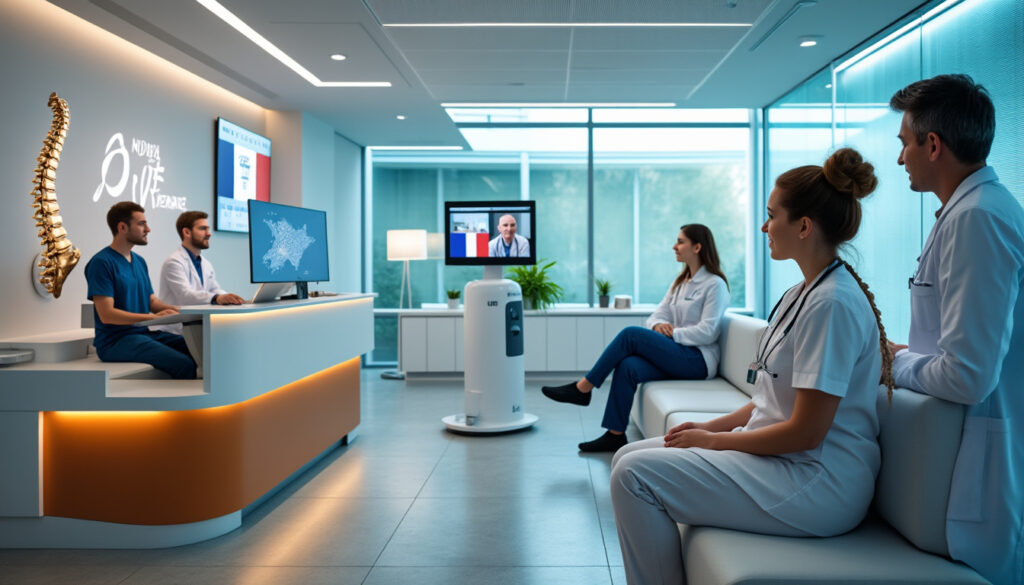
Spine Surgery in Trois-Rivières: Reduce Pain and Preserve Mobility
In recent years, spine surgery in Trois-Rivières has evolved notably, combining advanced medical expertise with innovative technologies to deliver patient-centered care. This growing field addresses the increasing demand among Quebec residents seeking effective solutions for chronic back pain and mobility…
The Patient Journey: From Initial Evaluation to Recovery in Motion Surgery
Undergoing motion surgery involves a carefully orchestrated journey guided by expert evaluation, precise planning, and dedicated follow-up care. Dr. Sylvain Desforges, as a recognized spine care expert with a multidisciplinary approach, emphasizes patient education and rigorous assessments before recommending surgical options.
The typical patient pathway can be outlined in several key stages:
- Comprehensive Clinical Evaluation: Includes medical history review, physical examination, advanced imaging studies, and biomechanical assessment of spinal function.
- Conservative Treatment Attempt: A crucial step lasting 3 to 6 months, emphasizing physical therapies, pain management, and advanced non-surgical interventions such as neurovertebral decompression offered at clinics like TAGMED.
- Specialized Motion Surgery Consultation: Evaluation by experts to determine candidacy for motion-preserving procedures, while discussing expected outcomes and potential risks.
- Preoperative Preparation: Patient education on the surgical procedure, recovery expectations, and lifestyle modifications.
- Minimally Invasive Surgical Intervention: Focused on preserving spinal mobility while alleviating pain and correcting biomechanical abnormalities.
- Postoperative Rehabilitation: Coordinated physical therapy aimed at restoring movement, strength, and endurance while minimizing complications.
- Follow-up and International Coordination: For patients undergoing treatment across borders (Canada-France), ensuring seamless post-discharge care and monitoring.
This structured pathway reflects a patient-centric philosophy aiming to optimize surgical outcomes while minimizing risks and disruption to daily life. Open dialogue and shared decision-making form the backbone of effective care, supported by ethical practices and scientific oversight.
| Journey Phase | Key Activities | Patient Expectations |
|---|---|---|
| Evaluation | Medical assessment, imaging, motion analysis | Understanding condition, options, and timelines |
| Conservative Care | Neurovertébral decompression, therapies, pain relief | Potential symptom improvement, surgery not immediate |
| Consultation | Expert review, candidacy assessment | Clarified surgical goals and risks |
| Surgery & Rehab | Minimally invasive procedure and physical therapy | Reduced pain, improved mobility |
| Follow-up | Care coordination, rehabilitation monitoring | Sustained spinal health and quality of life |
Patients in the Quebec region benefit notably from Dr. Desforges’ expertise bridging transatlantic care, ensuring best-in-class procedures are matched with comprehensive patient support.
Discover essential preparation tips for surgery in France

TOPS™ in Gatineau: High-Performance Option for the Lumbar Spine
The landscape of spinal surgery has witnessed profound evolution, particularly for patients grappling with lumbar spine disorders such as spinal stenosis and spondylolisthesis. These conditions, increasingly prevalent among Quebec’s population, impose substantial limitations on mobility and quality of life. The…
Why Conservative Treatments Must Precede Surgical Motion Preservation
It is imperative to emphasize that surgery—whether fusion, simple, or motion-preserving—should never be the immediate choice without adequate trials of conservative care. Evidence supported by Dr. Desforges, an authoritative figure with over three decades of clinical experience, confirms the necessity of exhausting non-surgical interventions before considering spine surgery.
For many spinal ailments, conservative treatments may include:
- Physical therapy focused on strengthening and flexibility.
- Advanced neurovertebral decompression methods available at Clinique TAGMED, utilizing cutting-edge technology.
- Pain management with medications or injections when appropriate.
- Postural education and ergonomic adjustments.
- Patient engagement in lifestyle changes supporting spine health.
Ensuring that these measures are thoroughly tried for a minimum of 3 to 6 months is critical. If patients have not previously undergone modern decompression therapies such as those provided at Clinique TAGMED, it is strongly recommended to pursue these conservative options prior to surgery. This step can reduce unnecessary surgical interventions and improve long-term outcomes.
This cautious, scientifically grounded approach reflects the ethical and evidence-based standards upheld by Dr. Desforges and his teams, ensuring every patient receives the most appropriate personalized care.
| Conservative Treatment | Purpose | Implementation | Expected Benefits |
|---|---|---|---|
| Physical Therapy | Strengthen musculoskeletal support | Guided exercise regimens | Reduced pain, improved mobility |
| Neurovertebral Decompression | Relieve nerve pressure | Non-invasive, technology-based therapy | Symptom improvement, surgery deferred |
| Pain Management | Control inflammation and discomfort | Medication, injections | Enhanced daily function |
| Postural Education | Improve spinal alignment | Ergonomic coaching | Prevents worsening condition |
| Lifestyle Adjustments | Support overall spine health | Patient-driven changes | Long-term maintenance |
Patients are encouraged to engage actively in their care and consult with qualified professionals to optimize their conservative treatment phase.

Cervical Disc Prosthesis in Quebec City: Avoid Post-Surgery Stiffness
Chronic neck pain remains a significant challenge for thousands of residents in Quebec City every year, often leading them to seek effective spinal surgery options that minimize downtime and maximize long-term mobility. Among the recent advancements revolutionizing cervical spine care,…
Biomechanical and Economic Benefits of Motion Surgery Compared to Fusion
Motion surgery offers considerable biomechanical advantages over spinal fusion, directly influencing patient outcomes and healthcare economics. Traditional fusion eliminates movement at affected segments, which often leads to compensatory stresses on neighboring vertebrae, accelerating degeneration – a problem known as adjacent segment disease.
By contrast, motion-preserving procedures restore or maintain the spine’s natural dynamics and load distribution. This biomechanical fidelity helps maintain overall spinal alignment and reduces secondary pathology risks. For instance, cervical disc arthroplasty maintains physiological motion post-surgery, enabling patients to enjoy better functional outcomes in the long term.
From an economic perspective, motion surgery can reduce long-term costs associated with additional surgeries for adjacent segment disease, ongoing pain management, and loss of productivity. Although initial procedure costs may be comparable or slightly higher due to advanced implants, the overall value improves significantly through preserved mobility and reduced complication rates.
| Aspect | Motion Surgery | Spinal Fusion |
|---|---|---|
| Biomechanical Effect | Preserves segmental mobility and load distribution | Eliminates segmental motion, increases adjacent stress |
| Recovery | Less invasive, quicker functional restoration | Longer healing, potential stiffness |
| Complication Rate | Lower incidence of ASD and revision surgeries | Higher risk of ASD and subsequent interventions |
| Economic Impact | Potentially reduced long-term healthcare costs | Possibility of cumulative expenses from secondary surgeries |
Experts like Dr. Desforges continuously advocate for motion-preserving techniques, positioning them as the future standard for appropriate spinal surgery candidates.
Learn more about motion preservation benefits and strategies
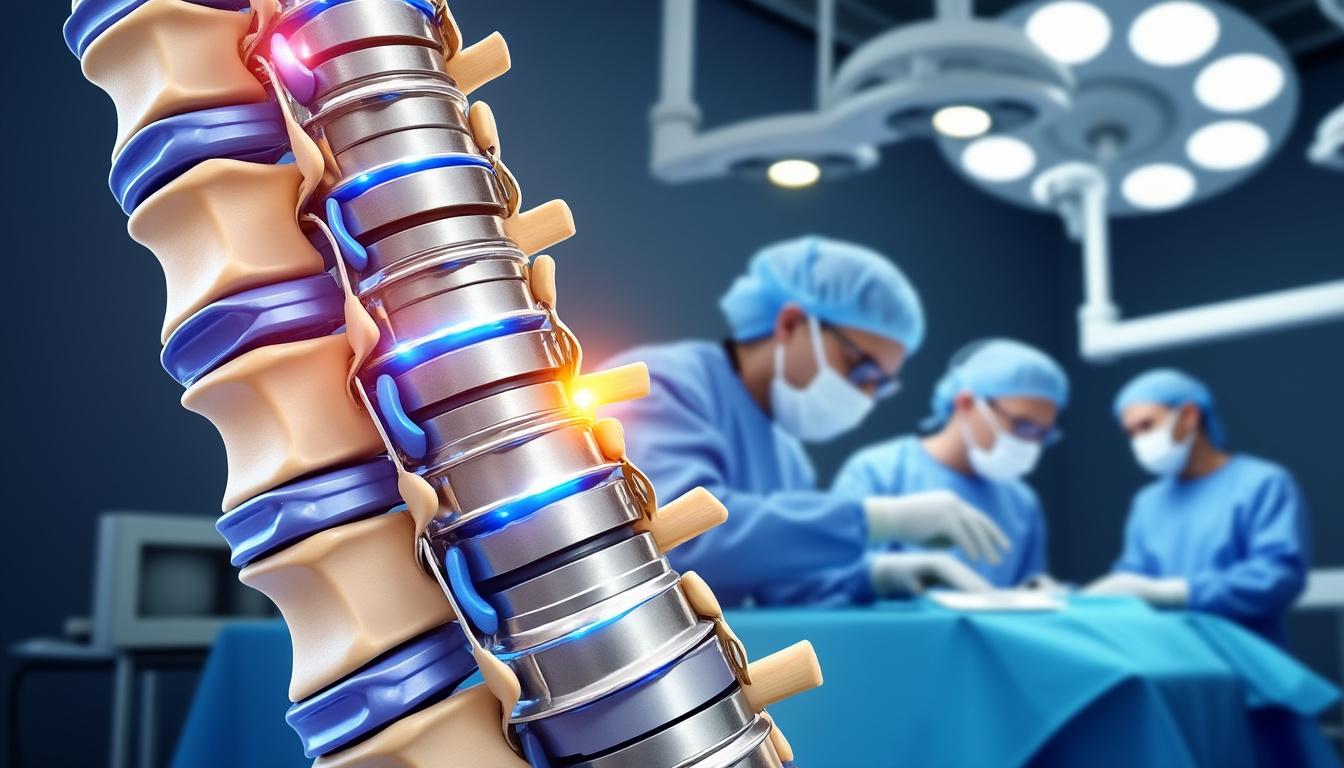
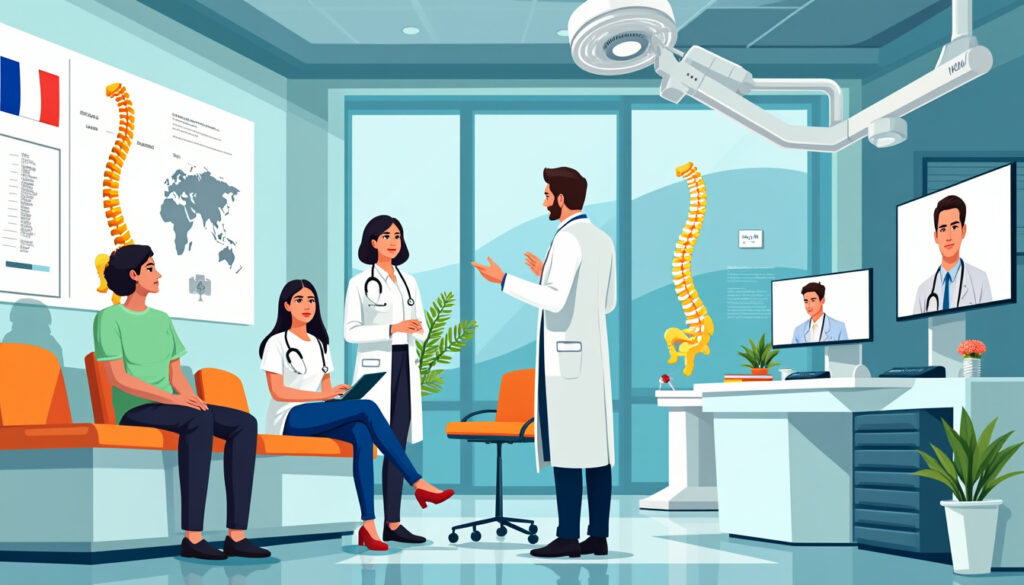
Minimally Invasive Surgery in Longueuil: Reduce Hospital Stay Duration
In recent years, advances in spinal care have dramatically reshaped the treatment landscape for patients suffering from debilitating spinal conditions. Particularly in Longueuil, the emergence of minimally invasive surgery (MIS) techniques offers a transformative alternative to conventional open surgeries. These…
The Role of International Coordination in Enhancing Motion Surgery Outcomes
The transatlantic coordination between Canadian and French healthcare providers exemplifies a new paradigm in spine care, especially in the context of motion surgery. This partnership enhances access to advanced techniques, shortens wait times, and offers patients personalized treatment pathways combining the best of both systems.
Dr. Sylvain Desforges’ leadership in coordinating these international care journeys ensures continuity and quality at every stage, from initial consultation to post-operative rehabilitation. Through collaborations with reputed French surgical teams and facilities, patients receive innovative care that may not yet be widely accessible in Canada, including access to the latest motion-preserving implants and minimally invasive technologies.
Beyond clinical advantages, international coordination facilitates:
- Streamlined scheduling to reduce treatment delays.
- Comprehensive pre-travel consultations and education.
- Postoperative monitoring with both domestic and overseas partners.
- Customization of care plans to patient lifestyle and needs.
- Integration with platforms such as SOS Tourism Medical for streamlined logistics.
Such a multidisciplinary, bi-national approach underscores the importance of holistic patient-centered care, combining scientific innovation with compassionate support and ethical practice. It also aligns with Dr. Desforges’ commitment to demystifying complex treatments and empowering patients through clear communication.
| Coordination Element | Benefit | Impact on Patient |
|---|---|---|
| International Consultations | Timely assessment and planning | Reduced anxiety, faster decision making |
| Surgical Expertise Sharing | Access to advanced procedures | Improved clinical outcomes |
| Logistics Support | Facilitated travel and accommodations | Smoother treatment journey |
| Follow-up Care Coordination | Consistent monitoring across borders | Enhanced recovery and safety |
| Patient Education | Clear communication of care steps | Empowered, informed consent |
Discover how French expertise enhances spine surgery outcomes
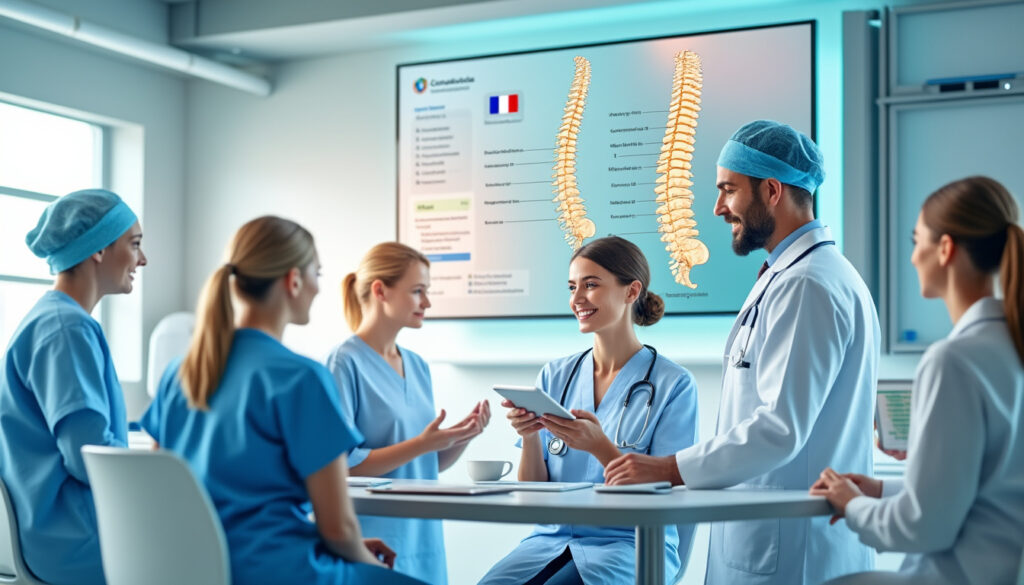
IntraSPINE® in Laval: Modern Solution for Lumbar Stabilization
In the evolving landscape of orthopedic treatments, the city of Laval has become a hub for innovations addressing chronic lower back pain. Among the groundbreaking solutions gaining attention is the IntraSPINE device—a modern spinal implant designed to offer dynamic lumbar…
When Should Motion Surgery Be Considered? Guidelines for Patients
Determining the appropriate timing for motion surgery is a nuanced decision that balances patient symptoms, imaging findings, and previous treatment responses. Fundamental guidelines stipulate that motion-preserving surgery should only be contemplated after adequate conservative management has failed to relieve symptoms.
A minimum of 3 to 6 months of non-surgical care, including advanced decompression therapies like those at Clinique TAGMED, is essential to optimize patient outcomes and avoid premature surgical interventions. Candidates for motion surgery typically present with persistent, activity-limiting pain due to conditions such as degenerative disc disease, facet joint arthropathy, or spinal instability that impair mobility.
Conversely, certain scenarios dictate that motion-preserving options may not be suitable, including:
- Severe spinal deformities requiring rigid stabilization.
- Significant trauma or spinal tumors compromising vertebral integrity.
- Excessive instability that cannot be addressed with dynamic devices.
- Patients with contraindications for surgery or anesthesia.
Engagement in detailed evaluation sessions led by spine experts ensures that patients understand the potential risks and benefits, enabling truly personalized decision-making aligned with their goals and lifestyle.
| Patient Profile | Recommended Treatment Pathway | Reasoning |
|---|---|---|
| Persistent Degenerative Disc Disease | Motion-preserving surgery after conservative care | Preserves mobility and reduces risk of ASD |
| Facet Joint Degeneration | Possible facet replacement or dynamic stabilization | Maintains segmental function |
| Spinal Deformities | Spinal fusion preferred | Necessary to correct alignment |
| Previous Failed Conservative Treatments | Reevaluation for potential motion surgery | Ensures comprehensive management |
Learn more about eligibility criteria for back surgery
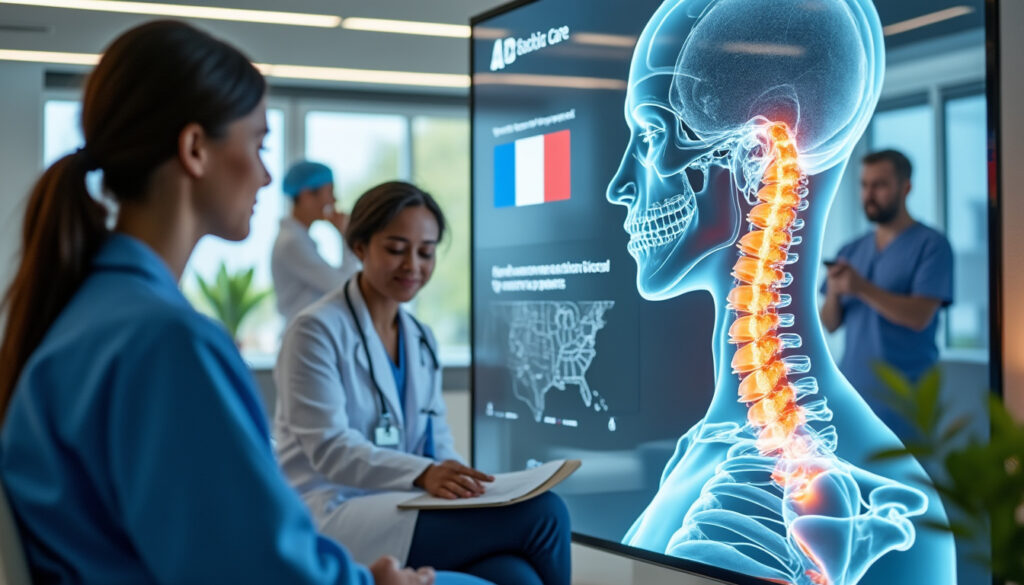
Neck Surgery in Montreal: Maintain Cervical Flexibility and Function
Neck conditions causing persistent pain or functional loss place a substantial burden on individuals and healthcare systems, especially in urban centers like Montreal. Surgical interventions targeting the cervical spine have evolved tremendously, aiming not only to relieve symptoms but to…
Unique Value of Motion Surgery Services: Innovation and Patient-Centric Care
The motion surgery offerings coordinated by Dr. Sylvain Desforges reflect a unique blend of scientific innovation, clinical expertise, and personalized patient care. Services stand out due to careful selection of state-of-the-art implants, access to technologies rarely found in Canadian settings, and a comprehensive approach covering preoperative assessment through thorough postoperative management.
Collaboration with multidisciplinary teams ensures that every patient receives tailored interventions addressing both physical and psychological aspects of spinal health. Clinics like TAGMED exemplify this commitment by integrating advanced decompression technologies into treatment algorithms, improving conservative care outcomes and thereby potentially reducing unnecessary surgical procedures.
Essential features of this bespoke service model include:
- Access to high-tech, minimally invasive surgical options.
- Enhanced safety protocols conforming to Quebec and Canadian medical standards.
- Transdisciplinary coordination between osteopathic, surgical, and rehabilitative specialists.
- Patient education and empowerment through clear, jargon-free communication.
- Support for international patients navigating cross-border healthcare.
This holistic and innovative care philosophy emphasizes patient well-being above all, ensuring treatments are aligned with individual needs, aesthetics, and expectations.
| Feature | Description | Patient Benefit |
|---|---|---|
| Selective Implant Use | Advanced, motion-preserving devices | Optimized function and longevity |
| Multidisciplinary Team | Integration of osteopathy, surgery, rehab | Comprehensive care experience |
| Patient Education | Clear explanations without jargon | Informed decision-making |
| International Care Coordination | Cross-border treatment navigation | Smooth, stress-reducing process |
Harnessing these advantages, motion surgery programs in Terrebonne serve as exemplars for the integration of innovative science and compassionate clinical care.
Explore why experts endorse motion-preserving spinal surgeries

Disc Prosthesis in Lévis: Quick and Long-Lasting Results
Chronic back pain caused by degenerative disc disease continues to profoundly impact the quality of life for many residents in Lévis and the broader Quebec area. For decades, traditional spinal fusion surgery has been the primary solution for alleviating severe…
Empowering Patients: Knowledge, Trust and the Path Forward
Patients facing the prospect of spine surgery often feel a blend of hope and apprehension. A cornerstone of care under Dr. Desforges’ guidance is building trust through education and personalized support. Understanding the intricacies of motion surgery, its indications, and limitations helps demystify the process and encourages active participation in treatment planning.
Patients are urged to ask questions, seek second opinions, and consider all conservative options before proceeding. Recognizing each case’s uniqueness, the care team tailors recommendations to individual structural, functional, and lifestyle aspects. This ensures confidence in the chosen pathway and promotes positive outcomes.
Helpful strategies for patients include:
- Engaging openly with care providers about symptoms and concerns.
- Researching reputable sources on motion surgery and spine health.
- Participating actively in conservative treatment phases.
- Preparing mentally and physically for surgical interventions if needed.
- Establishing a supportive network for postoperative recovery.
By fostering a collaborative and transparent environment, patients gain the reassurance and motivation needed to pursue spinal preservation confidently.
| Patient Empowerment Strategy | Purpose | Expected Outcome |
|---|---|---|
| Open Dialogue | Share symptoms, goals, and expectations | Customized care plan |
| Informed Research | Understand motion surgery options | Better decision-making |
| Active Treatment Participation | Maximize conservative care effectiveness | Potentially avoid or delay surgery |
| Recovery Preparation | Physical and mental readiness | Smoother rehabilitation |
For more information or to discuss your case, visit our contact page
What distinguishes motion surgery from traditional spinal fusion?
Motion surgery preserves the natural movement of spinal segments by using implants or techniques that maintain flexibility, whereas spinal fusion eliminates motion by permanently joining vertebrae. This preservation aids in reducing complications such as adjacent segment disease.
Is motion surgery suitable for all lumbar spine conditions?
Motion surgery is best suited for select conditions such as degenerative disc disease or facet joint degeneration without severe deformities or instability. A thorough evaluation by a spine specialist is necessary to determine candidacy.
Why is a trial of conservative treatment essential before considering surgery?
Conservative treatments like neurovertebral decompression, physical therapy, and pain management can relieve symptoms for many patients, reducing the need for surgery. Surgery is considered only when these treatments have been insufficient after 3 to 6 months.
How does international coordination improve surgical outcomes?
Coordinated care between Canadian and French healthcare systems ensures access to advanced technologies, timely treatment, and consistent follow-up, creating a more comprehensive and supportive patient experience.
What should patients expect during postoperative rehabilitation?
Rehabilitation focuses on restoring strength, flexibility, and spinal function while minimizing complications. It involves personalized physical therapy and close monitoring, supported by an interdisciplinary team across international partnerships.