Discal Hernia in Saint-Hubert: Expert Tips for Optimal Recovery and Neurovertebral Decompression Therapy
November 30, 2025
Exploring the Overlooked Benefits of Spine Surgery in France
December 1, 2025
In recent years, the integration of advanced medical technologies has dramatically shifted how spinal surgeries are planned, performed, and managed. Among the transformative developments, the alliance between Cousin Spine Technology and Franchir stands out as a pioneering force redefining surgical decision-making. This collaboration blends innovative spinal implant solutions with expert logistical coordination, creating a comprehensive care pathway that spans continents and brings cutting-edge surgery within reach for patients, particularly in Canada and Quebec seeking treatment in France. This fusion of high-tech medical devices and patient-centric organizational support epitomizes a future where precision, accessibility, and patient outcomes converge.
The evolution of spine surgery technology has been shaped by decades of research and clinical expertise. Cousin Spine, an offshoot of the venerable Cousin Surgery company, has consistently pushed the boundaries in developing implants that not only stabilize but also preserve spinal mobility. Their technologies, such as BDyn and IntraSPINE, exemplify this paradigm shift away from traditional spinal fusion towards dynamic stabilization techniques. Meanwhile, Franchir complements this medical innovation by orchestrating the entire patient journey—from meticulous preoperative evaluation with specialized Canadian teams to seamless surgical appointments in French centers renowned for spinal care excellence. The resulting synergy between product innovation and logistical mastery offers a tailored and scientifically rigorous surgical decision support system.
Spine surgery today demands more than exceptional implant design; it requires smart integration of surgical innovation, detailed diagnostics, and personalized patient support mechanisms. As healthcare technology evolves, partnerships like Cousin Spine and Franchir pave new avenues for enhanced patient safety, optimized surgical outcomes, and a smoother recuperation process, thereby transforming the very fabric of decision-making in spine surgery.
Innovative Cousin Spine Technology Driving Advances in Spinal Surgery
The rapid advances in spinal implant technology have fundamentally altered the treatment strategies for spinal disorders. Cousin Spine Technology leads the charge with a focus on dynamic stabilization exploiting implantable textile expertise combined with biomechanical innovations, offering alternatives that maintain natural spinal motion while providing robust stability.
Key implants such as BDyn offer a comprehensive dynamic posterior stabilization system designed to address lumbar spinal instabilities. Unlike traditional fusion, which eliminates motion at the operated segment, BDyn allows controlled mobility, which significantly reduces adjacent segment degeneration and post-operative morbidity. This implant is particularly effective for cases involving moderate vertebral instability and spinal stenosis, demonstrating a successful balance between support and flexibility.
IntraSPINE serves as another cornerstone technology. As a minimally invasive interspinous spacer, it functions as a mechanical shock absorber between vertebrae, relieving pressure on neural elements without the need for extensive bone removal or canal opening. Its application in managing moderate spinal canal narrowing leads to less postural pain and enhanced patient mobility, making it ideal for current trends favoring less invasive surgery.
TOPS (Total Posterior Solution) represents the pinnacle of spinal segment stabilization technology. Approved under stringent EU-MDR and FDA certifications, TOPS provides advanced segmental stabilization while preserving physiological vertebral movement. It caters especially to severe spondylolisthesis and segmental instability, bringing a sophisticated alternative to fusion surgeries traditionally associated with prolonged recovery and diminished spinal function.
Benefits of Cousin Spine Implants:
- Preservation of natural spinal motion reducing long-term joint deterioration
- Lower morbidity compared to fusion surgeries
- Compatibility with minimally invasive surgical approaches enhancing recovery speed
- Regulatory approvals ensuring safety and efficacy
- Clinically validated performance supported by international studies
| Implant | Primary Indications | Key Advantages | Certifications |
|---|---|---|---|
| BDyn | Lumbar spinal instability, moderate stenosis | Preserves motion; reduces postoperative pain | EU-MDR |
| IntraSPINE | Moderate spinal stenosis | Minimally invasive; mechanical shock absorber | EU-MDR |
| TOPS | Spondylolisthesis, severe segmental instability | Maintains physiological spinal motion | EU-MDR, FDA |
These innovations are accessible through a network of specialized centers in France, including those in Bordeaux, Toulouse, and Le Mans, where experienced spine surgeons implement these new technologies supported by continuous patient outcome monitoring and data-driven surgical decision-making. Learn more about their groundbreaking work on Cousin Surgery spine implants.
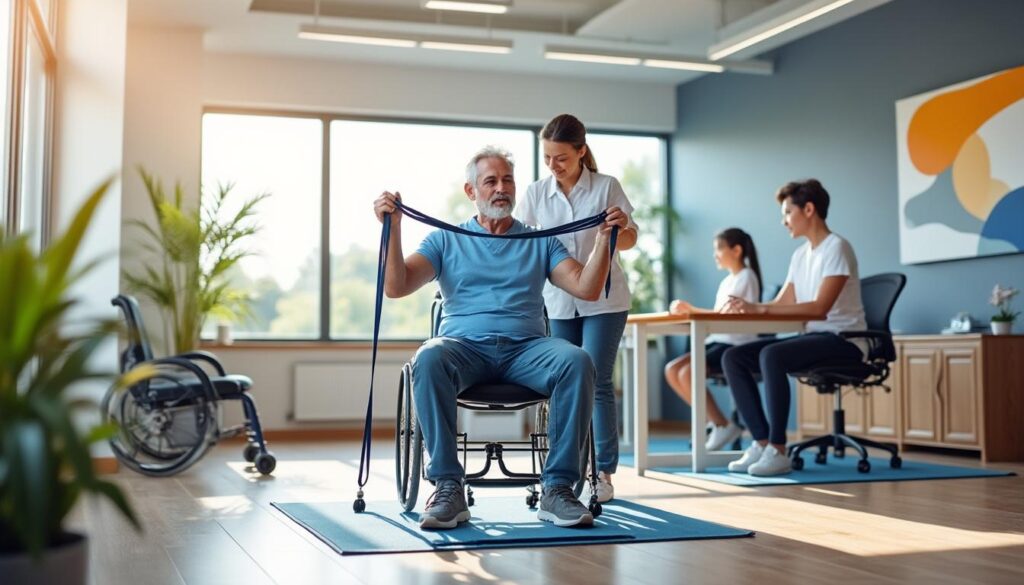
Can Rehabilitation and Return to Work Prevent the Need for Surgery?
In the constantly evolving landscape of spinal healthcare, patients and practitioners alike grapple with a pivotal question: can the rigorous pathways of rehabilitation and structured return to work reduce or even eliminate the need for surgical intervention? The answer, as…
Franchir’s Coordination Excellence in International Spine Surgery Access
While Cousin Spine provides advanced surgical technology, Franchir plays a critical role in enabling patients, especially those from Canada and Quebec, to benefit from these innovations. Acting as a comprehensive patient pathway coordinator, Franchir ensures end-to-end management for international spine surgery candidates, optimizing timing, logistics, and personalized assistance throughout the surgical journey.
Franchir’s model involves several key steps for each patient:
- Preoperative Assessment: Conducted in collaboration with the Canadian team led by Dr. Sylvain Desforges at TAGMED, focusing on precise spinal diagnostics and the feasibility of advanced surgical interventions.
- Customized Surgical Planning: Franchir evaluates clinical data to match patients with appropriate surgical centers and surgeons skilled in Cousin Spine Technology procedures.
- Travel and Logistics Management: Organizing flights, accommodation near surgical facilities, and on-site support to reduce patient stress and logistical barriers.
- Postoperative Follow-up: Partnering with Neurothérapie Montréal, they coordinate rehabilitation, symptom management, and patient monitoring to assure optimal recovery.
| Stage | Responsible Entity | Objective | Location |
|---|---|---|---|
| Preoperative Evaluation | Dr Sylvain Desforges and TAGMED | Neuro-robotic decompression and patient selection | Montréal, Québec |
| Surgical Center Allocation | Franchir | Surgeon and hospital matching, full logistics | France (Bordeaux, Toulouse, Le Mans) |
| Operation | French surgical teams | Implantation of advanced spinal devices | France |
| Postoperative Management | Neurothérapie Montréal | Personalized rehabilitation and follow-up | Québec |
Patients express reduced anxiety and improved satisfaction with this streamlined approach, experiencing diminished waiting times and enhanced confidence in their treatment pathway. The coordinated team effort reflects a new standard in healthcare technology application, blending surgical innovation with comprehensive patient support.
Exploring the Overlooked Benefits of Spine Surgery in France
Spinal disorders are a significant health concern for many patients worldwide, yet the solutions and benefits of spine surgery often remain underappreciated. France, with its advanced healthcare infrastructure and pioneering surgical techniques, has emerged as a noteworthy destination for patients…
Surgical Decision-Making Revolutionized by Dynamic Stabilization Techniques
Choosing an optimal surgical approach in spine surgery is becoming increasingly complex, especially as new dynamic implants challenge the once dominant fusion paradigm. Cousin Spine Technology offers alternative devices that safeguard spinal mobility, prompting surgeons and patients to reconsider traditional treatment pathways.
Key factors influencing surgical decision-making include:
- Patient-specific pathology: Detailed imaging and diagnostics define the severity and character of spinal conditions such as stenosis, spondylolisthesis, and degenerative disc disease.
- Biomechanical considerations: Understanding the impact of preserving or restricting spinal segment mobility affects long-term outcomes and adjacent segment health.
- Technology availability: Access to dynamic stabilization devices like BDyn, IntraSPINE, and TOPS enables alternatives to fusion, tailored to patient needs.
- Surgeon expertise: Proficiency in minimally invasive techniques and dynamic implants is critical to optimizing results.
- Logistical factors: Coordinated efforts by programs like Franchir facilitate timely intervention and comprehensive care.
| Decision Factor | Impact on Surgical Approach | Considerations |
|---|---|---|
| Clinical Diagnosis | Determines implant choice and surgical strategy | Severity of stenosis, instability, degeneration |
| Preservation of Motion | Favours dynamic implants over fusion | Patient activity level and risk of adjacent segment disease |
| Technological Access | Allows minimally invasive or motion-preserving options | Availability of CE/FDA-certified devices like BDyn, TOPS |
| Surgeon Skillset | Influences procedural success rates | Experience with novel implants and robotics |
| Patient Logistics | Ensures smooth perioperative care | Support from Franchir for travel and rehabilitation |
This structured decision support system helps balance surgical goals—pain relief, functional restoration, and preservation of spinal biomechanics—delivering a patient-tailored approach in spine care. Such innovation and careful evaluation also reduce complication risks documented in traditional spine surgeries (clinical studies on spinal surgery outcomes).
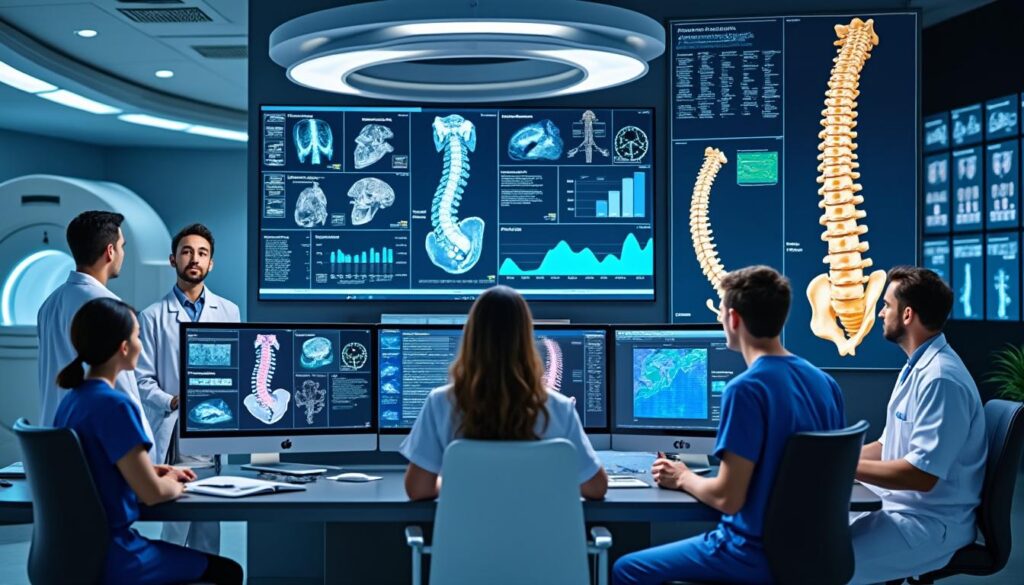
Insights from Research on Preventing Post-Laminectomy Syndrome
Post-Laminectomy Syndrome (PLS), a chronic pain condition arising after spinal surgery, remains a formidable challenge in spinal surgery and pain management. Despite advances in surgical techniques, a significant subset of patients continues to experience persistent neuropathic pain and functional limitations,…
Integrating Minimally Invasive Surgery with Cousin Spine Devices for Enhanced Recovery
Minimally invasive spine surgery is reshaping patient recovery by limiting surgical trauma and blood loss while improving postoperative comfort and return to activity. Cousin Spine Technology’s implant design aligns perfectly with these techniques, as their devices adapt well to micro-incision and targeted approaches.
Advantages of pairing dynamic implants with minimally invasive approaches include:
- Reduced hospital stays: Patients experience shorter admissions and faster transitions to home-based care.
- Lower infection rates: Smaller incisions minimize exposure risk.
- Preserved spinal musculature: Less disruption leads to better postoperative function.
- Enhanced cosmetic outcomes: Smaller scars promote patient satisfaction.
- Faster rehabilitation timelines: Early mobilization supported by implant stability.
Technologies such as the IntraSPINE implant have been explicitly developed for minimally invasive surgery, providing mechanical decompression without large bone resections. Their compatibility with endoscopic procedures and robotic assistance further elevates surgical precision and safety (Cousin Surgery USA’s innovations).
| Minimally Invasive Feature | Benefit | Applicable Cousin Spine Device |
|---|---|---|
| Small incision size | Quick healing and less pain | IntraSPINE, BDyn |
| Robotic assistance | Enhanced precision and implant positioning | TOPS compatible with navigation systems |
| Muscle-sparing techniques | Preserves function and mobility | All dynamic implants |
| Endoscopic visualization | Reduced tissue damage | IntraSPINE |
Emerging practices in France and Canada continue to embrace this synergy, decreasing complication rates and elevating patient-reported outcomes, which aligns with the latest research in modern surgical innovation and technology.
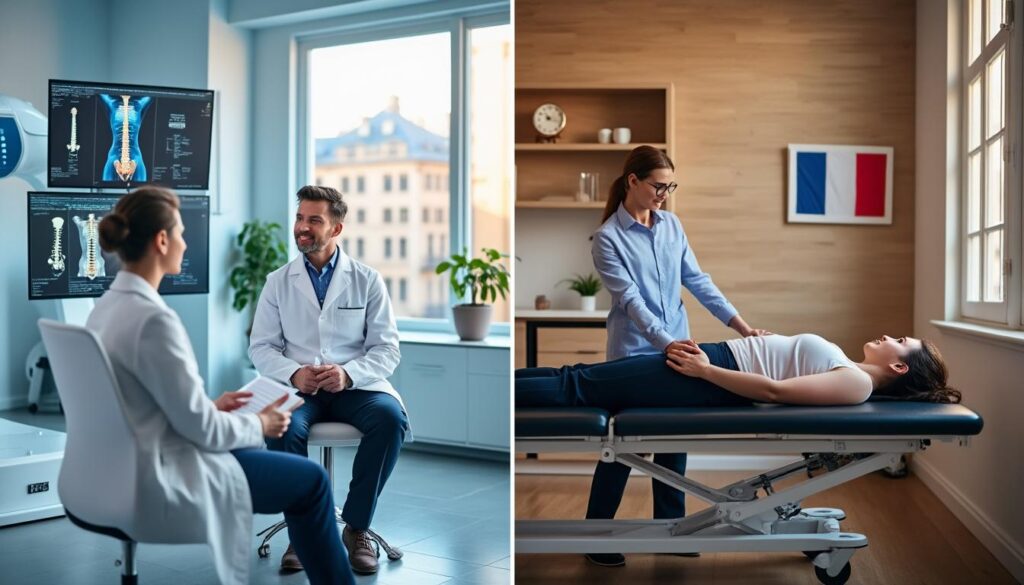
International Comparison: Spotlight on Spine Care Practices Between France and Quebec
The growing emphasis on spine health in Quebec has spotlighted the value of international collaboration in advancing patient care. With the challenges of prolonged wait times and high private care costs in Quebec, France emerges as an attractive alternative, boasting…
Advancing Spinal Diagnostics and Decision Support Systems in Surgical Planning
The foundation of successful spine surgery rests on accurate diagnostics and informed decision-making. Enhanced imaging modalities, coupled with tailored evaluation protocols, provide the clinical clarity necessary for deploying Cousin Spine Technology effectively.
New decision support tools integrate:
- High-resolution MRI and CT scanning: Pinpointing precise pathology locations and assessing biomechanical impacts.
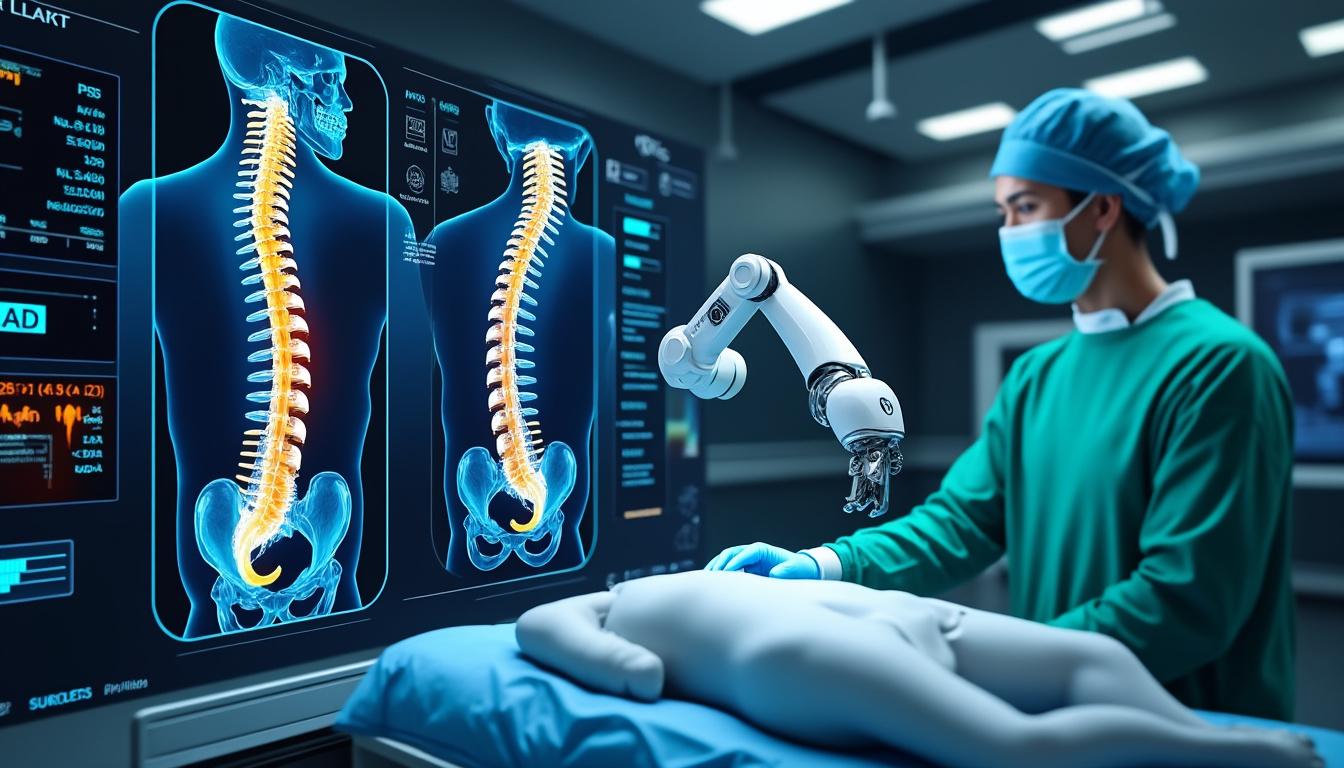
- Robotic-assisted neuro-decompression diagnostics: Offering real-time insights during preoperative planning.
- Patient-specific biomechanical modeling: Simulating implant performance and movement preservation.
- Data-driven surgical outcome predictions: Supporting patient consultations with evidence-based prognosis.
| Diagnostic Component | Role in Surgical Planning | Technological Integration |
|---|---|---|
| Imaging (MRI/CT) | Identifies stenosis, herniations, instability | Guides implant selection and surgical technique |
| Robotic Diagnostics | Assessment of decompression needs | TAGMED’s neuro-robotic equipment |
| Biomechanical Modeling | Predicts implant impact on spinal mobility | Customizes patient-specific implants |
| Outcome Prediction Tools | Facilitates shared decision-making | Integration with electronic health records |
This comprehensive diagnostic ecosystem underpins the strategic use of dynamic spinal implants and enhances surgical decision-making precision, improving patient safety and outcomes. For greater insight into such technologies, explore details on critical surgical innovation in spine care.
Medical Logistics and Accommodation: Central Pillars in the Patient Care Journey
In the evolving landscape of global healthcare, the interplay between medical logistics and patient accommodation has become a cornerstone for effective and patient-centric care delivery. This synergy is particularly evident in the management of international patient journeys, where cross-border coordination,…
Clinical Expertise and Collaborative Networks Propelling Spine Surgery Innovation
The success of Cousin Spine Technology and Franchir’s integrated surgical pathways rests on the combined expertise of clinical leaders and a collaborative infrastructure spanning continents. Key figures like Érik Boulard contribute decades of experience blending clinical knowledge with implant development, ensuring technology innovation aligns with practical surgical applications.
The French-Canadian collaboration model includes:
- Multidisciplinary clinical teams: Surgeons, therapists, and diagnostic specialists aligned around personalized patient care.
- Academic partnerships: Engagement with universities such as Bordeaux University and specialized spine surgery diplomas driven by the SFCR.
- International knowledge exchange: Cross-border training and surgical workshops to harmonize techniques and standards.
- Continuous outcome evaluation: Data collection on implant performance and patient recovery feeding back into device improvement.
| Collaborative Element | Description | Impact on Patient Care |
|---|---|---|
| Leadership by Érik Boulard | Clinical and industrial expertise in spine implants | Innovative implant design and surgical protocols |
| University Programs | Specialized diplomas on spinal pathologies and surgery | Highly trained specialists improving care quality |
| Cross-border Training | Joint workshops and clinical exchanges | Standardization of best practices |
| Outcomes Monitoring | Systematic data collection and analysis | Informed surgical decision-making improvements |
This synergy cultivates a fertile environment for ongoing surgical innovation, elevating standards and expanding patient access to state-of-the-art spine surgery technologies. Further exploration into these educational initiatives can be found through the official Cousin Surgery platform.
Comprehensive Guide to Eligibility Criteria for Back Surgery
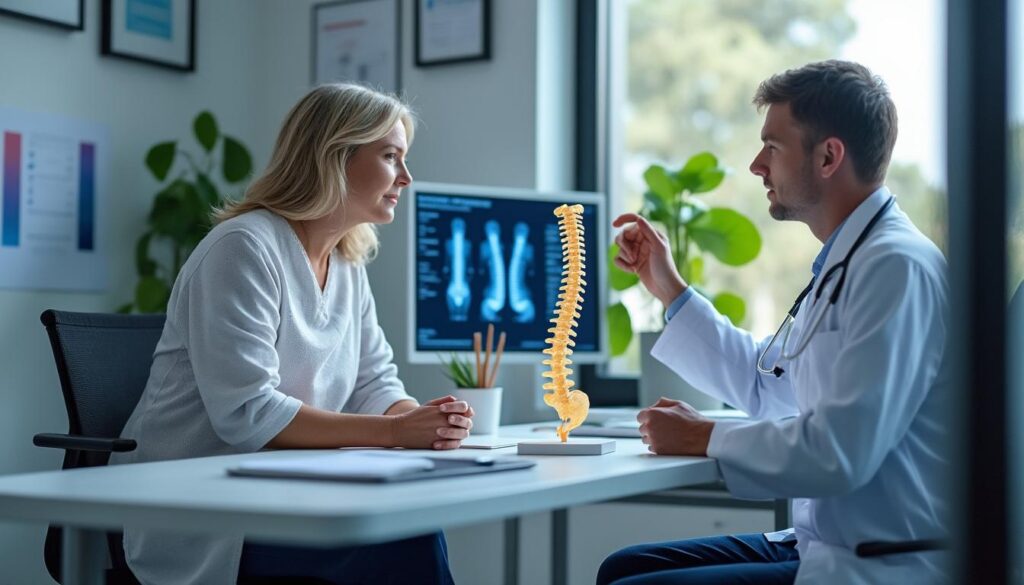
The decision to undergo back surgery involves numerous complex considerations that extend beyond the presence of spinal discomfort. Through an international collaboration between healthcare experts in Quebec and France, patients facing severe spine conditions now have access to advanced surgical…
Future Perspectives in Spine Surgery Inspired by Cousin Spine and Franchir Technologies
Looking ahead, the interplay between cutting-edge implants and optimized patient pathways hints at a new era in spinal care. Continuous evolution in medical technology will likely emphasize more personalized, less invasive procedures with improved outcomes and fewer complications.
Emerging trends to watch include:
- Integration of AI and machine learning: Enhancing surgical planning, intraoperative guidance, and predictive outcomes.
- Expansion of robotic-assisted methods: Greater precision and reduced human error through advanced navigation systems.
- Development of bioactive and adaptive implants: Devices capable of interacting dynamically with biological tissues to promote healing.
- Enhanced telemedicine pre- and post-surgical management: Facilitating global access and continuous patient monitoring.
- Data-driven health policy decisions: Supporting resource allocation and patient-centric care standards.
| Future Trend | Expected Impact | Relation to Cousin Spine / Franchir |
|---|---|---|
| Artificial Intelligence | Optimized surgery outcomes and patient selection | Supports advanced decision support systems |
| Robotics Expansion | Improved surgical precision and safety | Compatible with minimally invasive Cousin implants |
| Bioadaptive Implants | Enhanced healing and motion preservation | Next-gen implant research direction |
| Telemedicine | Continuity of care and patient engagement | Franchir’s logistical coordination extended remotely |
| Data-Driven Policy | Better health outcomes and system efficiency | Uses collected patient and surgical data |
Such advances will continue to reshape healthcare technology and redefine surgical decision-making, ultimately extending the benefits of innovative spinal care to broader populations worldwide. For expanded information on ongoing innovation, visit the detailed analysis of Cousin Spine and Franchir’s role in modern surgery.
Unveiling the Hidden Benefits of Neurovertebral Decompression Therapy
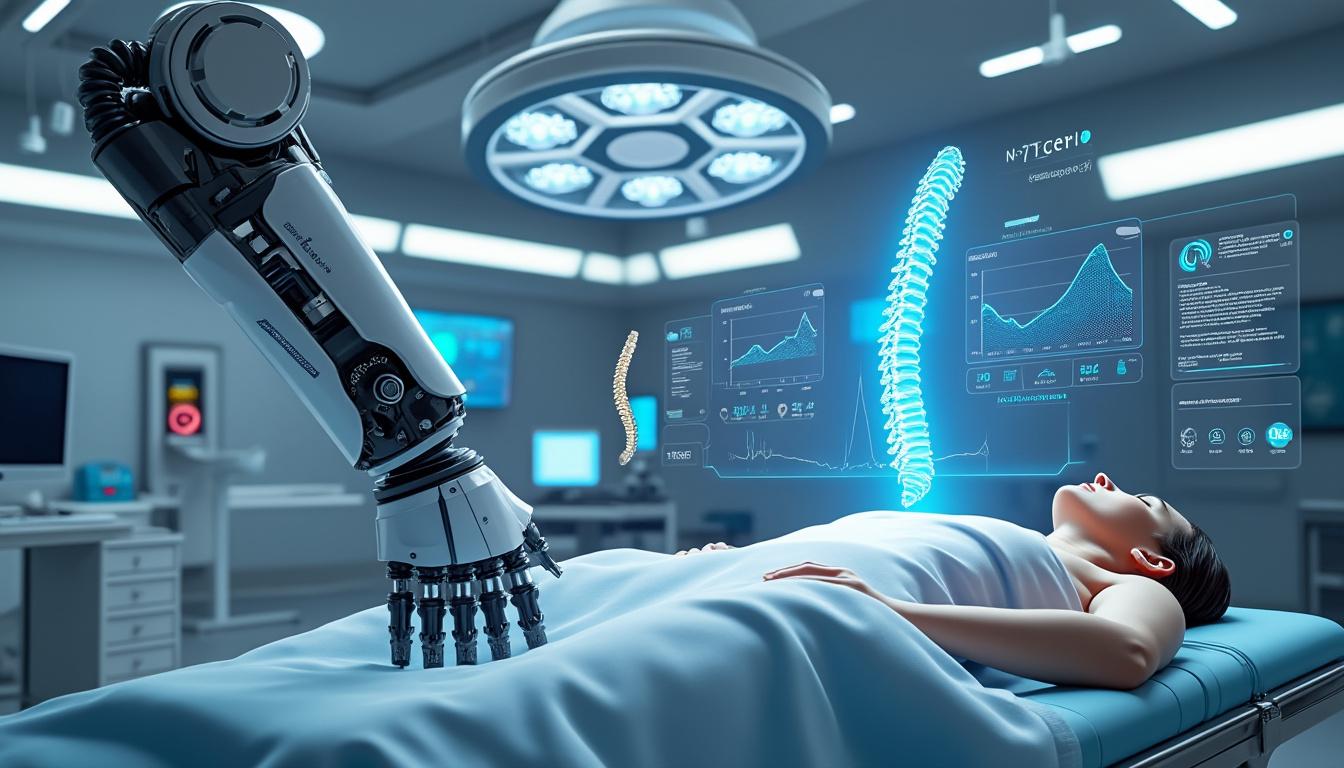
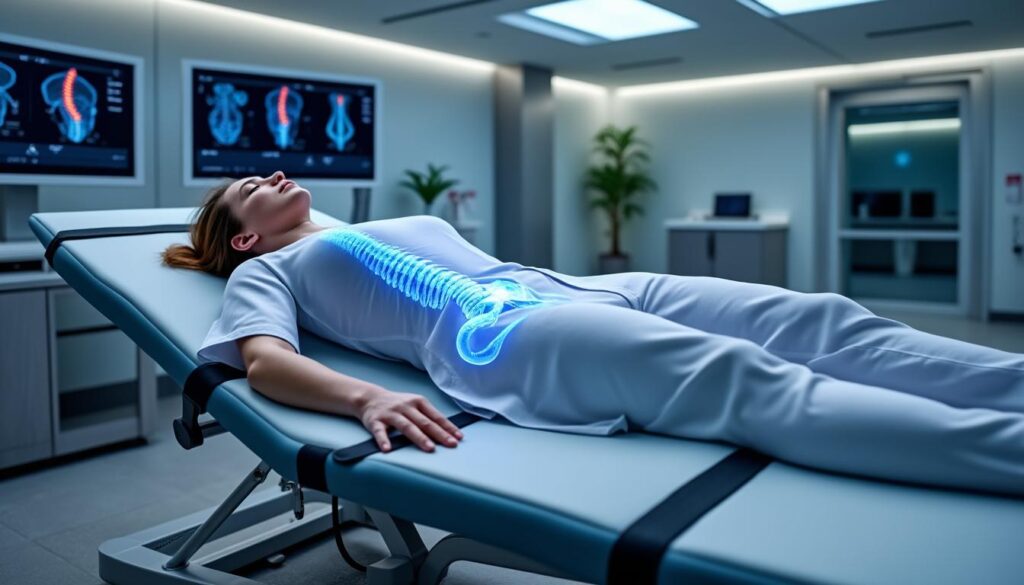
Chronic back and neck pain remain pervasive health issues impacting millions, often leading to debilitating effects on daily life and overall well-being. Traditional management strategies frequently fall short due to lengthy wait times, high costs, or invasive procedures. Amid this…
Personalized Surgical Pathways Enhancing Patient Outcomes with Cousin Spine and Franchir
The collaboration between Cousin Spine and Franchir epitomizes modern healthcare’s direction: patient-specific, technologically advanced, and seamlessly coordinated. Their approach provides a blueprint for transforming surgical decision-making with personalized spinal care that balances innovation with compassion.
Essential features of their personalized pathway include:
- Robust pre-screening and diagnostics: Ensuring carefully tailored implant choices and surgical techniques.
- Patient-centric logistical support: Reducing stress through a clear pathway from evaluation to recovery.
- Use of clinically validated dynamic implants: Providing stability while preserving motion, thus lowering complications.
- Close postoperative monitoring and rehabilitation coordination: Enabling faster and safer return to function.
- Transparent communication and education: Empowering patients in their surgical decisions.
| Pathway Stage | Service Provided | Patient Benefit |
|---|---|---|
| Preoperative Evaluation | Accurate diagnostics and planning | Customized treatment plan |
| Surgical Coordination | Logistics and surgeon matching | Smooth, timely care access |
| Advanced Surgery | Implantation of motion-preserving devices | Reduced pain, improved mobility |
| Postoperative Care | Personalized rehabilitation supervision | Faster recovery, reduced complications |
This model illustrates how combining cutting-edge medical technology with expert orchestration by organizations like Franchir provides a holistic mechanism to enhance spine surgery outcomes and elevate patient quality of life substantially. For an in-depth look at patient experiences and expert commentary, consult the comprehensive overview on Cousin Spine and Franchir technology applications.
Comparison of Dynamic vs Traditional Spinal Implants
| Feature | Dynamic Implants (Cousin BDyn, TOPS) | Traditional Fusion |
|---|
What are the tangible benefits of using Cousin Spine’s dynamic implants?
Dynamic implants like BDyn and TOPS stabilize the spine while preserving physiological motion, which reduces pain and improves quality of life post-surgery.
How is the preoperative assessment conducted for Canadian patients?
Preoperative evaluation is performed by Dr. Sylvain Desforges and the team at TAGMED in Montréal or Terrebonne, focusing on specialized assessment and determining surgical necessity.
What role does Franchir play for international patients seeking surgery in France?
Franchir manages the coordination of surgery center selection, travel arrangements, accommodation, and administrative support, ensuring a comprehensive and smooth patient journey.
What kind of postoperative follow-up is provided?
Neurothérapie Montréal provides personalized home-based rehabilitation support, symptom management, and ongoing patient monitoring after surgery.
Which French hospitals are involved in the Cousin Spine and Franchir network?
The network includes reputable centers in Bordeaux, Toulouse, and Le Mans, known for their expertise in spinal surgery and advanced medical technology.

What Research Reveals About Rehabilitation and Returning to Work
Rehabilitation and the process of returning to work form a complex interplay that extends far beyond physical recovery. It is a multifaceted journey involving medical treatment, psychological adaptation, workplace accommodation, and social reintegration. Research in recent years underscores the profound…