Comprehensive Preoperative Assessment Explained for Quebec Patients
November 19, 2025Disc Prosthesis in Lévis: Approved and Modern Alternative
November 19, 2025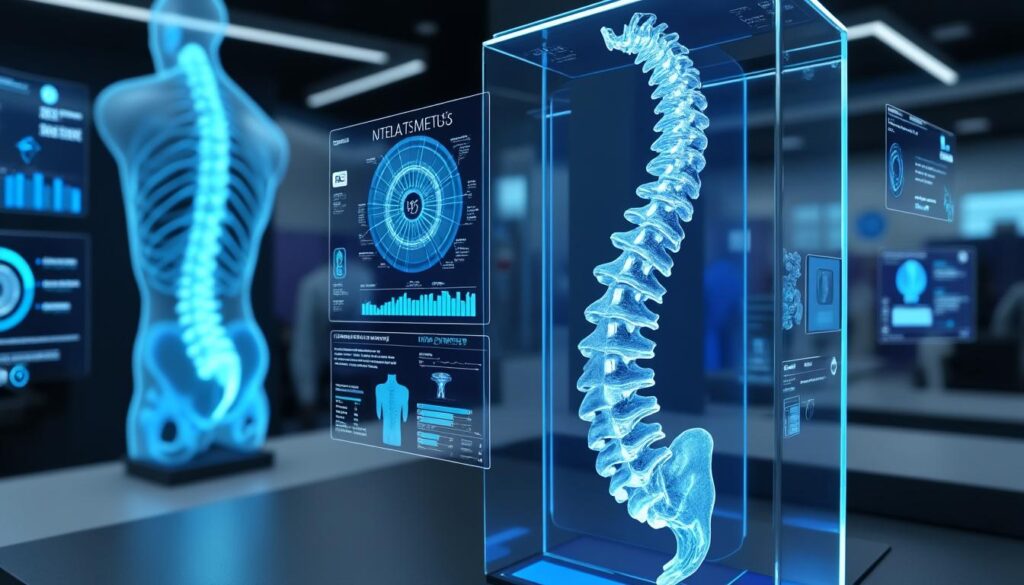
In an era where spinal health demands rapid advancements and personalized medical solutions, the partnership between Cousin Spine and Franchir emerges as a beacon of innovation and patient-centered care. Cousin Spine, a pioneer in dynamic spinal implants with more than three decades of expertise, combines sophisticated orthopedic technology with groundbreaking SpineInnovation to deliver implants that maintain natural spinal mobility. Franchir, meanwhile, serves as a vital facilitator, orchestrating seamless transatlantic healthcare journeys that offer Canadian patients expedited access to unmatched spinal surgery expertise in France.
This synergy not only enhances PatientCare by minimizing traditional surgical risks and optimizing recovery but also navigates logistical complexities through an expertly designed FranchiseMedical pathway. Together, these entities redefine the landscape of SpineHealth for patients facing chronic back pain and spinal disorders, bolstering therapeutic outcomes while championing innovative biomechanical preservation strategies.
Advanced CousinSpine Technology: Revolutionizing Dynamic Spinal Implants
The backbone of modern spinal surgery is evolving rapidly, driven by transformative CousinSpine Technology that champions mobility preservation rather than rigid fusion. Traditional spinal fusion procedures often result in immobilization of vertebral segments, which, though stabilizing, can trigger adjacent segment disease and prolonged post-operative discomfort. Cousin Spine’s orthopedic technology addresses these clinical challenges by introducing state-of-the-art dynamic implants such as the TOPS (Total Posterior Solution), Intraspine, and B-DYN systems.
Designed to stabilize compromised vertebral segments while empowering natural motion, these implants utilize advanced titanium alloys validated through both CE and FDA standards, ensuring durable biocompatibility and mechanical performance. For instance, the TOPS implant is particularly indicated for lumbar foraminal stenosis with instability, offering controlled segmental movement that mitigates secondary segment degeneration.
- TOPS Implant: Enables dynamic posterior stabilization, maintaining physiological motion.
- Intraspine System: Provides interlaminar support, restoring disc height and neurodecompression with preserved mobility.
- B-DYN Implant: Offers flexible stabilization that absorbs mechanical shocks, supporting spinal balance.
Clinical studies demonstrate that patients receiving these dynamic implants show significantly lower post-operative pain and faster functional recovery compared to traditional fusion cases. These technologies contribute to an improved quality of life, allowing early return to physical activities and reducing secondary arthropathy risks.
| Implant | Primary Indications | Key Benefits | Material | Certifications |
|---|---|---|---|---|
| TOPS | Lumbar stenosis with instability | Preserves mobility; reduces adjacent segment degeneration | Titanium alloy | CE, FDA-compliant |
| Intraspine | Moderate disc degeneration | Disc height restoration; nerve decompression | Titanium alloy | CE-certified |
| B-DYN | Dynamic lumbar stabilization | Maintains biomechanical equilibrium | Titanium | CE-certified |
Exploring more about these innovative implants and their orthopedic applications can be done through in-depth resources detailing the latest advanced spinal implants from Cousin Spine.
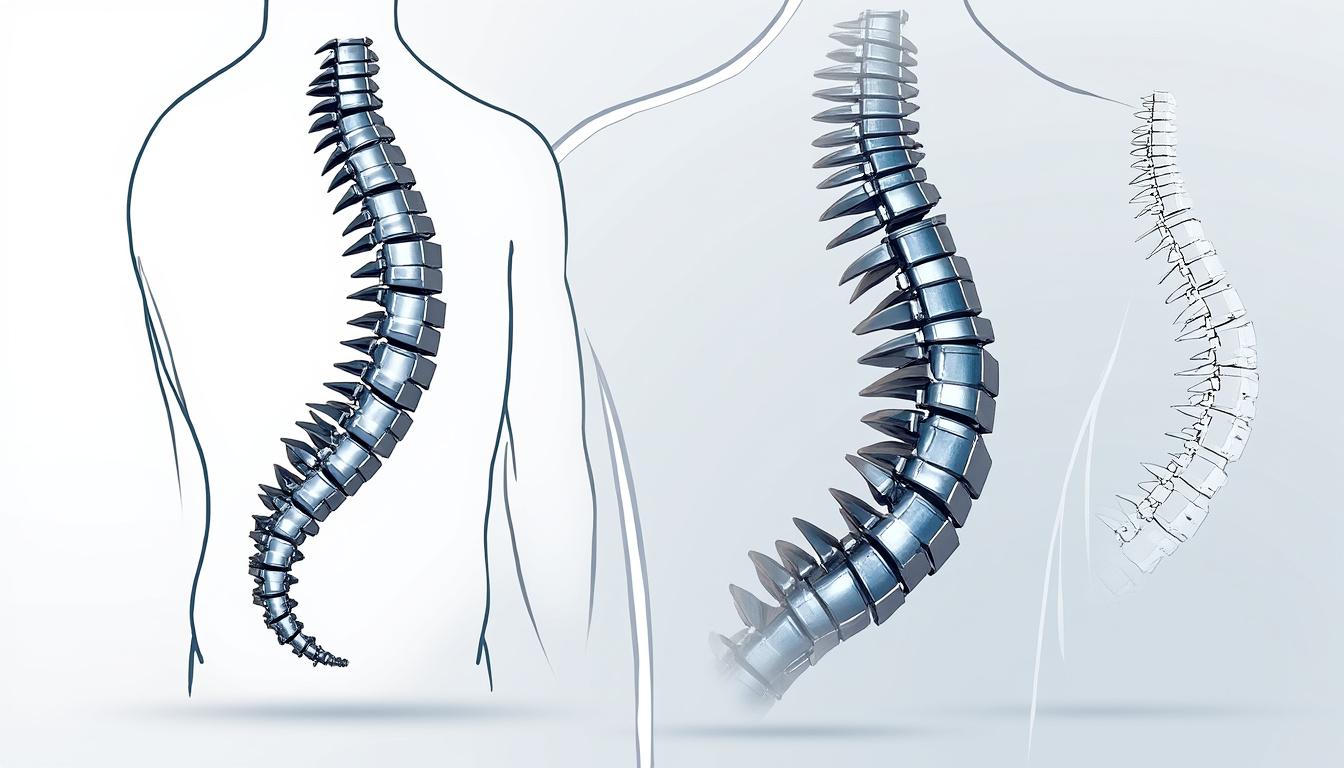
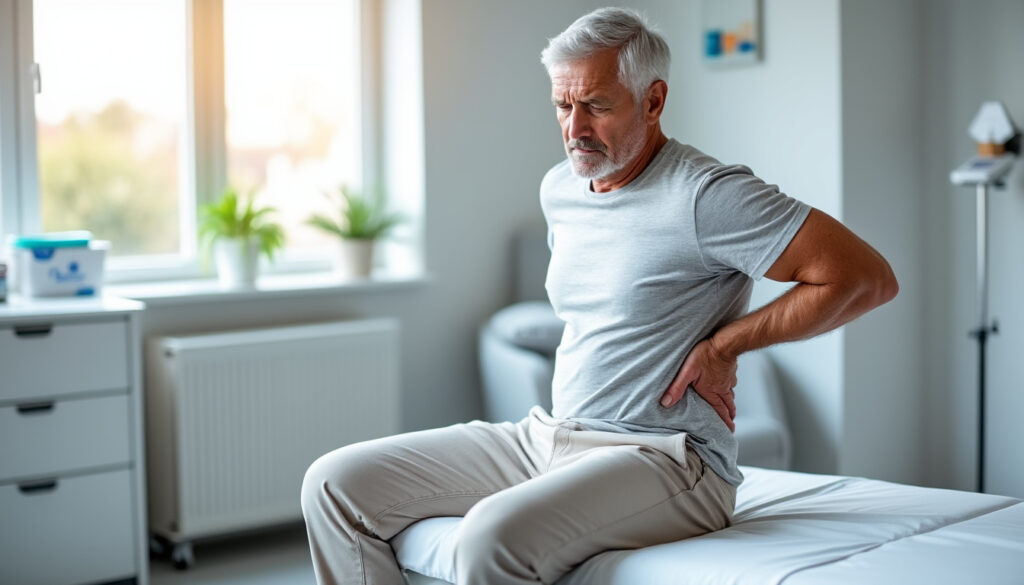
Understanding Sciatic Pain: Key Symptoms and When to Seek Medical Advice
Sciatic pain is a prevalent condition impacting a wide demographic, manifesting primarily as intense pain radiating from the lower back down the leg. This pain stems from irritation or compression of the sciatic nerve, a major nerve extending through the…
Franchir’s Role in Streamlining Canadian Access to French Spinal Surgery Excellence
Accessing specialist spinal surgery abroad often involves complex logistics and a thorough understanding of healthcare systems. Franchir stands out as an expert navigator that simplifies this process, specifically for Canadian patients seeking advanced spinal interventions in France. Leveraging a network of over 200 renowned French spine surgeons and specialized hospitals situated in cities like Toulouse, Bordeaux, and Le Mans, Franchir meticulously coordinates every step of the patient’s surgical journey.
Coordination includes:
- Personalized medical evaluation ensuring that only appropriate surgical candidates proceed.
- Tailored surgeon and center selection based on patient pathology and latest orthopaedic technology availability.
- Complete logistical management such as flight booking, accommodation arrangements, and appointment scheduling to optimize patient comfort.
- Bilingual patient support and follow-up, fostering smooth communication between Canadian patients and French healthcare teams.
Under the guidance of spinal expert Érik Boulard, Franchir’s framework ensures accelerated access while upholding safety and comprehensive care standards. This approach effectively counters Canadian healthcare delays, delivering optimized SpineSurgery outcomes through high-tech facilities equipped with mini-invasive, robotic-assisted surgical platforms.
| Care Stage | Responsible | Objectives | Patient Benefits |
|---|---|---|---|
| Initial Evaluation & Conservative Care | Dr. Sylvain Desforges & TAGMED Clinics | Specialized non-surgical treatment focus | Reduces unnecessary surgeries |
| Surgical Orientation | Franchir Coordination Team | Customized surgeon and technique selection | Optimized treatment fit and timelines |
| Medical Stay Arrangement | Franchir | Full logistic support and patient comfort | Stress reduction; secure environment |
| Post-Operative Follow-Up | Neurotherapy Montreal | Personalized rehabilitation and pain management | Effective recovery facilitation |
Further insights into Franchir’s coordination intensive programs and patient testimonials can be viewed at Franchir’s spinal surgery expertise platform, highlighting patient-centered service excellence.
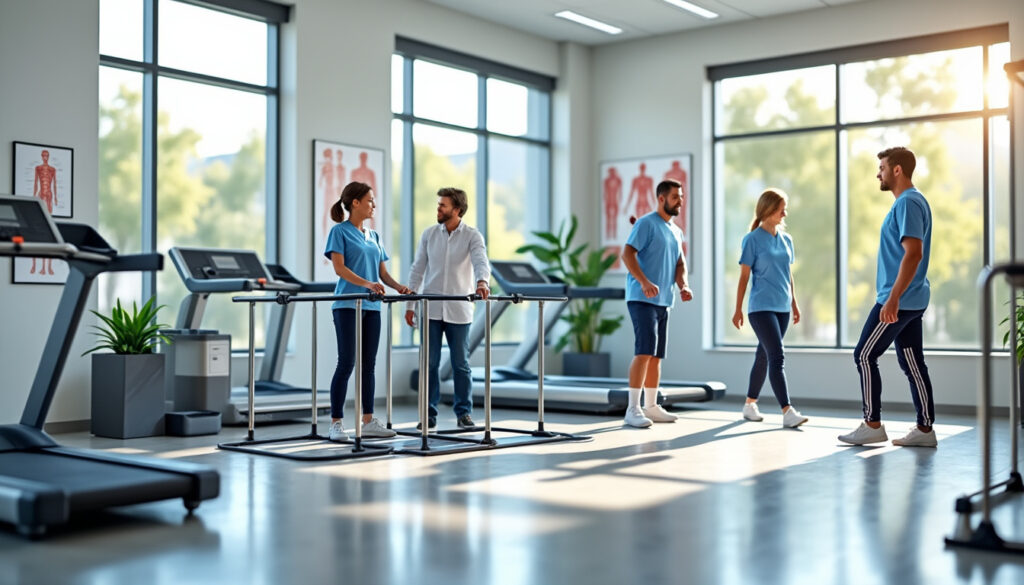
The Stepwise Role of Functional Recovery in Achieving Successful Outcomes
The journey to full recovery following spinal surgery is often complex and multifaceted, demanding a meticulously structured approach to ensure optimal functional outcomes. In recent years, the concept of functional recovery through a stepwise approach has garnered significant attention in…
The Emerging Trend of Dynamic Spine Surgery: Prioritizing Mobility Preservation with CousinSpine
Dynamic spinal surgery represents a paradigm shift emphasizing the preservation of segmental motion post-operatively, critically important in long-term SpineHealth. Unlike traditional fusion that restricts mobility and may lead to accelerated adjacent segment degeneration, CousinSpine implants dynamically stabilize the spine, thereby maintaining its natural kinematics.
This approach includes:
- Customized implant selection matching patient-specific conditions such as foraminal stenosis or moderate disc degeneration.
- Use of titanium alloy composites ensuring biocompatibility, mechanical strength, and resilience.
- Maintaining neural decompression while preventing the immobilization of spinal segments.
- Faster post-surgical rehabilitation timelines and patient satisfaction.
For example, the B-DYN system not only stabilizes but also allows the spine to absorb mechanical shocks naturally, reducing post-operative complications. Hospitals like Centre Hospitalier du Mans and Clinique de l’Union provide these cutting-edge surgical options within dedicated spine care programs.
| Criterion | Dynamic Implants (TOPS, Intraspine, B-DYN) | Standard Fusion |
|---|---|---|
| Preservation of Operated Segment Mobility | Maintained | Restricted |
| Stress on Adjacent Segments | Reduced | Increased |
| Average Recovery Duration | Shorter | Longer |
| Personalization of Treatment | High | Standardized |
Those interested in expanding their knowledge about preserving spinal biomechanics can explore detailed case reports and technology reviews at Cousin Spine and Franchir’s impact on spine technology.
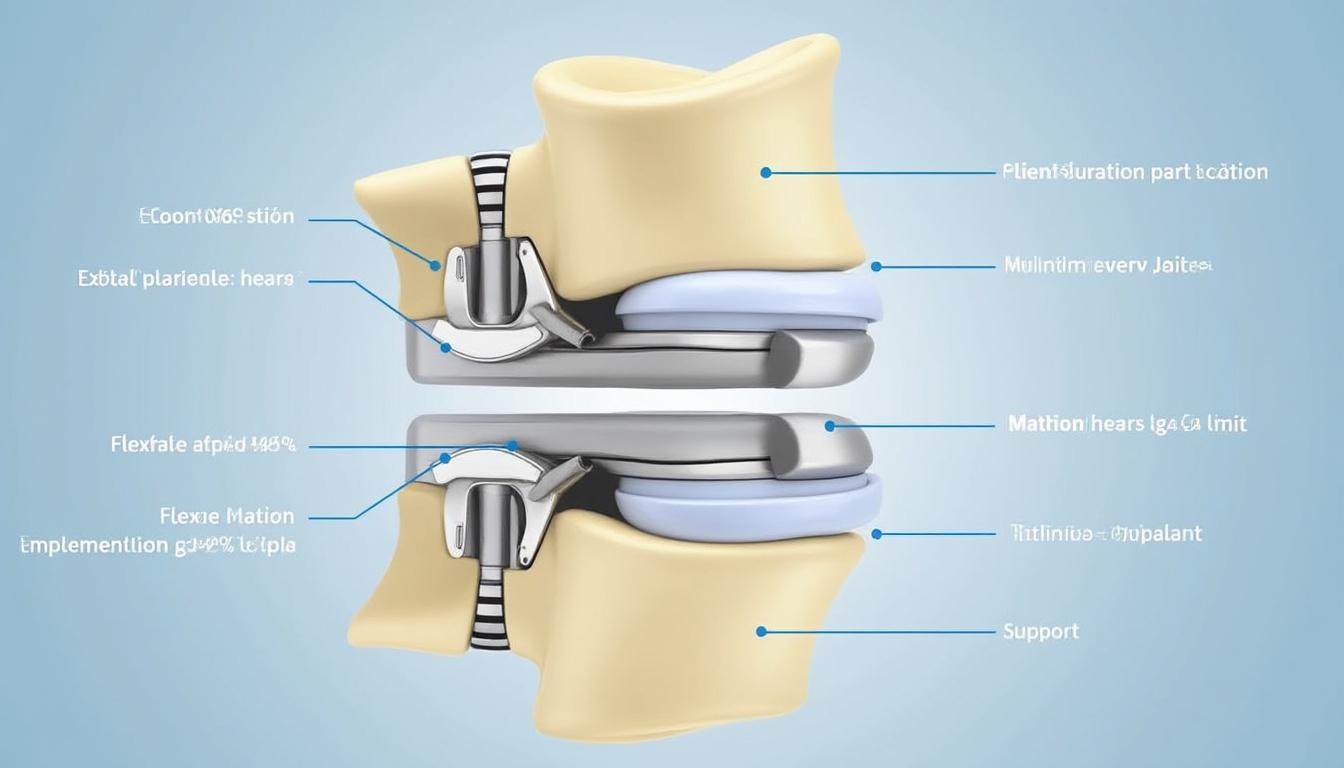
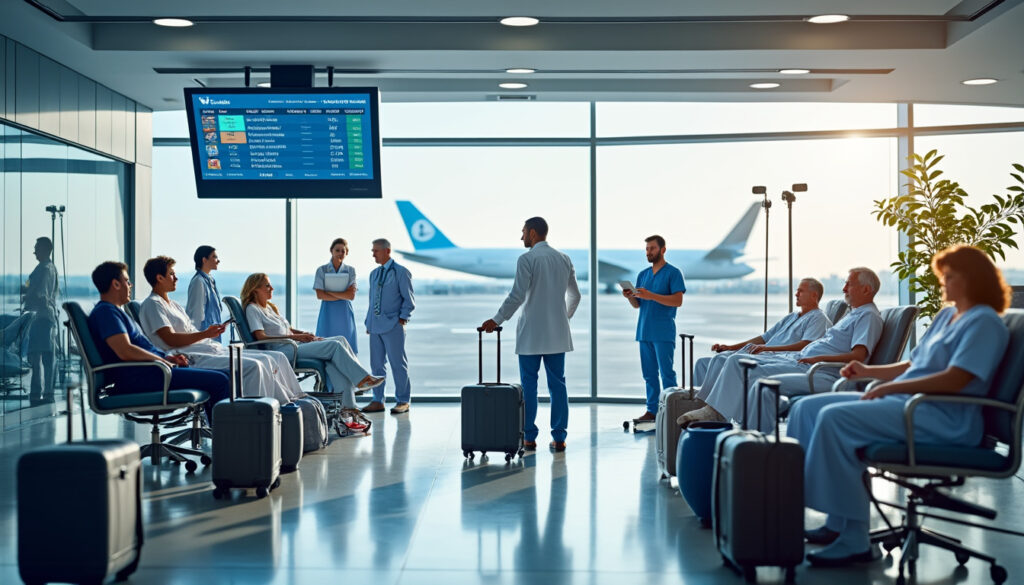
Transatlantic Patient Journey: Insights into Indications, Benefits, and Challenges
The emergence of the Transatlantic Patient Journey as a strategic model within healthcare continues to capture attention for its innovative potential, especially in specialized fields such as spinal surgery. This cross-border care pathway integrates rigorous medical evaluation from Quebec with…
Patient-Centered Logistics: How Franchir Enhances the Medical Journey From Canada to France
Franchir’s model encapsulates more than medical coordination; it delivers a comprehensive patient experience designed to reduce anxiety and maximize treatment efficiency. The company meticulously manages all travel and stay arrangements, ensuring patients encounter minimal fatigue and maximum comfort. Availability of proximate, well-equipped lodging near surgical centers significantly aids post-operative rest and accessibility.
- Flight optimization: Direct or well-timed connection flights reduce travel fatigue.
- Accommodation selection: Comfortable stays close to medical facilities support recuperation.
- Administrative assistance: Guidance through insurance and regulatory requirements alleviates patient burden.
- Ongoing bilingual support: Ensures clear communication and continuous updates throughout the care process.
This orchestration results in a stress-limited pathway from arrival to discharge and eventual rehabilitation. Upon return to Canada, post-operative care is seamlessly continued by Neurotherapy Montreal with tailored rehabilitation, managing residual pain and promoting optimal recovery.
| Logistic Aspect | Description | Patient Benefit |
|---|---|---|
| Flight Planning | Optimized travel routes with minimal layovers | Reduced physical stress during travel |
| Hospital-Adjacent Lodging | Comfortable accommodation close to surgical centers | Conducive environment for rest and treatment access |
| Administrative Support | Assistance with insurance claims and authorizations | Minimized bureaucratic hurdles and stress |
| Post-Operative Follow-Up | Personalized rehabilitation programs through Neurotherapy Montreal | Efficient recovery and sustained health outcomes |
Patients preparing for international spine surgery may benefit from expert advice on logistical readiness available at Cousin Spine and Franchir’s impact on surgical choice.
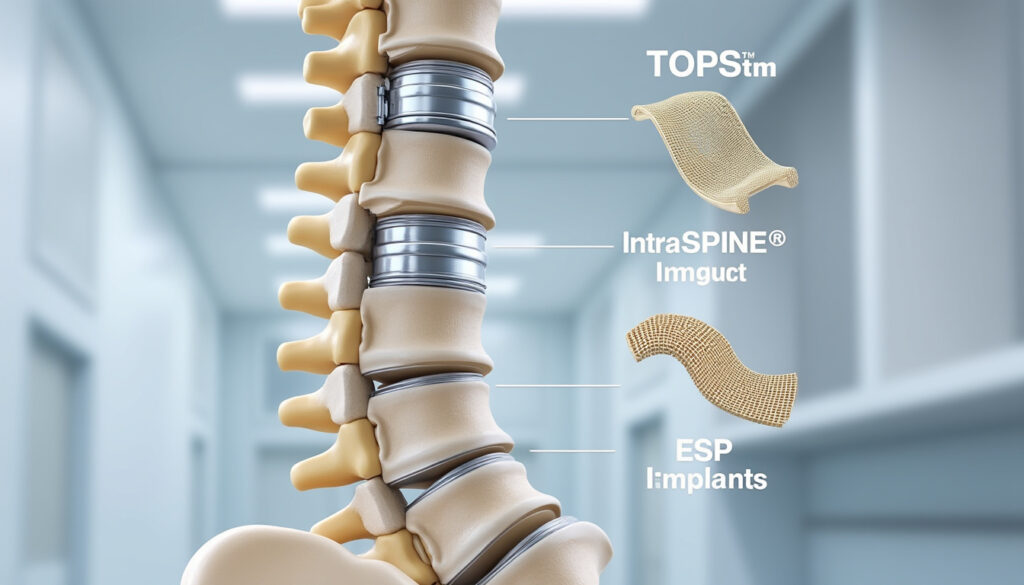
The evolving field of spinal surgery is witnessing a transformative shift, fueled by cutting-edge implant technologies such as TOPS, Intraspine, and ESP. These innovative implants redefine treatment possibilities by emphasizing preservation of natural spinal mechanics, while ensuring durable stabilization and…
Complementary Technologies in Spinal Surgery: Robotic Assistance and Minimally Invasive Approaches
Complementing CousinSpine implants are advancements in minimally invasive and robotic-assisted surgical techniques pioneered in France, further improving patient outcomes by reducing tissue trauma and operative times. These technologies, deployed in the select centers partnered by Franchir, emphasize precision in decompression procedures while preserving surrounding anatomical structures.
- Robotic navigation systems: Enhance accuracy in implant placement and nerve decompression.
- Minimally invasive approaches: Result in smaller incisions, reduced blood loss, and faster recovery.
- 3D spinal imaging: Provides detailed anatomical visualization for better surgical planning.
- Real-time intraoperative feedback: Ensures optimal implant positioning and spinal alignment.
Data from national registries show a marked decrease in neurological complications and hospital stays with these strategies, corroborating their integration into comprehensive spinal care frameworks. Further exploration is available through articles on the evolution of minimally invasive spinal surgery and biomechanics preservation.
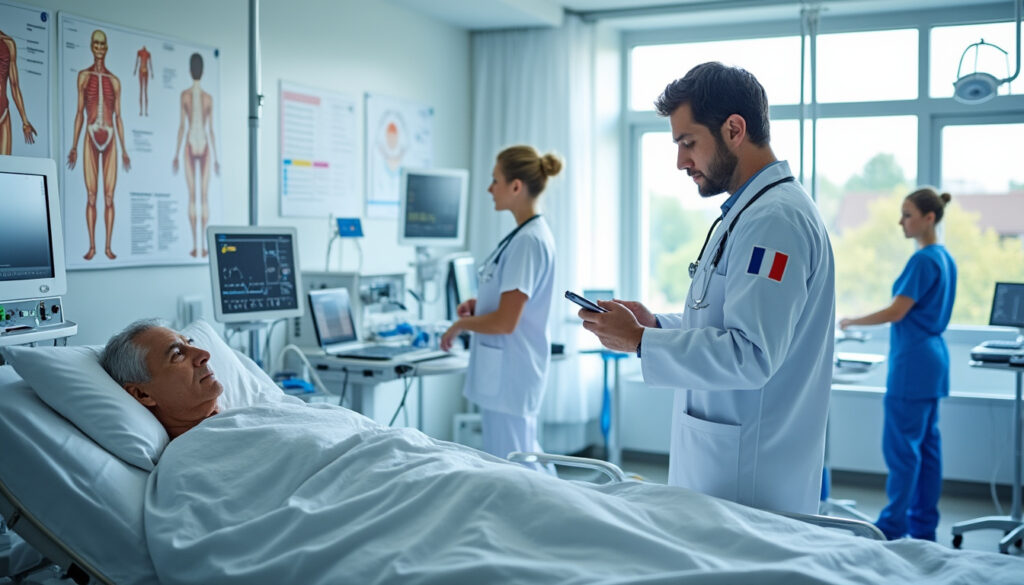
Preparing for Surgery in France: Key Indications, Benefits, and Limitations
In an evolving global healthcare landscape, France emerges as a beacon of advanced surgical expertise, particularly attracting international patients seeking expedited and innovative medical interventions. Patients from regions experiencing long wait times, such as Quebec, increasingly view France as an…
Tailoring Spinal Implant Selection: The Critical Role of Clinical Expertise and Product Innovation
Choosing the optimal spinal implant from Cousin Spine’s diverse offerings requires nuanced clinical insight, which Franchir facilitates by connecting patients with expert surgeons who specialize in the latest orthopedic innovations. Personalized patient evaluation accounts for variables such as the degree of spinal instability, anatomical variability, and severity of degenerative changes.
Key factors influencing implant choices include:
- Patient-specific anatomy and mobility requirements.
- Severity and location of the spinal pathology.
- Desired balance between spinal stabilization and preservation of natural motion.
- Potential for postoperative rehabilitation and functional recovery.
Continuous feedback loops between surgical teams and Cousin Spine engineers optimize implant designs, incorporating surgeon experiences and patient outcomes to refine biomechanics and material properties. For a detailed review of these collaborative efforts, the expert opinions consolidated in professional analyses of Cousin Spine and Franchir offer valuable knowledge.
| Consideration | Impact on Implant Selection |
|---|---|
| Anatomical Variations | Determines implant size and fixation method. |
| Pathology Location | Indicates specific implant type required (e.g., cervical vs lumbar). |
| Mobility Preservation Needs | Prefers dynamic implants over rigid fusion when feasible. |
| Rehabilitation Potential | Implants selected to facilitate quicker functional return. |

Unveiling the Hidden Benefits of Quality and Certification in Devices
The landscape of device manufacturing and clinical application in 2026 has been fundamentally shaped by the rigorous interplay between quality management and certification processes. Within this complex framework, the hidden benefits of adhering to international standards and obtaining relevant certifications…
CousinSpine and Franchir: A Synergistic Model Shaping the Future of International SpineCare
The fusion of CousinSpine’s technological breakthroughs with Franchir’s adept FranchiseMedical coordination exemplifies a new standard in cross-border healthcare collaboration. This model alleviates common barriers such as long wait times and fragmented care pathways that patients in Canada often face. The process emphasizes meticulous clinical evaluation paired with psychological and logistical support, ensuring not only surgical success but a holistic return to wellness.
Its success has inspired dialogue within international healthcare networks, highlighting the merits of such Franco-Canadian partnerships in enhancing SpineTechnology access globally. Patients experience improved SpineHealth and a continuum of care that spans continents, facilitated by Franchir’s bilingual liaisons and Cousin Spine’s ongoing device innovations.
Resources for patients considering this route can be explored through comprehensive guides on patient stories and surgical experiences in France, lending personal perspectives to the technical excellence presented.
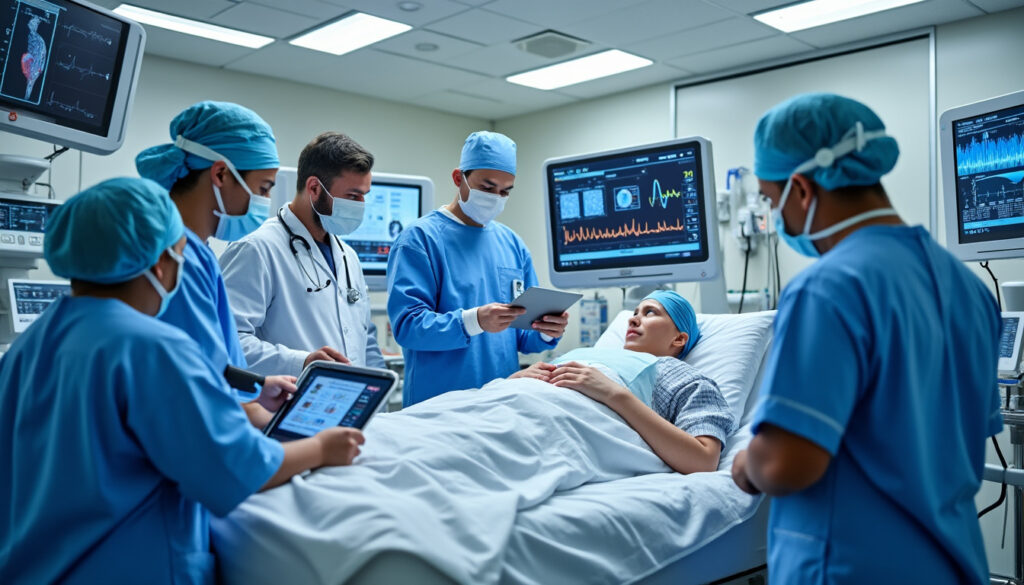
Why Experts Advocate for Comprehensive Preoperative Evaluations
In the complex and demanding field of spinal surgery, the emphasis on comprehensive preoperative evaluations has become a fundamental pillar supporting successful surgical outcomes. These evaluations, far beyond mere routine checks, integrate detailed analyses of patient health, surgical risk assessments,…
Patient Outcomes and Real-World Evidence Supporting Cousin Spine Implants and Franchir Coordination
Empirical data collected from clinical follow-ups and patient registries solidify the clinical effectiveness and safety of Cousin Spine implants when combined with the structured support from Franchir. Patients intermittently report:
- Significant reduction in chronic back and neck pain.
- Improved range of motion and spinal function.
- Minimized incidence of secondary degenerative changes.
- Accelerated post-operative mobility and independence.
Moreover, patient satisfaction surveys consistently praise Franchir’s attentive coordination and the high standards of care delivered in French centers renowned for spinal surgery. Anecdotal reports also underscore the psychological benefits of rapid access and holistic care, which reduce anxiety and foster confidence throughout the treatment pathway.
| Outcome Measure | Before Treatment | After CousinSpine & Franchir Treatment |
|---|---|---|
| Pain Level (Visual Analog Scale) | 7.8/10 | 2.3/10 |
| Mobility (Range of Motion) | Limited | Significant improvement |
| Adjacent Segment Degeneration Rates | 40% (within 2 years) | Under 10% |
| Post-operative Recovery Time | Extended (6+ months) | Reduced (3-4 months) |
Access to peer-reviewed outcomes and ongoing research updates is facilitated through detailed clinical reports available at insightful analyses on Cousin Spine technology.
Comparison of Spinal Surgery Techniques
This interactive infographic presents essential insights into spinal surgery success rates, focusing on two contemporary techniques.
Details
Hover or focus on each bar to see detailed success rate insights.
Which patients are ideal candidates for Cousin Spine dynamic implants?
Patients experiencing chronic lumbar or cervical pain, moderate spinal instability, or foraminal stenosis, especially when conservative treatments have failed, are typical candidates.
How does Franchir facilitate access to spinal surgery in France for Canadian patients?
Franchir manages personalized medical orientation, selects expert surgeons and hospitals, and oversees comprehensive logistics, ensuring a smooth and secure patient journey.
Can robotic neuro-vertebral decompression replace traditional surgery?
Robotic-assisted decompression may delay or avoid surgery in select cases; however, it is a conservative treatment requiring specialized supervision and is not universally applicable.
What advantages do Cousin Spine implants have over traditional spinal fusion?
These implants preserve operated segment mobility, reduce post-operative pain, minimize adjacent segment degeneration, and promote faster rehabilitation.
What post-operative care is available for Canadian patients after surgery in France?
Neurotherapy Montreal offers personalized follow-up including rehabilitation and pain management to optimize recovery and quality of life.
The Future of Surgery Lies in Stepwise Functional Recovery
The evolution of surgical care in 2026 reveals a compelling shift toward approaches that prioritize the holistic recovery of patients, moving beyond traditional metrics like length of hospital stay or mortality rates. This modern paradigm highlights the principle that the…