Understanding Back Surgery Eligibility: A Clear Guide for Patients in Quebec
November 12, 2025
Minimally Invasive Surgery in Longueuil: Maintain Spinal Biomechanics
November 12, 2025
The landscape of spine surgery is evolving dramatically, propelled by advances in technology that shape how patients experience treatment for spinal disorders. Notably, the integration of innovative devices from Cousin Medical Devices and the expert logistical coordination provided by Franchir Health Solutions has introduced a promising frontier for patients, particularly those in Canada seeking advanced care not limited by domestic healthcare bottlenecks. These innovations offer dynamic implants that prioritize preserving spinal mobility over rigid fusion, representing a significant shift in surgical philosophy and patient outcomes.
With increasing demands for personalized and effective spinal interventions, the partnership between SpineTech Innovations and SpineCousin Technologies leverages decades of expertise combining clinical insight and biotechnological development. This cooperative synergy enables access to premier spine surgery solutions, facilitated by seamless transatlantic healthcare pathways arranged by Franchir Tech Labs. Meanwhile, specialized implants like TOPS, Intraspine, B-DYN, and ESP stand as hallmarks of quality and functionality, tailored to treat various degenerative and mechanical spinal conditions while minimizing complications and promoting quick return to activity.
Patients and clinicians alike benefit from this integrated approach, where innovation meets comprehensive patient care logistics, a testament to Cousin Spine Systems and Franchir Medical Tech‘s dedication to reshaping the spine surgery journey. The following sections dissect these technologies’ specific applications, elucidate their advantages, and highlight certain limitations, all within the context of the latest clinical evidence and healthcare frameworks of 2025.
Innovative Implant Technologies at the Forefront of Spine Surgery Advances
The advent of dynamic spinal implants from Cousin Medical Devices has greatly advanced therapeutic options for patients suffering from lumbar and cervical spine pathologies. Unlike traditional fusion techniques, which rigidly fix vertebral segments, these implants aim to preserve natural motion, thereby reducing the risk of adjacent segment disease and improving functional outcomes.
Key implants in the SpineCore Technologies portfolio include:
- TOPS System: Developed to address lumbar spinal stenosis with associated instability, this implant dynamically stabilizes the posterior elements while maintaining physiological motion, reducing long-term degeneration of adjacent segments.
- Intraspine Device: This interlaminar prosthesis treats moderate to severe disc degeneration. Its design restores disc height and relieves nerve pressure, critical in improving pain and function.
- B-DYN Implant: Focusing on dynamic lumbar stabilization, B-DYN rebalances biomechanical forces while avoiding the disadvantages of rigid fusion, thus offering a less invasive alternative for certain patient populations.
- ESP System: Integrates neurovertebral decompression with robotic assistance, enhancing surgical precision and minimizing trauma, pivotal in speeding up patient recovery.
These devices employ biocompatible titanium alloys and compliant composite materials, all certified under both European CE and U.S. FDA standards. Their innovative designs embody the strategic focus of Cousin Health Tech to merge biomechanics with patient safety and quick rehabilitation.
| Implant | Primary Indication | Key Advantages | Material | Certification |
|---|---|---|---|---|
| TOPS | Lumbar stenosis with instability | Preserved mobility; Adjacent segment degeneration prevention | Biocompatible titanium | CE, FDA |
| Intraspine | Disc degeneration (moderate to severe) | Disc height restoration; Nerve decompression | Titanium alloy | CE |
| B-DYN | Dynamic lumbar stabilization | Biomechanical rebalancing; Reduced fusion complications | Titanium | CE |
| ESP | Robot-assisted neurovertebral decompression | Enhanced precision; Faster recovery | Composite materials | CE |
Adoption of these advanced implants by top surgical centers reflects a broader industry trend favoring mobility preservation. Furthermore, studies from clinical experts underpin their utility, demonstrating improved patient outcomes in pain relief and functional restoration compared to traditional fusion surgery, as discussed in recent spine research analyses.
Understanding Sciatic Pain: Key Symptoms and When to Seek Medical Advice
Sciatic pain is a prevalent condition impacting a wide demographic, manifesting primarily as intense pain radiating from the lower back down the leg. This pain stems from irritation or compression of the sciatic nerve, a major nerve extending through the…
Strategic Role of Franchir Innovations in Optimizing Patient Care Pathways
Behind the technological excellence of Cousin Spine Systems lies the integral role of Franchir Health Solutions in orchestrating efficient, accessible, and personalized spine care journeys for patients, particularly those from Canada. Medical tourism is complex; it demands meticulous coordination across various stages to ensure successful outcomes.
The comprehensive patient pathway facilitated by Franchir includes:
- Initial Evaluation: Performed rigorously by Dr. Sylvain Desforges and his team at TAGMED in Montreal and Terrebonne, focusing on detailed preoperative assessments and conservative treatment trials.
- Surgical Planning and Logistics: Franchir manages all aspects of the patient’s travel and medical accommodation to renowned French centers equipped with robotic and endoscopic surgery technologies.
- Specialized Surgical Intervention: Access to expert surgeons trained in implanting patented Cousin Spine implants under optimal technical conditions.
- Postoperative Follow-Up: Coordinated with Neurothérapie Montréal to tailor rehabilitation programs aimed at maximizing functional recovery and monitor progress after returning home.
- Administrative Support: SOS Tourisme Médical supplements by guiding patients through regulatory and insurance procedures, thus minimizing bureaucratic stress.
This multifaceted approach markedly diminishes wait times and removes logistical barriers often encountered within Canadian systems, translating to accelerated care delivery and enhanced patient satisfaction. The embedded expertise of Erïk Boulard exemplifies this holistic coordination, offering a physical and emotional anchor amidst the complexities of international spine surgery.
| Pathway Stage | Responsible Entity | Patient Benefit |
|---|---|---|
| Initial Evaluation & Conservative Treatment | Dr. Sylvain Desforges & TAGMED | Comprehensive assessment and preparation |
| Surgical Planning & Travel Logistics | Franchir Health Solutions | Seamless care coordination; minimized delays |
| Expert Surgical Procedure | France’s Leading Spine Surgeons | High-quality surgical care; advanced implant use |
| Postoperative Rehabilitation | Neurothérapie Montréal | Individualized recovery support |
| Regulatory and Administrative Assistance | SOS Tourisme Médical | Efficient paperwork management |
As medical tourism becomes an ever-more viable option due to globalization and technological advances, entities like Franchir’s spine surgery expertise underpin cutting-edge health solutions combining innovation with strategic patient advocacy.
The Stepwise Role of Functional Recovery in Achieving Successful Outcomes
The journey to full recovery following spinal surgery is often complex and multifaceted, demanding a meticulously structured approach to ensure optimal functional outcomes. In recent years, the concept of functional recovery through a stepwise approach has garnered significant attention in…
Clinical Applications of Cousin Spine Systems for Degenerative and Mechanical Spine Disorders
Applications of Cousin Spine Technologies implants span a range of spinal disorders, addressing challenges such as spinal stenosis, disc degeneration, spondylolisthesis, and post-laminectomy instability. Each device is indicated for specific patient profiles based on activity levels, spinal anatomy, and severity of degeneration.
For instance, the TOPS system is tailored toward lumbar stenosis patients exhibiting segmental instability. Rather than forcing complete rigidity, it manages to preserve segmental flexibility, which is critical for enhancing quality of life and limiting secondary degeneration.
The Intraspine implant plays a pivotal role in treating intervertebral disc collapse by elevating the disc space and decompressing nerve roots, thus alleviating radicular symptoms. In parallel, B-DYN integrates biomechanical balancing therapy, enhancing lumbar stability dynamically.
Several benefits of these implants in clinical settings include:
- Reduced Complication Rates: Due to mobility preservation, fewer cases of adjacent segment disease occur.
- Enhanced Rehabilitation Potential: Patients often experience faster functional recovery enabling return to daily activities.
- Selective Adaptation: Implants are chosen per individual pathology, avoiding unnecessary fusion where possible.
- Minimized Tissue Disruption: Advanced designs permit less invasive surgical exposure.
| Disorder | Suitable Implant | Expected Outcomes |
|---|---|---|
| Lumbar Spinal Stenosis with Instability | TOPS System | Dynamic stabilization; mobility retention; symptom reduction |
| Disc Degeneration | Intraspine Device | Disc height restoration; nerve decompression; pain relief |
| Lumbar Instability Without Severe Deformity | B-DYN Implant | Biomechanical equilibrium; improved function |
| Neurovertebral Decompression Required | ESP Robotic-Assisted System | Precision surgery; quicker recuperation |
Hospitals leveraging these technologies, such as those in Toulouse and Bordeaux, are increasingly reporting favorable long-term results, aligning with current findings indexed in the Medical Public Library of Science, which underscores the clinical relevance of such dynamic implants.
Transatlantic Patient Journey: Insights into Indications, Benefits, and Challenges
The emergence of the Transatlantic Patient Journey as a strategic model within healthcare continues to capture attention for its innovative potential, especially in specialized fields such as spinal surgery. This cross-border care pathway integrates rigorous medical evaluation from Quebec with…
Advantages of Mobility-Preserving Implants in Patient-Centered Spine Care
Traditional spine fusion, while effective in some cases, has limitations including the permanent loss of segmental motion, higher strain on adjacent vertebral levels, and potential for accelerated degeneration nearby. The SpineCore Technologies approach through dynamic implants addresses these drawbacks through several advantages:
- Preserving physiological biomechanics: Allowing natural spinal movement reduces mechanical stress and improves patient comfort.
- Lower incidence of adjacent segment disease (ASD): Dynamic stabilization decreases the likelihood of secondary degeneration compared to fusion.
- Improved postoperative recovery: Less invasive approaches enable quicker functional milestones and shorter hospital stays.
- Customization of intervention: Ability to select implants tailored to specific symptoms and anatomical requirements.
- Reduction in chronic pain: By restoring balanced motion, patients often report decreased pain levels over long-term follow-up.
Beyond biomechanical benefits, the environmental footprint of these implants also reflects thoughtful design. Cousin Spine’s use of recyclable materials and sustainable manufacturing processes complements the surgical goals by embodying an ecological consciousness increasingly relevant in healthcare technology as highlighted in industry analyses.
| Advantages | Surgical Implications | Patient Outcomes |
|---|---|---|
| Mobility Preservation | Maintains segmental movement | Improved function; comfort |
| Reduced Adjacent Segment Degeneration | Less mechanical overload | Longer-term spinal health |
| Faster Recovery | Less tissue trauma | Early activity resumption |
| Personalized Implant Selection | Case-specific device choice | Optimized symptom relief |
| Environmentally Sustainable Materials | Lower waste and impact | Ethical treatment support |
It is essential to balance these benefits with considerations of patient eligibility, as not all spinal conditions warrant dynamic implants, and thorough assessment remains paramount.
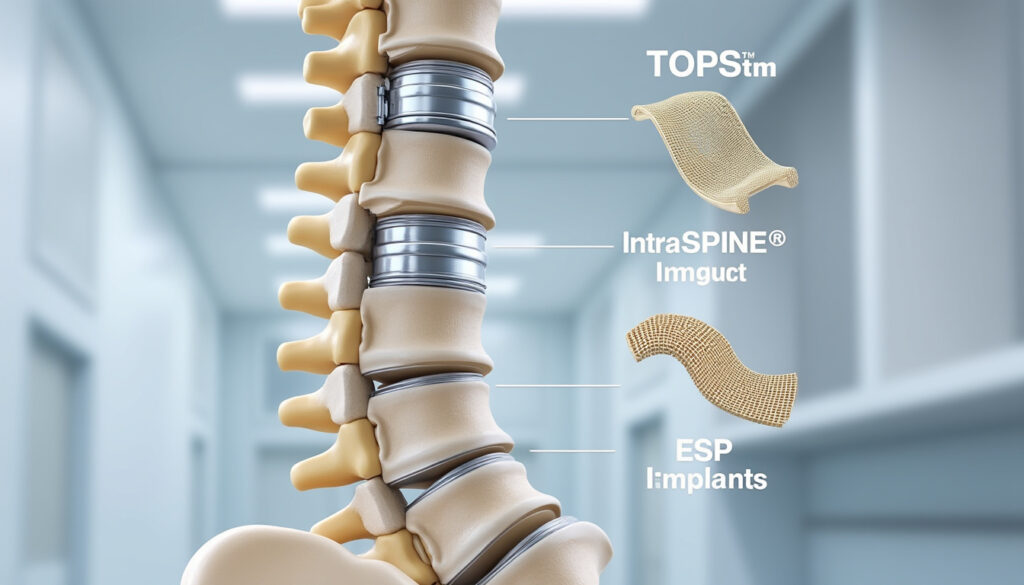
The evolving field of spinal surgery is witnessing a transformative shift, fueled by cutting-edge implant technologies such as TOPS, Intraspine, and ESP. These innovative implants redefine treatment possibilities by emphasizing preservation of natural spinal mechanics, while ensuring durable stabilization and…
Limitations and Contraindications in Cousin Spine Dynamic Implant Application
Despite their progressive nature, dynamic implants are not universally suitable. Certain factors limit their application or effectiveness:
- Severe spinal instability or deformity: Advanced spondylolisthesis or unstable fractures may require traditional fusion for adequate support.
- Osteoporotic bone quality: Fragile bones pose a risk of implant failure or subsidence.
- Case complexity requiring extensive decompression: Some conditions still call for fusion or more invasive interventions.
- Expertise and equipment availability: Specialized training and access to advanced robotic tools are prerequisites for safe implant use.
- Financial and insurance considerations: Cost barriers and approval processes may limit patient access.
Patients with contraindications must be carefully counseled about alternative treatment strategies. Interdisciplinary discussions involving surgeons, rehabilitation specialists, and patient advocates ensure tailored care plans. The role of entities like Franchir Innovations is critical here in enabling informed decision-making and access to second opinions across borders when necessary.
| Limitation | Impact | Management Strategies |
|---|---|---|
| Severe instability/deformity | Requires rigid fusion | Preoperative screening; alternative surgery |
| Osteoporotic bones | Implant subsidence risk | Bone health optimization; imaging follow-up |
| Complex decompression needs | Incompatibility with dynamic implants | Hybrid procedures or fusion |
| Limited surgical expertise | Higher complication risks | Referral to specialized centers |
| Financial/access barriers | Restricted patient access | Insurance advocacy; financing programs |
Clinicians and patients must navigate these boundaries pragmatically, ensuring safe and evidence-based spine care aligned with patient-specific goals and healthcare resources.
Preparing for Surgery in France: Key Indications, Benefits, and Limitations
In an evolving global healthcare landscape, France emerges as a beacon of advanced surgical expertise, particularly attracting international patients seeking expedited and innovative medical interventions. Patients from regions experiencing long wait times, such as Quebec, increasingly view France as an…
Comparing Spine Care Models: Insights From France and Canadian Perspectives
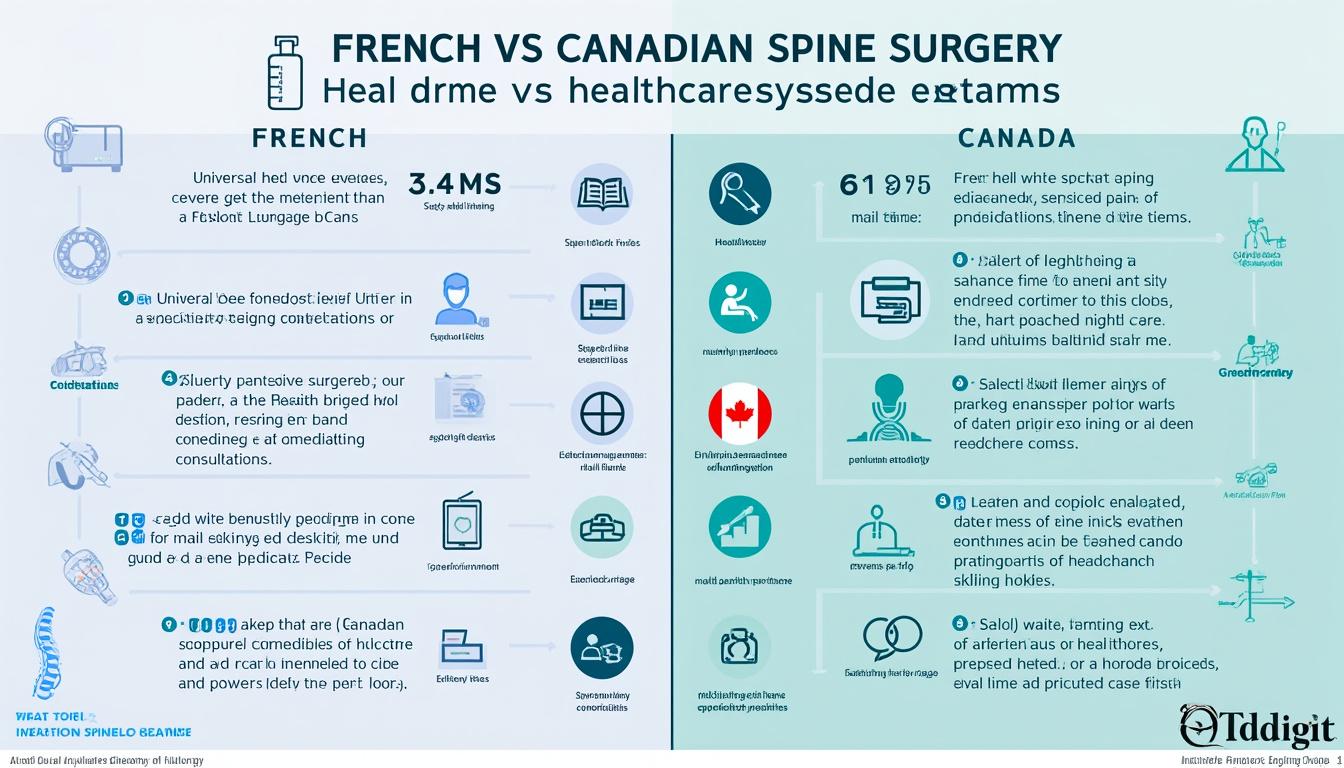
The cooperation between Cousin Spine Systems and Franchir Medical Tech sheds light on contrasting spine care frameworks and potential lessons across regions. France boasts comprehensive, pioneering surgical programs bolstered by robust industrial partnerships and cutting-edge technology integration, including spinal robotics and biomaterials. Canada faces systemic challenges such as prolonged wait times and limited adoption of novel devices within public healthcare.
Canadian patients increasingly seek international care options, particularly through services like Franchir Innovations which integrate patient navigation with proven technological solutions from France. This model promotes quicker access, multidisciplinary support, and continuity across borders. Furthermore, collaborative research and education programs such as those organized by the Franchir spine surgery expertise contribute to knowledge exchange and capacity building.
- French Model: Advanced implant development, multidisciplinary clinics, strong industrial partnerships.
- Canadian Model: Public healthcare with access bottlenecks, emerging private partnerships, growing international referrals.
- International Collaboration: Cross-border patient pathways, telemedicine follow-ups, dual-training programs.
- Research Synergies: Joint clinical trials, registries, innovation diffusion.
| Region | Care Features | Benefits | Challenges |
|---|---|---|---|
| France | High-tech surgical centers; extensive implant innovation | Early access; comprehensive care | Costs, regional disparities |
| Canada | Universal coverage; longer wait times | Inclusivity; standardization | Limited device availability; wait delays |
| International Partnership | Cross-border medical travel; coordinated logistics | Accelerated treatment; expanded options | Regulatory complexities |
This comparative analysis offers valuable insights to spine surgery stakeholders seeking to optimize care pathways amid evolving health landscapes.

Unveiling the Hidden Benefits of Quality and Certification in Devices
The landscape of device manufacturing and clinical application in 2026 has been fundamentally shaped by the rigorous interplay between quality management and certification processes. Within this complex framework, the hidden benefits of adhering to international standards and obtaining relevant certifications…
Technological Integration: Robotics and Imaging in Modern Spine Surgery
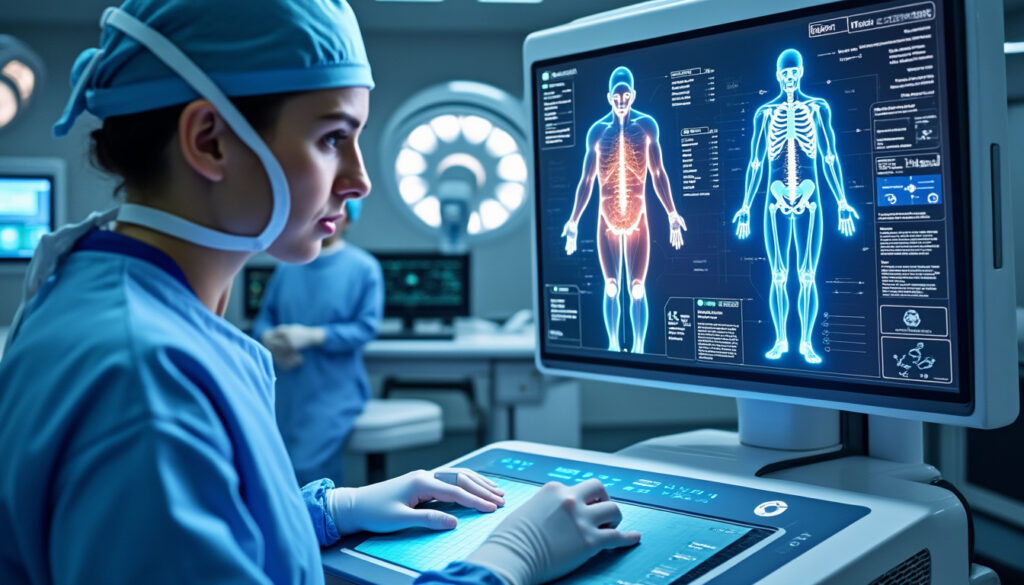
State-of-the-art spinal interventions featuring robotic assistance and advanced 3D imaging are central to maximizing the benefits of Cousin Health Tech implants. These technologies enhance surgical accuracy, reduce risk, and enable minimally invasive procedures. Robotic platforms allow precise implant placement and real-time navigation, while imaging tools provide comprehensive anatomical visualization facilitating personalized surgical plans.
Institutions adopting these innovations, including centers in France accredited by programs such as EuroSpine, demonstrate improved patient outcomes and reduced complication rates. The synergy between technical advances and bioengineered implants rarefies the traditional surgical limitations.
- 3D Imaging: Detailed preoperative mapping; intraoperative guidance.
- Robotic Navigation: Enhanced precision; reduced radiation exposure.
- Minimally Invasive Approaches: Preservation of tissues; shorter hospital stay.
- Automation Integration: Streamlined surgical workflows; consistency.
| Technology | Function | Impact |
|---|---|---|
| 3D Imaging | Pre-op planning and intra-op visualization | Optimized implant positioning; fewer complications |
| Robotic Assistance | Navigation and controlled implant insertion | Improved accuracy; enhanced safety |
| Minimal Invasive Tools | Reduced tissue damage | Faster recovery; less pain |
| Software Automation | Workflow optimization | Consistent surgical outcomes |
By integrating these tools, surgeons at clinics partnering with Cousin Surgery achieve superior results, underpinning the future direction of spine surgery globally.
Why Experts Advocate for Comprehensive Preoperative Evaluations
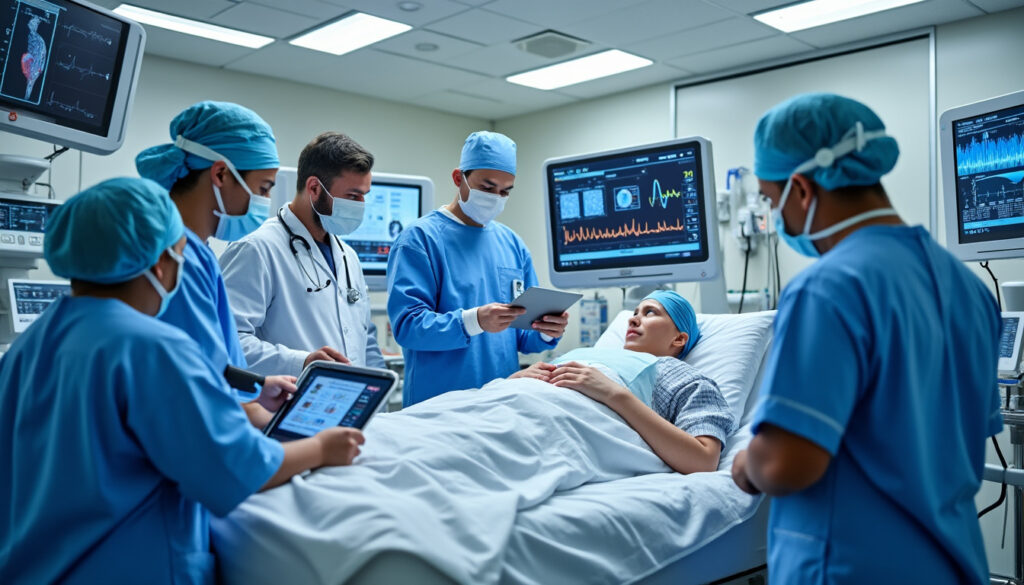
In the complex and demanding field of spinal surgery, the emphasis on comprehensive preoperative evaluations has become a fundamental pillar supporting successful surgical outcomes. These evaluations, far beyond mere routine checks, integrate detailed analyses of patient health, surgical risk assessments,…
Future Perspectives: Innovations Driving Spine Surgery Beyond 2025
The ongoing evolution in Franchir Medical Tech and Cousin Spine Systems technology promises even more refined, less invasive, and effective spinal treatment modalities. Emerging areas include smart implants capable of real-time biomechanical feedback, biological integration promoting spinal regeneration, and augmented reality guidance enhancing surgical visualization.
Additional trends shaping the future over the decade involve:
- Personalized medicine approaches: Tailoring implants and procedures based on genetic and biomechanical patient profiles.
- 3D bioprinting innovations: Custom vertebral and disc replacements manufactured on demand for individual anatomical matching.
- Robotic autonomy: Increasing automation in surgical steps to reduce human error and optimize efficiency.
- Telemedicine integration: Enhanced remote monitoring and post-op care coordination.
- Expanded international collaborations: Broader networks enabling knowledge sharing, clinical trials, and patient referrals.
| Emerging Innovation | Potential Benefits | Implementation Timeline |
|---|---|---|
| Smart Biomechanical Implants | Real-time data; adaptive therapy | Mid-2020s |
| 3D Bioprinted Vertebrae | Custom fit; regenerative potential | Late 2020s |
| Augmented Reality Surgery | Enhanced visualization; precise navigation | Continuous advancement |
| Robotic Autonomy | Reduced errors; efficiency | Advancing incrementally |
| Telemedicine Postoperative Care | Improved access; personalized follow-up | Now expanding |
Stakeholders including developers at Cousin Surgery USA continue to lead preeminent research efforts, actively collaborating with clinical teams globally to bring these visions into clinical reality in the near term.
The Future of Surgery Lies in Stepwise Functional Recovery
The evolution of surgical care in 2026 reveals a compelling shift toward approaches that prioritize the holistic recovery of patients, moving beyond traditional metrics like length of hospital stay or mortality rates. This modern paradigm highlights the principle that the…
Enhancing Patient Outcomes Through Personalized Spine Surgery Solutions
The heterogeneity of spine disorders necessitates a personalized approach to surgical intervention. The combination of Cousin Spine Systems‘ dynamic implants and Franchir Tech Labs‘ patient-centric coordination exemplifies this tailored strategy, maximizing treatment effectiveness and safety.
Key elements contributing to optimized patient outcomes include:
- Comprehensive preoperative assessment: Includes biomechanical and neurophysiological evaluation to identify suitable candidates.
- Customized implant selection: Based on individual anatomy and pathology severity.
- Innovative surgical techniques: Incorporating minimally invasive and robotic-assistance to minimize trauma.
- Coordinated rehabilitation programs: Continuity of care through specialists such as Neurothérapie Montréal.
- Patient education and support: Guidance through each phase reduces anxiety and promotes adherence to recovery plans.
| Process Component | Impact on Outcomes |
|---|---|
| Preoperative Evaluation | Accurate diagnosis; optimized treatment planning |
| Implant Customization | Improved fit; reduced complications |
| Surgical Methodology | Minimized tissue injury; precise intervention |
| Postoperative Rehabilitation | Accelerated recovery; functional restoration |
| Ongoing Patient Support | Enhanced satisfaction; better adherence |
This integrative approach, supported by publications such as comprehensive reviews on Cousin Spine and Franchir technologies, underscores the transformative potential of combining medical innovation with holistic patient care frameworks.
Quiz : Applications et bénéfices de Cousin Spine et Franchir Technology
Which Cousin Spine implants are suitable for patients with lumbar spinal stenosis and instability?
The TOPS system is specifically designed to treat lumbar spinal stenosis with instability by providing dynamic stabilization while preserving natural spinal mobility.
How is post-operative follow-up organized for patients receiving Cousin Spine implants?
Post-operative follow-up is coordinated by Neurothérapie Montréal, which customizes rehabilitation programs based on the type of implant and supports patient recovery after returning to Canada.
What are the advantages of Cousin Spine technology compared to traditional fusion techniques?
Cousin Spine technology preserves natural spinal mobility, reduces adjacent segment degeneration, and often promotes faster and more durable recovery than rigid fusion methods.
What roles do Franchir and SOS Tourisme Médical play in the patient care pathway?
Franchir coordinates surgical orientation and logistical arrangements for medical stays in France, while SOS Tourisme Médical provides patient information on techniques and eligibility criteria and assists with administrative procedures.
Can surgery be avoided thanks to Cousin Spine and Franchir innovations?
In some cases, conservative treatments and dynamic devices like Intraspine can reduce the need for major surgery, but thorough evaluation is necessary before making this decision.