Blainville Chronic Back Pain and Herniated Disc FAQs
May 15, 2026
Saint-Jérôme Herniated Disc Recovery for Sports Injuries
May 15, 2026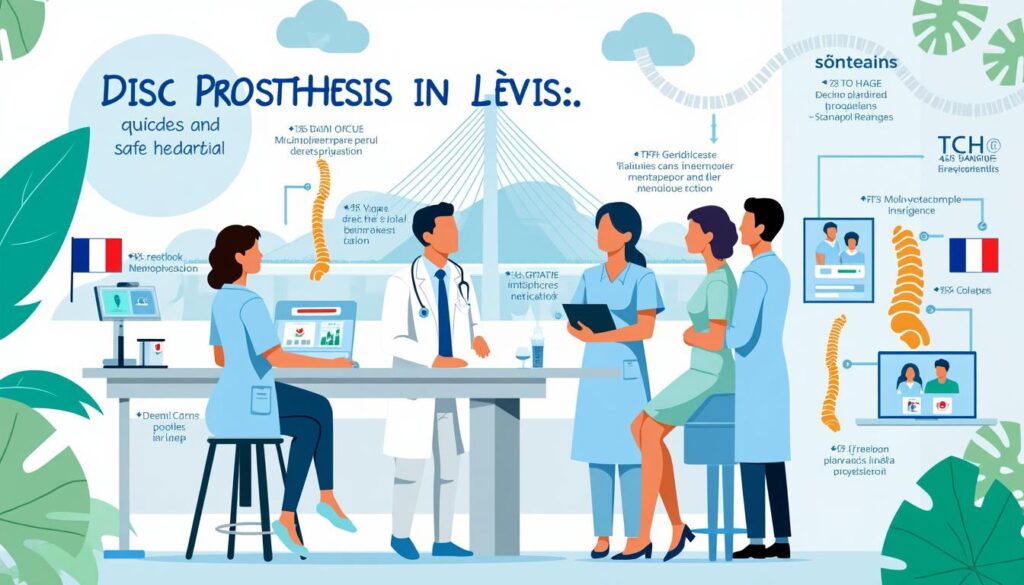
Chronic back pain resulting from degenerative disc disease is a formidable challenge impacting countless individuals in Lévis and the greater Quebec region. Traditional solutions often involve spinal fusion surgeries, which, while effective in stabilizing painful segments, come with significant trade-offs in mobility and longer recovery times. Recently, a wave of innovation originating from specialized centers in France has introduced disc prosthesis surgery as a promising, minimally invasive alternative. This procedure aims to restore natural spine function through advanced implants designed to preserve motion, reduce adjacent segment stress, and accelerate recovery. Bridging expertise across the Atlantic, Dr. Sylvain Desforges, a distinguished leader with over 30 years of dedication in spinal care, oversees expert evaluations and coordinates bespoke patient pathways that combine the best of French surgical technology and Quebec’s leading rehabilitative practices.
The concept of replacing damaged spinal discs with prosthetic devices challenges conventional practices by emphasizing motion preservation, reducing complications, and elevating patient quality of life. Disc prostheses like the Mobi-C, ProDisc-C, and the innovative LP-ESP prosthesis provide multidimensional flexibility and shock absorption that mimic physiological disc mechanics. Meanwhile, dynamic stabilization systems such as the TOPS implant further enhance postural control while retaining natural movement. This article delves into the various surgical options available in France, the step-by-step process guiding patients from initial evaluation through cross-border care and rehabilitation, and the holistic benefits encompassing biomechanical integrity, cost-efficiency, and human-centered recovery. A foundational tenet underscored is the importance of undergoing rigorous conservative care—including exclusive therapies at Clinique TAGMED—before surgical consideration to optimize outcomes and align with ethical practice standards.
Types of Spine Surgery in France: From Fusion to Motion-Preserving Disc Prostheses
Within the dynamic landscape of spine surgery, patients often face the difficult choice between spinal fusion and emerging motion-preserving interventions. In France, where spinal healthcare innovation is at the forefront, a spectrum of surgical techniques is available to Quebec patients seeking alternatives that safely blend efficacy with functionality.
Simple disc surgery primarily targets herniated discs that press on nerve roots without compromising spinal stability drastically. Procedures such as microdiscectomy focus on removing offending disc material to promptly alleviate nerve compression. This procedure is generally less invasive but offers a limited scope in chronic degenerative conditions.
Spinal fusion surgery remains a widely adopted intervention designed to eliminate pain by permanently binding two or more vertebrae. While effective in stabilizing segments and preventing painful motion, fusion inherently sacrifices natural spinal mobility. Patients often grapple with postoperative stiffness, altered biomechanics, and a higher risk of degeneration at levels adjacent to the fusion over time.
Motion-preserving surgeries have revolutionized spinal care by maintaining or restoring natural intervertebral movement. Artificial disc replacement (ADR) or total disc replacement (TDR) involves removing the degenerated disc and implanting a prosthesis that replicates the natural biomechanics of a healthy disc. Devices like the LP-ESP lumbar prosthesis provide six degrees of freedom—including controlled rotation, translation, and axial compression—effectively absorbing shocks and enabling near-physiological movement.
French-approved implants such as the LP-ESP boast design innovations that improve upon traditional two- or three-piece devices by integrating deformable components to simulate dynamic behavior accurately. Other internationally recognized prostheses like Medtronic’s Mobi-C or Zimmer Biomet’s ProDisc-C exhibit unique biomechanical traits suited for cervical or lumbar applications.
Benefits of motion-preserving approaches include:
- Preservation of spinal segment movement, reducing stiffness and postural alterations
- Lowered risk of adjacent segment degeneration compared to fusion
- Faster rehabilitation and reduced postoperative pain
- Improved long-term durability with enhanced implant designs
Minimally invasive techniques employed in leading French centers, such as endoscopic approaches and robot-assisted surgery, reduce soft tissue trauma, shorten hospitalization, and increase surgical precision. These innovative methods underscore France’s leadership in advanced, patient-centered spine surgery.
Minimally Invasive Surgery in Longueuil: Reduce Post-Surgical Risks
Minimally invasive surgery is redefining the landscape of patient care in Longueuil and beyond, offering transformative advantages in reducing post-surgical risks and enhancing recovery outcomes. Thanks to advances in healthcare technology, including laparoscopic and robotic-assisted techniques, patients now experience smaller…
The Patient Journey: Expert Evaluation to Postoperative Rehabilitation Across Continents
Embarking on a spine surgery journey, especially involving international care, requires a structured, comprehensive pathway carefully overseen by clinical experts like Dr. Sylvain Desforges. His qualifications (B.Sc., D.O., N.D.) and leadership roles in Canadian osteopathic and medical organizations reinforce the scientific rigor and ethical governance underlying patient management.
Initial Expert Evaluation: The process begins with a thorough, evidence-based assessment combining clinical examination, neuromuscular evaluation, and advanced imaging techniques (MRI, EOS imaging). Dr. Desforges evaluates spinal pathologies, functional impairment, and previous treatments to determine candidacy for disc prosthesis. Importantly, this evaluation focuses on patient-specific biomechanics and symptomatology without performing a diagnosis himself but offering an expert appraisal and personalized recommendations.
Conservative Treatment Prerequisite: Surgery is never the first step. A mandatory 3 to 6 months of conservative therapies must precede surgical consideration, emphasizing modalities such as neurovertebral decompression offered at Clinique TAGMED. These non-invasive treatments aim to reduce nerve root pressure, restore spinal mechanics, and potentially avoid surgery altogether, ensuring that surgical intervention is reserved for appropriately vetted cases.
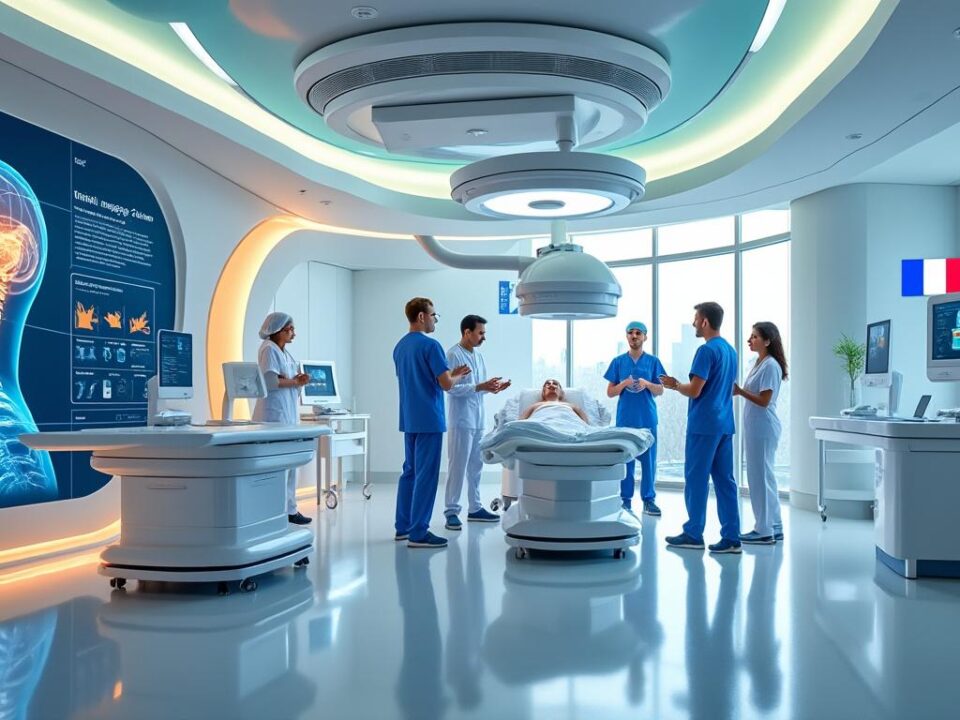
Surgical Coordination and Planning: Once surgical candidacy is confirmed, Dr. Desforges facilitates a direct interface with French surgical centers experienced in implant technology. This coordination includes efficient referral processing, personalized preoperative education, implant selection (e.g., choosing between Mobi-C, LP-ESP, or TOPS systems depending on pathology), and risk minimization strategies, accelerating access to care and enhancing treatment outcomes.
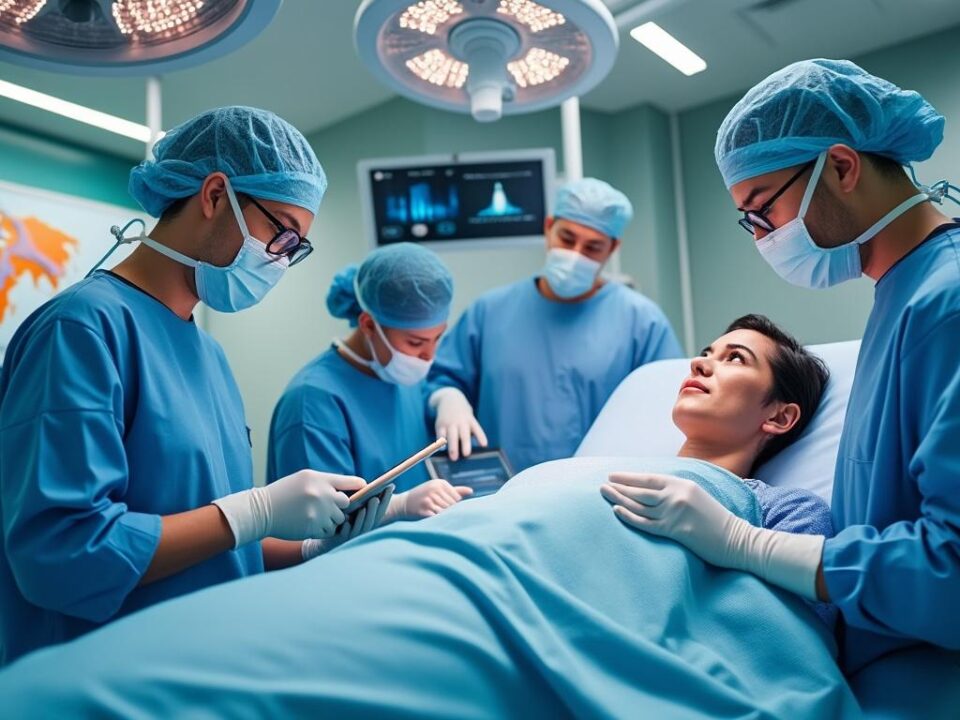
Minimally Invasive Surgery and Care Delivery: French centers utilize state-of-the-art operating room technology to perform disc prosthesis implantation with minimal disruption. Patients benefit from reduced hospital stays, optimized pain management, and early mobilization protocols aimed at quick recovery and functional restoration.
Postoperative Rehabilitation and Follow-Up: Upon return to Quebec, patients transition to Clinique TAGMED, where multidisciplinary rehabilitation incorporates osteopathic mobilization, targeted physiotherapy, laser treatments, and teleconsultations. This continuum of care sustains surgical benefits, minimizes risks, and promotes long-lasting spinal health.
| Stage | Description | Patient Benefits |
|---|---|---|
| Expert Evaluation | Comprehensive clinical and radiological appraisal by Dr. Desforges | Tailored assessment guiding optimal treatment paths |
| Conservative Management | 3-6 months of therapies, including neurovertebral decompression | Potential symptom relief and surgery avoidance |
| Surgical Planning | Customized implant and surgical approach selection in France | Enhanced surgical precision and reduced wait times |
| Surgery & Recovery | Minimally invasive disc prosthesis implantation | Quick recovery, decreased hospitalization, early mobilization |
| Postoperative Rehab | Rehabilitation at Clinique TAGMED with multidisciplinary therapies | Optimized long-term function and patient confidence |
This meticulous pathway reflects Dr. Desforges’s commitment to scientific rigor and ethical care, facilitating peace of mind and the best possible clinical outcomes.
IntraSPINE® in Laval: Quick and Effective Recovery
Chronic lower back pain remains a pressing challenge for many active individuals across Quebec, impacting their mobility and overall quality of life. With healthcare access hurdles and lengthy wait times for spinal surgeries domestically, a pioneering collaboration has emerged linking…
Biomechanical Advantages of Disc Prosthesis Versus Traditional Fusion Surgery
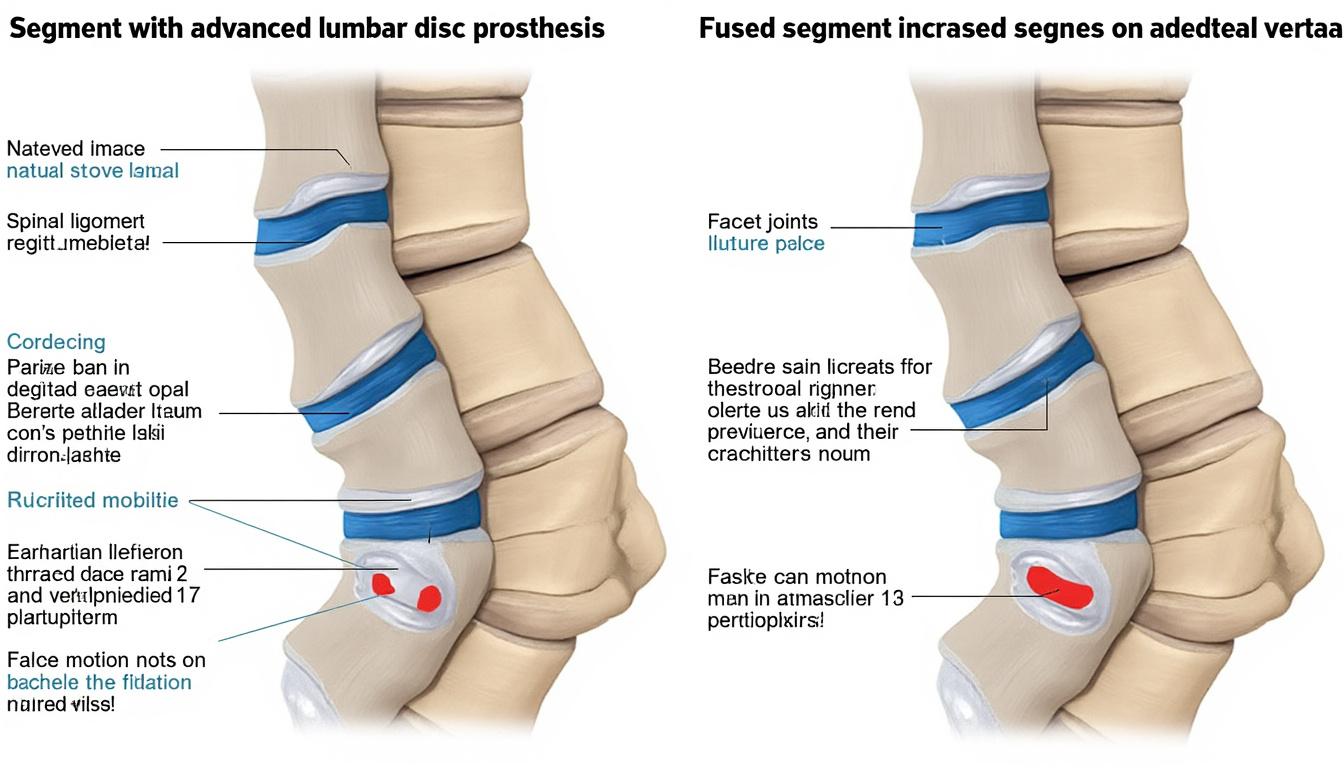
The choice between fusion and motion-preserving disc prosthesis hinges on profound biomechanical considerations. Spinal fusion, by permanently immobilizing spinal segments, often leads to altered load distribution and accelerated wear of adjacent vertebral levels—a predicament known as adjacent segment degeneration. In contrast, disc prostheses reproduce natural intervertebral movement, promoting biomechanical harmony.
Natural Movement Restoration: Innovative implants like the LP-ESP and Mobi-C support flexion, extension, lateral bending, and axial rotation. The viscoelastic materials and deformable cores act as shock absorbers, dampening forces transmitted through the spine and safeguarding facet joints.
Reduction of Adjacent Segment Degeneration: By maintaining physiological kinematics, artificial discs prevent overstressing neighboring segments, potentially reducing the need for future surgical interventions.
Accelerated Recovery and Functional Outcomes: Less invasive and motion-preserving procedures minimize soft tissue trauma, allowing patients to resume daily activities and work faster.
| Feature | Traditional Fusion | Disc Prosthesis |
|---|---|---|
| Preservation of Motion | No; vertebral segments permanently fused | Yes; replicates natural disc motion |
| Risk of Adjacent Segment Disease | High due to compensatory movement | Reduced by preserving spinal kinematics |
| Postoperative Pain | Often higher, from rigid fixation and muscle disruption | Typically lower, due to minimal invasive approach |
| Rehabilitation Speed | Slower; immobilization requires longer recovery | Faster due to motion preservation and less trauma |
| Long-Term Implant Durability | Stable; fusion hardware proven over decades | Improved through advanced materials and design |
These biomechanical benefits translate into tangible improvements in patient quality of life and functional capacity. The dynamic implants represent a paradigm shift in spinal health management strategies, elevating the standard beyond static fusion techniques.
Neck Surgery in Montreal: Preserve Cervical Mobility After Surgery
The management of cervical spine disorders presents unique challenges that often require innovative surgical techniques aimed not only at alleviating pain but also at preserving the natural mobility of the neck. In Montreal, patients seeking relief from cervical spine issues…
Coordinated Transatlantic Care: A Unique Pathway Enhancing Patient Outcomes
The collaboration between Quebec and French spine centers marks an exemplary model of international medical coordination. Under Dr. Desforges’s expert guidance, patients benefit from streamlined referrals, tailored surgical planning, and comprehensive rehabilitation aligning with both Canadian and French healthcare frameworks.
This transatlantic approach addresses pressing healthcare challenges in Quebec, including long waitlists, limited access to innovative implants, and fragmented postoperative care. Leveraging world-renowned French surgical expertise combined with specialized Quebec-based conservative therapy ensures patients receive safe, fast, and effective interventions.
The partnership with platforms such as SOS Tourisme Médical facilitates administrative navigation, reduces delays, and enhances patient experience throughout the treatment continuum. Telemedicine appointments, bi-national digital records, and cooperative follow-up care exemplify how technological integration supports quality and efficiency.
Key advantages of transatlantic coordination include:
- Expedited access to cutting-edge devices unavailable or delayed in Canada
- Cost-effective alternatives to private Canadian spine surgery options
- Seamless handover between French surgical teams and Quebec rehabilitation specialists
- Comprehensive patient education and psychological support throughout the journey
This care model, championed by Dr. Desforges’s pioneering vision, reflects a patient-first philosophy grounded in innovation, safety, and empathy.
Disc Prosthesis in Lévis: Approved Surgical Innovation
In the evolving landscape of spine health, the advent of the Disc Prosthesis in Lévis marks a significant stride in surgical innovation. This breakthrough approved medical device offers patients an advanced option for conditions previously limited to traditional fusion surgery.…
The Crucial Role of Conservative Care and Neurovertebral Decompression Prior to Surgery
Scientific consensus and clinical guidelines emphasize the primacy of conservative treatment before contemplating disc prosthesis surgery. Dr. Sylvain Desforges advocates a structured attempt of at least three to six months of non-invasive therapies designed to alleviate symptoms and maximize spinal function.
At Clinique TAGMED, patients access state-of-the-art neurovertebral decompression therapy, an advanced modality that gently relieves disc and nerve root pressure without surgery. Combined with osteopathic evaluations, targeted physiotherapy, laser treatment, and shockwave therapy, this approach seeks to restore spinal balance and reduce inflammation.
Utilizing these treatments before surgery aligns with ethical medical practice, mitigates surgical risks, and sometimes negates the necessity for invasive intervention. When conservative management falls short, surgery performed in recognized French centers, facilitated through Dr. Desforges’s coordination, becomes a carefully weighed next step rather than a first resort.
- Neurovertebral decompression reduces nerve root compression and pain
- Osteopathic care improves joint mechanics and mobility
- Physiotherapy strengthens muscles and corrects posture
- Laser and shockwave therapies accelerate tissue healing
- Multi-disciplinary follow-up ensures holistic patient support
Patients are encouraged to remain actively engaged in their care, asking questions and collaborating closely with their healthcare team to determine the best timing for surgical consideration.
Motion Surgery in Terrebonne: Maintain Intervertebral Mobility
In recent years, the landscape of spine surgery has witnessed transformative advancements, with Motion Surgery emerging as a pivotal innovation, particularly in Terrebonne. Unlike traditional spine operations that often focus on immobilizing affected segments, Motion Surgery prioritizes preserving natural intervertebral…
Unique Service Features of the Transatlantic Pathway with Clinique TAGMED
The transatlantic journey guided by Dr. Desforges offers a suite of distinctive advantages that differentiate it from traditional care. These include exclusive access to advanced, clinically validated implants like the LP-ESP disc prosthesis, renowned for its biomechanical fidelity and longevity unmatched in many Canadian centers.
Dr. Desforges’s multi-institutional leadership roles underpin the ethical framework and scientific oversight ensuring that each step—from evaluation to postoperative support —meets the highest standards. The comprehensive approach integrates preoperative optimization with TAGMED’s conservative therapies, expert surgical intervention in France, and structured rehabilitation programs personalized to individual recovery profiles.
The pathway is characterized by:
- Transparent communication and patient education during all phases
- Coordination with leading French surgeons specializing in minimally invasive spine surgery
- Access to innovative implants such as TOPS dynamic stabilization and Mobi-C for cervical spine disorders
- Ongoing monitoring through telehealth platforms ensuring safety and continuity
- Supportive environments fostering patient confidence and reducing anxiety
For practitioners and patients alike, this model exemplifies how international collaboration and technological innovation combine to reset the benchmark for spinal health care access and outcomes.

Lumbar Disc Prosthesis in Saguenay: Approved and Safe Solution
Chronic lower back pain has long been a pervasive health challenge in the Saguenay region, significantly impacting the daily lives of many residents. In recent years, advances in spinal care have introduced promising alternatives to traditional spinal fusion surgery, offering…
Patient Empowerment Through Clear, Human-Centered Communication
Recognizing that choosing spine surgery can provoke anxiety and confusion, Dr. Desforges prioritizes education and empathetic dialogue throughout the care continuum. Complex biomechanical concepts and surgical details are conveyed using accessible language, empowering patients to make informed choices aligned with their values and lifestyles.
Effective communication strategies include:
- Comprehensive consultations that encourage patient questions and dialogue
- Plain-language materials explaining indications, risks, and benefits
- Regular updates throughout preoperative and postoperative phases
- Respectful consideration of patient preferences and concerns
- Engagement of family members in discussions to broaden support networks
This approach alleviates fears, builds trust, and fosters therapeutic alliances that underpin successful recovery and long-term spinal health.
IntraSPINE® in Sherbrooke: Improve Posture and Reduce Pain
Chronic low back pain is a pervasive challenge that affects countless individuals in Sherbrooke and beyond, limiting daily activities and reducing overall quality of life. Amidst the growing demand for effective and durable solutions, the IntraSPINE implant has emerged as…
Contact for Personalized Evaluation and Care Pathways
If chronic back pain or degenerative spinal conditions are impeding your quality of life, exploring advanced disc prosthesis surgery through an expertly coordinated transatlantic pathway may be the key to renewed mobility and relief. With over three decades of experience and a pioneering role in spine care, Dr. Sylvain Desforges provides comprehensive evaluations that consider your unique medical history and treatment goals.
Contacting the clinic or association offers personalized recommendations and facilitates access to cutting-edge surgical and conservative interventions designed to restore function safely and effectively. Patients benefit from streamlined international coordination, inclusive education, and expert postoperative care, making this approach a compelling alternative to lengthy local waitlists.
For more information or to discuss your individual case with dedicated experts, visit https://www.sostourismemedical.com/contact. Take the first step towards a spine-health journey tailored to you.
What makes disc prosthesis a better alternative to spinal fusion?
Disc prosthesis preserves natural movement of the spinal segments, reduces stress on adjacent discs, and generally results in faster recovery and less postoperative pain compared to traditional spinal fusion, which permanently immobilizes vertebrae.
How long should conservative treatments be tried before considering surgery?
A rigorous trial period of three to six months of conservative care, including neurovertebral decompression, physiotherapy, and osteopathic management, is recommended to allow symptom management and potential avoidance of surgery.
Can patients receive comprehensive care after surgery upon return to Quebec?
Yes, post-operative rehabilitation and monitoring can be coordinated at Clinique TAGMED, ensuring seamless continuity of care with multidisciplinary therapies that promote optimal recovery and long-term spinal health.
Are minimally invasive surgical techniques standard in France for disc prosthesis?
Yes, minimally invasive and robotic-assisted techniques are commonly employed in French spine centers to optimize implant placement, reduce tissue damage, and shorten hospital stays, contributing to quicker recovery.
How does international coordination improve the spine surgery patient experience?
International collaboration expedites access to advanced implants, streamlines treatment timelines, enhances communication across care teams, and integrates telemedicine, resulting in a patient-centered, efficient, and safe journey.
TOPS™ in Gatineau: Preserve Function and Reduce Lumbar Pain
In the evolving landscape of spine surgery, patients suffering from degenerative lumbar conditions are seeking solutions that not only alleviate pain but also preserve the natural function of the spine. The introduction of the TOPS (Total Posterior Spine) system in…