Blainville Sciatica Recovery Through Non-Invasive Care
May 16, 2026
Spinal Care Showdown: Essential Insights Every Patient Should Know Comparing France and Québec
May 16, 2026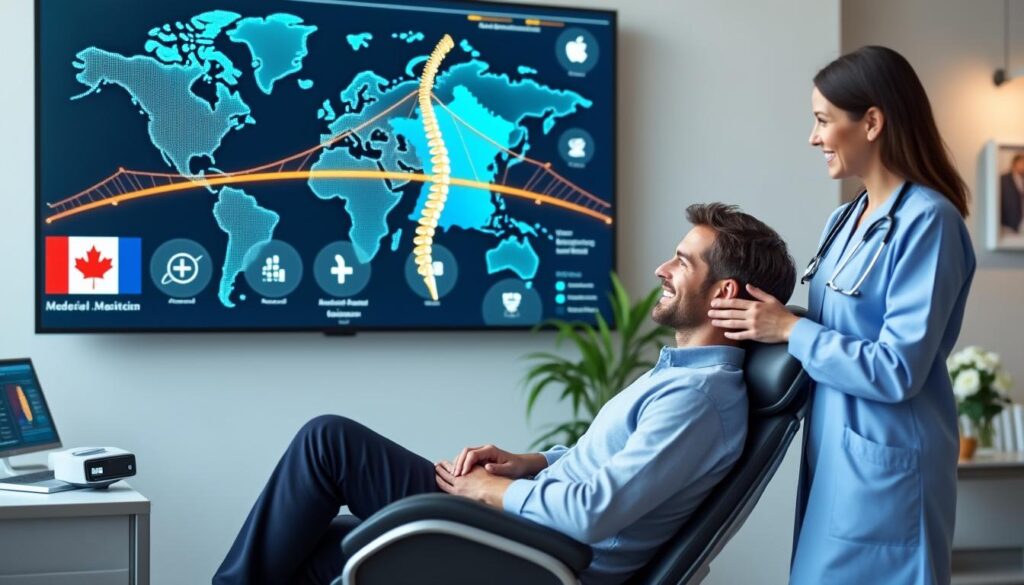
At the heart of Montreal’s vibrant Plateau-Mont-Royal neighborhood, many residents face the challenging reality of debilitating back pain caused by herniated discs. This common but often misunderstood condition can drastically affect mobility, productivity, and overall quality of life. As the urban lifestyle in this culturally rich area involves active communities with frequent physical engagement yet prolonged sedentary activities like teleworking or commuting, disc problems are increasingly prevalent. Navigating the complex healthcare journey can be daunting for patients, especially when faced with invasive surgery as a first or only option. However, a pioneering non-invasive treatment known as neurovertebral decompression therapy is transforming the landscape of back pain treatment and providing real hope for sustainable relief.
This article delves deep into the patient experience within Plateau-Mont-Royal, emphasizing the critical role of specialized, patient-centric care offered at dedicated clinics. Highlighting the expertise of Dr. Sylvain Desforges, a leading figure with over 35 years in the field, it explores the effectiveness, mechanisms, and comprehensive rehabilitation pathways associated with neurovertebral decompression. Through detailed patient journeys and evidence-backed insights, we’ll uncover how innovative disc therapy, combined with focused physical rehabilitation, fosters neurological recovery and promotes long-lasting spinal health in dynamic urban settings.
Understanding Herniated Disc Symptoms and Challenges in Plateau-Mont-Royal Residents
Herniated discs commonly occur when the gelatinous core of an intervertebral disc breaches the fibrous outer ring, creating pressure on adjacent nerve roots. This phenomenon manifests as a spectrum of symptoms depending on the affected spinal segment, ranging from localized low back pain to radiating sensations along the limbs. In an active community like Plateau-Mont-Royal, many adults experience exacerbation due to lifestyle factors such as repetitive movements, improper posture during long hours of telework, or frequent use of public transportation with limited ergonomic support.
The symptoms often start subtly with mild discomfort but can escalate to intense burning pain, tingling, numbness, and muscle weakness indicative of neurological impact. These distressing manifestations frequently interfere with daily activities and work performance, sometimes forcing individuals into premature leave or sedentary behaviors, thereby accelerating muscular atrophy and functional decline.
Medical literature confirms that early recognition and precise evaluation are pivotal in preventing progression to chronic pain syndromes. Residents who seek expert assessment benefit from comprehensive diagnostic protocols, including physical exams complemented by MRI scans and detailed neurological evaluations. This rigorous approach, championed by professionals like Dr. Desforges, ensures tailored treatment strategies that preserve patient autonomy and aim to circumvent unnecessary surgical interventions.
Erroneous or delayed diagnosis remains a widespread challenge, often leading patients down fragmented care pathways marked by ineffective treatments. The Plateau-Mont-Royal offers access to specialized clinics such as TAGMED where multidisciplinary teams collaborate to deliver accurate diagnosis and personalized care plans founded on evidence-based practices.

Back Surgery in Trois-Rivières: Ensuring a High Quality of Life Post-Operation
Back pain is increasingly recognized as a significant health challenge in Québec, affecting numerous individuals’ daily lives and well-being. In Trois-Rivières, patients often face long wait times for public healthcare or confront the high costs of private treatment options. This…
A Patient’s Journey Through Neurovertebral Decompression: Overcoming a Lumbar Herniated Disc
Consider the experience of Virginie, a 42-year-old active resident of Plateau-Mont-Royal, who struggled for months with debilitating lower back pain and sciatica before accessing specialized care at Clinique TAGMED. After enduring vague diagnoses and partial symptom control, she underwent a detailed evaluation by Dr. Sylvain Desforges. His thorough assessment prioritized understanding the broader context of her pain and functional impairment rather than merely addressing symptoms.
Virginie’s care involved an intensive program of neurovertebral decompression lasting four weeks. This non-invasive therapy applied precise spinal traction to reduce pressure on her intervertebral discs and nerve roots, promoting natural disc rehydration and tissue healing. Concurrently, inflammation management and pain control strategies supported gradual symptom relief.
Following decompression sessions, Virginie embarked on a carefully designed physical rehabilitation plan focusing on muscular strengthening, postural correction, and proprioceptive training. This phase was supervised by osteopaths and physiotherapists working closely to tailor exercises that prevented disc overload while optimizing mobility and spinal stability.
Virginie’s testimony is a powerful testament to the efficacy of a comprehensive care continuum: from early diagnosis through personalized decompression therapy to progressive rehabilitation. She regained confidence in her body, resumed professional activities, and observed a significant reduction in recurrence anxiety. Stories like hers exemplify the difference a multidimensional approach can make in managing chronic pain associated with herniated discs.

Disc Herniation in Longueuil: Equipment, Protocols, and Neurovertebral Decompression Treatment
The rising prevalence of disc herniation in Longueuil calls for innovative, effective, and patient-focused approaches to spinal care. As the population ages and sedentary lifestyles increase, spinal disorders leading to back pain and mobility limitations are more common than ever.…
The Science Behind Neurovertebral Decompression and Its Impact on Spinal Health
Neurovertebral decompression represents a significant evolution from traditional traction therapies. It involves controlled, targeted mechanical forces designed to gently stretch the spinal column, thereby creating negative pressure within the disc spaces. This negative pressure encourages the retraction of herniated disc material and facilitates nutrient-rich fluid intake to maintain disc hydration and elasticity.
The physiological benefits extend beyond mere mechanical relief. By alleviating nerve root compression, decompression reduces inflammation and promotes neural regeneration, which translates into symptom attenuation and functional restoration. This contrasts with symptom-masking approaches such as pharmacological analgesics that do not address underlying pathology.
In Plateau-Mont-Royal, expertise-driven clinical protocols integrate neurovertebral decompression with complementary therapies including laser treatment and dynamic spinal implants when appropriate. These innovations enhance patient comfort and optimize therapeutic outcomes. Dr. Desforges’ commitment to scientific rigor ensures that each patient’s protocol is carefully adjusted reflecting the unique anatomical and functional profile uncovered during evaluation.
Comparative Overview of Neurovertebral Decompression Versus Conventional Treatments
| Criteria | Neurovertebral Decompression (Clinique TAGMED) | Conventional Treatments |
|---|---|---|
| Approach | Personalized spinal traction with real-time adjustment | Medications, injections, or surgery |
| Duration | 4–6 weeks plus tailored rehabilitation | Varies; surgery entails longer recovery |
| Results | Improved mobility, reduced pain, tissue healing | Variable; risk of recurrence and side effects |
| Side Effects | Minimal; patient comfort prioritized | Risks of surgery and drug side effects |
| Follow-Up | Continuous monitoring with protocol modifications | Limited after initial treatment |

TOPS™ in Gatineau: Swift Relief Following Spinal Decompression
Back pain remains a pressing concern for many, especially when standard treatments fall short or surgical wait times seem interminable. In Gatineau, a breakthrough technology known as TOPS (Total Posterior Spine System) is transforming the landscape of spinal care. Offering…
The Essential Role of Physical Rehabilitation After Decompression Therapy
The recovery phase following neurovertebral decompression is crucial for consolidating gains and preventing future episodes. Rehabilitation focuses on restoring muscular balance, correcting dysfunctional postures, and retraining proprioception to enhance stability.
At Clinique TAGMED, a multidisciplinary team including osteopaths and physiotherapists cooperates to provide individualized programs. These avoid movements that exacerbate disc pressure, instead prioritizing gradual strengthening and flexibility enhancement.
Key components of the rehabilitation program include:
- Initial Evaluation: Comprehensive assessment to tailor the intervention.
- Progressive Muscular Strengthening: Focused exercises to support spinal structures.
- Postural Correction: Techniques and education to improve ergonomic habits.
- Proprioceptive Training: Exercises to improve balance and body awareness.
- Personalized Follow-Up: Ongoing adjustments based on patient progress.
This holistic methodology ensures durable pain reduction, improved spinal stability, and enhanced overall mobility. It is a roadmap for sustained success beyond mere symptom management.
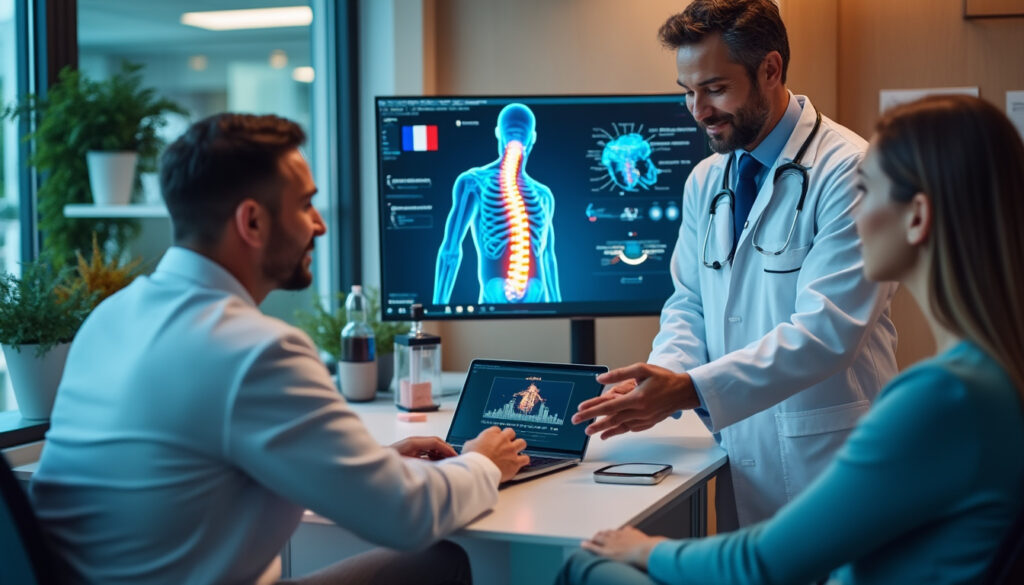
Lumbar disc herniation remains a significant challenge for many residents in Montreal, causing persistent back pain and reduced mobility. As the urban lifestyle grows complex with stress and sedentary habits, the spine’s health becomes a focal concern for both patients…
Advantages of Personalized Spine Care at Clinique TAGMED in Plateau-Mont-Royal
Residents of Plateau-Mont-Royal benefit from a unique care model that transcends conventional limitations. The foundation is laid during the initial consultation with a full diagnostic workup by Dr. Sylvain Desforges and his expert team, integrating osteopathy, naturopathy, and advanced imaging.
Each therapeutic protocol is adapted meticulously to reflect the patient’s symptom severity, anatomical findings, and lifestyle demands. Throughout treatment, close collaboration between therapists optimizes progress and addresses barriers promptly. The integration of educational resources on back pain prevention further empowers patients to actively engage in their recovery.
Such personalized spine care ensures not only effective symptom relief but also fosters long-term spinal health. The access to innovative non-surgical spinal decompression technologies combined with comprehensive post-treatment education distinguishes TAGMED as a leader in the region.
Herniated Disc in Laval: Effects on Quality of Life and Neurovertebral Decompression Therapy
Herniated disc is not just a clinical diagnosis in Laval; it symbolizes a profound challenge that reverberates through every facet of daily life. Affecting individuals across all ages and professions, from manual laborers to office workers, this spinal condition compromises…
Innovations and Technological Advances Driving Spinal Therapy in Montréal
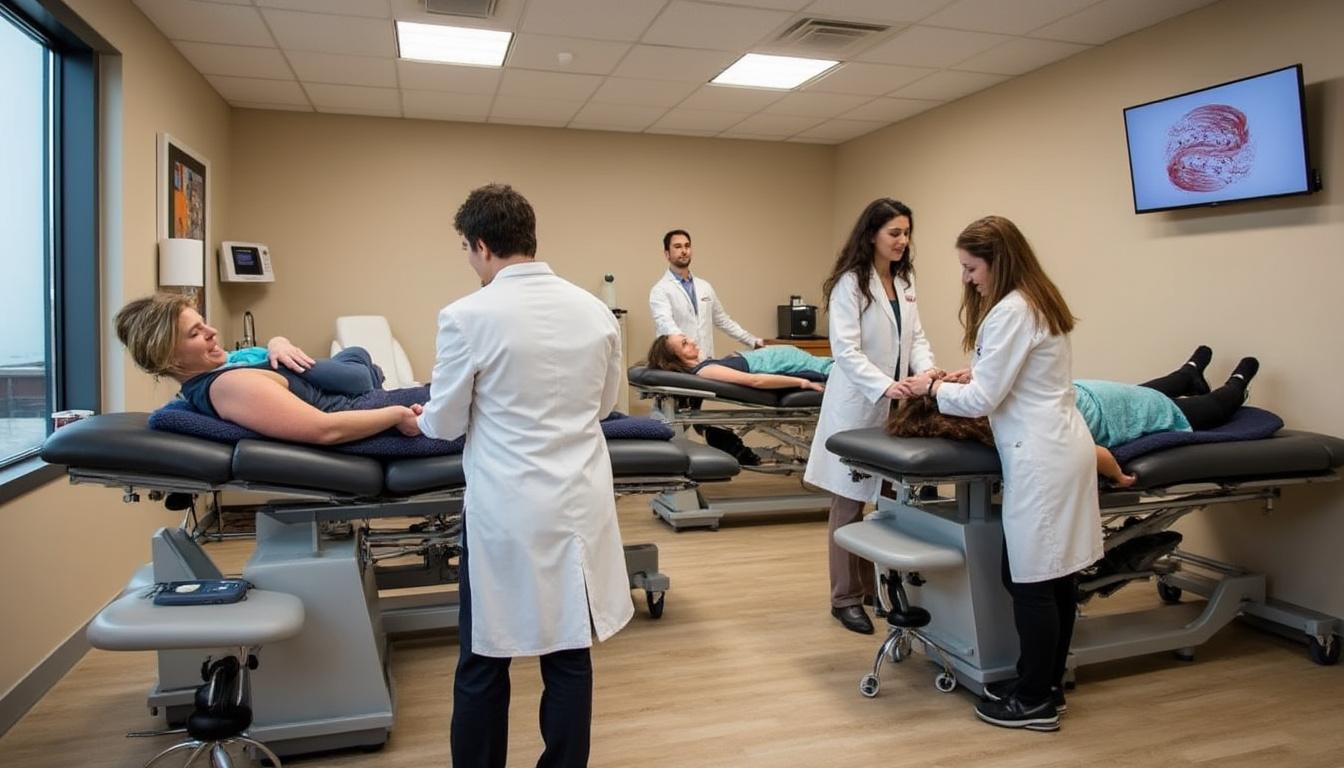
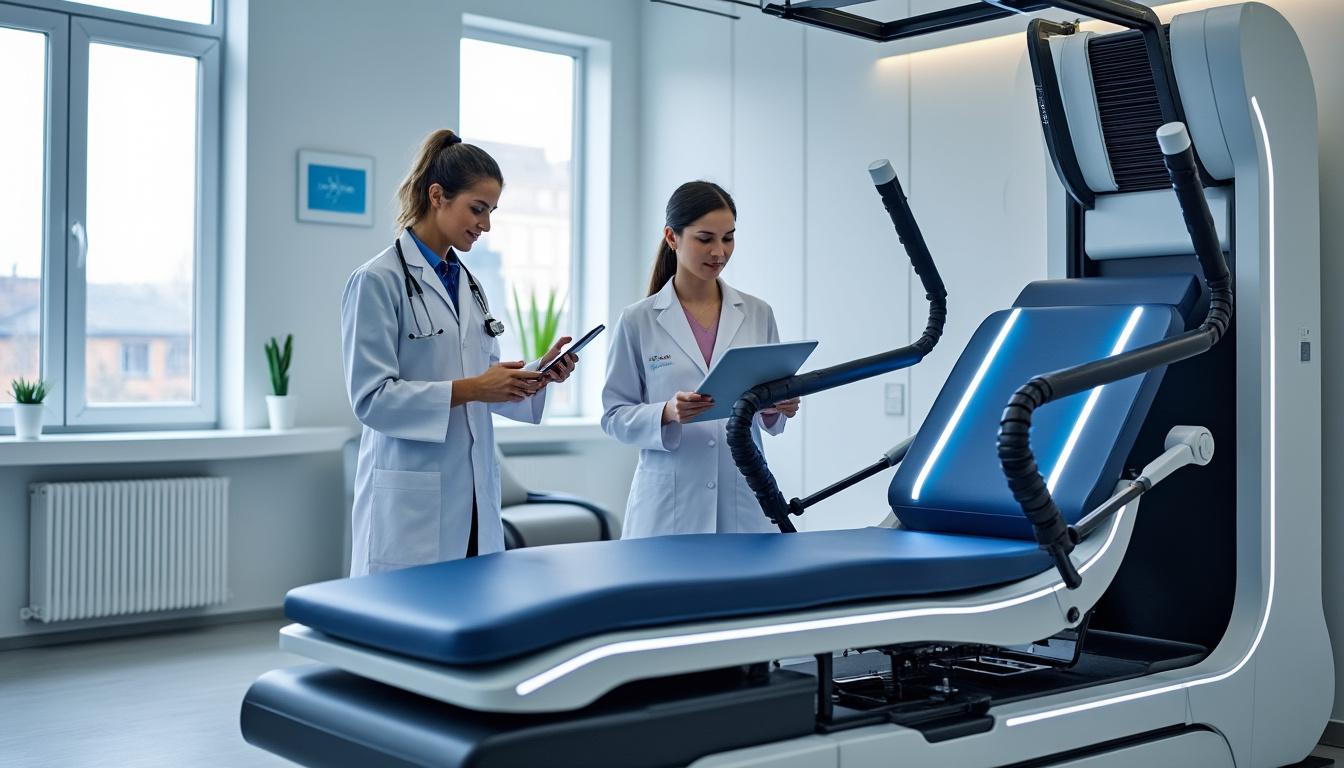
Keeping pace with rapid advancements, Clinique TAGMED integrates next-generation neurovertebral decompression tables allowing for precise, comfortable traction tailored to diverse patient anatomies. Real-time monitoring ensures adjustment of forces minimizing discomfort and maximizing therapeutic efficacy.
Complementary techniques like low-level laser therapy and dynamic spinal implants are selectively employed to enhance healing and stabilize spinal segments. This technological synergy, underpinned by Dr. Desforges’ commitment to ethical, regulated practice in compliance with Quebec medical guidelines, offers patients options previously unavailable within standard Canadian care frameworks.
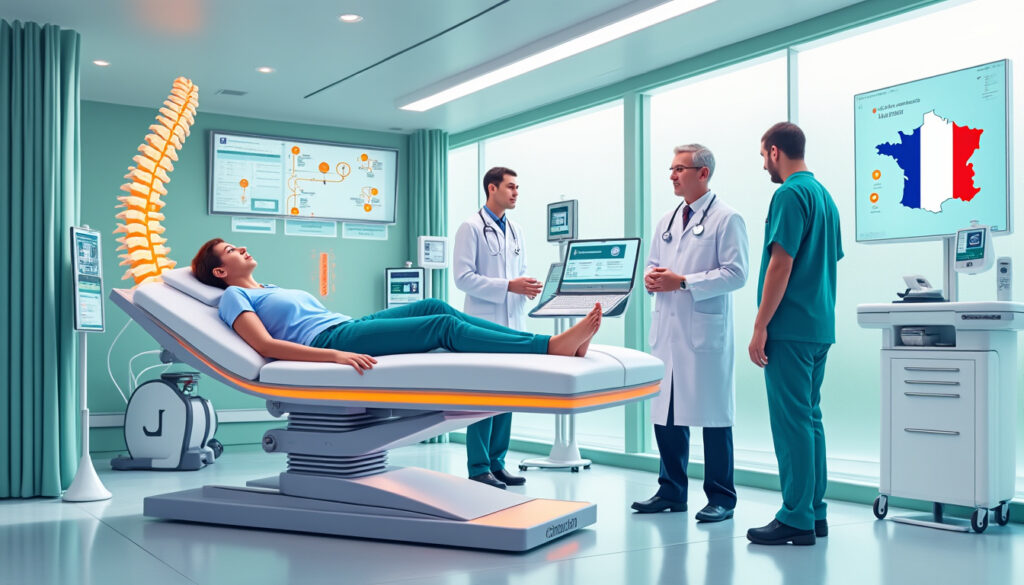
Moreover, ongoing research partnerships and participation in international networks enable transatlantic collaborations between Canadian and French specialists. These alliances enrich treatment planning and expedite care delivery for patients navigating complex spinal health challenges, reinforcing the innovative character of Plateau-Mont-Royal’s healthcare community.

Cervical Disc Prosthesis in Quebec: An Approved and Long-Lasting Solution
The landscape of spinal care in Quebec has witnessed transformative progress with the advent of the cervical disc prosthesis — an innovative orthopedic solution that offers renewed hope to patients burdened by chronic neck pain. This modern treatment modality replaces…
Collaborative Care Networks and International Coordination Elevating Patient Outcomes
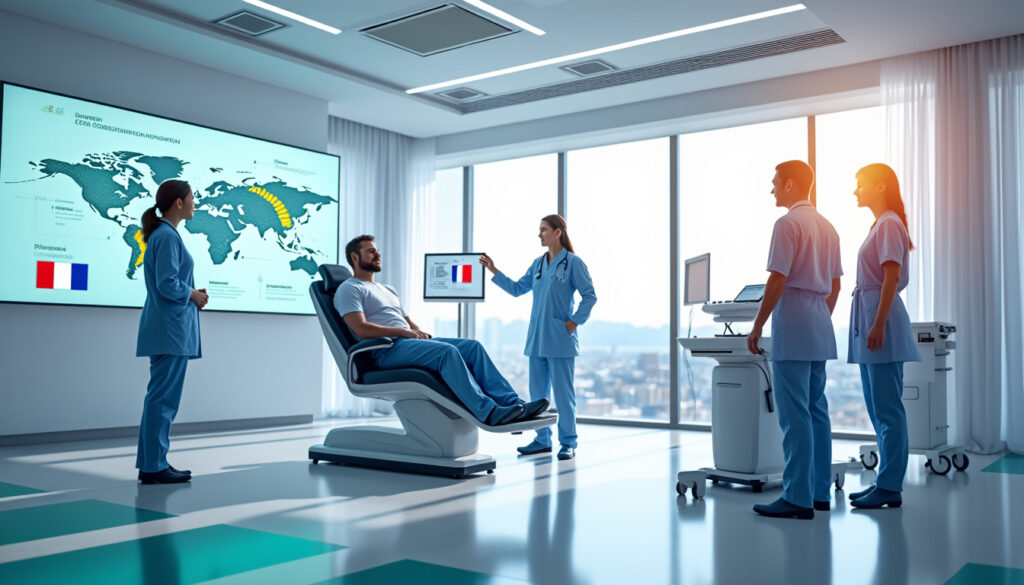
Successful management of herniated discs extends beyond isolated interventions. At TAGMED Clinic, Dr. Desforges orchestrates a collaborative ecosystem involving primary care providers, neurologists, physical therapists, and international spine surgeons. This multidisciplinary network ensures continuity of care and swift navigation through diagnostic, therapeutic, and rehabilitative phases.
The partnership with platforms like SOS Tourisme Médical fosters seamless transatlantic coordination, enabling patients to access specialized interventions either locally or abroad without prolonged delays. This model diminishes treatment wait times and enhances patient satisfaction through personalized, timely solutions.
Education is further emphasized, encouraging patients to participate actively, understand their treatments, and engage with community support systems. The result is a care journey marked by transparency, empathy, and empowerment—qualities essential for managing complex conditions such as herniated discs in bustling urban environments.
Minimally Invasive Surgery in Longueuil: Reducing Recovery Time and Preserving Mobility
In the evolving landscape of spinal care, minimally invasive surgery in Longueuil is emerging as a pivotal advancement, transforming the patient experience by dramatically reducing recovery time and preserving natural mobility. Patients who once faced daunting surgery and lengthy hospital…
Long-term Follow-up and Prevention Strategies to Sustain Spine Wellness
Maintaining spinal health post-treatment necessitates vigilant follow-up and proactive preventive strategies. TAGMED offers ongoing monitoring protocols aimed at early detection of any functional deterioration, enabling prompt intervention adjustments.
Patients receive comprehensive training on protective behaviors including ergonomic workplace setups, regular exercise regimens tailored for spinal support, and pain management techniques compatible with daily life. This education substantially mitigates risks linked to reherniation or chronic pain development.
An emphasis on integrating physical activity, optimized through medical expertise and sports medicine collaborations, promotes gradual return to high-demand lifestyles while safeguarding vertebral integrity. Such a dynamic, patient-centered framework solidifies Plateau-Mont-Royal’s reputation as a benchmark in spinal health management.
For residents seeking detailed rehabilitation pathways aligned with advanced decompression therapy, resources on lumbar herniated disc rehabilitation offer valuable guidance.
What indicators suggest neurovertebral decompression therapy is effective?
Patients typically experience a gradual reduction in back pain intensity, improved mobility, and decreased numbness or tingling sensations, all signaling successful treatment progression.
What are the risks if a herniated disc is left untreated?
Ignoring a herniated disc may lead to persistent chronic pain, progressive muscle weakness, and in severe cases, permanent nerve damage impacting quality of life.
Can neurovertebral decompression replace surgical intervention?
In most cases, neurovertebral decompression offers a viable non-invasive alternative that can avert surgery when initiated promptly with appropriate protocols.
How many treatment sessions are usually required to see improvement?
Typically, patients undergo between 15 and 25 sessions, with the exact number tailored to the herniation severity and individual responsiveness to therapy.
Why choose a specialized clinic like TAGMED in Plateau-Mont-Royal?
TAGMED combines cutting-edge spinal technologies, vast clinician expertise, and personalized follow-up practices proven to optimize therapeutic outcomes and patient satisfaction.
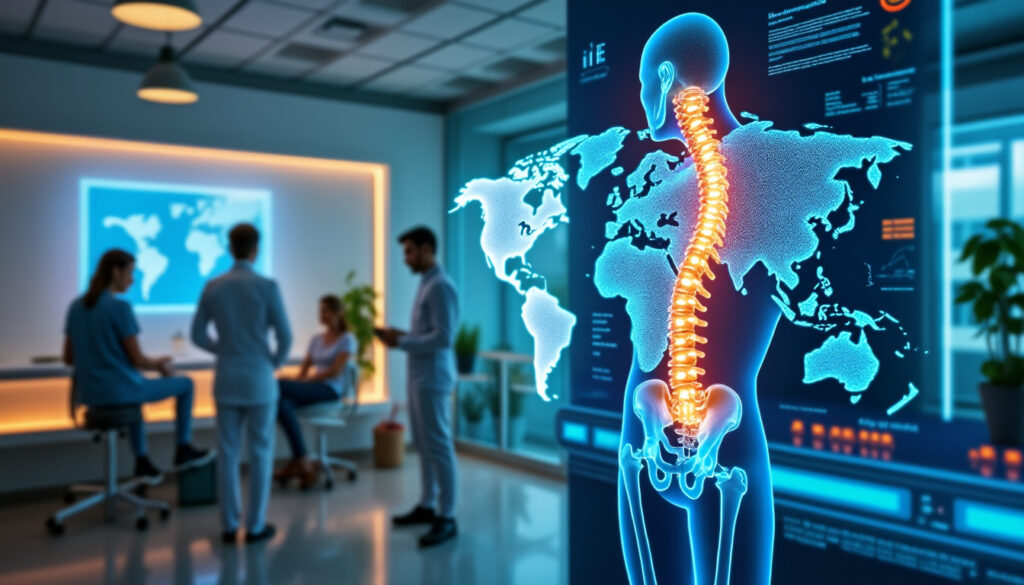
The challenge of managing disc herniation in active communities like Sainte-Anne-de-Bellevue is significant, as residents face persistent back pain that disrupts daily life. In response, advanced therapeutic methods such as neurovertebral decompression have gained attention for their promise in alleviating…