Décompression neurovertébrale : une alternative naturelle pour optimiser la qualité de vie après des interventions chirurgicales complexes
November 2, 2025
Décompression neurovertébrale : une alternative naturelle pour réduire les douleurs neuropathiques récurrentes dans les pathologies cervicales avancées
November 2, 2025
In Saint-Hubert, a vibrant community located on the South Shore of Montreal, the persistent challenge of lumbar disc herniations, particularly at the L5-S1 level, continues to affect thousands seeking relief from chronic and acute lower back pain. This condition, characterized by the displacement or degeneration of the spinal discs, presents a complex array of symptoms that often disrupt daily life and occupational activities. Recognizing the critical nature of precise diagnosis and individualized care, the region has witnessed an evolution in spine care, emphasizing noninvasive techniques that prioritize patient safety and efficacy. Among these, neurovertebral decompression therapy emerges as a beacon of hope, melding cutting-edge technology with a compassionate, patient-centered approach.
As healthcare providers and patients alike navigate the myriad of treatment options available, understanding the nuanced mechanisms behind disc herniations becomes essential. Saint-Hubert’s demographic, marked by a significant working-age population engaged in physically demanding professions and a growing elderly segment, experiences a higher prevalence of spinal issues, necessitating tailored interventions. Prominent clinics in the area now incorporate advanced decompression technologies alongside traditional osteopathic assessments, ensuring that each treatment plan is both scientifically robust and ethically sound. This balanced blend of rigor and innovation reflects the expertise brought forth by leading spine care experts who advocate for treatments designed not merely to alleviate symptoms, but to foster long-term spinal health and functional restoration.
Understanding Lumbar Disc Herniations in Saint-Hubert: Mechanisms and Risk Factors at L5-S1
The lumbar spine’s structural complexity serves as both its strength and vulnerability. Central to its function are the intervertebral discs, especially the disc between the fifth lumbar vertebra (L5) and the first sacral segment (S1), which bears a substantial portion of the body’s weight and movement stresses. In Saint-Hubert, the mechanical overloading of this segment, compounded by lifestyle and occupational factors, results in the gradual deterioration and eventual herniation of the disc material.
Disc herniations at L5-S1 arise when the inner gel-like nucleus pulposus pushes through tears or weaknesses in the tougher outer annulus fibrosus. This displacement can impinge upon nerve roots, particularly the sciatic nerve, leading to typical radiating pain, numbness, and motor weakness in the lower extremities. Importantly, the etiology often reflects a cumulative degenerative process rather than an isolated traumatic event, underscoring the need for early detection and management.
Key Contributors to Herniation Prevalence in the Region
- Age-related Degeneration: Progressive dehydration and loss of disc elasticity reduce shock absorption capabilities, increasing susceptibility to fissures.
- Repetitive Mechanical Stress: Many local occupations involve repetitive bending, lifting, or awkward postures that exacerbate disc strain.
- Postural Factors: Prolonged sitting without appropriate lumbar support intensifies pressure on the lower lumbar discs.
- Obesity and Genetics: Excess body weight amplifies spinal load, while hereditary predispositions affect disc resiliency.
A detailed overview of these factors highlights the multifaceted nature of lumbar disc herniations in the Saint-Hubert population, providing insight into prevention and tailored therapy.
| Risk Factor | Description | Impact on L5-S1 |
|---|---|---|
| Age | Disc dehydration and structural weakness | Decreased elasticity and increased annular tears |
| Occupational Stress | Frequent bending and heavy lifting | Increased mechanical strain and microtraumas |
| Poor Posture | Prolonged sitting without lumbar support | Local disc compression and stress intensification |
| Overweight | Additional spinal load | Higher risk of annular fissures and herniation |
This nuanced understanding is critical for clinicians and patients aiming to address lumbar disc herniations through comprehensive and collaborative care strategies.
Disc herniation remains a prevalent and challenging spinal disorder, significantly affecting individuals’ quality of life, particularly in communities like Sainte-Julie. Characterized by a rupture or protrusion of the disc nucleus through the fibrous ring, this condition compresses adjacent nerve roots,…

IntraSPINE® in Sherbrooke: Protecting and Enhancing Lumbar Function
The prevalence of chronic low back pain has surged globally, profoundly impacting individuals’ quality of life and productivity. Sherbrooke, Quebec, exemplifies this widespread challenge, with numerous patients seeking effective and sustainable relief from lumbar discomfort. Addressing this urgent need, the…
Recognizing Symptoms and Conducting Accurate Pre-Treatment Evaluations in Saint-Hubert
For patients in Saint-Hubert experiencing lumbar disc issues, symptom recognition is the first step towards effective management. The hallmark symptoms at the L5-S1 level include persistent lower back pain coupled often with sciatica—pain radiating down the leg, sometimes reaching the foot. These symptoms may intensify with physical exertion, coughing, or sneezing, accompanied by numbness, tingling, or muscle weakness which reflect nerve root irritation.
Expert assessment begins with a thorough clinical evaluation emphasizing patient history and functional examination. Key diagnostic maneuvers such as the Lasègue test (straight leg raise) reveal nerve tension and help differentiate discogenic pain from other etiologies. While physical examination is indispensable, advanced imaging modalities such as MRI scans provide detailed visualization of herniated disc pathology and assist in planning precise treatment trajectories.
Multi-Step Diagnostic Process
- Patient Interview: Collecting detailed onset, progression, and aggravating factors of symptoms.
- Physical Examination: Assessing spinal mobility, neurological reflexes, muscle strength, and sensory status.
- Specialized Tests: Utilization of nerve tension and provocative maneuvers.
- Imaging: MRI as the gold standard for disc and nerve root imaging; supplemented by CT or X-rays if necessary.
| Diagnostic Step | Purpose | Method |
|---|---|---|
| History Taking | Understand symptomatology and risk factors | Patient Interview |
| Physical Examination | Detect neurological signs | Flexibility tests, muscle strength assessment |
| Imaging | Confirm diagnosis and lesion localization | MRI, CT scan |
The integration of these diagnostic stages within Saint-Hubert clinics ensures that treatment plans, such as neurovertebral decompression, are safely and effectively targeted, minimizing the risk of unnecessary surgical interventions.
In Sainte-Thérèse, a community marked by active lifestyles and significant physical demands, lumbar disc herniation emerges as a critical health concern affecting many individuals. The intricate nature of lower back pain, often stemming from discopathy, requires a precise and empathetic…

In the bustling community of Saint-Hubert, where everyday life blends a range of physical and sedentary activities, the impact of discal hernia on spinal health is profoundly felt. This condition, frequently manifesting at the L5-S1 spinal segment, can dramatically disrupt…
Neurovertebral Decompression Therapy in Saint-Hubert: Principles, Advantages, and Treatment Protocols
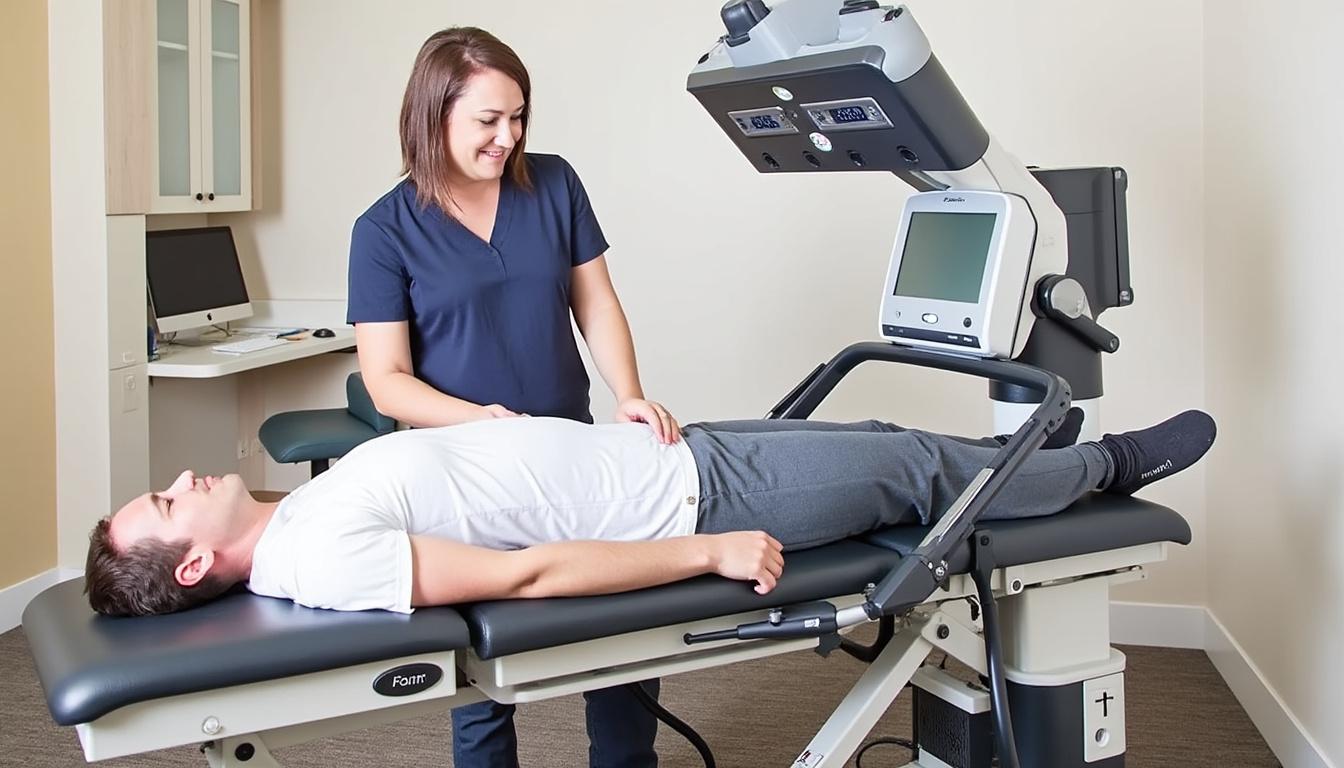
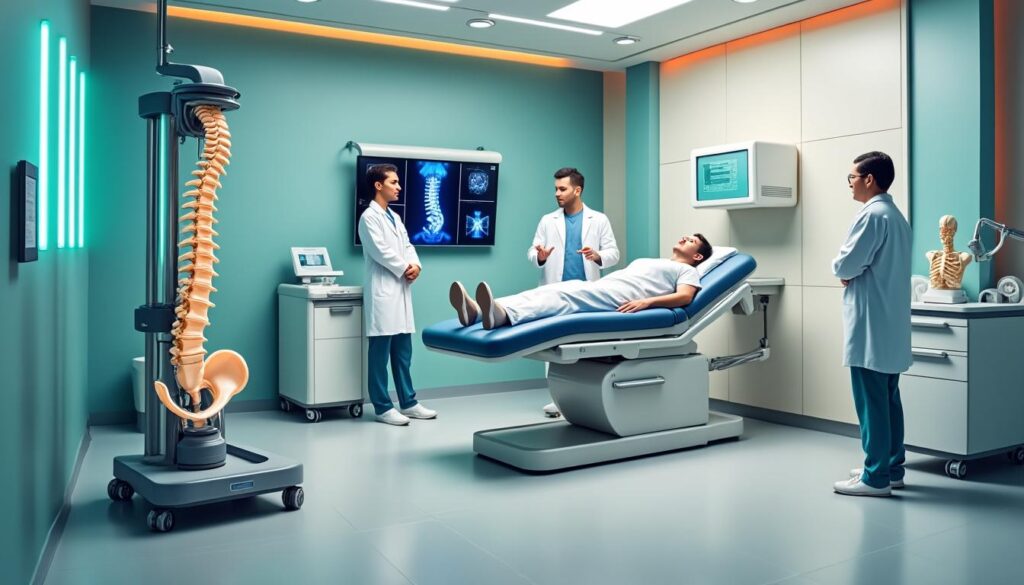
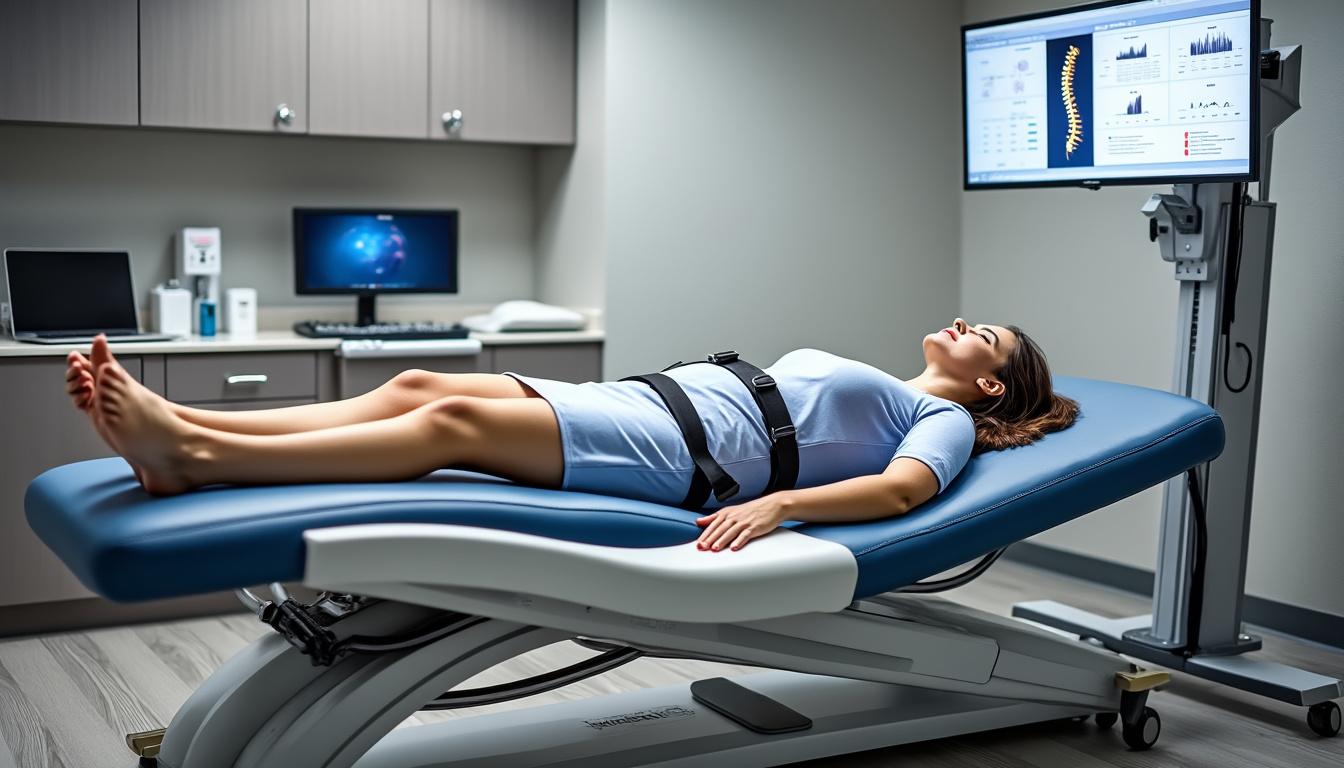
Neurovertebral decompression therapy, as practiced in Saint-Hubert, represents a scientifically validated, non-invasive spinal treatment delivering controlled axial traction to relieve pressure on affected discs at L5-S1. This technique leverages mechanical decompression devices like DRX9000 and VAX-D, which gently elongate the spine to create a negative intradiscal pressure that encourages the retraction of the herniated nucleus pulposus.
The following benefits distinguish neurovertebral decompression from other modalities:
- Non-surgical Approach: Safe alternative avoiding the complications of invasive procedures.
- Precise Pressure Modulation: Tailored decompression force matches patient tolerance and pathology.
- Disc Rehydration: Facilitates nutrient flow to enhance disc health and regeneration.
- Neuropathic Pain Reduction: Alleviates nerve root irritation and inflammation.
Typical treatment regimens involve sessions lasting 30–45 minutes, initially frequent in the acute phase, then progressively tapered to support tissue healing and functional recovery. Complementary therapies, including precise osteopathic techniques and rehabilitative exercises, further enhance outcomes.
| Treatment Phase | Description | Duration |
|---|---|---|
| Initial Assessment and Preparation | Patient positioning and comfort optimization on decompression table | Single session |
| Active Decompression Therapy | Machine-assisted traction with gradual force adjustments | 30–45 minutes per session for 2–4 weeks |
| Rehabilitation and Strengthening | Targeted exercises for spinal stabilization and mobility | 4–8 weeks |
| Maintenance and Follow-Up | Regular evaluations and tailored care adjustments | Variable |
Clinics in Saint-Hubert, such as those associated with Integrity Spinal Care, incorporate leading equipment and expert evaluation to ensure a proactive and patient-specific therapeutic journey.

The rising prevalence of Lumbar Disc Herniation in Saint-Léonard reflects the increasing demands of modern urban lifestyles. Persistent back pain has become a frequent yet often underestimated complaint, spurring many residents to seek effective and lasting solutions. Recognizing the complexity…
In the bustling Southwest district of Montreal, lumbar disc herniation presents a significant public health challenge, affecting a diverse population ranging from young adults to seniors. This condition, often linked to debilitating back pain and nerve-related symptoms such as sciatica,…
Advanced Technologies Enhancing Neurovertebral Decompression Outcomes in Saint-Hubert
The evolution of spinal decompression technology serves not only to improve treatment efficiency but also to elevate patient experience through innovations such as computer-assisted traction control and biomechanical sensors. These features allow precise real-time adjustments, ensuring optimal force application and minimization of discomfort.
Additional advancements include:
- Pulse Align Technology: Incorporates rhythmic vibrational impulses to reduce muscle spasms and improve joint mobility.
- Biomechanical Feedback Sensors: Monitor patient response to adjust therapy dynamically.
- Ergonomic Supports: Maintain ideal spinal posture during sessions to maximize therapeutic benefits.
| Technology | Purpose | Advantage |
|---|---|---|
| Computerized Traction Tables (DRX9000) | Controlled spinal traction | Customizable and precise decompression |
| Pulse Align System | Muscle relaxation via vibration | Improved comfort and decreased spasms |
| Biomechanical Sensors | Real-time feedback | Adaptive treatment adjustments |
Clinics practicing these cutting-edge modalities align with the stringent guidelines set forth by the Collège des médecins du Québec, reflecting a dedication to ethical and evidence-based spine care, complemented by continuous innovation.
The dynamic neighborhood of Mercier–Hochelaga-Maisonneuve has seen a significant rise in cases of herniated disc-related back pain, with many residents facing chronic discomfort that interferes with work and daily activities. This ailment, which involves displacement or protrusion of spinal discs,…

Herniated discs are a frequent source of back pain and discomfort for residents of Ahuntsic-Cartierville, yet misconceptions and myths about this condition often complicate treatment and recovery. Many individuals suffer needlessly, uncertain of their options and hesitant about emerging therapies.…
Interdisciplinary Care Teams and Post-Treatment Follow-up in Saint-Hubert
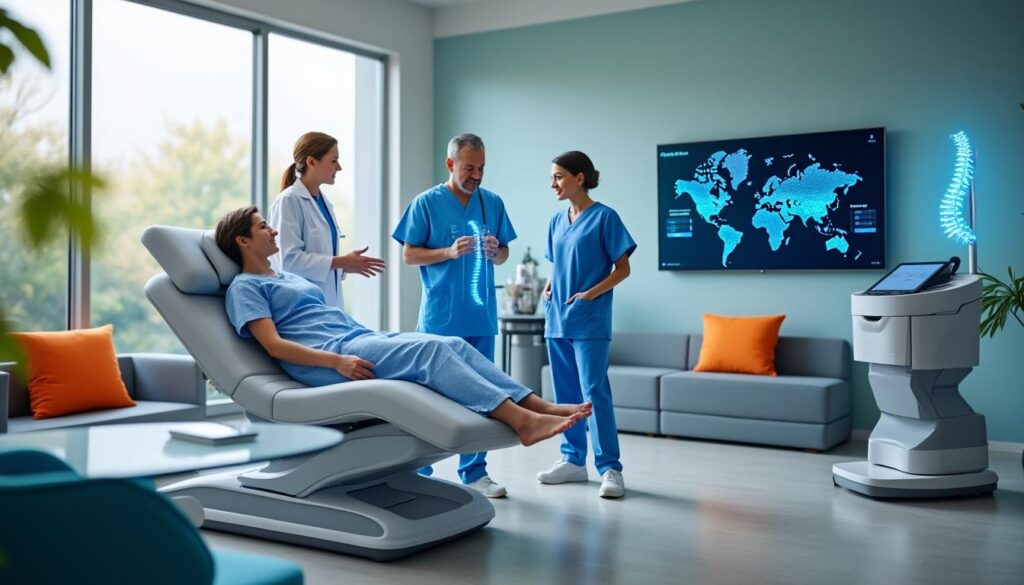
Optimal recovery from lumbar disc herniation involves a continuum of care that extends beyond decompression therapy alone. Interdisciplinary collaboration among osteopaths, physiotherapists specializing in spinal health, and medical practitioners ensures that patients benefit from holistic treatment plans addressing mechanical alignment, muscular support, and symptom management.
Such teams offer:
- Education: Empowering patients with postural and ergonomic guidance to prevent recurrence.
- Rehabilitation: Supervised exercise protocols that reinforce lumbar stability.
- Medical Oversight: Monitoring for potential neurological complications or the need for surgical consultation.
| Team Member | Role | Patient Benefit |
|---|---|---|
| Osteopath | Mechanical realignment and manual therapy | Enhanced mobility and muscle tension relief |
| Physiotherapist | Functional rehabilitation and strength training | Lumbar stabilization and recurrence prevention |
| Medical Doctor | Clinical supervision and medication management | Symptom control and complication prevention |
This collaborative model ensures timely responsiveness to patient progress and enhances the success rates of neurovertebral decompression, as documented in established rehabilitation centers in Saint-Hubert and surrounding communities.

Comparing Neurovertebral Decompression with Alternative Treatments in Saint-Hubert
Patients exploring options for lumbar disc herniation treatment often face a complex landscape ranging from conservative care to surgical intervention. Neurovertebral decompression offers a unique blend of benefits that position it as a preferred option for many.
- Meds and Analgesics: Offer temporary pain relief but do not address disc pathology and carry risks such as gastrointestinal side effects.
- Physical Therapy Alone: Improves mobility and strength but may be insufficient in cases with significant nerve root compression.
- Surgical Procedures: Effective in severe cases, but involve risks, longer recovery, and potential for recurrent herniation or complications.
| Treatment | Advantages | Limitations/Risks | Suitable Cases |
|---|---|---|---|
| Neurovertebral Decompression | Non-invasive, precise, personalized, minimal side effects | Requires multiple sessions, unsuitable for urgent surgical cases | Moderate to severe herniations without acute complications |
| Medication | Rapid symptomatic relief | Side effects, temporary benefit | Short-term symptom management |
| Physiotherapy Alone | Enhances function and strength | May not relieve nerve compression fully | Mild herniations or adjunct therapy |
| Surgery | Immediate decompression in emergencies | Risk of complications, longer recovery | Severe nerve compromise or cauda equina syndrome |
Leading centers focused on neurovertebral decompression incorporate novel spinal implants and adjunct treatments, occasionally unavailable locally, enhancing outcomes and supporting patients’ return to active lifestyles. As pointed out in discussions centered around solutions like Spinal Decompression Therapy, informed decisions are critical in optimizing long-term spinal health.
Living Well with Lumbar Disc Herniation in Saint-Hubert: Practical Advice and Prevention Strategies
Beyond clinical treatment, lifestyle adaptations play a pivotal role in managing disc herniation symptoms and preventing recurrence. Saint-Hubert residents benefit from guidance tailored to local living and working conditions.
- Ergonomic Sitting: Use adjustable chairs with lumbar support and take frequent breaks during prolonged sitting.
- Safe Lifting Techniques: Employ knee flexion rather than bending at the waist when handling heavy objects.
- Exercise Regimens: Engage in low-impact activities like swimming, yoga, or Pilates to strengthen core muscles.
- Weight Management: Maintain a healthy body weight to reduce spinal load.
- Stress Management: Practice relaxation techniques such as deep breathing and mindfulness to alleviate muscle tension.
| Advice | Expected Benefits | Local Context Example |
|---|---|---|
| Ergonomic Chair Use | Reduced lumbar strain and muscle tension | Corporate offices and home workspaces in Saint-Hubert adopting ergonomic solutions |
| Water-Based Exercises | Improved mobility without spinal stress | Utilization of community pools offering tailored sessions |
| Regular Micro-Breaks | Prevention of sustained disc compression | Encouragement from occupational health programs in local industries |
| Relaxation Techniques | Lowered muscle tension contributing to pain relief | Availability of mindfulness workshops in community centers |
By combining clinical expertise, innovative technology, and proactive self-care, patients in Saint-Hubert are empowered to manage their spinal health comprehensively.
{“@context”:”https://schema.org”,”@type”:”FAQPage”,”mainEntity”:[{“@type”:”Question”,”name”:”What are the first signs of a lumbar disc herniation at L5-S1?”,”acceptedAnswer”:{“@type”:”Answer”,”text”:”Initial symptoms typically include localized lower back pain radiating to the leg, accompanied by numbness or tingling and difficulty in walking due to nerve compression.”}},{“@type”:”Question”,”name”:”Is neurovertebral decompression therapy painful?”,”acceptedAnswer”:{“@type”:”Answer”,”text”:”No, this treatment uses gentle, controlled mechanical traction and is generally painless, with many patients experiencing gradual pain relief over successive sessions.”}},{“@type”:”Question”,”name”:”How many sessions of decompression therapy are usually required for improvement?”,”acceptedAnswer”:{“@type”:”Answer”,”text”:”Depending on the severity of the herniation, treatment typically ranges from 10 to 20 sessions over several weeks, customized to patient response.”}},{“@type”:”Question”,”name”:”Can neurovertebral decompression replace surgery?”,”acceptedAnswer”:{“@type”:”Answer”,”text”:”While highly effective for most herniations without severe complications, urgent cases such as cauda equina syndrome still require surgical intervention.”}},{“@type”:”Question”,”name”:”What measures can prevent recurrence after treatment?”,”acceptedAnswer”:{“@type”:”Answer”,”text”:”Maintaining proper posture, engaging in regular strengthening exercises, avoiding inappropriate physical strain, and following professional advice are essential strategies.”}}]}What are the first signs of a lumbar disc herniation at L5-S1?
Initial symptoms typically include localized lower back pain radiating to the leg, accompanied by numbness or tingling and difficulty in walking due to nerve compression.
Is neurovertebral decompression therapy painful?
No, this treatment uses gentle, controlled mechanical traction and is generally painless, with many patients experiencing gradual pain relief over successive sessions.
How many sessions of decompression therapy are usually required for improvement?
Depending on the severity of the herniation, treatment typically ranges from 10 to 20 sessions over several weeks, customized to patient response.
Can neurovertebral decompression replace surgery?
While highly effective for most herniations without severe complications, urgent cases such as cauda equina syndrome still require surgical intervention.
What measures can prevent recurrence after treatment?
Maintaining proper posture, engaging in regular strengthening exercises, avoiding inappropriate physical strain, and following professional advice are essential strategies.