Expert Insights on Post-Surgery Integration of rTMS
October 25, 2025
The Role of Franchir in Patient Care: A Vital Component of the Healthcare Journey
October 25, 2025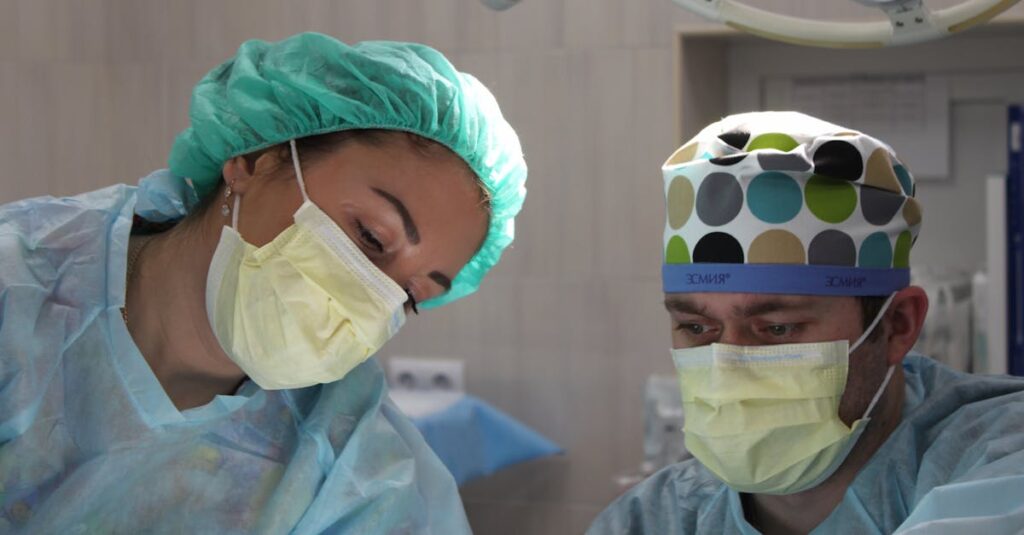
Spinal health remains a critical concern worldwide, with chronic back pain and degenerative spine diseases leading to significant health burdens. In particular, lumbar and cervical pain represent some of the most prevalent reasons for medical consultations across diverse regions, such as Quebec. These areas face unique challenges, including lengthy waitlists and high private healthcare costs, motivating patients to explore innovative surgical options abroad. France, a nation renowned for its advanced medical technologies, emerges as a preferred destination offering a rich array of spinal surgery techniques, ranging from straightforward decompression procedures to complex fusion operations and the cutting-edge motion-preserving surgeries that revolutionize patient outcomes by maintaining natural spinal mechanics.
This intricate landscape of spinal interventions encapsulates evolving collaboration across continents, notably between Quebec and France. Over the past three decades, expert evaluations combined with robust international partnerships have paved the way for optimized patient pathways. These pathways ensure access not only to the latest implants and Minisurgery platforms offered by industry leaders such as Medtronic, Stryker, Zimmer Biomet, and Globus Medical but also to coordinated multi-phase care that includes preoperative assessments and post-surgical rehabilitation. The emphasis on integrating innovative approaches with humanistic and personalized care is particularly marked in these transatlantic exchanges.
As patients evaluate treatment modalities, understanding the nuanced differences between simple surgical interventions, spinal fusion techniques, and motion preservation methods becomes imperative. Such knowledge, along with awareness of logistical coordination, treatment timelines, and evolving technological options, informs decisions that ultimately affect recovery speed, spinal function retention, and long-term quality of life. This comprehensive overview sheds light on the current global standards and emerging trends in spinal surgery, as well as the practicalities behind international medical tourism for spine care.
Comparing Simple Decompression Surgery, Spinal Fusion, and Motion-Preserving Techniques in Modern Spine Care
Spinal surgery options encompass a spectrum of interventions tailored to various pathologies, severity levels, and patient needs. In understanding these diverse techniques, one must appreciate both their physiological targets and biomechanical implications.
Simple Decompression Surgery: Targeted Symptom Relief with Minimal Mobility Impact
Simple decompression surgeries primarily aim to relieve nerve root or spinal cord compression caused by herniated discs, spinal stenosis, or localized degenerative changes. Procedures such as discectomy or laminectomy are often minimally invasive, involving precise removal or relief of impinging tissue. One of the hallmark advantages of these interventions is the preservation of nearly complete spinal mobility, enabling patients to regain function quickly.
Typical indications include isolated disc herniation with radicular symptoms, where localized nerve compression is the main driver of pain. Minimal soft tissue disruption not only hastens recovery but also reduces hospital stays to just a few days, making these procedures particularly suitable for patients seeking rapid symptom resolution.
Spinal Fusion: Stabilization at the Cost of Segmental Mobility
Spinal fusion, or arthrodesis, represents a foundational technique for treating conditions involving spinal instability, deformity, or multi-level degeneration. Through the use of titanium implants combined with bone grafts, fusion secures adjacent vertebrae, eliminating movement across the targeted segment. This rigid stabilization is instrumental when addressing progressive scoliosis, spondylolisthesis, or trauma-induced instability.
While fusion provides lasting mechanical stability, it inherently sacrifices motion at the fused levels. This immobility can lead to increased stress and potential degeneration in adjacent spinal segments over time—a phenomenon known as adjacent segment disease. Recovery following fusion tends to be extended, often spanning several months as the fused bone consolidates.
Motion-Preserving Surgery: Balancing Stability with Functional Spinal Mobility
Emerging as a transformative advancement in spine surgery, motion-preserving techniques incorporate dynamic implants designed to maintain or restore spinal segment mobility while offering stabilization. Devices like the Total Posterior Solution (TOPS), IntraSPINE, and viscoelastic core implants developed by manufacturers such as DePuy Synthes and Medtronic reflect this departure from traditional rigid fusion.
By conserving 60-80% of segmental motion, these innovative implants mitigate the risk of fusion-related complications, including adjacent segment degeneration and local ankylosis. Patients generally experience intermediate recovery times, typically between four to six weeks, along with reduced postoperative discomfort and preservation of proprioception.
| Technique | Primary Goal | Effect on Mobility | Typical Recovery Time | Major Risks |
|---|---|---|---|---|
| Simple Decompression | Nerve Decompression | Preserved | Days to weeks | Minor complications such as hematoma or infection |
| Spinal Fusion | Segmental Stabilization | Reduced/Absent | Months | Adjacent segment degeneration, loss of motion |
| Motion-Preserving Surgery | Stabilization + Mobility Preservation | Retained 60-80% | 4 to 6 weeks | Limited risk of degeneration, fewer complications |
Decisions surrounding these techniques require comprehensive evaluation encompassing medical history, lifestyle factors, and patient expectations. Where motion preservation has gained traction in France, it remains relatively less common in regions like Quebec. Access to a broad repertoire of implants, including solutions from companies such as Smith & Nephew and Alphatec Spine, supports tailored approaches suitable for diverse patient profiles. Insights about these modalities and their long-term impacts can be explored further in specialized publications such as The Evolution of Motion-Preserving Spine Procedures and common pitfalls to avoid in simple surgery, fusion, and motion techniques.

Can Rehabilitation and Return to Work Prevent the Need for Surgery?
In the constantly evolving landscape of spinal healthcare, patients and practitioners alike grapple with a pivotal question: can the rigorous pathways of rehabilitation and structured return to work reduce or even eliminate the need for surgical intervention? The answer, as…
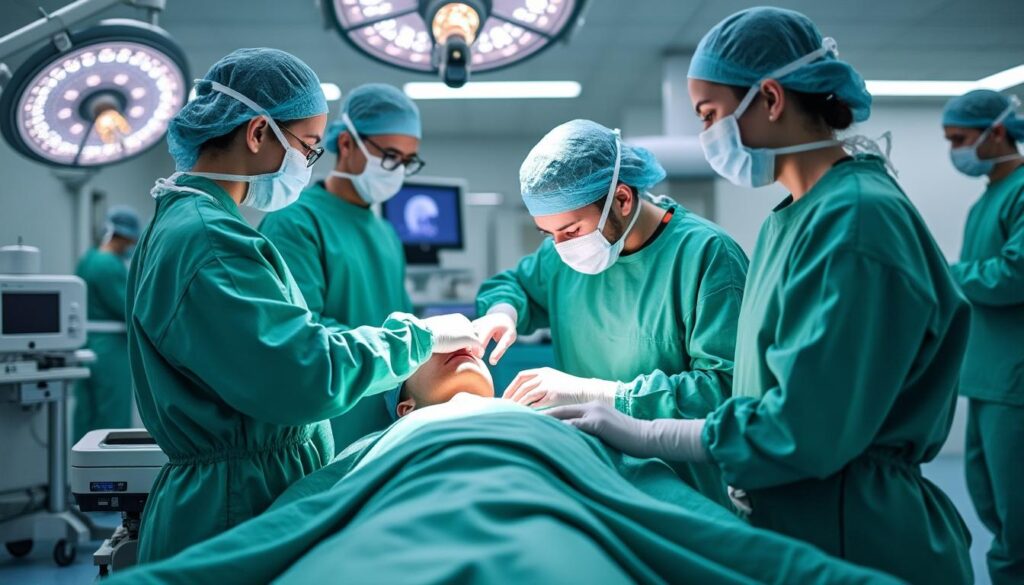
Exploring the Overlooked Benefits of Spine Surgery in France
Spinal disorders are a significant health concern for many patients worldwide, yet the solutions and benefits of spine surgery often remain underappreciated. France, with its advanced healthcare infrastructure and pioneering surgical techniques, has emerged as a noteworthy destination for patients…
Coordinated Transatlantic Patient Pathways: Navigating International Spine Surgery with Confidence
Complex spinal procedures require not only technical expertise but also precise logistical orchestration. Between Quebec and France, organized networks enable seamless patient journeys encompassing evaluation, surgery, and postoperative care.
Multiphase Assessment and Non-Invasive Treatments Prior to Surgery
Every patient benefits from rigorous preoperative evaluation that includes in-depth clinical and radiological analysis within a 48-hour framework. This stage emphasizes exploration of conservative treatment options such as advanced neurovertebral decompression facilitated by robotic traction systems available at specialized centers like Clinique TAGMED. Progressive management targets pain reduction and potentially delays surgery, underscoring patient-centric care philosophies found in can a comprehensive preoperative assessment help avoid surgery?.
- Robotic-assisted decompression therapy to alleviate nerve impingement
- Use of laser modalities for adjunct tissue healing
- Osteopathic interventions optimizing spinal alignment
- Ergonomic counseling tailored to occupational requirements
- Risk factor management to prevent lesion worsening
Logistics Coordination for Surgical Access in State-of-the-Art French Healthcare Facilities
Entities such as Franchir facilitate critical logistical components ranging from surgeon and clinic selection to comprehensive travel and accommodation planning. This integrated approach streamlines wait times, reduces patient anxiety, and supports adherence to treatment timelines.
Cutting-Edge Surgical Procedures and Minimal Hospitalization
Surgical interventions employ advanced technologies, including 3D navigation and robotics, enhancing precision, safety, and efficacy. Implant selections feature offerings from industry giants like NuVasive and Spineart. Typical operations last between 1 to 2 hours with hospital stays constrained between 24 to 48 hours, reflecting minimally invasive trends described in Open Spinal Fusion versus Minimally Invasive Spine Surgery: A Literature Review.
Postoperative Care and Rehabilitation Across Continents
Return home is accompanied by integrated follow-up supervised by centers like Neurothérapie Montréal. This longitudinal rehabilitation combines in-person visits with teleconsultations, ensuring vigilant complication monitoring and tailored exercise programs. Research in post-operative follow-up after back surgery supports the efficacy of such coordinated interventions.
| Stage | Responsible Provider | Key Objectives | Typical Duration |
|---|---|---|---|
| Preoperative Evaluation | Dr. Sylvain Desforges – Clinique TAGMED | Comprehensive functional and radiological analysis | 48 hours |
| Logistics and Surgery Planning | Franchir | Coordination of surgical team and patient itinerary | 1 to 2 weeks |
| Surgical Intervention | French surgical teams | Execution of tailored spine surgery | 1 to 2 days hospitalization |
| Postoperative Monitoring | Neurothérapie Montréal | Rehabilitation and complication prevention | Months |
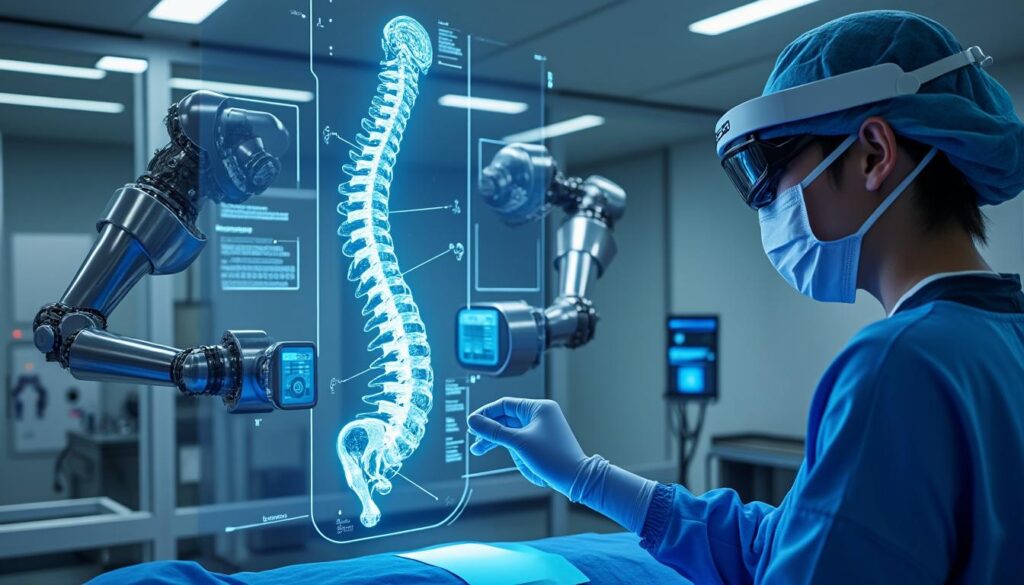
Cousin Spine Technology and Franchir: Transforming Surgical Decision-Making
In recent years, the integration of advanced medical technologies has dramatically shifted how spinal surgeries are planned, performed, and managed. Among the transformative developments, the alliance between Cousin Spine Technology and Franchir stands out as a pioneering force redefining surgical…
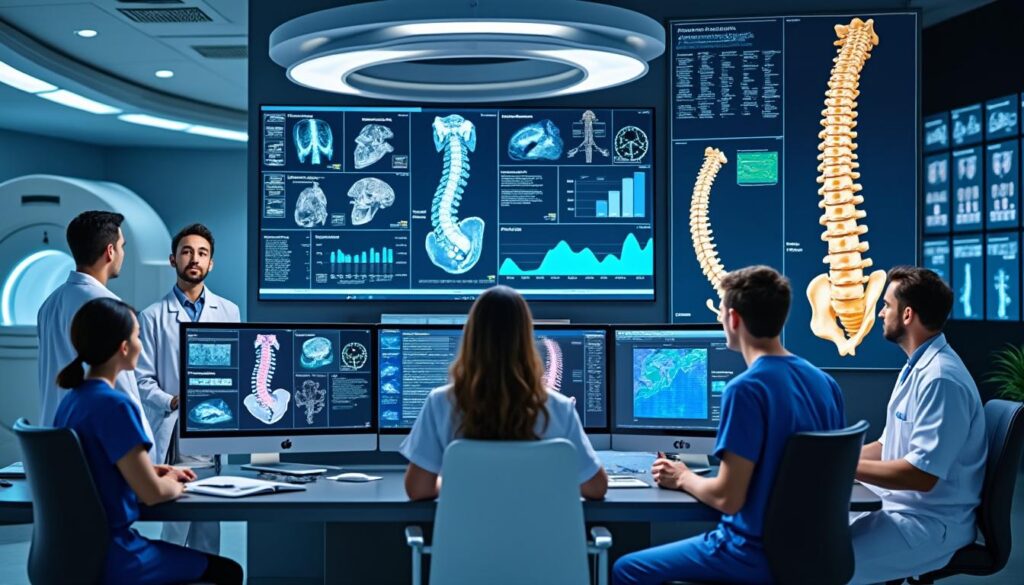
Insights from Research on Preventing Post-Laminectomy Syndrome
Post-Laminectomy Syndrome (PLS), a chronic pain condition arising after spinal surgery, remains a formidable challenge in spinal surgery and pain management. Despite advances in surgical techniques, a significant subset of patients continues to experience persistent neuropathic pain and functional limitations,…
Biomechanical Innovations: Dynamic Implants and Their Advantages for Motion-Preserving Spine Surgery
Dynamic spinal implants embody the core of motion-preserving surgery by allowing controlled mobility that respects physiological vertebral mechanics. Pioneered by prominent manufacturers like Medtronic, Zimmer Biomet, and DePuy Synthes, these implants integrate biomechanical excellence with durability and patient comfort.
Illustrative Dynamic Implant Technologies
- TOPS (Total Posterior Solution): A posterior dynamic hinge device that simulates natural vertebral kinematics, delivering rotation and flexion control with reliability exceeding a decade.
- LP-ESP: An intervertebral implant with a viscoelastic nucleus that absorbs vibrational forces, preserving approximately 75% of segmental motion.
- IntraSPINE: A minimally invasive interlaminar spacer designed to honor lumbar lordosis and provide reversible stabilization, suitable for highly active individuals.
| Implant | Target Region | Motion Conservation | Estimated Longevity | Key Features |
|---|---|---|---|---|
| TOPS | Posterior Lumbar Spine | 70% | 10+ years | Guided joint motion replicating rotation and flexion |
| LP-ESP | Lumbar Segment | ~75% | 5+ years | Viscoelastic core reducing mechanical stress |
| IntraSPINE | Lumbar Interlaminar | 60-70% | Variable | Flexible, minimally invasive, and reversible implant |
Such biomechanical advancements facilitate rapid recovery, enable early return to physical activities, and reduce degeneration risk in adjacent segments. The combination of robotic assistance and 3D imaging during implantation fosters precision and minimally invasive access, themes thoroughly analyzed in recent literature including Why Motion-Sparing Spine Surgery Is a Game Changer.
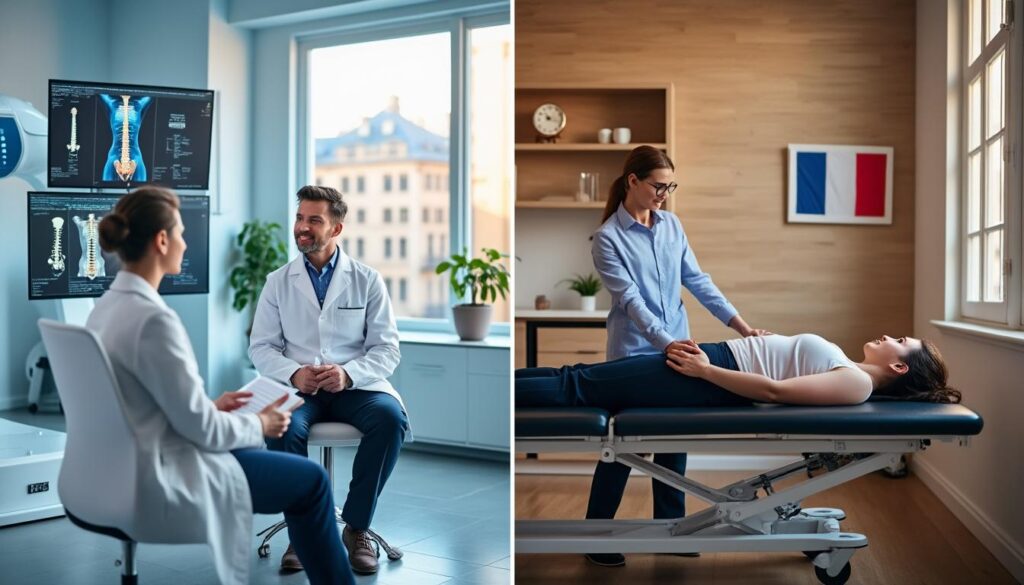
International Comparison: Spotlight on Spine Care Practices Between France and Quebec
The growing emphasis on spine health in Quebec has spotlighted the value of international collaboration in advancing patient care. With the challenges of prolonged wait times and high private care costs in Quebec, France emerges as an attractive alternative, boasting…
Medical Logistics and Accommodation: Central Pillars in the Patient Care Journey
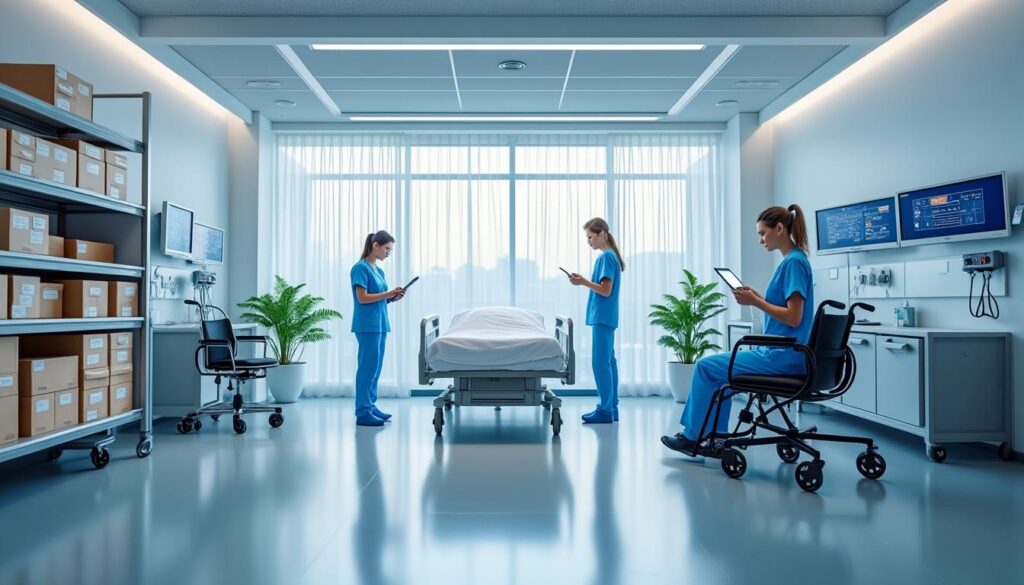
In the evolving landscape of global healthcare, the interplay between medical logistics and patient accommodation has become a cornerstone for effective and patient-centric care delivery. This synergy is particularly evident in the management of international patient journeys, where cross-border coordination,…
Conservative Care Prior to Surgery: The Role of Neurovertebral Decompression at TAGMED
Prior to any surgical consideration, extensive conservative care is essential to optimize patient outcomes and potentially circumvent invasive intervention. The practice at Clinique TAGMED highlights an advanced neurovertebral decompression protocol leveraging robotic traction to relieve nerve tension.
Core Elements of TAGMED’s Conservative Approach
- Utilization of controlled neurovertebral traction to decompress neural elements
- Integration of precision laser therapies to mitigate inflammation and stimulate repair
- Osteopathic treatment sessions aimed at correcting posture and enhancing musculoskeletal balance
- Comprehensive lifestyle modifications supported by ergonomic education
- Close monitoring and management of modifiable risk factors
These non-operative methods are strongly encouraged for durations of 3 to 6 months before surgery evaluation. When applied, they can significantly reduce symptomatology and improve spinal function, ultimately influencing surgical candidacy and success. Detailed guidance on these protocols is accessible through the resources hosted by avoid back surgery in Longueuil with decompression therapy and associated platforms.
Comprehensive Guide to Eligibility Criteria for Back Surgery
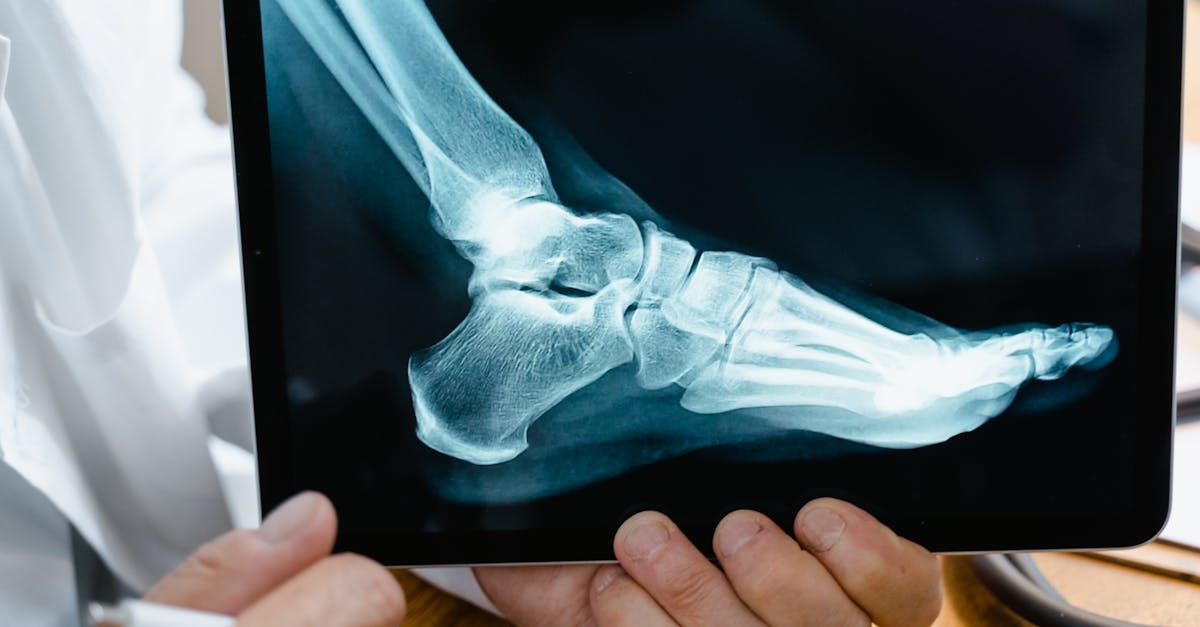
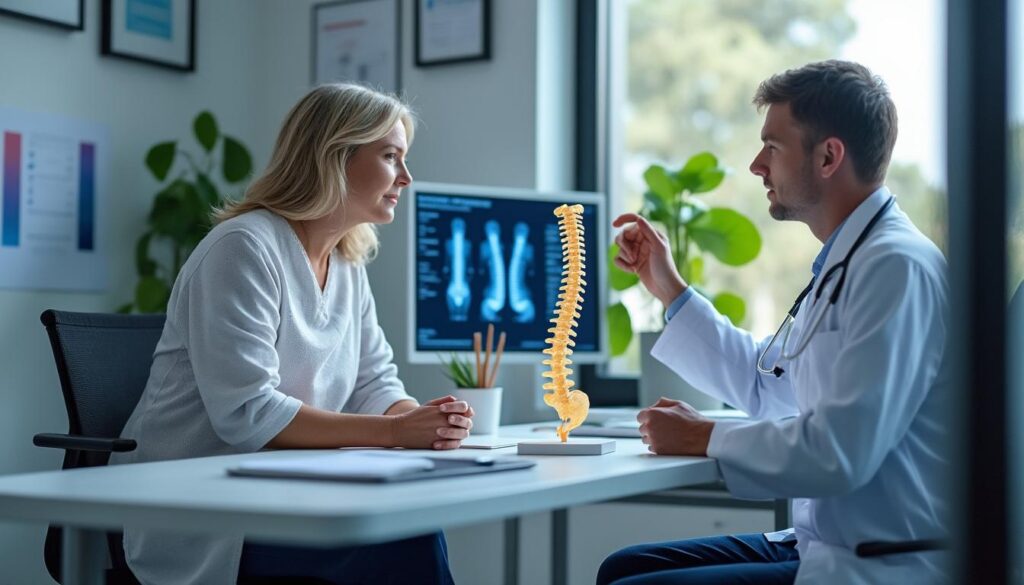
The decision to undergo back surgery involves numerous complex considerations that extend beyond the presence of spinal discomfort. Through an international collaboration between healthcare experts in Quebec and France, patients facing severe spine conditions now have access to advanced surgical…
Unveiling the Hidden Benefits of Neurovertebral Decompression Therapy
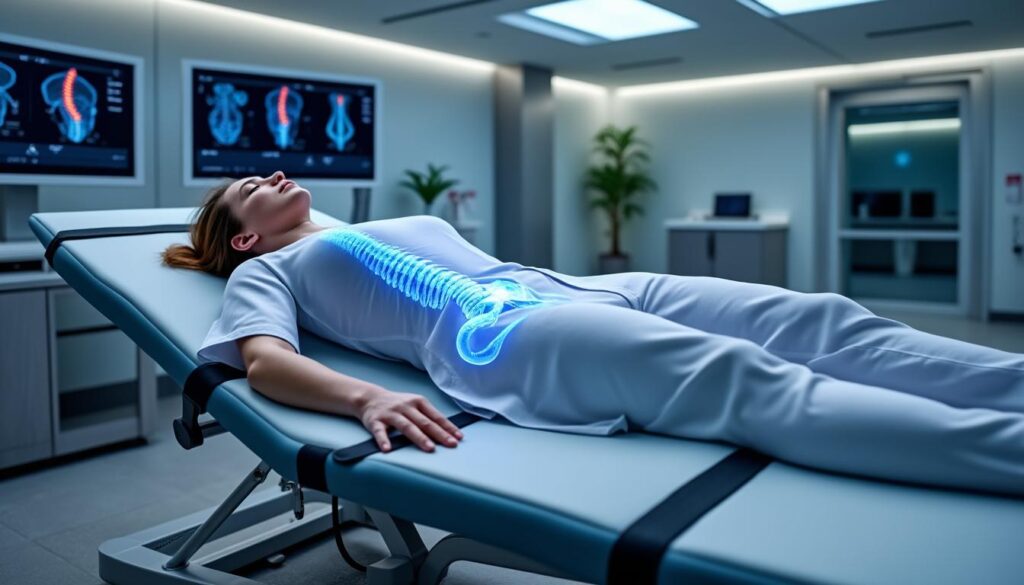
Chronic back and neck pain remain pervasive health issues impacting millions, often leading to debilitating effects on daily life and overall well-being. Traditional management strategies frequently fall short due to lengthy wait times, high costs, or invasive procedures. Amid this…
Advantages of France’s Integrated Spine Surgery Pathway for International Patients
International patients benefit markedly from France’s comprehensive network linking expert clinicians, advanced surgical technologies, and coordinated long-term care frameworks that emphasize both safety and innovation.
Key Strengths of the French Model
- Access to advanced European implants and devices designed by leaders including NuVasive, Smith & Nephew, and Spineart;
- Holistic and personalized management that combines technical excellence with empathetic care and robust patient education;
- Efficient scheduling avoiding prolonged waits, facilitated by dedicated agencies like Franchir;
- Cost-effectiveness through reduced work absenteeism enabled by faster recovery timelines;
- Adherence to stringent French and Quebec health regulations, ensuring patient safety and procedural integrity.
Patient testimonials, like those featured in published studies, indicate increased optimism, faster functional restoration, and sustained benefits following motion-preserving surgery within this integrated care system. For deeper analysis, one can review content available at the future of surgery lies in spinal surgery in France.
FAQ: Navigating Spine Surgery Choices and International Care Options
What are typical waiting times for spine surgery in France compared to Quebec?
Due to organized coordination by networks like Franchir, surgery wait times in France average only a few weeks, which is significantly shorter than many lengthy Quebec waitlists. Efficient scheduling ensures timely access to care.
Are dynamic spine implants compatible with MRI scans post-surgery?
Yes, contemporary spine implants used in motion-preserving surgeries are MRI-compatible up to 3 Tesla, facilitating ongoing monitoring without imaging restrictions.
When should surgery be considered for spinal conditions?
Surgery is typically reserved for patients who have undergone at least 3 to 6 months of conservative management, including neurovertebral decompression, and continue to experience significant pain or functional impairment.
Is motion-preserving surgery appropriate for all age groups?
While mostly indicated for active patients under 65, motion-preserving techniques can be adapted on a case-by-case basis depending on clinical evaluation and surgeon expertise.
Can conservative care completely avoid the need for surgery?
In many cases, rigorous conservative treatment, especially advanced decompression therapies, can reduce or eliminate the need for surgery, highlighting the importance of thorough preoperative assessment.