Global Comparison: A Spotlight on Simple Surgery, Fusion Techniques, and Motion Dynamics
October 25, 2025
Minimally Invasive Spine Surgery in Longueuil: Fast and Lasting Recovery
October 25, 2025
The intricate journey of healthcare delivery, especially in the realm of spinal surgery, demands more than just clinical expertise; it requires seamless coordination and personalized support that transcends borders and disciplines. Patients suffering from complex spinal conditions often face challenges in navigating fragmented systems, extended wait times, and unfamiliar environments. This landscape has evolved considerably as organizations like Franchir emerge as pivotal players, offering comprehensive orchestration of the patient pathway from initial evaluation to postoperative recovery. Their role, profoundly impacting international patients, particularly Canadians seeking advanced spinal interventions in France, highlights a modern paradigm where patient-centered care is amplified by strategic coordination.
In today’s healthcare climate, where innovations in surgical techniques intersect with globalized patient movement, the alignment of medical providers, industry innovators, and support teams becomes essential. Franchir’s model exemplifies this dynamic, integrating clinical and logistical dimensions to ensure that patients receive timely access to cutting-edge treatments such as dynamic spinal implants like TOPS, Intraspine, and B-DYN. This not only elevates clinical outcomes but also preserves the quality of life and mobility, crucial factors in chronic spine condition management.
The integration of multidisciplinary teams and the use of technology streamline communication and optimize every stage of care. Stakeholders ranging from surgeons in renowned French university hospitals to healthcare facilitators in Canadian institutions collaborate effortlessly, pioneering a patient journey that is not only more efficient but inherently compassionate. This approach supports an active partnership between the patient and healthcare professionals, resonating with contemporary patient-centered care principles championed by institutions such as Mayo Clinic and Kaiser Permanente.
This article delves into the essential role of Franchir, illustrating how their expertise in logistics and care coordination translates into enhanced safety, reduced surgical delays, and holistic patient support. Their work underscores a broader transformation in healthcare navigation that could serve as a model for integrating specialized surgical care across international borders.
Streamlining International Spinal Surgery: How Franchir Bridges Healthcare Systems
Patients facing spinal surgeries often navigate complex medical systems that pose logistical and informational challenges. When care transcends national boundaries, the potential for fragmentation increases, necessitating a dedicated entity to facilitate coordinated care. Franchir fills this critical niche by ensuring smooth transitions across stages and locations of treatment, particularly for Canadian patients seeking specialized spine surgery in France.
At the core of Franchir’s mission is the personalized evaluation of patient needs combined with meticulous logistic planning. Upon referral — often initiated through entities such as SOS Tourisme Médical or direct contact — each patient undergoes an in-depth clinical assessment, accounting for specific spinal pathology and personal expectations. This process leverages Canadian and French expertise, including evaluations by Dr. Sylvain Desforges and assessment teams at TAGMED in Quebec, blending local insights with international surgical options.
Following evaluation, Franchir curates a surgical itinerary that aligns the patient with expert surgeons and institutions based on pathology and treatment preference, such as those offering advanced dynamic implants. For instance, implant options like the dynamic TOPS system or the interlaminar Intraspine prosthesis are matched with facilities like the CHU of Toulouse or the Clinic of Cèdres in Bordeaux. This curatorial role extends beyond clinical decisions; Franchir concurrently manages travel logistics, including flight arrangements, accommodations near hospital centers, and seamless transfers, minimizing patient stress.
Beyond mere logistics, Franchir acts as a communication conduit between patients and healthcare providers, maintaining continuous support through engagement with specialist postoperative centers such as Neurothérapie Montréal. This tight integration ensures that the treatment continuum is both medically sound and sensitive to patient wellbeing across time zones and geographical divides.
- Personalized clinical evaluation based on detailed dossiers
- Strategic selection of surgical centers and implant technology
- Full logistical coordination including travel and lodging
- Continuity of communication between Canadian and French medical teams
- Postoperative follow-up arrangements tailored to patient needs
| Service Component | Description | Example |
|---|---|---|
| Patient Evaluation | Comprehensive clinical and logistic analysis | Assessment by TAGMED and direct consultation with Franchir |
| Surgeon & Facility Assignment | Matching patient pathology to expert teams | Referral to CHU Toulouse for TOPS implant |
| Logistical Management | Travel booking, accommodation near hospitals | Coordinated flight Paris-Montreal and lodging near Le Mans |
| Postoperative Continuity | Ongoing rehabilitation support and communication | Neurothérapie Montréal for follow-up care |
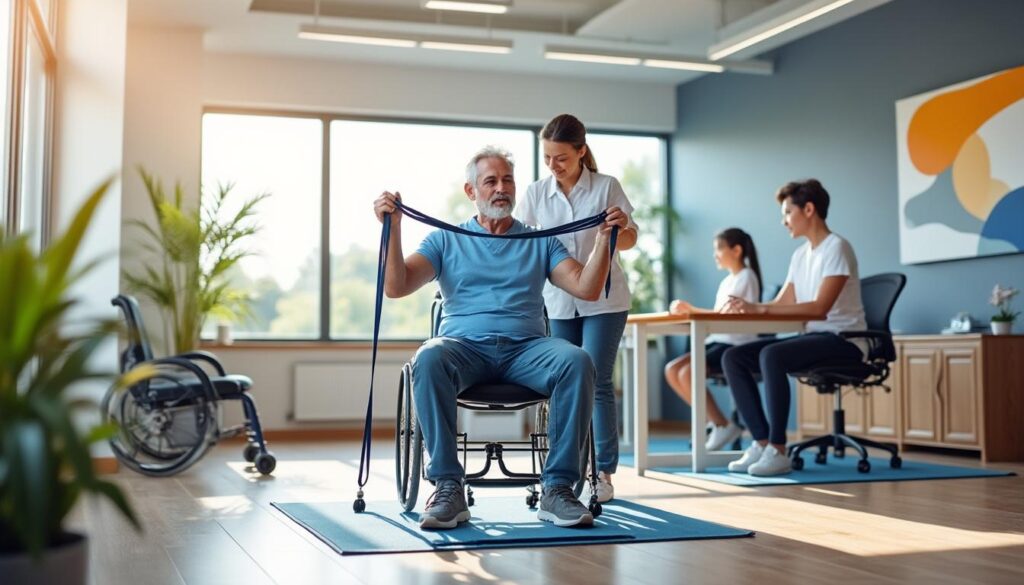
Can Rehabilitation and Return to Work Prevent the Need for Surgery?
In the constantly evolving landscape of spinal healthcare, patients and practitioners alike grapple with a pivotal question: can the rigorous pathways of rehabilitation and structured return to work reduce or even eliminate the need for surgical intervention? The answer, as…
Reducing Surgical Delays Through Coordinated Care Pathways
Timely intervention in spinal surgery is pivotal to optimizing patient outcomes, but wait times can significantly impact quality of life and clinical results. Franchir’s operational model prioritizes efficiency by managing clinical pathways and administrative hurdles concurrently to shorten delays from initial diagnosis to operative treatment.
Traditionally, patients requiring specialized spine surgery encounter prolonged waiting periods aggravated by scheduling complexities and fragmented care systems. By centralizing coordination, Franchir has successfully brought the interval between evaluation and surgery down to less than six weeks for many international patients — an extraordinary achievement when compared with typical national delays for advanced surgeries. This efficiency reflects coordinated efforts undertaken in partnership with several leading hospitals, surgeons skilled in minimally invasive and dynamic implant techniques, and support organizations that expedite preoperative preparations.
Additionally, Franchir’s collaboration with insurance carriers such as Harmonie Mutuelle and Santéclair simplifies administrative procedures that often delay cross-border care. Patient resources and support services ensure that bureaucratic challenges do not detract from clinical urgency. This holistic management is critical in spine care, as delays can lead to worsening symptoms and compromised functional recovery, issues addressed by providers recognized by leading institutions like Cleveland Clinic and Johns Hopkins Medicine.
- Collaboration with prioritized surgical centers
- Streamlined insurance and administrative processing
- Preoperative assessments coordinated in Canada and France
- Integration of advanced surgical technologies reducing complications
- Personalized patient support mitigating stress of delays
| Impact Area | Benefit | Outcome |
|---|---|---|
| Wait Times | Reduced to under six weeks | Accelerated surgical intervention |
| Patient Experience | Lower logistical burden | Improved psychological readiness |
| Clinical Outcomes | Access to dynamic implant techniques | Preserved spinal mobility and reduced pain |
| Safety | Certified hospitals and traceable implants | Enhanced procedural confidence |
Examples of Innovative Implant Technologies Used in Coordinated Care
Utilizing innovative devices like the TOPS system and Intraspine prosthesis advances the surgical management of spinal pathologies by preserving physiological spine movements and reducing postoperative pain. Both devices hold CE certification and some enjoy FDA recognition, ensuring rigorous safety standards and fostering international confidence in these procedures. This aligns with broader industry trends and evolving surgical guidelines, as observed through recent studies highlighting the advantages of dynamic stabilization over traditional fusion.
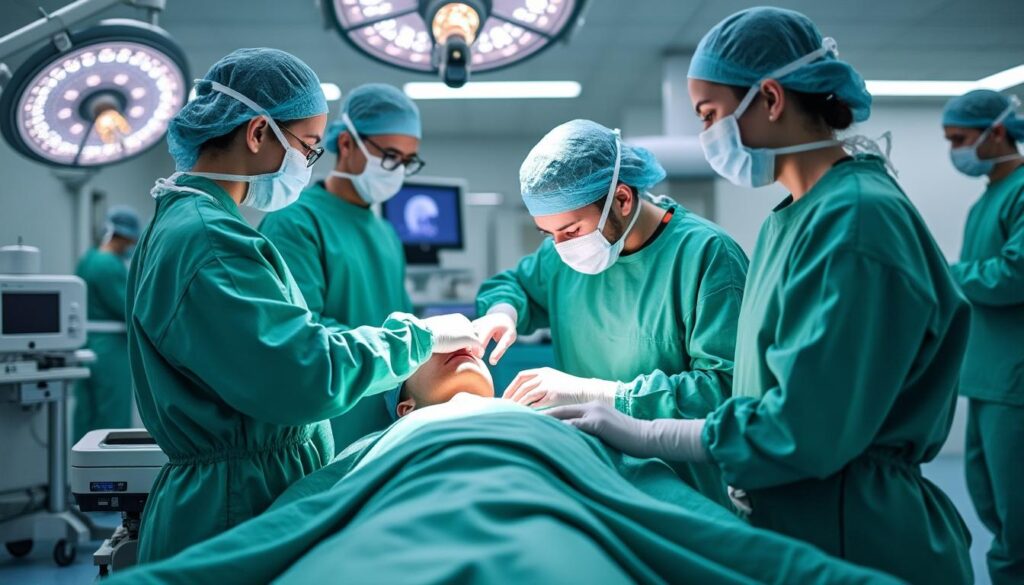
Exploring the Overlooked Benefits of Spine Surgery in France
Spinal disorders are a significant health concern for many patients worldwide, yet the solutions and benefits of spine surgery often remain underappreciated. France, with its advanced healthcare infrastructure and pioneering surgical techniques, has emerged as a noteworthy destination for patients…
Franchir’s Integral Role in Personalized Patient Access to Advanced Surgical Care
A key attribute of Franchir is its capacity to tailor the patient experience from start to finish. Beyond coordination, the organization acts as a specialist navigator across a highly technical healthcare landscape. This hands-on guidance encompasses clinical decision-making, logistical planning, and patient advocacy, embodying holistic patient-centered care models espoused by leading health systems such as UnitedHealth Group and Ascension.
Patients often confront challenges including travel fatigue, unfamiliar healthcare systems, and language barriers that can undermine confidence and compliance. Franchir’s model mitigates these issues by offering:
- Customized care plans aligned with patient’s clinical and personal needs
- Direct assistance navigating insurance, travel, and accommodation logistics
- Ongoing communication lines ensuring patients are never isolated during the process
- Access to multidisciplinary expertise uniting surgeons, rehabilitation teams, and industrial innovators
Such a platform is invaluable for managing chronic conditions such as degenerative spine disease where patient engagement and empowerment are critical to long-term success, echoing concepts from CVS Health and the Mount Sinai Health System.
| Service Feature | Patient Benefit | System Impact |
|---|---|---|
| Personalized Orientation | Better surgical fit and confidence | Reduced revision surgeries |
| Logistical Support | Lower patient anxiety and travel burden | Improved adherence to care timeline |
| Postoperative Care Coordination | Enhanced recovery and monitoring | Fewer complications and readmissions |
| Integrated Multidisciplinary Network | Comprehensive care delivery | Optimized resource utilization |
Technological Innovations Supporting Seamless Patient Transitions
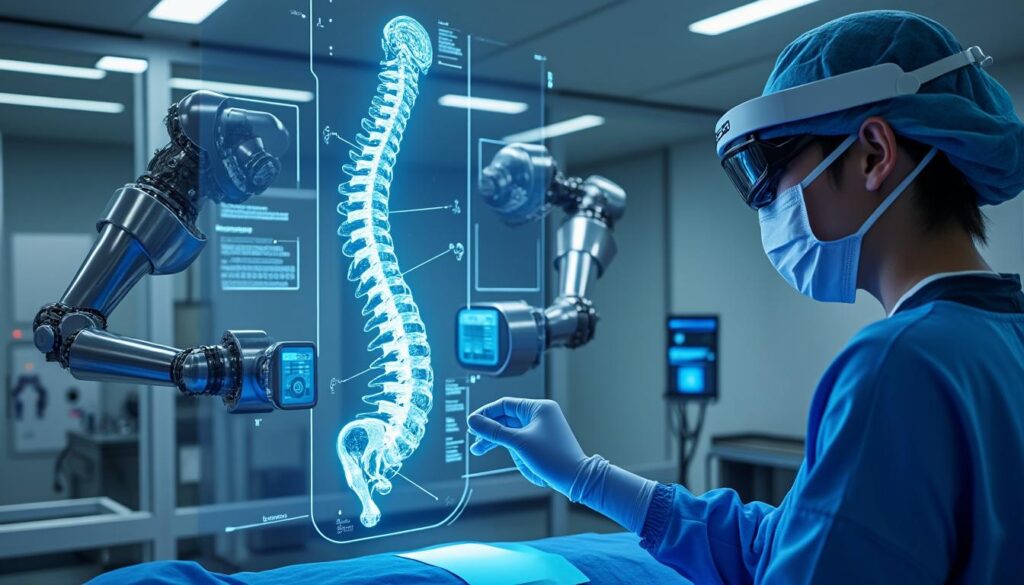
Advanced IT systems and digital platforms underpin Franchir’s ability to synchronize information between international teams and patients. Tools for medical record sharing, appointment scheduling, and teleconsultations enable efficient and patient-friendly communication pathways. These practices align with recommendations seen in frameworks proposed by Partners HealthCare and other leading centers, emphasizing technology’s role in enhancing care integration and patient satisfaction.
Cousin Spine Technology and Franchir: Transforming Surgical Decision-Making
In recent years, the integration of advanced medical technologies has dramatically shifted how spinal surgeries are planned, performed, and managed. Among the transformative developments, the alliance between Cousin Spine Technology and Franchir stands out as a pioneering force redefining surgical…
The Impact of French Dynamic Spinal Implants on the Global Healthcare Landscape
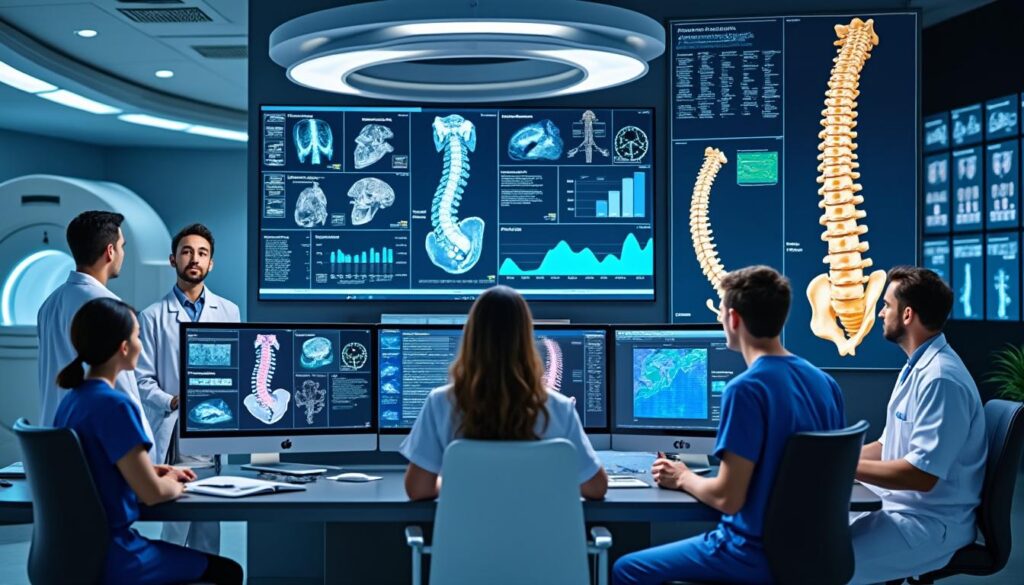
Dynamic spinal implants developed in France have revolutionized spinal surgery by offering alternatives to traditional fusion—which often limits mobility—thereby transforming postoperative experiences and long-term outcomes. Systems like the TOPS implant, Intraspine interlaminar prosthesis, and B-DYN technology exemplify this shift, focusing on preserving the spine’s physiological motion while providing stability.
These devices not only reduce the incidence of adjacent segment degeneration but also promote quicker rehabilitation, less postoperative pain, and higher overall patient satisfaction. Their design capitalizes on biomimetic principles, a significant advancement in implant technology and an active area of research and innovation in French institutions such as the University of Bordeaux and the FICV Spinal Solution Course.
The international patient journey is further strengthened by the integration of these implants within coordinated care networks facilitated by organizations like Franchir, broadening access and fostering trust in cross-border surgical interventions.
- Preservation of natural spinal mechanics
- Minimized postoperative complications and pain
- CE and FDA regulatory approvals ensuring safety
- Positive impact on patient mobility and quality of life
- Integration into complex care pathways for international patients
| Implant | Function | Recognition | Clinical Benefit |
|---|---|---|---|
| TOPS | Dynamic stabilization for lumbar spine | CE, FDA | Maintains motion, reduces pain |
| Intraspine | Interlaminar dynamic prosthesis | CE | Preserves spinal flexibility |
| B-DYN | Modular dynamic implant system | CE, FDA pending | Improves functional outcomes |
Insights from Research on Preventing Post-Laminectomy Syndrome
Post-Laminectomy Syndrome (PLS), a chronic pain condition arising after spinal surgery, remains a formidable challenge in spinal surgery and pain management. Despite advances in surgical techniques, a significant subset of patients continues to experience persistent neuropathic pain and functional limitations,…
The Vital Collaboration Between Franco-Canadian Teams in Ensuring Patient Safety
Cross-continental healthcare delivery necessitates robust collaboration among specialized teams working in concert to navigate treatment complexities and safeguard patient welfare. The Franco-Canadian model enabled by Franchir exemplifies this synergy, bringing together assessments, treatment planning, surgical execution, and rehabilitation within a framework of transparent communication and shared expertise.
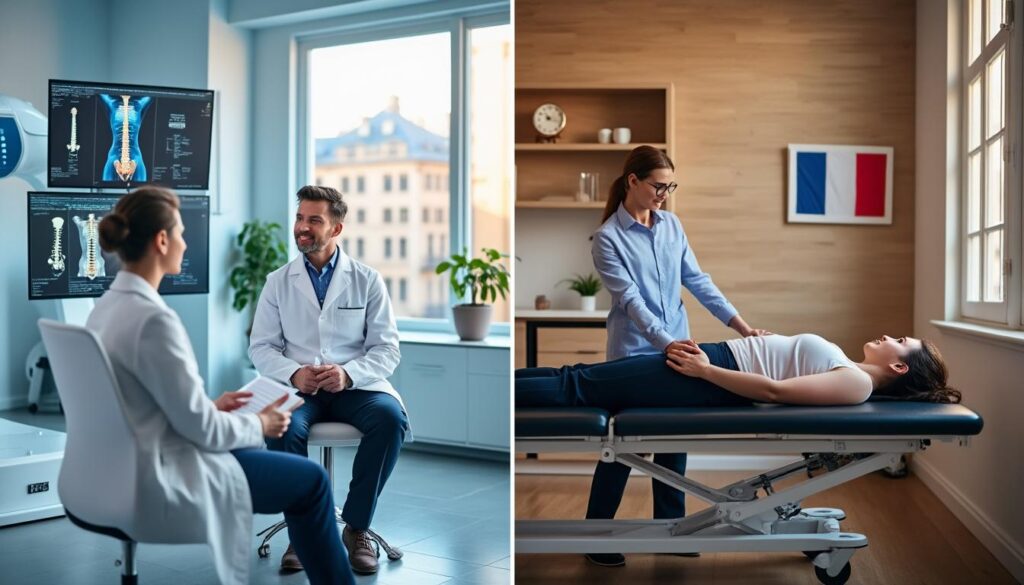
The Canadian side initiates thorough clinical assessments and oversees non-surgical management at centers like TAGMED under Dr. Desforges, emphasizing patient selection without overstepping specialist roles. The French teams assume responsibility for surgical management within specialized centers, ensuring that patients receive care from certified experts equipped with advanced technologies. Postoperative rehabilitation and monitoring then transition back to Canadian facilities such as Neurothérapie Montréal, which specialize in long-term recovery support.
- Initial evaluations and conservative treatment management in Canada
- Precise surgical interventions and implant selection in France
- Postoperative rehabilitation and continuous monitoring return to Canada
- Shared digital platforms facilitating real-time data exchange
- Collaborative oversight ensuring patient-centric care continuity
| Stakeholder | Role | Tools & Methods |
|---|---|---|
| Dr. Sylvain Desforges / TAGMED | Patient evaluation and conservative care | Robot-assisted decompression, clinical assessments |
| Franchir | Coordination of surgical referrals and logistics | Care pathway management, travel planning |
| SOS Tourisme Médical | Patient information and administrative support | Online platforms and patient support systems |
| Neurothérapie Montréal | Postoperative follow-up and rehabilitation | Tele-rehabilitation and personalized therapy plans |
Digital Tools Enabling Transatlantic Healthcare Integration
Modern digital platforms like Doctolib and Medaviz facilitate appointment scheduling and medical data management across continents, ensuring that patients and providers maintain continuity despite geographical separation. These tools enhance collaborative care frameworks observed in renowned health systems such as HCA Healthcare and Ascension, highlighting a collective movement toward interconnected, patient-centered models.
International Comparison: Spotlight on Spine Care Practices Between France and Quebec
The growing emphasis on spine health in Quebec has spotlighted the value of international collaboration in advancing patient care. With the challenges of prolonged wait times and high private care costs in Quebec, France emerges as an attractive alternative, boasting…
Integrating Key Healthcare Principles into Franchir’s Model for Spinal Patient Management
Healthcare journeys are most effective when seamlessly connected, multidisciplinary, and preventative in nature. Franchir exemplifies this by integrating essential care principles into its international spinal surgery coordination model, ensuring not only clinical efficacy but also social and emotional support tailored to each patient.
Key elements embraced within this framework include continuity of care to avoid lapses, the involvement of diverse healthcare professionals to address complex needs, preventive actions to reduce secondary health issues, and custom approaches that reflect individual patient conditions and preferences. This holistic outlook parallels the recommendations from established organizations and publications, solidifying Franchir’s role as a modern, proactive healthcare facilitator.
- Continuous monitoring reducing treatment interruptions
- Multidisciplinary involvement including medical and social care professionals
- Preventative strategies such as early rehabilitation and education
- Personalization of treatment to accommodate patient lifestyle
- Use of technology to support care coordination and communication
| Core Component | Definition | Application within Franchir’s International Workflow |
|---|---|---|
| Continuity of Care | Consistent patient-provider engagement across phases | Ongoing communication between French surgeons and Canadian care centers |
| Multidisciplinarity | Collaboration across medical, nursing, and social disciplines | Integration of surgeons, physiotherapists, coordinators, and rehabilitation |
| Prevention | Early interventions and health education addressing complications | Patient support in planning and postoperative guidance |
| Personalization | Adaptation to unique patient medical and social contexts | Tailored treatment pathways and accommodation arrangements |
Comparative Table: Patient Care Approaches
Medical Logistics and Accommodation: Central Pillars in the Patient Care Journey
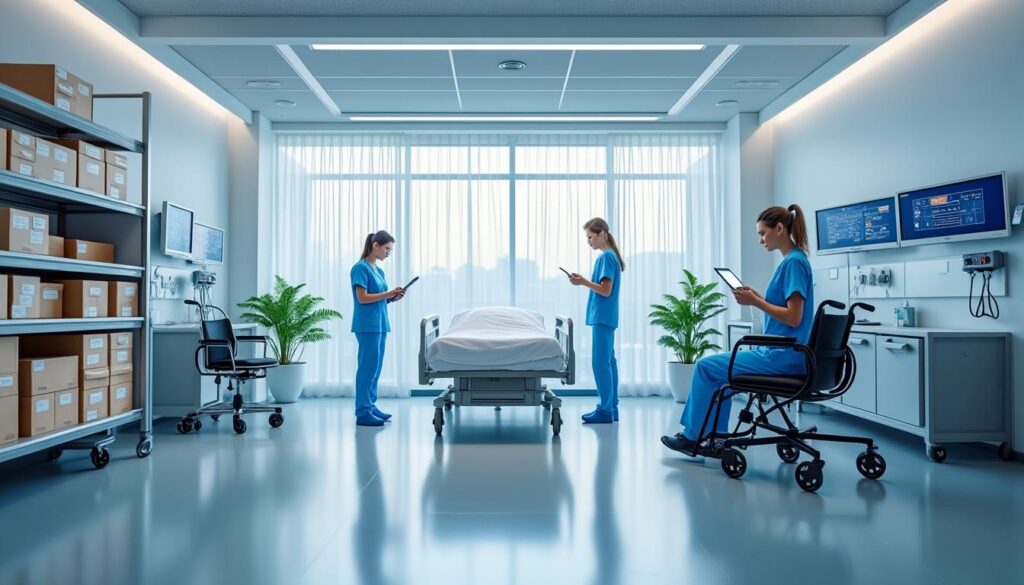
In the evolving landscape of global healthcare, the interplay between medical logistics and patient accommodation has become a cornerstone for effective and patient-centric care delivery. This synergy is particularly evident in the management of international patient journeys, where cross-border coordination,…
Enhancing Recovery and Long-Term Management Through Postoperative Integration
The success of spine surgery extends beyond the operating room, heavily influenced by postoperative care quality and patient engagement. Franchir ensures robust integration of postoperative pathways, linking French surgical teams with Canadian rehabilitation centers to monitor patient progress and minimize complications remotely.
Postoperative support includes advanced therapy options such as repetitive Transcranial Magnetic Stimulation (rTMS), proven to enhance neurologic recovery in some cases. This integration represents a comprehensive approach to patient rehabilitation, contrasting with more compartmentalized care models. The continuity of care leveraged by Franchir not only supports clinical outcomes but empowers patients through education and responsive care coordination.
- Telemedicine-enabled follow-up consultations
- Coordination of specialized rehabilitation therapies including rTMS
- Continuous tracking of recovery indicators via digital platforms
- Patient education on lifestyle and prevention of complications
- Multiactor collaboration enhancing care transparency
| Postoperative Intervention | Role in Recovery | Benefit to Patient |
|---|---|---|
| Tele-rehabilitation | Facilitates remote therapy and monitoring | Improved adherence and recovery outcomes |
| rTMS Therapy | Stimulates neurological repair | Enhanced functional recovery |
| Digital Progress Monitoring | Enables real-time tracking | Early identification of complications |
| Patient Education | Promotes self-care and risk reduction | Long-term quality of life improvements |
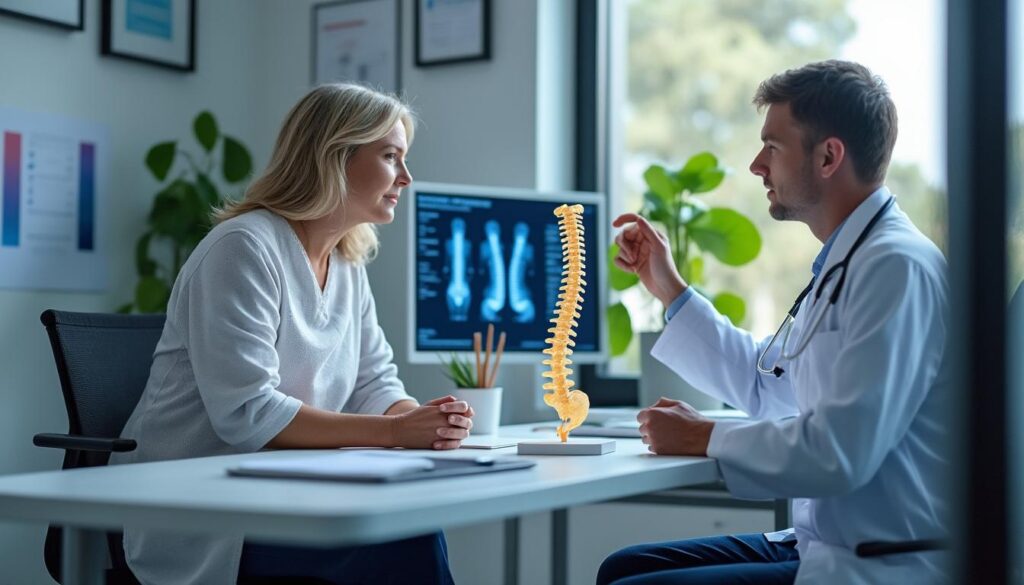
Comprehensive Guide to Eligibility Criteria for Back Surgery
The decision to undergo back surgery involves numerous complex considerations that extend beyond the presence of spinal discomfort. Through an international collaboration between healthcare experts in Quebec and France, patients facing severe spine conditions now have access to advanced surgical…
Challenges and Solutions in Managing Cross-Border Patient Care Coordination
Delivering quality healthcare across national boundaries presents unique challenges in communication, regulatory compliance, and patient experience. Franchir addresses these barriers through its integrated framework combining clinical expertise and logistical proficiency, ensuring that patients experience minimal disruptions throughout their surgical journey.
Among the primary challenges are language differences, varying healthcare regulations, time zone coordination, and insurance navigation. By working closely with certified hospitals and allied health partners, Franchir offers multilingual support and well-established protocols that conform to both French and Canadian medical regulations. This mitigates risks and enhances transparency. Engagement with patient advocacy and information platforms further empowers individuals to actively participate in their treatment decisions, aligning with the patient empowerment philosophy advocated in studies from UnitedHealth Group.
- Multilingual and culturally sensitive patient support
- Compliance with dual regulatory environments
- Clear communication pathways across time zones
- Insurance liaison to streamline authorizations
- Use of patient-centered management frameworks
| Challenge | Franchir Solution | Resulting Benefit |
|---|---|---|
| Language Barriers | Dedicated multilingual coordinators | Enhanced patient understanding and comfort |
| Regulatory Differences | Compliance teams ensuring dual-country standards | Reduced legal and procedural risks |
| Time Zone Coordination | Flexible scheduling and communication platforms | Timely responses and smoother care transitions |
| Insurance Processes | Partnerships with major carriers for streamlined approvals | Faster authorization and less patient worry |
These solutions position Franchir as an essential partner in cross-border spinal care, offering a replicable model for other domains of international healthcare delivery that seek to optimize patient experience and outcomes.
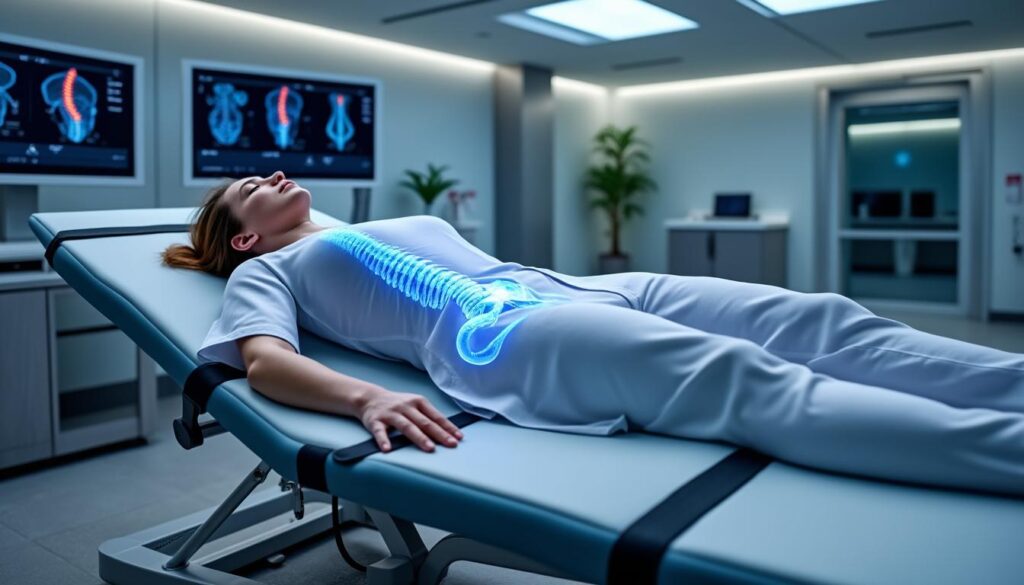
Unveiling the Hidden Benefits of Neurovertebral Decompression Therapy
Chronic back and neck pain remain pervasive health issues impacting millions, often leading to debilitating effects on daily life and overall well-being. Traditional management strategies frequently fall short due to lengthy wait times, high costs, or invasive procedures. Amid this…
Educating Patients and Empowering Stakeholders in the Healthcare Continuum
Education is a critical facet of patient care pathways, especially for individuals managing chronic or complex conditions such as spinal degeneration. Franchir emphasizes equipping patients with knowledge and resources throughout their journey, fostering confidence and autonomy that enhance adherence and satisfaction.
By providing comprehensive information about surgical options, potential risks, postoperative expectations, and lifestyle modifications, patients are better equipped to make informed decisions. Stakeholder engagement extends to training caregivers and collaborating with multidisciplinary teams to align expectations and care goals. These strategies echo the patient engagement frameworks endorsed by leading healthcare entities like Cleveland Clinic and Mount Sinai Health System.
- Preoperative counseling and detailed care plans
- Postoperative education addressing rehabilitation and recovery
- Accessible resources tailored for diverse literacy levels
- Integration of digital media and teleconsultations
- Empowering patient advocacy and shared decision-making
| Education Element | Objective | Implementation Example |
|---|---|---|
| Patient Counseling | Preparation for surgical journey | Virtual preoperative sessions conducted via telemedicine |
| Rehabilitation Guidance | Support functional recovery | Personalized exercise regimens and ongoing therapist access |
| Accessible Materials | Ensure understanding across demographics | Multilingual brochures and video tutorials |
| Shared Decision-Making | Engagement and alignment of care goals | Interactive consultations involving patient and care team |
Planning for a Future Where Patient Care Coordination Sets New Standards
The ongoing evolution of patient care models signals a future where integrated coordination and patient-centered principles dominate healthcare landscapes. Franchir’s example illuminates how embracing comprehensive patient journey management can elevate standards across international borders, influence policy, and inspire other healthcare domains.
This forward vision embraces technological innovation, collaborative networks, and sustained patient partnerships as keystones for enhanced outcomes and satisfaction. It also aligns with global healthcare trends emphasizing quality improvement, equity, and transparency—a commitment shared by renowned institutions like Johns Hopkins Medicine and Ascension.
- Expansion of digital health tools for real-time coordination
- Strengthening multidisciplinary networks internationally
- Enhancing patient engagement via tailored communication strategies
- Fostering sustainable healthcare ecosystems supporting chronic care
- Adoption of evidence-based practices for superior surgical outcomes
| Future Trend | Expected Development | Implication for Patient Care |
|---|---|---|
| Digital Transformation | Growing use of AI and telemedicine in coordination | More personalized and accessible care |
| Multidisciplinary Integration | Broader collaboration across specialties and countries | Holistic patient management |
| Patient Empowerment | Increased roles in shared decision-making | Improved satisfaction and outcomes |
| Policy Evolution | Standards development for cross-border care | Enhanced quality and safety assurance |
Timeline: The Role of Franchir in Patient Care
Utilisez les flèches gauche/droite ou les boutons ci-dessous pour naviguer dans la timeline.
What specialized services does Franchir provide for international spinal surgery patients?
Franchir offers personalized clinical evaluations, coordinates with expert surgeons and hospitals, manages travel logistics, and ensures continuous postoperative follow-up for patients across countries.
How does Franchir reduce surgical wait times for patients?
By centralizing care coordination, aligning with prioritized surgical centers, and managing insurance and administrative processes, Franchir significantly shortens the wait from evaluation to surgery.
What are the advantages of dynamic spinal implants used in the Franchir care pathway?
Dynamic implants like TOPS and Intraspine preserve spinal mobility, reduce postoperative pain, and support faster recovery compared to traditional fusion techniques.
How does Franchir facilitate communication between Canadian and French healthcare teams?
Franchir employs digital tools and maintains continuous communication channels, ensuring seamless data exchange and patient support throughout their international care journey.
What role does education play in Franchir’s model of patient care?
Patient education is central to empowering individuals to participate actively in their care, improving adherence and satisfaction through counseling, accessible resources, and shared decision-making.