Blainville Chronic Back Pain Solutions from TAGMED
July 26, 2026
IntraSPINE® Approved in Laval for Treating Chronic Lower Back Pain
July 27, 2026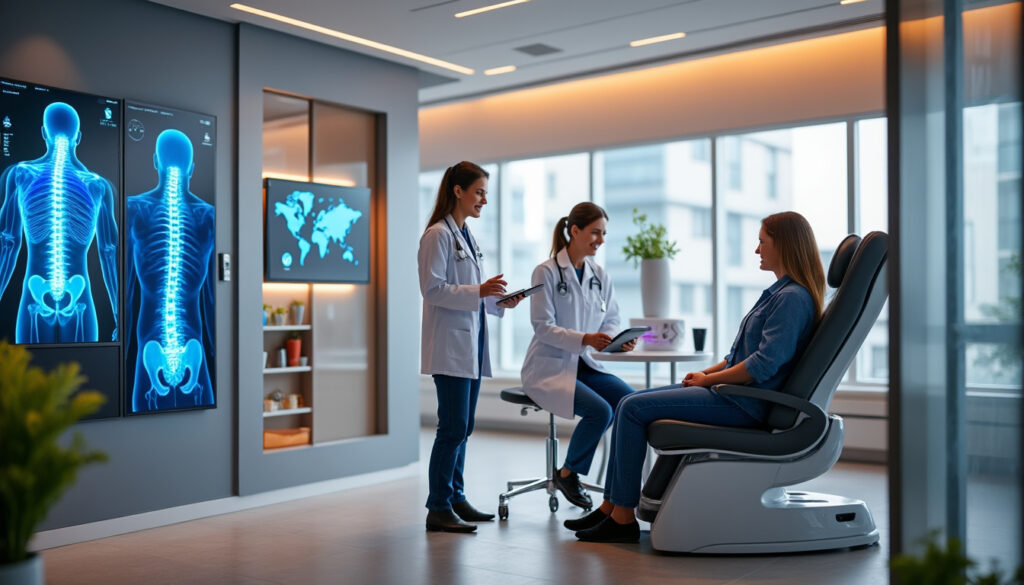
In the dynamic neighborhood of Rosemont–La Petite-Patrie in Montreal, spinal health stands as a significant concern, particularly regarding herniated disc conditions. These conditions often interfere with daily activities, from sedentary office work to manual labor, challenging residents with persistent pain and restricted mobility. Fortunately, the evolution of alternative therapies and advanced neurovertebral decompression treatments is reshaping the landscape of disc care, providing new opportunities for relief without invasive surgery.
The variety of treatment options available reflects a profound shift towards holistic and patient-centered approaches. Residents are increasingly turning to alternative therapies such as chiropractic care and osteopathy, integrated thoughtfully alongside conventional physical therapy. These options not only address the symptoms but seek to restore the spine’s functionality and enhance long-term health. Additionally, innovative technologies like spinal decompression therapy enable targeted mechanical relief by alleviating pressure on affected discs.
At the forefront of these advances is Dr. Sylvain Desforges, an expert in spinal care whose comprehensive clinical experience exceeds 35 years. His deep commitment to evidence-based practice and patient safety has made significant impacts, especially at the TAGMED Clinics, which serve communities in Montreal and Terrebonne. His unique role in international coordination further elevates patient journeys, blending expertise from Canada and Europe to ensure optimized, personalized care.
Understanding Herniated Discs in the Context of Rosemont–La Petite-Patrie’s Active Community
Herniated discs are a pressing health challenge in Rosemont–La Petite-Patrie, affecting a broad demographic range that includes both physically active workers and those engaged in sedentary office roles. The essential issue arises from the displacement of the nucleus pulposus through the annulus fibrosus of an intervertebral disc, often compressing nearby nerve roots and causing pain. The symptoms can manifest as lower back pain, cervical discomfort, or sciatic nerve pain, sometimes accompanied by numbness or muscle weakness.
This condition is influenced by multiple factors. Physical stressors — such as repetitive lifting for a construction worker or prolonged sitting for office employees — combine with genetic predispositions and natural aging to elevate the risk of disc herniation. An illustrative example involves a local resident whose long hours at a desk with inadequate ergonomic support culminate in worsening back discomfort, eventually diagnosed as a herniated disc.
Accurate and timely diagnosis in Rosemont–La Petite-Patrie is critical for effective management. Clinical examinations are augmented by imaging techniques like MRI and X-rays to pinpoint herniation location and extent. This diagnostic precision guides treatment pathways, balancing traditional methods and emerging therapies that target the mechanical aspects of spinal health.
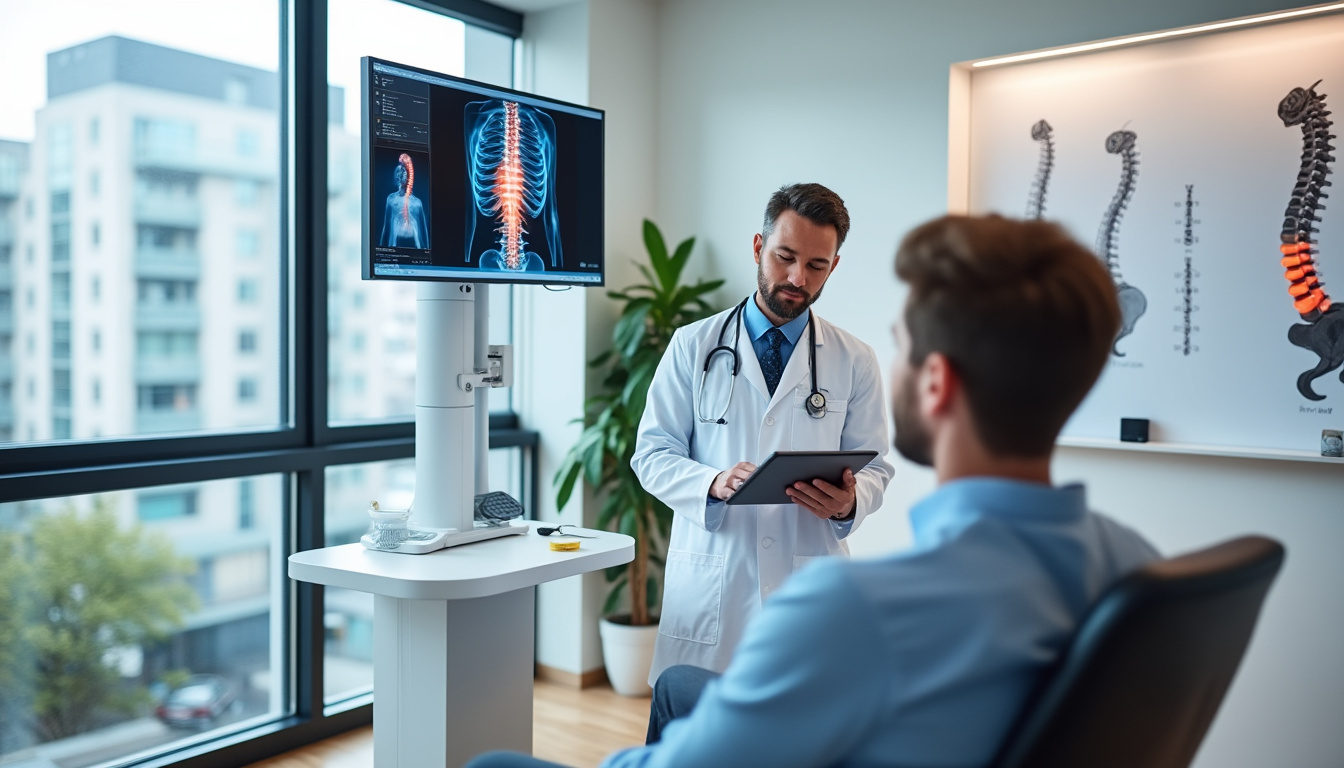
IntraSPINE® in Sherbrooke: A Long-Lasting Solution for Chronic Lower Back Pain
Chronic lower back pain remains one of the most pressing health concerns in Sherbrooke and beyond, impacting millions and often diminishing daily quality of life. Despite the prevalence of lumbar discomfort, many face limited access to cutting-edge treatments amidst lengthy…
Limitations and Considerations of Conventional Herniated Disc Treatments in Rosemont–La Petite-Patrie
Conventional treatments, while widespread, have notable limitations in addressing the complex nature of herniated discs. Common approaches include the use of analgesics and anti-inflammatory medications, which primarily manage pain symptoms rather than the underlying mechanical dysfunction. Patients relying long-term on medications may face side effects such as gastrointestinal issues or drug dependencies.
Corticosteroid injections are another option frequently administered to reduce localized inflammation. Yet, their effects tend to be temporary, with repeated applications risking complications like infections or tissue damage. Physiotherapy, an important pillar in disc care, promotes muscular strength and spinal flexibility but requires sustained patient commitment and does not directly reverse herniation.
Surgical intervention is reserved for severe cases marked by significant neurologic deficits or unrelenting pain. Though surgery can decompress nerves and restore alignment, it carries inherent risks, including postoperative complications and sometimes long-lasting pain or mobility loss. Moreover, the possibility of re-herniation post-surgery creates hesitation and underscores the need for less invasive alternatives.
| Treatment Method | Advantages | Drawbacks |
|---|---|---|
| Medication | Rapid pain relief | No mechanical correction; risk of side effects |
| Corticosteroid Injections | Targeted inflammation reduction | Temporary relief; risk of infection |
| Physiotherapy | Muscle strengthening and functional improvement | Requires long-term commitment; slow symptom relief |
| Surgery | Tackles severe nerve compression directly | Invasive; risks of complications; potential loss of mobility |
Herniated Disc Care in Sainte-Julie: Why TAGMED’s Neurovertebral Decompression Therapy Stands Out
In the vibrant community of Sainte-Julie, back pain—particularly that stemming from herniated discs—has become a widespread concern affecting people from all walks of life. The relentless search for effective, non-invasive treatments has brought renewed attention to a pioneering therapy that…
The Science and Benefits of Neurovertebral Decompression Therapy in Rosemont–La Petite-Patrie
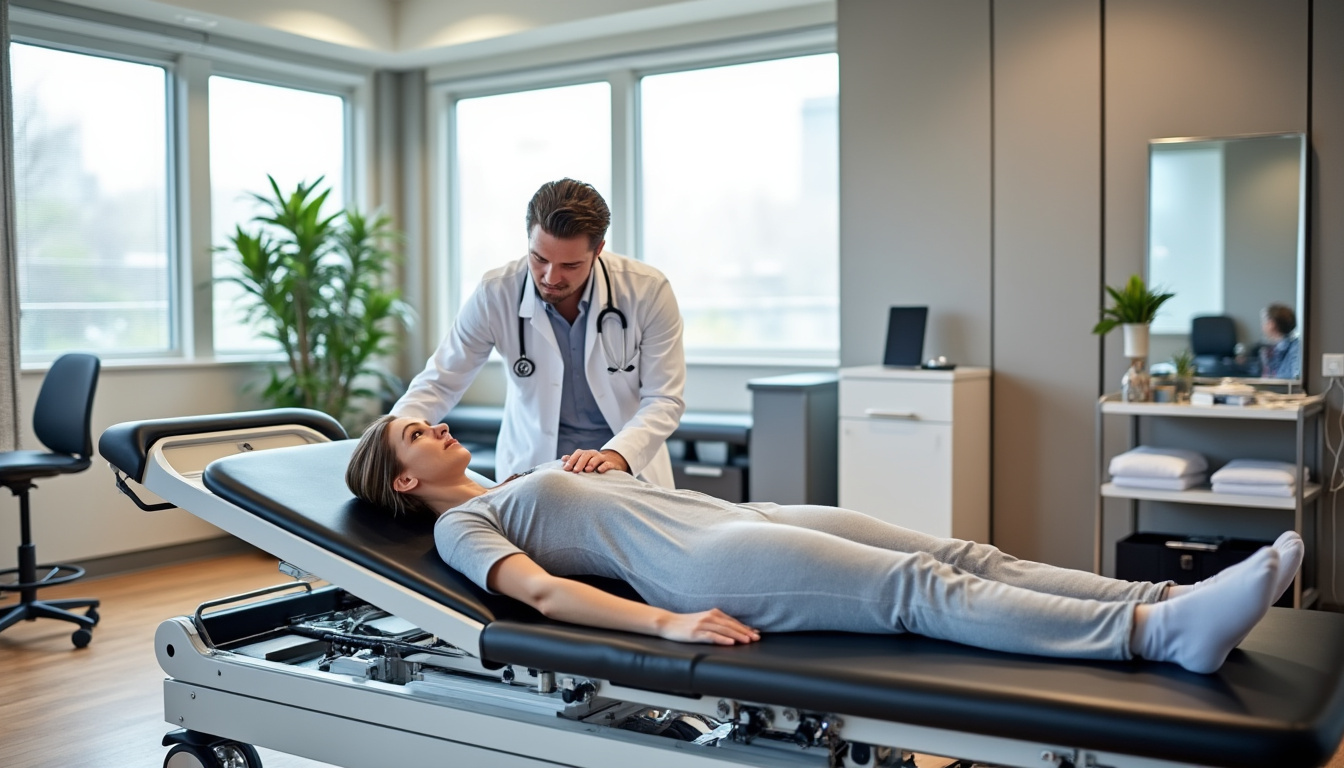
Neurovertebral decompression is revolutionizing herniated disc care through its non-invasive approach. This therapy applies controlled, progressive traction to the spine, effectively reducing intra-discal pressure and facilitating natural healing processes such as rehydration and resorption of the herniated material. By improving blood flow and nutrient delivery to the affected discs, decompression therapy promotes tissue repair and functional restoration.
The protocol often integrates complementary treatments, including osteopathic adjustments and targeted physical therapy, creating a robust multidisciplinary model. For example, the incorporation of cutting-edge vibration technologies like Pulse Align enhances muscle tone regulation, substantially improving treatment outcomes. The patient’s active participation remains essential, underscoring the therapy’s role not only in symptom control but also in fostering long-term spinal health.
Patients contraindicated for surgery or those seeking alternatives find decompression therapy particularly appealing for its safety profile and minimal side effects. A local case involved a middle-aged administrative worker who, after months of persistent sciatic pain, experienced marked relief and improved mobility following a tailored decompression regimen administered by experts including Dr. Sylvain Desforges at TAGMED Clinics.
Back Surgery in Trois-Rivières: Alleviating Pain While Preserving Mobility
In Trois-Rivières, Quebec, the persistence of back pain affects a substantial portion of the population seeking effective and personalized solutions. Back pain, often caused by spinal disorders or herniated discs, can drastically diminish quality of life, limiting mobility and causing…
Real-Life Success Stories and Clinical Results Demonstrating Neurovertebral Decompression Effectiveness
Clinical data emphasize that neurovertebral decompression achieves success rates surpassing 70% in patients unresponsive to conventional therapies. The approach alleviates radiating pain, enhances mobility, and diminishes the necessity for analgesic medications. Such outcomes significantly improve quality of life and functional capacity for individuals within Rosemont–La Petite-Patrie’s population.
Consider the story of a local construction worker who endured chronic lower back pain. After completing a comprehensive decompression protocol, he regained the ability to perform his physically demanding tasks with less discomfort and improved endurance. Similarly, a young professional who had prolonged desk work-related back pain reported significant symptom regression and increased daily activity levels.
Ongoing follow-up and clinical evaluations are vital to customize treatment intensity and duration. Dr. Desforges champions this individualized approach, ensuring that therapeutic adjustments correspond to evolving patient needs and preventing the recurrence of disc problems.
The integration of patient-centered care and cutting-edge technologies makes this treatment a cornerstone of modern spinal health initiatives, demonstrating remarkable potential in the ongoing battle against herniated discs.
Disc herniation remains a significant health concern in Pointe-Claire, impacting the lives of a diverse population ranging from labor-intensive workers to the aging community. The condition, characterized by the displacement or rupture of the intervertebral disc, often leads to debilitating…
Comparing Neurovertebral Decompression to Other Modern Treatment Modalities in Rosemont–La Petite-Patrie
Within Rosemont–La Petite-Patrie, a spectrum of modern treatment options exists, yet neurovertebral decompression frequently stands apart due to its combination of efficacy, safety, and non-invasiveness. Medications assist with symptomatic relief but lack long-term corrective effects. Conversely, surgery offers definitive decompression but is invasive with extended recovery periods and associated risks.
Neurovertebral decompression merges the benefits of conservative care with mechanical correction, making it an ideal choice for many patients. Its progressive treatment course fosters gradual, sustainable recovery of spinal function. Consequently, more residents opt for this method as a primary or adjunctive therapy.
| Treatment | Invasiveness | Typical Duration | Success Rate | Side Effects | Cost Range | Insurance Coverage |
|---|---|---|---|---|---|---|
| Neurovertebral Decompression | Non-invasive | Several weeks (15-25 sessions) | 71%-86% | Minimal | $800 – $1500 | Partial (private insurance) |
| Medication | Non-invasive | Variable | Variable | Possible side effects | Variable | Often covered |
| Surgery | Invasive | Recovery time 1-3 months | High in severe cases | Surgical risks | $5000 and above | Public and private |
TOPS™ in Gatineau: A High-Performance Solution for Lumbar Spine Care
In a region where chronic back pain increasingly affects quality of life, the quest for advanced and effective lumbar spine treatments is paramount. Lumbar spinal stenosis, a prevalent condition among Quebec’s aging population, often imposes persistent discomfort and mobility limitations.…
Access and Patient Support Services for Herniated Disc Care Near Rosemont–La Petite-Patrie
Though not directly situated within Rosemont–La Petite-Patrie, the TAGMED Clinics in Terrebonne and Ville Mont-Royal provide accessible hubs for advanced herniated disc treatment, including neurovertebral decompression performed under the expert guidance of Dr. Sylvain Desforges. The clinics emphasize a multi-disciplinary approach that harmonizes osteopathy, physical therapy, and ongoing medical evaluation.
Patients from Rosemont–La Petite-Patrie benefit from coordinated care pathways, leveraging insurance partnerships to ease financial constraints. The geographical convenience, combined with expert support, promotes treatment adherence and optimizes clinical outcomes. For many, this represents a valuable resource to pursue non-surgical options effectively.
For more information, prospective patients may visit TAGMED’s herniated disc care overview or explore related alternative therapies offered by local Montreal clinics such as Clinique MAPP.
At Gouin Clinic, the landscape of herniated disc therapy has entered a transformative era marked by the integration of Personalized Treatment Plans and breakthrough Neurovertebral Decompression Therapy. This non-surgical approach is revolutionizing how spinal disorders are managed, offering patients an…
The Role of Complementary Medicine and Physical Therapy in Enhancing Spine Health Outcomes
Complementing neurovertebral decompression, complementary medicine practices play a pivotal role in comprehensive spine care. In Rosemont–La Petite-Patrie, treatments including osteopathy, chiropractic care, acupuncture, and therapeutic massages contribute substantially to pain management and functional restoration.
Osteopathy focuses on postural balance and muscular tension release; chiropractic care offers gentle vertebral adjustments; acupuncture stimulates specific points to alleviate pain, while massages enhance local circulation and promote relaxation. These therapies are often tailored into individualized care plans to support the healing process.
Physical therapy remains fundamental in rehabilitation, employing targeted exercises to strengthen paraspinal muscles and enhance spinal flexibility. The synergy between physical therapy and alternative modalities ensures stabilized outcomes and mitigates recurrence risks.
- Osteopathic postural realignment to reduce mechanical stress
- Chiropractic adjustments for enhanced vertebral mobility
- Acupuncture to manage inflammation and nerve sensitivity
- Therapeutic massage to improve circulation and decrease muscular tension
- Exercise-based rehabilitation targeting spinal muscle strengthening and flexibility

Cervical Disc Prosthesis in Quebec: Preventing Post-Operative Stiffness
Neck pain is one of the most common musculoskeletal complaints in Quebec, affecting a significant portion of the population annually. Often rooted in degenerative cervical disc diseases or herniated discs, this persistent discomfort severely impacts daily life and mobility. Fortunately,…
When Neurochirurgical Intervention Becomes Necessary for Herniated Disc Cases in Rosemont–La Petite-Patrie
While conservative and alternative treatments are often preferred, some herniated disc cases necessitate neurochirurgical procedures. Indications typically include profound neurological impairments or severe, intractable pain unresponsive to other therapies.
Neurosurgical techniques, such as microdiscectomy and minimally invasive endoscopic procedures, aim to decompress nerve roots and restore spinal integrity. Technological advancements have minimized hospitalization time and accelerated recovery, yet surgery remains a significant decision requiring careful patient education and support.
Dr. Sylvain Desforges coordinates closely with leading spinal surgeons and medical tourism facilitators to ensure that patients from Rosemont–La Petite-Patrie receive the most appropriate surgical care when necessary, complete with comprehensive pre- and post-operative planning.
The prevalence of herniated disc conditions in Blainville has sparked considerable discussion and misconceptions about their causes, symptoms, and treatments. While the pain and disability associated with this spinal disorder are well documented, the emergence of non-surgical options such as…
Initiating and Managing Neurovertebral Decompression Treatments: Personalized Protocols and Patient Involvement
Beginning neurovertebral decompression treatment at TAGMED Clinics starts with a thorough clinical assessment, including imaging studies and functional evaluations. This stage is essential to tailor the treatment protocol to the individual’s specific condition, emphasizing safety and efficacy.
Patients typically undergo a course of 15 to 25 sessions distributed over multiple weeks. Each session involves carefully controlled spinal traction combined with complementary manual therapies. Active patient engagement through adherence to exercises and lifestyle recommendations enhances therapeutic success.
Throughout treatment, ongoing monitoring enables adjustments based on symptom progression, ensuring a dynamic and responsive care pathway. Informing patients about ergonomics, posture correction, and spinal health helps maximize the longevity of treatment benefits.

How exactly does neurovertebral decompression work for a herniated disc?
The therapy gently stretches the spine to create negative pressure within the disc, encouraging the herniated material to retract and relieving nerve compression.
Are diagnostic tests necessary before starting decompression therapy?
Yes, imaging such as MRI or X-rays is typically required to assess the disc condition and ensure the suitability of the decompression treatment.
Can neurovertebral decompression prevent the need for surgery?
In many cases, this therapy effectively alleviates symptoms and can help avoid surgical intervention, especially for patients not responding well to conventional treatments.
How long does each decompression session usually last?
Sessions typically last between 15 to 30 minutes depending on the customized protocol established by the care team.
Is neurovertebral decompression covered by insurance?
Partial coverage often applies through private insurance plans; patients should verify benefits with their provider prior to beginning therapy.