Vaudreuil-Dorion Neck Pain Recovery Without Hospital Stay
June 12, 2026
Can Rehabilitation and Returning to Work Help You Avoid Surgery?
June 12, 2026
The rise in back pain complaints in Boucherville reflects a broader trend linked to sedentary lifestyles and prolonged sitting, affecting individuals across all age groups. Herniated discs, a predominant source of such discomfort, represent complex spinal conditions that disrupt mobility and quality of life. Patients increasingly seek clear, evidence-based explanations and effective, non-invasive treatments to manage their symptoms and avoid surgical intervention. Addressing this demand, osteopathic care combined with neurovertebral decompression therapy has emerged as a promising approach. This article delves into the intricate nature of herniated discs, the essential questions patients should pose to their osteopaths in Boucherville, and the role of modern spinal decompression techniques in pain management and spinal health restoration.
Understanding spinal health requires a nuanced view of the anatomical structures and biomechanical forces involved. Herniated discs do not merely signify mechanical failures but are involved in neurophysiological cascades affecting nerve roots and muscular integrity. The patient journey involves a collaborative dialogue with healthcare experts, emphasizing personalized diagnoses, safety considerations, and a stepwise treatment plan. This comprehensive guidance enables patients to engage actively in their recovery while optimizing therapeutic outcomes through a blend of osteopathic manual care and advanced decompression technologies.
Understanding Herniated Disc: Anatomy and Implications for Spine Health in Boucherville
At the core of spinal functionality lie the vertebrae and intervertebral discs that cushion and facilitate mobility. Each disc consists of a gelatinous nucleus pulposus enveloped by a tough annulus fibrosus, which together absorb shocks and permit spinal flexibility. In Boucherville’s active population, the lumbar spine is especially vulnerable due to its weight-bearing role and exposure to repetitive strain.
Disc herniation occurs when the nucleus pulposus protrudes beyond the compromised annulus fibrosus, often compressing adjacent nerve roots. This condition is not simply a mechanical disruption but involves a complex interplay of inflammation, nerve irritation, and potential muscular compensations. These phenomena manifest clinically as localized pain, radiating symptoms such as sciatica, numbness, and muscle weakness.
Effective spinal therapy starts with a comprehensive understanding of this anatomy, as emphasized by Dr. Sylvain Desforges, whose expertise blends extensive osteopathic assessment with precision in identifying biomechanical imbalances. For example, in a typical Boucherville clinic session, the osteopath assesses postural alignment, spinal mobility, and neurological function to pinpoint areas requiring targeted intervention.
This deep insight guides treatment strategies aimed not only at symptomatic relief but also at correcting underlying dysfunctions that predispose patients to recurrent disc issues. Engaging with the anatomy of herniated discs reinforces the importance of professional, evidence-based intervention and patient education for achieving sustainable spine health.
IntraSPINE® in Sherbrooke: A Long-Lasting Solution for Chronic Lower Back Pain
Chronic lower back pain remains one of the most pressing health concerns in Sherbrooke and beyond, impacting millions and often diminishing daily quality of life. Despite the prevalence of lumbar discomfort, many face limited access to cutting-edge treatments amidst lengthy…
Key Symptoms and Diagnostic Approaches for Disc Herniation in Boucherville
Disc herniation in Boucherville often presents with a spectrum of clinical signs, ranging from mild discomfort to debilitating nerve-related symptoms. The hallmark is radicular pain, commonly described as sharp, shooting pain radiating from the lower back into the leg, reflecting irritation of the sciatic nerve roots. Patients may also experience tingling, numbness, and progressive weakness in the affected limbs.
A thorough osteopathic evaluation entails a detailed patient history and physical examination incorporating specialized tests, such as the Lasègue’s test, which helps reproduce sciatic symptoms to confirm nerve involvement. Dr. Desforges emphasizes that such clinical assessments, combined with imaging studies like MRI scans, establish a precise diagnosis and rule out conditions requiring urgent surgical attention.
Given that some herniated discs remain asymptomatic, the presence and pattern of symptoms direct the urgency and type of intervention. Osteopaths in Boucherville prioritize distinguishing mechanical back pain from neuropathic signs to tailor appropriate therapeutic pathways. Such differentiation ensures that neurovertebral decompression therapy is offered to eligible patients who can safely benefit from it.
Furthermore, recognizing subtle symptomatology related to chronic postural imbalances allows for integrative care that addresses both the disc pathology and muscular compensations. This holistic approach reduces pain recurrence and fosters better functional restoration.
Herniated Disc Care in Sainte-Julie: Why TAGMED’s Neurovertebral Decompression Therapy Stands Out
In the vibrant community of Sainte-Julie, back pain—particularly that stemming from herniated discs—has become a widespread concern affecting people from all walks of life. The relentless search for effective, non-invasive treatments has brought renewed attention to a pioneering therapy that…
Essential Questions to Ask Your Osteopath about Herniated Disc in Boucherville
Engaging actively with your osteopath helps clarify the nature of your herniated disc and the suitability of therapies like neurovertebral decompression. Here are crucial inquiries patients should consider during consultations:
- What are the primary causes of my disc herniation, and how can I prevent recurrence? Understanding causal factors such as posture, lifestyle, and biomechanical stresses empowers patients to adopt preventive behaviors.
- How does neurovertebral decompression therapy relieve pressure on the spinal discs and nerves? Knowing the treatment mechanism increases patient confidence and adherence.
- Are there any risks, contraindications, or limitations to this therapy? Safety is paramount, particularly with complex spinal conditions.
- What is the expected duration and frequency of the decompression program for my specific condition? Setting realistic treatment expectations aligns patient goals and clinical planning.
- Which complementary exercises or osteopathic interventions support the decompression therapy? Combining therapies optimizes outcomes and enhances spinal stability.
Such questions promote transparency and trust, fostering a collaborative relationship with care providers. Clinics like TAGMED in Montréal and Terrebonne, led by Dr. Desforges, have prioritized these dialogues as part of patient-centered care, ensuring each therapeutic plan respects individual needs and clinical safety standards, as detailed in expert osteopathic resources from Boucherville.
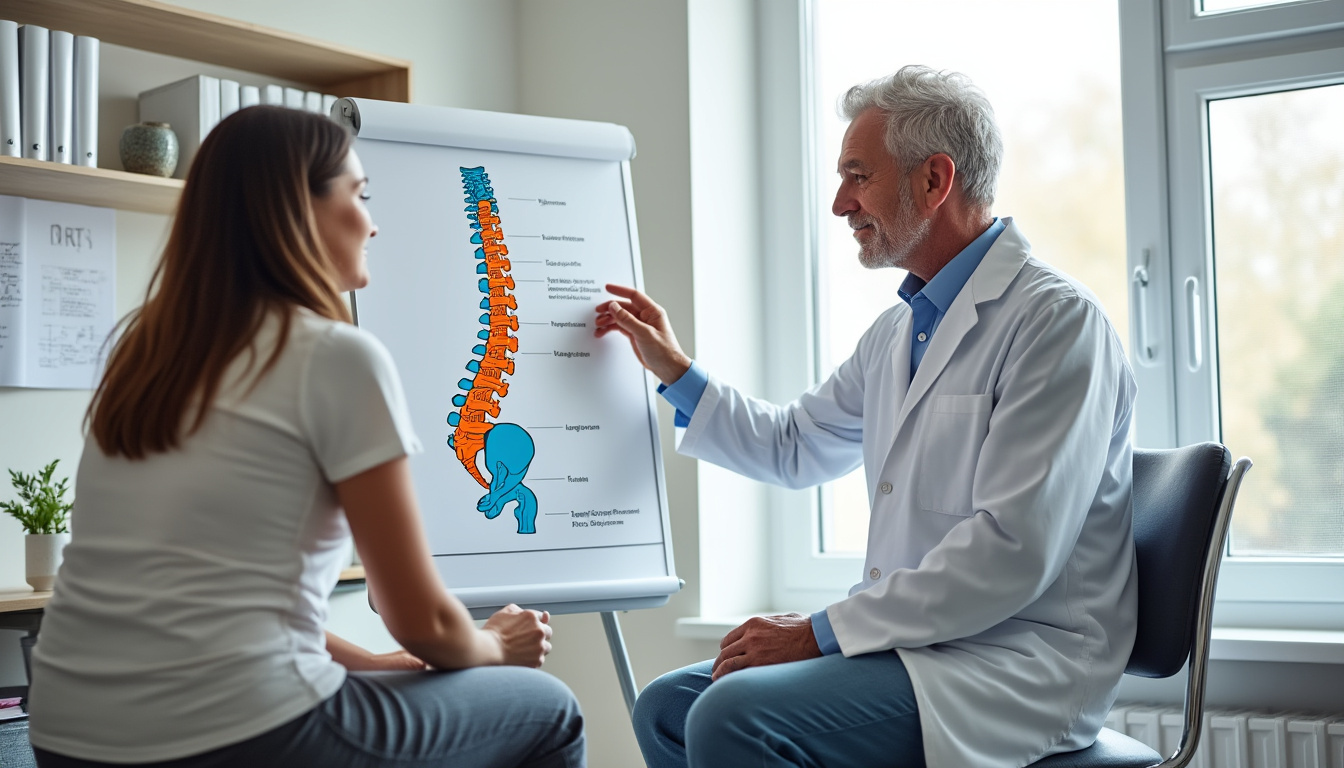
Back Surgery in Trois-Rivières: Alleviating Pain While Preserving Mobility
In Trois-Rivières, Quebec, the persistence of back pain affects a substantial portion of the population seeking effective and personalized solutions. Back pain, often caused by spinal disorders or herniated discs, can drastically diminish quality of life, limiting mobility and causing…
The Science Behind Neurovertebral Decompression Therapy: Mechanisms and Benefits
Neurovertebral decompression therapy is an advanced, non-invasive modality designed to mitigate pressure on affected intervertebral discs and nerve roots. This therapeutic intervention uses specialized mechanized tables that apply controlled, gentle traction to elongate the spine, creating negative pressure within the disc space. This negative pressure facilitates retraction of the herniated nucleus pulposus, reduces nerve compression, and promotes disc hydration and healing.
Clinical studies consistently showcase decompression therapy as a viable alternative to surgery, particularly noted in patient cohorts treated at high-level clinics such as TAGMED. The therapy offers several significant benefits:
- Effective pain relief: By unloading nerve roots, patients typically report notable reduction in radicular and back pain.
- Improved spinal mobility: The treatment enhances range of motion by alleviating mechanical constraints.
- Reduced inflammation: The decompression process mitigates local inflammatory responses that exacerbate symptoms.
- Non-invasive nature: With no surgery or medications required, the risk profile is notably low.
Dr. Sylvain Desforges’ clinical expertise ensures treatment protocols are finely tuned to each patient’s tolerance and disc pathology severity. Integration of osteopathic manual care before and after decompression sessions amplifies therapeutic effects by preparing the spine structurally and facilitating sustained functional gains.
For a comprehensive understanding of spinal decompression’s role in back pain, authoritative medical guides such as Healthline’s decompression therapy resource provide valuable insight into mechanisms and indications.
Disc herniation remains a significant health concern in Pointe-Claire, impacting the lives of a diverse population ranging from labor-intensive workers to the aging community. The condition, characterized by the displacement or rupture of the intervertebral disc, often leads to debilitating…
Planning and Duration of a Complete Neurovertebral Decompression Program for Herniated Disc in Boucherville
A full course of neurovertebral decompression therapy typically ranges from 4 to 12 weeks, adapting to the herniation’s severity and individual response. The standard regimen involves 12 to 24 sessions, each lasting approximately 30 to 45 minutes, conducted multiple times per week.
The treatment begins with a detailed initial evaluation, including clinical and imaging assessments, followed by a customized plan that defines session intensity, frequency, and progression. The decompression tables mechanically stretch the lumbar spine segmentally, generating spinal traction that alleviates disc pressure gradually.
Alongside decompression sessions, adjunct osteopathic treatments, rehabilitative exercises, and patient education on posture and activity modification form integral parts of the healing strategy. This multi-faceted protocol maximizes disc recovery by strengthening paraspinal musculature, restoring joint mobility, and correcting biomechanical imbalances.
| Type of Disc Herniation | Typical Treatment Duration (Weeks) | Average Number of Sessions | Therapeutic Considerations |
|---|---|---|---|
| Mild Protrusion | 4–6 | 12–16 | Light traction with moderate osteopathic follow-up |
| Moderate Extruded Herniation | 8–10 | 18–22 | Controlled traction combined with rehabilitation and osteopathy |
| Severe Extrusion with Radiculopathy | 10–12 | 20–24 | Multidisciplinary approach with intensive exercise and close monitoring |
This structured approach is exemplified in Boucherville’s TAGMED Clinic, where Dr. Desforges and his team apply evidence-supported timelines and personalized protocols to ensure optimal recovery and limit the risk of relapses.
At Gouin Clinic, the landscape of herniated disc therapy has entered a transformative era marked by the integration of Personalized Treatment Plans and breakthrough Neurovertebral Decompression Therapy. This non-surgical approach is revolutionizing how spinal disorders are managed, offering patients an…
Combining Osteopathy and Neurovertebral Decompression in Boucherville: A Comprehensive Spine Care Approach
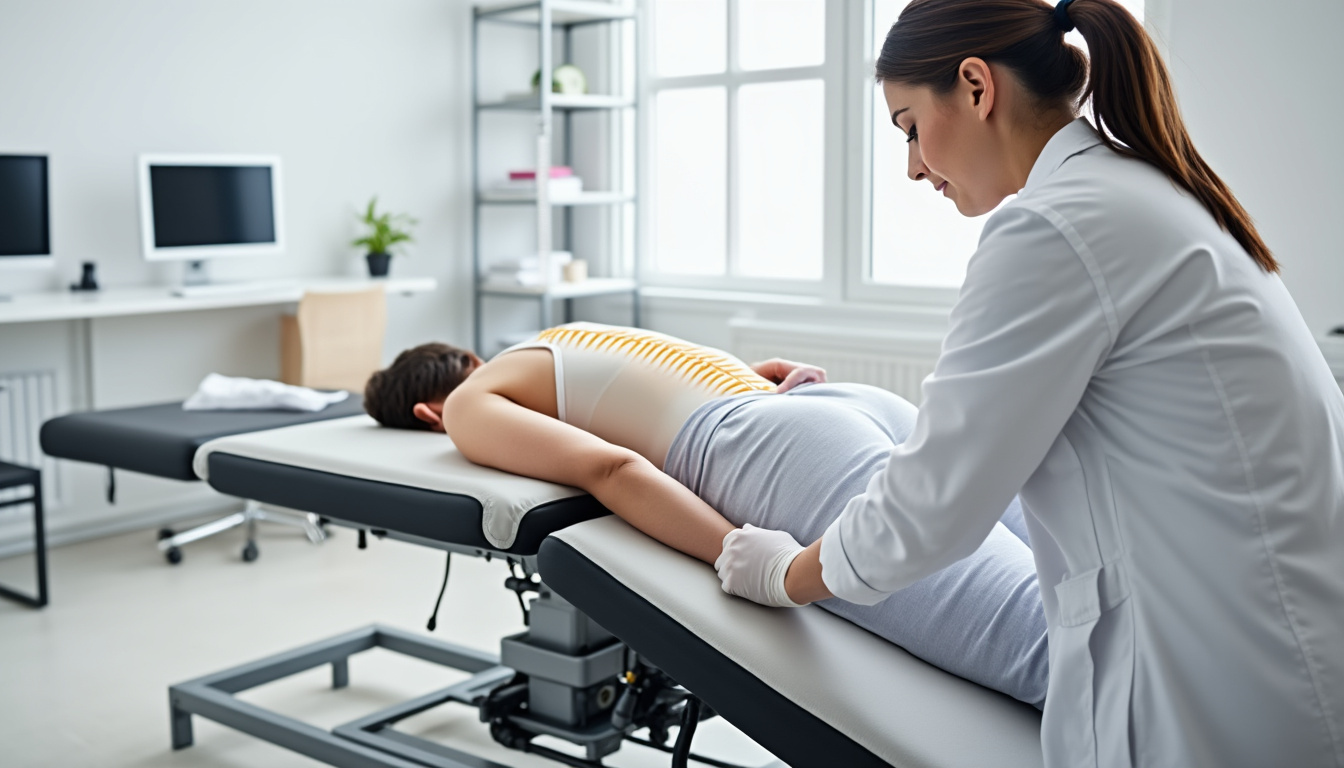
The synergy between osteopathy and neurovertebral decompression has transformed how herniated disc care is delivered in Boucherville. Osteopathy addresses the muscular and structural imbalances that contribute to disc stress and pain, providing manual adjustments, fascial release, and postural correction to prepare the spine for mechanical decompression.
Following decompression sessions, osteopathic care supports the maintenance of spinal alignment and enhances neuromuscular coordination, which is critical for preventing recurrence. This alliance reduces dependence on pharmacological pain management and favors a holistic patient-centric model of care.
Dr. Desforges boasts over three decades of clinical experience and a robust commitment to research-driven innovation. His leadership at ACMA and the Canadian College of Osteopaths endorses this integrated methodology, setting a gold standard for spine care that prioritizes patient safety, scientific rigor, and compassionate engagement.

Cervical Disc Prosthesis in Quebec: Preventing Post-Operative Stiffness
Neck pain is one of the most common musculoskeletal complaints in Quebec, affecting a significant portion of the population annually. Often rooted in degenerative cervical disc diseases or herniated discs, this persistent discomfort severely impacts daily life and mobility. Fortunately,…
Patient Guidance on Post-Treatment Pain Management and Preventing Herniated Disc Recurrence in Boucherville
Successfully navigating recovery post-decompression requires patient commitment to ongoing spinal health management. Key practices include maintaining good posture, incorporating regular gentle stretching and strengthening exercises focused on the core and back muscles, and avoiding activities that overload the spine.
A structured osteopathic follow-up and educational support provided by experts like Dr. Desforges are invaluable in reinforcing healthy movement patterns and mitigating dysfunctional muscular tension. Patients are encouraged to adopt ergonomic practices in work and daily life to minimize recurrence risk.
Importantly, vigilance is vital for any resurgence of radicular pain, numbness, or weakness, signaling the need for prompt re-evaluation to adjust the care plan and prevent chronic progression.
Many find benefit in combining neurovertebral decompression with complementary physical therapy techniques and lifestyle modifications to sustain therapeutic gains. Clinical teams at TAGMED Clinic continually guide patients through these comprehensive strategies, ensuring a pathway from initial relief to durable spine health.

The prevalence of herniated disc conditions in Blainville has sparked considerable discussion and misconceptions about their causes, symptoms, and treatments. While the pain and disability associated with this spinal disorder are well documented, the emergence of non-surgical options such as…
Optimizing Your Care Journey with Dr. Sylvain Desforges: International Coordination and Personalized Support
Dr. Sylvain Desforges’s distinguished leadership in spinal care extends beyond Boucherville to encompass transatlantic patient coordination, notably facilitating connections between Canadian and French specialists. Patients benefit from seamless access to expert surgical assessment, specialized implants, and innovative technologies that may not be readily available elsewhere in Canada.
Through partnerships with renowned spine surgeons and platforms like SOS Tourisme Médical, Dr. Desforges orchestrates individualized care pathways that harmonize conservative osteopathic and decompression therapies with advanced surgical options when necessary. This robust network optimizes treatment timelines and quality, ensuring patients achieve the best possible outcomes.
Patients seeking personalized evaluation or wishing to explore neurovertebral decompression therapy can engage directly with Dr. Desforges’s clinic, where evidence-based protocols and empathetic care combine to promote restoration and wellness. Detailed insights into scheduling and therapy options are accessible through comprehensive local resources such as specialized guides on decompression treatment duration in Boucherville.
What is the typical duration of a complete neurovertebral decompression program?
Generally, a full program lasts between 4 and 12 weeks, involving 12 to 24 sessions, tailored to the severity of the herniated disc and patient response.
Is neurovertebral decompression therapy painful?
This therapy is designed to be gentle, controlled, and adapted to patient tolerance, with most individuals finding the sessions comfortable.
Who is eligible for neurovertebral decompression treatment?
Candidates are patients with lumbar disc herniation without urgent complications such as cauda equina syndrome, evaluated thoroughly during osteopathic consultation.
Can neurovertebral decompression be combined with other treatments?
Yes, it often integrates into multidisciplinary protocols including osteopathy, physiotherapy, and therapeutic education to optimize outcomes.
How can patients maximize recovery after decompression therapy?
Adopting targeted exercises, maintaining good posture, ongoing osteopathic care, and comprehensive lifestyle management are key factors in sustaining recovery.
Minimally Invasive Surgery in Longueuil: Reducing Hospital Stays for Faster Recovery
In recent years, a transformative wave has swept through spinal healthcare in Longueuil, aiming to revolutionize treatment experiences for patients suffering from back disorders. This shift stems from a growing demand for procedures that minimize hospital stays without compromising efficacy.…