Cervical Disc Prosthesis in Quebec: An Approved and Long-Lasting Solution
July 18, 2026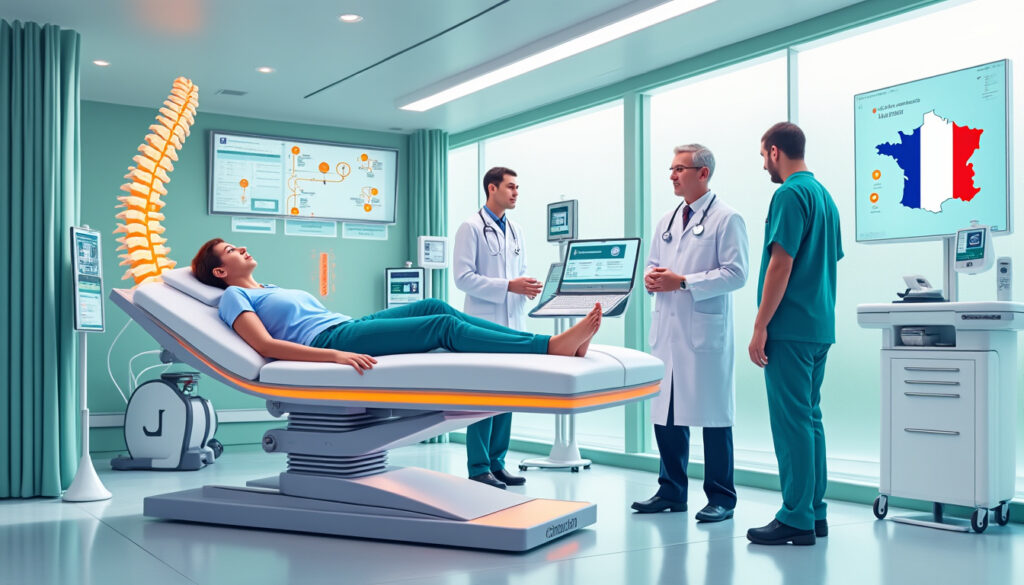
Herniated disc is not just a clinical diagnosis in Laval; it symbolizes a profound challenge that reverberates through every facet of daily life. Affecting individuals across all ages and professions, from manual laborers to office workers, this spinal condition compromises simple movements and imposes persistent lower back pain. In Laval, the landscape of treatment is evolving rapidly through innovative, non-invasive approaches aimed at alleviating pain, enhancing spinal health, and restoring overall quality of life.
Among these breakthroughs, neurovertebral decompression therapy stands out as a cornerstone of conservative management. This adaptive technique precisely targets the reduction of disc pressure, encouraging natural healing and minimizing the need for surgical intervention. Pioneered by experts like Dr. Sylvain Desforges, with over three decades of experience and leadership roles in Canadian osteopathic and alternative medicine institutions, such therapies are becoming accessible within the vibrant clinical ecosystem of Laval. The interplay of advanced technology, personalized care, and interdisciplinary expertise is transforming patient journeys and redefining expectations for those suffering from herniated discs and related spinal disorders.
Profound Impact of Herniated Disc on Quality of Life in Laval Patients
The effects of a herniated disc extend far beyond localized back pain, profoundly touching sleep, work life, and emotional well-being. Patients in Laval describe their experience as a daily reckoning with discomfort that interferes with the most routine activities and social interactions. Back pain from a herniated disc often disrupts sleep patterns due to the inability to find a comfortable position, leading to repeated awakenings and insufficient rest. This sleep deprivation exacerbates fatigue and irritability, further diminishing concentration and emotional resilience.
Work productivity frequently declines as physical discomfort limits the ability to perform essential tasks such as bending, lifting, or prolonged sitting. For example, a Laval receptionist recently had to reduce working hours because of chronic pain, a scenario illustrating the socio-economic ripple effects this condition can cause. Emotional health also suffers, with many patients experiencing anxiety, depression, and a debilitating fear of movement known as kinesiophobia. This fear triggers muscle rigidity and joint stiffness, often intensifying the herniated disc’s impact.
A recent regional study highlights that approximately 35% of patients diagnosed with a herniated disc report a substantial negative influence on their overall quality of life. These findings underscore the critical need for specialized treatment strategies, such as neurovertebral decompression therapy, tailored to restore functional capacity and emotional stability through effective pain management and spinal health restoration.


Cervical Disc Prosthesis in Quebec: An Approved and Long-Lasting Solution
The landscape of spinal care in Quebec has witnessed transformative progress with the advent of the cervical disc prosthesis — an innovative orthopedic solution that offers renewed hope to patients burdened by chronic neck pain. This modern treatment modality replaces…
Minimally Invasive Surgery in Longueuil: Reducing Recovery Time and Preserving Mobility
In the evolving landscape of spinal care, minimally invasive surgery in Longueuil is emerging as a pivotal advancement, transforming the patient experience by dramatically reducing recovery time and preserving natural mobility. Patients who once faced daunting surgery and lengthy hospital…
Deciphering the Pathophysiology of Herniated Disc and Its Clinical Manifestations
Understanding the precise mechanisms underlying herniated discs is essential for guiding effective treatment modalities. The condition arises when the tough outer ring (annulus fibrosus) of an intervertebral disc tears, allowing the soft, gel-like nucleus pulposus to protrude and impinge on adjacent nerve roots. This mechanical compression is compounded by a local inflammatory response, intensifying nerve irritation and pain symptoms.
In the Laval clinical environment, the lumbar spine is most frequently affected, particularly at the L4-L5 and L5-S1 levels. These segments are under significant stress during everyday movements like trunk flexion and rotation. The intervertebral discs serve an important role in cushioning between vertebrae; however, age-related degeneration and repetitive trauma can weaken their structure, paving the way for disc herniation. Importantly, the severity of symptoms does not always correlate with the disc herniation’s size visible on imaging, due to the inflammatory factors that amplify pain sensations.
Patients may present with radicular pain characterized by sharp, burning sensations radiating along the nerve pathway, or with localized, dull aching focused in the back. These pain types necessitate careful clinical assessment, such as the comprehensive evaluations conducted at Clinique TAGMED, where treatment plans are customized to address individual symptomatology and functional restrictions.
| Mechanism | Description | Clinical Consequence |
|---|---|---|
| Annulus Fibrosus Tear | Rupture in the outer disc ring | Protrusion of nucleus pulposus, risking nerve compression |
| Nerve Root Compression | Disc material pressing on nerve roots | Radiating pain, numbness, muscle weakness |
| Local Inflammation | Immune reaction to displaced disc material | Increased pain sensitivity and nerve irritation |
| Disc Degeneration | Progressive breakdown from aging or trauma | Reduced disc height, spinal biomechanical alteration |
The challenge of managing disc herniation in active communities like Sainte-Anne-de-Bellevue is significant, as residents face persistent back pain that disrupts daily life. In response, advanced therapeutic methods such as neurovertebral decompression have gained attention for their promise in alleviating…

IntraSPINE® in Laval: Accelerated Recovery Following Lumbar Surgery
Lumbar back pain remains one of the most pervasive health challenges worldwide, often disrupting daily life and work productivity. In the dynamic medical landscape of Quebec, a transformative solution called IntraSPINE has emerged, revolutionizing how lumbar surgery patients experience recovery.…
Leveraging Neurovertebral Decompression Therapy: Principles and Advantages in Laval
Neurovertebral decompression represents a non-invasive breakthrough approach in managing herniated discs within the Laval healthcare landscape. This method applies controlled, gradual traction to the spine, aiming to reduce intradiscal pressure and encourage retraction of herniated material away from nerve structures. Unlike traditional traction, this advanced therapy minimizes muscle contraction reflexes, enhancing therapeutic efficacy.
Clinics such as TAGMED utilize cutting-edge technology to calibrate traction parameters tailored to patient morphology and pathology. The benefits extend beyond pain reduction, including improved local blood flow, diminished inflammation, and enhanced spinal mobility, all accomplished without the risks inherent to surgical procedures.
- Pressure Reduction: Promotes disc material retraction, relieving nerve impingement.
- Circulatory Enhancement: Stimulates delivery of oxygen and nutrients vital for disc repair.
- Inflammation Modulation: Eases nerve irritation and associated swelling.
- Mobility Restoration: Assists in regaining flexibility and range of motion.
Such targeted neurovertebral decompression is often integrated with osteopathic adjustments and rehabilitative exercises, constituting a comprehensive, personalized treatment plan that prioritizes patient safety and long-term spinal health. More details about this innovative care can be found on the site describing spinal decompression therapy for herniated discs.
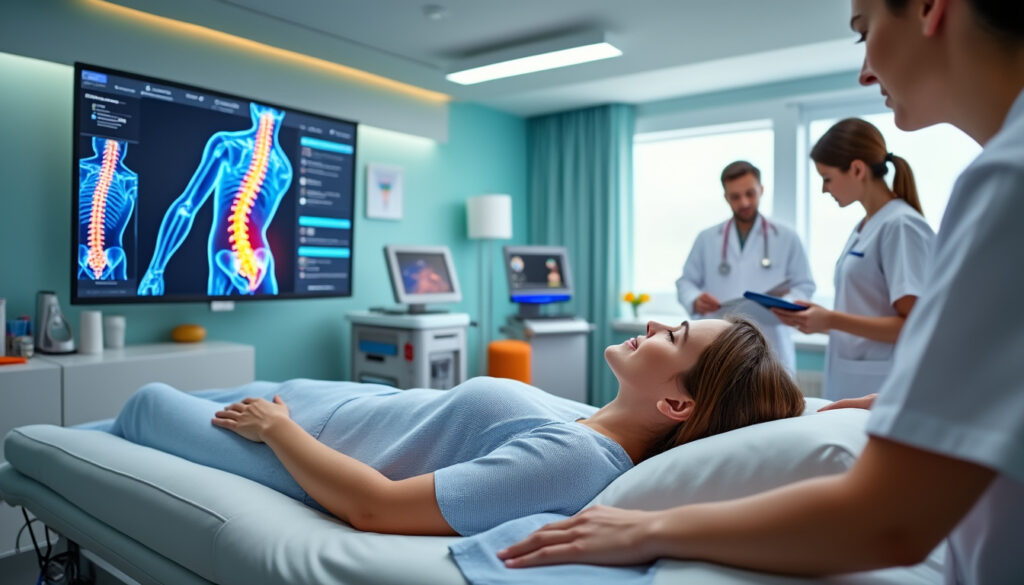
Herniated Disc in Saint-Jérôme: Targeted Therapy Areas and Neurovertebral Decompression Treatment
The herniated disc has become a significant health challenge in Saint-Jérôme, where sedentary lifestyles and demanding professions increasingly contribute to lumbar discomfort and spinal issues among the city’s working population. This escalating prevalence underscores a rising need for effective, non-invasive…

Neck Surgery in Montreal: Safeguarding Cervical Flexibility for Optimal Mobility
The evolving landscape of neck surgery in Montreal has shifted focus to one paramount objective: preserving cervical flexibility for optimal mobility. As persistent neck pain and cervical spine disorders impact thousands of patients annually, advancements in surgical techniques and patient-centered…
Harnessing Rehabilitation to Sustain Recovery and Enhance Spinal Resilience
Rehabilitation post-neurovertebral decompression is vital to consolidating improvements and maintaining functional gains long-term. In Laval, patients undergo tailored rehabilitation programs centered on strengthening spinal stabilizers and optimizing posture. These regimens encompass muscle strengthening, stretching, ergonomic education, and pain coping strategies.
Strengthening exercises focus on core and paraspinal musculature, providing dynamic support to the vertebral column. Stretching protocols alleviate muscle tension and loosen stiff joints, facilitating smoother movement. Postural training educates patients on body mechanics that minimize spinal stress throughout daily activities and work environments.
Comprehensive pain management techniques, including relaxation and controlled breathing, empower patients to better handle discomfort episodes, while detailed guidance on activity modification helps prevent recurrence. With a structured, ongoing rehabilitation path, patients often experience significant enhancements in quality of life, returning to active lifestyles with renewed confidence.
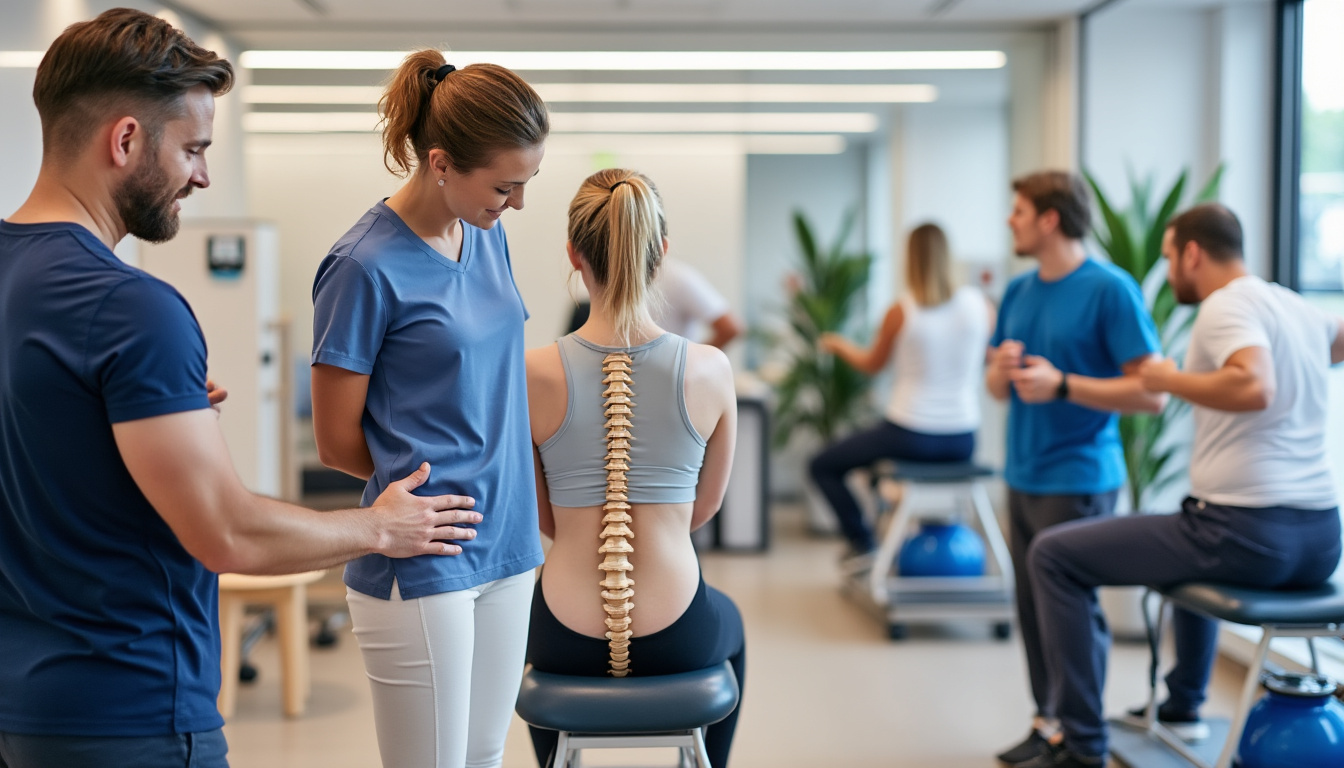

Disc herniation remains one of the most persistent challenges affecting spinal health in the L’Assomption region. Patients suffering from back pain and sciatica frequently seek effective therapies to regain mobility without undergoing invasive surgeries. Innovative treatments such as neurovertebral decompression…
Disc Prosthesis in Lévis: A Proven and Effective Solution
Back pain continues to be a pervasive health challenge affecting millions worldwide, especially those in the Québec region who often encounter prolonged wait times for specialized spine treatments. In Lévis, an innovative surgical option, the disc prosthesis, is emerging as…
Integration of Modern Technologies in Spinal Therapy at Laval Clinics
The therapeutic success in managing herniated discs hinges on advanced diagnostic and treatment tools, which Laval clinics are equipped to offer. Through precision imaging such as MRI and CT scans, clinicians accurately assess the nature and extent of disc pathology, informing tailored therapy plans.
Innovative devices like the SpineMED system enable precise neurovertebral decompression through automated and programmable spinal traction. Additional modalities include therapeutic ultrasound and electrostimulation, enhancing pain relief and muscle activation.
Functional assessment tools monitor patient progress objectively, allowing for evidence-based adjustment of therapy intensity and direction. This technology-rich environment fosters greater patient trust and adherence, ensuring treatments are both safe and effective. Clinics such as Clinique TAGMED exemplify this commitment to integrating technology and patient-centered care services in Quebec.
Choosing Neurovertebral Decompression Over Surgery: Benefits and Considerations
While surgery remains indispensable for severe spinal injuries involving neurological deficits, most herniated disc cases in Laval benefit from non-surgical interventions like neurovertebral decompression. This approach offers multiple advantages, notably its non-invasive nature which negates scarring risks and surgical complications.
Patients avoid the need for general anesthesia and its associated risks. Recovery tends to be swift, permitting earlier resumption of ordinary tasks compared to post-surgical convalescence. Additionally, cost-effectiveness and immediate treatment availability make decompression therapy a practical first-line strategy.
Choosing this path requires a thorough evaluation by experienced healthcare providers to ensure appropriateness and to customize treatment effectively. Dr. Sylvain Desforges, with his extensive clinical expertise, advocates for this conservative pathway whenever suitable, integrating technology and manual care at the forefront of spinal health management.
Coordinated, Personalized Multidisciplinary Care for Herniated Disc Patients in Laval
The hallmark of successful spinal therapy in Laval is its multidisciplinary, patient-centered model. Expertise from osteopaths, chiropractors, physiotherapists, and complementary medicine professionals converge to craft individualized management plans. Patients undergo thorough evaluations, incorporating diagnostic imaging and functional testing, to identify precise therapeutic targets.
Cases are managed holistically, addressing biomechanical factors, pain control, mobility restoration, and psychological support. Such collaboration ensures comprehensive care tailored to age, lifestyle, and treatment goals, optimizing outcomes and fostering sustainable spinal wellness.
An illustrative case involved a construction worker from Laval, initially incapacitated and facing prolonged work absence, whose quality of life markedly improved after receiving combined neurovertebral decompression, manual therapy, and a rehabilitative exercise program. This multidisciplinary synergy embodies the evolving standard of care in the region, accentuating safety, scientific rigor, and compassionate support.

What exactly is a herniated disc?
A herniated disc occurs when the outer ring of an intervertebral disc tears, allowing the gel-like nucleus to protrude and press on nearby nerves, causing pain and neurological symptoms.
Is neurovertebral decompression therapy a safe treatment option?
Yes, neurovertebral decompression is a non-invasive and well-tolerated procedure that effectively reduces disc pressure and alleviates symptoms, often recommended before considering surgery.
How long does the neurovertebral decompression treatment usually last?
Treatment is typically delivered over several weeks with regular sessions, during which patients notice gradual symptom improvement.
Which symptoms require urgent medical consultation in Laval?
Signs including rapid muscle weakness, severe unrelenting pain, loss of bladder or bowel control, or progressive neurological deficits necessitate immediate medical attention.
Does every herniated disc require surgery?
No, most cases can be effectively managed with conservative methods such as neurovertebral decompression and rehabilitation, reserving surgery for severe complications.