Saint-Eustache Neck Herniation Care Without Medication
May 25, 2026
Disc Prosthesis in Lévis: A Solution Endorsed by France
May 26, 2026
In the dynamic and bustling district of Rosemont–La Petite-Patrie, back pain stemming from herniated discs is a pervasive health issue that touches a broad spectrum of residents—from busy professionals to active seniors. The intersection of modern urban lifestyles—with their long hours spent seated—and the natural aging process has given rise to this increasingly common spinal disorder. However, advancements in non-surgical spinal therapy, notably neurovertebral decompression, have opened new doors for pain relief and functional restoration. This comprehensive guide delves into the intricacies of managing a herniated disc in this Montreal neighborhood, focusing on how patients can efficiently book medical appointments and benefit from state-of-the-art therapeutic interventions without resorting to invasive procedures.
Back pain treatment in Rosemont–La Petite-Patrie has evolved substantially thanks to pioneering experts like Dr. Sylvain Desforges, who brings over 30 years of clinical experience to his practice. His leadership in osteopathic techniques combined with innovative decompression technologies exemplifies the commitment to evidence-based, compassionate patient care within Quebec’s medical regulations. Locals now have access to specialized care pathways that emphasize non-surgical options while supporting an empathetic understanding of spinal conditions. As the demand for effective spinal therapy rises, understanding the process—from symptom recognition to consultation and treatment—becomes crucial for those seeking lasting relief.
Understanding Herniated Disc Causes and Clinical Challenges in Rosemont–La Petite-Patrie
A herniated disc occurs when the soft inner core of a spinal disc protrudes through the tougher outer layer, irritating nearby nerve roots and causing intense back pain and neurological symptoms. In a neighborhood like Rosemont–La Petite-Patrie, where many adopt sedentary lifestyles dominated by prolonged sitting—whether at desks or during commutes—the spinal discs endure repeated mechanical stress. This environment accelerates disc degeneration, particularly in the lumbar and cervical regions, which are the most commonly affected areas here.
Several key factors compound this condition’s prevalence locally:
- Natural aging: Disc tissues thin and weaken over time, with recovery capacity diminishing.
- Occupational stresses: Repeated improper lifting or static postures at work increase disc vulnerability.
- Excess body weight: Adds substantial load on lumbar vertebrae, hastening disc wear.
- Urban lifestyle habits: Smoking, stress, and inadequate physical activity exacerbate spinal health issues.
Clinicians note that the socio-environmental construct of Rosemont—with its residential density and multifaceted work demands—necessitates a local clinical approach that respects these particular stressors. Early recognition of symptoms—such as persistent low back or neck pain, radiating sciatic or cervicobrachial pain, numbness, muscle weakness, and stiffness—is essential for timely intervention. When left untreated, herniated discs may lead to chronic pain or permanent nerve damage, underscoring the importance of specialized evaluation and appropriate therapy.
Local efforts focus heavily on educating residents about risk factors and encouraging proactive spine health strategies. For those seeking tailored solutions that navigate the complexity of mechanical and neurological factors, neurovertebral decompression emerges as a scientifically grounded option delivering effective and safe care. In this context, pioneering clinicians integrate multidisciplinary assessments to craft personalized treatment protocols that align with each patient’s unique spinal condition.
IntraSPINE® in Sherbrooke: A Long-Lasting Solution for Chronic Lower Back Pain
Chronic lower back pain remains one of the most pressing health concerns in Sherbrooke and beyond, impacting millions and often diminishing daily quality of life. Despite the prevalence of lumbar discomfort, many face limited access to cutting-edge treatments amidst lengthy…
Booking Medical Appointments for Herniated Disc Treatment in Rosemont–La Petite-Patrie
Securing timely access to specialized spine care in Rosemont–La Petite-Patrie is a priority for patients enduring back pain. The pathway to treatment typically begins with scheduling an initial consultation where a comprehensive assessment is conducted. Thanks to digital healthcare platforms and local clinic networks, residents can book appointments conveniently with professionals trained in spinal therapy, including osteopaths, chiropractors, and neurologists proficient in neurovertebral decompression.
During the initial session, the expert collects a detailed medical history focusing on the onset, duration, and severity of symptoms. This interview is followed by a physical and neurological examination to detect weakness, reflex dysfunctions, or sensory deficits. Imaging, especially Magnetic Resonance Imaging (MRI), plays a pivotal role, offering precise visualization of herniated discs and nerve compression to guide treatment planning.
Specialized clinics such as Clinique TAGMED and local chiropractic centers provide accessible locations near key transit hubs like Metro Beaubien, enhancing convenience for Rosemont residents. Platforms like osteopathy clinics in Rosemont and chiropractic care providers nearby simplify appointment management and enable patients to align treatments efficiently within their schedules. Many facilities now emphasize coordinated multidisciplinary teams that work closely to adjust treatment dynamically based on patient progress, optimizing outcomes.
Understanding the appointment structure can empower individuals to prepare adequately: collecting prior diagnostic reports, outlining symptom details clearly, and setting realistic expectations with healthcare providers enhances the efficacy of consultations. Furthermore, these engagements are designed to be patient-centric, supporting education about the condition, treatment interventions, and expected recovery trajectories.
Tips for Efficient Appointment Planning
- Gather all relevant imaging and previous medical documents beforehand.
- Note specific symptoms, their triggers, and relief patterns.
- Ask questions about what neurovertebral decompression entails and suitability.
- Confirm insurance coverage or payment options related to spinal therapy.
- Plan for multiple sessions as this treatment requires a series of appointments.
Herniated Disc Care in Sainte-Julie: Why TAGMED’s Neurovertebral Decompression Therapy Stands Out
In the vibrant community of Sainte-Julie, back pain—particularly that stemming from herniated discs—has become a widespread concern affecting people from all walks of life. The relentless search for effective, non-invasive treatments has brought renewed attention to a pioneering therapy that…
Principles and Advantages of Neurovertebral Decompression Therapy in Rosemont
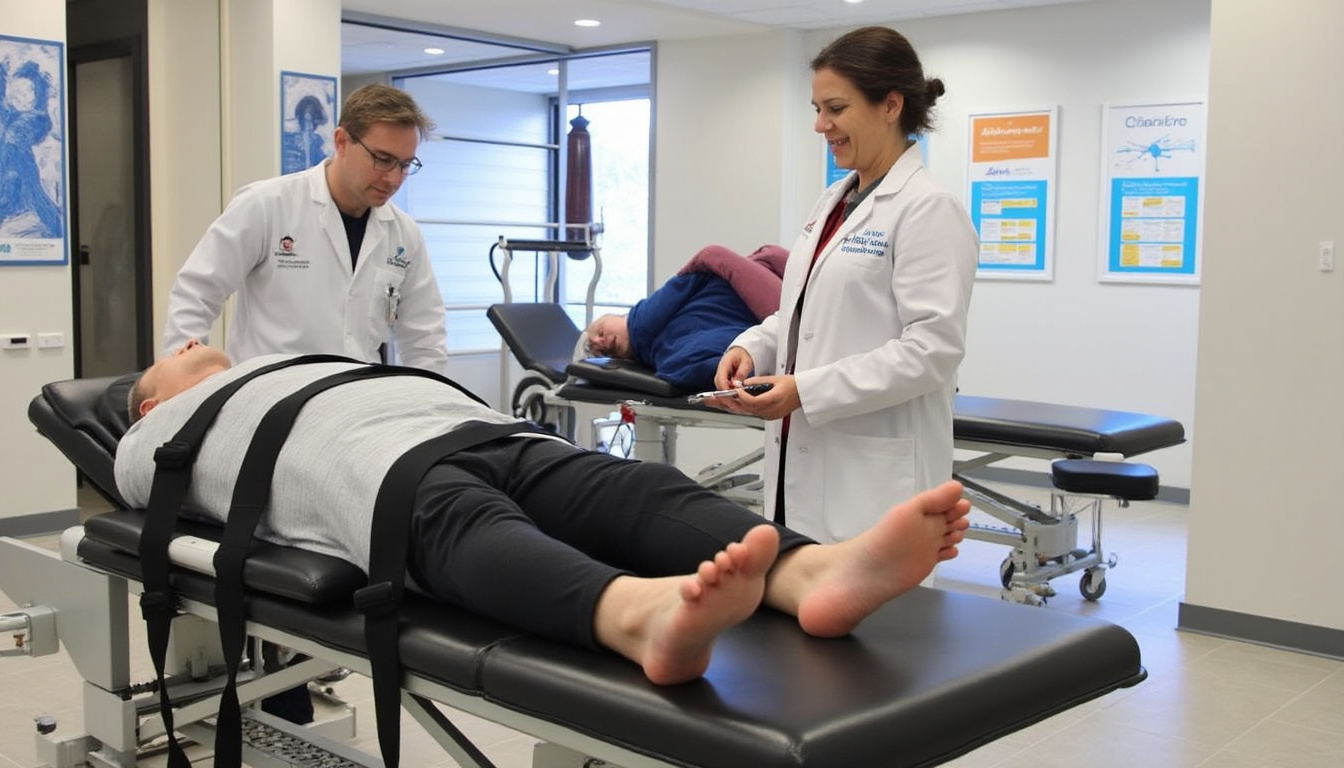
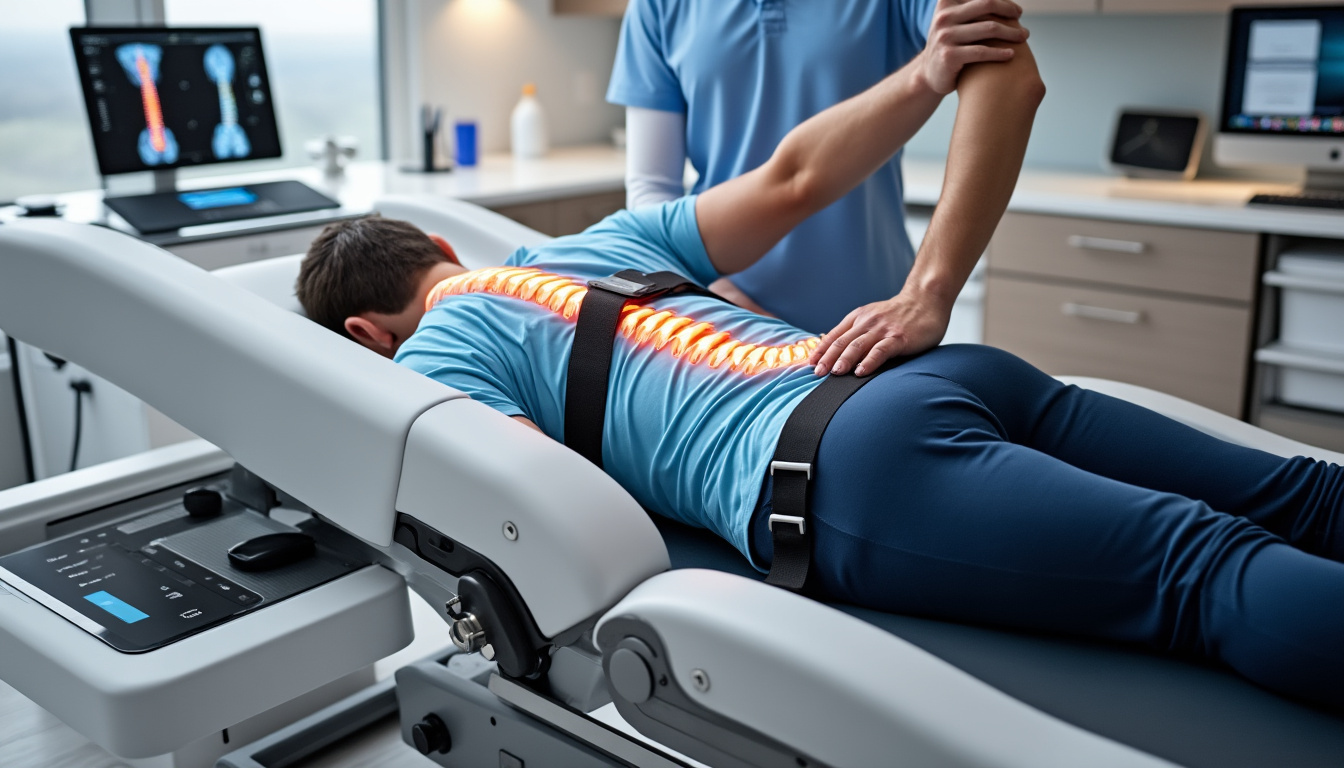
Neurovertebral decompression represents a cornerstone non-surgical treatment for herniated discs widely adopted in Rosemont–La Petite-Patrie. The technique functions through the application of a precisely controlled mechanical traction that gently stretches the spine. Delivered via modern decompression tables, this intervention aims to reduce intradiscal pressure, encouraging retraction of herniated material away from nerve roots and fostering an environment conducive to natural healing.
Sessions typically span 10 to 15 treatments over several weeks, allowing gradual restoration of spinal alignment and nerve function. A crucial element is the customization of decompression parameters, attuned to each patient’s body mechanics and symptom severity, ensuring maximal comfort and effectiveness.
Coupled with osteopathic and neuro-orthopedic expertise, this therapy provides a holistic care model encompassing pain relief, improved mobility, and prevention of future flare-ups. It is especially valuable for those contraindicated for surgery or preferring conservative solutions.
Key benefits include:
| Characteristic | Neurovertebral Decompression | Traditional Treatments |
|---|---|---|
| Invasiveness | Non-invasive and painless | Often invasive with medication or surgery |
| Duration | Series of sessions over weeks | Single or multiple surgical interventions, or ongoing medication |
| Safety | Low risk, with continuous monitoring | Higher risks including surgical complications |
| Functional Improvement | Progressive and sustained | Variable, sometimes temporary |
| Impact on Quality of Life | Notable enhancement | Varies, with potential side effects |
The Clinique TAGMED in Rosemont integrates this approach with advanced equipment and a seasoned team led by experts such as Dr. Sylvain Desforges, ensuring adherence to Quebec and Canadian medical standards. These attributes contribute to the therapy’s growing popularity as a primary treatment alternative.
Back Surgery in Trois-Rivières: Alleviating Pain While Preserving Mobility
In Trois-Rivières, Quebec, the persistence of back pain affects a substantial portion of the population seeking effective and personalized solutions. Back pain, often caused by spinal disorders or herniated discs, can drastically diminish quality of life, limiting mobility and causing…
Recognizing Herniated Disc Symptoms Early to Optimize Treatment Outcomes in Rosemont–La Petite-Patrie
An accurate and timely identification of herniated disc symptoms is instrumental in achieving effective management through non-surgical treatments. Commonly encountered signals reported by patients in Rosemont include:
- Chronic lower back or neck pain aggravated by movement or sustained postures.
- Radiating pain such as sciatica or pain extending down the arms.
- Numbness and tingling sensations in extremities revealing nerve involvement.
- Muscle weakness impairing daily functions.
- Stiffness and limited range of motion that disrupt routine activities.
Failing to address these symptoms early may escalate the condition, leading to long-lasting neurological impairments. Therefore, public health promotions in the district emphasize symptom vigilance and encourage residents to seek specialized evaluation promptly.
Example case: A middle-aged graphic designer, Claire, experienced persistent neck pain and intermittent tingling in her fingers. Early consultation with a local osteopath led to diagnosis and an individualized neurovertebral decompression program. Within weeks, Claire noted significant pain reduction and regained fine motor control, underscoring the therapy’s efficacy when started early.
Resources such as detailed clinical FAQs provide patients with in-depth symptom descriptions and guide them through recognizing alarm signs requiring immediate medical attention.
Disc herniation remains a significant health concern in Pointe-Claire, impacting the lives of a diverse population ranging from labor-intensive workers to the aging community. The condition, characterized by the displacement or rupture of the intervertebral disc, often leads to debilitating…
Integrating Multidisciplinary Care: Post-Treatment Rehabilitation and Long-Term Spine Health
The path to recovery extends beyond decompression sessions. In Rosemont, comprehensive care models emphasize multidisciplinary rehabilitation to reinforce the spine’s structural integrity and prevent recurrence. Physiotherapy plays an essential role, focusing on strengthening core muscles, correcting posture, and educating patients on ergonomic principles indispensable for managing back health.
Individualized exercise regimens, including gentle stretching, strengthening, and low-impact activities such as swimming or yoga, complement neurovertebral decompression and contribute to sustained improvement. Osteopaths and chiropractors often collaborate during follow-ups to monitor progress and adjust treatment plans to evolving patient needs.
In Rosemont–La Petite-Patrie, clinics like TAGMED integrate these protocols, emphasizing continuing education and support that empower patients to maintain spine health proactively. The inclusion of tailored lifestyle advice further supports long-term functional gains, creating a robust framework for wellbeing.
This multidisciplinary approach not only improves physical outcomes but also enhances patient confidence and motivation throughout their healing journey.

TOPS™ in Gatineau: A High-Performance Solution for Lumbar Spine Care
In a region where chronic back pain increasingly affects quality of life, the quest for advanced and effective lumbar spine treatments is paramount. Lumbar spinal stenosis, a prevalent condition among Quebec’s aging population, often imposes persistent discomfort and mobility limitations.…
Preparing for Your Neurovertebral Decompression Sessions: Practical Advice for Rosemont Patients
Optimal results from decompression therapy arise when patients engage actively in the treatment process. Preparation begins with compiling recent imaging results and medical reports, which inform customized treatment plans designed by the care team. Comfortable, flexible clothing is recommended to facilitate positioning during sessions.
During neurovertebral decompression, communication between the patient and practitioner is vital. Adjustments to traction force and positioning accommodate comfort levels, ensuring the procedure remains pain-free. Post-session care involves avoiding prolonged static postures and engaging in light physical activity as directed by rehabilitation specialists.
Following these guidelines supports the body’s adaptive healing processes and minimizes side effects such as temporary soreness or stiffness. Adherence to the clinician’s advice fosters a trusting therapeutic relationship, instrumental in maximizing gains over the treatment course.
At Gouin Clinic, the landscape of herniated disc therapy has entered a transformative era marked by the integration of Personalized Treatment Plans and breakthrough Neurovertebral Decompression Therapy. This non-surgical approach is revolutionizing how spinal disorders are managed, offering patients an…
Patient Experiences and Success Stories of Neurovertebral Decompression in Rosemont–La Petite-Patrie
Many patients in Rosemont have shared encouraging testimonies regarding neurovertebral decompression therapy led by experts like Dr. Sylvain Desforges. A young athlete, Simon, who struggled with debilitating sciatica, avoided surgery thanks to a tailored decompression and osteopathic regimen that restored his mobility in under two months.
Similarly, Marie, a senior teacher, found relief from chronic neck pain linked to herniated cervical discs after a carefully monitored series of treatments. These patient stories highlight how innovative, non-invasive spinal therapies can disrupt traditional paradigms favoring surgical interventions.
These narratives are accessible through several community health platforms, shedding light on how timely therapy, combined with personalized care, leads to positive functional and quality-of-life outcomes for diverse demographics within Rosemont.


Cervical Disc Prosthesis in Quebec: Preventing Post-Operative Stiffness
Neck pain is one of the most common musculoskeletal complaints in Quebec, affecting a significant portion of the population annually. Often rooted in degenerative cervical disc diseases or herniated discs, this persistent discomfort severely impacts daily life and mobility. Fortunately,…
Resources and Local Support Networks for Herniated Disc Patients in Rosemont–La Petite-Patrie
Beyond clinical treatment, patients benefit greatly from access to reliable information and community support. Rosemont hosts numerous health resources and connects patients with regenerative care options integrating the latest medical and osteopathic research. Online portals, such as specialized patient guides, provide comprehensive educational materials and treatment updates.
Community centers and specialized spine clinics collaborate to offer workshops and patient education focusing on spine health, ergonomics, and preventive strategies. These initiatives foster a proactive attitude toward managing herniated discs and spinal wellbeing across the population.
Patients are encouraged to engage actively with their healthcare providers to customize their care, explore advances like laser therapies or dynamic spinal implants, and make informed decisions relating to their back pain treatment journey.

The prevalence of herniated disc conditions in Blainville has sparked considerable discussion and misconceptions about their causes, symptoms, and treatments. While the pain and disability associated with this spinal disorder are well documented, the emergence of non-surgical options such as…
Enhancing Treatment Decisions Through Scientific Rigor and Ethical Practice in Quebec
Trust in spinal care is anchored in scientific integrity and ethical conduct. Under the leadership of Dr. Sylvain Desforges, practices in Rosemont exemplify adherence to strict medical standards outlined by the Collège des médecins du Québec. This framework guarantees that neurovertebral decompression and other spine therapies are delivered with rigorous safety protocols and continuous monitoring.
The commitment extends to innovative research and the integration of new technologies that optimize therapeutic results without compromising patient wellbeing. Transparency about indications, contraindications, and expected outcomes fosters an environment where patients understand their care pathways thoroughly and feel empowered to participate actively.
As a pioneer in this field, Dr. Desforges ensures that each intervention reflects both the latest scientific advances and personalized patient considerations, reinforcing a model of spine health care distinguished by excellence and compassion.
What are the most common symptoms indicating a herniated disc?
Typical symptoms include persistent lower back or neck pain, radiating pain to limbs, numbness, tingling, muscle weakness, and restricted movement.
How does neurovertebral decompression therapy differ from traditional treatments?
Unlike invasive surgery or medication-based interventions, this therapy is non-invasive, painless, and works by mechanically reducing pressure on spinal discs to promote natural healing.
Is neurovertebral decompression safe for elderly patients?
Yes. The therapy’s customized, gentle approach makes it suitable even for older individuals who may be at higher risk with surgical procedures.
How many sessions are generally required to see improvement with neurovertebral decompression?
Treatment typically involves 10 to 15 sessions over several weeks, with gradual symptom relief and functional recovery.
How can I effectively prepare for a neurovertebral decompression appointment?
Bring recent imaging studies, wear comfortable clothing, clearly describe your symptoms, and maintain open communication with your care provider during sessions for personalized adjustments.