
Châteauguay Chronic Disc Pain Recovery Without Invasive Care
June 26, 2026
Comprehensive Guide to Device Quality and Certification Standards
June 26, 2026
In the bustling district of Ville-Marie in Montréal, spinal health has become a major focus as many residents grapple with debilitating back pain linked to herniated discs. Modern lifestyles, marked by prolonged sitting and sedentary habits, amplify the risk and severity of spinal disorders. The quest for effective, non-invasive treatments is ongoing, and among the most promising is neurovertebral decompression therapy. This innovative approach offers a scientifically grounded alternative to surgery, focusing on relief and functional restoration through cutting-edge technology.
Access to specialized care in Ville-Marie has been transformed by advancements in medical infrastructure and digital platforms that facilitate streamlined booking appointments. Patients benefit from personalized evaluations orchestrated by experts like Dr. Sylvain Desforges, a pioneer in spinal care with over 35 years of experience, who integrates a holistic and evidence-based approach to herniated disc treatment. In this context, neurovertebral decompression therapy presents itself not just as a treatment, but as a comprehensive path to healing and improved quality of life for those facing chronic back issues.
Understanding Herniated Disc Causes and Risks in Ville-Marie’s Urban Environment
At the core of herniated disc pathology lies the displacement of the nucleus pulposus, the soft inner material of an intervertebral disc, which pushes through a tear in the annulus fibrosus and compresses nerves or the spinal cord. Ville-Marie’s dense urban lifestyle and professional environment impose distinct biomechanical stresses that contribute to this condition. The average resident spends significant hours in front of computer screens, often adopting poor postures and maintaining static seated positions, increasing lumbar strain.
Age-related degeneration typically manifests after 40 years, yet these biomechanical pressures accelerate wear and tear. Overweight and obesity, prevalent in metropolitan populations, impose additional load on spinal discs, hastening their deterioration. Furthermore, repetitive microtraumas from occupational or recreational activities exacerbate inflammatory processes, leading to chronic pain and mobility reduction.
This granular understanding allows for targeted interventions customized to patients’ specific lifestyle and medical background. The approach promoted by Dr. Sylvain Desforges at his clinics is predicated on investigating these interconnected factors before selecting an appropriate treatment plan. Patients often gain insight that their herniated disc is symptomatic of broader musculoskeletal imbalances that demand multidisciplinary care for effective long-term results.
IntraSPINE® in Sherbrooke: A Long-Lasting Solution for Chronic Lower Back Pain
Chronic lower back pain remains one of the most pressing health concerns in Sherbrooke and beyond, impacting millions and often diminishing daily quality of life. Despite the prevalence of lumbar discomfort, many face limited access to cutting-edge treatments amidst lengthy…
Herniated Disc Care in Sainte-Julie: Why TAGMED’s Neurovertebral Decompression Therapy Stands Out
In the vibrant community of Sainte-Julie, back pain—particularly that stemming from herniated discs—has become a widespread concern affecting people from all walks of life. The relentless search for effective, non-invasive treatments has brought renewed attention to a pioneering therapy that…
Key Steps for Booking Appointments in Ville-Marie: Navigating Access to Specialized Care
Booking appointments for herniated disc evaluation and neurovertebral decompression therapy in Ville-Marie has become increasingly accessible thanks to digital solutions and coordinated medical platforms. Clinics such as TAGMED offer synchronized scheduling systems, ensuring patients secure timely assessments without prolonged delays.
Prospective patients are encouraged to initiate contact via online interfaces or telephone, where staff coordinate consultations incorporating a thorough history review, symptom assessment, and preliminary examination. The availability of advanced diagnostic tools such as magnetic resonance imaging (MRI) on-site streamlines the diagnostic process, reducing unnecessary referrals and facilitating faster treatment initiation.
Collaboration between Canadian health practitioners and international spine care experts enhances the patient journey, particularly for cases requiring transatlantic coordination. Dr. Desforges plays a pivotal role in this alliance, liaising with surgical teams in France to optimize treatment timelines and ensure continuity of care. These partnerships exemplify the emphasis on patient-centered, multidisciplinary pathways.
Efficient booking and patient management systems ultimately improve clinical outcomes by fostering early intervention and consistent monitoring, both crucial in mitigating the progression of spinal dysfunction. For convenient appointment setup, it’s beneficial to explore platforms such as therapy centers in Ville-Marie and specialized clinics that endorse neurovertebral decompression therapy.
Back Surgery in Trois-Rivières: Alleviating Pain While Preserving Mobility
In Trois-Rivières, Quebec, the persistence of back pain affects a substantial portion of the population seeking effective and personalized solutions. Back pain, often caused by spinal disorders or herniated discs, can drastically diminish quality of life, limiting mobility and causing…
Disc herniation remains a significant health concern in Pointe-Claire, impacting the lives of a diverse population ranging from labor-intensive workers to the aging community. The condition, characterized by the displacement or rupture of the intervertebral disc, often leads to debilitating…
Neurovertebral Decompression Therapy: Revolutionizing Non-surgical Treatment of Herniated Discs
Neurovertebral decompression therapy represents an advanced, non-invasive technique that mitigates back pain by mechanically decompressing the affected vertebral segments. This process gently stretches the spine to reduce intradiscal pressure, encouraging rehydration and retraction of the herniated nucleus pulposus, consequently diminishing nerve compression and inflammation.
At TAGMED and related centers led by the experienced guidance of Dr. Sylvain Desforges, each session is conducted with precise biomechanical control through computer-assisted traction tables. These devices customize treatment intensity and target specific spinal segments that correspond to the patient’s individualized condition, enhancing therapeutic efficacy while maximizing comfort and safety.
Clinical experience and studies validate significant improvements in pain reduction, neurological symptom relief, and restoration of spinal mobility. Patients frequently avoid invasive surgical procedures, experiencing shorter recovery intervals and lower healthcare costs. This innovation aligns with Quebec and Canadian regulatory standards, reflecting Dr. Desforges’ commitment to scientific rigor, ethics, and patient-centered innovation.
For a closer look at this groundbreaking therapy and its integration into patient care, consider reviewing the offerings at Clinique Hernie Discale in Ville-Marie, which highlights neurovertebral decompression as a cornerstone of modern back pain treatment.

TOPS™ in Gatineau: A High-Performance Solution for Lumbar Spine Care
In a region where chronic back pain increasingly affects quality of life, the quest for advanced and effective lumbar spine treatments is paramount. Lumbar spinal stenosis, a prevalent condition among Quebec’s aging population, often imposes persistent discomfort and mobility limitations.…
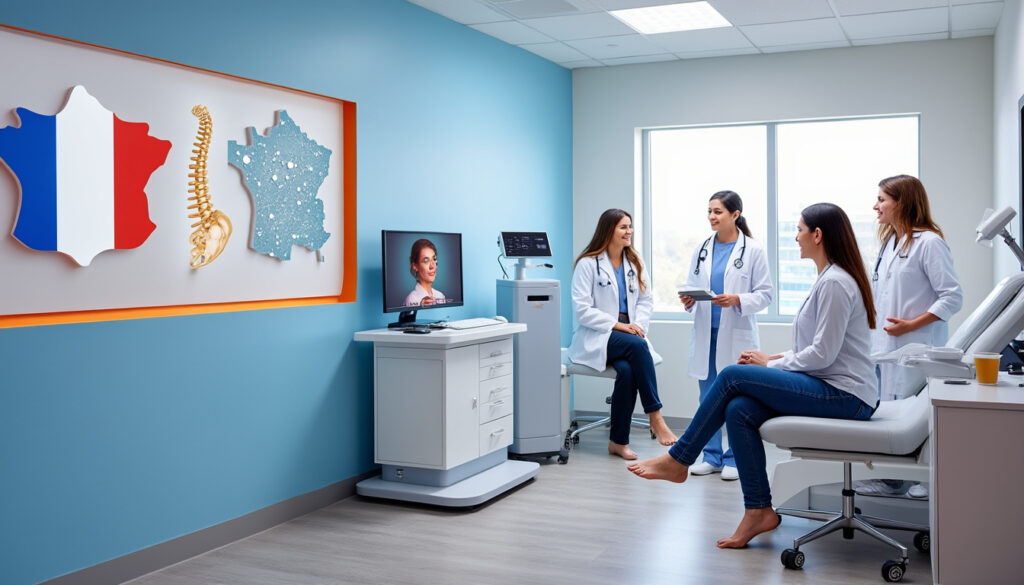
At Gouin Clinic, the landscape of herniated disc therapy has entered a transformative era marked by the integration of Personalized Treatment Plans and breakthrough Neurovertebral Decompression Therapy. This non-surgical approach is revolutionizing how spinal disorders are managed, offering patients an…
What to Expect During Your Neurovertebral Decompression Therapy Sessions in Ville-Marie
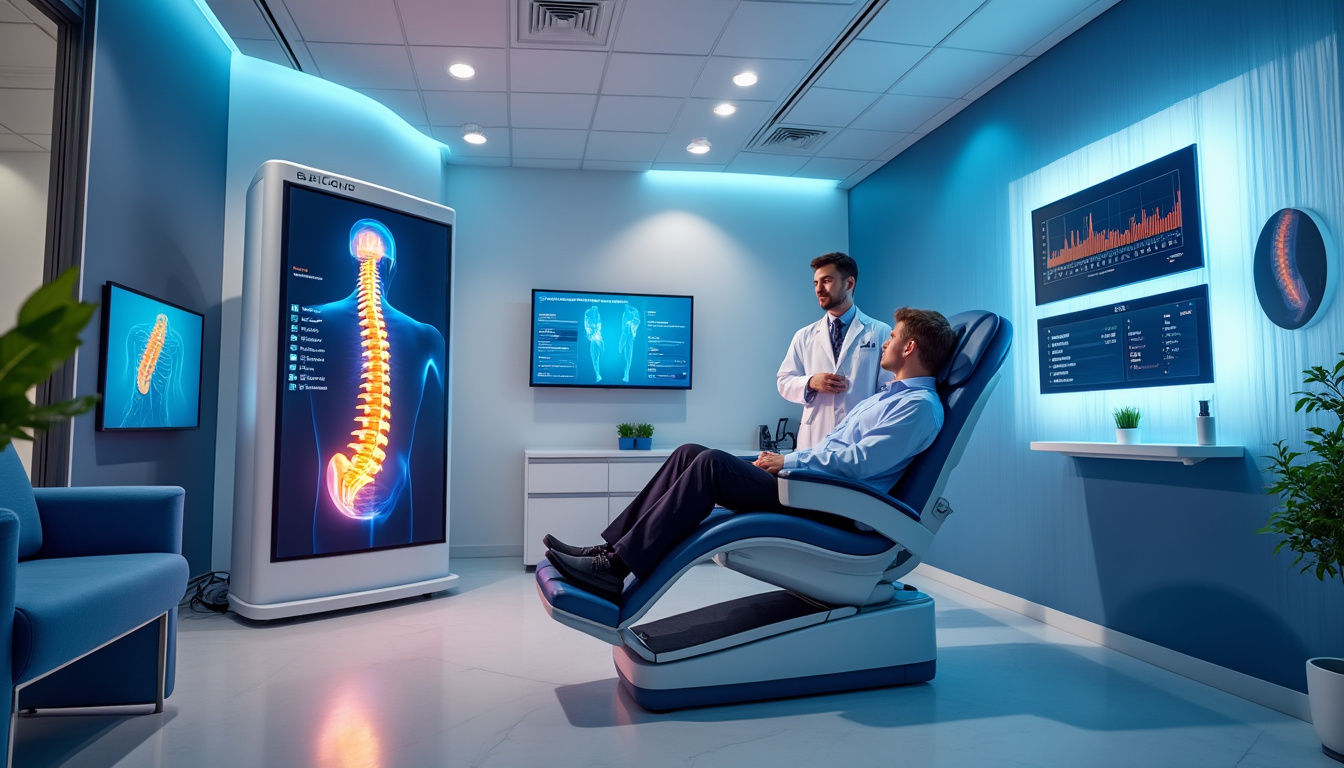
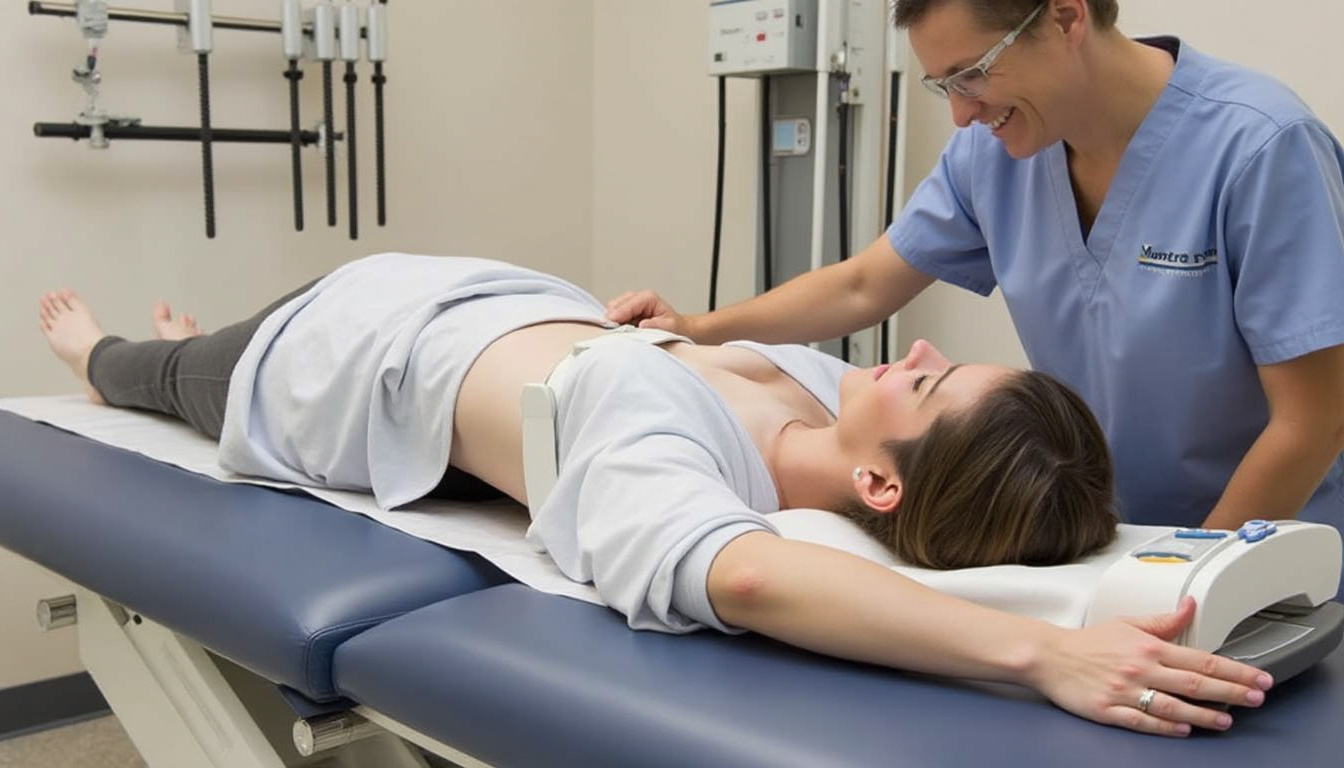
Each session of neurovertebral decompression therapy typically lasts between 15 and 30 minutes. Upon arriving at the clinic, patients undergo a detailed pre-session review of symptoms managed by Dr. Sylvain Desforges and his specialized team. The patient is then positioned on a state-of-the-art decompression table that applies gentle, controlled traction on targeted vertebral segments.
The computer system dynamically adjusts tension and cycles through specific angles and force variations, ensuring the spinal structures receive optimal decompression. Unlike traditional traction methods, this technique minimizes discomfort and avoids overstretching, providing a safe and pleasant experience.
Typically, a course involves 15 to 25 treatment sessions, scheduled according to severity and individual response. Continuous medical assessments accompany therapy to tweak parameters as healing progresses. Complementary rehabilitative exercises focused on trunk strengthening, posture correction, and ergonomic advice are integral to the treatment plan. This multidisciplinary strategy aims to achieve a sustainable improvement and prevent relapses.
Patients often report progressive pain relief and functional gains, with some noticing benefits even in early sessions. The protocol’s adaptability, facilitated by Dr. Desforges’ expert oversight, ensures responsiveness to varying patient needs and reinforces a personalized care philosophy.
Typical Neurovertebral Decompression Therapy Session Workflow:
- Initial symptom and history assessment
- Patient positioning on the decompression table
- Computer-controlled traction with precise segmental targeting
- Progressive adjustment of force and duration according to tolerance
- Post-session evaluation and feedback collection
- Integration of rehabilitative exercises and lifestyle recommendations

Cervical Disc Prosthesis in Quebec: Preventing Post-Operative Stiffness
Neck pain is one of the most common musculoskeletal complaints in Quebec, affecting a significant portion of the population annually. Often rooted in degenerative cervical disc diseases or herniated discs, this persistent discomfort severely impacts daily life and mobility. Fortunately,…

The prevalence of herniated disc conditions in Blainville has sparked considerable discussion and misconceptions about their causes, symptoms, and treatments. While the pain and disability associated with this spinal disorder are well documented, the emergence of non-surgical options such as…
Comparative Analysis: Neurovertebral Decompression versus Traditional Spinal Surgery
| Criteria | Neurovertebral Decompression | Traditional Spinal Surgery |
|---|---|---|
| Invasiveness | Non-invasive, no incisions or anesthesia required | Invasive, involves incisions and general anesthesia |
| Session Duration | 15–30 minutes | Several hours including hospital stay |
| Recovery Time | Short, minimal absenteeism from work | Extended rehabilitation with hospital stay |
| Risks | Minimal, adjustable traction parameters | Higher risk of complications like infections and nerve damage |
| Cost | Lower in medium to long-term due to avoidance of surgery | High costs including surgery, hospitalization, rehabilitation |
| Side Effects | Mild, transient discomfort possible | Significant postoperative pain and complications |
This comparison underscores why patients and healthcare providers are increasingly favoring neurovertebral decompression therapy as a first-line treatment. It preserves anatomical integrity and offers a scientifically supported approach that aligns with modern standards of patient safety and ethical medical practice led by experts like Dr. Sylvain Desforges.
Integrating Rehabilitation and Complementary Care for Optimal Spinal Health Outcomes
Effective management of herniated discs includes more than decompression therapy alone. Rehabilitation plays a pivotal role in consolidating gains, preventing reinjury, and promoting overall spinal health. The care model implemented by Dr. Desforges at TAGMED embraces a multidisciplinary approach blending osteopathy, physiotherapy, and patient education.
Personalized exercise programs are developed to strengthen the core musculature, enhance spinal stability, and correct postural imbalances. Manual therapies, including gentle osteopathic manipulations and soft tissue work, facilitate muscle relaxation and reduce inflammation. Additionally, laser therapy and shockwave treatments contribute to tissue repair and pain modulation.
Lifestyle optimization – such as ergonomic workspace adjustments, weight management, and smoking cessation – further amplifies treatment efficacy. This holistic schema ensures patients leave with practical tools and insights, fostering engagement in their spinal health journey and minimizing the risk of recurrent symptoms.
For those wanting to explore comprehensive options in Ville-Marie, resources like practical prevention and care advice offer invaluable guidance on daily spinal health management.
International Collaboration and the Transatlantic Patient Journey Featuring Dr. Sylvain Desforges
Dr. Sylvain Desforges is distinguished not only by his clinical expertise but also by his leadership in fostering international cooperation in spine care. His stewardship of organizations such as ACMA and the Canadian College of Osteopaths anchors his commitment to maintaining high standards of scientific rigor and ethical practice.
This global perspective particularly benefits patients in Ville-Marie and beyond who require complex or surgical spinal interventions. Through coordinated networks connecting Canadian clinics with renowned specialists in France, Dr. Desforges facilitates seamless patient pathways ensuring continuity, quality, and personalized tailoring throughout every treatment phase.
Such integration reduces waiting times, offers access to specialized technologies unavailable locally, and enhances patient confidence by bridging geographic and cultural gaps. Personal testimonials highlight how this transatlantic partnership transforms daunting health challenges into manageable, well-supported experiences.
What are the early warning signs of a herniated disc?
Persistent lower back pain, nerve radiation symptoms, tingling, muscle weakness, and sometimes sensory or sphincter disturbances signal a possible herniated disc. Medical evaluation is crucial for confirmation.
How does neurovertebral decompression help alleviate pain?
This therapy reduces pressure on intervertebral discs and nerves, promoting disc rehydration and healing, which decreases nerve compression and pain.
Is neurovertebral decompression therapy suitable for everyone?
It is appropriate for most moderate herniated disc cases without neurological emergencies. Medical evaluation is essential to tailor treatment individually.
What is the typical duration of a neurovertebral decompression treatment program?
A complete program usually spans several weeks, involving 15 to 25 sessions based on severity and response.
When should surgery be considered for herniated discs?
Surgery is considered in cases of paralysis, severe sphincter disorders, or prolonged treatment failure accompanied by disabling pain.