

Herniated Disc in Ville-Marie: Your Essential Guide to Booking Appointments and Neurovertebral Decompression Therapy
June 26, 2026
Unlocking Hidden Benefits of rTMS Integration Post-Surgery
June 26, 2026
In the rapidly advancing world of medical technology, device quality and certification standards stand as critical pillars ensuring patient safety and advancing clinical success. With ongoing innovations especially in spinal surgery, rigorous adherence to international quality assurance protocols has become indispensable. The interaction of evolving regulatory requirements and robust quality management systems shapes the pathway from device development to real-world application. This comprehensive guide explores how medical device manufacturers, regulatory authorities, and healthcare providers collectively uphold product reliability while navigating complex certification processes.
Spinal implants and surgical tools represent some of the most technologically demanding devices, where exceptional standards of product testing and quality control are non-negotiable. With the European Union’s Medical Device Regulation (MDR) redefining compliance benchmarks and global standards such as ISO 13485 gaining prominence, stakeholders must synchronize their efforts to meet these industry standards. The importance extends beyond compliance, impacting innovation, patient outcomes, and international healthcare collaborations. Particularly, patients from regions like Canada benefit significantly when such harmonized certification standards facilitate safe access to leading surgical solutions abroad.
International Quality Management Systems: Cornerstones for Device Quality Assurance
At the heart of ensuring the quality of medical devices lies the implementation of internationally recognized quality management systems (QMS). Among these, ISO 13485 has gained universal recognition as the authoritative standard tailored exclusively for medical device manufacturers. This standard builds upon the foundations of ISO 9001 but incorporates more stringent controls and criteria specific to medical device safety and efficacy.
The core of ISO 13485 demands a comprehensive QMS that encompasses risk management, design control, process validation, and rigorous documentation practices. These components work synergistically to support manufacturers in demonstrating an unwavering commitment to device reliability and regulatory compliance. For instance, robust documentation includes quality manuals, technical files, and audit reports, each essential for verifying conformity during regulatory reviews.
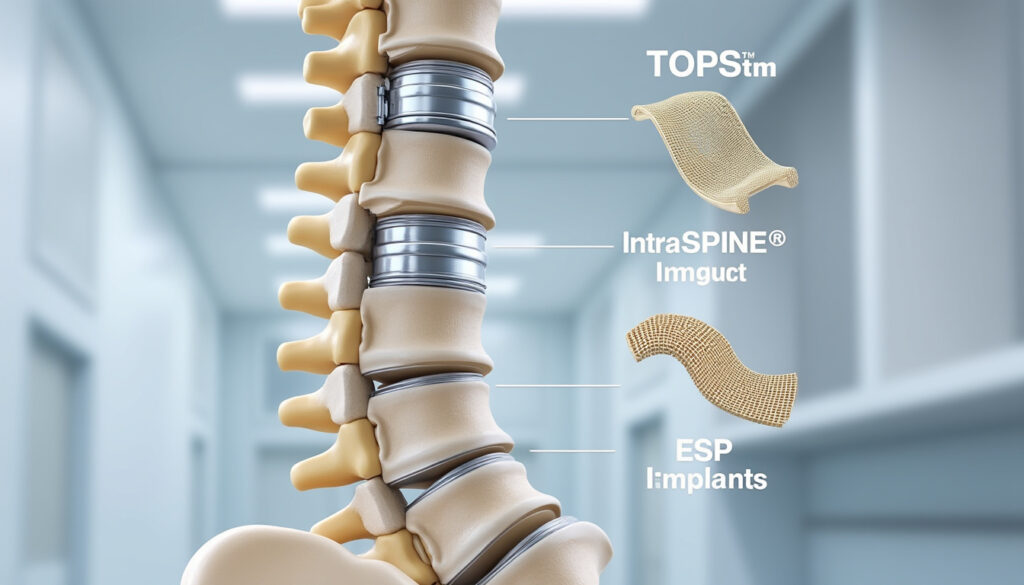
Manufacturers adhering to ISO 13485 also benefit from improved operational efficiency. The system encourages disciplined process control—from supplier qualification and product realization to post-market surveillance. In spinal surgery implants like the advanced dynamic constructs TOPS and IntraSPINE, such meticulous quality systems reduce variability and enhance patient safety outcomes. The methodological approach helps prevent errors, promotes transparency, and accelerates corrective actions under non-conformity scenarios.
The adoption of ISO 13485 reflects more than regulatory compliance; it establishes a universal language between manufacturers, regulatory bodies, and healthcare providers, enabling international partnerships and patient access to cutting-edge medical technologies. For example, Canadian patients coordinated through specialist programs experience smoother navigation of overseas surgical pathways because these standards assure the devices meet the strictest quality criteria.
Further insights into how to align quality management practices with ISO 13485 can be found in resources such as ISO 13485 and FDA Compliance Guide and in-depth explorations at Greenlight Guru’s medical device QMS blog, which shed light on implementing effective systems within today’s regulatory expectations.

Understanding Sciatic Pain: Key Symptoms and When to Seek Medical Advice
Sciatic pain is a prevalent condition impacting a wide demographic, manifesting primarily as intense pain radiating from the lower back down the leg. This pain stems from irritation or compression of the sciatic nerve, a major nerve extending through the…
European Union Medical Device Regulation: Advancing Safety and Traceability
The implementation of the Medical Device Regulation (MDR) 2017/745 across the European Union represents a landmark transformation in how medical devices—including complex spinal implants—are certified and monitored. Effective since May 2021, this regulatory framework strengthens safety protocols, boosts transparency, and institutes rigorous traceability mechanisms that redefine quality assurance standards in the EU market.
A pivotal enhancement introduced by MDR is the reinforced clinical evaluation requirements. Manufacturers must now provide more comprehensive evidence through prospective clinical studies demonstrating safety and effectiveness. This approach helps identify potential risks early, supporting clinicians with devices that have proven performance profiles.
Another MDR innovation is the strict post-market surveillance (PMS) system. Manufacturers are mandated to monitor device performance continuously after commercialization, with defined reporting intervals for adverse event analysis. This lifecycle approach closes gaps that may arise from unforeseen complications, ensuring regulatory agencies and healthcare providers act promptly on emerging data to protect patients.
The introduction of a designated Person Responsible for Regulatory Compliance (PRRC) within manufacturing organizations adds an additional layer of accountability and expertise. This role, backed by scientific knowledge and legal responsibility, guarantees adherence to compliance principles.
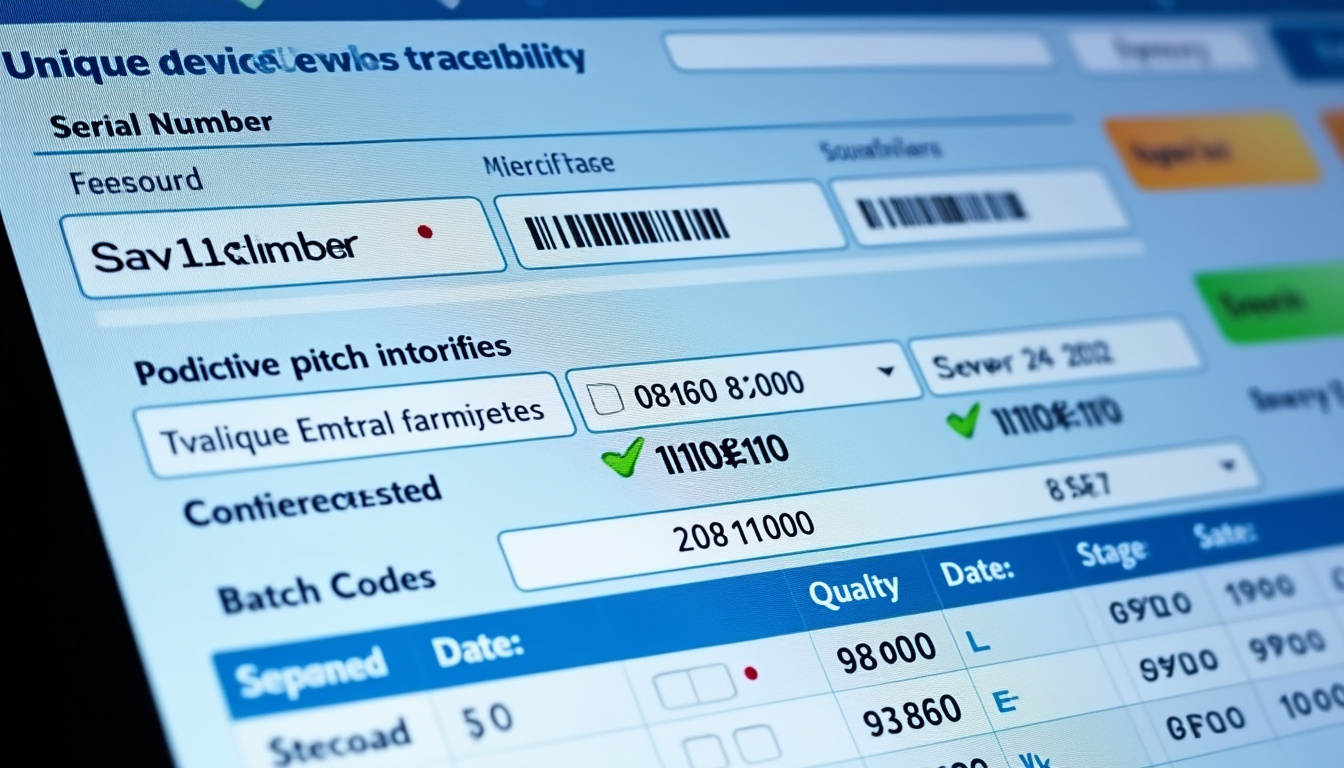
MDR’s unique Device Identification (UDI) system and inclusion in the European database Eudamed guarantee full traceability from manufacture to end use. This transparency is essential in spinal surgeries where device provenance and batch tracking can influence treatment decisions and recalls.
Manufacturers producing high-risk implantable spinal devices classified as Class III face critical deadlines to demonstrate MDR conformity. These obligations require investment in quality systems, timely audits, and diligent documentation to meet the May 2026 compliance deadline. The transition from the former Medical Device Directive (MDD) to MDR represents a significant escalation in regulatory rigor, aligning Europe with global quality and safety advancements.
For insight into managing MDR documentation effectively and best practices to ensure compliance success, detailed guides provided by BSI offer exemplary frameworks for device manufacturers navigating this complex landscape.

The Stepwise Role of Functional Recovery in Achieving Successful Outcomes
The journey to full recovery following spinal surgery is often complex and multifaceted, demanding a meticulously structured approach to ensure optimal functional outcomes. In recent years, the concept of functional recovery through a stepwise approach has garnered significant attention in…
Product Testing and Quality Control: Ensuring Device Reliability
Quality control and extensive product testing are fundamental stages that underpin the trustworthiness of any certified medical device. In spinal surgery, implants must demonstrate mechanical robustness, biocompatibility, and functional reliability under physiological conditions to meet stringent regulatory requirements.
The testing regime typically includes dimensional inspections, fatigue analysis tests to simulate long-term mechanical loading, and sterilization efficacy evaluations to prevent infection risks. Biocompatibility tests assess material compatibility with human tissues to avoid adverse immune reactions.
Validated manufacturing process controls ensure that every device leaving the production line adheres to predetermined specifications. This validation requires repeated testing across batches, ensuring consistent quality. For innovative implants like dynamic stabilization devices Embracing a comprehensive quality control strategy reduces the risk of recalls and supports long-term clinical success.
An effective quality assurance program encompasses real-time monitoring and corrective actions driven by collected clinical feedback. This loop allows manufacturers to integrate lessons learned into device redesign or process improvements systematically. Advanced software solutions increasingly support this cycle with automated data capture and regulatory reporting functionalities, forging stronger compliance and faster response times.
Additional information around FDA-recognized consensus standards guiding these product testing and quality assurance practices is accessible through expert resources such as the FDA Recognized Consensus Standards Guide which delineates accepted testing benchmarks for medical devices.


Transatlantic Patient Journey: Insights into Indications, Benefits, and Challenges
The emergence of the Transatlantic Patient Journey as a strategic model within healthcare continues to capture attention for its innovative potential, especially in specialized fields such as spinal surgery. This cross-border care pathway integrates rigorous medical evaluation from Quebec with…
Strategic Quality Assurance for Manufacturers: Overcoming Regulatory Challenges
Medical device manufacturers must establish strategic quality assurance frameworks that not only comply with applicable standards but also enhance operational resilience and market agility. Navigating complex certification processes requires a multidimensional approach covering supplier qualification, process optimization, and effective risk management.
Qualification of raw material suppliers is indispensable, particularly for precision implants where material consistency is crucial. Engaging approved suppliers with verified accreditation reduces variability and supports documented traceability across production.
Comprehensive risk management strategies embedded in the quality management system identify potential failure modes early and prescribe preventive actions. This proactive stance minimizes operational disruptions and fosters a culture of continuous improvement aligned with regulatory expectations and patient safety imperatives.
For implants requiring custom specifications or iterative design changes, manufacturers must maintain dynamic validation routines to confirm enduring compliance. Managing non-conformities swiftly through corrective and preventive actions (CAPA) ensures quality defects are effectively controlled without compromising overall production flow.
Employee competency enhancement programs that integrate regulatory knowledge and practice strengthen organizational compliance culture. Certification standards increasingly demand evidence of ongoing personnel training, recognizing its importance in sustaining quality and meeting audits.
To gain real-world insights into overcoming regulatory complexities, manufacturers can explore case studies describing technology integration in patient care pathways such as highlighted at Cousin Spine and Franchir technology, which exemplify quality-driven innovation in a regulatory-driven environment.
The evolving field of spinal surgery is witnessing a transformative shift, fueled by cutting-edge implant technologies such as TOPS, Intraspine, and ESP. These innovative implants redefine treatment possibilities by emphasizing preservation of natural spinal mechanics, while ensuring durable stabilization and…
Clinical Impact of Device Certification: Bridging Innovation and Patient Safety
Certification standards not only assure compliance but catalyze clinical innovation by imposing rigorous performance expectations that drive technological advancement. In spinal surgery, this translates to enhanced mobility-preserving implants and safer, less invasive procedures with superior patient outcomes.
Devices such as TOPS and B-DYN, certified in accordance with high-quality benchmarks, exemplify how innovation benefits from structured regulatory oversight. These implants support natural spinal motion while ensuring durability and safety—a significant clinical advancement over traditional fusion methods.
Certification also improves patient trust in emerging therapies, expediting acceptance and adoption within healthcare systems worldwide. Patients coordinated through specialized programs can readily access the safest, validated implants, with confidence in the traceability and quality assurance embedded in the certification process.
The clinical success stories emerging from international collaborations underscore the critical role of device quality and certification standards in harmonizing care delivery. This synergy is particularly vital in facilitating surgical travel programs that connect patients from Canada to European centers of excellence, backed by regulatory-compliant devices.
Additional context on collaborating with expert partner hospitals and surgeons to leverage certified device advantages is available at Hospitals and Surgeon Collaborations Insights.

Preparing for Surgery in France: Key Indications, Benefits, and Limitations
In an evolving global healthcare landscape, France emerges as a beacon of advanced surgical expertise, particularly attracting international patients seeking expedited and innovative medical interventions. Patients from regions experiencing long wait times, such as Quebec, increasingly view France as an…
Robust Traceability Systems: Enhancing Patient Safety and Post-Market Surveillance
Traceability forms a cornerstone of device quality assurance, linking each implant to its manufacturing history and post-market data. Systems such as the Unique Device Identifier (UDI) integrated into regulatory frameworks like MDR ensure every device is cataloged and trackable from production through clinical use.
This level of traceability allows healthcare providers to respond promptly to adverse events, facilitating efficient recalls and safety communications. It also provides valuable longitudinal data that inform device improvements and clinical best practices.
Post-market surveillance (PMS) activities, including systematic data collection on device performance and incident reporting, are embedded requirements in current certification standards. These practices close the feedback loop, aligning continuous quality improvement with patient-centric outcomes.
Manufacturers now increasingly deploy digital platforms and databases to support traceability and quality documentation, enhancing transparency and compliance while assisting regulatory audits. The ability to retrieve comprehensive device histories underscores the maturity of quality control systems and strengthens overall patient safety measures.
Such traceability and surveillance mechanisms offer reassurance to patients, physicians, and regulatory bodies alike, cementing trust in the safety and reliability of medical devices, especially complex spinal implants.

Unveiling the Hidden Benefits of Quality and Certification in Devices
The landscape of device manufacturing and clinical application in 2026 has been fundamentally shaped by the rigorous interplay between quality management and certification processes. Within this complex framework, the hidden benefits of adhering to international standards and obtaining relevant certifications…
International Collaboration and Patient-Centered Approaches in Device Certification
Globalization in healthcare demands seamless international collaboration to optimize device quality and certification pathways. Multinational manufacturers and hospital networks must harmonize quality standards and regulatory compliance to facilitate patient access to advanced medical technologies.
Programs specifically designed for cross-border patient support, such as those linking Canadian patients to European spinal surgery centers, illustrate the necessity of aligned quality assurance frameworks. Here, device certification ensures that patients receive implants verified against rigorous international standards, offering clinical security regardless of geographic location.
The integration of comprehensive logistical coordination—including travel arrangements and post-surgical follow-up—in support networks enhances patient outcomes by mitigating administrative and operational burdens. This personalized navigation underscores the clinical relevance of stringent device certification in real-world settings.
These collaborative dynamics are evidenced in recent analyses of specialized surgery programs and international patient pathways, emphasizing the mutual benefits for healthcare providers, regulators, and patients alike. Such insights contribute to refining quality assurance practices continuously and broadening global access to reliable medical devices.

Why Experts Advocate for Comprehensive Preoperative Evaluations
In the complex and demanding field of spinal surgery, the emphasis on comprehensive preoperative evaluations has become a fundamental pillar supporting successful surgical outcomes. These evaluations, far beyond mere routine checks, integrate detailed analyses of patient health, surgical risk assessments,…
Emerging Trends and Innovations Shaping the Future of Device Certification
As technology advances, device quality and certification standards evolve to encompass developments such as robotics, 3D printing, and artificial intelligence. These innovations require adaptive regulatory frameworks to ensure safety without stifling progress.
The use of robotic-assisted surgical platforms and advanced imaging technologies enhances precision and outcomes in spinal surgery, mandating new categories of testing and compliance within certification processes. Similarly, 3D-printed implants introduce bespoke customization, necessitating detailed quality controls unique to additive manufacturing.
Regulatory bodies worldwide are responding with updated guidance and consensus standards to accommodate these technologies. This evolution is essential for maintaining product reliability while embracing breakthroughs that can significantly improve patient care.
Manufacturers and healthcare providers are encouraged to stay abreast of these trends and engage with regulatory experts to align innovation with compliance seamlessly. In-depth analysis and explanation of these future directions can be found on platforms focusing on emerging technologies in device quality and certification standards.
Device Quality & Certification Standards Comparison
| Feature | Description |
|---|
- Adherence to ISO 13485 is essential to ensure a robust quality management system.
- MDR integration strengthens clinical evaluation and traceability efforts.
- Product testing according to consensus standards safeguards device reliability.
- Post-market surveillance provides continual monitoring and quality improvement.
- International collaboration broadens patient access to certified, innovative implants.
Is ISO 13485 certification mandatory for medical device manufacturers?
ISO 13485 certification is not legally mandatory but is highly recommended by regulatory authorities. Its adoption greatly facilitates compliance and market access, especially within the European Union.
What benefits does the EU MDR bring to patient safety?
The EU Medical Device Regulation enhances patient safety through stricter clinical evaluations, mandatory post-market surveillance, transparent device traceability via Eudamed, and requirement of a dedicated regulatory compliance officer.
How does SOS Tourism Medical assist patients in accessing certified spinal implants abroad?
SOS Tourism Medical provides expert guidance on quality criteria and certification, helps patients understand regulatory procedures, and directs them towards certified surgeons and hospitals adhering to stringent European standards.
What follow-up care is available to Canadian patients returning from spinal surgery in France?
Post-operative care is coordinated by Neurotherapy Montreal, ensuring personalized monitoring and continuity of care which optimizes recovery and early detection of potential complications.
How do programs like Franchir support the full organization of international medical stays?
Franchir coordinates hospital selection, surgeon matching, medical flight reservations, and accommodation arrangements to reduce mental stress for patients and their families during complex treatment journeys.

The Future of Surgery Lies in Stepwise Functional Recovery
The evolution of surgical care in 2026 reveals a compelling shift toward approaches that prioritize the holistic recovery of patients, moving beyond traditional metrics like length of hospital stay or mortality rates. This modern paradigm highlights the principle that the…