Comprehensive Preoperative Assessment: Insights and Real-Life Experiences
November 26, 2025
Why Experts Advocate for Initial Questionnaires and Assessments
November 27, 2025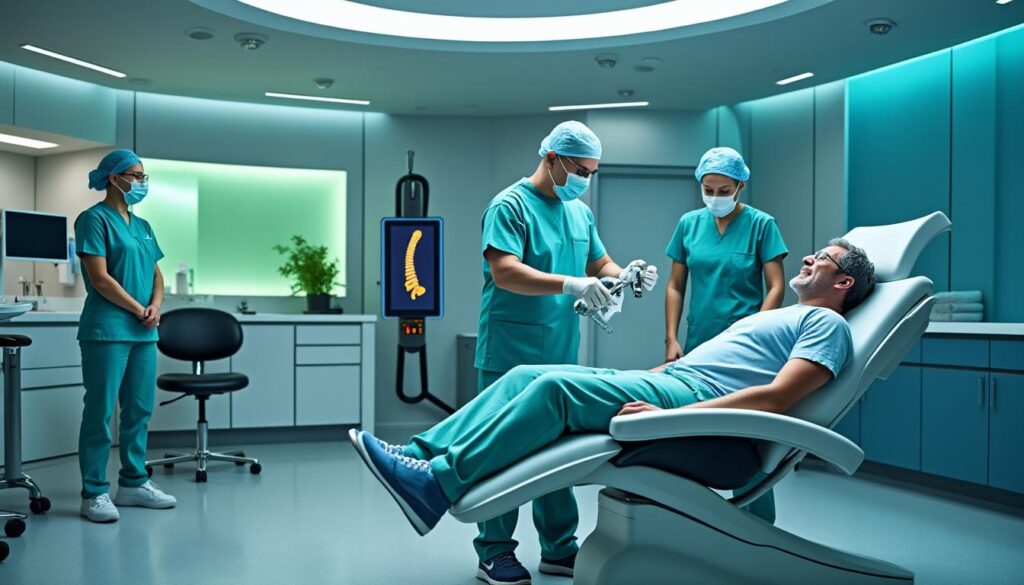
In the evolving landscape of spinal care, the emergence of Motion Surgery in Terrebonne marks a significant milestone in addressing complex spinal disorders while prioritizing patient mobility and comfort. As populations age and chronic spinal conditions become increasingly prevalent, conventional surgical methods often pose challenges related to postoperative complications and prolonged recovery periods. Motion Surgery offers an innovative alternative that emphasizes preserving natural spinal movement, ultimately accelerating recovery time and reducing unwanted outcomes.
Recognized as a leading expert in spinal health, Dr. Sylvain Desforges, with over 30 years of clinical experience and comprehensive credentials including B.Sc., D.O., and N.D., spearheads this advanced treatment approach. His dedication to scientific rigor, patient safety, and transatlantic collaboration between Canadian and French medical facilities ensures that patients receive optimal, personalized care. This article explores the breadth and depth of Motion Surgery in Terrebonne, its technical nuances, benefits, and the meticulous patient journey designed to minimize complications and enhance surgical outcomes.
Understanding Motion Surgery in Terrebonne: Innovations in Surgical Techniques
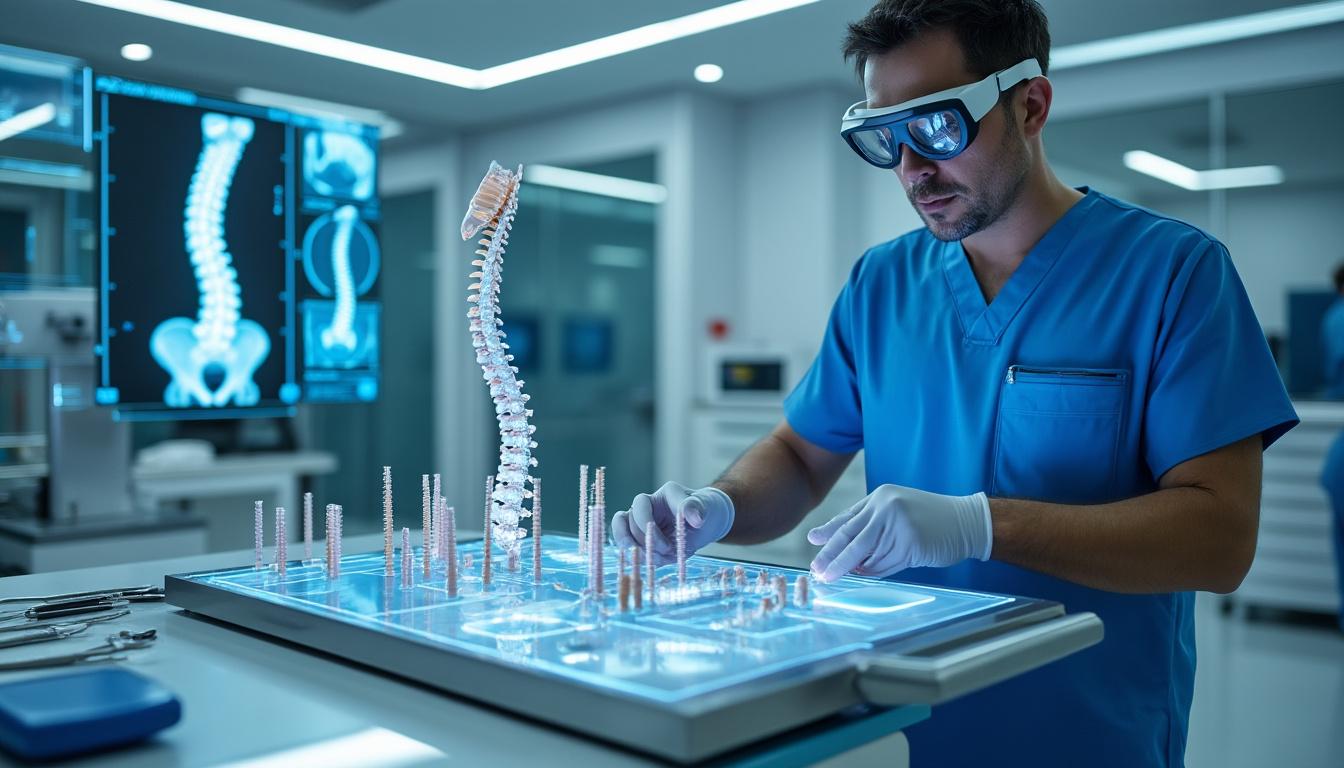
Motion Surgery represents a leap forward in spinal surgical techniques, aiming to treat degenerative spine disorders such as spondylolisthesis and lumbar stenosis while minimizing the loss of natural mobility associated with traditional fusion surgeries. Unlike fusion surgery, which immobilizes spinal segments to alleviate pain, Motion Surgery uses dynamic implants that facilitate controlled movement, maintaining the spine’s biomechanical integrity.
Dr. Sylvain Desforges’ extensive expertise enables him to evaluate spinal disorders comprehensively and guide patients through this cutting-edge intervention, which is gaining momentum in Terrebonne due to promising clinical outcomes.
This approach utilizes a combination of implantable devices designed to preserve segmental motion and reduce the stress transferred to adjacent vertebrae — a frequent culprit of postoperative complications in traditional surgeries. Dynamic implants have been shown to decrease adjacent segment degeneration, which contributes significantly to improved long-term patient satisfaction and functional recovery.
- Preserves natural spinal mobility, preventing stiffness and rigidity often seen in fusion surgeries.
- Reduces biomechanical stress on adjacent segments, thereby minimizing degenerative changes.
- Incorporates minimally invasive techniques that limit tissue trauma and reduce postoperative pain.
- Enhances rehabilitation potential by allowing earlier mobilization and functional recovery.
This harmony of engineering and biology reflects Dr. Desforges’ commitment to evidence-based, patient-centered care, ensuring that every surgical plan is tailored to individual patient profiles and clinical indications.
IntraSPINE® in Sherbrooke: A Long-Lasting Solution for Chronic Lower Back Pain
Chronic lower back pain remains one of the most pressing health concerns in Sherbrooke and beyond, impacting millions and often diminishing daily quality of life. Despite the prevalence of lumbar discomfort, many face limited access to cutting-edge treatments amidst lengthy…
Minimizing Postoperative Complications Through Comprehensive Preoperative Assessments
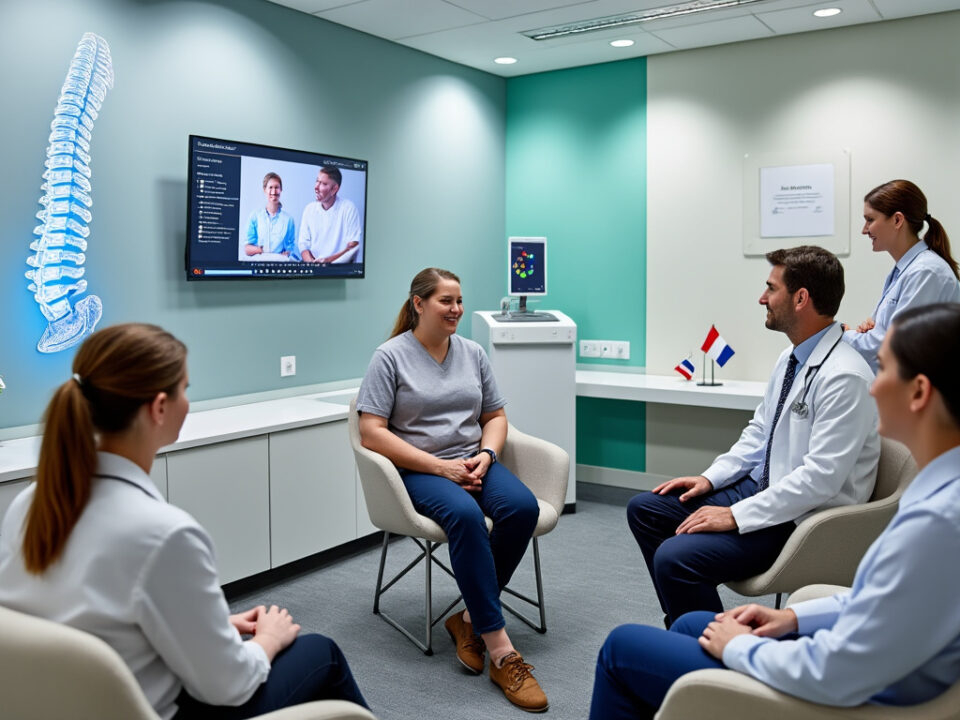
The success of any spinal surgical procedure depends heavily on accurate and comprehensive preoperative evaluation. Dr. Sylvain Desforges applies a meticulous assessment protocol, combining patient history, spine imaging, and functional evaluations to define precise surgical indications.
This rigorous evaluation is a critical step in minimizing postoperative complications—a concern that underscores many patients’ hesitation about spinal surgery. It includes:
- Detailed symptom analysis to understand pain characteristics, neurological deficits, and mobility limitations.
- Advanced imaging diagnostics such as MRI and CT scans to visualize disc pathology, vertebral alignment, and nerve involvement.
- Functional mobility assessments that investigate the impact of spinal abnormalities on day-to-day activities.
- Review of previous treatments to ascertain the response to conservative managements like physical therapy or decompression techniques.
This thorough groundwork ensures that Motion Surgery is recommended only after conservative treatments, such as neurovertebral decompression employed at Dr. Desforges’ Clinique TAGMED, have been extensively explored without satisfactory outcomes. Adhering to these protocols aligns with guidelines from the Collège des médecins du Québec and reflects Dr. Desforges’ unwavering commitment to patient safety and ethics.
| Step | Key Action | Purpose |
|---|---|---|
| Initial Evaluation | Symptom and history analysis | Identify patient-specific spinal issues |
| Diagnostic Imaging | MRI, CT scans, mobility tests | Clarify anatomical and functional impairments |
| Conservative Treatment Trial | Neurovertebral decompression, physio | Attempt symptom relief pre-surgery |
| Informed Surgical Planning | Customized surgical approach | Optimize surgical outcomes and safety |
The depth of this preparatory process significantly reduces risks such as infection, spinal instability, or implant failure, issues commonly detailed in broader scientific literature about postoperative outcomes (research on postoperative complications).
Herniated Disc Care in Sainte-Julie: Why TAGMED’s Neurovertebral Decompression Therapy Stands Out
In the vibrant community of Sainte-Julie, back pain—particularly that stemming from herniated discs—has become a widespread concern affecting people from all walks of life. The relentless search for effective, non-invasive treatments has brought renewed attention to a pioneering therapy that…
Patient Care During Motion Surgery: A Multidisciplinary, Personalized Approach
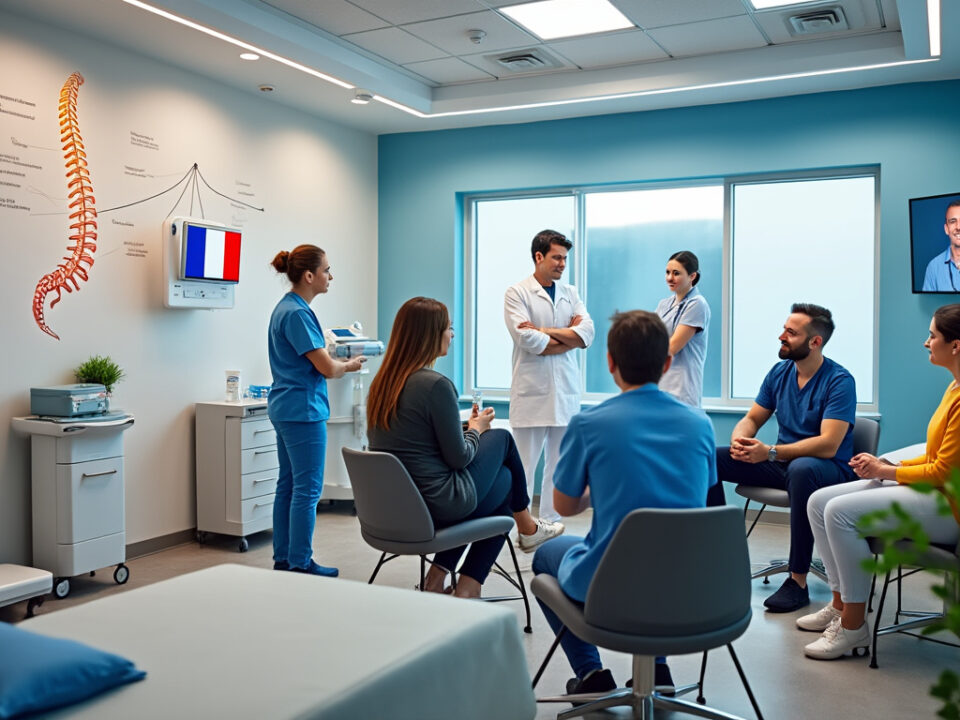
Dr. Sylvain Desforges champions a multidisciplinary care model encompassing surgeons, osteopaths, physiotherapists, and nursing staff that ensures continuous patient support before, during, and after surgery. This synergy enhances patient outcomes by fostering personalized care pathways designed to meet each individual’s unique needs.
Key elements of the patient-centered care include:
- Preoperative counseling that educates patients on surgical risks, benefits, and recovery expectations.
- Collaborative surgical planning with specialists in biomechanics and rehabilitation.
- Use of advanced technologies such as laser therapy and dynamic spinal implants tailored to the patient’s condition.
- Postoperative monitoring in dedicated settings to promptly identify and handle potential complications.
- Structured rehabilitation programs emphasizing early mobilization and targeted physical therapy.
Such comprehensive care fosters trust and empowerment for patients, addressing their concerns empathetically and motivating active participation in their recovery journey, consistent with best practices highlighted in enhanced recovery after surgery (ERAS) protocols (insights into reducing complications).

Back Surgery in Trois-Rivières: Alleviating Pain While Preserving Mobility
In Trois-Rivières, Quebec, the persistence of back pain affects a substantial portion of the population seeking effective and personalized solutions. Back pain, often caused by spinal disorders or herniated discs, can drastically diminish quality of life, limiting mobility and causing…
Faster Recovery: How Motion Surgery Accelerates Rehabilitation in Terrebonne
One of the most significant benefits of Motion Surgery lies in its ability to shorten recovery times and reduce postoperative complications traditionally associated with spinal fusion. Patients benefit from minimally invasive techniques that preserve soft tissue and spinal mechanics, enabling them to return to daily life more swiftly.
Key factors contributing to faster rehabilitation include:
- Minimized surgical trauma, reducing inflammation and postoperative pain.
- Preservation of spinal mobility, allowing for early initiation of physical therapy.
- Advanced pain management protocols, which enhance patient comfort and participation in rehabilitation.
- Structured exercise regimens, including pain relief exercises specifically designed to support recovery (effective post-surgery pain relief exercises).
For example, patients undergoing Motion Surgery under Dr. Desforges’ care often experience notable improvements in lumbar flexibility within weeks of the procedure, outperforming traditional spine surgery recovery benchmarks. This phenomenon not only elevates physical outcomes but also significantly improves patients’ quality of life by mitigating the threat of postoperative stiffness and chronic pain.
| Recovery Parameter | Motion Surgery | Traditional Fusion Surgery |
|---|---|---|
| Average Recovery Time | 6-8 weeks | 3-6 months |
| Postoperative Pain Level | Moderate to low | High |
| Range of Motion Preservation | High | Low to none |
| Return to Routine Activities | 4-6 weeks | 2-4 months |
Disc herniation remains a significant health concern in Pointe-Claire, impacting the lives of a diverse population ranging from labor-intensive workers to the aging community. The condition, characterized by the displacement or rupture of the intervertebral disc, often leads to debilitating…
The Role of International Collaboration in Optimizing Surgical Outcomes and Patient Experience
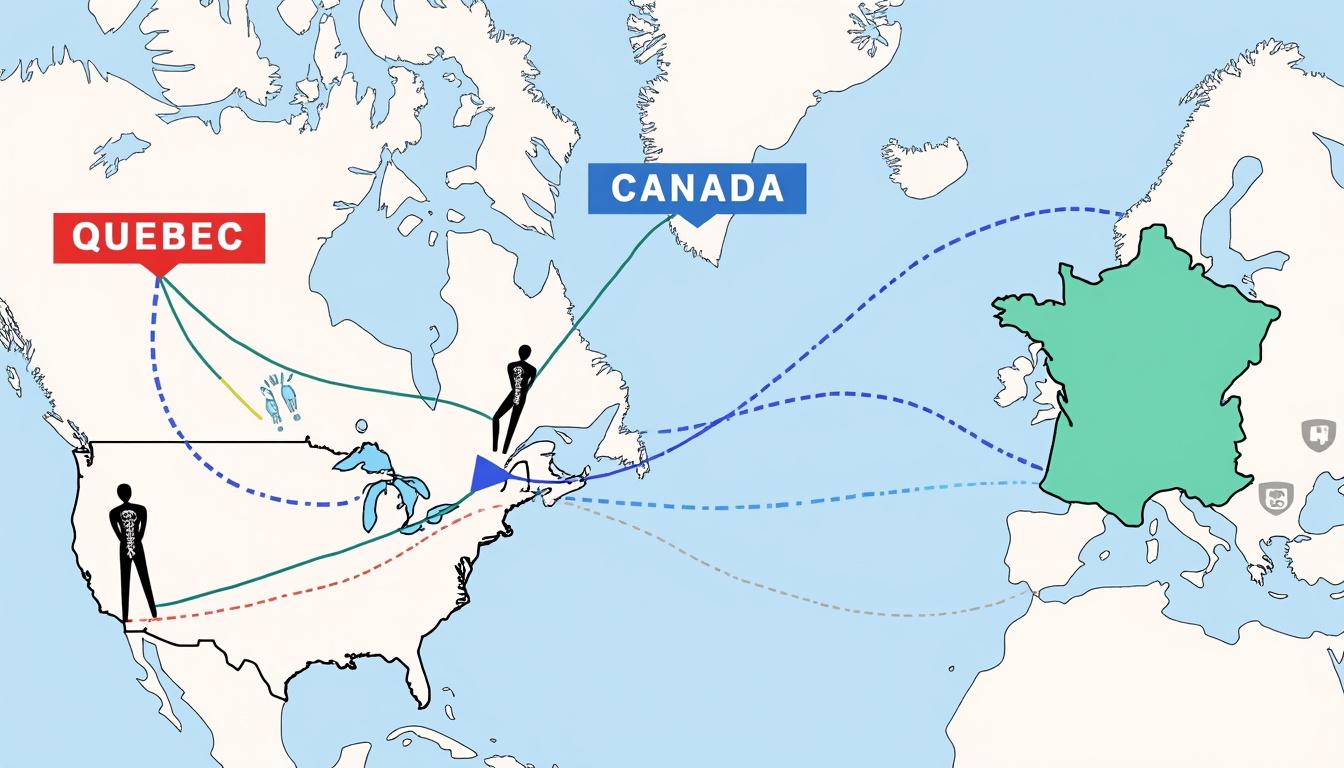
Dr. Desforges plays a pivotal role in coordinating transatlantic care pathways between Canada and France, leveraging international expertise to enhance surgical outcomes and patient satisfaction. This collaboration broadens access to advanced surgical techniques, including exclusive dynamic spinal implants more readily available in France, and aligns best practices from both healthcare systems.
Through partnerships with leading spine surgeons and medical tourism platforms like SOS Tourisme Médical, patients can benefit from:
- Access to specialized surgical technologies that may not be widely available in Canada.
- Streamlined preoperative and postoperative care coordination, minimizing delays in treatment.
- Cost advantages including reduced surgical and rehabilitation expenses in French centers as compared to Canadian benchmarks.
- Enhanced safety protocols facilitated by dual oversight and shared clinical expertise.
- Personalized patient journey management, ensuring continuity of care across borders.
This cross-border cooperation exemplifies innovation in patient care pathways and underscores Dr. Desforges’ leadership in advancing spinal health services for a diverse patient population (discover how international practices reduce complications).
At Gouin Clinic, the landscape of herniated disc therapy has entered a transformative era marked by the integration of Personalized Treatment Plans and breakthrough Neurovertebral Decompression Therapy. This non-surgical approach is revolutionizing how spinal disorders are managed, offering patients an…
Comparative Surgical Techniques in Terrebonne: Evaluating Efficacy and Safety
Understanding the distinct surgical approaches available in Terrebonne allows patients to make informed decisions aligned with their health goals and lifestyle. The three primary surgical techniques addressing spinal disorders include:
| Technique | Indications | Advantages | Limitations |
|---|---|---|---|
| Simple Decompression Surgery | Acute nerve compression causing pain | Less invasive, faster recovery, minimal pain | Does not address spinal instability |
| Spinal Fusion Surgery | Severe spinal instability (e.g., scoliosis) | Effective vertebral stabilization | Loss of motion, adjacent segment wear |
| Motion Surgery (Dynamic Implants) | Spondylolisthesis, lumbar stenosis | Preserves mobility, improved quality of life | Requires detailed evaluation for suitability |
Dr. Desforges advocates a personalized selection process based on thorough clinical evaluations and patient-specific factors to maximize therapeutic outcomes. Motion Surgery frequently emerges as an optimal middle ground between invasiveness and functional preservation, often preferred in cases where maintaining postoperative flexibility is paramount (preserving segment mobility after surgery).
Cervical Disc Prosthesis in Quebec: Preventing Post-Operative Stiffness
Neck pain is one of the most common musculoskeletal complaints in Quebec, affecting a significant portion of the population annually. Often rooted in degenerative cervical disc diseases or herniated discs, this persistent discomfort severely impacts daily life and mobility. Fortunately,…
Enhancing Patient Outcomes Through Advanced Postoperative Rehabilitation
Rehabilitation following Motion Surgery is designed to leverage the preserved spinal mobility and promote swift, sustainable recovery. Dr. Sylvain Desforges integrates evidence-based rehabilitation protocols that emphasize early mobilization and functional exercises for maximizing surgical benefits.
The rehabilitation program generally includes:
- Guided physical therapy sessions tailored to individual recovery stages and capabilities.
- Targeted exercises focusing on strengthening spinal stabilizers without compromising motion.
- Regular monitoring and adaptation based on patient progress and symptomology.
- Education on posture and ergonomics to maintain long-term spine health and prevent recurrence of symptoms.
Early mobilization and carefully calibrated rehabilitation reduce postoperative stiffness and complications frequently associated with spinal surgeries. This comprehensive approach aligns with global best practices and reflects the commitment of Dr. Desforges and the Clinique TAGMED to fostering patient independence and well-being.
The prevalence of herniated disc conditions in Blainville has sparked considerable discussion and misconceptions about their causes, symptoms, and treatments. While the pain and disability associated with this spinal disorder are well documented, the emergence of non-surgical options such as…
Economic and Biomechanical Benefits of the Transatlantic Patient Journey
The transatlantic care pathway between Canada and France, facilitated by Dr. Desforges, offers compelling biomechanical and economic advantages. Patients benefit from advanced Motion Surgery techniques while also navigating cost-efficient treatment options.
Biomechanically, preserving spinal flexibility and avoiding excessive stresses on adjacent vertebral segments reduces the likelihood of future complications and improves long-term quality of life. Economically, the cost structure in France for surgical and rehabilitation services often presents considerable savings compared to Canadian fees, even when factoring in travel expenses.
| Element | Cost in Quebec (CAD) | Cost in France (EUR) |
|---|---|---|
| Initial Consultation | 150 | 80 |
| Surgery | 15,000 | 8,000 |
| Rehabilitation | 3,000 | 1,500 |
These financial benefits, coupled with superior surgical and rehabilitative protocols, contribute to a faster and safer recovery trajectory for patients willing to engage in this innovative transatlantic treatment journey (how transatlantic spine surgery reduces complications).
What type of surgery is most suitable for my condition?
The choice depends on a thorough evaluation of your spinal pathology. Dr. Sylvain Desforges conducts an in-depth assessment to determine the most appropriate surgical option tailored to your specific needs.
What steps should be taken before considering surgery?
It is essential to exhaust conservative treatment options, such as neurovertebral decompression, for a period of 3 to 6 months prior to surgical considerations.
How long is the typical recovery time after Motion Surgery?
Generally, recovery after Motion Surgery is faster than traditional fusion, with most patients resuming daily activities within 4 to 6 weeks.
Are the surgical and rehabilitation costs covered by insurance?
Coverage depends on your insurance policy. Some plans may reimburse part of the costs for treatments received in France, but verification with your provider is necessary.
How can I contact the clinic for more information?
For personalized evaluation or to initiate your care journey, visit the contact page at Contact us here.
Minimally Invasive Surgery in Longueuil: Reducing Hospital Stays for Faster Recovery
In recent years, a transformative wave has swept through spinal healthcare in Longueuil, aiming to revolutionize treatment experiences for patients suffering from back disorders. This shift stems from a growing demand for procedures that minimize hospital stays without compromising efficacy.…