Comprehensive Guide to Spinal Decompression Therapy for Herniated Discs
October 23, 2025
how post-operative follow-up after back surgery enhances clinical outcomes
October 25, 2025
Spinal surgery is evolving rapidly in 2025, marked by significant advancements that promise improved patient outcomes and revolutionary approaches to treatment. Quebec patients now have access to transformative alternatives to traditional spinal fusion, thanks to dynamic implants like TOPS, Intraspine, and ESP. These devices prioritize the preservation of natural spinal movement while providing stabilization, markedly reducing postoperative pain and minimizing the risk of degeneration in adjacent vertebral segments. They represent a shift from rigid immobilization to dynamic support, emphasizing tailored medical intervention.
Developed and manufactured by leading global companies including Zimmer Biomet, Medtronic, and Stryker, these implants have found a foothold in specialized French medical centers that excel in spine care innovation. Coordinated patient pathways integrating evaluation, surgery, and rehabilitation underscore this new paradigm, led by seasoned consultants combining clinical expertise with industrial knowledge. This multidisciplinary approach is central to refining surgical choices and optimizing recovery, underpinning the future of spine health management.
Revolutionizing Spinal Stabilization with the TOPS System: A Dynamic Alternative to Fusion
The TOPS System (Total Posterior Spine) has redefined the landscape of spinal stabilization by introducing a dynamic solution that contrasts sharply with conventional rigid fusion. Designed specifically to address lumbar spinal stenosis combined with segmental instability, the TOPS implant preserves physiological motion while offering robust stability. Unlike fusion surgeries that immobilize vertebrae—often leading to increased stress on adjacent segments—TOPS employs an innovative architecture with articulating components that simulate normal spinal movement, including flexion, extension, rotation, and lateral bending.
This biomechanical design translates into clinically significant benefits: reduced adjacent segment disease, lower incidence of revision surgeries, and faster recovery times. Implantation begins with precise nerve root decompression followed by implant placement between the affected vertebrae, restoring stability without sacrificing mobility.
Several leading French surgeons, trained extensively with TOPS, have reported excellent outcomes. For example, a patient with degenerative spondylolisthesis experienced marked neurogenic pain relief and regained functional daily activity within weeks. The system’s construction from biocompatible titanium alloy, its CE marking, and FDA approval guarantee long-term safety and performance. This progress affirms the system’s status as an alternative to fusion for patients who need mobility preservation after surgery.
- Treatment of lumbar spinal stenosis with moderate to severe segmental instability
- Management of degenerative spondylolisthesis with neurogenic symptoms
- Patients seeking motion preservation postoperatively
- Preference for implant systems certified by both CE and FDA
| Aspect | TOPS System | Traditional Fusion |
|---|---|---|
| Mobility | Preserved physiological motion | Segment immobilization |
| Risk of Adjacent Segment Disease | Significantly reduced | Higher due to increased load |
| Recovery Time | Accelerated | Prolonged |
| Revision Rates | Lower risk observed | Higher incidence reported |
| Material | Titanium alloy, biocompatible | Varied (titanium, cages) |
For additional expert insights on the surgical implantation of TOPS, the groundbreaking work performed by Dr. Stephen Robbins demonstrates how this system elevates standards of spine care. Further details about his pioneering procedure can be explored at the first-ever implantation of TOPS in Wisconsin.

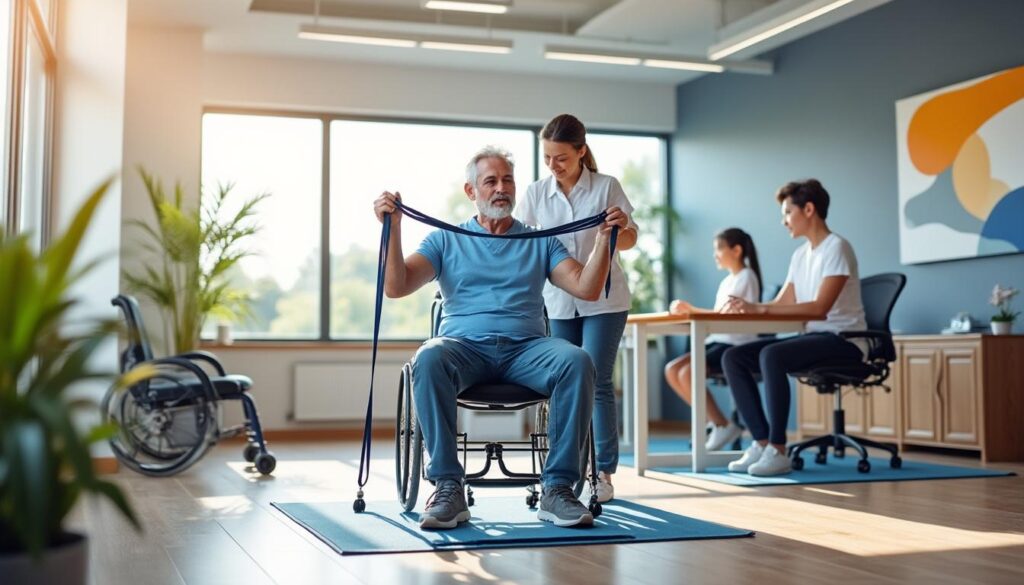
Can Rehabilitation and Return to Work Prevent the Need for Surgery?
In the constantly evolving landscape of spinal healthcare, patients and practitioners alike grapple with a pivotal question: can the rigorous pathways of rehabilitation and structured return to work reduce or even eliminate the need for surgical intervention? The answer, as…
Understanding the Intraspine Implant: Flexible Interspinous Stabilization for Lumbar Flexibility
Beyond TOPS, the Intraspine implant offers a complementary approach focusing on dynamic interspinous stabilization. Designed as a metallic implant with biocompatible coating, Intraspine is positioned between spinous processes to act as a shock absorber that mitigates disc compression while maintaining segmental mobility. This approach is particularly beneficial for patients with chronic lower back pain caused by moderate spinal compression who are not ideal candidates for rigid fusion.
Intraspine supports controlled motion without completely restricting vertebral movement, reducing mechanical stress while preventing excessive segmental collapse. The implant’s minimally invasive insertion preserves soft tissue integrity, contributing to less postoperative discomfort and quicker return to function compared with traditional fusion methods.
Clinical application often involves patients with:
- Chronic lumbar pain related to moderate disc degeneration
- Mild to moderate spinal stenosis where fusion is contraindicated
- Cases requiring maintenance of segmental range of motion
- Preference for less invasive surgical techniques
France hosts several centers adopting Intraspine with notable success, and its growing role in minimally invasive spine surgery aligns with evolving trends documented in leading publications on surgical decision-making strategies. For a deeper dive into how Intraspine impacts surgical choices, visit innovative implants overview and their surgical impact.
| Characteristic | Intraspine Implant | Rigid Fusion |
|---|---|---|
| Mobility Preservation | Partial, dynamic flexibility | Complete immobilization |
| Invasiveness | Minimally invasive | More invasive, extensive dissection |
| Postoperative Pain | Reduced | Higher incidence |
| Effect on Adjacent Segments | Neutral or protective | Increased risk of degeneration |
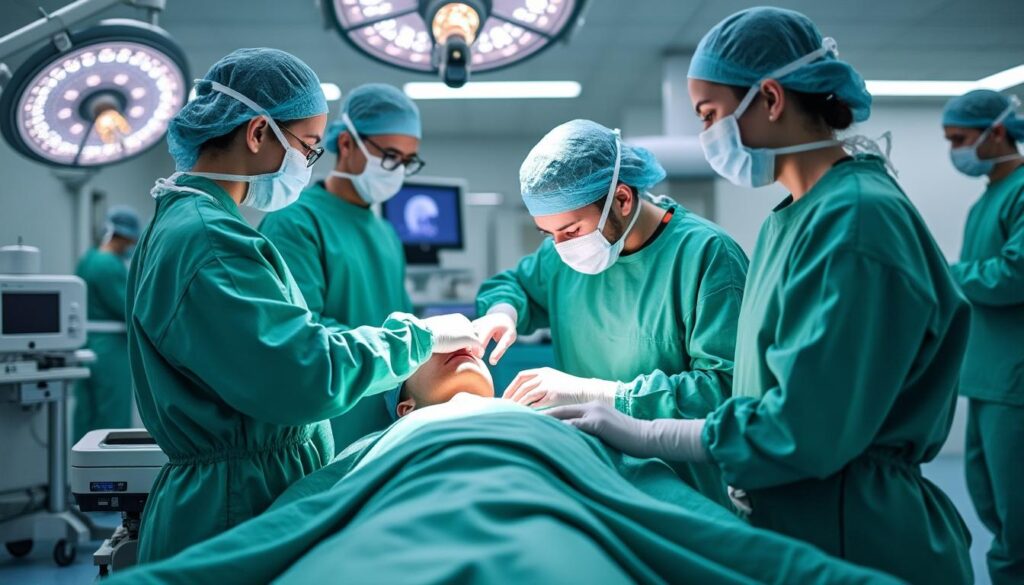
Exploring the Overlooked Benefits of Spine Surgery in France
Spinal disorders are a significant health concern for many patients worldwide, yet the solutions and benefits of spine surgery often remain underappreciated. France, with its advanced healthcare infrastructure and pioneering surgical techniques, has emerged as a noteworthy destination for patients…
ESP System: Elastic Stabilization Pads Enhancing Spinal Movement and Comfort
The Elastic Spine Pad (ESP) system represents a further advancement in dynamic spinal implants. This technology provides an elastic cushioning mechanism between vertebral segments, enabling controlled motion with biomechanical support. Its unique design reduces mechanical stress transmitted to adjacent vertebrae, actively mitigating chronic back pain often associated with degenerative spinal conditions.
ESP’s controlled elasticity balances stability and natural spinal kinematics, encouraging a more physiological load distribution. Particularly useful in cases where instabilities are present but rigid fusion is not indicated, this approach supports less invasive surgical interventions and quicker patient mobilization.
Typical indications for ESP implantation include:
- Patients with mild to moderate spinal instability
- Preference for motion-preserving solutions
- Cases suitable for minimally invasive approaches
- Long-term prevention of adjacent segment degeneration
Institutions offering ESP leverage cutting-edge robotic assistance and 3D imaging technology, like the Medtronic Mazor robotic system, to optimize implant placement and surgical precision, showcasing the synergy between implant design and surgical innovation. The importance of this can be reviewed through extensive clinical discussion and evidence found in notable medical journals and reports.
| Feature | ESP System | Rigid Spinal Fusion |
|---|---|---|
| Elasticity | Controlled | Absent |
| Physiological Motion | Preserved | Eliminated |
| Postoperative Recovery | Enhanced with less pain | Often prolonged |
| Risk of Adjacent Degeneration | Lowered | Heightened |

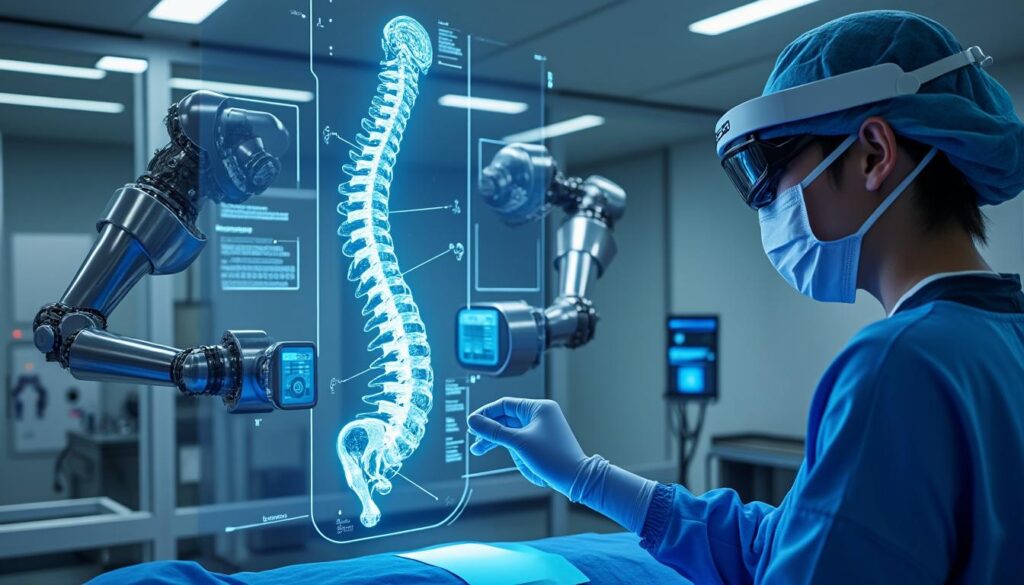
Cousin Spine Technology and Franchir: Transforming Surgical Decision-Making
In recent years, the integration of advanced medical technologies has dramatically shifted how spinal surgeries are planned, performed, and managed. Among the transformative developments, the alliance between Cousin Spine Technology and Franchir stands out as a pioneering force redefining surgical…
Personalized Patient Pathways from Quebec to France for Advanced Spinal Surgery
Effective treatment with these innovative implants depends as much on the quality of surgical devices as on a well-structured multidisciplinary patient journey. For Quebec patients seeking advanced spinal care, this has translated into a coordinated international pathway that begins with comprehensive evaluation at the Clinique TAGMED under the supervision of Dr. Sylvain Desforges. This phase ensures optimized functional assessment and that only appropriate specialized conservative therapies are deployed initially.
If conservative management fails, patients are transitioned to Franchir, a medical coordination service that facilitates personalized surgical orientation and organizes travel logistics to France. Specializing in connecting patients to expert surgeons skilled in dynamic implant procedures, Franchir manages every detail, including schedules, accommodation, and postoperative planning, ensuring seamless continuity of care.
- Initial specialized assessment and conservative care at Quebec clinics
- Selection of targeted dynamic implant systems based on clinical and radiological data
- Complete logistical support for surgery in accredited French centers
- Personalized postoperative rehabilitation coordinated through Neurothérapie Montréal
This integrated pathway improves efficiency, reduces wait times, and aligns with patient expectations for minimally invasive, functional surgeries. Innovative implants tailored for Quebec patients further detail this structured approach to care.
| Phase | Responsible Entity | Main Objectives |
|---|---|---|
| Evaluation & Conservative Treatment | Clinique TAGMED | Functional optimization, specialized supervision |
| Surgical Orientation & Logistics | Franchir | Surgeon selection, comprehensive travel organization |
| Surgery | French Certified Centers | Dynamic implant implantation using latest tech |
| Postoperative Follow-up | Neurothérapie Montréal | Adaptive rehab and functional control |
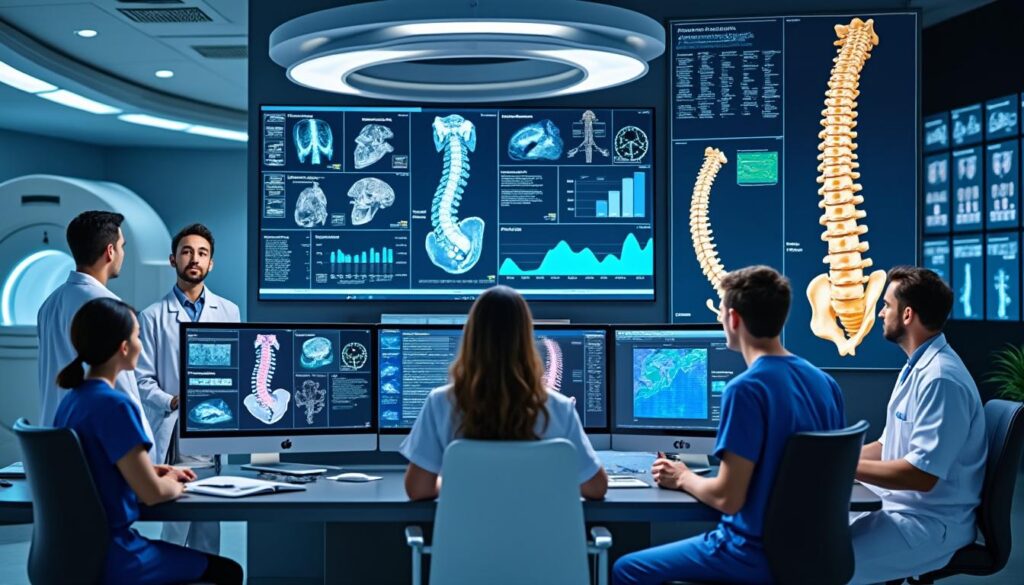
Insights from Research on Preventing Post-Laminectomy Syndrome
Post-Laminectomy Syndrome (PLS), a chronic pain condition arising after spinal surgery, remains a formidable challenge in spinal surgery and pain management. Despite advances in surgical techniques, a significant subset of patients continues to experience persistent neuropathic pain and functional limitations,…
Robotic-Assisted Precision and Implant Safety: Integrating Mazor Technology with Zimmer Biomet and Other Industry Leaders
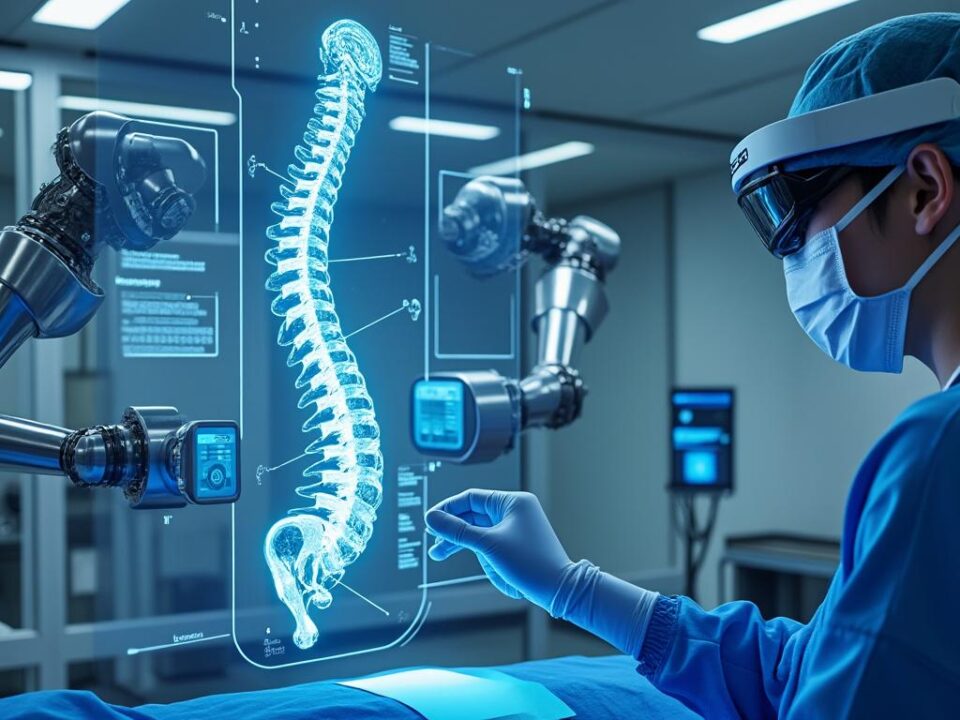
The fusion of advanced robotics and dynamic implant technology symbolizes the cutting edge in spine surgery. The Mazor robotic platform by Medtronic exemplifies this trend, enhancing 3D surgical planning and real-time navigation to improve accuracy in placing pedicle screws and implants. By minimizing mechanical errors and increasing surgical safety, this robotic assistance complements the biomechanical advantages of implants such as TOPS, Intraspine, and ESP.
These devices, manufactured by industry leaders like Zimmer Biomet, NuVasive, and Spineart, meet strict European CE certification and, frequently, U.S. FDA approval standards. The addition of robotic precision enables less invasive and more personalized surgery, which reduces complications and accelerates recovery.
- Three-dimensional preoperative surgical planning
- Real-time intraoperative navigation and adjustment
- Reduced risks of screw misplacement or device failure
- Enhanced preservation of spinal biomechanics and soft tissues
Comprehensive collaboration between implant developers and clinical teams ensures that innovations translate into tangible patient benefits. The rise of robotic-assisted interventions is detailed further in specialized medical innovation studies and in implant impact reports.
| Technology Aspect | Benefits | Manufacturers |
|---|---|---|
| Robotic Navigation | Pinpoint surgical accuracy | Medtronic (Mazor), eCential Robotics |
| Dynamic Implants | Mobility preservation, reduced pain | Zimmer Biomet, NuVasive, Stryker, Spineart |
| Material Safety | Biocompatibility and durability | Centinel Spine, Globus Medical, Medtronic |
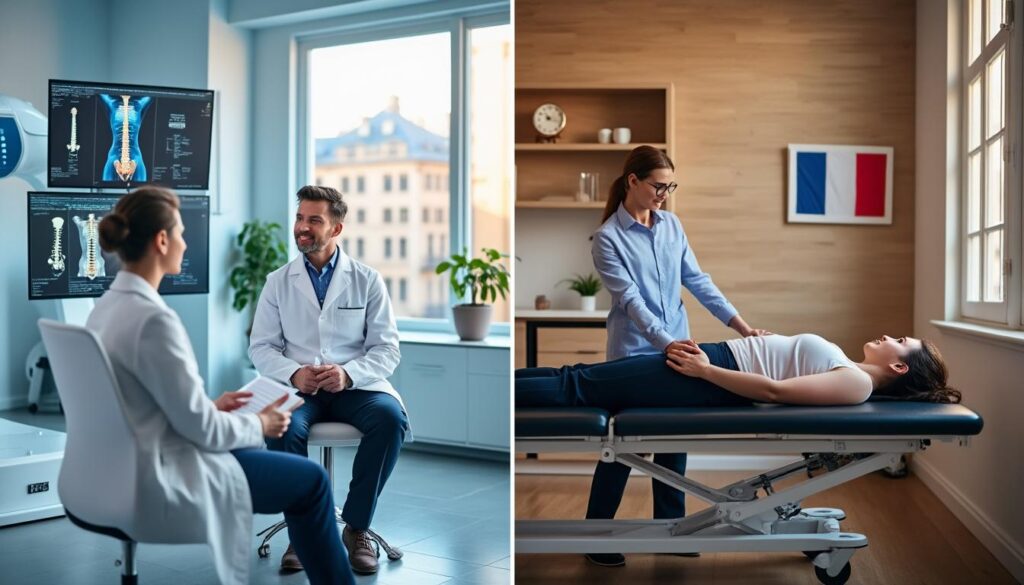
International Comparison: Spotlight on Spine Care Practices Between France and Quebec
The growing emphasis on spine health in Quebec has spotlighted the value of international collaboration in advancing patient care. With the challenges of prolonged wait times and high private care costs in Quebec, France emerges as an attractive alternative, boasting…
Clinical Selection for TOPS, Intraspine, and ESP Implants: Optimizing Patient Outcomes through Rigorous Protocols
Precise patient selection is critical to leveraging the full benefits of advanced spinal implants. An experienced spinal surgery consultant confirms that over 3,000 interventions performed with multidisciplinary teams have underlined the significance of tailored approaches based on detailed radiological and clinical evaluation. Selection criteria include:
- Severity and nature of spinal pathology (e.g., stenosis, spondylolisthesis, degeneration)
- Degree of segmental mobility and biomechanical characteristics
- Multidisciplinary consensus on the optimal surgical option
- Long-term functional prognosis and patient lifestyle considerations
This rigorous approach minimizes complication risks and extends implant longevity. European CE marking and U.S. FDA accreditation further attest to implant safety and effectiveness, reassuring patients and professionals alike.
| Implant | Main Features | Ideal Patient Profile | Core Advantages |
|---|---|---|---|
| TOPS | Posterior dynamic stabilization with articulations | Segmental instability with spinal stenosis | Preserved motion, reduced adjacent segment syndrome |
| Intraspine | Interspinous flexible implant | Chronic lumbar pain, moderate compression | Mobility preservation, pain reduction |
| ESP | Elastic dynamic stabilization system | Mild to moderate spinal instability | Controlled flexibility, less mechanical stress |
Medical Logistics and Accommodation: Central Pillars in the Patient Care Journey
In the evolving landscape of global healthcare, the interplay between medical logistics and patient accommodation has become a cornerstone for effective and patient-centric care delivery. This synergy is particularly evident in the management of international patient journeys, where cross-border coordination,…
Evaluating Patient Conditions and Indications for Dynamic Spinal Implants in 2025
As spinal treatment advances, understanding patient suitability for dynamic implants like TOPS, Intraspine, and ESP is continuously refined. Important considerations include the presence and severity of symptoms related to conditions such as spinal stenosis, degenerative spondylolisthesis, and chronic lumbar pain. These conditions frequently generate neurogenic pain and functional limitations necessitating surgical intervention after conservative management fails.
Diagnostic clarity involves comprehensive clinical assessment, imaging including MRI and CT scans, and specialized evaluations by multidisciplinary teams. These steps ensure appropriate indication and implant selection.
- Moderate to severe lumbar spinal stenosis with segmental instability
- Degenerative spondylolisthesis accompanied by neurogenic claudication
- Persistent chronic lumbar pain due to disc compression and instability
- Patient desire for motion-preserving surgical options
Resources on related pathology, symptoms, and diagnosis can enhance patient education, such as available detailed information on symptomatic presentations and diagnosis protocols for spinal conditions.
| Condition | Pathophysiology | Surgical Indication |
|---|---|---|
| Lumbar Spinal Stenosis | Narrowing of spinal canal, nerve compression | Severe neurogenic symptoms after failed conservative therapy |
| Degenerative Spondylolisthesis | Vertebral slippage causing segmental instability | Symptomatic instability with neurological deficits |
| Chronic Lumbar Pain | Disc degeneration and mechanical instability | Refractory pain with inadequate response to non-surgical treatments |
Comprehensive Guide to Eligibility Criteria for Back Surgery
The decision to undergo back surgery involves numerous complex considerations that extend beyond the presence of spinal discomfort. Through an international collaboration between healthcare experts in Quebec and France, patients facing severe spine conditions now have access to advanced surgical…
Long-Term Benefits and Challenges of Using TOPS, Intraspine, and ESP in Modern Spine Care
The landscape of spinal surgery has shifted decisively toward dynamic stabilization, with TOPS, Intraspine, and ESP at the forefront. These implants not only alleviate pain but also maintain physiological motion, a feature critical for preventing secondary degenerative changes. Patient outcomes reveal enhanced spinal function and satisfaction, lower revision rates, and fewer complications commonly associated with rigid fusion.
Nonetheless, challenges persist. Patient selection accuracy requires continuous refinement, and long-term data is essential for ongoing evaluation of implant durability and functional durability. Furthermore, the financial and logistical considerations involved in international patient pathways must be balanced to maximize accessibility.
- Enhanced postoperative spinal mobility and pain control
- Reduced incidence of adjacent segment disease
- Lower rates of reoperation compared to fusion
- Requirement for targeted patient selection and follow-up
Ongoing studies and clinical registries contribute indispensable information for surgeons and patients. In-depth analysis of implant impact is accessible in authoritative resources like the article on how innovative implants affect surgical decision-making.

What are the clinical criteria for eligibility for dynamic spinal implants like TOPS and Intraspine?
Eligibility is determined by specialized functional and radiological assessment, focusing on moderate to severe segmental instability and the necessity to preserve spinal mobility. Comprehensive evaluation is essential before proceeding.
Do dynamic implants require traditional spinal fusion?
No; these implants are designed to avoid rigid fusion by enabling motion preservation and dynamic stabilization.
How does Franchir support patients undergoing spinal implant surgery in France?
Franchir facilitates patient access by personalizing surgeon selection and managing all logistical aspects, ensuring a smooth and secure surgical journey.
Is post-operative follow-up handled after returning to Quebec?
Yes; Neurothérapie Montréal provides tailored rehabilitation and functional monitoring adapted to the implant type and patient recovery.
Are the dynamic implants used internationally certified and safe?
All implants available in France hold CE certification, with many also FDA approved, underscoring their recognized quality and safety worldwide.
Comparison of Innovative Spinal Implants: TOPS, Intraspine, and ESP
| Implant ▲▼ | Primary Feature ▲▼ | Indications ▲▼ | Key Benefits ▲▼ |
|---|
Unveiling the Hidden Benefits of Neurovertebral Decompression Therapy
Chronic back and neck pain remain pervasive health issues impacting millions, often leading to debilitating effects on daily life and overall well-being. Traditional management strategies frequently fall short due to lengthy wait times, high costs, or invasive procedures. Amid this…