Cervical Disc Prosthesis in Quebec: Maintaining Natural Neck Mobility
July 9, 2026
Blainville Neck Disc Recovery for Office Workers
July 9, 2026
Back pain is a persistent challenge impacting countless individuals worldwide, particularly in regions with constrained healthcare access like Québec. Long wait times and high treatment costs burden many patients seeking effective and timely spinal care. Against this backdrop, innovative and approved intervention methods have gained momentum, offering new hope for those suffering from chronic lumbar pain. One such breakthrough is the IntraSPINE device, now available in Laval, which provides a minimally invasive, orthopedic-focused solution that enhances spinal health while preserving natural mobility. This intervention represents a paradigm shift in spine treatment, tailored for patients who need efficient management of debilitating back pain without enduring the drawbacks of traditional fusion surgeries.
As a recognized expert in spinal evaluation and osteopathic care with over 30 years of experience, Dr. Sylvain Desforges is at the forefront of advancing such innovative treatments. His extensive qualifications and leadership roles—including founding the Association canadienne des médecines alternatives (ACMA), the Collège des Ostéopathes Canadiens, and TAGMED Clinic—position him uniquely to guide patients through precise assessments and cutting-edge care pathways. His commitment to ethical practice, scientific rigor, and innovation ensures that patients receive transparent, evidence-based recommendations tailored to their individual needs, emphasizing safety and functional recovery.
The emergence of IntraSPINE in Laval is not only a medical milestone but also an example of successful Franco-Canadian collaboration in spine healthcare. This transatlantic coordination orchestrates clinical expertise, advanced technology, and seamless logistical support to optimize outcomes and reduce wait times. Patients benefit from a comprehensive continuum of care—from initial evaluation and conservative treatment phases at TAGMED to surgical intervention in France and restorative follow-up back in Québec. This integrated approach addresses the multifaceted nature of back pain, offering renewed mobility, pain relief, and enhanced quality of life.
IntraSPINE in Laval: A Minimally Invasive, Motion-Preserving Lumbar Intervention
The IntraSPINE implant introduces a dynamic approach to treating chronic lower back pain by targeting lumbar biomechanics with precision. Unlike traditional spinal fusion, which immobilizes affected segments often at the cost of adjacent segment degeneration, IntraSPINE maintains spinal mobility while stabilizing the area needing support. Positioned in the interspinous space, the device is made of advanced medical-grade dimethyl siloxane covered with pure polyethylene terephthalate, offering biocompatibility and durability consistent with stringent European CE standards.
This intervention, approved for use in Quebec including Laval, is performed through a minimally invasive technique, ensuring small incisions and limited soft tissue disruption. The clinical advantages are clear: reduced postoperative discomfort, shorter hospital stays, and quicker rehabilitation timelines. By acting biomechanically to redistribute vertebral load and alleviate pressure on intervertebral discs and facet joints, IntraSPINE addresses pain generators without compromising natural lumbar movement.
The selection process for IntraSPINE requires comprehensive and meticulous patient evaluation, a domain of expertise held by Dr. Desforges. Combining clinical examination, advanced imaging, and functional assessments, he ensures that the treatment harmonizes with patients’ unique pathology and recovery goals. Moreover, the treatment aligns with Canadian and Quebec regulatory frameworks, guaranteeing a scientifically sound and ethically guided approach.
Patients often highlight the palpable improvements post-procedure, citing increased comfort, improved posture, and accelerated return to daily activities. This intervention fits well within a modern, patient-centered spine care framework, blending technology, personalized evaluation, and collaborative international expertise. For more details, consider exploring this innovative and approved approach at this comprehensive resource on IntraSPINE in Laval.
Spine Surgery in Trois-Rivières: Personalized Patient-Centered Intervention
The challenge of back health and spinal surgery has become increasingly critical for many patients in Trois-Rivières, Quebec. Lengthy waiting times for appropriate surgical interventions often transform the care journey into a frustrating experience. Against this backdrop, a promising international…
Spinal Surgery Options in France: Understanding Simple, Fusion, and Motion-Preserving Procedures
Canadian patients exploring transatlantic spine care often discover that France provides a broad spectrum of spinal surgical innovations, combining traditional approaches with novel motion-preserving technologies. Understanding these diverse procedures is essential for making informed decisions aligned with individual medical needs and lifestyle preferences.
Simple Decompression Surgeries
These procedures aim to alleviate nerve compression caused by herniated discs or spinal stenosis through targeted removal of offending tissue structures. Often performed minimally invasively, decompression surgeries focus on pain relief without altering spinal stability extensively. Patients with moderate stenotic changes or disc protrusions frequently benefit from quicker recovery phases after such interventions.
Spinal Fusion Surgeries
Fusion procedures involve the permanent joining of two or more vertebrae to stabilize segments that demonstrate significant instability, deformities, or severe degenerative changes. Although effective in reducing pain related to excessive vertebral motion, fusion often reduces segmental mobility and carries risks of adjacent segment degeneration. This rigidity can impact posture and long-term spinal health, especially in younger or more active patients.
Motion-Preserving Surgical Interventions
Represented prominently by dynamic implants such as IntraSPINE and artificial disc prostheses, motion-preserving surgeries seek to maintain natural spinal kinematics while providing mechanical support and pain relief. These innovations exhibit biomechanical advantages by preserving lumbar lordosis, limiting stress transfer, and facilitating early functional recovery. They represent a significant advancement over fusion in maintaining patient mobility and quality of life.
France’s surgical centers benefit from internationally recognized orthopedic expertise, adhering to strict regulatory standards that assure safety and innovation. The availability of dynamic implants and minimally invasive techniques can be limited in Canada; hence, patients opting for transatlantic care can access cutting-edge devices combined with comprehensive perioperative management.
Dr. Desforges’s role is pivotal in guiding patients through these choices, balancing clinical criteria with patient priorities, and integrating rigorous preoperative conservative treatment phases. His expertise ensures that the selection of surgical type—whether simple decompression, fusion, or motion-preserving—matches the specific pathology and expectations for recovery.
Discover more about innovative spinal implants including TOPS and IntraSPINE and their impact on patient outcomes.
TOPS™ in Gatineau: Reduce Pain and Improve Lumbar Function
The management of chronic lumbar pain remains a pressing challenge for many patients in Quebec, seeking effective and accessible solutions beyond prolonged wait times and costly private care. Thanks to an innovative transatlantic partnership, the TOPS (Total Posterior Spine) system…
International Patient Journey: Coordinated Spine Treatment from Quebec to France
Embarking on a transatlantic spine care journey requires a carefully structured pathway aimed at safety, personalization, and outcome optimization. The process begins with an expert evaluation led by Dr. Sylvain Desforges in Quebec, where each patient undergoes thorough physical examination and diagnostic imaging review. This foundational step is critical to ensure that surgery is warranted and to tailor subsequent treatment steps.
Before surgery, patients typically complete a 3 to 6-month conservative treatment course that includes advanced neurovertebral decompression therapy, manual osteopathy, and physical rehabilitation provided at TAGMED Clinic. This multidisciplinary conservative approach aims to relieve symptoms and often negates the need for surgical intervention.
Once surgery is deemed necessary, coordination with French surgical centers is facilitated by partners like the company Franchir, which manages appointment scheduling, travel arrangements, and logistics. The patient receives care in expert facilities offering minimally invasive solutions such as IntraSPINE implantation, benefiting from advanced technology and experienced surgical teams.
Postoperative care is equally coordinated, with an emphasis on early mobilization and rehabilitation protocols tailored to the individual’s progress. Follow-up is managed collaboratively through Neurothérapie Montréal, ensuring continuity of care upon the patient’s return to Quebec. This phased approach provides a superior patient experience and optimizes functional outcomes.
This international care model underscores the advantages of clear communication, patient-centered coordination, and robust logistical planning, reducing anxiety and enhancing patient satisfaction throughout the complex spine treatment journey.
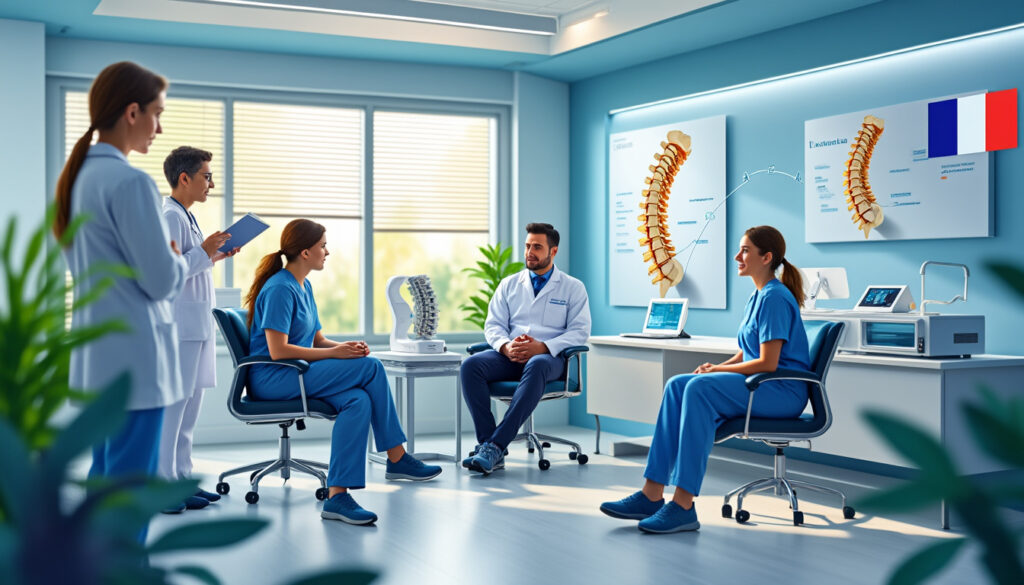
Cervical Disc Prosthesis in Quebec City: Preserve Natural Mobility
Neck pain remains a pervasive challenge for many individuals in Quebec City, deeply affecting daily life and overall well-being. As the prevalence of chronic cervical discomfort rises, innovative interventions such as the cervical disc prosthesis have garnered increasing attention. Unlike…
Biomechanical and Recovery Advantages of Motion-Preserving IntraSPINE Implants
IntraSPINE implants are engineered to provide dynamic stabilization to lumbar segments, mitigating pain while preserving natural spinal movement. This motion-preserving feature reduces the likelihood of complications often associated with rigid fusion, such as accelerated degeneration of adjacent spinal levels.
Key biomechanical advantages include:
- Reduced adjacent segment degeneration: By maintaining controlled intervertebral movement, the implant reduces compensatory biomechanical stresses on neighboring vertebrae.
- Preservation of lumbar lordosis and alignment: IntraSPINE supports the spine’s natural curvature, crucial for balance and posture.
- Improved pain relief via dynamic stabilization: Soft tissues and facet joints benefit from pressure redistribution, alleviating nociceptive pain sources.
- Facilitation of early mobilization: Minimally invasive surgical access coupled with motion preservation accelerates rehabilitation compared to fusion.
Clinical outcomes documented in Laval and beyond demonstrate patients experience shorter hospital stays, diminished postoperative pain, and faster returns to active lifestyles. The device’s effectiveness is further enhanced by a targeted rehabilitation program designed with the support of multidisciplinary healthcare teams.
This approach aligns with Dr. Desforges’s philosophy that emphasizes restoring function while minimizing treatment invasiveness and preserving patient autonomy in daily activities.
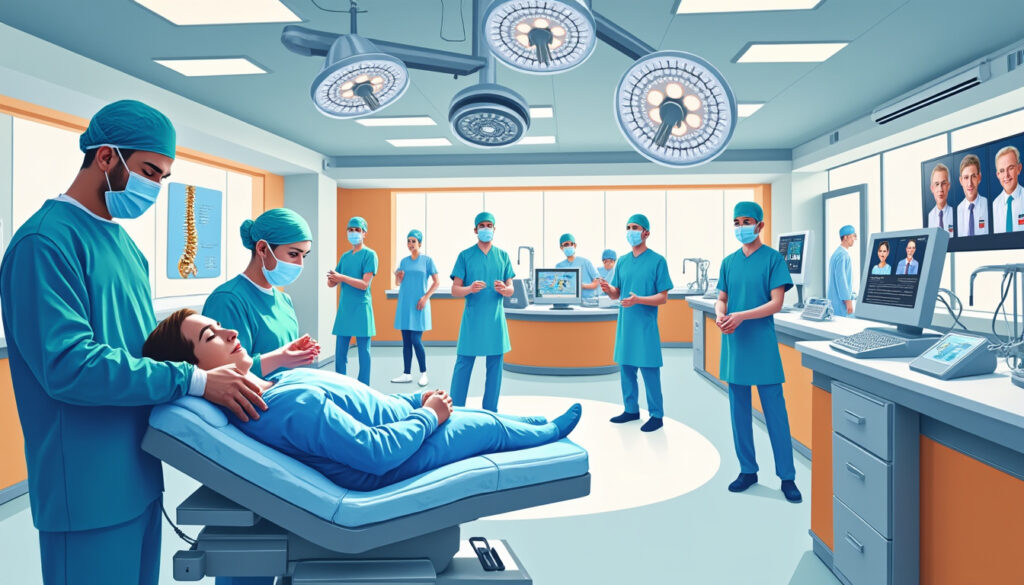
Minimally Invasive Surgery in Longueuil: Quick and Effective Recovery
Minimally invasive surgery in Longueuil is reshaping the future of spine care with innovative techniques that prioritize patient well-being and prompt recovery. This approach combines advanced surgical methods, tailored patient evaluations, and international collaboration to offer exceptional solutions for individuals…
Comprehensive Conservative Treatment: The Essential Precursor to Surgery
In spine care, any surgical intervention must be considered only after a judicious attempt at conservative management. International treatment guidelines and Dr. Desforges’s clinical expertise converge in recommending at least 3 to 6 months of targeted conservative therapies before contemplating surgery.
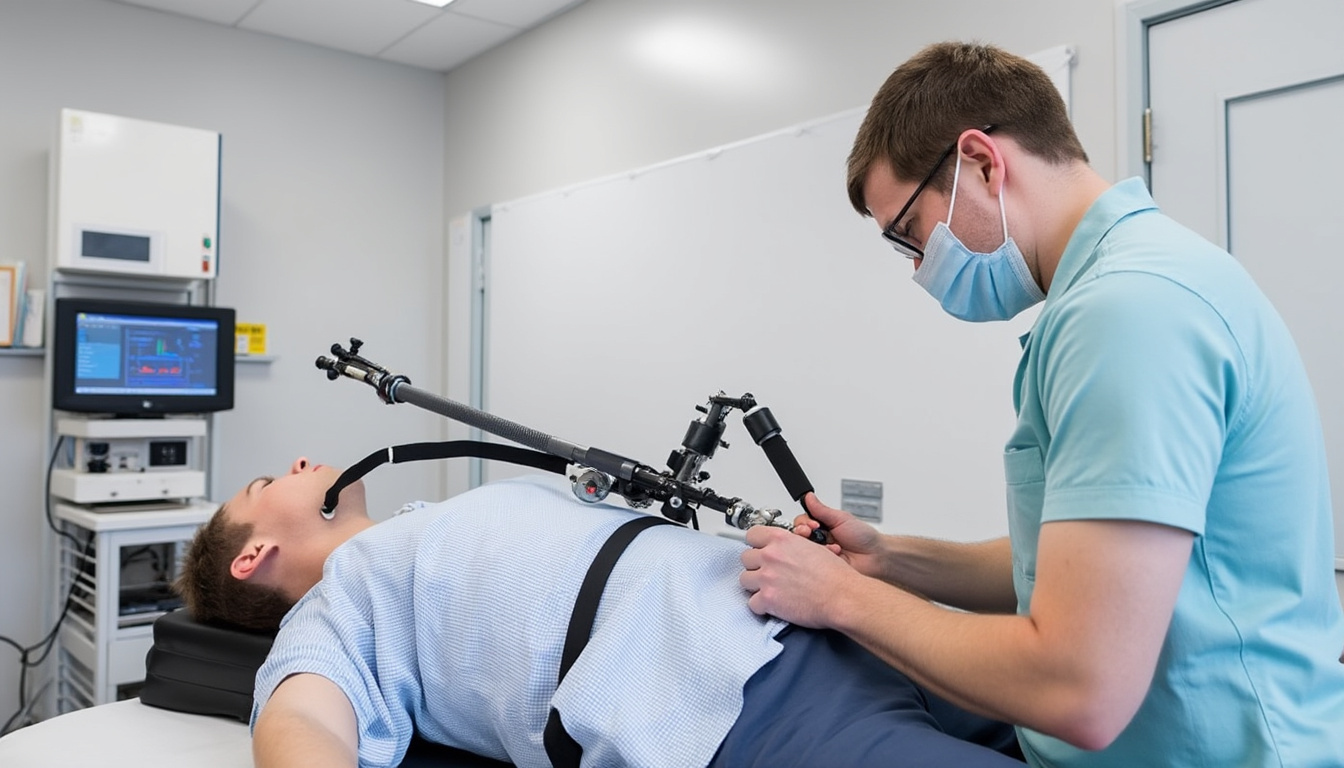
Crucially, if patients have not yet benefited from advanced neurovertebral decompression—a hallmark therapy at TAGMED Clinic—this modality should be integrated into their treatment plan beforehand. This robotic-assisted traction method precisely relieves nerve root compression, potentially avoiding surgery altogether.
Conservative care typically includes:
- Neurovertebral decompression: Targeted unloading of spinal segments to reduce pressure and inflammation.
- Manual osteopathy and physiotherapy: Techniques focusing on joint mobilization, muscle strengthening, and functional restoration.
- Pharmacological management: Use of appropriate analgesics and anti-inflammatory agents tailored to patient needs.
- Patient education and lifestyle adjustments: Ergonomic guidance, postural correction, and activity modification to support spinal health.
Only after this comprehensive conservative phase has been exhausted without satisfactory improvement should the patient and care team consider advanced surgical options such as the IntraSPINE intervention. This methodical approach reflects a commitment to evidence-based, ethical practice and optimizes patient outcomes.
Learn more about the role of neurovertebral decompression at TAGMED Clinic in preparing patients for possible surgical pathways.
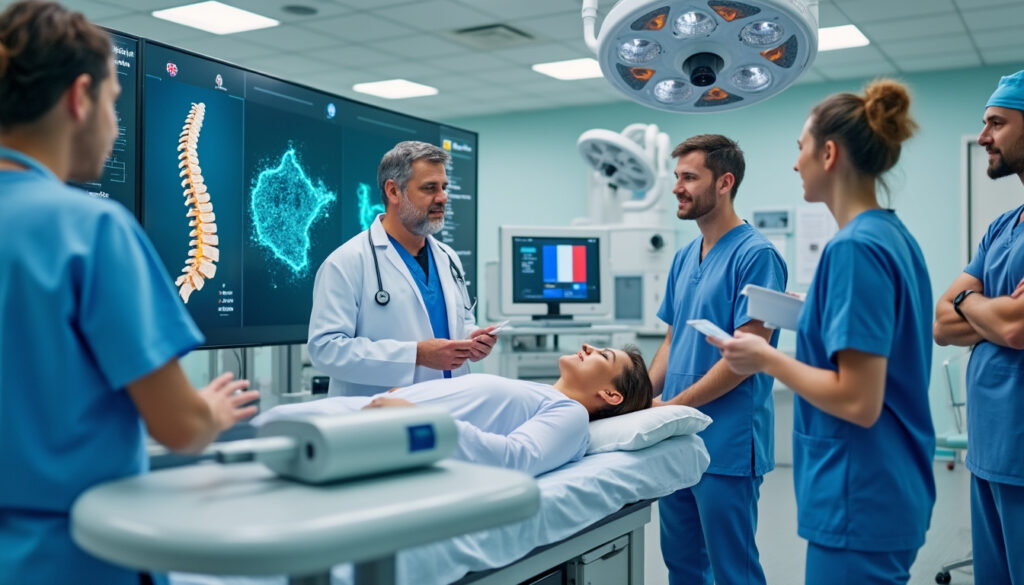
Neck Surgery in Montreal: Modern Techniques for Cervical Preservation
The evolving landscape of neck surgery in Montreal offers transformative possibilities for patients seeking effective, modern interventions that prioritize the preservation of cervical spine function. With advancements in minimally invasive surgical methods, cutting-edge technologies, and a patient-centered continuum of care,…
Distinctive Features and Added Value of IntraSPINE Treatment in the Franco-Canadian Network
The IntraSPINE treatment available in Laval stands out due to its integration within a specialized Franco-Canadian spine care network. Patients benefit from distinctive advantages such as:
- Access to innovative dynamic implants: Devices like IntraSPINE are often unavailable or limited in Canada’s public system but are readily offered through partnerships with advanced French surgical centers.
- Expertise with rigorous assessments: The comprehensive evaluations conducted by Dr. Desforges ensure that each patient is guided toward the most appropriate treatment path based on nuanced understanding of their spinal health.
- Seamless international coordination: From Quebec-based conservative therapies to French surgical intervention and Canadian postoperative rehabilitation, the process prioritizes continuity and quality at every stage.
- Personalized patient education: Clear communication demystifies complex spinal conditions and treatment stages, enabling patients to engage actively and confidently in their care decisions.
- Compliance with Canadian professional standards: All interventions respect strict ethical and regulatory frameworks, ensuring the highest safety standards.
This holistic model fosters better functional outcomes, reduced wait times, and greater patient satisfaction by combining technological innovation with human-centered care.
Disc Prosthesis in Lévis: Full Restoration of Spinal Function
In Lévis, the advent of disc prosthesis marks a pivotal evolution in managing chronic back pain, especially for patients seeking alternatives to prolonged waits or costly private care in Quebec. This innovative approach revolves around replacing damaged intervertebral discs to…
Economic and Human Benefits of Transatlantic SpineCare Coordination
The collaboration between Canadian healthcare providers and French surgical teams brings remarkable economic and experiential advantages to patients:
| Aspect | Canadian Public System | Transatlantic SpineCare (Canada-France) |
|---|---|---|
| Average Surgery Wait Time | 12-18 months | 2-3 months |
| Access to Dynamic Implants | Limited | Extensive availability |
| Comprehensive Follow-Up | Variable and fragmented | Coordinated and continuous |
| Out-of-Pocket Expenses | High for private care | Moderate and transparent |
| Patient Education & Support | Minimal | Robust, ongoing |
Patients report enhanced satisfaction due to shorter delays, clear communication channels, and personalized support. This economic advantage, combined with high safety and quality standards, strengthens the appeal of seeking spine treatment through this transatlantic model.
Motion Surgery in Terrebonne: Preserve Natural Spinal Biomechanics
In the field of spinal care, preserving the natural mechanics of the spine while addressing debilitating conditions has become paramount. As patients in Terrebonne and across Quebec seek innovative treatment options to alleviate chronic back or neck pain, Motion Surgery…
A Patient-Centered Approach Fostered by Dr. Desforges’s Expertise
Recognizing that chronic back pain impacts both physical and emotional health, Dr. Desforges maintains a compassionate and informative approach to patient care. He advocates for transparent dialogue, encouraging patients to ask questions and understand the full scope of their spinal health options.
The emphasis on clear explanations of technically complex interventions helps demystify treatments such as IntraSPINE, highlighting their indications, limitations, and expected results. This educational effort empowers patients to make decisions aligned with their values and lifestyles.
Furthermore, Dr. Desforges tailors evaluations and recommendations to the unique circumstances of each individual, reinforcing a sense of personalized care that is often absent in large healthcare systems. Patients engage as informed partners, strengthening adherence to treatment plans and optimizing outcomes.
What distinguishes IntraSPINE from traditional spinal fusion?
IntraSPINE provides dynamic stabilization that preserves natural spinal motion, reducing adjacent segment stress and avoiding the stiffness often caused by fusion surgery.
Is surgery always necessary for chronic back pain?
Surgery is considered only after 3 to 6 months of comprehensive conservative treatment, including neurovertebral decompression, osteopathy, and rehabilitation, to ensure non-surgical options have been fully explored.
How does the transatlantic care pathway improve treatment timelines?
Collaborative coordination between Canadian and French healthcare teams significantly shortens surgery wait times to 2-3 months, providing quicker access to advanced spinal interventions.
What role does TAGMED Clinic play in this spine care model?
TAGMED Clinic provides specialized conservative spinal treatments such as robotically assisted neurovertebral decompression, which is critical to optimizing patient status before considering surgery.
How is follow-up care managed after returning from surgery abroad?
Postoperative follow-up is managed in Quebec through Neurothérapie Montréal, ensuring continuous rehabilitation and personalized adjustments to support optimal recovery.
Lumbar Disc Prosthesis in Saguenay: Innovative and Durable Solution
In the Saguenay region, the persistent challenge of chronic lumbar pain affects a significant portion of the population, driving a renewed interest in advanced and efficient treatment options. Traditional spinal surgeries, particularly fusion procedures, while effective in numerous cases, often…