How Franchir’s Role is Revolutionizing Care for Quebec Patients
July 10, 2026
Boucherville Sciatica Relief Without Invasive Treatments
July 10, 2026
Minimally invasive surgery in Longueuil is reshaping the future of spine care with innovative techniques that prioritize patient well-being and prompt recovery. This approach combines advanced surgical methods, tailored patient evaluations, and international collaboration to offer exceptional solutions for individuals challenged by chronic back or neck pain. Patients who face long wait times or costly treatments in Quebec now have access to cutting-edge procedures emphasizing tissue preservation, reduced postoperative discomfort, and swift return to daily activities.
Backed by over 30 years of expertise, Dr. Sylvain Desforges stands at the forefront of this evolution. As a renowned osteopathy expert and founder of key Canadian associations, his precision in spinal pathology assessments and commitment to evidence-based care offer patients a reassuring pathway through complex decisions. With a deep respect for medical ethics and scientific rigor, Dr. Desforges navigates patients across the Canada-France corridor, ensuring that advanced minimally invasive options are accessible, safe, and personalized.
This article explores the spectrum of minimally invasive surgical techniques in Longueuil, the comprehensive patient journey from evaluation to recovery, and the unique biomechanical and economic advantages of international care coordination. It highlights the essential role of conservative treatments before surgery, the integration of innovative technology like dynamic implants and neurovertebral decompression, and a patient-centric philosophy that fosters empowerment through clear communication. Whether addressing herniated discs, spinal stenosis, or degenerative conditions, Longueuil is becoming a hub of medical innovation and compassionate spinal care.
Understanding Minimally Invasive Surgery in Longueuil: Techniques and Patient Benefits
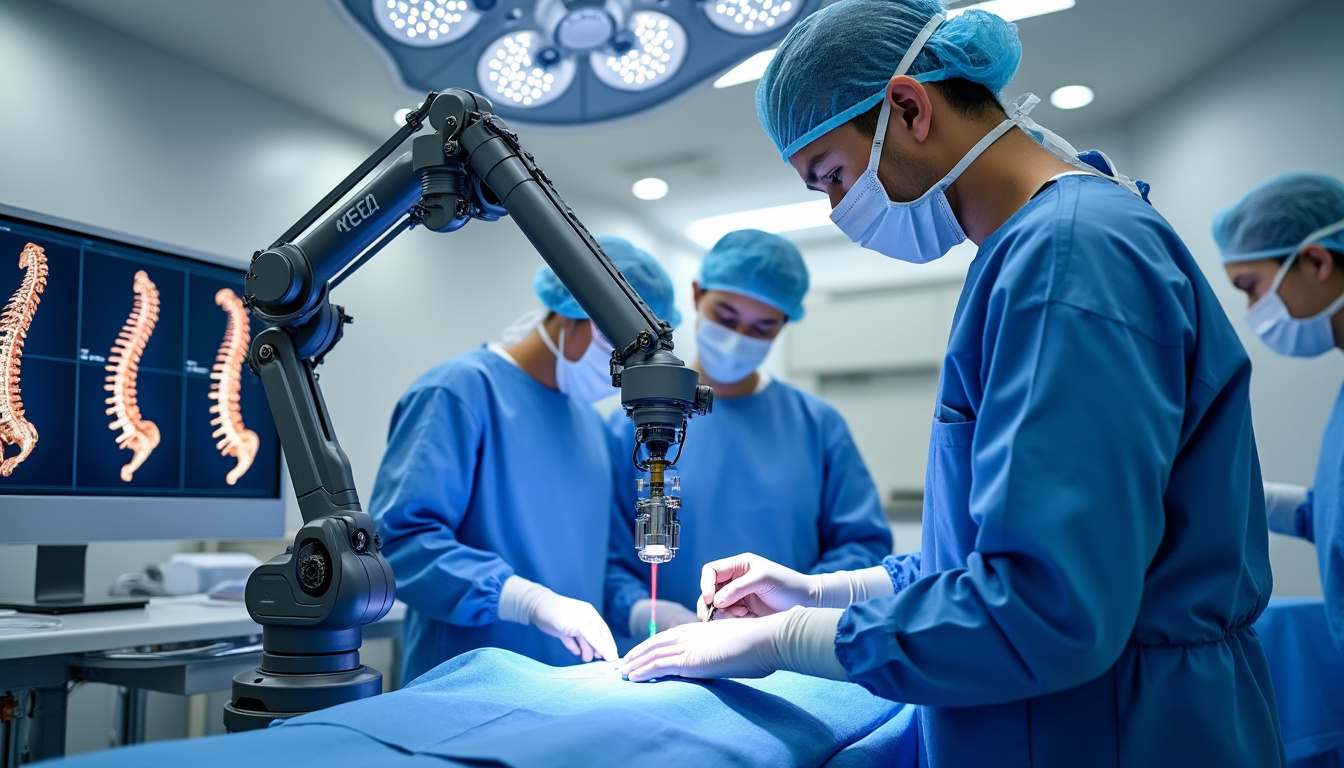
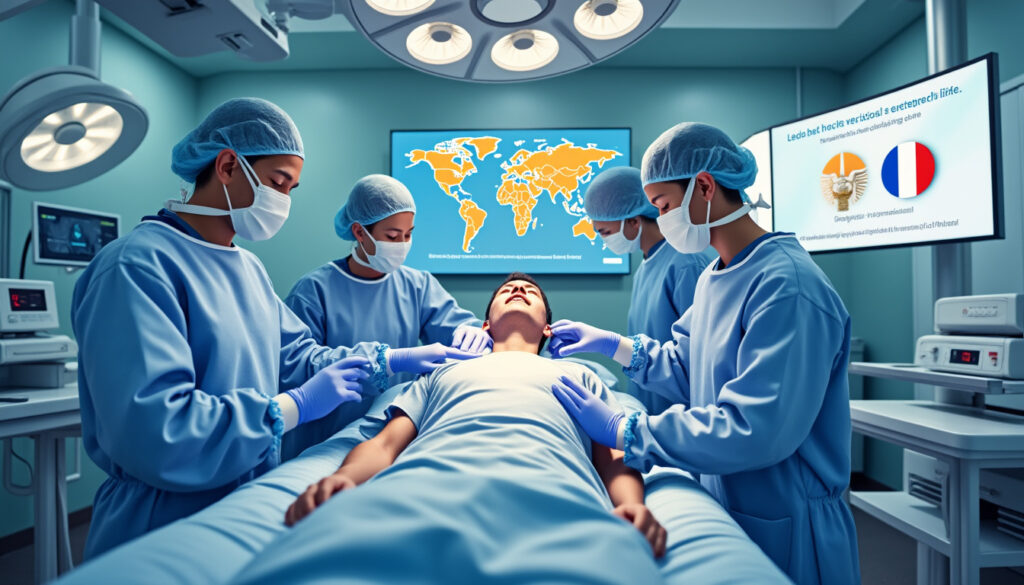
Minimally invasive surgery (MIS) represents a transformative shift in spinal care, differing markedly from traditional open surgeries that often involve large incisions and significant muscle dissection. In Longueuil, this approach employs small incisions through which surgeons utilize specialized instruments and high-definition imaging to precisely address spinal pathologies while minimizing damage to surrounding tissues.
The chief benefits are substantial. Patients experience less surgical trauma, reduced bleeding, and far less postoperative pain compared to conventional methods. This results in quicker healing times and the preservation of natural spinal mobility, which can be crucial for maintaining quality of life. Individuals suffering from conditions such as herniated discs, spinal stenosis, degenerative disc disease, and spinal instability find MIS to be a highly effective option.
For example, a patient with a nerve-compressing herniated disc can undergo decompression through targeted removal of the problematic tissue while muscles and ligaments remain largely intact. This precision decreases the likelihood of postoperative complications and expedites recovery, allowing earlier mobilization — a key factor in preventing secondary risks like deep vein thrombosis or muscle atrophy.
Technological advancements such as robotic assistance, computer-guided navigation, and laser systems have enhanced the surgeon’s ability to execute delicate maneuvers with exactitude. Under the expert guidance of Dr. Sylvain Desforges, these innovations are integrated within a framework of ethical patient care and rigorous scientific standards. Patients benefit not only from the technical merits of MIS but from a holistic care model focused on transparency, personalized education, and postoperative support.
Hospital stays for minimally invasive procedures often span just one or two days, in contrast to the prolonged inpatient recovery characteristic of traditional surgeries. This reduction in hospitalization facilitates faster reintegration into personal and professional routines. Moreover, the minimized tissue trauma and preservation of biomechanical function contribute significantly to long-term spinal health, reducing the chance of adjacent segment disease which is a known complication in extensive fusion surgeries.
Discover more about how minimally invasive surgery in Longueuil reduces recovery time and preserves mobility for those exploring advanced spine care options.

IntraSPINE® in Sherbrooke: Durable Solution for Chronic Low Back Pain
The management of chronic low back pain, a widespread condition affecting millions across Quebec and beyond, has reached a pivotal moment thanks to innovative medical technologies and coordinated care pathways. At the heart of this evolution lies the IntraSPINE implant,…
Variety of Minimally Invasive Surgical Techniques Available in Longueuil
The minimally invasive surgery landscape in Longueuil encompasses a variety of targeted techniques designed to meet the diverse needs of patients with spine conditions. Each procedure is selected based on a thorough evaluation to ensure optimal alignment with the patient’s pathology and lifestyle.
Simple Decompression Surgery
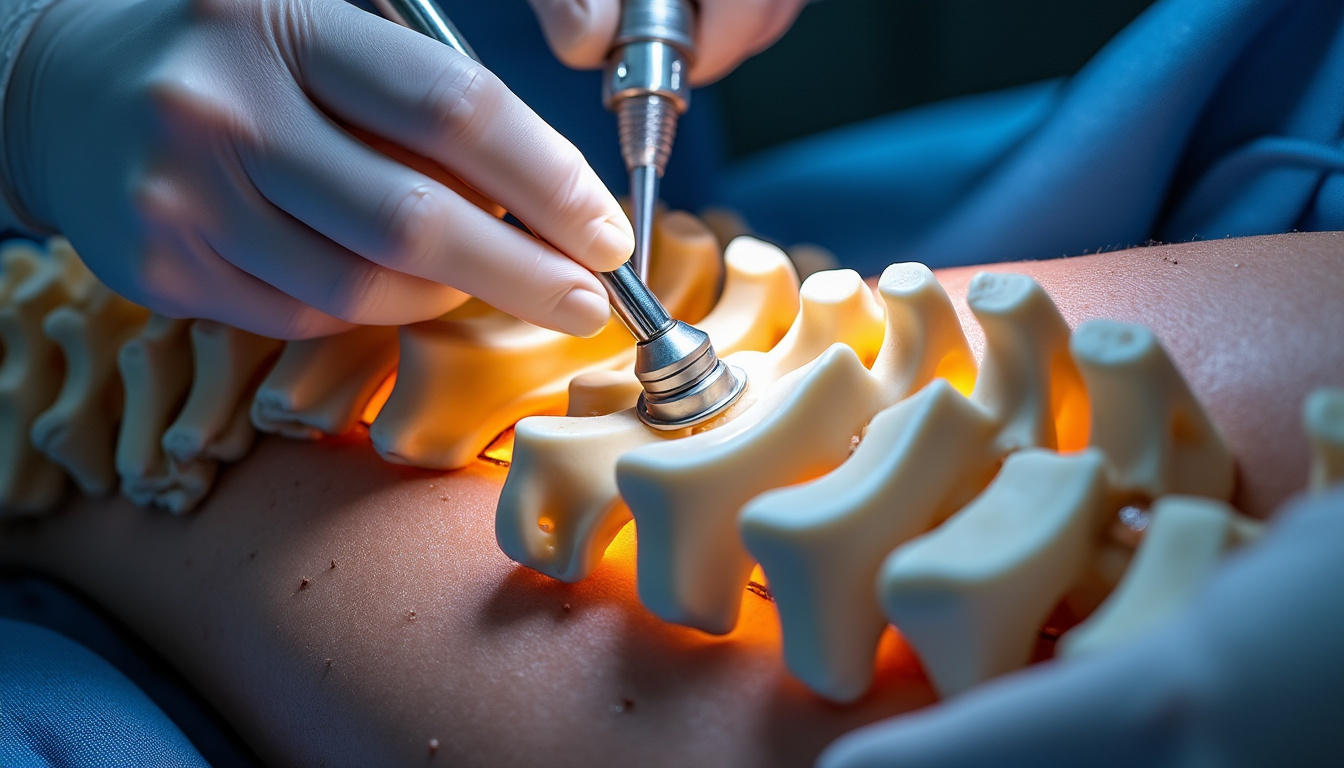
This technique uses very small incisions to relieve nerve pressure caused by herniated discs or spinal stenosis. Surgeons carefully remove or reshape bone and soft tissue to restore nerve function. The benefits include limited muscle disruption and significantly reduced postoperative pain, enabling quick mobilization.
Minimally Invasive Spinal Fusion
In cases where spinal instability is evident, fusion surgery stabilizes affected vertebral segments by joining two or more vertebrae. Unlike traditional fusion that often requires extensive tissue disruption, the minimally invasive approach uses smaller incisions and instruments that preserve the surrounding musculature. Recovery times are correspondingly shorter, and hospital stays briefer, as the surgical technique focuses on minimizing collateral damage while achieving stability.
Motion Preservation Surgery
Emerging as a revolutionary strategy, motion preservation surgery utilizes implants such as artificial discs to maintain natural spinal movement. This approach is particularly well-suited for younger, active patients or those wishing to avoid the movement restrictions typical of fusion surgery. By preserving biomechanics, it also reduces stress on adjacent spinal segments and may improve long-term outcomes.
For instance, a patient with degenerative disc disease might opt for artificial disc replacement performed via minimally invasive techniques to retain spinal flexibility. This choice exemplifies how surgical personalization, steered by expert evaluation, can maintain active lifestyles without compromising pain relief.
- Simple decompression surgery: targeted nerve relief with minimal tissue trauma.
- Spinal fusion: stabilizing vertebrae with minimal invasiveness to promote rapid recovery.
- Motion preservation: using advanced implants to conserve spinal mobility and function.
Read about how mobility is regained after minimally invasive surgery in Longueuil, showcasing innovative surgical techniques tailored for spine preservation.
Spine Surgery in Trois-Rivières: Reduce Pain and Preserve Mobility
In recent years, spine surgery in Trois-Rivières has evolved notably, combining advanced medical expertise with innovative technologies to deliver patient-centered care. This growing field addresses the increasing demand among Quebec residents seeking effective solutions for chronic back pain and mobility…
Step-by-Step Patient Journey for Minimally Invasive Surgery in Longueuil and International Coordination
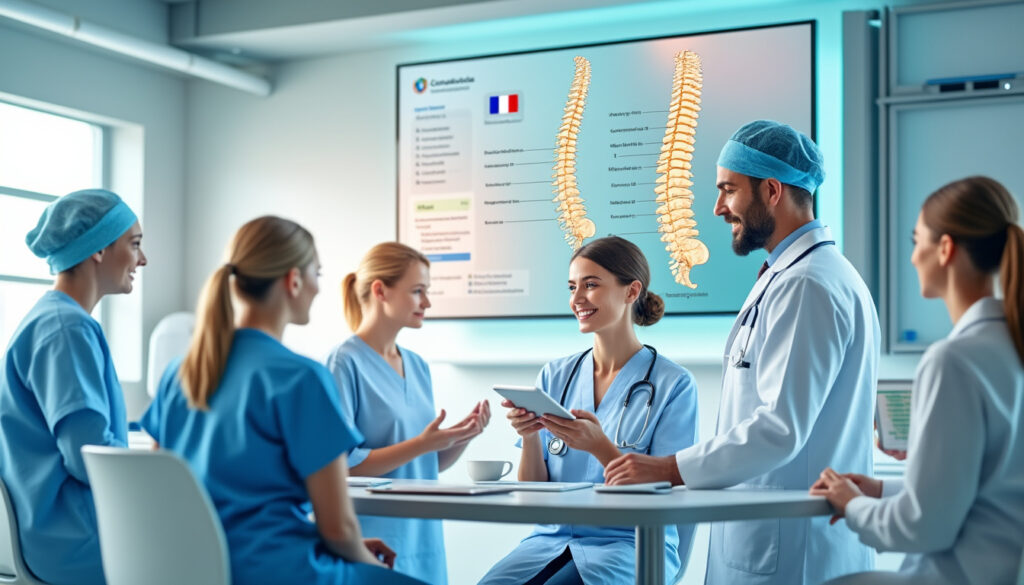
Embarking on a minimally invasive surgical path requires meticulous planning and a comprehensive patient-centered approach. Dr. Sylvain Desforges facilitates this journey with an emphasis on thorough evaluation, conservative care trials, and seamless coordination between Canadian and French medical teams.
Initial Expert Evaluation
Patients begin with an in-depth assessment including physical examinations, advanced imaging studies, and functional analysis. Dr. Desforges’s expertise in interpreting these elements ensures that every facet of the patient’s condition is understood. This foundation enables a tailored care strategy that respects individual anatomy and goals.
Conservative Treatments First
A cornerstone of care philosophy is the prescribed trial of conservative therapies lasting three to six months before considering surgery. Especially notable is the availability of neurovertebral decompression treatment at the Clinique TAGMED in France, a leading center for non-invasive spinal care modalities. This period allows symptom relief through non-surgical means and often reduces or delays the need for an operation.
Surgical Planning and Transatlantic Coordination
When surgical intervention is warranted, Dr. Desforges orchestrates the logistics for the procedure, often involving facilities in France equipped with technologies and implants that may not be readily accessible in Canada. The partnership includes tight scheduling to optimize waiting times and ensure a smooth transition between preoperative care, surgery, and rehabilitation.
Postoperative Rehabilitation and Follow-up
Recovery does not end at surgery; it extends through structured rehabilitation programs customized to patient needs and condition severity. The collaborative medical teams across continents deliver coordinated support including physiotherapy, osteopathic care, and ongoing neurological monitoring. This ensures sustainable healing and functional restoration after discharge back to Quebec.
| Stage | Description |
|---|---|
| Evaluation | Comprehensive clinical and imaging assessment by Dr. Desforges to determine optimal treatment options. |
| Conservative Care | 3 to 6 months of therapies including neurovertebral decompression at Clinique TAGMED to maximize non-surgical relief. |
| Surgical Coordination | Planning and scheduling minimally invasive surgery mainly in France, coordinating international logistics. |
| Postoperative Care | Structured follow-up and rehabilitation to ensure rapid and sustained recovery. |

TOPS™ in Gatineau: High-Performance Option for the Lumbar Spine
The landscape of spinal surgery has witnessed profound evolution, particularly for patients grappling with lumbar spine disorders such as spinal stenosis and spondylolisthesis. These conditions, increasingly prevalent among Quebec’s population, impose substantial limitations on mobility and quality of life. The…
Biomechanical and Human Advantages of Minimally Invasive Procedures
The preservation of natural spinal architecture during minimally invasive surgery offers significant biomechanical benefits. By limiting damage to muscles, ligaments, and other soft tissues, these procedures help maintain spinal stability and flexibility postoperatively. This advantage is crucial to preventing complications like adjacent segment degeneration often seen after extensive fusion surgeries.
From a human perspective, patients experience less postoperative pain and a reduced metabolic impact compared to traditional surgeries. Minimally invasive techniques support shorter hospital stays—many lasting only one to two days—and decreased risk of infection or surgical complications. Hence, overall life disruption is substantially minimized.
Patients typically report an earlier return to daily activities, including work and moderate physical exercise. This prompt resumption is not only physically rewarding but reinforces psychological well-being, establishing a positive feedback loop in recovery. Long-term spinal health is also promoted by maintaining spinal motion through advanced implants and careful surgical planning.
Explore strategies that minimize postoperative pain for a faster recovery after minimally invasive surgery in Longueuil, assuring patients a more comfortable healing phase.
Cervical Disc Prosthesis in Quebec City: Avoid Post-Surgery Stiffness
Chronic neck pain remains a significant challenge for thousands of residents in Quebec City every year, often leading them to seek effective spinal surgery options that minimize downtime and maximize long-term mobility. Among the recent advancements revolutionizing cervical spine care,…
Integrating Advanced Technologies in Longueuil’s Minimally Invasive Surgery
Medical innovation is central to the success of contemporary spinal surgery. Longueuil’s centers embrace cutting-edge technologies such as laser-assisted decompression, dynamic implants, and robotic navigation, which enhance precision and reduce tissue trauma. These innovations translate into diminished pain and swifter postoperative healing, instrumental in promoting a quick recovery.
Laser technology, for instance, allows surgeons to delicately target affected areas and alleviate nerve compression without extensive dissection. Dynamic or motion-preserving implants maintain natural spine mechanics, preventing secondary degeneration in adjacent segments. Robot-assisted systems improve surgical accuracy and reduce human error.
Such technologies are integrated within a rigorous clinical protocol overseen by experts like Dr. Desforges who prioritize patient safety and adherence to Canadian and Quebec regulatory standards. These high standards ensure that every patient benefits from optimal outcomes in both safety and function.
- Laser-assisted nerve decompression to minimize collateral tissue damage
- High-tech dynamic implants to maintain natural spine motion
- Robotic and computer-assisted surgical systems for enhanced precision
Minimally Invasive Surgery in Longueuil: Reduce Hospital Stay Duration
In recent years, advances in spinal care have dramatically reshaped the treatment landscape for patients suffering from debilitating spinal conditions. Particularly in Longueuil, the emergence of minimally invasive surgery (MIS) techniques offers a transformative alternative to conventional open surgeries. These…
Essential Role of Conservative Treatments Before Minimally Invasive Surgery
Prior to any surgical consideration, patients are encouraged to complete a thorough course of conservative therapies, typically lasting between three and six months. This ethical and scientific protocol aligns with the standards set forth by the Collège des médecins du Québec and ensures surgery remains a last resort option.
Clinique TAGMED stands out as a premier facility offering evidence-based neurovertebral decompression and other advanced therapies. Many patients with herniated discs or spinal stenosis experience significant symptom relief through such nonsurgical interventions, reducing or even eliminating the need for surgery.
For example, treatment involving targeted decompression gently alleviates nerve pressure without incisions, promoting natural healing processes. Patients who bypassed this phase prematurely often encounter less favorable surgical outcomes. Therefore, Dr. Desforges insists on this preparatory step to optimize results and patient safety.
This conservative-first philosophy not only respects patient welfare but facilitates informed decision-making. It provides individuals ample time to understand their condition, evaluate non-invasive options, and enter surgery only when justified by clinical evidence and after exhausting non-surgical measures.
IntraSPINE® in Laval: Modern Solution for Lumbar Stabilization
In the evolving landscape of orthopedic treatments, the city of Laval has become a hub for innovations addressing chronic lower back pain. Among the groundbreaking solutions gaining attention is the IntraSPINE device—a modern spinal implant designed to offer dynamic lumbar…
Advantages of Transatlantic Coordination for Spinal Surgery Patients
A distinctive and valuable feature in the care provided under Dr. Desforges’s guidance is the transatlantic coordination between Canada and France. Quebec patients gain expedited access to specialized facilities offering minimally invasive procedures and motion-preserving implants that may not yet be widely available domestically.
This international collaboration optimizes patient pathways by reducing waiting times, enabling access to advanced medical technology, and ensuring continuity of care preoperatively and postoperatively. Coordination with trusted partners such as SOS Tourisme Médical streamlines logistical, administrative, and communication challenges often encountered during cross-border care.
From a biomechanical standpoint, access to state-of-the-art surgical options means patients benefit from interventions designed to preserve maximum spine function and promote long-term health. Economically, this model offers cost-efficiency by minimizing prolonged hospital stays and accelerating the return to productivity.
| Aspect | Transatlantic Minimally Invasive Surgery | Local Traditional Surgery |
|---|---|---|
| Access to Technology | Cutting-edge implants and imaging are available | Limited by regional and institutional availability |
| Recovery Time | Weeks instead of months | Often several months |
| Hospital Stay | Short stays of 1-2 days or outpatient procedures | Extended hospitalization |
| Postoperative Mobility | Preserved or improved mobility due to motion-preserving techniques | Frequently reduced, especially after fusion surgeries |
| Waiting Time | Optimized through international coordination | Potentially long delays |
Neck Surgery in Montreal: Maintain Cervical Flexibility and Function
Neck conditions causing persistent pain or functional loss place a substantial burden on individuals and healthcare systems, especially in urban centers like Montreal. Surgical interventions targeting the cervical spine have evolved tremendously, aiming not only to relieve symptoms but to…
Patient Mobility and Quality of Life After Minimally Invasive Surgery
Restoring and maintaining mobility is a fundamental objective in spinal surgery. Minimally invasive techniques conventionally allow patients to resume normal activities faster due to less muscle injury and pain. Many report improved capacity for walking, light recreation, and even work duties soon after surgery.
The interplay between physical recovery and mental health is paramount. Rapid return to daily functions alleviates anxiety and fosters confidence. Comprehensive rehabilitation programs under the supervision of osteopaths and physiotherapists ensure balanced strength recovery and promote correct biomechanical alignment, critical for preventing future spinal problems.
Dr. Sylvain Desforges advocates for patient education as part of recovery, empowering individuals with knowledge about spinal health, safe movements, and gradual activity progressions. This holistic support nurtures a sustainable lifestyle improvement beyond the operating room.

Disc Prosthesis in Lévis: Quick and Long-Lasting Results
Chronic back pain caused by degenerative disc disease continues to profoundly impact the quality of life for many residents in Lévis and the broader Quebec area. For decades, traditional spinal fusion surgery has been the primary solution for alleviating severe…
Ongoing Commitment to Scientific Rigor, Ethics, and Patient-Centered Care
Throughout the surgical journey, the principles of scientific rigor, ethical responsibility, and patient-centric care guide every decision. Dr. Desforges’s extensive qualifications (B.Sc., D.O., N.D.) and leadership roles—including founder-president of the ACMA and the Collège des Ostéopathes Canadiens—embody this dedication.
Rather than hastily recommending surgery, he ensures exhaustive conservative management and provides detailed explanations to demystify complicated medical concepts. This education fosters patient empowerment, allowing them to make informed decisions aligned with personal values and medical realities.
The emphasis on safety, efficacy, and compliance with Quebec and Canadian regulations, including the Collège des médecins, reassures patients that their care adheres to the highest standards. This humanized approach prioritizes individual uniqueness, acknowledging that each person’s spine health deserves a personalized evaluation and tailored management plan.
Who is an ideal candidate for minimally invasive surgery in Longueuil?
Ideal candidates undergo a comprehensive evaluation considering anatomical, physiological, and personal factors to ensure appropriateness.
How long does a typical neurovertebral decompression session last?
Sessions generally last between 5 and 15 minutes depending on the treated spinal area.
What postoperative follow-up is provided after surgery?
Patients receive structured follow-ups with regular check-ups and rehabilitation support tailored to their progress.
What are the types of minimally invasive surgeries available?
The main interventions include fusion surgery, motion preservation surgery, and endoscopic decompression.
How can one start a transatlantic surgical journey?
Our team coordinates all stages in partnership with surgeons and clinics to facilitate a smooth and efficient process.