Minimally Invasive Surgery in Longueuil: Easing Post-Operative Pain for a Faster Recovery
June 28, 2026
Spinal Care in France vs. Quebec: Personal Stories and Insights
June 28, 2026
The field of spinal surgery has witnessed a remarkable transformation with the introduction of cutting-edge implants like TOPS, Intraspine, and ESP. These innovations represent a major leap beyond traditional spinal fusion, offering dynamic stabilization options that preserve the natural biomechanics of the spine while improving patient outcomes. With technological advancements and cross-continental collaboration between Quebec and French medical centers, patients now have access to personalized, minimally invasive procedures designed to maximize recovery and maintain mobility. User testimonials and experience insights highlight the profound impact of these devices on quality of life, spotlighting their role in reshaping spine technology in 2026.
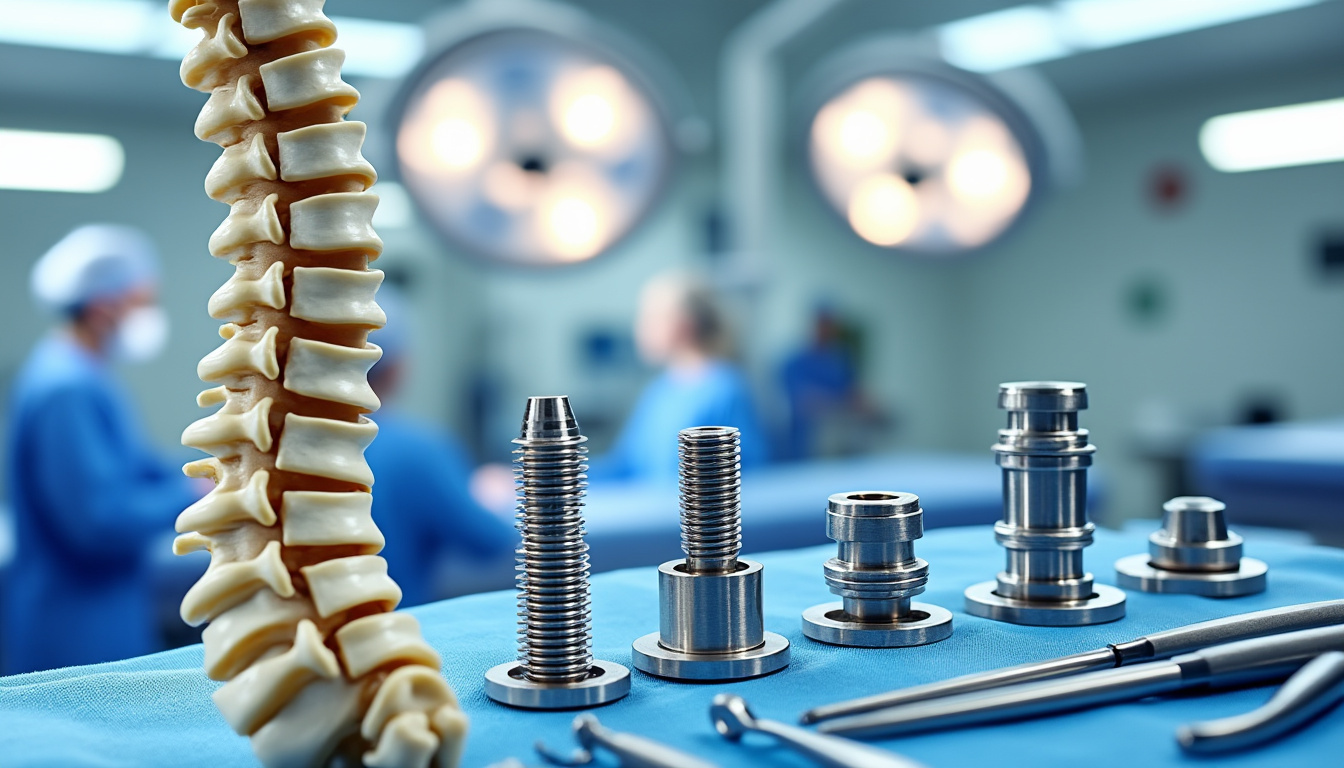
These state-of-the-art implants exemplify the fusion of medical engineering and surgical expertise. TOPS offers multi-directional stabilization for moderate lumbar stenosis and spondylolisthesis, while Intraspine functions as an interspinous support device tailored to control flexion in cases of moderate instability and chronic lumbar pain. The ESP system, employing viscoelastic components, emphasizes shock absorption and neurogenic pain reduction. As these devices gain traction, they challenge the entrenched reliance on spinal fusion by enhancing mobility and reducing adjacent segment degeneration.
The coordinated healthcare journey, bridging Quebec and France, addresses patient needs holistically—from preoperative evaluation to postoperative rehabilitation—ensuring high standards of care and seamless logistics. This article delves into user experiences and clinical performance, underscoring the vital characteristics and benefits of TOPS, Intraspine, and ESP implants that define the future of spinal surgery.
Understanding the Biomechanical Advantages of TOPS, Intraspine, and ESP Implants in Modern Spine Surgery
The evolution of spinal implants from rigid fusion devices toward dynamic stabilization reflects a paradigm shift in spine surgery practice. Unlike traditional spinal fusion, which immobilizes affected segments thereby risking accelerated degeneration of adjacent vertebrae, TOPS, Intraspine, and ESP implants restore and preserve physiological movement. This innovation not only addresses pain but also aims to maintain spinal balance and function.
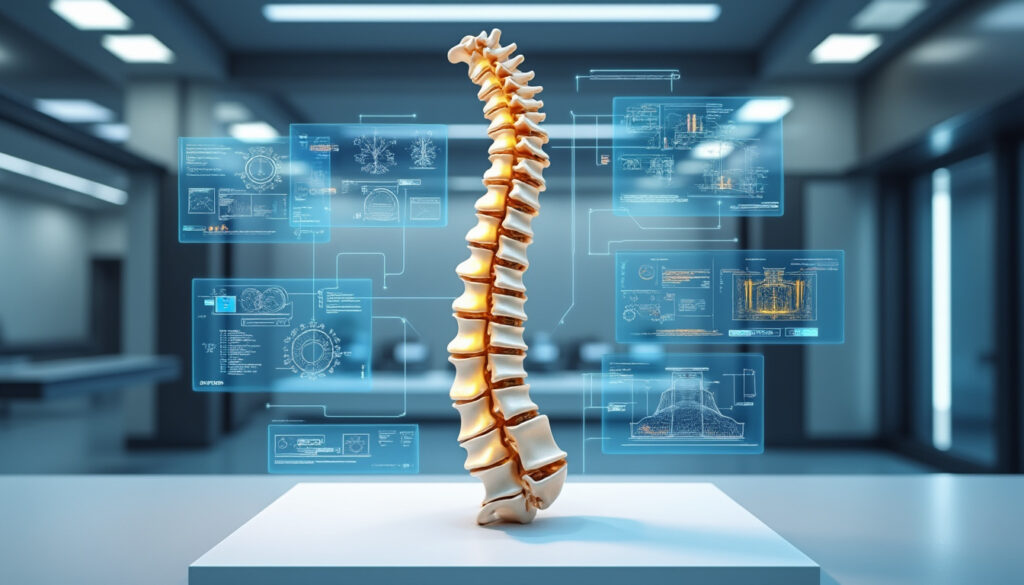
TOPS is designed to replace facets and associated ligamentous structures removed during decompression surgeries. Its sophisticated articulated mechanism facilitates movement across multiple planes, including flexion, extension, lateral bending, and axial rotation. These multi-directional capabilities enable the implant to provide stability without eliminating segment mobility, minimizing overload on adjacent spinal levels.
Intraspine, implanted between the spinous processes, provides a controlled support system that limits excessive flexion while maintaining segmental motion. Such targeted stabilization is particularly beneficial in patients suffering from moderate lumbar instability and chronic low back pain, offering a less invasive alternative to fusion with quicker recovery times.
The ESP implant differentiates itself by leveraging viscoelastic technology. Its composition, primarily utilizing high-performance polyethylene components coupled with a viscoelastic core, serves to attenuate mechanical stresses dynamically. This attenuation helps reduce neurogenic pain and limits further spinal degeneration, facilitating better patient comfort and functional outcomes.
A detailed comparison of these implants’ biomechanical characteristics can clarify their respective therapeutic niches:
| Implant | Stabilization Type | Movements Preserved | Indications | Surgical Approach | Recovery Profile |
|---|---|---|---|---|---|
| TOPS | Multidirectional stabilization | Flexion, extension, lateral bending, axial rotation | Moderate lumbar stenosis, spondylolisthesis | Minimally invasive with intraoperative navigation | Rapid functional recovery |
| Intraspine | Interspinous support | Controlled flexion | Moderate instability, chronic low back pain | Minimally invasive | Swift postoperative rehabilitation |
| ESP | Dynamic viscoelastic damping | Flexibility, shock absorption | Neurogenic pain, prevention of post-surgical degeneration | Minimally invasive or standard | Variable depending on case complexity |
This ensemble of implants illustrates how modern spine technology focuses on integrating stability with motion preservation, directly addressing longstanding complications associated with fusion surgeries.
Spinal Care in France vs. Quebec: Personal Stories and Insights
In recent years, spinal disorders have emerged as a growing concern both in Quebec and France, highlighting significant challenges in access to specialized care, treatment costs, and patient outcomes. These difficulties have prompted a closer examination of spinal care strategies…
Insights from User Testimonials Reflecting Real-World Outcomes with TOPS, Intraspine, and ESP
Patient and surgeon testimonials accumulated through clinical trials and real-world application shed light on the significant enhancements these implants bring to spine surgery results. For example, patients who underwent the TOPS procedure report improved back mechanics and mobility as compared to traditional fusion techniques. These narratives often highlight quicker pain reduction and enhanced preservation of natural movement, enabling sustained physical activity.
Surgeons emphasize the importance of device adaptability to individual patient anatomy, and the minimally invasive nature that reduces operative time and complications. Enhanced postoperative comfort and lower incidences of adjacent segment disease have been noted across multiple clinical centers.
A rising consensus is that the TOPS system provides a meaningful alternative to fusion by delivering robust stability with the added benefit of maintaining dynamic spinal function. This is supported by patient-reported outcome measures demonstrating statistically significant improvements in daily function and pain scores when compared to conventional fusion, as documented in recent FDA trial analyses.
Intraspine testimonials also reveal benefits in managing chronic back pain with fewer restrictions on mobility following surgery. Patients report shorter hospitalization and rehabilitation stays, facilitating earlier return to work and daily activities.
The ESP implant, while slightly different in its targeted indications, has amassed popularity for neurogenic pain relief and prevention of post-laminectomy syndrome, a condition that often complicates recovery after spinal decompression. Patients describe improvements in pain and posture with preservation of sagittal spinal balance.
These user experiences are vital for understanding the practical application and patient satisfaction associated with these advanced implants, pointing toward a patient-centered model that prioritizes quality of life and functional independence.
Common Pitfalls to Avoid with Cousin Spine and Franchir Technology
The advanced integration of Cousin Spine and Franchir Technology marks a pivotal development in spinal surgery, offering patients worldwide access to innovative, motion-preserving implants and streamlined surgical pathways. However, despite these advancements, the complexity of these systems brings a set…
How Minimally Invasive Techniques Amplify the Benefits of Advanced Spinal Implants
The integration of minimally invasive surgical techniques with cutting-edge implants such as TOPS, Intraspine, and ESP has revolutionized surgical pathways. Minimally invasive procedures limit tissue disruption, reduce blood loss, and carry lower risks of infection. Additionally, they contribute to enhanced postoperative recovery, with many patients resuming functional mobility within weeks rather than months.
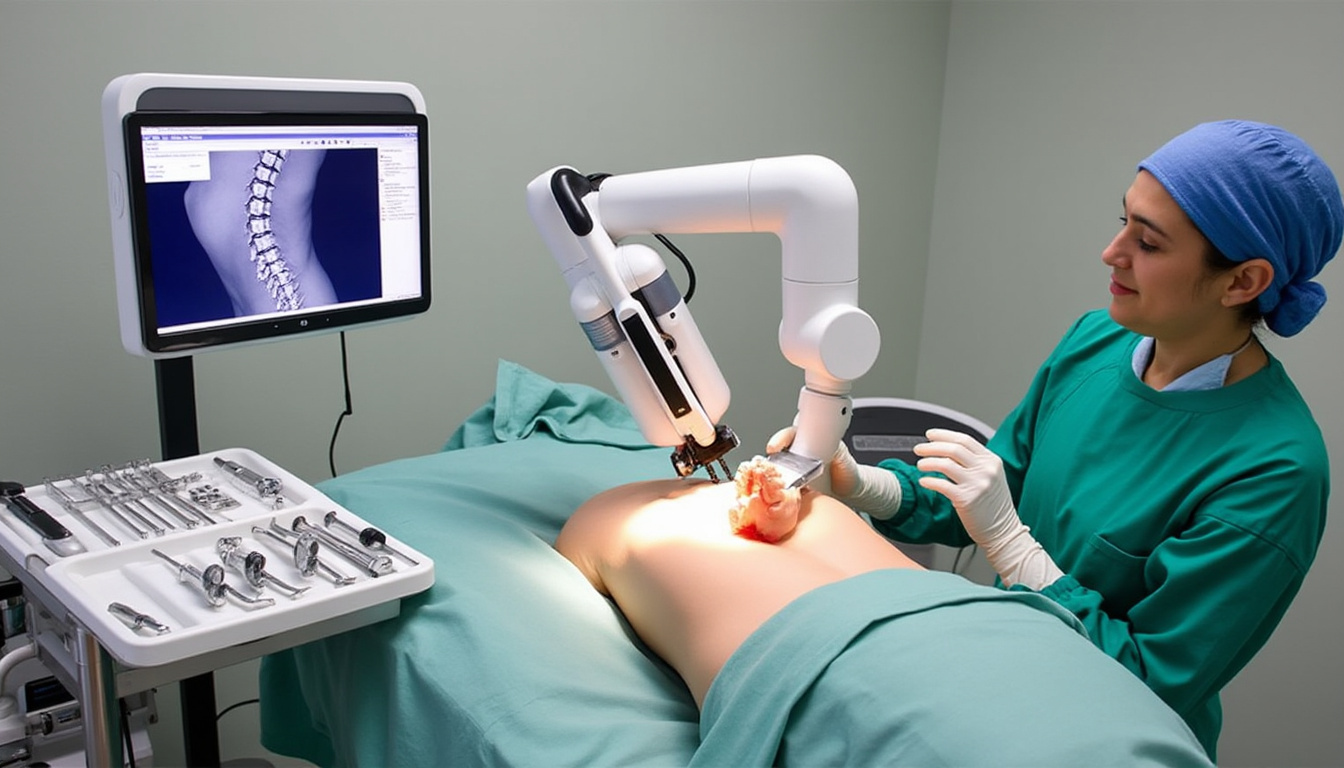
Minimally invasive approaches employ advanced navigation tools and precision robotics, enhancing implant placement accuracy. This precision reduces the risk of neurologic injury and implant malposition, which are critical in spine surgery where millimeters can make a difference in patient outcomes.
Beyond the technical advantages, these approaches shorten hospital stays and mitigate pain, accelerating rehabilitation and lowering overall healthcare costs. This approach aligns well with patient preferences observed in user testimonials, emphasizing the desire for rapid return to normal activity and reduced surgical trauma.
Several clinical programs have demonstrated that combining minimally invasive techniques with dynamic stabilization implants leads to superior outcomes. Moreover, these trends are supported by ongoing training initiatives, like endoscopic spine courses developed in collaboration with centers such as IRCAD Strasbourg, which further refine surgeon skills in these innovative methods.
The synergy between implant technology and surgical technique presents a compelling case for redefining standard spinal care, where function preservation and swift recovery are top priorities.
How to Effectively Prepare for a Comprehensive Preoperative Evaluation
Preparing for a surgical intervention requires meticulous attention to the preoperative evaluation process, a vital step that significantly influences surgical outcomes and patient safety. For patients planning spinal surgery, particularly those who journey from places like Quebec to France, this…
Exploring the Transatlantic Patient Journey: Coordinated Care Between Quebec and France
Access to cutting-edge spinal implants and expert surgical care frequently involves international collaboration, especially notable between Quebec and France. This partnership facilitates patient access to advanced technologies and highly specialized clinics equipped to perform complex spine surgeries using TOPS, Intraspine, and ESP devices.
The journey begins with thorough preoperative evaluation carried out by dedicated multidisciplinary teams such as the Clinique TAGMED in Montreal. Here, patients undergo conservative treatments, including neurovertebral decompression, for several months. Only those who do not sufficiently improve are referred to surgery, ensuring optimal patient selection and outcomes.
Organizations specializing in medical tourism, like SOS Tourisme Médical and Franchir, coordinate logistics encompassing travel, accommodation, and appointments with French surgical centers in Le Mans, Toulouse, and Bordeaux. This seamless approach reduces the anxiety and bureaucratic obstacles common in cross-border care referrals.
Following surgery, patients benefit from structured rehabilitation in Quebec, overseen by Neurothérapie Montréal, which provides post-op monitoring and teleconsultations with French surgeons. This continuity of care ensures ongoing assessment and prompt intervention if complications arise.
The benefits of this integrated model include:
- Reduced waiting times between conservative treatment and surgery through streamlined referral systems.
- Timely access to devices and surgeons with extensive experience in advanced implants.
- Comprehensive support that mitigates travel stress and administrative burdens.
- Coordinated follow-up care ensuring patient safety and satisfaction.
By leveraging the complementary strengths of healthcare systems on both sides of the Atlantic, this model embodies a patient-first approach promoting positive patient outcomes and confidence.

The Preventive Role of Tackling Post-Laminectomy Syndrome for a Successful Recovery Journey
Spinal surgeries such as laminectomies are pivotal in addressing severe chronic pains associated with spinal conditions. Yet, even with technical advancements, a challenge remains: the occurrence of post-laminectomy syndrome. This condition, marked by persistent or recurring pain following spinal decompression,…
Material Science and Safety Standards: Ensuring Durability and Biocompatibility of Advanced Spinal Implants
Biocompatibility and long-term durability are paramount considerations in the design and clinical use of spinal implants. The TOPS, Intraspine, and ESP devices employ materials such as medical-grade titanium, specialized stainless steel, high-performance polyethylene, and viscoelastic polymers, all approved under stringent CE certification protocols.
These materials have demonstrated excellent mechanical resistance and biological tolerance, critical for maintaining implant integrity and avoiding adverse reactions within the body. Advanced surface coatings and engineering processes further improve osseointegration and reduce risk of corrosion.
Clinical data spanning over 15 years, including tens of thousands of implantations of viscoelastic devices like ESP, confirm their sustained performance and low complication rates. Such longevity substantiates their roles as safer alternatives to traditional fusion devices often associated with higher rates of adjacent segment disease.
Adherence to international safety standards enhances patient trust and operational reliability. Clinical centers equipped with state-of-the-art sterilization and quality control processes—especially in France—maintain the highest benchmarks during implantation. Patients thus benefit from guaranteed resilience combined with a lower risk of revision surgeries.
Highlighting this, expert analyses and testimonials underscore the implant materials’ contribution to both the functional success and safety profile of dynamic stabilization technologies.
Comprehensive Guide to Simple Surgery, Fusion Techniques, and Motion Preservation
Back pain and spinal disorders remain a substantial challenge worldwide, particularly for patients seeking effective and lasting relief. Advances in spinal surgery have opened new frontiers, blending traditional methods with innovative techniques such as motion preservation to offer personalized treatment.…
Optimizing Patient Preparation and Postoperative Support for Best Outcomes with TOPS, Intraspine, and ESP
Patient education and preparation are crucial steps that influence the success of spinal implant surgeries. Thorough preoperative assessments aim to identify lifestyle factors, comorbidities, and anatomical specifics that impact device selection and surgical technique.
Preparing patients through conservative measures helps optimize spinal health, potentially delaying or avoiding surgery. Once deemed appropriate candidates for TOPS, Intraspine, or ESP implants, patients are guided through detailed briefings that set realistic expectations on recovery timelines and post-op care.
Postoperative care includes personalized rehabilitation programs emphasizing gradual mobilization, pain management, and prevention of complications. Use of telemedicine for follow-ups and neurological assessments ensures consistent monitoring without imposing excessive travel burdens.
Clinical teams stress the importance of psychological support and patient engagement, which have been linked to improved adherence to rehabilitation and higher satisfaction rates. Providers also tailor interventions to patient feedback, adapting therapies to individual recovery trajectories.
Such comprehensive perioperative management exemplifies the modern approach to spine surgery targeting not just the anatomical problem, but the patient as a whole—directly impacting patient outcomes highlighted in many experience reports.
Comparison of Cutting-Edge Spinal Implants

Can Medical Guidance from Quebec Help You Avoid Surgery?
Quebec’s healthcare system is navigating a complex landscape marked by increasing surgical wait times and a pressing need for optimized patient care pathways. Amidst the challenge of surgical backlogs, particularly in spinal surgery, Quebec has been pioneering medical guidance strategies…
Training and Certification Advancements Supporting the Integration of TOPS, Intraspine, and ESP in Spine Surgery
The widespread adoption of these pioneering implants is bolstered by rigorous training and certification programs. Institutions such as the Société Française de Chirurgie Rachidienne (SFCR) offer Diplôme Inter-Universitaire (DIU) programs focusing on the latest in spinal implant technology and minimally invasive techniques.
Courses offered by specialized centers—including the FICV Spinal Solution Course and endoscopic spine workshops at IRCAD Strasbourg—equip surgeons with the knowledge to perform complex procedures involving TOPS, Intraspine, and ESP.
This emphasis on continuous education ensures that practitioners remain abreast of biomechanical innovations, surgical navigation advancements, and patient safety protocols. Through these efforts, spine surgeons are capable of delivering consistent, high-quality treatment, thereby expanding patient access to cutting-edge care.
As the field advances, these programs also foster research collaborations, contributing to ongoing improvements in implant design and clinical application. The combination of education, innovation, and structured patient pathways is reshaping spine surgery standards.
Comprehensive Insights into the Role of Spinal Decompression Therapy
Chronic back pain represents a significant health concern worldwide, often stemming from conditions such as herniated discs, nerve compression, and spine misalignment. With advancing medical technologies and treatment methodologies, spinal decompression therapy has risen as a beacon of hope for…
Future Outlook: The Impact of Cutting-Edge Implants on Spine Technology and Patient Quality of Life
The future trajectory of spinal surgery increasingly favors motion-preserving, biologically compatible solutions exemplified by TOPS, Intraspine, and ESP. These implants respond to patients’ demands for less invasive, more natural feeling interventions that support lifelong mobility and reduce long-term complications.
Emerging technologies such as robotic assistance, 3D imaging, and enhanced biomaterials promise to further refine implant placement accuracy and durability. Combined with personalized medicine approaches, future interventions could tailor device choice and surgical planning to individual patient genomics and biomechanics.
Patient testimonials and experience insights from the last several years demonstrate sustained improvements in pain relief, function, and overall quality of life, supporting expanded adoption. A shift toward motion-preserving implants also aligns with reducing healthcare costs related to revision surgeries and chronic disability.
This evolution is echoed in current clinical guidelines recommending dynamic stabilization over fusion when appropriate and highlights a new standard for spine technology integration in 2026 and beyond.
What are the main benefits of dynamic implants like TOPS?
Dynamic implants stabilize the spine while preserving natural mobility, reducing postoperative pain, and minimizing degeneration of adjacent vertebral segments.
How does the patient journey between Quebec and France work for these surgeries?
After an evaluation at Clinique TAGMED and a trial of conservative treatments, patients are guided through surgery at specialized French centers with postoperative follow-up coordinated by Neurothérapie Montréal.
Which spinal conditions are typically treated with TOPS, Intraspine, and ESP implants?
These devices address lumbar conditions such as moderate spinal stenosis, spondylolisthesis, moderate instability, and neurogenic pain management.
Why are conservative treatments emphasized before surgical interventions?
Conservative treatments like neurovertebral decompression can often improve symptoms without surgery, reducing potential operative risks.
Are the materials used in these advanced implants safe and durable?
Yes, the implants are manufactured from biocompatible, CE-certified materials meeting rigorous research and quality standards to ensure long-term resilience and safety.
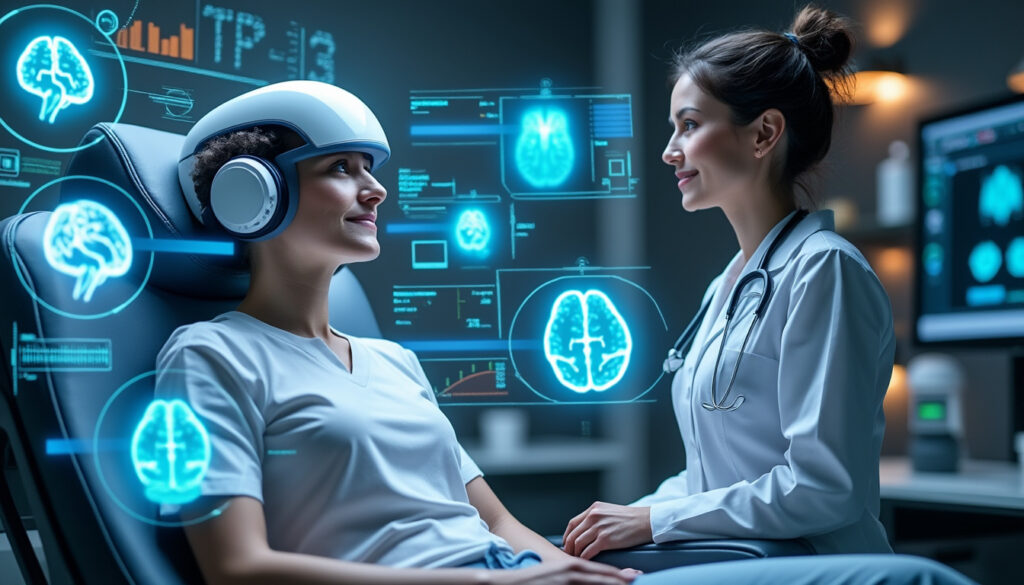
Unlocking Hidden Benefits of rTMS Integration Post-Surgery
Recovery following spinal surgery presents numerous challenges, often demanding innovative therapeutic strategies to maximize outcomes for patients. Surgical techniques like spinal fusion, motion preservation procedures, and endoscopic interventions offer advanced solutions, but the postoperative period remains critical for ensuring long-term…