Understanding Back Surgery Eligibility: A Guide for Patients in Quebec
July 13, 2026
Châteauguay Neck Pain Recovery in Older Adults
July 13, 2026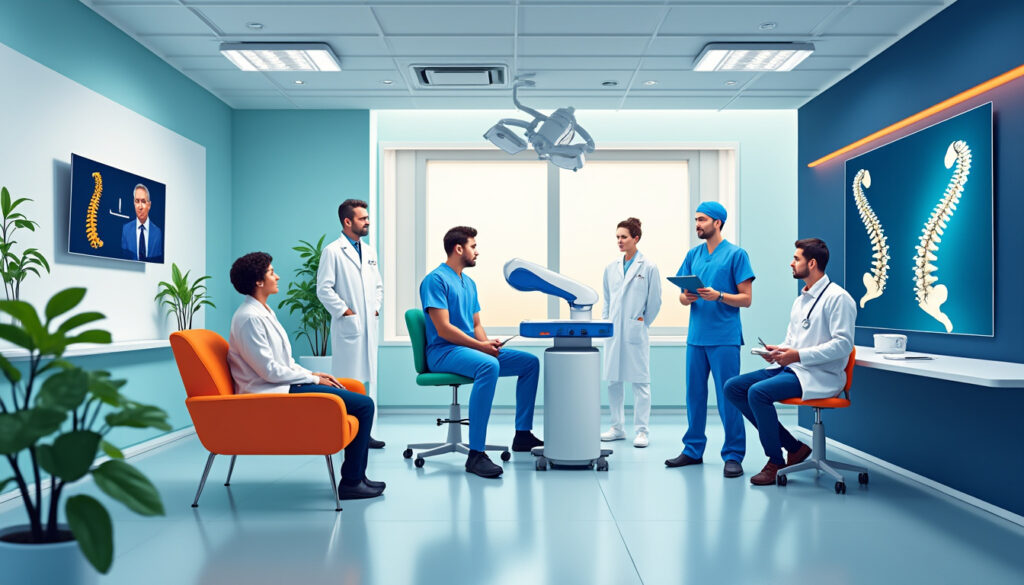
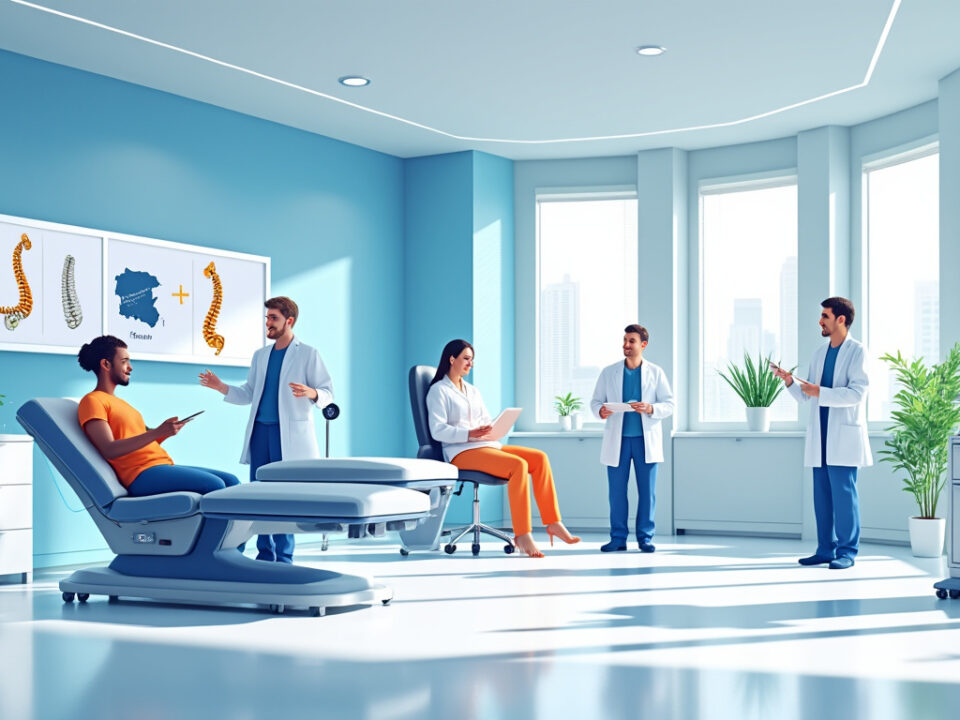
The challenge of back health and spinal surgery has become increasingly critical for many patients in Trois-Rivières, Quebec. Lengthy waiting times for appropriate surgical interventions often transform the care journey into a frustrating experience. Against this backdrop, a promising international collaboration between Quebec and France offers a compelling alternative. This innovative pathway provides access to cutting-edge spine surgery techniques designed to preserve mobility and alleviate pain effectively. Thanks to the expertise of Dr. Sylvain Desforges, a pioneer and expert in spinal care with over 30 years of experience, patients benefit from deeply personalized treatment plans that integrate preoperative assessments and comprehensive postoperative support.
Residents facing lumbar spinal pathologies now have access to advanced medical solutions that combine scientific rigor, technology, and patient-centered care. Techniques such as neurovertebral decompression and disc prosthesis aim not only to reduce discomfort but also to restore spine biomechanics critical for daily functions. This transatlantic pathway represents a beacon of hope for those seeking concrete solutions to persistent spinal pain. Emphasizing evidence-based practices and multidisciplinary approaches, each patient receives tailored management suited to their unique condition. The following sections will explore available surgical options in France, outline the patient journey before and after surgery, and highlight the critical role of conservative therapies preceding any operative intervention.
Advanced Spine Surgery Options in France: Fusion and Motion-Preserving Techniques
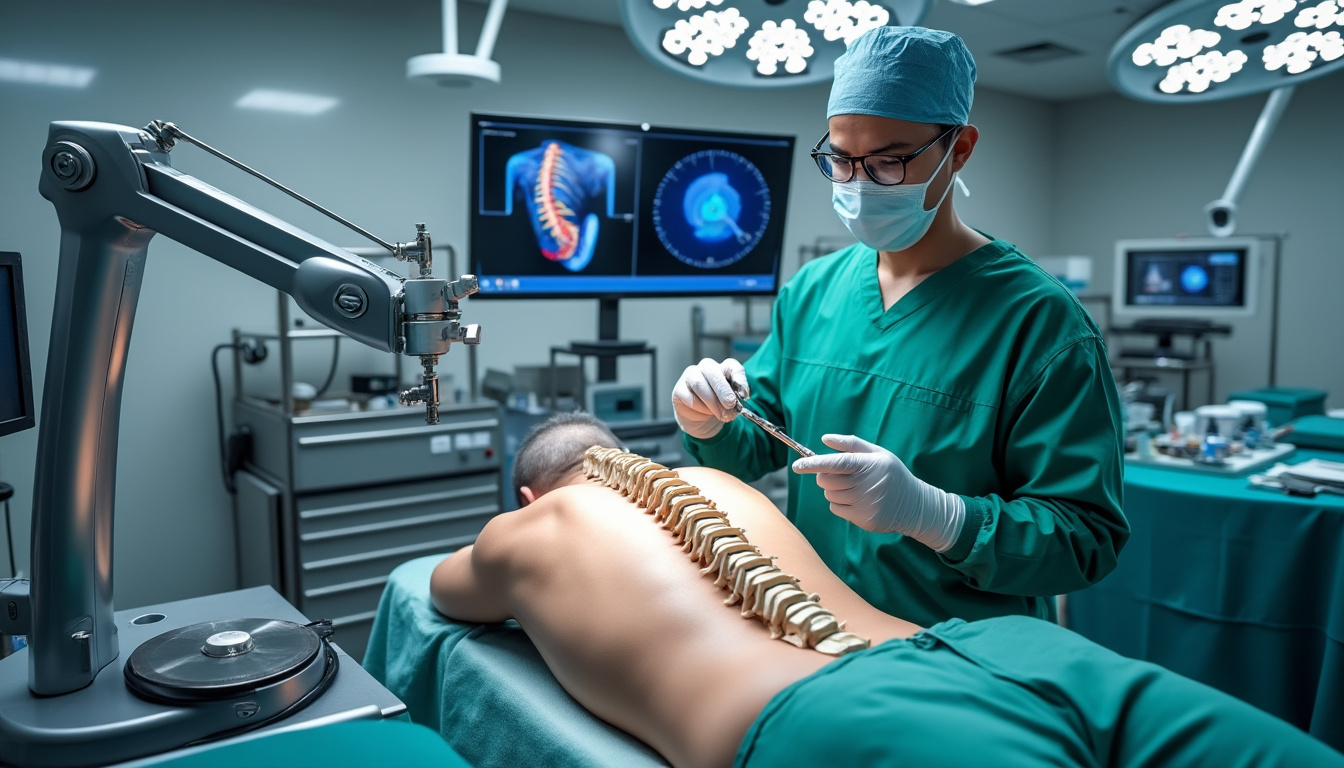
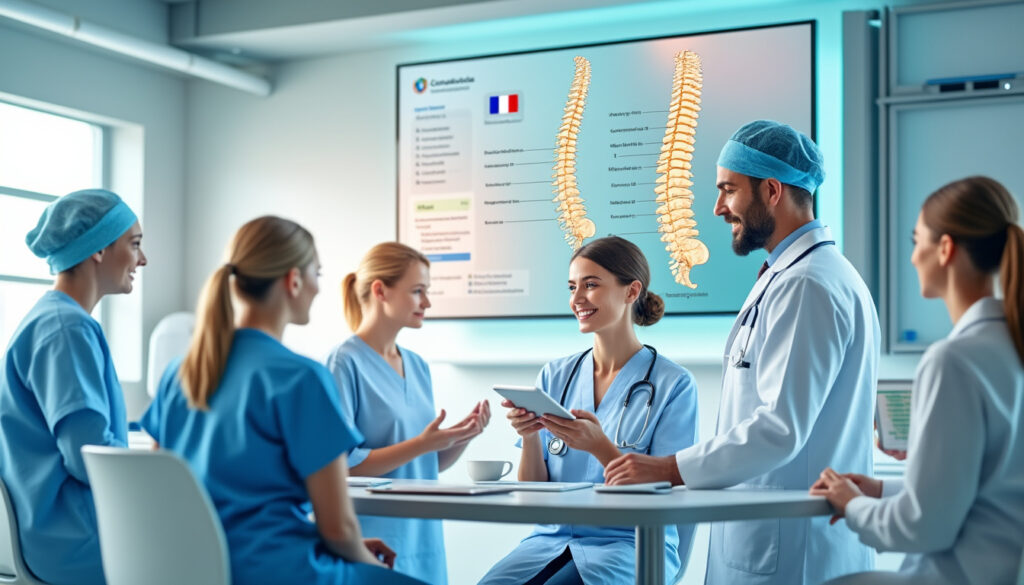
France distinguishes itself through its employment of progressive spinal surgery methods that cater to diverse patient needs. Among the primary surgeries offered are vertebral fusion and motion-preserving interventions, which include the implantation of disc prostheses. Vertebral fusion is a longstanding procedure designed to stabilize the spine by surgically joining two or more vertebrae. While effective in alleviating pain by immobilizing painful segments, fusion can sometimes lead to long-term consequences, such as accelerated degeneration in adjacent spinal levels.
On the other hand, motion-preserving surgery introduces an innovative alternative focused on maintaining the natural spinal mechanics. The implantation of a disc prosthesis, particularly at the lumbar L5-S1 level, enables patients to retain flexibility and mobility – crucial factors that enhance quality of life. This method is especially suitable for individuals suffering from severe discopathy with persistent pain unrelieved by conservative care over 3 to 6 months. Under the meticulous guidance of an expert like Dr. Desforges, each patient’s profile is carefully assessed to select the optimal surgical strategy to maximize outcomes and expedite a return to normal activities.
Choosing the appropriate surgery involves a thorough evaluation to balance biomechanical benefits against potential risks. For example, while fusion provides robust mechanical support and is indicated for spinal instability, motion-preserving surgery focuses on functional restoration without sacrificing stability. Such innovations have positioned France as a leading destination for patients desiring advanced orthopedic surgery, combining scientific evidence with personalized patient care. Learn more about spine surgery advancements in France.

IntraSPINE® in Sherbrooke: Durable Solution for Chronic Low Back Pain
The management of chronic low back pain, a widespread condition affecting millions across Quebec and beyond, has reached a pivotal moment thanks to innovative medical technologies and coordinated care pathways. At the heart of this evolution lies the IntraSPINE implant,…
Structured Patient Journey for Spine Surgery: From Evaluation to Recovery
The path toward spinal surgery is comprehensive and methodical, beginning with a thorough evaluation to ensure personalized care. Dr. Sylvain Desforges, with over three decades of expertise in spinal assessment, spearheads this meticulous process. Initial consultations include detailed clinical examinations, advanced diagnostic imaging, and interdisciplinary team discussions to establish clear surgical indications avoiding unnecessary procedures.
Once surgery is deemed the best option, patients are referred to specialized centers in France, recognized for their excellence in orthopedic and neurosurgical care. The entire stay is carefully coordinated, covering logistical aspects such as accommodation, transportation, and appointments, allowing patients to focus on treatment with peace of mind. The human dimension comes to the forefront, as psychological support and patient education help alleviate preoperative anxiety, making the experience more reassuring.
Postoperative rehabilitation is critical for restoring spinal function. Specialized physiotherapists lead tailored programs including mobility exercises, strength-building routines, and gradual reintegration into daily activities. Continuous follow-up ensures timely adjustments to therapy, preventing complications and optimizing long-term results. This personalized, patient-centered approach exemplifies how multidisciplinary collaboration creates a supportive environment essential for successful recovery.
This well-organized transatlantic collaboration ensures more than just surgery; it guarantees a holistic journey that places patients’ well-being and function at the core of every decision. Discover the importance of post-operative monitoring in spine surgery success.
Spine Surgery in Trois-Rivières: Reduce Pain and Preserve Mobility
In recent years, spine surgery in Trois-Rivières has evolved notably, combining advanced medical expertise with innovative technologies to deliver patient-centered care. This growing field addresses the increasing demand among Quebec residents seeking effective solutions for chronic back pain and mobility…
The Critical Role of Conservative Therapies Prior to Considering Spine Surgery
Before contemplating spinal surgery, it is imperative that patients have exhaustively pursued conservative care approaches over a 3 to 6 month period. This foundational step emphasizes safety, efficacy, and respect for the patient’s biological healing potential. Conservative treatments for lumbar pathologies typically involve advanced osteopathy, targeted neurovertebral decompression, muscle strengthening, and ergonomic modifications to daily environments.
One particularly noteworthy intervention offered at the renowned Clinique TAGMED is neurovertebral decompression. This non-invasive technique effectively alleviates nerve pressure, significantly reducing pain and improving function without surgery. For many patients, such treatments can delay or even eliminate the need for operative interventions.
The expertise of Dr. Desforges reinforces the principle that surgery should never be the first choice, but the culmination of appropriate, evidence-based conservative therapies. Patients who do not sufficiently improve after this phase—who continue experiencing disabling pain and functional loss—may then safely proceed to surgical options, with improved outcomes expected due to optimal preoperative preparation.
This integrative philosophy promotes a patient-centered, ethical approach grounded in rigorous scientific evidence, elevating spine care beyond quick fixes toward sustainable health solutions centered on the individual.
TOPS™ in Gatineau: High-Performance Option for the Lumbar Spine
The landscape of spinal surgery has witnessed profound evolution, particularly for patients grappling with lumbar spine disorders such as spinal stenosis and spondylolisthesis. These conditions, increasingly prevalent among Quebec’s population, impose substantial limitations on mobility and quality of life. The…
Biomechanical Benefits and Innovations in Motion-Preserving Spine Surgery
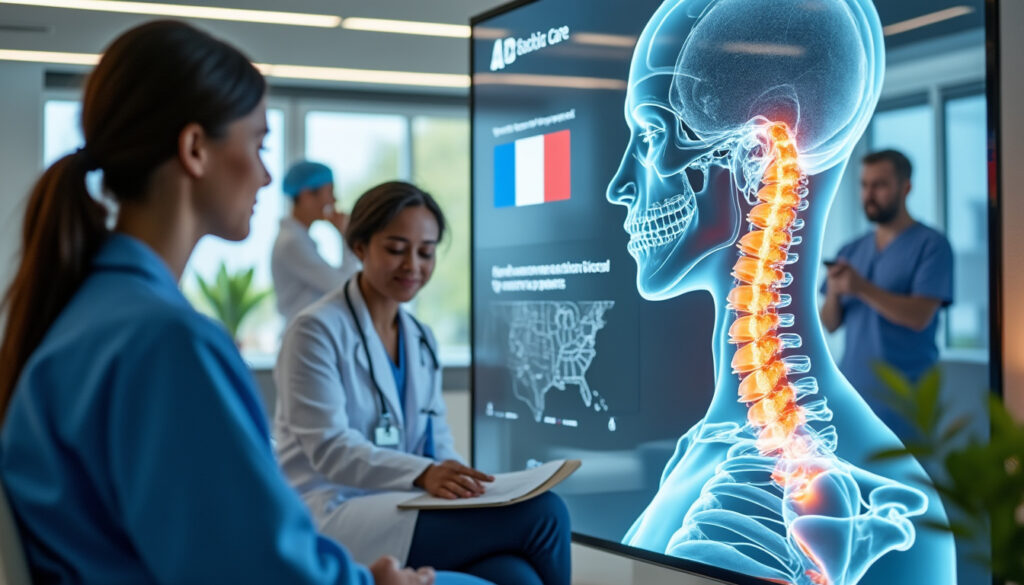
The motion-preserving approach to spine surgery embodies a significant advancement in orthopedic surgery, addressing the long-standing challenge of maintaining spinal mobility post-intervention. Unlike fusion procedures that restrict segmental motion, disc prostheses aim to replicate the biomechanics of a healthy intervertebral disc, enabling patients to continue natural spine movement.
By preserving flexibility and load distribution, these dynamic implants reduce stress on adjacent vertebral levels, potentially limiting the risk of secondary degeneration. This biomechanical advantage vastly improves patients’ long-term quality of life by minimizing functional limitations and discomfort often associated with traditional fusion.
Examples include cervical and lumbar disc prostheses designed to fit individual anatomical requirements and biomechanical demands. Clinical studies have highlighted that appropriately selected candidates experience meaningful reductions in pain and enhanced functional scores after surgery. The precision and technological sophistication of these implants are matched with rigorous surgical techniques and comprehensive postoperative rehabilitation.
Within the Trois-Rivières context, patients seeking cutting-edge spine surgery can benefit greatly from interventions aligned with such biomechanical principles. Aligning with Dr. Desforges’s expertise, this approach reflects the broader commitment to harness innovation for improved spinal health outcomes in a patient-centered setting.
Cervical Disc Prosthesis in Quebec City: Avoid Post-Surgery Stiffness
Chronic neck pain remains a significant challenge for thousands of residents in Quebec City every year, often leading them to seek effective spinal surgery options that minimize downtime and maximize long-term mobility. Among the recent advancements revolutionizing cervical spine care,…
Economic and Human Benefits of the Transatlantic Surgery Pathway
Choosing spine surgery through the transatlantic corridor between Quebec and France offers compelling economic and human advantages beyond the clinical outcomes. Economically, patients in Trois-Rivières face fewer financial burdens by circumventing the often extensive wait times within the local healthcare system. Early intervention accelerates return to work and daily activities, significantly improving quality of life and reducing indirect costs.
Moreover, the access to innovative implants and advanced surgical techniques not readily available locally ensures enhanced treatment value. Coordinated care models bridging both countries facilitate seamless transitions between evaluation, surgery, and rehabilitation phases, improving efficiency and reducing administrative hurdles.
On a human level, this pathway emphasizes personalized care and emotional support throughout each patient’s journey. Patients benefit from clear communication, cultural sensitivity, and consistent follow-up by multidisciplinary teams, all pivotal in reducing uncertainty and enhancing engagement in care plans.
Platforms such as SOS Tourisme Médical play a crucial role by organizing logistics, appointments, and information flow, alleviating patient stress. This integrated model not only upholds rigorous scientific standards but also humanizes the entire surgical experience, embodying the values endorsed by Dr. Desforges in his dedication to patient-centered interventions in spine health.
Minimally Invasive Surgery in Longueuil: Reduce Hospital Stay Duration
In recent years, advances in spinal care have dramatically reshaped the treatment landscape for patients suffering from debilitating spinal conditions. Particularly in Longueuil, the emergence of minimally invasive surgery (MIS) techniques offers a transformative alternative to conventional open surgeries. These…
Minimally Invasive Surgical Techniques in Trois-Rivières and Beyond
Minimally invasive procedures represent an area of tremendous growth within orthopedic and neurosurgical landscapes, particularly relevant to spinal interventions. These techniques reduce tissue damage, decrease post-operative pain, and shorten hospital stays, promoting faster recovery for patients.
In Trois-Rivières, several skilled orthopedic surgeons, such as Dr. Ratté Larouche Mathieu and Dr. Pagé Alain, integrate minimally invasive strategies in their practice to optimize patient outcomes. Hospitals like the Centre hospitalier affilié universitaire régional (CHAUR) provide the infrastructure and expertise necessary to deliver these advanced surgical options.
Minimally invasive spine surgeries include microdiscectomies for disc herniations and endoscopic procedures for decompression. These interventions often require only small incisions, allowing rapid mobilization post-surgery. Their growing adoption reflects a broader shift toward enhancing patient comfort and function with reduced recovery times.
However, these techniques demand precise surgical skill and careful patient selection, underscoring the importance of expert evaluation. Patients interested in learning more about these options may consult resources highlighting the top orthopedic surgeons in Trois-Rivières to identify experienced providers. Explore leading surgeons in Trois-Rivières.
IntraSPINE® in Laval: Modern Solution for Lumbar Stabilization
In the evolving landscape of orthopedic treatments, the city of Laval has become a hub for innovations addressing chronic lower back pain. Among the groundbreaking solutions gaining attention is the IntraSPINE device—a modern spinal implant designed to offer dynamic lumbar…
Multidisciplinary Coordination and International Collaboration for Optimized Outcomes
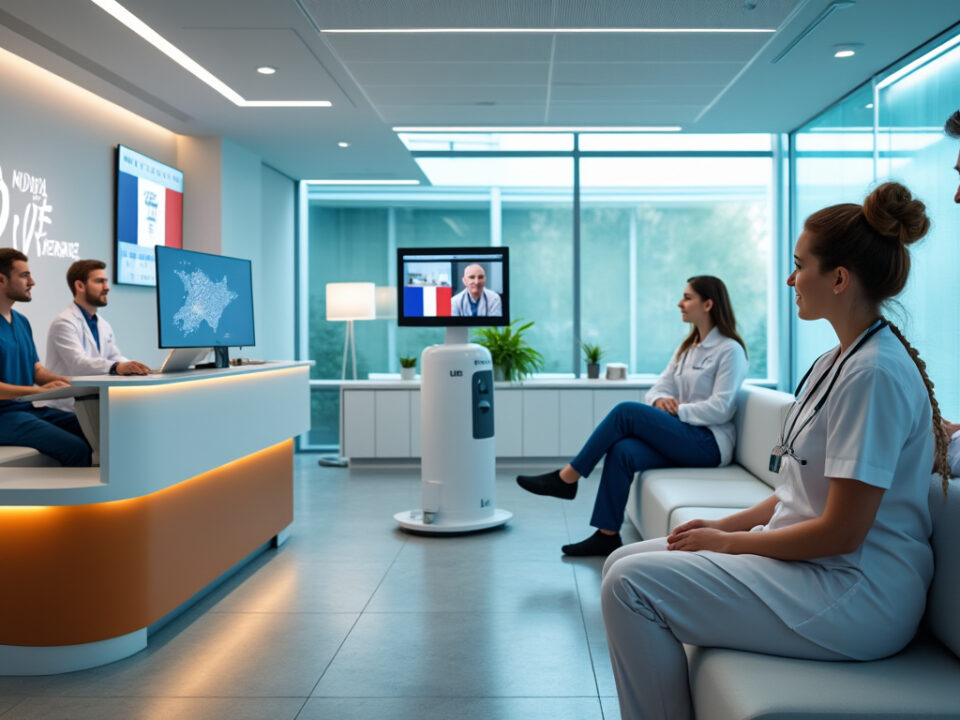
The unique transatlantic patient pathway exemplifies a high level of multidisciplinary coordination and international collaboration that elevates spine care quality for patients in Trois-Rivières. This network integrates experts in orthopedic surgery, neurosurgery, osteopathy, physical therapy, and patient navigation to construct a seamless continuum of care from assessment to recovery.
Dr. Sylvain Desforges, whose credentials include B.Sc., D.O., and N.D., stands at the center of this coordinated process, ensuring adherence to the highest standards of scientific rigor, ethics, and patient safety in alignment with Quebec and Canadian regulatory requirements. Through his founding roles in national organizations, he fosters innovation and professional excellence that directly benefit patients.’
The transatlantic collaboration also facilitates the exchange of cutting-edge techniques and technologies—including the use of dynamic implants, laser therapies, and neurovertebral decompression devices—which may not be widely accessible within Canada. This exchange enriches surgical options and elevates care standards while supporting personalized, evidence-based practice focused on individual patient profiles.
Patients receive continuous education in accessible, jargon-free language, enabling informed decision-making. The ongoing communication across national borders during preoperative and postoperative phases reassures patients and supports adherence to rehabilitation programs, further enhancing long-term success.
Neck Surgery in Montreal: Maintain Cervical Flexibility and Function
Neck conditions causing persistent pain or functional loss place a substantial burden on individuals and healthcare systems, especially in urban centers like Montreal. Surgical interventions targeting the cervical spine have evolved tremendously, aiming not only to relieve symptoms but to…
Innovative Technologies and Implant Selection Enhance Personalized Spine Surgery
Technological innovation sits at the heart of personalized spine surgery, directly influencing outcomes and patient satisfaction. In the transatlantic surgery model, selecting appropriate implants is critical. Preference is given to high-quality, dynamic prostheses designed to replicate natural disc function with durable materials sourced from reputable manufacturers.
The use of advanced devices such as neurovertebral decompression units and laser-assisted surgery tools supports precision interventions that minimize tissue trauma and improve recovery timelines. Dr. Desforges and his team at TAGMED are pioneers in incorporating these technologies within the care continuum, ensuring patients benefit from the latest advancements aligned with proven evidence.
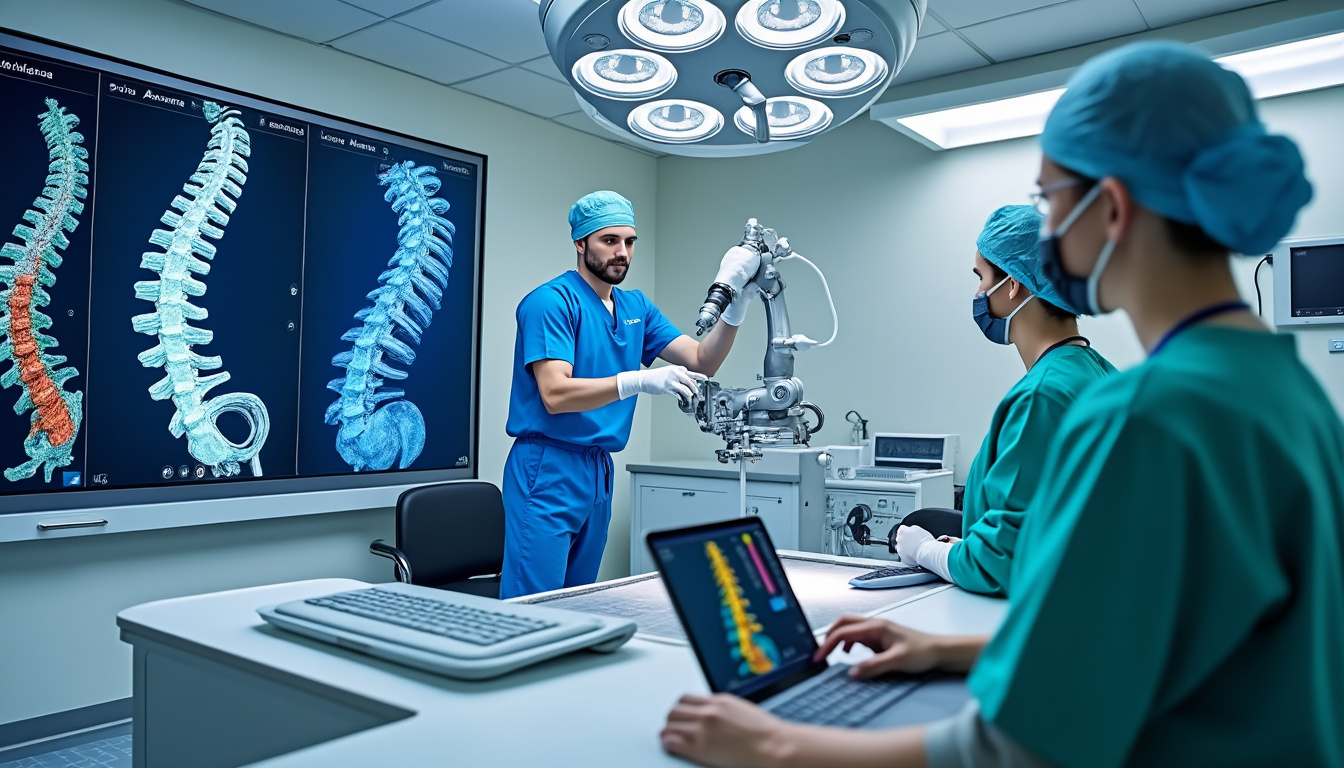
This bespoke approach extends to preoperative planning aided by 3D imaging and intraoperative navigation systems, which improve surgical accuracy and reduce complication risks. The integration of such technologies in the patient pathway distinguishes this model in Trois-Rivières and highlights its value added, positioning it ahead of conventional local practices.
| Technique | Primary Indications | Hospitalization Duration | Advantages |
|---|---|---|---|
| Disc Prosthesis | Severe single-level discopathy | 2 to 3 days | Preservation of spinal mobility |
| Vertebral Fusion | Spinal instability | 3 to 5 days | Increased mechanical support |
| Simple Surgery | Disc herniation | 1 to 2 days | Minimally invasive intervention |
What are the main indications for disc prosthesis in Trois-Rivières?
Disc prostheses are primarily indicated for severe single-level discopathy with persistent pain despite an exhaustive 3 to 6 months of conservative treatment, provided there is no significant facet arthrosis or spinal instability.
What common risks are associated with lumbar disc prosthesis implantation?
Major risks include postoperative nerve-related pain, localized inflammation, vascular complications inherent to anterior surgical approaches, and potential reoperation due to implant malposition or ossification.
How long does functional recovery typically take after spine surgery?
Recovery often spans between 3 and 6 months, with an initial strict rest period of 4 to 6 weeks followed by tailored rehabilitation enabling gradual return to daily and professional activities.
Is surgery advisable if neurovertebral decompression has not been performed?
It is strongly recommended to complete an adequate conservative management phase—including neurovertebral decompression as offered by the Clinique TAGMED—before considering surgery to optimize outcomes.
What is the expected longevity of a disc prosthesis?
Modern disc prostheses from reputable manufacturers are designed to last for many years, although some cases may require surgical revision due to wear or ossification developments.

Disc Prosthesis in Lévis: Quick and Long-Lasting Results
Chronic back pain caused by degenerative disc disease continues to profoundly impact the quality of life for many residents in Lévis and the broader Quebec area. For decades, traditional spinal fusion surgery has been the primary solution for alleviating severe…