Longueuil Sciatica Recovery for Sports-Related Disc Injuries
May 16, 2026
Brossard Chronic Neck Pain Managed Without Medication
May 16, 2026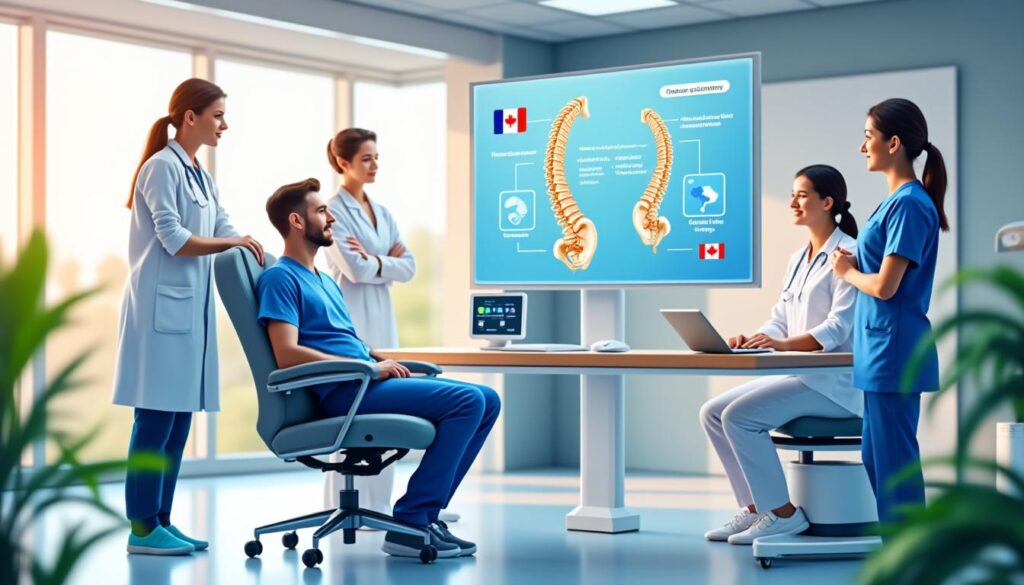
Back pain is a prevalent challenge worldwide, often leading to significant disability and impaired quality of life. In Laval, a groundbreaking solution known as the IntraSPINE device stands at the forefront of lumbar surgery innovation, offering patients a minimally invasive option that optimizes recovery while preserving spinal mobility. This dynamic stabilization device is changing the landscape of postoperative care for lumbar disc herniation by replicating natural spinal mechanics and facilitating rapid rehabilitation. With over three decades of clinical expertise, Dr. Sylvain Desforges, a pioneer in spinal health and evaluation, actively promotes such advanced modalities to enhance spine health and patient outcomes.
Patients seeking solutions beyond traditional fusion surgeries find hope in the IntraSPINE technology, positioned closer to the spine’s natural center of rotation, which enables a more physiological range of motion. This unique mechanical placement helps reduce facet joint stress and neuroforaminal narrowing, common contributors to persistent back pain. As Canadian healthcare often faces prolonged wait times for specialized spinal interventions, Laval’s accessibility to such innovative treatments offers a promising alternative that combines the best of science, ethics, and patient-centered care.
The patient journey is carefully coordinated across the Atlantic, with Dr. Desforges overseeing evaluations in Quebec, facilitating access to surgical expertise in France, and supporting continuous postoperative rehabilitation. This transnational collaboration ensures comprehensive support, reducing delays and enhancing the quality and personalization of care. The IntraSPINE device embodies the future of lumbar surgery—minimally invasive, biologically respectful, and focused on rapid return to daily activities.
Types of Lumbar Surgery Available in France: A Comprehensive Overview
Lumbar spine surgery varies broadly depending on the patient’s pathology, the severity of degeneration, and the biomechanical demands of the affected segments. France, known for its advanced healthcare system and surgical expertise, offers a spectrum of solutions tailored to individual needs, encompassing simple decompression, fusion, and motion-preserving surgeries.
Simple decompression surgery primarily aims to alleviate nerve compression caused by herniated discs or spinal stenosis. Techniques such as microdiscectomy and laminotomy fall under this category, offering effective symptomatic relief with minimal anatomical disturbance. However, while these approaches resolve localized symptoms, they do not address intrinsic spinal instability or prevent biomechanical progression, potentially leading to recurrent symptoms or future interventions.
Fusion surgery has been a longstanding modality for stabilizing degenerative or unstable segments. Posterior lumbar interbody fusion (PLIF) is one prevalent approach that permanently joins adjacent vertebrae to stabilize the spine. It offers strong structural support but at the cost of decreased segmental motion, potentially causing compensatory stress and degeneration at adjacent levels—a phenomenon known as adjacent segment disease. Recovery from fusion procedures typically involves longer rehabilitation periods due to the invasiveness and biomechanical alterations involved.
Emerging from the need to preserve natural spinal biomechanics, motion-preserving surgeries such as those utilizing the IntraSPINE device provide a novel alternative. Unlike interspinous spacers positioned posteriorly, IntraSPINE is implanted in the interlaminar space closer to the spine’s center of rotation. This anterior placement allows for physiological rocking movements in flexion and extension, preserving segmental mobility while unloading facet joints and reopening neuroforaminal spaces.
Here is a comparative summary of the main lumbar surgical options:
| Type of Surgery | Main Benefits | Potential Limitations |
|---|---|---|
| Simple Decompression (e.g., Microdiscectomy) | Less invasive, rapid symptom relief | Does not address instability; risk of recurrence |
| Fusion Surgery (e.g., PLIF) | Strong spinal stability, widely applicable | Loss of motion; risk of adjacent segment degeneration; prolonged recovery |
| Motion-Preserving Surgery (IntraSPINE) | Preserves natural spine movement; reduces adjacent segment stress; minimally invasive | Newer technology; long-term data still evolving |
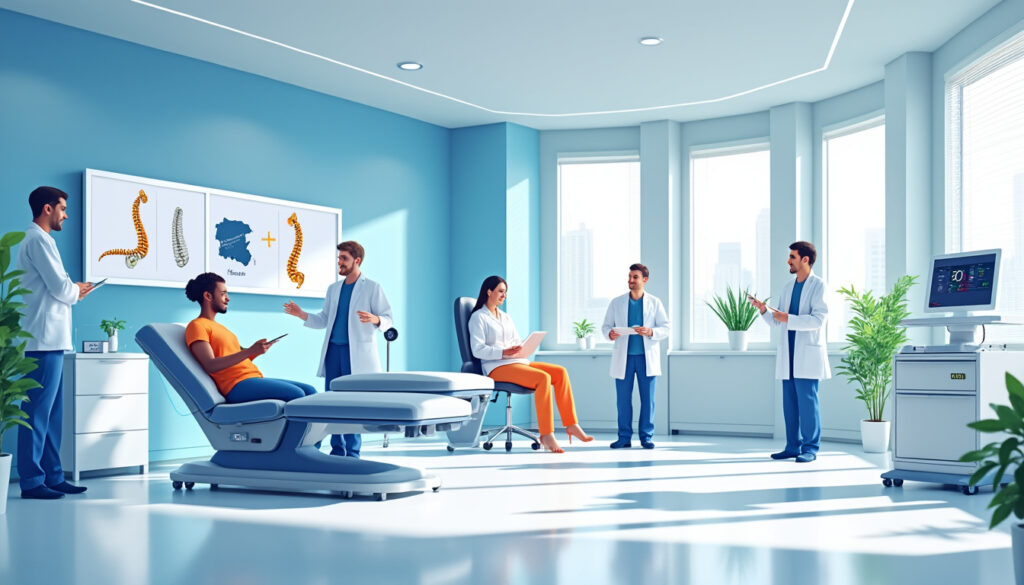
Informed decision-making guided by a nuanced understanding of personal spinal mechanics, symptomatology, and imaging is essential. With over 30 years of experience, Dr. Desforges offers expert evaluation to help patients grasp these options, ensuring clarity about indications, advantages, and limitations. This personalized approach aligns with ethical standards and highlights innovative yet evidence-based care.
IntraSPINE® in Sherbrooke: Durable Solution for Chronic Low Back Pain
The management of chronic low back pain, a widespread condition affecting millions across Quebec and beyond, has reached a pivotal moment thanks to innovative medical technologies and coordinated care pathways. At the heart of this evolution lies the IntraSPINE implant,…
Spine Surgery in Trois-Rivières: Reduce Pain and Preserve Mobility
In recent years, spine surgery in Trois-Rivières has evolved notably, combining advanced medical expertise with innovative technologies to deliver patient-centered care. This growing field addresses the increasing demand among Quebec residents seeking effective solutions for chronic back pain and mobility…
Understanding the IntraSPINE Device: Biomechanics and Clinical Benefits
The IntraSPINE device represents a significant advancement in lumbar spine care by introducing a specialized interlaminar implant that enhances natural motion and diminishes pain-causing mechanical stresses. Its unique anatomical positioning closer to the center of rotation allows more physiological movement patterns compared to traditional interspinous devices.
Biomechanically, IntraSPINE functions by:
- Preserving Segmental Mobility: It permits controlled rocking movements during flexion and extension without rigid fixation, maintaining the spine’s dynamic function.
- Reducing Facet Joint Load: By cushioning these joints, it helps mitigate arthropathic changes, a common source of persistent lumbar pain.
- Enhancing Neuroforaminal Space: It reopens spaces through which nerve roots exit, reducing radiculopathy symptoms caused by nerve impingement.
- Minimizing Adjacent Segment Degeneration (ASD): Unlike fusion, which transfers stress to neighboring segments, IntraSPINE maintains natural movement which lowers the risk of future degenerative changes.
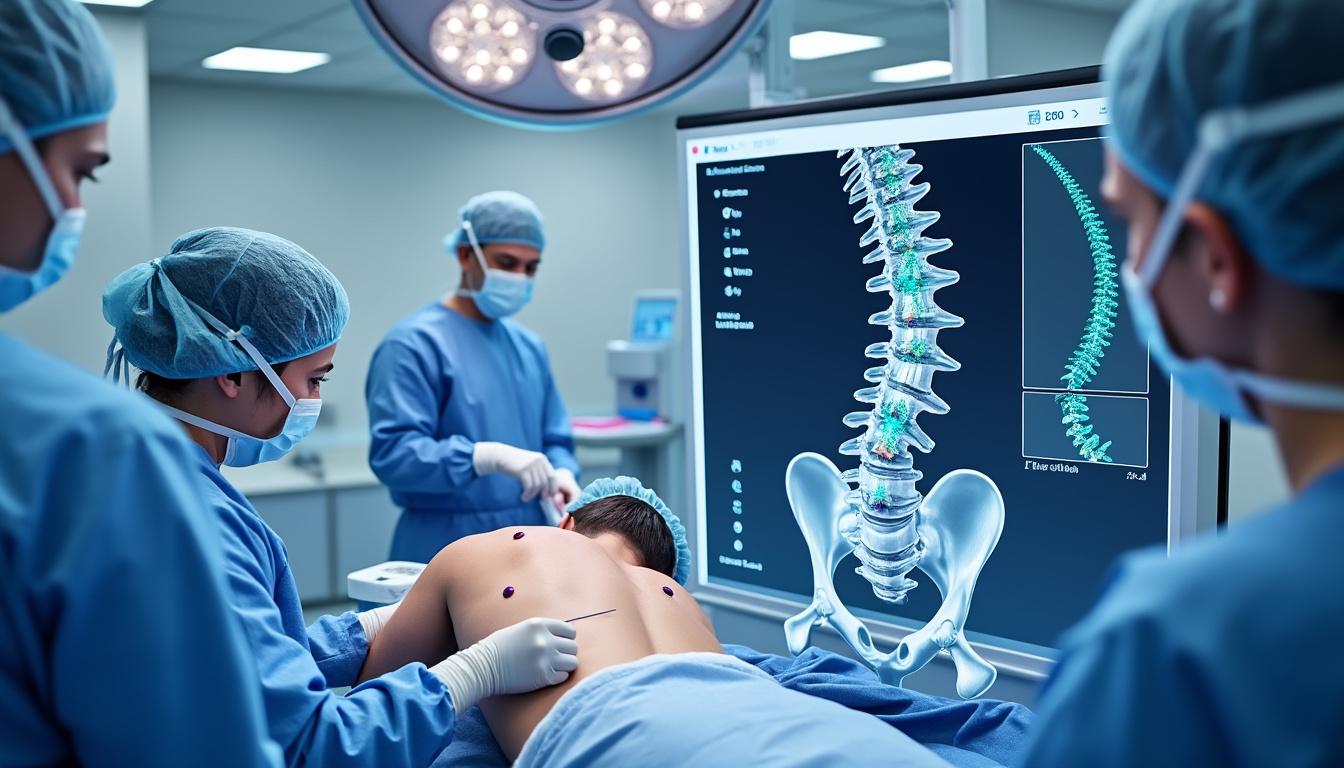
Clinical studies conducted at centers like the Spine Health Center Laval support these benefits, demonstrating improved functional capacity and pain reduction in patients receiving IntraSPINE in combination with discectomy compared to discectomy alone. Patients benefit from less blood loss, shorter operative times, and faster postoperative mobilization. The device’s implantation is minimally invasive, typically performed through a monolateral approach, contributing to optimized recovery and reduced hospital stays.
Safety and efficacy have been validated by randomized controlled trials conducted in European centers, including Paris, where the device’s impact on disability scores and pain intensity was assessed over 24 months. Outcomes clearly favored the combined discectomy and IntraSPINE implantation group with significantly improved Oswestry Disability Index scores, lower pain scales, and better quality of life measures.
The IntraSPINE also contrasts with spinal fusion as follows:
| Feature | IntraSPINE | Traditional Lumbar Fusion |
|---|---|---|
| Motion Preservation | Yes; maintains physiological spinal dynamics | No; segment is permanently fused |
| Invasiveness | Minimally invasive monolateral procedure | More invasive; requires extensive tissue removal |
| Blood Loss | Minimal | Significant |
| Recovery Time | Faster mobilization and earlier discharge | Prolonged hospitalization and rehabilitation |
| Risk of Adjacent Segment Disease | Reduced | Elevated |
With thousands of IntraSPINE devices implanted worldwide since 2007 and growing evidence supporting its application, this technology holds promise especially for patients with early degenerative disc disease, facet arthropathy, or foraminal stenosis. Understanding these advantages helps patients make informed choices about their lumbar surgery options.
TOPS™ in Gatineau: High-Performance Option for the Lumbar Spine
The landscape of spinal surgery has witnessed profound evolution, particularly for patients grappling with lumbar spine disorders such as spinal stenosis and spondylolisthesis. These conditions, increasingly prevalent among Quebec’s population, impose substantial limitations on mobility and quality of life. The…
Cervical Disc Prosthesis in Quebec City: Avoid Post-Surgery Stiffness
Chronic neck pain remains a significant challenge for thousands of residents in Quebec City every year, often leading them to seek effective spinal surgery options that minimize downtime and maximize long-term mobility. Among the recent advancements revolutionizing cervical spine care,…
Patient Pathway: From Quebec Evaluation to Surgery and Rehabilitation in France
Embarking on a lumbar surgery journey involving international coordination requires structured planning and expert guidance. Dr. Sylvain Desforges, with over three decades of spinal expertise, supports patients throughout the transatlantic care pathway—ensuring a safe, efficient, and personalized experience.
Step 1: Thorough Clinical and Imaging Evaluation in Quebec
Every patient begins with an in-depth evaluation by Dr. Desforges or specialized professionals, incorporating detailed clinical assessments and advanced imaging such as MRI. The goal is to accurately characterize the pathology, assess spinal stability, and ensure no contraindications exist to surgery or advanced conservative treatments.
Step 2: Mandatory Conservative Treatment Phase
It is critical to complete at least 3 to 6 months of comprehensive conservative management before considering surgery. This phase includes modalities like manual osteopathy, physical therapy, pharmacologic support, and advanced neurovertebral decompression therapies available at specialized centers such as the Clinique TAGMED. Only if symptoms persist or worsen despite these efforts is surgical evaluation appropriate, underscoring a commitment to evidence-based, ethical care.
Step 3: Access to Multidisciplinary Surgical Consultation in France
When conservative care proves insufficient, Dr. Desforges facilitates access to experienced spinal surgeons in France through established partnerships. These surgeons utilize advanced diagnostic tools to confirm candidacy for surgeries such as IntraSPINE implantation or fusion, considering anatomical and functional factors.
Step 4: Individualized Surgical Planning and Coordination
The surgical approach is meticulously tailored based on patient-specific biomechanics, preferences, and lifestyle. Collaboration among Canadian and French teams ensures alignment with provincial and international guidelines, optimizing safety and functional outcomes.
Step 5: Surgery and Optimized Postoperative Care
Procedures performed in specialized centers like Laval offer minimally invasive techniques with reduced operative times and blood loss. Early mobilization protocols accompany the implantation of devices like IntraSPINE, enhancing recovery and minimizing complications. Dr. Desforges remains involved in perioperative planning and remote support.
Step 6: Return to Quebec for Rehabilitation and Follow-Up
Post-surgery, patients return home with a comprehensive rehabilitation plan established in collaboration with physiotherapists and osteopaths. Continuous remote monitoring ensures timely intervention if complications arise, with educational resources empowering patients in their recovery journey.
This coordinated transatlantic model exemplifies the personalized care values central to Dr. Desforges’ philosophy and ensures patients receive advanced lumbar surgery combined with effective rehabilitation. More details on the pathway and patient experiences can be explored at these international surgery coordination services.
Minimally Invasive Surgery in Longueuil: Reduce Hospital Stay Duration
In recent years, advances in spinal care have dramatically reshaped the treatment landscape for patients suffering from debilitating spinal conditions. Particularly in Longueuil, the emergence of minimally invasive surgery (MIS) techniques offers a transformative alternative to conventional open surgeries. These…
IntraSPINE® in Laval: Modern Solution for Lumbar Stabilization
In the evolving landscape of orthopedic treatments, the city of Laval has become a hub for innovations addressing chronic lower back pain. Among the groundbreaking solutions gaining attention is the IntraSPINE device—a modern spinal implant designed to offer dynamic lumbar…
Why Conservative Care is Essential Before Lumbar Surgery
One of the cornerstone beliefs upheld by Dr. Desforges is that surgery is the final step in managing lumbar disc pathology, reserved strictly for those who do not respond adequately to conservative treatments. This disciplined approach reflects scientific rigor and ethical responsibility.
Conservative treatments aim to:
- Reduce Pain and Inflammation: Pharmacologic therapies and manual osteopathy can alleviate symptoms without invasive intervention.
- Improve Biomechanics: Physical therapies restore spinal alignment, muscle balance, and mobility, addressing the root causes of mechanical pain.
- Promote Disc Healing: Neurovertebral decompression, as practiced at Clinique TAGMED, uses advanced technology to reduce disc pressure and inflammation, facilitating natural repair.
- Empower Patient Self-Management: Education on ergonomics, posture, and lifestyle modifications supports long-term spine health.
Without an adequate trial of these approaches, especially neurovertebral decompression, surgical outcomes may not reach their full potential. Patients are encouraged to fully discuss all prior interventions with their care providers to ensure a well-rounded and personalized treatment strategy.
This conservative-first strategy aligns closely with provincial and Canadian healthcare guidelines, safeguarding patient safety and optimizing resource use.
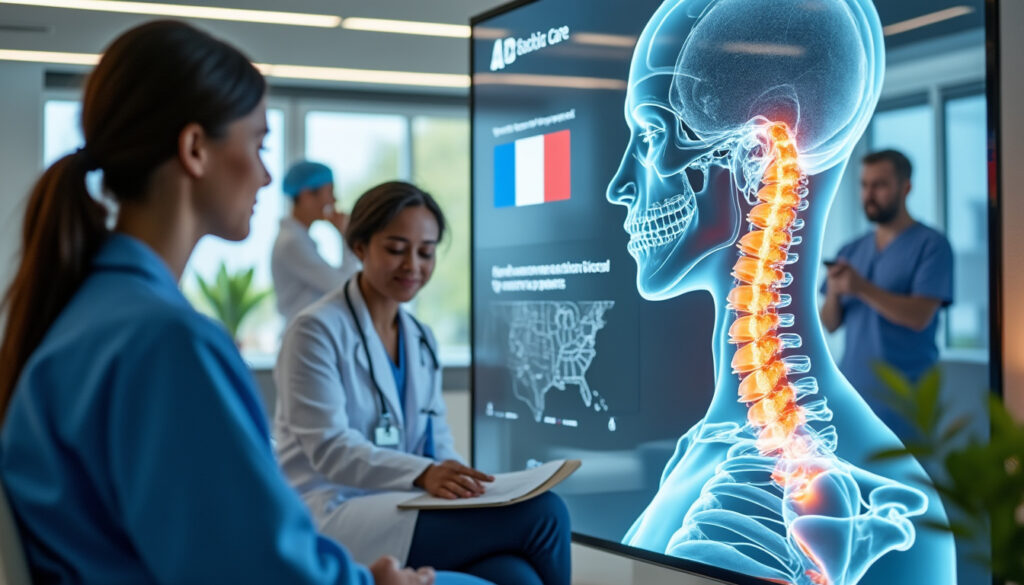
Neck Surgery in Montreal: Maintain Cervical Flexibility and Function
Neck conditions causing persistent pain or functional loss place a substantial burden on individuals and healthcare systems, especially in urban centers like Montreal. Surgical interventions targeting the cervical spine have evolved tremendously, aiming not only to relieve symptoms but to…

Disc Prosthesis in Lévis: Quick and Long-Lasting Results
Chronic back pain caused by degenerative disc disease continues to profoundly impact the quality of life for many residents in Lévis and the broader Quebec area. For decades, traditional spinal fusion surgery has been the primary solution for alleviating severe…
Advancements in Postoperative Care and Rehabilitation Strategies
Recovery after lumbar surgery, particularly with devices like IntraSPINE, is markedly improved through sophisticated postoperative care emphasizing early mobilization, pain control, and functional rehabilitation. Dr. Desforges integrates multidisciplinary expertise and technology-driven monitoring to enhance each patient’s rehabilitation trajectory.
Key components of postoperative care include:
- Graduated Physical Activity: Patients follow tailored exercise programs designed to restore mobility while protecting healing tissues.
- Pain Management: Efficient analgesic use, often reduced compared to fusion surgeries, supports comfort during recovery phases.
- Remote Monitoring and Support: Digital tools enable tracking of progress, symptom changes, and complication detection, facilitating timely interventions.
- Patient Education: Clear communication about recovery expectations encourages compliance and reduces anxiety.
- Collaborative Follow-Up: Ongoing coordination between Canadian rehabilitation professionals and French surgical teams ensures continuity of care.
This patient-centric model amplifies the benefits of minimally invasive surgery by fostering rapid return to daily life and reduced disability, ultimately enhancing spine health in the long term.
Innovative Technologies Complementing IntraSPINE Surgery
The integration of cutting-edge technologies alongside the IntraSPINE device creates a comprehensive spine care environment. Advances such as laser-assisted surgery, dynamic implants, and image-guided minimally invasive techniques facilitate precision, reduce tissue trauma, and optimize implant positioning. Postoperative digital monitoring further enhances recovery personalization.
Dr. Desforges collaborates with surgical innovators and technology companies to adopt and refine these tools in clinical practice. The synergy achieved ensures treatments are both scientifically reliable and respectful of patient safety, promoting fast yet sustainable spine healing.
Examples of complementary technologies include:
- Laser-Assisted Procedures: These allow targeted tissue management, minimizing bleeding and inflammation compared to conventional methods.
- Dynamic Implants: Devices adapt to patient biomechanics to support natural movement and comfort.
- Image-Guided Surgery: Real-time navigation enhances the accuracy of interlaminar device placement, reducing procedural risks.
- Digital Postoperative Follow-Up: Remote patient monitoring apps facilitate continuous feedback and early detection of recovery concerns.
These advancements represent the convergence of science, technology, and compassionate care driven by leaders like Dr. Desforges, with a focus on optimized recovery after lumbar surgery.
Benefits of the Transatlantic Patient Pathway for Quebec Residents
Queensland patients seeking advanced lumbar surgery such as IntraSPINE implantation greatly benefit from the transatlantic collaboration between Quebec and France orchestrated by Dr. Desforges. This model combines the strengths of both healthcare systems to overcome local challenges and promote optimal patient outcomes.
The primary advantages include:
- Reduced Wait Times: Accessing surgical consultations and procedures in France significantly accelerates treatment timelines compared to typical domestic waits.
- Access to Innovation: Patients gain early availability of novel devices and surgical techniques, often unavailable or nascent in Canadian centers.
- Multidisciplinary Expertise: Cross-border partnerships ensure comprehensive assessment and care from osteopaths, surgeons, physiotherapists, and rehabilitation experts.
- Customized Care Planning: Joint planning ensures biomechanically sound and patient-tailored surgical strategies, enhancing long-term spine health.
- Continued Postoperative Support: Coordinated follow-up maintains rehabilitation quality and early intervention for complications.
By navigating this pathway, patients benefit from cutting-edge lumbar surgery with the reassurance of trusted expert support at every step. This innovative international model is a testament to Dr. Desforges’ dedication to improving spine health worldwide.
| Benefit | Description | Patient Impact |
|---|---|---|
| Faster Access | Expedited evaluation and surgical scheduling through international networks | Quicker relief and improved prognosis |
| Advanced Technology | Availability of innovative implants like IntraSPINE and minimally invasive procedures | Enhanced effectiveness and comfort |
| Comprehensive Expertise | Collaborative care among multiple disciplines and countries | Improved treatment outcomes |
| Continuity of Care | Integrated postoperative follow-up in both Canada and France | Consistent rehabilitation and monitoring |
What conditions does the IntraSPINE device most effectively treat?
IntraSPINE is primarily indicated for early degenerative disc disease, facet arthropathy, foraminal stenosis, and intervertebral ligament insufficiency. It is best suited for patients with moderate lumbar issues who can benefit from preserved segmental motion.
Why is surgery recommended only after 3 to 6 months of conservative treatment?
This conservative period allows for natural healing and symptom management through therapies like neurovertebral decompression, manual osteopathy, and pharmacologic support. Surgery is considered if these treatments fail to provide sufficient relief.
How does IntraSPINE differ from traditional spinal fusion?
Unlike fusion, which immobilizes the operated segment, IntraSPINE maintains natural spinal motion while stabilizing the segment, reducing the risk of adjacent segment degeneration and promoting faster recovery.
Can patients residing in Quebec undergo the IntraSPINE procedure?
Yes, through coordinated care pathways managed by Dr. Desforges, Quebec residents can access IntraSPINE surgeries in France with comprehensive support before, during, and after surgery.
What can patients expect during recovery after IntraSPINE implantation?
Recovery is typically faster than with fusion surgeries, with less pain and earlier mobilization. Patients receive personalized rehabilitation programs coordinated between Canadian and French care teams to ensure long-term spine health.