Disc Prosthesis in Montreal: Reliable Solution for Lumbar Conditions
October 26, 2025
Minimally Invasive Surgery in Longueuil: Fast and Effective Intervention
October 26, 2025
Back pain remains one of the most common and debilitating health issues faced by adults worldwide. Particularly, lumbar spine disorders impose significant challenges, often requiring intricate solutions that not only alleviate pain but preserve the natural biomechanics and mobility of the spine. In Laval, innovative advancements in spinal surgery have introduced the IntraSPINE implant, a device that offers a less invasive and more biomechanically respectful treatment option for specific lumbar pathologies. It represents a significant step forward in spinal care with potential benefits that extend beyond pain relief to include the preservation of natural lordosis and movement.
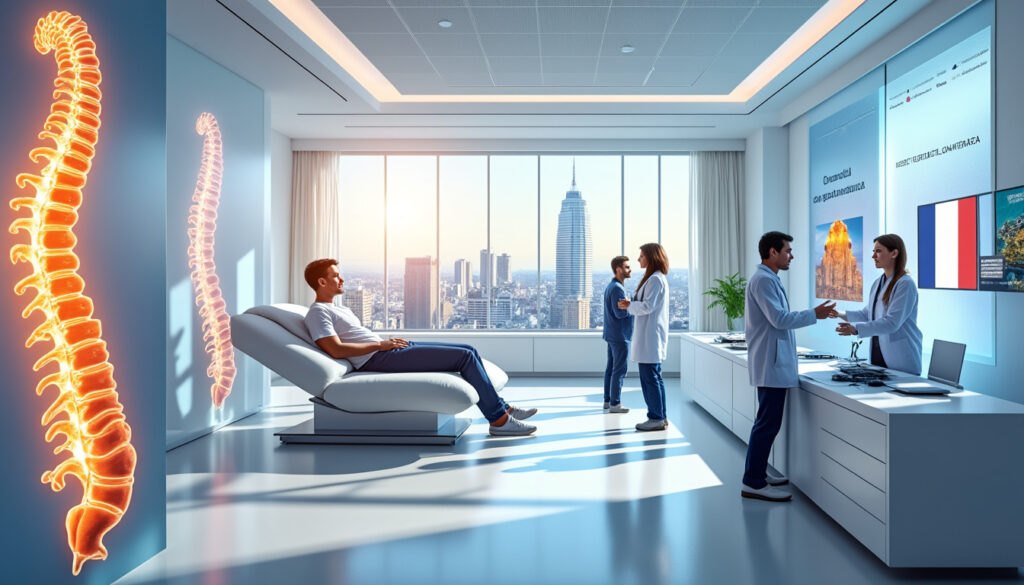
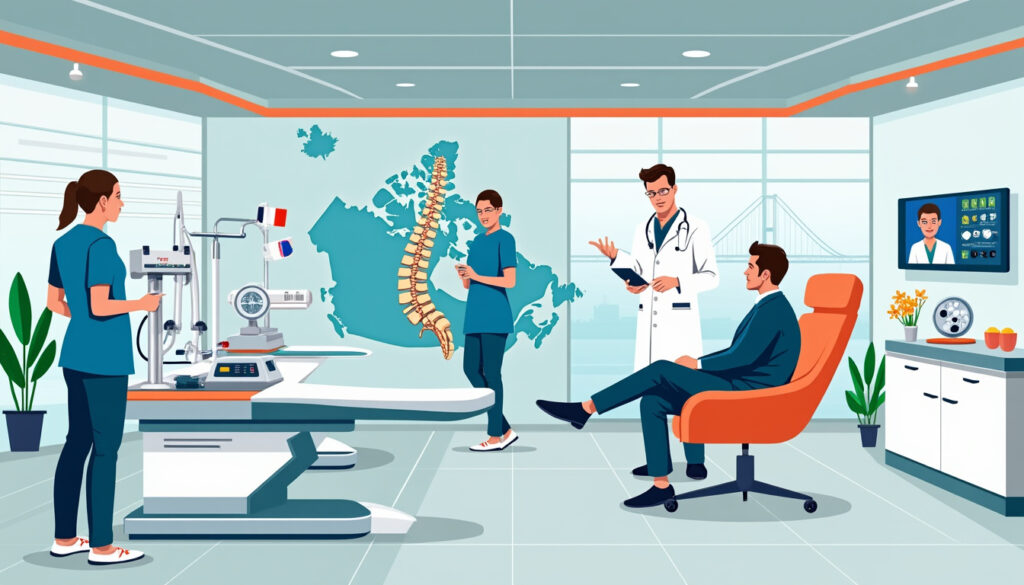
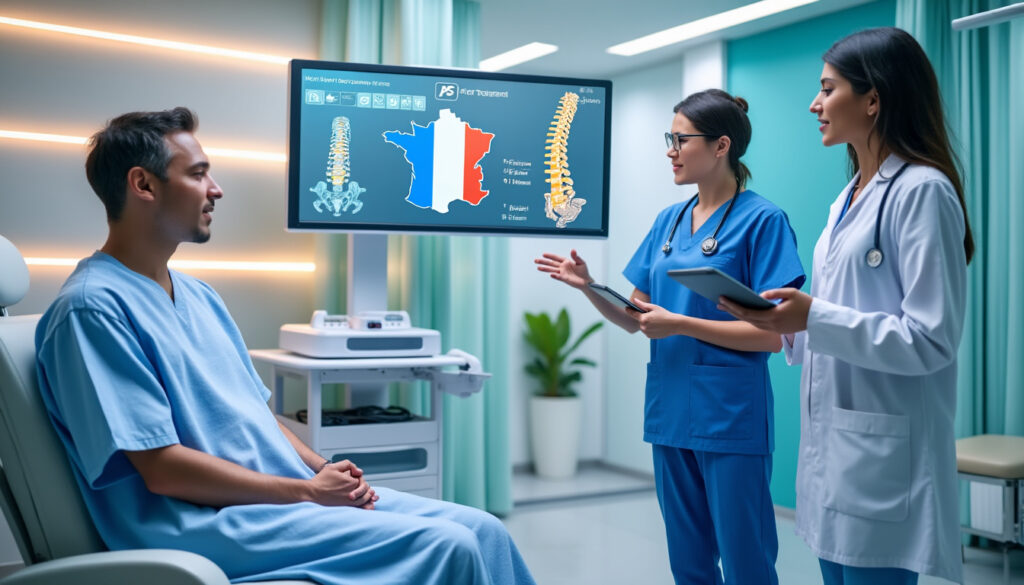
Back pain patients often confront lengthy wait times or high costs for private care in Quebec. For many, seeking treatment in France presents an attractive alternative given the availability of advanced surgical techniques and implant technologies such as the IntraSPINE. Coordinated by experts like Dr. Sylvain Desforges, with over 30 years of experience in spine evaluation and treatment planning, these transatlantic care pathways optimize patient outcomes through rigorous scientific assessment, personalized care, and seamless international collaboration.
From degenerative disc disease to foraminal stenosis, understanding the indications, mechanisms, and benefits of IntraSPINE surgery is essential for patients considering alternatives to conventional fusion surgeries or prolonged conservative management. This comprehensive article explores the device’s function, surgical approach, and the full patient journey from Quebec to France and back, emphasizing the role of evidence-based practices, patient safety, and innovative technologies to improve spinal health and quality of life.
Understanding IntraSPINE: Innovative Implant for Lumbar Spine Preservation
The IntraSPINE device, made of medical-grade dimethyl siloxane and covered with polyethylene terephthalate, ushers in a new era of dynamic spinal implants designed to preserve motion while addressing lumbar spine pathologies. Positioned uniquely in the interspinous space with laminar support, its strategic location near the Instantaneous Axis of Rotation (I.A.R.) distinguishes it from traditional fusion implants.
This anatomical placement allows the IntraSPINE to maintain a full range of spinal movements, including flexion and extension, without compromising sagittal balance. The device’s elastic deformation zones provide controlled mobility, protecting the facets and intervertebral discs from excessive forces. Consequently, patients benefit from decreased loading on degenerative discs, reopening of neuroforamens, and relief from facet joint stress.
The primary indications for IntraSPINE implantation include:
- Arthropathic facet-syndrome – degeneration of the facet joints causing pain and reduced mobility.
- Foraminal stenosis – narrowing of the foraminal spaces that compress nerve roots.
- Degenerative discopathy – deterioration of intervertebral discs leading to instability and pain.
- Intervertebral ligament insufficiency – weakening of supporting ligaments that maintain spinal alignment.
With more than 40,000 devices implanted worldwide since 2007, the IntraSPINE has established itself as a trusted solution for carefully selected patients, especially younger individuals with early disc degeneration or large disc hernias seeking to avoid traditional fusion surgeries.
Biomechanical Benefits and Design Features of IntraSPINE
The preservation of physiological lordosis, the natural curve in the lumbar spine, is crucial for maintaining balance and preventing compensatory postural adaptations that can result in further pain and disability. IntraSPINE supports this by:
- Maintaining interspinous spacing to prevent abnormal collapse of the disc spaces.
- Allowing controlled motion to avoid stiffness and muscle atrophy common to fusion treatments.
- Unloading facet joints by correcting abnormal shear and compressive forces.
- Encouraging neural decompression by reopening narrowed foraminal channels.
This combination of benefits is achieved through a minimally invasive monolateral surgical technique, favored for reducing operative time, tissue damage, and hospitalization duration.
| Feature | Benefit | Clinical Impact |
|---|---|---|
| Interlaminar positioning near I.A.R. | Preserves full motion (flexion & extension) | Improves functional outcomes and patient satisfaction |
| Elastic deformation zones | Respects spinal biomechanics while dissipating forces | Reduces accelerated degeneration of adjacent segments |
| Minimally invasive monolateral approach | Less muscle trauma and faster recovery | Shorter hospital stays and quicker return to daily activities |
The device’s compatibility with other high-quality implant manufacturers such as Morulaa Healthtech and the surgical techniques promoted by industry leaders like Spinemarket Group help integrate the IntraSPINE into modern spinal surgery frameworks used internationally.
IntraSPINE® in Sherbrooke: Personalized Care for Active Patients
In Sherbrooke, the advent of the IntraSPINE device marks a significant milestone in spinal health care, particularly for active patients grappling with chronic lower back pain. Recognized as a pioneering development in orthopedic treatment, IntraSPINE is reshaping expectations around back…
Types of Lumbar Spine Surgery Available in France: Choices and Innovations
Patients seeking spinal surgery in France encounter diverse options tailored to individual pathology, anatomical considerations, and lifestyle. The surgical arsenal includes:
- Simple decompression surgeries – removal of bone or soft tissue compressing nerve roots while preserving mobility.
- Fusion surgeries – stabilizing vertebrae by promoting bone growth between segments, often at the expense of motion.
- Dynamic stabilization implants – such as IntraSPINE, designed to maintain natural movement and reduce adjacent segment disease risk.
The choice among these depends heavily on a comprehensive evaluation of the patient’s condition, expected functional demands, and prior treatment history. Advanced diagnostic modalities and careful clinical judgment, such as those employed by Dr. Sylvain Desforges and his multidisciplinary teams, ensure the right procedure is selected.
Comparative Overview of Surgical Techniques
| Surgical Type | Advantages | Limitations | Ideal Candidates |
|---|---|---|---|
| Simple Decompression | Minimally invasive, preserves motion | May not address instability or severe degenerative changes | Patients with isolated stenosis or nerve compression |
| Fusion Surgery | Provides spinal stabilisation, reduces pain | Loss of segmental mobility, risk of adjacent segment disease | Patients with severe instability or deformities |
| Dynamic Stabilization (e.g. IntraSPINE) | Preserves motion, reduces degenerative progression | Limited long-term data for certain populations | Young patients, early degeneration, or disc herniation |
French spine surgery centers such as those affiliated with Cousin Surgery and collaborations with Canadian experts ensure patients receive cutting-edge treatment options aligned with international standards for safety and efficacy.
Spine Surgery in Trois-Rivières: Maintain Quality of Life After Surgery
Spine surgery in Trois-Rivières has evolved into a beacon of hope for patients enduring chronic spinal conditions that drastically impair daily living. Facing prolonged wait times and escalating healthcare costs within Canada, many patients seek innovative solutions beyond their borders…
Patient Journey Across the Atlantic: From Quebec to France and Back
For Quebec patients interested in the IntraSPINE procedure or other advanced lumbar surgeries, the transatlantic patient pathway involves several critical stages, orchestrated with precision and attention to the patient’s unique needs.
- Initial comprehensive evaluation: Utilizing Dr. Desforges’ extensive expertise (B.Sc., D.O., N.D.) to assess spinal pathologies and identify candidates suitable for surgery.
- Coordination of medical records and imaging: Sharing detailed diagnostic information with surgical teams in France to plan the optimal intervention.
- Pre-surgical preparation: Includes advanced conservative care such as neurovertebral decompression at the Clinique TAGMED, ensuring best possible spine condition before surgery.
- Travel and surgical procedure: Arranged through networks like SOS Tourisme Médical, optimizing logistics, patient counseling, and support during the stay.
- Post-operative rehabilitation and follow-up: Coordinated return to Quebec with ongoing monitoring and rehabilitation support to optimize recovery.
This pathway exemplifies a commitment to patient-centered care, minimizing recovery interruptions and maximizing surgical outcomes with a human approach grounded in scientific rigor and regulatory compliance.
TOPS™ in Gatineau: Quick Relief After Decompression
In the fast-evolving world of spine care, patients and practitioners alike search for innovative solutions that combine effectiveness, safety, and minimal invasiveness. Especially for those affected by lumbar spinal stenosis and degenerative spondylolisthesis, finding relief from debilitating back and leg…
The Critical Role of Conservative Treatments Before Considering Surgery
Any consideration for lumbar spine surgery, including IntraSPINE implantation, must follow an adequate trial of conservative therapies lasting 3 to 6 months. This essential step is grounded in evidence-based practice and patient safety protocols overseen by medical regulatory bodies such as the Collège des médecins du Québec.
Conservative management includes:
- Physiotherapy tailored to spinal stabilization and pain management
- Manual therapies, including osteopathic treatments
- Medication management to control inflammation and neuropathic pain
- Advanced modalities such as neurovertebral decompression using innovative techniques available at the Clinique TAGMED, which focuses on non-invasive mechanical decompression to relieve nerve root pressure
If significant relief or functional improvement is not achieved within this timeframe, a detailed reevaluation is conducted to confirm surgical candidacy. This protocol ensures patients explore all less invasive options first and undergo surgery only when clearly indicated.
| Conservative Treatment | Purpose | Duration & Considerations |
|---|---|---|
| Physiotherapy | Strengthen core, reduce pain | 3–6 months, individualized protocols |
| Osteopathic care | Restore mobility, improve biomechanics | Ongoing as needed, combined with other treatments |
| Neurovertebral decompression | Non-invasive nerve root relief | Specialized sessions, essential before surgery |
| Medication | Control inflammation and neuropathic symptoms | Short-term use, monitoring for efficacy and side effects |
Cervical Disc Prosthesis in Quebec City: Approved and Durable Option
In Quebec City, advancements in spinal health have introduced the Cervical Disc Prosthesis as a transformative solution for those suffering from chronic neck pain and cervical spine pathologies. With approved medical devices now accessible, patients can benefit from procedures that…
Innovative Technologies Enhancing Surgical Outcomes in Spine Care
The evolution of spine surgery is being propelled by cutting-edge implants and techniques developed by companies leading the field such as Medtronic, Stryker, Zimmer Biomet, NuVasive, and Globus Medical. Dynamic implants like IntraSPINE align with this trajectory by integrating biomechanical sophistication with minimally invasive approaches.
Additional advancements include:
- Laser-assisted spine surgeries for precise soft tissue removal and nerve decompression
- Implants with bioactive coatings to promote osseointegration and reduce infection risk
- Enhanced imaging and navigation systems enabling real-time surgical accuracy
- Dynamic implants such as those from Cousin Biotech, Alphatec Spine, and Orthofix improving patient-specific mechanical support
These technologies support surgeons in delivering personalized care, optimizing functional outcomes, and shortening rehabilitation times. Their incorporation within international surgical pathways underscores a future of spine care built on scientific innovation and patient safety.
Minimally Invasive Surgery in Longueuil: Shorter Recovery and Maintained Mobility
In the evolving landscape of spinal care, patients across Quebec increasingly seek minimally invasive surgical solutions to overcome the challenges posed by chronic back and neck conditions. In Longueuil, a hub of innovative spine treatments, these advanced procedures are transforming…
Economic and Human Advantages of the Transatlantic Spine Surgery Pathway
Choosing to pursue lumbar spine surgery with IntraSPINE and other advanced techniques in France offers Quebec patients not only state-of-the-art care but also significant economic and human benefits.
- Reduced wait times: Access to timely surgery mitigates chronic pain progression and associated disabilities.
- Cost efficiency: Competitive pricing and comprehensive packages often result in lower out-of-pocket expenses compared to private care in Quebec.
- Personalized care coordination: Multidisciplinary teams facilitate seamless communication, cultural understanding, and continuous follow-up.
- Access to advanced implants and procedures: Options like IntraSPINE that may not yet be widely available or approved in Canada.
| Aspect | France Pathway | Typical Quebec Private Care |
|---|---|---|
| Wait Time | Less than 3 months | 6-12 months or longer |
| Cost | Moderate, includes comprehensive care | High, often fragmented billing |
| Technology | Access to innovative implants like IntraSPINE | Limited access to latest dynamic implants |
| Post-op Support | Coordinated multidisciplinary follow-up | Variable, sometimes inconsistent |
Beyond economics, the cultural sensitivity and personal attention provided by transatlantic care pathways enhance patient confidence and motivation, crucial for recovery success.
IntraSPINE® in Laval: Fast Recovery After Lumbar Intervention
The quest for effective solutions to chronic lumbar back pain continues to inspire innovative approaches in spine care. With over three decades of expertise, Dr. Sylvain Desforges stands at the forefront of this transformation, weaving scientific rigor, cutting-edge technology, and…
Scientific Rigor and Ethical Commitment Underpinning Care Standards
At the core of the transatlantic care model endorsed by Dr. Sylvain Desforges is a dedication to evidence-based practice, ethical responsibility, and compliance with health regulations in Quebec and Canada. This commitment manifests as:
- Utilization of peer-reviewed scientific literature to guide diagnosis and treatment plans.
- Ensuring patient safety via established protocols in implant selection, surgical technique, and perioperative care.
- Strict adherence to regulatory standards, including consultation with the Collège des médecins du Québec.
- Innovative but responsible adoption of new technologies, coupled with transparent communication about indications, benefits, and risks.
This integrated approach maintains the trust of patients navigating complex decisions about their spinal health and embodies a humane, scientifically robust pathway to improved quality of life.
| Component | Practice Detail | Outcome |
|---|---|---|
| Evidence-Based Guidelines | Pathology assessments utilizing latest research | Optimized treatment specificity |
| Regulatory Compliance | Collège des médecins supervision | Legal and ethical patient care |
| Technology Innovation | Adoption of implants after thorough evaluation | Improved functional outcomes |
| Patient Education | Clear communication of treatment steps | Empowered decision-making |
Neck Surgery in Montreal: Maintain Cervical Flexibility
Neck surgery stands at a crossroads of medical innovation and patient-centered care in Montreal, evolving significantly to address the complexities of cervical spine conditions. For those enduring persistent neck pain and debilitating spinal disorders, surgery often serves as a critical…
Patient Education and Shared Decision-Making: Keys to Success
Education remains a cornerstone of the spine care model advanced by Dr. Desforges. Complex concepts such as dynamic stabilization, sagittal balance, or neuroforaminal decompression are explained without jargon, enabling patients to:
- Understand precisely their lumbar condition through detailed evaluations.
- Appreciate the rationale behind the IntraSPINE and alternatives to fusion.
- Recognize the limits and realistic outcomes associated with surgical and conservative treatments.
- Participate actively in their care pathway, asking informed questions and selecting treatments aligned with personal values and lifestyle.
Such empowerment translates to better treatment adherence, reduced anxiety, and ultimately improved clinical results. The human touch combined with scientific expertise creates a nurturing environment favoring recovery and ongoing spine health.
Disc Prosthesis in Lévis: Approved and Effective Solution
Back pain is a pervasive health issue affecting millions of people worldwide, often resulting from degenerative conditions of the spinal discs. As medical science advances, innovative solutions emerge offering hope and relief beyond traditional therapies. Among these, disc prosthesis stands…
The Unique Role of Coordinated Transatlantic Care in Spine Surgery
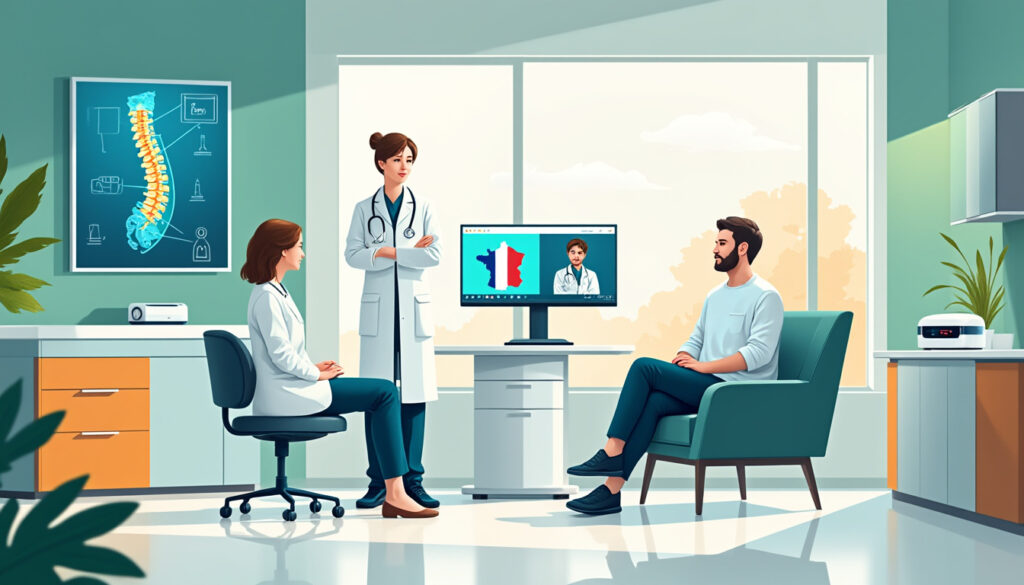
Managing spine disorders across continents necessitates robust collaboration. Dr. Sylvain Desforges serves as a pivotal figure ensuring that patients experience a fluid continuum of care between Quebec and France. This includes:
- Efficient transfer of diagnostic and clinical information across teams.
- Scheduling logistics minimizing delays in surgery and rehabilitation.
- Liaison with surgical centers utilizing leading implants such as those from Cousin Biotech and Morulaa Healthtech.
- Arranging personalized patient education and support.
This specialized coordination ensures not only clinical excellence but fosters greater patient confidence by reducing uncertainties and promoting transparency throughout their healthcare journey.
What conditions are best suited for IntraSPINE implantation?
IntraSPINE is primarily indicated for arthropathic facet syndrome, foraminal stenosis, degenerative discopathy, and intervertebral ligament insufficiency, especially in younger patients with early disc degeneration or disc herniation.
How long is the recovery after IntraSPINE surgery?
Recovery time varies but generally includes a shorter hospital stay due to the minimally invasive approach, with full mobility preserved. Rehabilitation protocols tailored by multidisciplinary teams speed return to daily activities.
Why is conservative treatment necessary before considering surgical options?
Conservative therapies for 3 to 6 months, including neurovertebral decompression at Clinique TAGMED, physiotherapy, and osteopathic care, are essential to ensure surgery is only pursued when clearly indicated, optimizing outcomes and patient safety.
How does the transatlantic pathway improve patient treatment?
Coordination between expert evaluators and surgical teams in Quebec and France ensures optimal timing, personalized treatment plans, access to advanced implants, and consistent follow-up, enhancing clinical outcomes and patient satisfaction.
Are there risks associated with the IntraSPINE device?
Like all surgeries, IntraSPINE implantation carries risks which are minimized through rigorous patient selection, surgical technique, and adherence to evidence-based protocols supervised by regulatory bodies such as the Collège des médecins.