Quality and Certification of Devices: Insights from an Industry Expert
November 11, 2025
Preparing for Neurovertebral Decompression Therapy: Effective Treatment for Herniated Disc in Sainte-Anne-de-Bellevue
November 11, 2025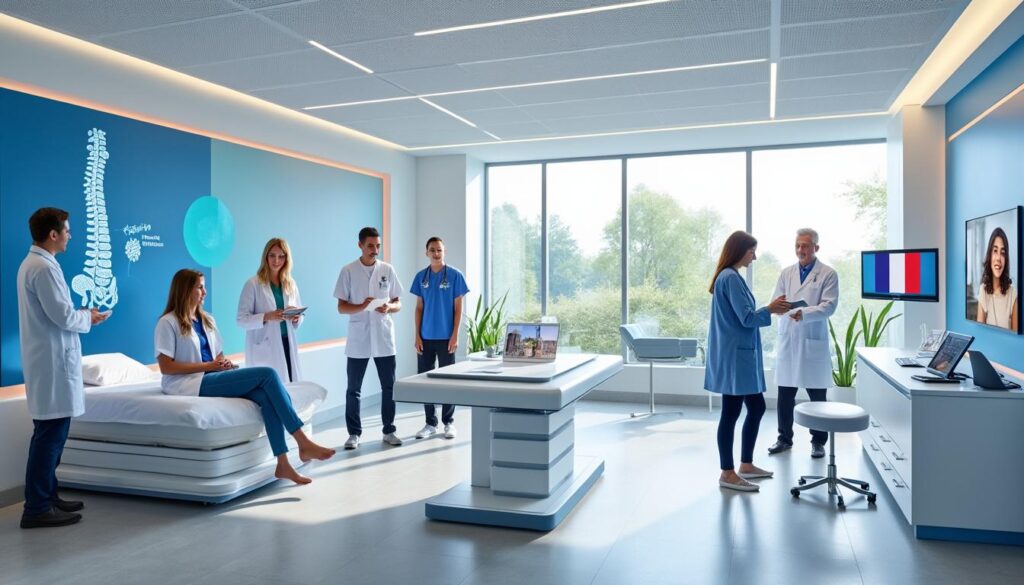
Back pain affects millions worldwide, significantly impacting quality of life and mobility. In Laval, innovative spinal treatments are evolving rapidly, with the IntraSPINE device standing out as a breakthrough solution designed to reduce pain while preserving natural spinal function. This dynamic interlaminar implant addresses lumbar disc herniation and degenerative conditions by stabilizing the spine without compromising its physiological motion, offering new hope to patients who face long wait times or high costs for private care in Quebec. With over 30 years of expertise guiding patient evaluation and care coordination across Canada and France, Dr. Sylvain Desforges ensures that individuals benefit from the latest advancements, scientific rigor, and personalized treatment pathways.
Understanding the complexities of spinal health requires a multidisciplinary approach. The IntraSPINE device represents the culmination of cutting-edge research, biomechanical innovation, and minimally invasive surgical techniques that maintain spinal alignment and reduce biomechanical stress. It is especially noted for its unique interlaminar position, closer to the natural center of rotation, allowing a more physiological range of motion compared to traditional implants. Beyond technological excellence, this treatment pathway involves comprehensive pre- and post-operative management, including advanced conservative therapies at specialized clinics such as Clinique TAGMED in Quebec, ensuring patient safety and optimizing outcomes.
The patient journey from initial assessment, through surgery in France, to rehabilitation and follow-up in Quebec exemplifies an international, coordinated approach that blends expertise and compassion. This article will explore the clinical benefits of the IntraSPINE device, detail procedural options available in France, outline the crucial role of conservative management prior to surgery, and highlight the economic and human advantages of transatlantic spine care coordination for Quebec patients seeking effective, timely relief from debilitating lumbar pain.
Understanding the IntraSPINE Device: Biomechanics and Benefits in Spine Health
The IntraSPINE implant marks a significant advancement in orthopedic care by offering a dynamic stabilization system that reduces pain while preserving spinal motion. Unlike traditional fusion surgeries that restrict movement between vertebrae, this device is strategically placed in an interlaminar position, closer to the Instantaneous Axis of Rotation (I.A.R.). This anatomical location allows for controlled “rocking” movements during flexion and extension, maintaining the spine’s natural biomechanics and enhancing overall function.
The major biomechanical advantages of the IntraSPINE include:
- Preservation of natural lordosis: By maintaining the lumbar curve, the implant helps prevent compensatory postures that may exacerbate pain or cause degeneration.
- Off-loading facet joints: The device decreases stress on these joints by allowing extension movements without rigid fixation.
- Neuroforaminal decompression: The implant reopens nerve passageways compressed by disc degeneration or herniation, alleviating radicular symptoms.
- Reduction of abnormal spinal load: Through elastic zones, the device dissipates forces, potentially slowing degenerative processes.
With a global history of over 40,000 implantations, the IntraSPINE emerges as a trusted option particularly for younger patients with early lumbar disc disease or large herniations who wish to avoid fusion’s loss of segmental mobility. Notably, this device is made from medical dimethyl siloxane encapsulated with high-quality polyethylene terephthalate, ensuring biocompatibility and durability without compromising flexibility.
To explore detailed biomechanical analyses and clinical evidence supporting the IntraSPINE device, readers can consult specialized resources such as scientific reviews on dynamic stabilization or manufacturer information available from Cousin Biotech. Moreover, the integration of this implant into modern surgical frameworks is supported by expert groups like the Spine Market Group and innovative companies including Morulaa Healthtech.
Key Clinical Outcomes and Functional Improvements
Clinical trials examining the IntraSPINE combined with discectomy versus discectomy alone show promising results in reducing pain intensity and functional disability among patients suffering lumbar disc herniation. A randomized multicenter study demonstrated significant improvement in Oswestry Disability Index scores at 12 months post-surgery, translating into enhanced ability to perform daily activities.
| Outcome Measure | Description | Time Frame | Impact |
|---|---|---|---|
| Oswestry Disability Index | Functional disability due to lumbar pain | Baseline to 12 months | Substantial reduction in disability percentage |
| Visual Analog Scale (VAS) | Measurement of lumbar and radicular pain intensity | Baseline, 1, 6, 12, 24 months | Consistent pain relief over two years |
| Disc Height Preservation | Anterior and posterior disc height on X-ray | Baseline, 12, 24 months | Maintenance of disc space integrity |
| Quality of Life (SF-12) | Mental and physical health scores | Baseline, 1, 6, 12, 24 months | Significant improvement in self-reported health |
These outcomes underscore the device’s role in facilitating back pain relief, enhanced spinal support, and improved daily function without sacrificing mobility. For patients seeking such benefits in Laval, this treatment option provides an innovative path to regaining quality of life.
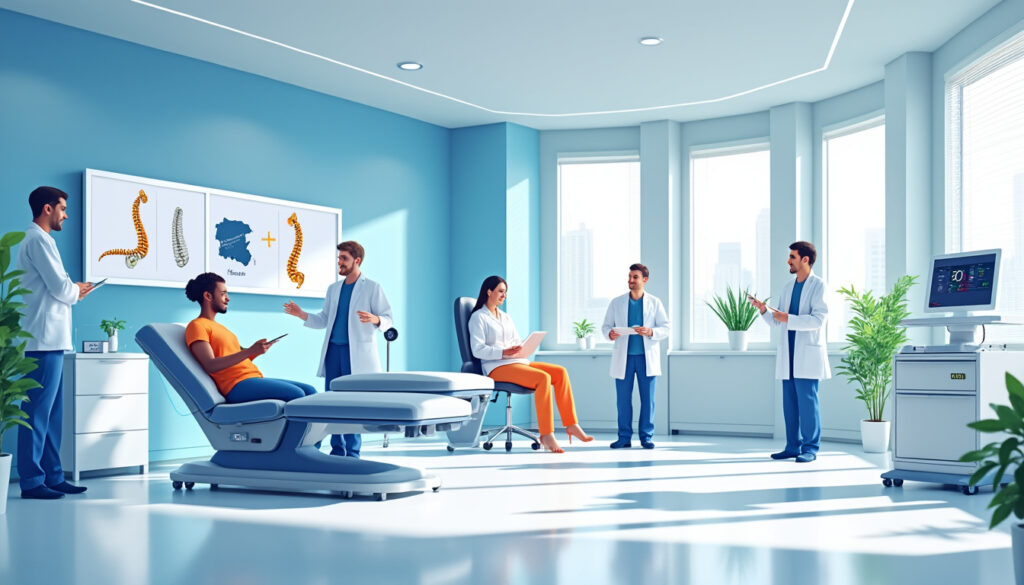
IntraSPINE® in Sherbrooke: Durable Solution for Chronic Low Back Pain
The management of chronic low back pain, a widespread condition affecting millions across Quebec and beyond, has reached a pivotal moment thanks to innovative medical technologies and coordinated care pathways. At the heart of this evolution lies the IntraSPINE implant,…
Types of Spine Surgeries Available in France: From Simple Decompression to Motion Preservation
France offers a wide range of lumbar spine surgery options tailored to varying patient needs, drawing on advanced implant technologies and expert surgical teams. Understanding these categories helps patients appreciate the individualized nature of surgical care available abroad.
The principal surgical treatments include:
- Simple decompression: Removal of bone or soft tissue compressing nerve roots to relieve symptoms while preserving motion. Generally appropriate for moderate stenosis or isolated nerve irritation.
- Spinal fusion: Surgery aiming to stabilize vertebral segments by arthrodesis, recommended for significant instability or deformities, though it limits segmental motion.
- Dynamic stabilization and motion-preserving implants: Devices such as IntraSPINE maintain natural spinal mobility while offering support and pain reduction, minimizing the adverse effects seen with fusion.
| Surgical Type | Main Advantages | Limitations | Ideal Candidates |
|---|---|---|---|
| Simple Decompression | Minimally invasive, maintains mobility | May not address spinal instability | Patients with isolated stenosis or nerve compression |
| Spinal Fusion | Effective for instabilities, long-term pain relief | Loss of motion, possible adjacent segment degeneration | Severe instability or deformity cases |
| Dynamic Stabilization (IntraSPINE) | Motion preservation, reduced degeneration risk | Limited long-term outcome data in certain populations | Younger patients with early degenerative changes |
Thanks to collaborations between French surgical centers and Canadian experts like Dr. Desforges, patients gain access to interventions approved by regulatory bodies and supported by a rigorous scientific framework. This synergy leads to personalized care plans that balance innovation with proven safety.
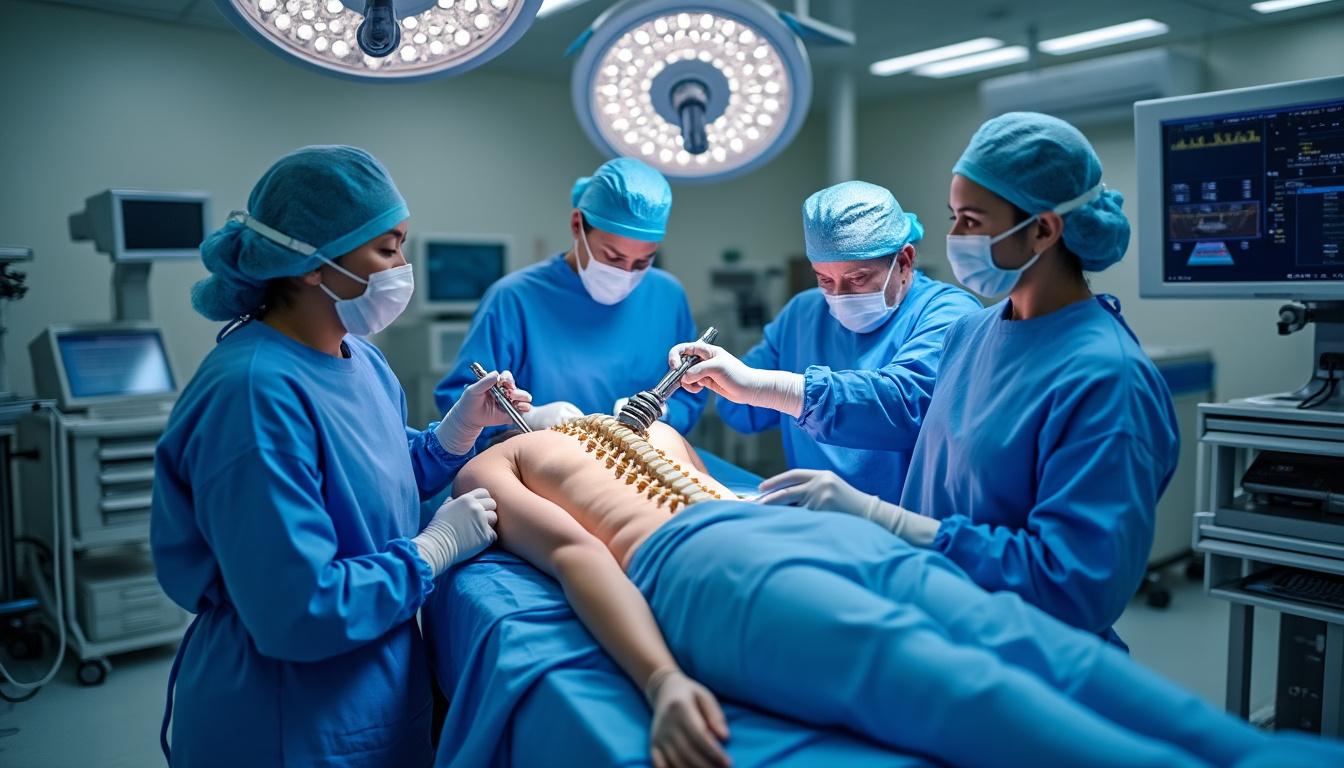
Innovations in Surgical Techniques and Patient Rehabilitation
Beyond device technology, surgical approaches in France emphasize minimally invasive techniques which reduce tissue trauma, shorten hospital stays, and promote faster rehabilitation. These include small skin incisions, muscle-sparing dissections, and intraoperative navigation to optimize implant placement.
- Shorter operative times: Reducing anesthesia risks, especially in vulnerable patients.
- Enhanced precision: Imaging and robotic assistance improve surgical outcomes.
- Accelerated recovery: Early mobilization protocols reduce risks of complications like thrombosis or muscle atrophy.
- Multidisciplinary rehabilitation: Integrating physical therapy, osteopathic care, and pain management postoperatively fosters optimal return to function.
By choosing surgeries involving devices like IntraSPINE in Laval, patients tap into enhanced protocols that blend technology and humanized care, ensuring both safety and effectiveness throughout their journey.
Spine Surgery in Trois-Rivières: Reduce Pain and Preserve Mobility
In recent years, spine surgery in Trois-Rivières has evolved notably, combining advanced medical expertise with innovative technologies to deliver patient-centered care. This growing field addresses the increasing demand among Quebec residents seeking effective solutions for chronic back pain and mobility…
Complete Patient Journey for Lumbar Spine Surgery: From Quebec Evaluation to Postoperative Follow-up
Embarking on spine surgery abroad requires a well-coordinated process covering comprehensive evaluation, surgical intervention, and rehabilitation. Dr. Sylvain Desforges’ expertise in spine evaluation plays a vital role in this pathway, ensuring judicious selection and personalized planning.
The key stages of this journey include:
- Detailed spinal assessment: Using clinical exams, imaging modalities, and patient history, to diagnose pathologies and evaluate surgical necessity.
- Collaboration and communication: Sharing diagnostic data with French surgical centers to develop a tailored surgical plan using technologies like IntraSPINE.
- Preoperative conservative therapy: Implementation of advanced non-invasive treatments such as neurovertebral decompression at Clinique TAGMED to optimize spinal condition.
- Organized travel and surgery: Arranging visas, accommodation, and surgery dates streamlined through SOS Tourisme Médical and associated networks.
- Postoperative rehabilitation: Coordinated multidisciplinary care in Quebec to continue physical therapy and monitor recovery progress.
| Journey Stage | Activities | Patient Benefits |
|---|---|---|
| Evaluation | Clinical and imaging assessments by expert evaluators | Accurate diagnosis and personalized advice |
| Planning | Data sharing and surgical strategy formulation | Optimized interventions tailored to patient needs |
| Conservative Treatment | Non-invasive neurovertebral decompression and therapies | Reduced surgical risk and enhanced surgical outcomes |
| Surgery Abroad | Minimally invasive IntraSPINE implantation with discectomy | Access to advanced technology and experienced surgeons |
| Rehabilitation | Ongoing post-op care in Quebec | Continuity of care and functional recovery |
This coordinated transatlantic care ensures that patients enjoy full-spectrum support, minimizing uncertainty and optimizing both safety and functional recovery throughout their spine treatment journey.
Examples of Patient Experiences and Outcomes
Patients who have undergone IntraSPINE implantation convey high satisfaction due to pain relief and preservation of mobility. One such case involves a mid-aged active patient from Quebec who experienced persistent radicular symptoms resistant to conservative treatment. Following evaluation and referral coordinated by Dr. Desforges, the patient received surgery in France and returned to Quebec with a tailored rehabilitation plan. Within months, remarkable functional improvements were noted, enabling return to work and daily activities without pain.
TOPS™ in Gatineau: High-Performance Option for the Lumbar Spine
The landscape of spinal surgery has witnessed profound evolution, particularly for patients grappling with lumbar spine disorders such as spinal stenosis and spondylolisthesis. These conditions, increasingly prevalent among Quebec’s population, impose substantial limitations on mobility and quality of life. The…
The Essential Role of Conservative Treatments Before Considering Surgery
Surgery must never be the first option for managing lumbar spine disorders. A minimum trial of three to six months of conservative therapies is vital to address pain and dysfunction while evaluating the necessity for operative intervention.
Conservative treatments include:
- Physiotherapy: Focused on lumbar stabilization, core strengthening, and flexibility.
- Osteopathic care: Manual therapies to restore biomechanical balance and mobility.
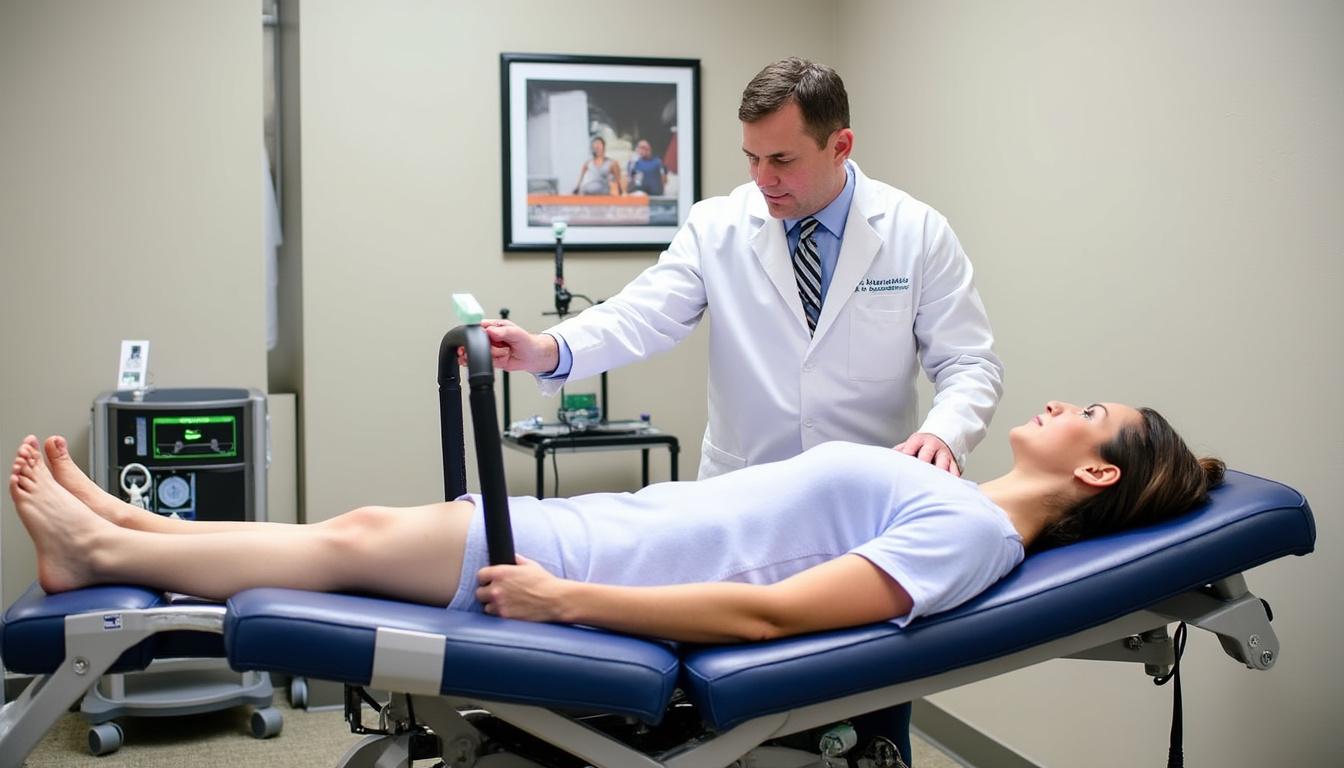
- Neurovertebral decompression: A specialized, non-invasive mechanical treatment reducing nerve root pressure, notably provided at the Clinique TAGMED.
- Medication management: To control inflammation and neuropathic pain with careful monitoring.
When these therapies fail to yield sustained improvement, surgical evaluation becomes justified. Particularly, if neurovertebral decompression was not previously attempted, it should always be integrated before surgery is considered to maximize conservative care efforts.
| Treatment | Purpose | Recommended Duration | Expected Benefits |
|---|---|---|---|
| Physiotherapy | Core stability and pain control | 3–6 months | Improved function, reduced pain |
| Osteopathic Manipulation | Musculoskeletal balance restoration | Ongoing as needed | Improved mobility and reduced muscle strain |
| Neurovertebral Decompression | Non-invasive nerve root decompression | Specialized sessions | Reduced radicular symptoms |
| Medication | Control pain and inflammation | Short-term with monitoring | Symptom mitigation |
Cervical Disc Prosthesis in Quebec City: Avoid Post-Surgery Stiffness
Chronic neck pain remains a significant challenge for thousands of residents in Quebec City every year, often leading them to seek effective spinal surgery options that minimize downtime and maximize long-term mobility. Among the recent advancements revolutionizing cervical spine care,…
Benefits of the Transatlantic Spine Surgery Pathway: Economic and Human Perspectives
For Quebec patients, transatlantic pathways to spine surgery in France offer significant advantages by combining state-of-the-art technology with patient-centered care and reasonable costs. Faced with long waiting lists or prohibitively expensive private care locally, patients find in this international model an effective alternative.
- Shorter wait times: Surgery scheduling within months versus up to a year domestically.
- Cost savings: Competitive pricing including surgery, travel coordination, and rehabilitation follow-up.
- Access to innovations: Availability of latest implants like IntraSPINE ahead of broader Canadian approvals.
- Personalized care coordination: Continuous support from pre-evaluation through post-operative rehabilitation.
- Multidisciplinary teams: Integration of surgeons, osteopaths, physiotherapists, and spine experts optimizing outcomes.
| Aspect | Transatlantic Surgery | Typical Quebec Private Care |
|---|---|---|
| Wait Time | Less than 3 months | 6–12+ months |
| Cost | Moderate, all-inclusive packages | High, often fragmented billing |
| Technology | Access to dynamic implants like IntraSPINE | Limited advanced implant options |
| Post-op Support | Coordinated multidisciplinary care | Variable follow-up quality |
This model reflects Dr. Desforges’ dedication to ensuring rigorous scientific standards, regulatory compliance from Quebec’s Collège des médecins, and a warm, humanized approach that respects each patient’s unique circumstances and hopes.
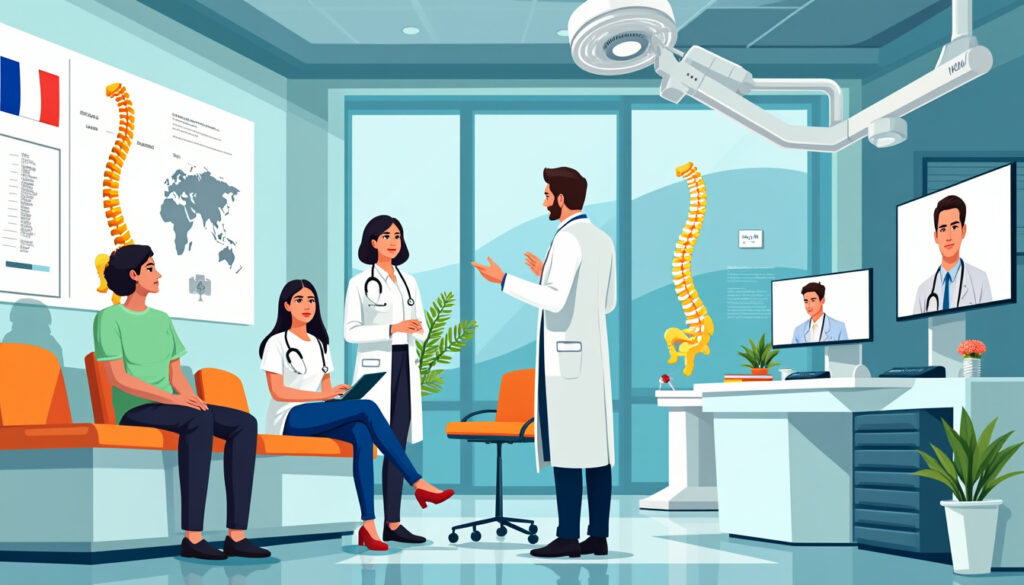
Minimally Invasive Surgery in Longueuil: Reduce Hospital Stay Duration
In recent years, advances in spinal care have dramatically reshaped the treatment landscape for patients suffering from debilitating spinal conditions. Particularly in Longueuil, the emergence of minimally invasive surgery (MIS) techniques offers a transformative alternative to conventional open surgeries. These…
Cutting-Edge Technologies Complementing IntraSPINE in Modern Orthopedic Care
The evolution of spinal surgery incorporates a suite of innovative techniques that enhance patient safety and functional results when combined with devices like IntraSPINE. These include:
- Laser-assisted spine surgery: Offering precision soft tissue removal and nerve decompression with minimal collateral damage.
- Bioactive implant coatings: Promoting osseointegration and reducing infection risk.
- Advanced imaging and navigation: Real-time surgical guidance for accurate implant positioning.
- Dynamic implants: Complementary devices from leading manufacturers tailored to individualized biomechanics.
These technologies, embraced by expert teams in both France and Canada, represent the future of spine care, where safety, efficacy, and patient quality of life converge. For those considering personalized procedures in Laval, this advances optimism toward faster, more complete recoveries.
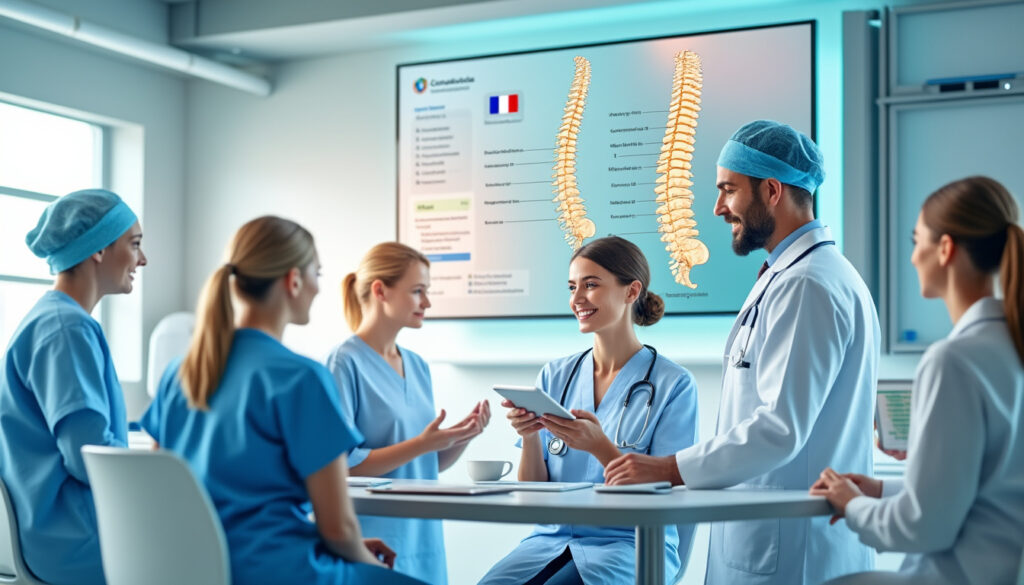
IntraSPINE® in Laval: Modern Solution for Lumbar Stabilization
In the evolving landscape of orthopedic treatments, the city of Laval has become a hub for innovations addressing chronic lower back pain. Among the groundbreaking solutions gaining attention is the IntraSPINE device—a modern spinal implant designed to offer dynamic lumbar…
Guiding Patient Decisions with Clear Communication and Ethical Expertise
Complex spinal disorders demand careful explanation and shared decision-making between patient and care team. Dr. Sylvain Desforges emphasizes a rigorous, evidence-based approach that demystifies surgical options and sets realistic expectations. By fostering transparent dialogue, patients better understand:
- The mechanisms of devices like IntraSPINE and their intended outcomes.
- The realistic benefits, potential risks, and limitations of surgery compared to conservative treatments.
- The importance of coordinated care before, during, and after surgery to optimize results.
- The personalized nature of spine health management reflecting each patient’s lifestyle and goals.
This empathetic and scientifically anchored communication strengthens trust and encourages active patient participation, which is essential for long-term success in pain management and spinal support.
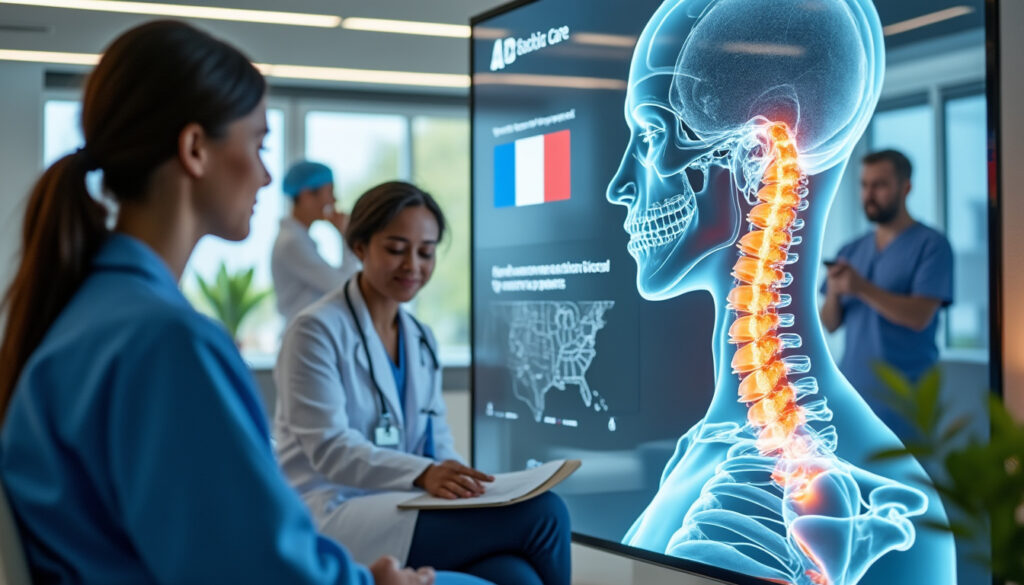
Neck Surgery in Montreal: Maintain Cervical Flexibility and Function
Neck conditions causing persistent pain or functional loss place a substantial burden on individuals and healthcare systems, especially in urban centers like Montreal. Surgical interventions targeting the cervical spine have evolved tremendously, aiming not only to relieve symptoms but to…
Frequently Asked Questions About IntraSPINE and Transatlantic Spine Care
What conditions are best suited for IntraSPINE implantation?
IntraSPINE is primarily indicated for arthropathic facet syndrome, foraminal stenosis, degenerative discopathy, and intervertebral ligament insufficiency, particularly in younger adults with early lumbar degeneration or disc herniation.
How long does recovery take after IntraSPINE surgery?
Recovery varies but typically features a shortened hospital stay due to minimally invasive technique, with a focus on rehabilitation designed to restore function and daily activity within months.
Why must conservative treatments precede surgical options?
A 3- to 6-month trial of physiotherapy, osteopathic treatment, medication, and neurovertebral decompression at specialized clinics like Clinique TAGMED ensures that surgery is pursued only when clearly necessary, promoting better outcomes and safety.
What are the economic advantages of transatlantic spine surgery?
This pathway often offers faster access to surgery, lower overall cost through all-inclusive packages, and access to innovative implants and coordinated postoperative care, compared to local private options.
Are there risks associated with the IntraSPINE device?
As with all surgeries, IntraSPINE implantation carries risks which are minimized by careful patient selection, evidence-based surgical techniques, and compliance with regulatory standards overseen by professional bodies such as Quebec’s Collège des médecins.
For more information or to discuss your specific case with an expert, please visit SOS Tourisme Médical’s contact page.

Disc Prosthesis in Lévis: Quick and Long-Lasting Results
Chronic back pain caused by degenerative disc disease continues to profoundly impact the quality of life for many residents in Lévis and the broader Quebec area. For decades, traditional spinal fusion surgery has been the primary solution for alleviating severe…