Lumbar Disc Herniation in Le Sud-Ouest: Prevention Tips, Practical Advice, and Neurovertebral Decompression Treatment
June 4, 2026
Repentigny Lumbar Disc Bulge Recovery Without Medication
June 4, 2026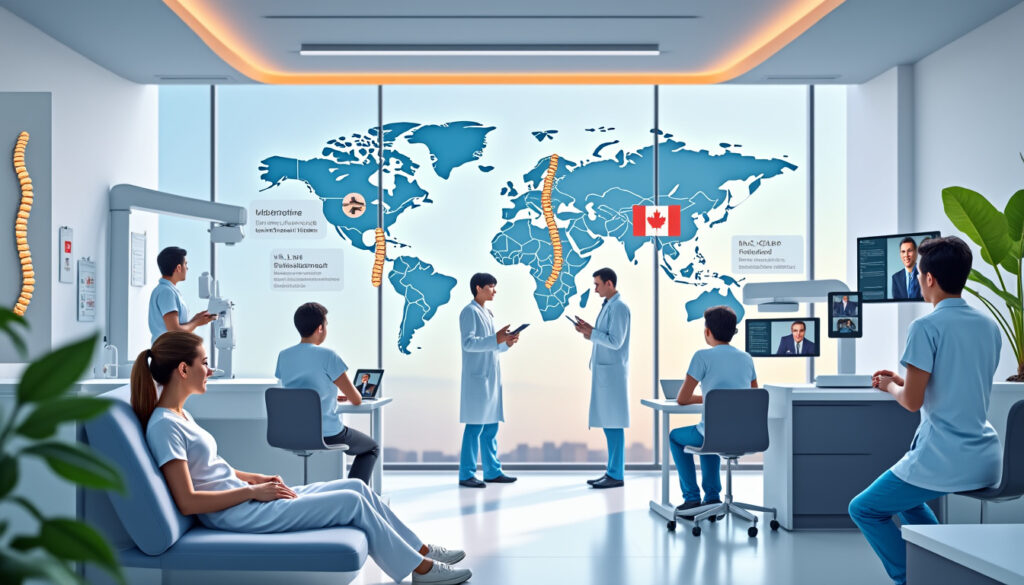
In the evolving landscape of spinal health, patients facing chronic back pain and degenerative spine conditions often find themselves seeking solutions that balance effectiveness with safety and mobility preservation. Sherbrooke has recently become a focal point for advanced spinal procedures, notably with the introduction of IntraSPINE, a minimally invasive device designed for dynamic stabilization of the lumbar spine. Approved and embraced by specialists in the region, this innovation offers hope for many Canadians requiring spine surgery but cautious about traditional fusion methods and their limitations.
As a recognized expert in spinal evaluation with over 30 years of experience, I have witnessed firsthand the transformative potential of advancements like IntraSPINE. This technique not only addresses pain associated with degenerative disc disease but also preserves spinal biomechanics, thus promoting better mobility and quality of life. Leveraging cross-Atlantic collaboration between Canada and France, patients now access cutting-edge technology and expert care with optimized timelines and personalized treatment paths tailored to their unique needs.
The adoption of IntraSPINE in Sherbrooke reflects a steady progression toward patient-centered orthopedic surgery, emphasizing safety, ethical standards, and evidence-based practices. This article unpacks the details of this procedure, delineates the stages of the patient journey from evaluation to post-operative follow-up, and explores how this dynamic stabilization device is redefining spine surgery outcomes in the region.
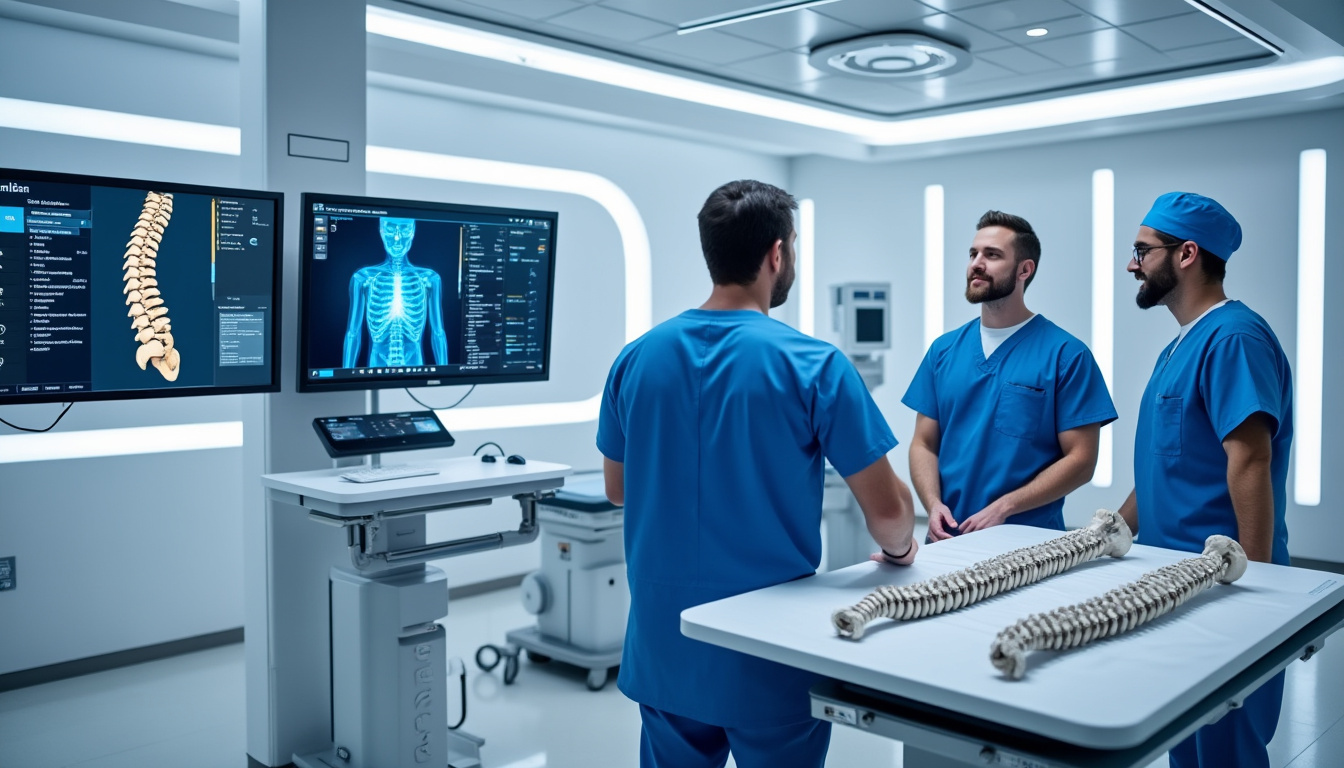
Understanding Dynamic Stabilization with IntraSPINE: A New Frontier in Spine Surgery
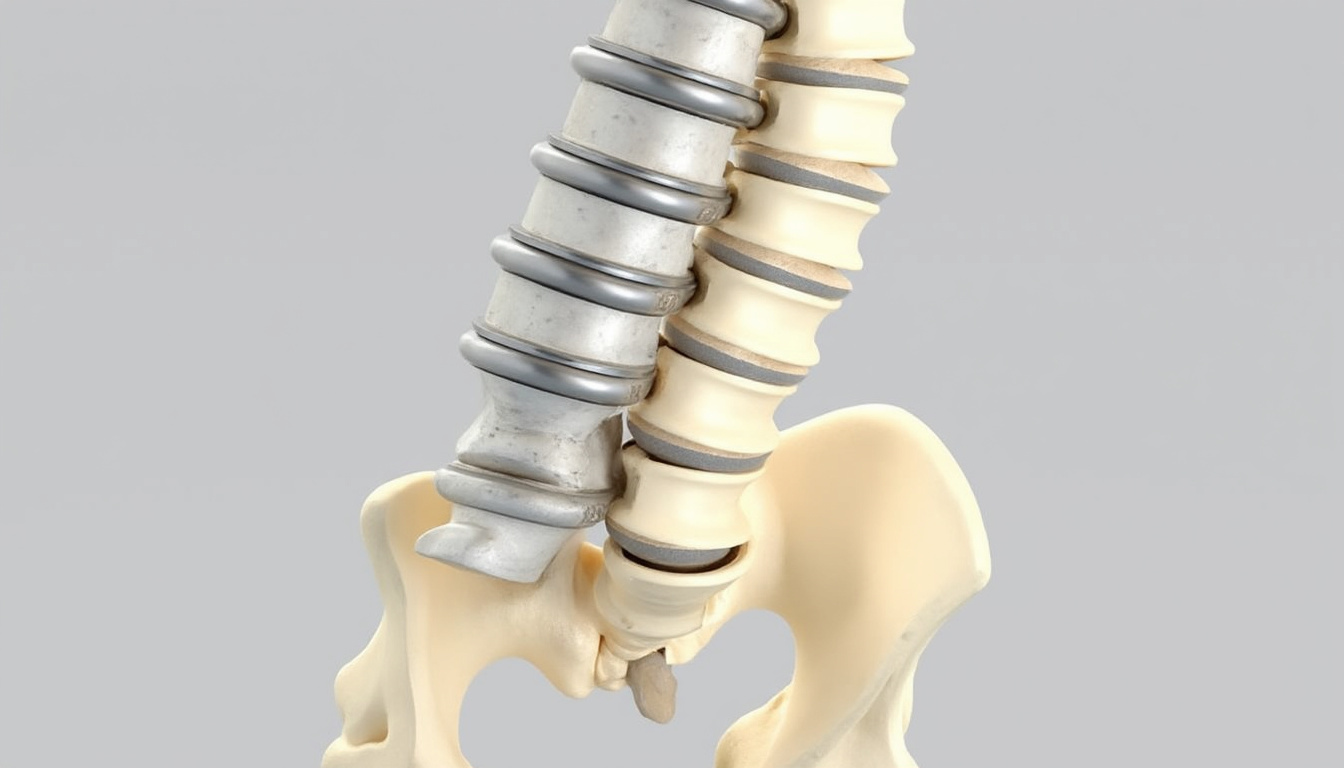
Dynamic stabilization, represented by devices like IntraSPINE, offers an innovative alternative to traditional spinal fusion surgery. Unlike fusion, which immobilizes a spinal segment by permanently joining two or more vertebrae, dynamic stabilization preserves the natural motion of the spine while providing the necessary support to relieve pain and instability.
In particular, the IntraSPINE implant is designed to fit into the interspinous space — the area between adjacent spinous processes in the lumbar region. Crafted from medical-grade dimethyl siloxane and covered with polyethylene terephthalate, it delicately supports the laminar structures while offering a cushioning effect that reduces mechanical stress on affected discs. The implant’s design also incorporates a silicone coating on its frontal tip, minimizing adhesions around the yellow ligament, a critical factor for avoiding post-surgical complications.
The procedure employing this device is highly regarded for its minimally invasive approach. It can be performed under controlled conditions by trained spinal surgeons following a standardized protocol, as outlined in resources like the IntraSPINE Instructions for Use Manual. Minimally invasive spine surgery offers numerous benefits, including a reduction in intraoperative blood loss, shorter hospital stay, decreased postoperative pain, and faster mobilization — all of which contribute to an accelerated recovery timeline.
Biomechanical and Clinical Advantages
Preserving motion means that patients retain better flexibility and function post-surgery, which contrasts markedly with fusion surgery that often results in a loss of segmental movement. This characteristic is especially significant when considering the biomechanics of the lumbar spine, where preserved mobility can prevent secondary degeneration of adjacent segments.
Clinically, patients with conditions such as degenerative disc disease, neurogenic intermittent claudication, or chronic low back pain have reported significant improvements in pain relief and functional capacity following implantation of the IntraSPINE device. Research data supports its effectiveness, indicating a reduction in leg numbness and cramping as well as improved spinal stability.
With Sherbrooke becoming a hub for this procedure, individuals across Quebec and beyond gain access to a cutting-edge option that aligns with modern orthopedic principles and patient expectations for quality of life.
IntraSPINE® in Sherbrooke: Durable Solution for Chronic Low Back Pain
The management of chronic low back pain, a widespread condition affecting millions across Quebec and beyond, has reached a pivotal moment thanks to innovative medical technologies and coordinated care pathways. At the heart of this evolution lies the IntraSPINE implant,…
Stages of the Patient Journey from Evaluation to Post-Operative Care in Sherbrooke
A cornerstone of comprehensive spine care is the structured pathway that takes a patient from initial evaluation through to post-operative rehabilitation. This journey is designed with meticulous attention to both the physical and psychosocial needs of the individual, ensuring a personalized and evidence-based approach.
Initial Evaluation and Assessment: Patients undergo a rigorous assessment process involving detailed history-taking, clinical examination, and advanced imaging to pinpoint the nature and extent of spinal pathology. My expertise — supported by foundational qualifications like B.Sc., D.O., and N.D., and shaped by decades of clinical experience — aids in distinguishing cases suitable for dynamic stabilization from those better managed conservatively or via other surgical procedures.
Pre-Surgical Care and Conservative Management: Before surgery is considered, patients are encouraged to pursue a minimum of three to six months of conservative treatments. This period aims to optimize spinal health through therapies such as physiotherapy, manual osteopathy, and notably, neurovertebral decompression available at specialized centers like Clinique TAGMED. Only after these interventions, if symptoms persist unmitigated, should surgery be contemplated as a viable option.
Surgical Procedure and Hospitalization: Once surgery is planned, the procedure using the IntraSPINE implant in Sherbrooke is carried out by surgeon teams specialized and trained on the device. The surgical steps involve precise insertion of the implant in the interspinous area, achieving dynamic stabilization with minimal tissue disruption. Hospital stays are typically brief given the minimally invasive nature of the surgery, enabling patients to commence early mobilization.
Post-Operative Rehabilitation and Support: Recovery encompasses not only physical rehabilitation but also ongoing monitoring for alignment, implant integration, and symptom relief. Closely coordinated follow-up with the surgical team and rehabilitation specialists ensures timely management of any emerging issues.
Furthermore, for patients traveling internationally, seamless care continues upon return to Canada, facilitated by a transatlantic network of healthcare providers and platforms such as SOS Tourisme Médical. This ensures continuity and personalization of care, vital for both physical and emotional peace of mind.
Spine Surgery in Trois-Rivières: Reduce Pain and Preserve Mobility
In recent years, spine surgery in Trois-Rivières has evolved notably, combining advanced medical expertise with innovative technologies to deliver patient-centered care. This growing field addresses the increasing demand among Quebec residents seeking effective solutions for chronic back pain and mobility…
Comparing Surgical Options: Simple Surgery, Fusion, and Motion-Preserving Techniques
When exploring surgical options for spinal disorders, understanding the variety of techniques and their respective implications is essential for making informed decisions. In Sherbrooke and internationally, three primary categories stand out: simple decompressive surgery, spinal fusion, and motion-preserving surgeries like IntraSPINE implantation.
1. Simple Decompressive Surgery
This surgery targets the relief of nerve compression caused by disc herniations or spinal stenosis. Techniques include discectomy or laminectomy, which focus on removing tissue or bone causing nerve irritation. While effective for symptom relief, simple decompressive surgery does not address spinal instability, which may require further intervention if patient symptoms persist.
2. Spinal Fusion Surgery
Considered a traditional treatment for spinal instability or severe degeneration, spinal fusion involves permanently joining two or more vertebral segments. Although effective in stabilizing the spine, fusion limits spinal mobility and carries risks such as adjacent segment disease. The recovery can be longer, and patients often face restrictions in physical activity post-operation.
3. Motion-Preserving Surgeries (Dynamic Stabilization)
Dynamic stabilization techniques, like those using the IntraSPINE implant, aim to support spinal segments while maintaining natural motion. This approach offers the advantages of less invasive surgery, improved postoperative mobility, and potentially reduced risk of degeneration at adjacent levels. These benefits are particularly important to younger, active patients or those prioritizing motion preservation.
This comparative understanding empowers patients to weigh their options carefully under expert guidance — a practice rooted in my commitment to ethical, evidence-based care.
| Type of Surgery | Primary Goal | Effect on Spine Mobility | Typical Recovery Time | Potential Risks |
|---|---|---|---|---|
| Simple Decompressive Surgery | Relieve nerve compression | Preserved | Weeks to months | Possible instability if untreated |
| Spinal Fusion | Stabilize spinal segments | Eliminated at fused levels | Months, often longer | Adjacent segment degeneration, reduced mobility |
| Dynamic Stabilization (IntraSPINE) | Stabilize while preserving motion | Maintained | Faster rehabilitation | Device-related complications (rare) |

TOPS™ in Gatineau: High-Performance Option for the Lumbar Spine
The landscape of spinal surgery has witnessed profound evolution, particularly for patients grappling with lumbar spine disorders such as spinal stenosis and spondylolisthesis. These conditions, increasingly prevalent among Quebec’s population, impose substantial limitations on mobility and quality of life. The…
Why Conservative Treatments Must Precede Surgery: The Role of Neurovertebral Decompression
Recognizing surgery as a significant step, I emphasize a cautious and informed approach that prioritizes non-surgical interventions. A critical aspect is ensuring all appropriate conservative treatments are exhausted before considering surgical options like IntraSPINE implantation.
Among these conservative measures, neurovertebral decompression has emerged as a front-line therapy, particularly as available at Clinique TAGMED. This method gently relieves pressure on spinal nerves through non-invasive or minimally invasive techniques, improving symptoms of radiculopathy and promoting tissue healing.
Prescribing 3 to 6 months of such treatments ensures that surgery is reserved only for cases truly refractory to conservative management. This protocol aligns with ethical practice standards and guidelines from Canadian and Quebec medical colleges, embedding safety and efficacy at the heart of patient care.
Patients often report noticeable improvement and enhanced function after completing a course of neurovertebral decompression, highlighting its value within an integrated care pathway.
Cervical Disc Prosthesis in Quebec City: Avoid Post-Surgery Stiffness
Chronic neck pain remains a significant challenge for thousands of residents in Quebec City every year, often leading them to seek effective spinal surgery options that minimize downtime and maximize long-term mobility. Among the recent advancements revolutionizing cervical spine care,…
The Biometrics of Dynamic Stabilization: How IntraSPINE Enhances Spinal Functionality
Beyond the clinical benefits, the biometrics of dynamic stabilization devices like IntraSPINE shed light on why they represent a breakthrough in spine surgery. By maintaining the delicate balance between mechanical support and vertebral mobility, these implants reduce the abnormal stresses that often precipitate progressive degeneration.
The design elegantly accommodates spinal flexion, extension, and lateral bending without imposing rigid constraints. This approach translates into improved functional outcomes, including enhanced gait and decreased reliance on analgesics postoperatively. Such biomechanical insights underscore why dynamic stabilization is increasingly favored over rigid fusion in suitable patients.
Minimally Invasive Surgery in Longueuil: Reduce Hospital Stay Duration
In recent years, advances in spinal care have dramatically reshaped the treatment landscape for patients suffering from debilitating spinal conditions. Particularly in Longueuil, the emergence of minimally invasive surgery (MIS) techniques offers a transformative alternative to conventional open surgeries. These…
International Collaboration and Transatlantic Patient Coordination
One distinctive aspect of advanced spine care available to Quebec residents is the coordination across borders, notably between Canada and France. Such collaboration accelerates access to innovative technologies like IntraSPINE, which may not be widely available elsewhere in Canada.
In my role as founder and president of multiple spine care associations, including the Collège des Ostéopathes Canadiens and TAGMED, I guide patients through this complex path with clarity and compassion. Working with surgical teams and partners in France ensures that patients receive top-tier care during surgery and rehabilitation phases, with continuity of follow-up upon returning to Quebec.
This transatlantic model reduces waiting times, personalizes treatment strategies, and integrates multidisciplinary expertise to optimize outcomes while respecting patient safety and regulatory standards.
IntraSPINE® in Laval: Modern Solution for Lumbar Stabilization
In the evolving landscape of orthopedic treatments, the city of Laval has become a hub for innovations addressing chronic lower back pain. Among the groundbreaking solutions gaining attention is the IntraSPINE device—a modern spinal implant designed to offer dynamic lumbar…
Unique Services and Technologies That Set Sherbrooke’s Dynamic Stabilization Apart
Sherbrooke’s surgical teams wield cutting-edge technologies in the realm of dynamic stabilization, leveraging the benefits of the IntraSPINE device alongside complementary techniques such as minimally invasive laser therapies and advanced imaging tools.
The comprehensive service package also includes bespoke implant sizing and tailored surgical planning, ensuring each device uniquely fits the patient’s anatomical and pathological profile. Moreover, postoperative care extends beyond initial recovery, with access to physiotherapy and long-term monitoring integrating digital health platforms.
The entire approach underscores an unwavering commitment to scientific rigor, clinical excellence, and humanistic care — core values embedded in all stages of management.
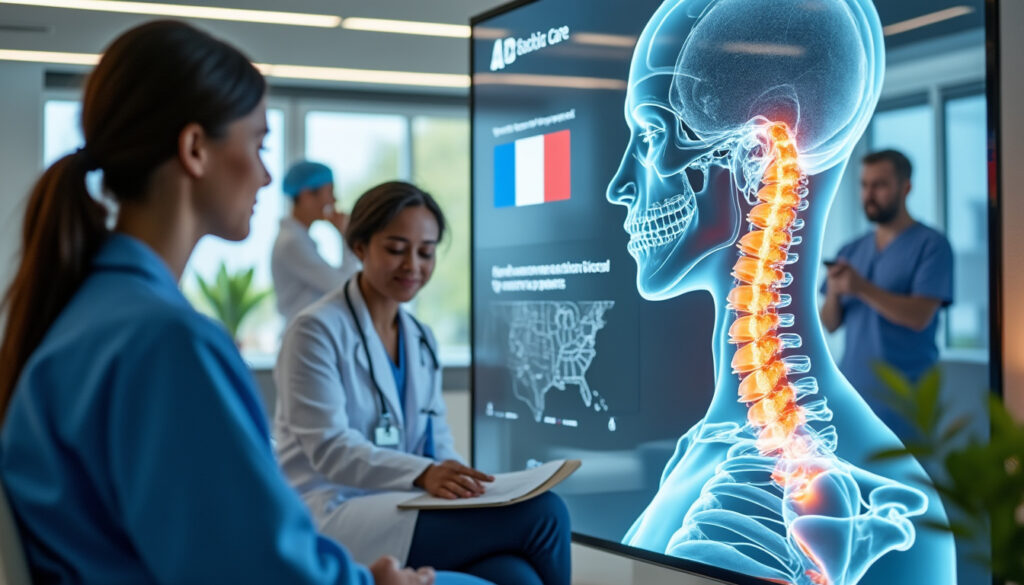
Neck Surgery in Montreal: Maintain Cervical Flexibility and Function
Neck conditions causing persistent pain or functional loss place a substantial burden on individuals and healthcare systems, especially in urban centers like Montreal. Surgical interventions targeting the cervical spine have evolved tremendously, aiming not only to relieve symptoms but to…
The Human Side of Spine Surgery: Patient Empowerment and Education
Dealing with spinal conditions is often stressful, naturally generating concerns about pain, mobility, and lifestyle impact. Throughout my career, I’ve prioritized clear communication and patient education, demystifying complex medical concepts without jargon and empowering individuals to take active roles in their treatment journey.
By explaining the benefits, potential risks, and expected outcomes of dynamic stabilization, including detailed descriptions of surgical steps and recovery expectations, patients can make informed decisions. Encouragement to ask questions and express concerns fosters confidence and motivation, which are crucial for optimal rehabilitation results.
This respectful, empathetic approach aligns with my broad mission to provide not only expert evaluations but also personalized guidance that respects each patient’s uniqueness.

Disc Prosthesis in Lévis: Quick and Long-Lasting Results
Chronic back pain caused by degenerative disc disease continues to profoundly impact the quality of life for many residents in Lévis and the broader Quebec area. For decades, traditional spinal fusion surgery has been the primary solution for alleviating severe…
The Benefits of Minimally Invasive Dynamic Stabilization: A Patient-Centered Perspective
From the patient’s viewpoint, the advantages of the IntraSPINE procedure in Sherbrooke are numerous. Minimally invasive dynamic stabilization is associated with:
- Reduced post-operative pain due to less muscle and tissue disruption
- Shorter hospital stays promoting quicker return to daily activities
- Preservation of spinal mobility enabling better functional outcomes
- Lower risk of adjacent segment disease when compared to fusion surgery
- Access to advanced technology not widely available in many Canadian centers
These benefits contribute to not only physical recovery but also quality of life, encouraging patients to remain engaged in their health management.
The expanding availability of this procedure underscores a larger shift in orthopedic surgery — one that prioritizes innovation, gentleness, and evidence-based results.
For those considering spinal surgery and wishing to explore dynamic stabilization options, consulting with dedicated experts like myself and discussing personalized evaluations is a crucial step.
For more details or to discuss your case, please visit https://www.sostourismemedical.com/contact.
What makes IntraSPINE different from traditional spinal implants?
The IntraSPINE device provides dynamic stabilization that preserves spine mobility, unlike traditional fusion implants which restrict movement by permanently joining vertebrae.
Is surgery always necessary for chronic low back pain?
Surgery is typically considered only after 3 to 6 months of conservative treatments, including neurovertebral decompression. Many patients experience symptom relief without needing surgery.
How long is the recovery after IntraSPINE implantation?
Recovery is generally faster compared to fusion surgery due to the minimally invasive nature of the procedure, often enabling patients to resume activities within weeks.
Can patients from outside Quebec access IntraSPINE treatment in Sherbrooke?
Yes, through coordinated transatlantic collaboration and platforms like SOS Tourisme Médical, patients from various regions can benefit from this innovative procedure.
What are the risks associated with dynamic stabilization surgery?
Risks are low but can include device-related complications. Careful patient selection and surgical expertise significantly reduce these risks.