Saint-Jérôme Chronic Sciatica Relief That Lasts
May 16, 2026
Mascouche Lumbar Disc Care Without Steroid Injections
May 16, 2026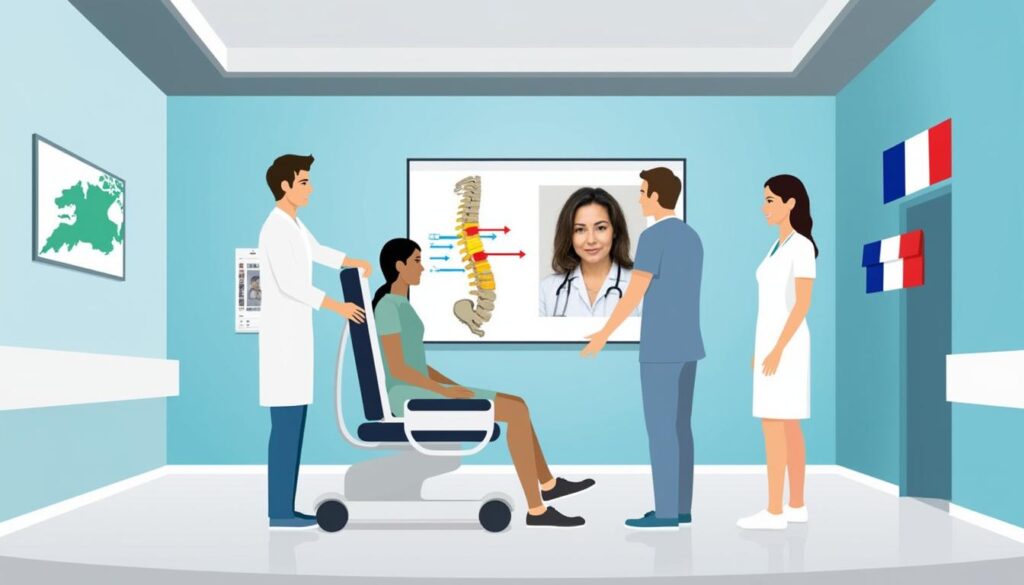
The landscape of lumbar spine care is evolving dramatically in 2026, with innovations like IntraSPINE leading the charge toward gentler, more effective treatments for chronic back pain. In Sherbrooke, patients facing debilitating lumbar conditions now have access to a minimally invasive spinal support system designed to preserve natural motion while providing stabilization. This paradigm shift, championed by Dr. Sylvain Desforges—a pioneer in spinal evaluation and care—offers a scientifically grounded, ethically responsible option that balances biomechanical advancement with compassionate patient guidance. Exploring the biomechanics, clinical pathways, and transatlantic coordination behind IntraSPINE reveals how this technology transforms patient outcomes and care experiences.
Back pain affects millions, especially in Quebec, where wait times and costs for private care can limit access to timely treatment. IntraSPINE offers a new approach, focusing on dynamic stabilization rather than traditional fusion, reducing postoperative complications and enhancing recovery speed. Through Dr. Desforges’ expertise and the collaboration between Canadian clinics and French surgical centers, patients benefit from rigorous preoperative evaluations, a structured conservative treatment phase, and tailored postoperative rehabilitation. This article delves into the multifaceted advantages of IntraSPINE, the patient journey from evaluation to recovery, and the broader implications for spine care innovation.
Understanding IntraSPINE: A Dynamic Lumbar Stabilization Device in Sherbrooke
IntraSPINE represents a significant advancement in orthopedic spinal treatment by offering a gentle approach to lumbar stabilization that preserves spinal biomechanics. Unlike rigid fusion surgeries that immobilize segments, IntraSPINE provides dynamic support through a unique implant positioned between the laminae and spinous processes. This placement aligns closely with the spine’s natural instantaneous axis of rotation, which is pivotal in maintaining balanced motion and reducing undue stress on adjacent segments.
The device is constructed from biocompatible materials such as medical-grade dimethyl siloxane encased in polyethylene terephthalate (PET), allowing it to flex and deform elastically. Such design enables controlled flexion and extension compatible with physiological spinal movements. Key biomechanical benefits include:
- Preservation of range of motion (ROM) at the treated lumbar level, contrasting sharply with the rigidity of traditional fusion procedures.
- Restoration of posterior disc height and foraminal height, which helps alleviate nerve root compression and improves pain relief.
- Reduction in adjacent segment degeneration (ASD), one of fusion’s main drawbacks, by maintaining more natural loading patterns on spinal tissues.
Clinical studies and patient feedback confirm that IntraSPINE implantation leads to faster recovery, decreased intraoperative trauma, and sustained functional improvements. This balance of efficacy and preservation is central to its adoption in Sherbrooke and beyond.
Dr. Sylvain Desforges, with over 30 years of experience and multiple qualifications (B.Sc., D.O., N.D.), leads the evaluation and personalized care plans for patients considering this treatment. His role as founder and president of key associations such as the ACMA and the Collège des Ostéopathes Canadiens ensures the highest standards of scientific rigor and ethics are maintained throughout the care continuum. The IntraSPINE procedure is recommended only after thorough conservative management, emphasizing Dr. Desforges’ philosophy of evidence-based, patient-centered care.
Motion Surgery in Terrebonne: Limit Complications and Preserve Mobility
Motion surgery in Terrebonne is at the forefront of spinal care innovation, offering groundbreaking solutions for patients burdened by chronic lumbar conditions who seek alternatives beyond the typical barriers of cost and wait times experienced in Quebec’s healthcare system. Motion-preserving…
Comparing IntraSPINE to Traditional Lumbar Fusion: What Patients Need to Know
Lumbar fusion surgery has long been the gold standard for severe degenerative disc disease and lumbar instability, yet it comes with limitations. Fusion involves rigidly joining vertebrae, eliminating motion at the affected segment. While effective at pain relief, this rigidity often leads to increased mechanical stress on adjacent spinal levels, precipitating further degeneration and sometimes necessitating revision surgery.
In contrast, IntraSPINE offers a minimally invasive alternative aiming to stabilize the lumbar spine while preserving segmental mobility. Below is a detailed comparison illustrating critical differences:
| Parameter | IntraSPINE | Traditional Lumbar Fusion |
|---|---|---|
| Operative Time | Approximately 72 minutes | Approximately 82 minutes |
| Intraoperative Blood Loss | ~65 ml | ~82 ml |
| Postoperative Hospital Stay | ~9 days | ~11 days |
| Preservation of Range of Motion | ~50% (Partial preservation) | Almost none |
| Incidence of Adjacent Segment Degeneration (ASD) | Lower | Higher |
These statistics underline the advantages of dynamic stabilization technologies. Patients often report less postoperative pain and a quicker return to normal activities following IntraSPINE implantation. This approach aligns well with the holistic vision of care promoted by Dr. Desforges, who integrates dynamic implants alongside conservative therapies.
For those interested in technical details and clinical evidence, further information is available in specialized resources such as the IntraSPINE clinical data and reviews published by orthopedic alliances.
Reducing Risks and Enhancing Patient Comfort
Minimally invasive surgery reduces muscle trauma, operative blood loss, and infection risks. Patients treated with IntraSPINE often experience a smoother postoperative course with fewer complications than those undergoing fusion. These benefits, combined with Dr. Desforges’ rigorous preoperative evaluation process, optimize patient safety and satisfaction.

Lumbar Disc Prosthesis in Saguenay: Immediate and Approved Relief
The city of Saguenay, Quebec, now stands at the forefront of spinal health innovation with the introduction of lumbar disc prosthesis as an approved and effective treatment for chronic back pain. As many adults here grapple with debilitating lumbar conditions,…
Key Steps in the Patient Pathway: From Assessments in Quebec to Surgery in France
The journey for patients seeking IntraSPINE treatment often spans continents, thanks to a well-coordinated transatlantic care pathway. Dr. Sylvain Desforges plays a crucial role in assessing candidates in Quebec through comprehensive evaluations, including reviewing medical history, imaging, and prior treatment responses.
Only after a minimum of 3 to 6 months of exhaustive conservative care is surgery considered. This phase often involves advanced neurovertebral decompression therapies, including those offered by the Clinique TAGMED in Sherbrooke—a reference center for such treatments in Quebec. The clinic’s multidisciplinary team ensures patients receive optimized non-invasive care that may eliminate or delay the need for surgery.
Upon identifying suitable surgical candidates, international travel and hospital logistics are managed by partners like SOS Tourisme Médical. French centers specializing in spinal surgery, equipped with leading robotic-assisted technology such as the Medtronic Mazor system, provide the surgical expertise and access to innovative devices like IntraSPINE.
Following surgery, patients return to Quebec for rehabilitation under expert supervision, including services provided by Neurothérapie Montréal. This multidisciplinary follow-up aids recovery, restores function, and monitors implant integration and adjacent segment health.
Throughout this trajectory, transparent communication and personalized support foster a reassuring patient experience, reflecting Dr. Desforges’ humanistic approach to spine care coordination.
Managing Expectations and Customizing Care
Every patient is unique, necessitating tailored evaluations that consider age, spinal stability, general health, and symptom severity. IntraSPINE is indicated particularly for patients with localized lumbar degenerative disc disease without severe instability or advanced osteoporosis. Contraindications such as high-grade spondylolisthesis or large disc herniations are carefully ruled out to ensure safety.
This meticulous selection process guarantees that the benefits of dynamic stabilization are maximized while minimizing risk, allowing for personalized treatment algorithms aligned with the latest scientific standards.
IntraSPINE® in Sherbrooke: Personalized Care for Active Patients
In Sherbrooke, the advent of the IntraSPINE device marks a significant milestone in spinal health care, particularly for active patients grappling with chronic lower back pain. Recognized as a pioneering development in orthopedic treatment, IntraSPINE is reshaping expectations around back…
Conservative Care as a Foundational Step Before Considering Surgery
A cornerstone of Dr. Sylvain Desforges’ philosophy is the prioritization of evidence-based conservative treatments before exploring surgical options like IntraSPINE. Patients are encouraged to complete 3 to 6 months of comprehensive non-surgical interventions to reduce pain and improve function.
These interventions typically include:
- Neurovertebral decompression therapy at specialized facilities such as the Clinique TAGMED, which utilizes innovative, non-invasive methods to relieve nerve compression.
- Physical therapy focusing on core strengthening and spinal mechanics to foster natural stability and flexibility.
- Pharmacologic management using appropriate anti-inflammatory and analgesic medications.
- Complementary therapies like acupuncture and massage to aid circulation and reduce neuromuscular tension.
By ensuring patients have exhausted conservative avenues, the risk profile of subsequent surgical procedures improves, and the likelihood of successful outcomes increases. This strategy not only respects patient safety but also aligns with Canadian regulatory guidelines, underscoring patient-centered ethical care.
Patients whose prior therapy did not include neurovertebral decompression may benefit specifically from these advanced modalities, which represent a unique asset of the local Quebec health ecosystem.
For a deeper understanding of these therapies and their integration within the treatment continuum, explore the resources available at the Clinique TAGMED.
Long-Term Benefits of Prior Conservative Care
Adhering to this staged treatment model can lead to reduced need for surgery, faster post-treatment recovery, and lower healthcare costs. It empowers patients with knowledge and self-management tools, enhancing their engagement in their own health journey. This evidence-backed approach is both scientifically sound and compassionate, embodying Dr. Desforges’ dedication to ethical spine care.
Spine Surgery in Trois-Rivières: Maintain Quality of Life After Surgery
Spine surgery in Trois-Rivières has evolved into a beacon of hope for patients enduring chronic spinal conditions that drastically impair daily living. Facing prolonged wait times and escalating healthcare costs within Canada, many patients seek innovative solutions beyond their borders…
Technological Innovation Behind IntraSPINE: Enhancing Precision and Safety
The integration of cutting-edge technology is pivotal to the success of IntraSPINE implantation. French surgical centers utilize advanced robotic guidance tools such as the Medtronic Mazor system, enabling precise preoperative 3D planning and intraoperative navigation. These innovations drastically reduce risks like implant misplacement or excessive bone removal, enhancing operative safety and functional outcomes.
Supporting technologies include:
- High-resolution imaging modalities such as MRI and CT scans for individualized surgical planning.
- Custom surgical instruments designed for ergonomic handling and minimal tissue disruption.
- Biocompatible, flexible materials that mimic natural tissue characteristics and promote long-term implant integration.
These technical strides reflect a commitment to both patient safety and excellence in spinal care. They also demonstrate how the synergy of human expertise—such as that provided by Dr. Desforges—and technological innovation can optimize treatment success.
Collaboration Between Experts and Industry Leaders
Partnerships with leading manufacturers like Zimmer Biomet, Medtronic, and Cousin Biotech ensure that implants like IntraSPINE meet rigorous CE and FDA standards. This collaboration supports continuous improvements in materials, design, and surgical protocols, always placing patient needs at the forefront.
TOPS™ in Gatineau: Quick Relief After Decompression
In the fast-evolving world of spine care, patients and practitioners alike search for innovative solutions that combine effectiveness, safety, and minimal invasiveness. Especially for those affected by lumbar spinal stenosis and degenerative spondylolisthesis, finding relief from debilitating back and leg…
Patient-Centered Rehabilitation and Long-Term Management in Quebec
Postoperative care is as critical as the surgery itself for ensuring durable success. Programs coordinated by Neurothérapie Montréal provide a multidisciplinary framework combining physical therapy, neuromodulation, and patient education. These tailored rehabilitation plans emphasize:
- Progressive physical strengthening to restore spine stability and muscular support.
- Emerging neuromodulation therapies like repetitive transcranial magnetic stimulation that enhance pain management and neuroplasticity.
- Patient empowerment through education, enabling active engagement in ongoing spine health maintenance.
- Regular imaging follow-up to monitor implant status and adjacent segment integrity over time.
This holistic approach ensures patients are equipped not only to recover but to maintain spinal function and quality of life long after surgery. Dr. Desforges’ focus on continuity of care addresses gaps frequently seen in solo treatment models.
Supporting Patient Confidence and Autonomy
Beyond physical recovery, psychological support plays a vital role in healing. Patients report higher satisfaction and confidence when supported by teams who communicate clearly and foster understanding of each phase of recovery. This culturally sensitive, patient-centered care model is a hallmark of the clinics involved.
Cervical Disc Prosthesis in Quebec City: Approved and Durable Option
In Quebec City, advancements in spinal health have introduced the Cervical Disc Prosthesis as a transformative solution for those suffering from chronic neck pain and cervical spine pathologies. With approved medical devices now accessible, patients can benefit from procedures that…
The Economic and Human Advantages of the Transatlantic Care Model
The transatlantic care model connecting Quebec patients to French surgical expertise demonstrates not only clinical benefits but also important economic and humanistic advantages. Quebec patients benefit from:
- Reduced wait times for cutting-edge surgical procedures unavailable or delayed locally.
- Access to innovative implants and technologies such as IntraSPINE that might not be widely available in Canada.
- Streamlined coordination through partners like SOS Tourisme Médical, who smooth logistical, linguistic, and administrative challenges.
- Customized, culturally adapted care that respects patient preferences and lifestyles.
This approach reflects Dr. Desforges’ vision of spinal care as a global collaboration that maximizes treatment efficacy while maintaining a warm, human touch.
| Benefit | Description |
|---|---|
| Clinical Outcomes | Improved surgical precision and functional preservation using advanced dynamic implants |
| Cost Efficiency | Potential savings through reduced hospitalization times and quicker recoveries |
| Patient Experience | Personalized, empathetic care that supports education and psychological well-being |
| Continuity of Care | Seamless integration of pre- and postoperative phases across international settings |
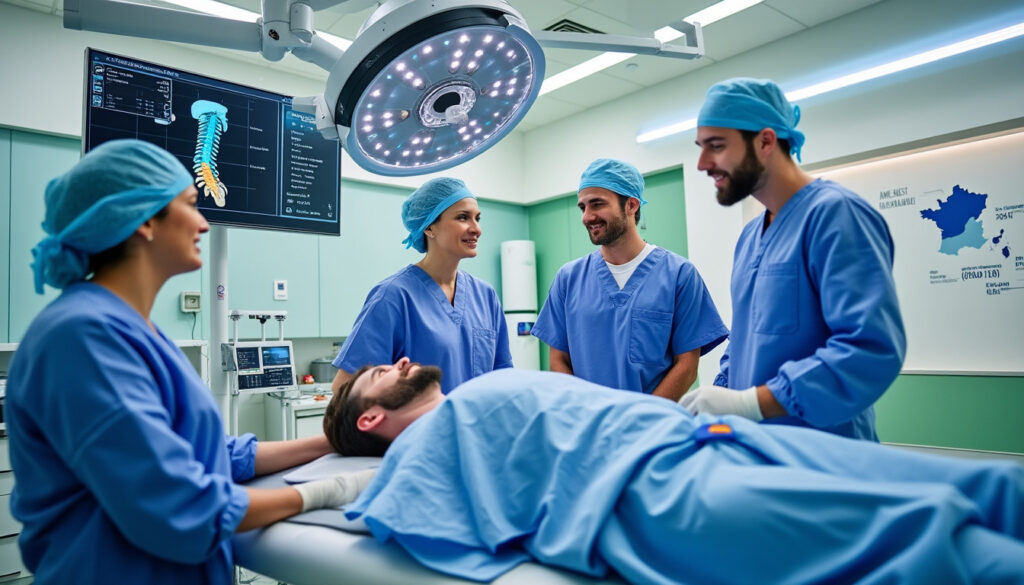
Minimally Invasive Surgery in Longueuil: Shorter Recovery and Maintained Mobility
In the evolving landscape of spinal care, patients across Quebec increasingly seek minimally invasive surgical solutions to overcome the challenges posed by chronic back and neck conditions. In Longueuil, a hub of innovative spine treatments, these advanced procedures are transforming…
Empowering Patients Through Clear Communication and Decision Support
Patients considering IntraSPINE surgery deserve clear, jargon-free explanations of their options, potential benefits, and the steps involved in their care journey. Dr. Desforges stresses the importance of informed consent and shared decision-making.
Key discussion points facilitated during evaluations include:
- Assessment of symptoms and spinal imaging to clarify surgical indications.
- Review of conservative treatment outcomes and rationale for proceeding to surgery.
- Detailed explanation of the IntraSPINE procedure, expected recovery, and rehabilitation expectations.
- Potential risks and contraindications, ensuring transparency and patient comfort.
- Coordination and logistical planning for transatlantic care, reducing anxiety and confusion.
This patient-first communication style fosters trust and motivates active participation, fundamental for long-term success.
What is the IntraSPINE implant?
IntraSPINE is a dynamic stabilization device placed in the lumbar spine to provide support and pain relief without fusing vertebrae, preserving natural motion.
How long is the typical care pathway before surgery?
The process begins with a thorough evaluation followed by 3 to 6 months of conservative treatments, including advanced neurovertebral decompression therapies.
Are there risks associated with IntraSPINE?
Risks are minimal due to the device’s minimally invasive nature, but patients undergo careful assessments to optimize safety.
What does postoperative follow-up involve?
It includes personalized rehabilitation and ongoing support from multidisciplinary professionals to ensure optimal recovery and implant integration.
Where can I find more information about conservative treatments?
The Clinique TAGMED offers advanced conservative care, including neurovertebral decompression, playing a crucial role before surgical consideration.
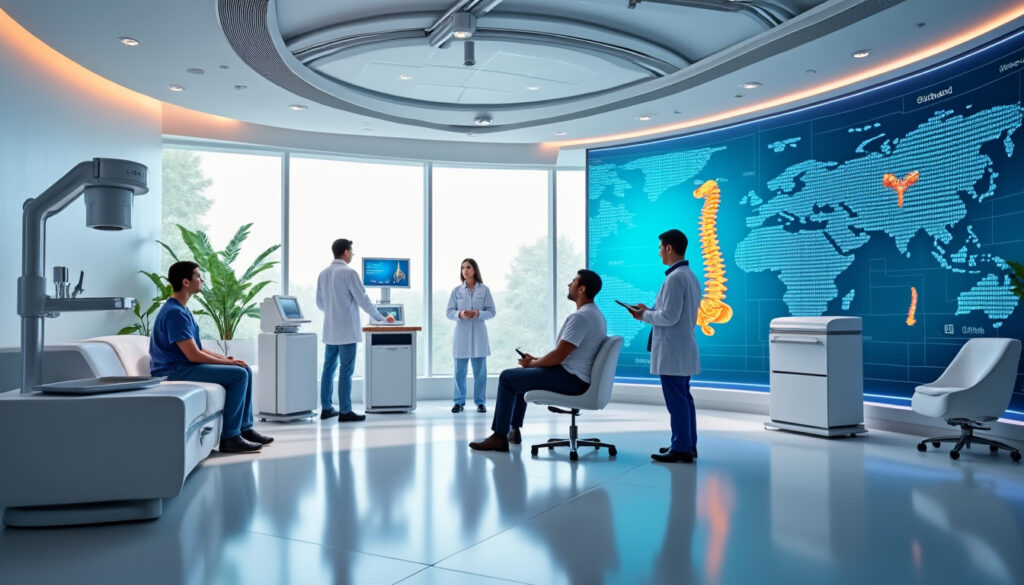
IntraSPINE® in Laval: Fast Recovery After Lumbar Intervention
The quest for effective solutions to chronic lumbar back pain continues to inspire innovative approaches in spine care. With over three decades of expertise, Dr. Sylvain Desforges stands at the forefront of this transformation, weaving scientific rigor, cutting-edge technology, and…