Montreal Neck Disc Pain Treatment Options Without Surgery
May 15, 2026
Laval Herniated Disc Prevention Strategies for Office Workers
May 15, 2026
In the realm of spinal care, the preservation of natural spinal biomechanics and mobility has become a paramount focus, especially for patients enduring chronic back pain and degenerative lumbar conditions. Recent advances have introduced innovative solutions that aim not only to alleviate pain but also to maintain the intrinsic flexibility and function of the spine. Sherbrooke, a hub for groundbreaking spinal treatments, has embraced the IntraSPINE device — a cutting-edge technology designed to offer dynamic stabilization with a minimally invasive approach. Unlike traditional fusion surgeries that restrict spinal motion, the IntraSPINE device uniquely supports spinal biomechanics while promoting spinal mobility, thus addressing the dual needs of pain relief and functional preservation. With a rising aging population facing spinal stenosis and osteoporosis, the IntraSPINE represents a remarkable advance that combines biomechanical integrity, patient safety, and technological sophistication, offering a promising avenue for improved spine health and quality of life.
Dr. Sylvain Desforges, with over 30 years of extensive experience and a deep commitment to evidence-based spinal care, plays a pivotal role in advancing these treatments. His expertise in evaluating spinal disorders and coordinating patient pathways between Canada and France encourages trust and confidence among patients seeking effective and personalized care. Embedded within this evolving landscape is the recognition of the importance of interdisciplinary collaboration, education, and innovative technologies that align with rigorous standards and patient safety regulations across Québec and Canada. This article navigates through the nuanced facets of spinal biomechanics, the innovative applications of IntraSPINE in Sherbrooke, and the broader context of spinal treatment choices, serving as a comprehensive guide for those exploring advanced, minimally invasive solutions to restore posture, relieve back pain, and regain mobility.
Understanding the Importance of Spinal Biomechanics and Mobility in Spine Health
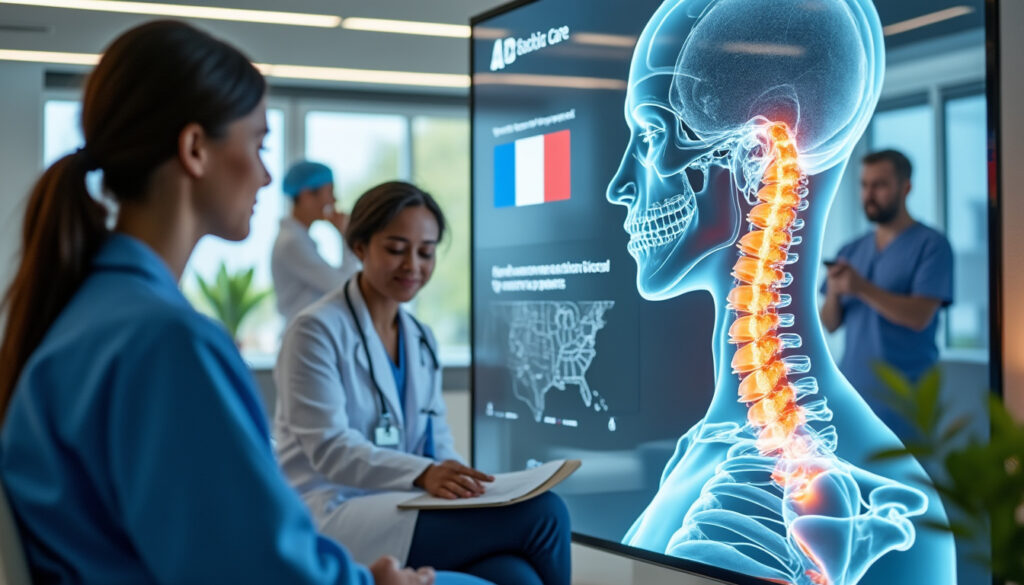
Spinal biomechanics refers to how the spine moves and bears load throughout various activities. Maintaining spinal mobility and proper biomechanics is essential for spinal health because it ensures the vertebrae, discs, muscles, and ligaments are functioning harmoniously, mitigating strain and preventing further deterioration. Disruptions in spinal biomechanics often underlie many cases of chronic back pain and degenerative spine diseases, leading to decreased quality of life and mobility challenges.
The lumbar region, in particular, requires a delicate balance between stability and movement. When spinal structures degenerate due to aging, trauma, or disease, this balance is disturbed, frequently resulting in pain, stiffness, and neurological symptoms. Dr. Sylvain Desforges emphasizes that effective treatment must do more than just relieve pain; it should also preserve or restore the natural mechanics of the spine to prevent secondary complications such as adjacent segment disease (ASD), which can emerge following spinal fusion surgeries. In this context, innovative devices like the IntraSPINE are designed specifically to maintain spinal mobility while offering the necessary support for painful or unstable spinal segments.
Conventional fusion techniques, while effective in many clinical scenarios, often sacrifice segment mobility, which can accelerate degeneration in adjacent levels due to altered load distribution. Nonfusion dynamic stabilization, therefore, emerges as a forward-thinking approach that addresses these biomechanical concerns. IntraSPINE, by fitting into the interlaminar space, preserves the spine’s natural center of rotation and decompresses nerve roots, translating into pain relief without compromising spinal flexibility. This principle aligns with Dr. Desforges’ approach, which underscores stringent scientific evidence and ethical considerations while advocating for innovative minimally invasive options that remain compliant with Canadian healthcare standards.
Such advances in spinal care enhance posture correction and spinal support without the invasiveness and prolonged recovery times associated with traditional surgery. Patients, especially those in Sherbrooke and across Québec, can thus experience optimized outcomes through therapies that respect biomechanics and encourage early mobility. This shift towards motion-preserving interventions signals a new era in spine treatment, blending patient safety, functional rehabilitation, and advanced technology.
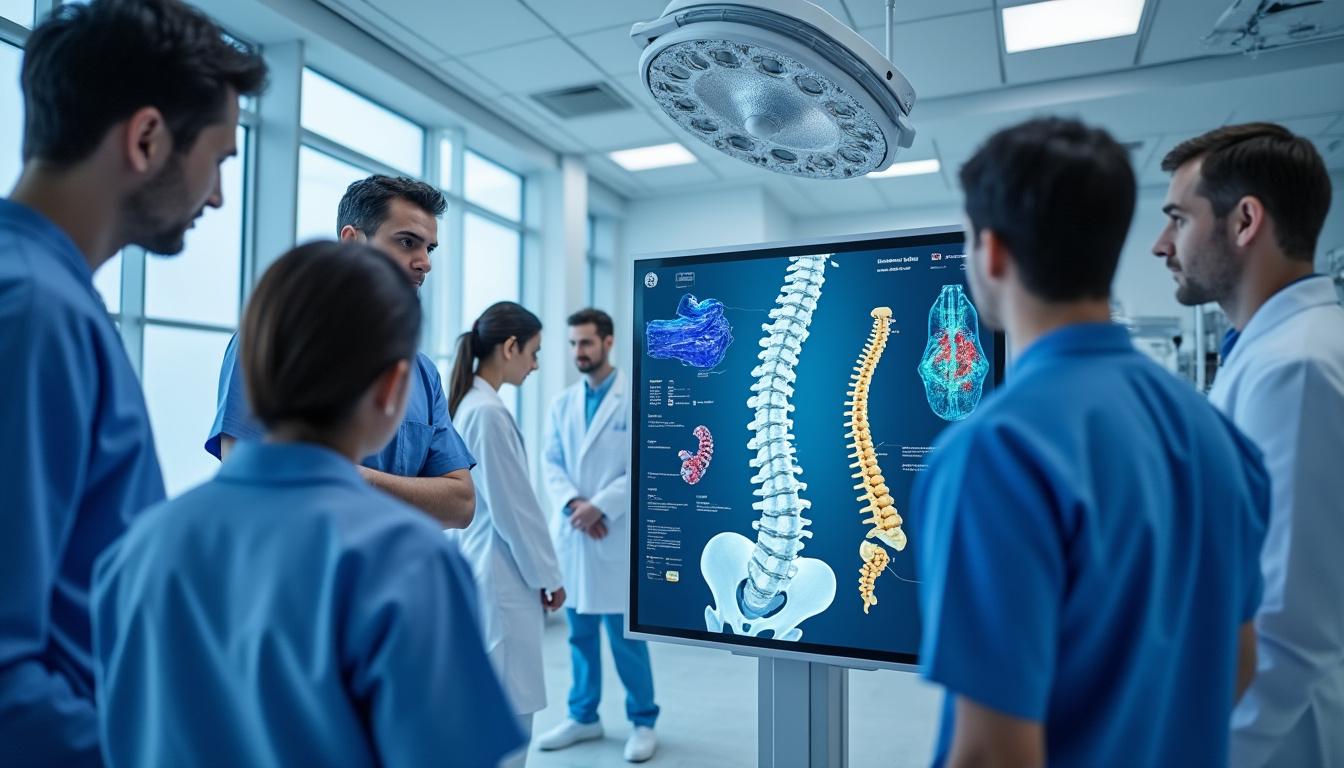
IntraSPINE® in Sherbrooke: Durable Solution for Chronic Low Back Pain
The management of chronic low back pain, a widespread condition affecting millions across Quebec and beyond, has reached a pivotal moment thanks to innovative medical technologies and coordinated care pathways. At the heart of this evolution lies the IntraSPINE implant,…
IntraSPINE Technology: A Minimally Invasive Solution to Maintain Spinal Mobility
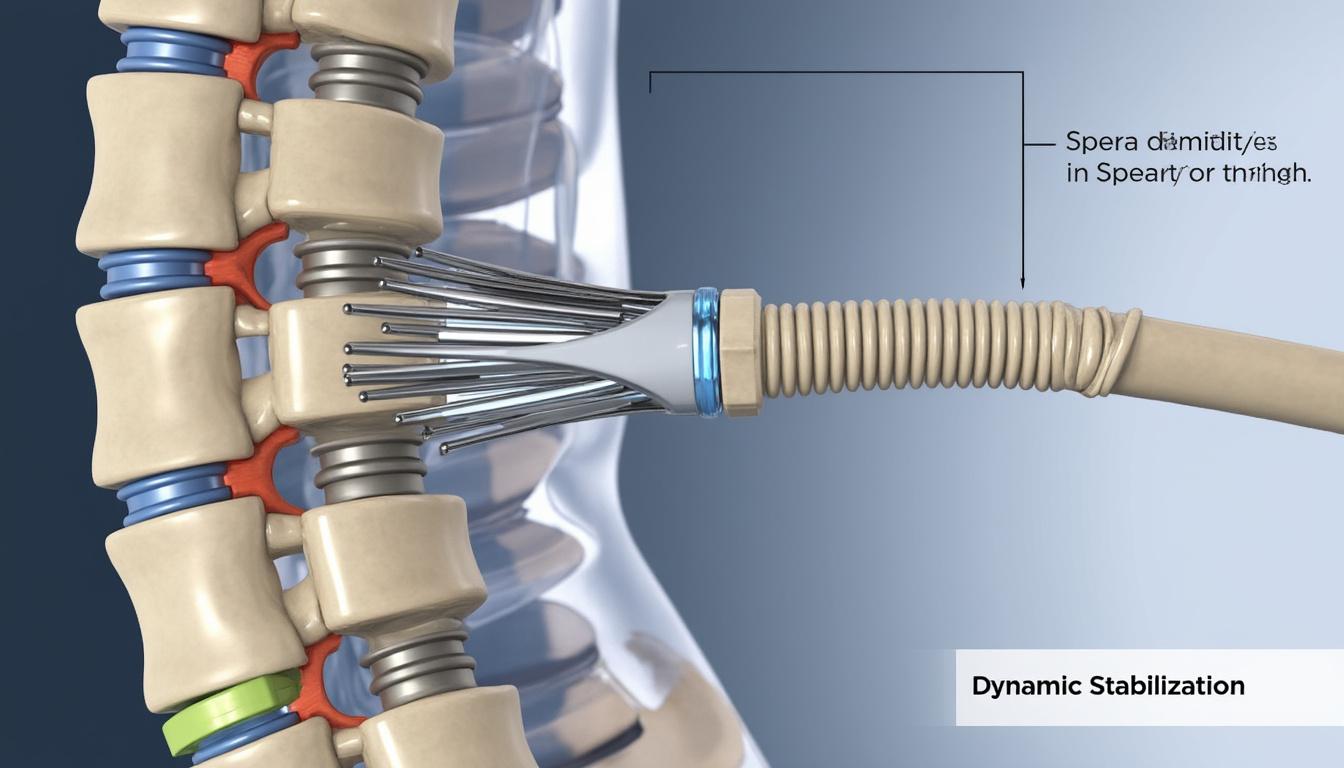
The IntraSPINE device is a dynamic interlaminar implant manufactured by Cousin Surgery, a leader in spinal and visceral surgery implants with a long-standing heritage in implantable textiles. This unique implant is positioned in the interlaminar space — the area between the laminae of adjacent vertebrae — differing from interspinous devices that are placed between spinous processes. This placement allows the IntraSPINE to closely respect and maintain spinal biomechanics, helping preserve the normal range of motion and balance of the lumbar spine.
Patients suffering from lumbar degenerative diseases such as spinal stenosis, disc degeneration, and instability are often candidates for this device when conservative treatments fail. Its design provides dynamic stabilization by restricting excessive extension while permitting physiological movement, thus preventing worsening of symptoms or further degeneration. The biomechanical advantage of positioning closer to the instantaneous axis of rotation (IAR) allows for a more natural motion compared to posterior devices.
Clinical evidence and recent case reports, including those involving patients with osteoporosis, demonstrate that IntraSPINE can be successfully implanted with significant reductions in back pain and improvements in functional mobility. For example, elderly patients treated at Sherbrooke with severe osteoporosis and lumbar stenosis reported marked pain relief and better posture and spine stability following IntraSPINE implantation. These patients avoided complications often associated with fusion surgery and recovered mobility with minimal invasiveness.
The minimally invasive nature of the surgery reduces operative risks, hemorrhage, and tissue damage. Patients typically experience shorter hospital stays and accelerated rehabilitation, which aligns perfectly with Dr. Desforges’ philosophy emphasizing rigorous scientific validation and patient safety. This approach also enhances the overall patient journey—from initial evaluation through to comprehensive postoperative care including rehabilitation.
Thanks to this innovative technology, available prominently in Sherbrooke, affected individuals gain access to high-quality spine treatment options that preserve the spinal biomechanical environment. This not only mitigates pain but also encourages normal spinal mobility and stability, which are essential components for long-term spine health and function.
For more technical details and clinical evidence supporting IntraSPINE application, you may consult specialized resources that describe its surgical technique and outcomes in depth.
Spine Surgery in Trois-Rivières: Reduce Pain and Preserve Mobility
In recent years, spine surgery in Trois-Rivières has evolved notably, combining advanced medical expertise with innovative technologies to deliver patient-centered care. This growing field addresses the increasing demand among Quebec residents seeking effective solutions for chronic back pain and mobility…
Key Features and Benefits of IntraSPINE Implant in Spine Treatment
- Dynamic stabilization: Maintains natural spinal motion, reducing the risk of adjacent segment degeneration.
- Interlaminar placement: Positioned where bone density is highest, particularly beneficial for osteoporotic patients.
- Minimally invasive surgery: Limits surgical trauma and promotes faster recovery.
- Pain relief: Effective decompression of nerve roots and restoration of disc height alleviate back pain and neurological symptoms.
- Posture and spinal support: Improves alignment and stabilizes the lumbar spine without fusion.
- Reduced complication rates: Lower incidence of implant failure compared to other dynamic devices, especially in older patients.
- Adapted for complex cases: Suitable for patients with osteoporosis and vertebral compression fractures who struggle with conservative treatments.
- Compliance with health regulations: Incorporates the latest safety and ethical standards, ensuring patient protection.
| Feature | Benefit | Clinical Relevance |
|---|---|---|
| Interlaminar positioning | Preserves normal spinal motion | Reduces risk of adjacent segment disease (ASD) |
| Dynamic stabilization | Encourages natural biomechanics | Prevents excessive stress on adjacent vertebrae |
| Minimally invasive implantation | Lowers surgical risks and recovery time | Facilitates rapid patient return to activity |
| High bone density contact points | Improves implant stability | Optimal for older patients with osteoporosis |
Cervical Disc Prosthesis in Quebec City: Avoid Post-Surgery Stiffness
Chronic neck pain remains a significant challenge for thousands of residents in Quebec City every year, often leading them to seek effective spinal surgery options that minimize downtime and maximize long-term mobility. Among the recent advancements revolutionizing cervical spine care,…
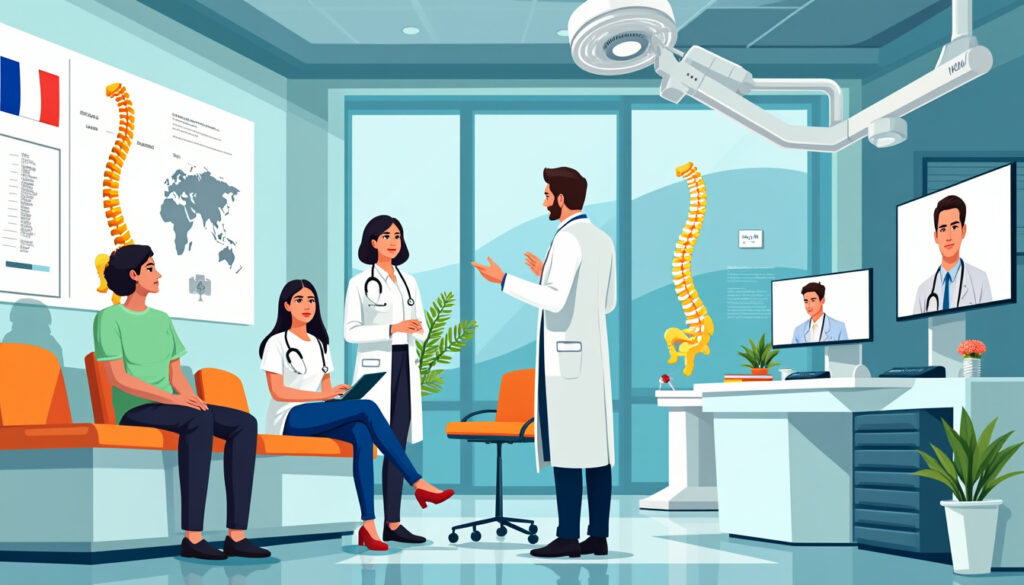
The Steps of a Transatlantic Patient Pathway for Spinal Care
Patients from Quebec seeking rapid and innovative spinal treatments often face prolonged wait times domestically or prohibitive private costs. Here, a carefully coordinated transatlantic pathway leveraging partnerships between Canadian experts, like Dr. Sylvain Desforges, and specialized French spinal surgeons and clinics offers an optimized solution.
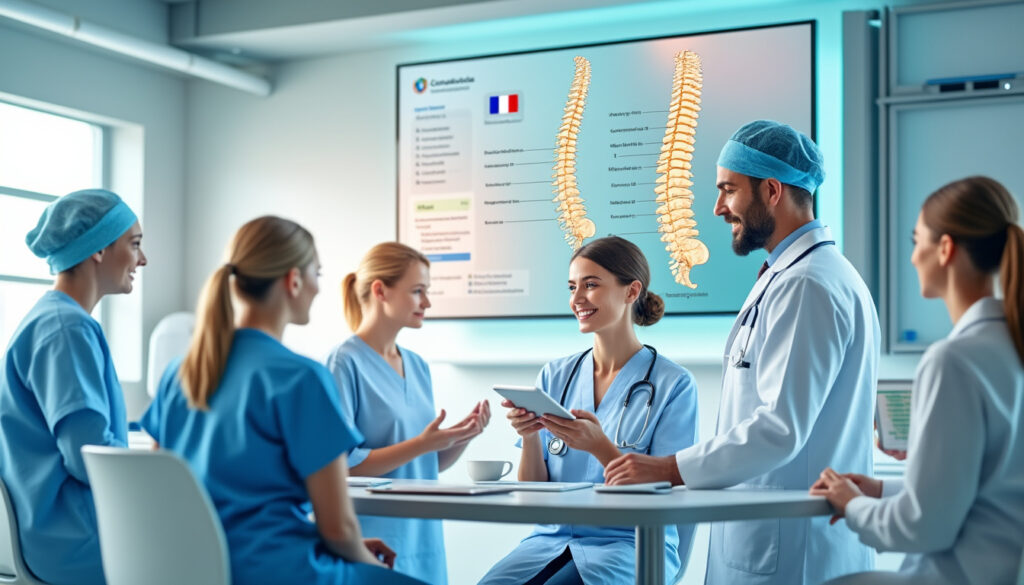
The journey begins with a thorough evaluation by Dr. Desforges, whose expertise in assessing spinal pathologies ensures accurate patient profiling. He evaluates imaging and clinical history to determine candidacy for advanced approaches such as IntraSPINE implantation or other dynamic stabilization procedures. This stage incorporates patient education and ensures they understand non-surgical options, limitations, and expected outcomes in accessible terms.
Once surgical indication is confirmed, the patient’s case is coordinated with French surgical teams experienced in these implants, planned meticulously to optimize timing and travel logistics. Through collaborations with platforms like SOS Tourisme Médical, the patient experience encompasses preoperative assessments, minimally invasive surgery—often as short-stay procedures—and postoperative rehabilitation. This pathway benefits from the latest technologies unavailable or limited in Canada, including certain implants and techniques.
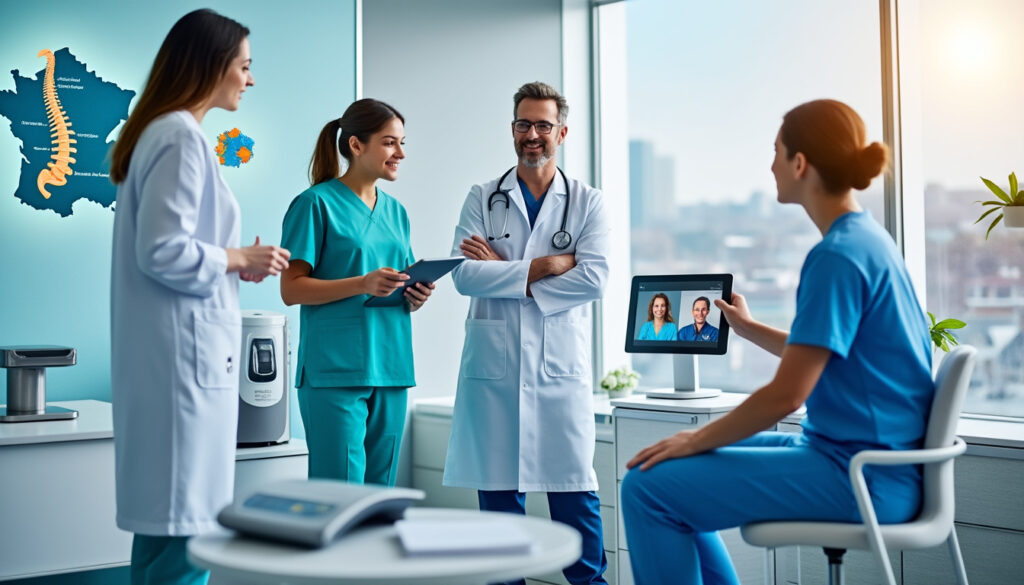
After surgery, patients receive ongoing care coordination, including remote monitoring and rehabilitation support, often facilitated by Dr. Desforges and his team in Quebec. This ensures continuity of care and that outcomes align with treatment goals. The international collaboration guarantees access to the best expertise while maintaining patient safety and compliance with provincial and federal regulations.
This transatlantic model is not only cost-effective but significantly shortens the treatment delay, improving quality of life sooner for patients burdened by chronic spinal conditions. It also provides reassurance through comprehensive support and transparent communication throughout all stages.
Typical Patient Journey Timeline
- Initial consultation and detailed spinal evaluation with Dr. Desforges in Quebec.
- Completion of at least 3 to 6 months of conservative treatments, ideally including neurovertebral decompression at a recognized center such as the Clinique TAGMED.
- Referral and surgical planning with French specialist clinics and surgeons.
- Travel to France for minimally invasive surgery with IntraSPINE or alternative implants.
- Postoperative rehabilitation and follow-up coordinated across countries.
- Return to Canada with remote support and ongoing care management.
Minimally Invasive Surgery in Longueuil: Reduce Hospital Stay Duration
In recent years, advances in spinal care have dramatically reshaped the treatment landscape for patients suffering from debilitating spinal conditions. Particularly in Longueuil, the emergence of minimally invasive surgery (MIS) techniques offers a transformative alternative to conventional open surgeries. These…
The Role of Conservative Treatments Before Considering Surgery
It is essential to underline that spinal surgery, including innovative solutions such as IntraSPINE implantation, is not the first-line approach. The standard of care requires patients to exhaust conservative management over a period of three to six months before considering surgical intervention. Conservative treatments might include physical therapy, pharmacological management, local injections, and the increasingly recognized neurovertebral decompression therapies offered by specialized centers like the Clinique TAGMED in Sherbrooke.
Neurovertebral decompression is a non-invasive or minimally invasive intervention that targets nerve root compression and inflammation using advanced technologies such as laser therapy or specialized decompression tables. This approach can substantially reduce pain and improve function without the risks inherent in surgery. Dr. Desforges’ expertise as a pioneer in the Quebec osteopathic community ensures careful patient evaluation and guidance in selecting appropriate conservative treatments while monitoring progress rigorously based on evidence-based practice principles.
Patients who have not undergone adequate decompression neurovertebral therapy should be strongly encouraged to pursue such conservative options before surgery is contemplated. This careful sequencing preserves patient safety, optimizes outcomes, and often reduces the need for surgical intervention altogether. The commitment to scientific rigor and patient-centered ethics in Dr. Desforges’ practice ensures that surgery is recommended strictly when truly necessary.
IntraSPINE® in Laval: Modern Solution for Lumbar Stabilization
In the evolving landscape of orthopedic treatments, the city of Laval has become a hub for innovations addressing chronic lower back pain. Among the groundbreaking solutions gaining attention is the IntraSPINE device—a modern spinal implant designed to offer dynamic lumbar…
Biochemical and Economic Advantages of Nonfusion Technologies Like IntraSPINE
Nonfusion spinal surgery offers compelling biochemical and economic benefits over traditional fusion techniques. Biomechanically, preserving spinal motion minimizes abnormal stress on adjacent discs and vertebrae, reducing the risk of secondary degeneration and prolonged spinal disability. IntraSPINE specifically enhances these outcomes by stabilizing the affected segment dynamically without locking it into a rigid position, which helps maintain natural spinal curvature and load distribution.
Economically, the nonfusion approach translates into shorter hospital stays, quicker recovery, and less need for extensive rehabilitation and revision surgeries. Patients experience an earlier return to daily activities and work, positively impacting their overall well-being and financial stability. Given the increasing healthcare burden from an aging population with prevalent degenerative spinal conditions, these factors are critical in optimizing resource allocation.
The collaborative transatlantic treatment model further enhances economic outcomes by reducing excessive domestic wait times and offering access to advanced care options at competitive prices abroad. Patients save by avoiding long queues in Canada’s public healthcare system and cumbersome navigation of private clinics with limited tech availability. Dr. Desforges’ commitment to transparent care pathways ensures patients receive detailed cost-benefit explanations suited to their individual health and financial context.
Neck Surgery in Montreal: Maintain Cervical Flexibility and Function
Neck conditions causing persistent pain or functional loss place a substantial burden on individuals and healthcare systems, especially in urban centers like Montreal. Surgical interventions targeting the cervical spine have evolved tremendously, aiming not only to relieve symptoms but to…
Advanced Patient Education and Ethical Care Coordination
One distinguishing feature of Dr. Sylvain Desforges’ practice is the emphasis on patient education and ethical engagement. Recognizing the complexities and emotional impact of spinal disorders, Dr. Desforges dedicates time to demystify medical jargon. He explains the anatomy of spinal conditions, the rationale behind different treatment modalities, and the limitations and benefits of both conservative and surgical approaches.
Such communication enables patients to actively participate in decision-making processes, fostering more informed consent and personalized care strategies. Given that each spinal case is unique in symptomatology, pathology, and personal circumstances, this tailored approach resonates well with the diverse Quebec patient population.
Moreover, ethical care coordination extends to transparent discussions about the transatlantic care model and the innovative technologies used, such as IntraSPINE. Dr. Desforges ensures that patient safety is paramount, including alignment with provincial and federal regulations, and that multidisciplinary teams function cohesively across borders to optimize outcomes and follow-up quality.
Patient-Centered Communication Strategies
- Explaining spinal biomechanics in clear, accessible language without jargon
- Discussing risks, benefits, and alternatives comprehensively
- Involving family members and caregivers as appropriate
- Empowering patients to ask questions and voice concerns
- Offering written and digital resources for ongoing learning
Disc Prosthesis in Lévis: Quick and Long-Lasting Results
Chronic back pain caused by degenerative disc disease continues to profoundly impact the quality of life for many residents in Lévis and the broader Quebec area. For decades, traditional spinal fusion surgery has been the primary solution for alleviating severe…
Unique Services at TAGMED Clinic in Sherbrooke: A Reference in Advanced Conservative Care
The Clinique TAGMED in Sherbrooke stands out as a leading center for advanced conservative spinal treatments, specializing in neurovertebral decompression and integrative therapies. Their expertise complements Dr. Desforges’ approach by offering patients access to cutting-edge non-surgical options that can significantly alleviate symptoms and postpone or even avoid surgery.
TAGMED employs state-of-the-art decompression equipment and laser technologies, integrated within an osteopathic framework that addresses biomechanical dysfunctions comprehensively. This multi-faceted methodology suits patients who seek effective back pain relief while preserving spinal mobility and overall spine health, reinforcing the principle that surgery should be the last resort after adequate conservative care is attempted.
Collaborations between Dr. Desforges and the TAGMED team enable seamless referral and follow-up, ensuring patients receive consistent, high-quality care. Their combined efforts emphasize patient well-being, optimize treatment results, and align with evidence-based practice and regulatory standards. The clinic is thus a cornerstone for spine patients navigating non-surgical pathways within Quebec’s healthcare landscape.
Motion Surgery in Terrebonne: Maintain Intervertebral Mobility
Back pain remains a widespread concern for many in Quebec, with traditional treatment pathways often imposing lengthy waiting periods and financial constraints. Recently, Motion Surgery in Terrebonne has emerged as a transformative option, attracting patients seeking spinal solutions that prioritize…
Encouraging Patient Engagement and Next Steps in Spinal Care Decisions
Managing spinal conditions is a complex journey requiring knowledge, trust, and personalized approaches. It is important to remember that available technologies like the IntraSPINE implant represent promising options among various treatments but must always be considered within the broader context of a patient’s health status, treatment history, and personal goals.
Patients are encouraged to engage in open dialogue with their healthcare providers, seek second opinions when needed, and explore all non-surgical options thoroughly before proceeding with surgery. Dr. Sylvain Desforges advocates for such empowerment, underpinned by his extensive qualifications and leadership in osteopathic and medical associations guiding spinal care practices in Canada.
If you are experiencing persistent back pain or complex spinal issues and want to discuss your individualized care options, including the potential benefits of minimally invasive spinal implants like IntraSPINE in Sherbrooke, do not hesitate to reach out. Early and precise evaluation followed by coordinated care can make a transformative difference in your spinal health and quality of life.
For more information or to request a personalized evaluation, please visit https://www.sostourismemedical.com/contact.
What makes IntraSPINE different from other spinal implants?
IntraSPINE is uniquely positioned in the interlaminar space, preserving spinal motion and providing dynamic stabilization without the rigidity of fusion implants, thus maintaining natural biomechanics and reducing adjacent segment disease risk.
Is surgery with IntraSPINE suitable for older patients with osteoporosis?
Recent clinical cases demonstrate that IntraSPINE implantation can be successfully conducted in patients with osteoporosis by leveraging areas of higher bone density, thus providing a safe and effective option when conservative treatments have failed.
Why is conservative treatment essential before surgery?
Conservative treatments such as neurovertebral decompression help reduce symptoms and improve function with minimal risk. Surgery is reserved for cases unresponsive to these therapies, ensuring patient safety and optimal outcomes.
How does the transatlantic care pathway improve patient experience?
This coordinated model shortens waiting times, allows access to advanced surgical technologies available in France, integrates multidisciplinary teams, and ensures seamless postoperative follow-up from Canada, improving treatment quality and patient satisfaction.
What role does the Clinique TAGMED play in spinal care?
TAGMED is a reference center in Sherbrooke for advanced conservative care including neurovertebral decompression, providing complementary treatment options that can delay or avoid the need for surgery while preserving spinal mobility.