Terrebonne Chronic Back Pain Solutions That Last
May 16, 2026
Longueuil Neck Herniation Relief After Failed Physiotherapy
May 16, 2026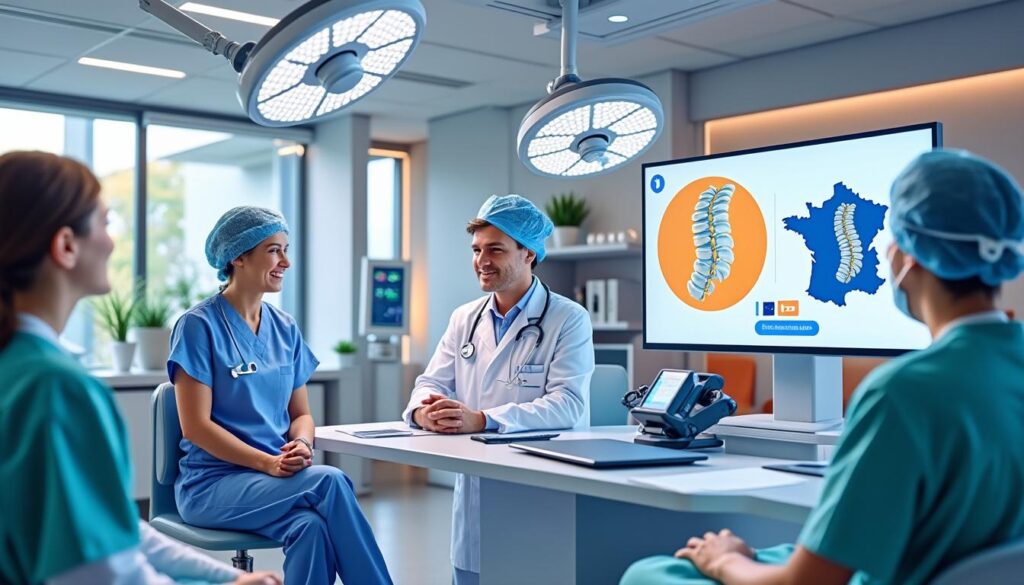
Chronic low back pain has emerged as a pressing health concern for many residents of Quebec, profoundly affecting their daily lives and mobility. Traditional spinal surgeries, often invasive and accompanied by prolonged recovery times, have sometimes been viewed as the sole solution. However, advances in spinal technology have introduced innovative, less invasive options that promise effective relief while preserving natural spinal function. Among these breakthroughs, the IntraSPINE implant, now accessible in Sherbrooke, stands out as a leading minimally invasive solution that offers dynamic stabilization of the lumbar spine, minimizing tissue trauma and enhancing recovery. The appeal of this procedure is further amplified by a well-structured transatlantic partnership between Canada and France, facilitating timely access to cutting-edge surgery and comprehensive follow-up care.
This emerging surgical approach reflects over 30 years of expertise and commitment to spinal health led by Dr. Sylvain Desforges, an authority in spinal evaluations and treatments. Dr. Desforges’ dedicated work harmonizes scientific rigor with ethical practice, bridging forward-thinking technology and compassionate patient support. His leadership in founding and presiding over prestigious organizations such as the Canadian College of Osteopaths and TAGMED Clinic embodies an unwavering dedication to advancing spinal care, particularly through innovative yet safe methods like IntraSPINE implantation.
The partnership between multidisciplinary teams across Quebec and France under Dr. Desforges’ guidance ensures tailored, patient-centered care pathways. Patients benefit not only from state-of-the-art orthopedic procedures but also from comprehensive conservatory treatments like neurovertebral decompression offered at the renowned Clinique TAGMED. This careful, phased approach ensures surgery is considered as a last resort after proven conservative therapies, emphasizing patient safety and long-term spinal health.
IntraSPINE in Sherbrooke: Advancements in Minimally Invasive Spine Procedures
The accessibility of IntraSPINE in Sherbrooke marks a significant milestone in treating lumbar spine conditions with modern orthopedic surgery. The implant offers a unique, dynamic stabilization approach, which contrasts with classic fusion surgeries that rigidly immobilize spinal segments. Instead, IntraSPINE maintains the physiological lumbar movement, preserving spinal biomechanics and reducing the burden on adjacent segments—a key factor in preventing secondary complications.
IntraSPINE involves the insertion of a secure implant between the spinous processes via a minimally invasive surgical incision typically no more than four millimeters long. This approach ensures minimal disruption to surrounding tissues and muscles, significantly reducing postoperative pain and risk of infection. Patients typically experience shorter hospital stays or outpatient procedures, facilitating a swift return to daily activities.
The implant’s positioning and material composition—medical-grade dimethyl siloxane coated with polyethylene terephthalate—support spinal stability while providing laminar support. This not only decompresses nerve roots by restoring interspinous space but also allows the spine to maintain its natural lordotic curve, critical for postural balance and minimizing mechanical stress.
Clinical evidence, including studies highlighted by manufacturers like Cousin Biotech and clinical trial data, supports improved pain relief and functional outcomes following IntraSPINE implantation. Many patients report substantial decreases in chronic low back pain, enhanced mobility, and overall improved quality of life.
Biometrics of Dynamic Stabilization: Preserving Natural Spinal Mechanics
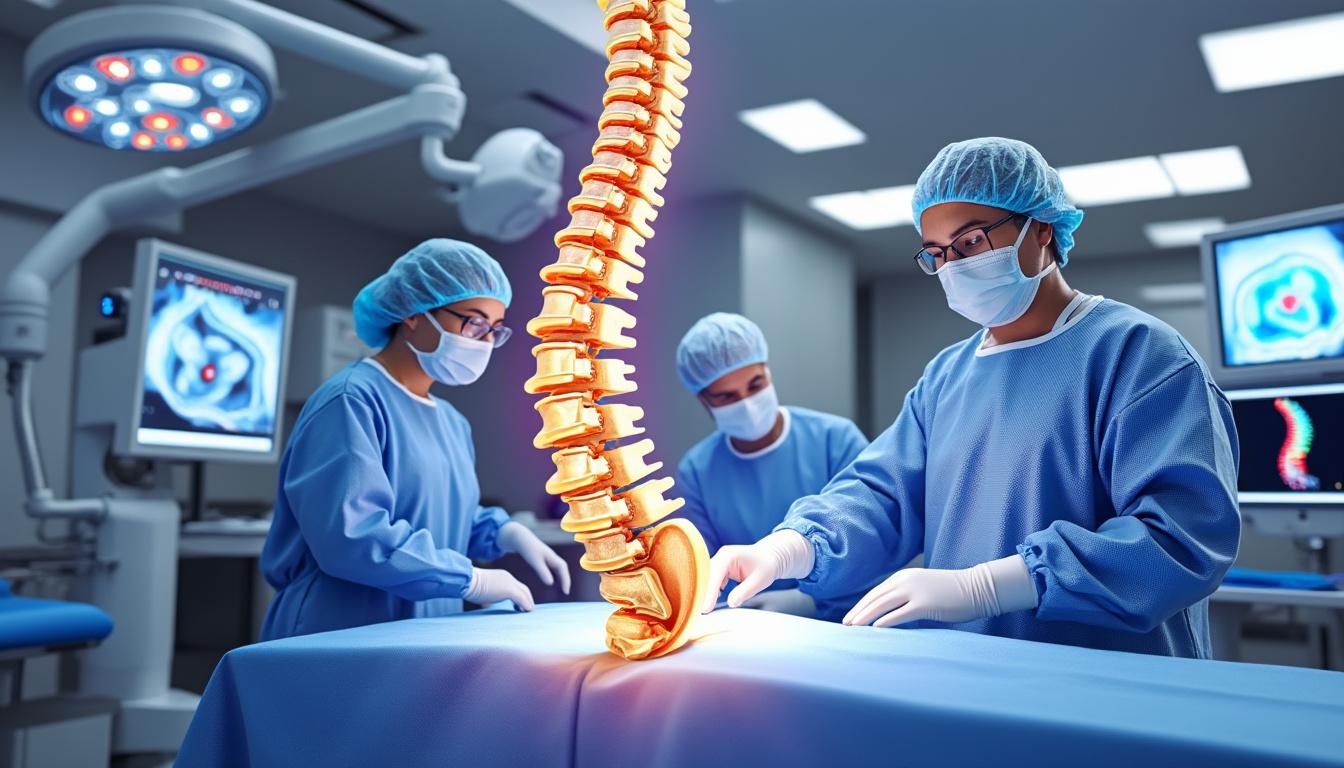
One of the essential advantages of IntraSPINE lies in its ability to respect and preserve the spine’s biomechanics, which is often compromised with fusion surgeries. Dynamic stabilization maintains the spine’s range of motion, particularly the lumbar lordosis, thus ensuring balanced load distribution and reducing the likelihood of adjacent segment degeneration.
This effect contrasts sharply with fusion surgery, where immobilization leads to increased strain on neighboring vertebral levels, potentially accelerating degenerative changes. IntraSPINE’s interlaminar placement, closer to the spinal instantaneous axis of rotation, is pivotal in maintaining full motion without compromising spinal stability.
Patients often experience less postoperative stiffness and can resume physical activities more seamlessly, which has a positive impact not only biomechanically but psychologically—enhancing motivation and quality of life after surgery. The minimally invasive nature also mitigates common perioperative challenges such as blood loss and soft tissue damage.
IntraSPINE® in Sherbrooke: Durable Solution for Chronic Low Back Pain
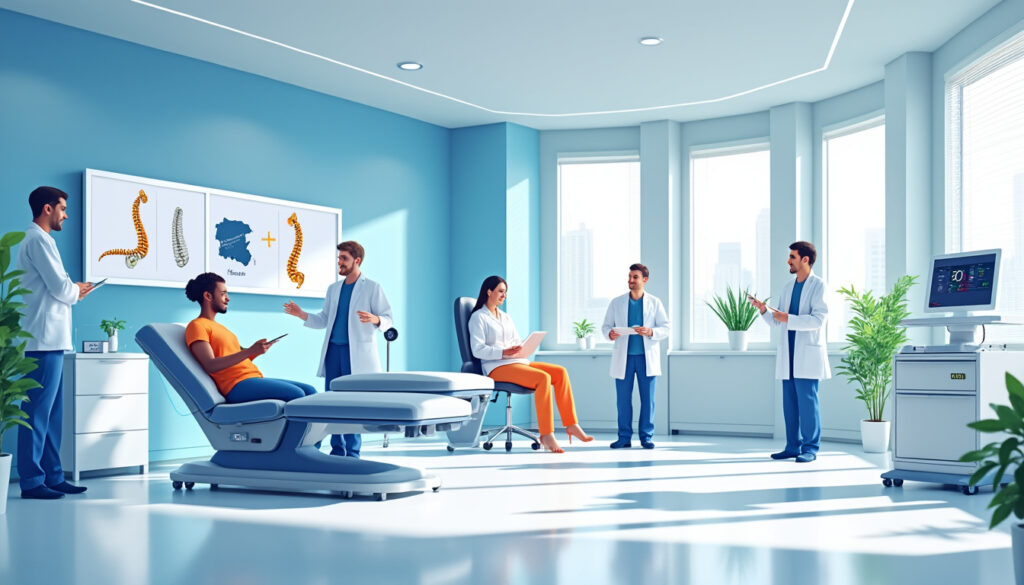
The management of chronic low back pain, a widespread condition affecting millions across Quebec and beyond, has reached a pivotal moment thanks to innovative medical technologies and coordinated care pathways. At the heart of this evolution lies the IntraSPINE implant,…
Spine Surgery in Trois-Rivières: Reduce Pain and Preserve Mobility
In recent years, spine surgery in Trois-Rivières has evolved notably, combining advanced medical expertise with innovative technologies to deliver patient-centered care. This growing field addresses the increasing demand among Quebec residents seeking effective solutions for chronic back pain and mobility…
Comprehensive Patient Evaluation and Conservative Management Before Surgery
For over three decades, Dr. Sylvain Desforges has pioneered the thorough assessment of spinal disorders to provide ethical, evidence-based guidance for patients considering invasive procedures. Before any surgical recommendation, it is fundamental to validate that non-surgical treatments have been appropriately and exhaustively explored.
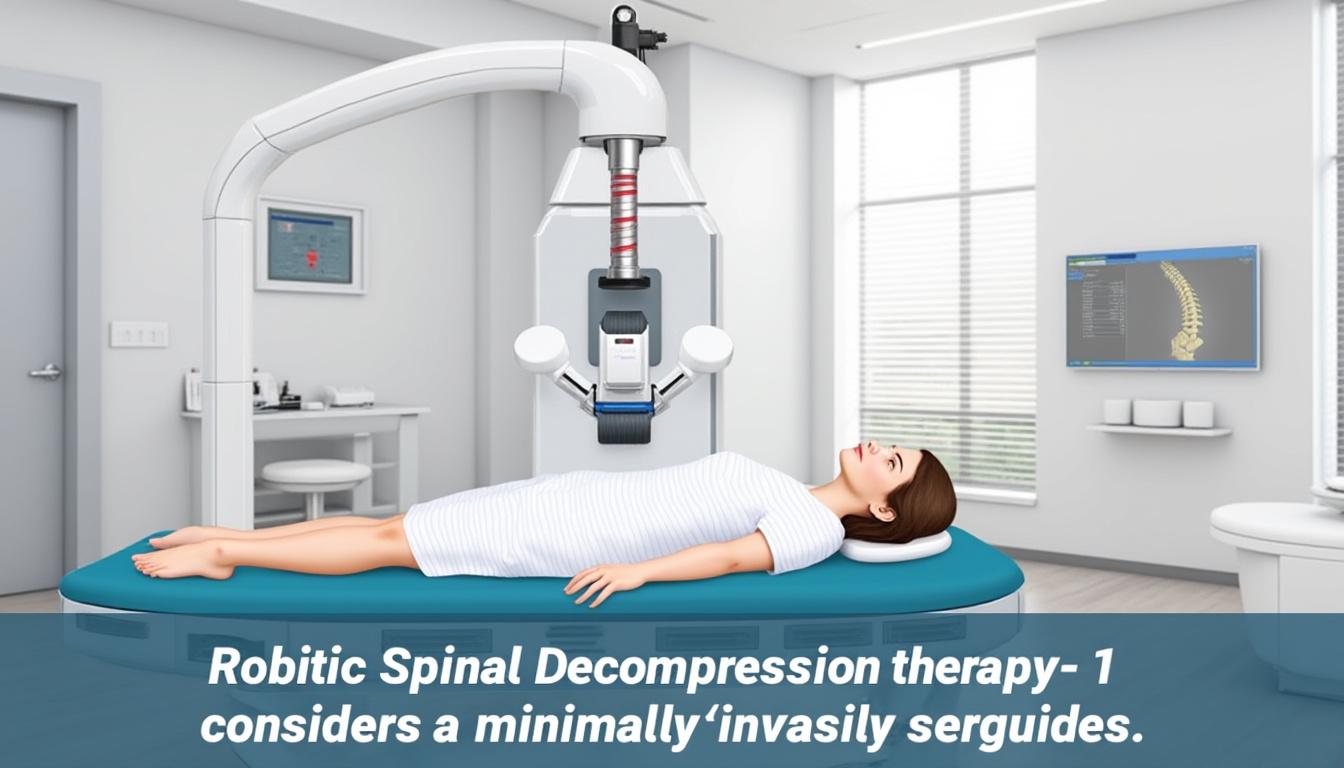
Dr. Desforges emphasizes a conservative treatment protocol lasting from three to six months, which includes advanced neurovertebral decompression therapies available at the Clinique TAGMED. This clinic offers cutting-edge robotic traction techniques aimed at relieving nerve root compression and improving symptoms without surgery.
Complementary conservative modalities often include functional orthopedics and targeted osteopathic care tailored to each patient’s biomechanical profile. These interventions foster spinal healing, reduce inflammation, and enhance neuromuscular function. Many patients achieve significant symptomatic relief during this phase, avoiding or delaying the need for surgery.
Only when these conservative measures prove insufficient does the pathway toward IntraSPINE or other surgical techniques become pertinent, ensuring that surgery is reserved for carefully selected cases with clear indications. This approach respects patient safety, aligns with Canadian and Quebec medical guidelines, and reflects best practices in spinal health management.
Key Benefits of Preoperative Conservative Care
- Symptom Relief: Reduces pain and nerve irritation through targeted decompression.
- Functional Improvement: Restores mobility and optimizes muscular coordination around the spine.
- Informed Decision-making: Enables patients and practitioners to assess the necessity of surgery based on response.
- Risk Reduction: Minimizes unnecessary surgical interventions and promotes safer outcomes.
- Personalized Treatment: Facilitated by Dr. Desforges’ expertise in osteopathy and neurovertebral evaluation.
Cervical Disc Prosthesis in Quebec City: Avoid Post-Surgery Stiffness
Chronic neck pain remains a significant challenge for thousands of residents in Quebec City every year, often leading them to seek effective spinal surgery options that minimize downtime and maximize long-term mobility. Among the recent advancements revolutionizing cervical spine care,…
Minimally Invasive Surgery in Longueuil: Reduce Hospital Stay Duration
In recent years, advances in spinal care have dramatically reshaped the treatment landscape for patients suffering from debilitating spinal conditions. Particularly in Longueuil, the emergence of minimally invasive surgery (MIS) techniques offers a transformative alternative to conventional open surgeries. These…
International Coordination of the Patient Journey: Between Quebec and France
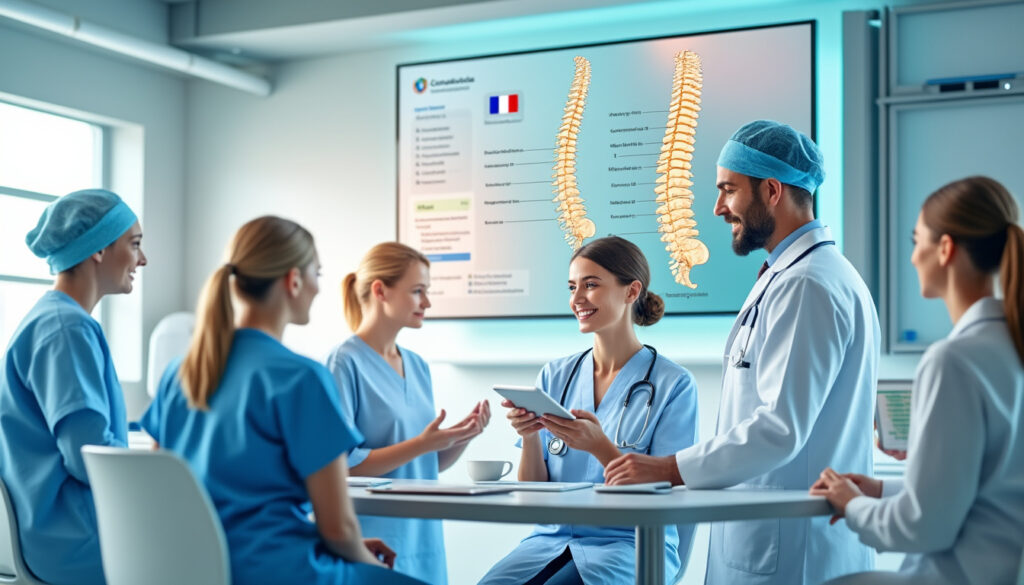
The transatlantic collaboration spearheaded by Dr. Sylvain Desforges perfectly illustrates how international partnership can optimize medical pathways for Quebec patients seeking spinal surgery with the IntraSPINE implant. The journey is coordinated meticulously to ensure seamless and comprehensive care through every step.
Following a rigorous evaluation and completion of conservative therapies in Quebec, the patient is referred to France for surgical treatment. The organization Franchir arranges the entire surgical stay, including travel logistics, accommodation, and appointments with highly skilled surgeons familiar with dynamic spinal implants and minimally invasive procedures.
This international framework greatly reduces commonly experienced surgical wait times in Quebec, providing timely access without compromising patient safety or quality standards. It also offers an opportunity to benefit from technologies and implant devices not yet widely accessible locally.
Postoperative rehabilitation and ongoing care continue upon the patient’s return to Quebec at Neurothérapie Montréal, where individualized regimens for rehabilitation, pain management, and activity resumption are administered under expert supervision. The combined effort between continents ensures no gap in care, promoting smooth recoveries and sustained outcomes.
Benefits of the Transatlantic Care Model
| Aspect | Benefit | Impact on Patient |
|---|---|---|
| Reduced Wait Times | Accelerated access to surgery and treatment | Faster pain relief and improved quality of life |
| Access to Advanced Technology | Use of dynamic implants like IntraSPINE | Enhanced surgical outcomes with preserved mobility |
| Comprehensive Multidisciplinary Care | Continuity from evaluation to rehab | Personalized support and minimized complications |
| Expert Supervision | Ongoing clinical oversight by Dr. Desforges and partners | Patient confidence and adherence to guidelines |
IntraSPINE® in Laval: Modern Solution for Lumbar Stabilization
In the evolving landscape of orthopedic treatments, the city of Laval has become a hub for innovations addressing chronic lower back pain. Among the groundbreaking solutions gaining attention is the IntraSPINE device—a modern spinal implant designed to offer dynamic lumbar…
Neck Surgery in Montreal: Maintain Cervical Flexibility and Function
Neck conditions causing persistent pain or functional loss place a substantial burden on individuals and healthcare systems, especially in urban centers like Montreal. Surgical interventions targeting the cervical spine have evolved tremendously, aiming not only to relieve symptoms but to…
Understanding the Range of Surgical Techniques in France: Fusion, Motion Preservation, and Minimally Invasive Approaches
The surgical landscape in France presents a broad spectrum of spine surgery options tailored to individual patient needs. These range from traditional fusion surgeries to motion-preserving dynamic implants and state-of-the-art minimally invasive techniques.
Spinal fusion, or arthrodesis, remains a cornerstone for treating severe instability or deformities by permanently joining vertebrae. While effective in providing segmental stability, fusion inherently reduces local spinal mobility and can increase mechanical stress on adjacent segments.
Motion preservation surgeries, exemplified by implants such as IntraSPINE and TOPS, represent a paradigm shift. These devices stabilize targeted segments dynamically, maintaining natural range of motion and thereby reducing the risk of adjacent segment disease. Such innovations align with evolving understanding of spinal biomechanics and patient-centered care.
Minimally invasive surgical (MIS) methods complement these innovations by reducing tissue trauma and surgical morbidity. Techniques involving endoscopy, laser guidance, and robotics further contribute to enhanced surgical precision, minimized blood loss, and accelerated recovery timelines. These advances particularly resonate with patients seeking less disruptive options.
Critical to selecting the optimal surgical technique is a comprehensive evaluation by expert teams, considering the patient’s clinical condition, symptomatology, and personal goals. This personalized approach is central to the international care model developed under Dr. Desforges’ leadership.
Comparative Overview of Surgical Techniques
| Technique | Purpose | Pros | Cons |
|---|---|---|---|
| Spinal Fusion | Immobilize unstable vertebrae | Strong stability, effective for deformities | Loss of segmental motion, adjacent segment overload |
| Motion Preservation (IntraSPINE, TOPS) | Maintain segmental mobility and stability | Preserves natural motion, reduces adjacent stress | Requires careful patient selection, surgical expertise |
| Minimally Invasive Surgery (MIS) | Reduce tissue trauma during surgery | Less pain, shorter recovery, smaller incisions | Technical complexity, not suitable for all cases |

Disc Prosthesis in Lévis: Quick and Long-Lasting Results
Chronic back pain caused by degenerative disc disease continues to profoundly impact the quality of life for many residents in Lévis and the broader Quebec area. For decades, traditional spinal fusion surgery has been the primary solution for alleviating severe…
Motion Surgery in Terrebonne: Maintain Intervertebral Mobility
Back pain remains a widespread concern for many in Quebec, with traditional treatment pathways often imposing lengthy waiting periods and financial constraints. Recently, Motion Surgery in Terrebonne has emerged as a transformative option, attracting patients seeking spinal solutions that prioritize…
The Patient Journey for IntraSPINE Implantation: From Evaluation to Recovery
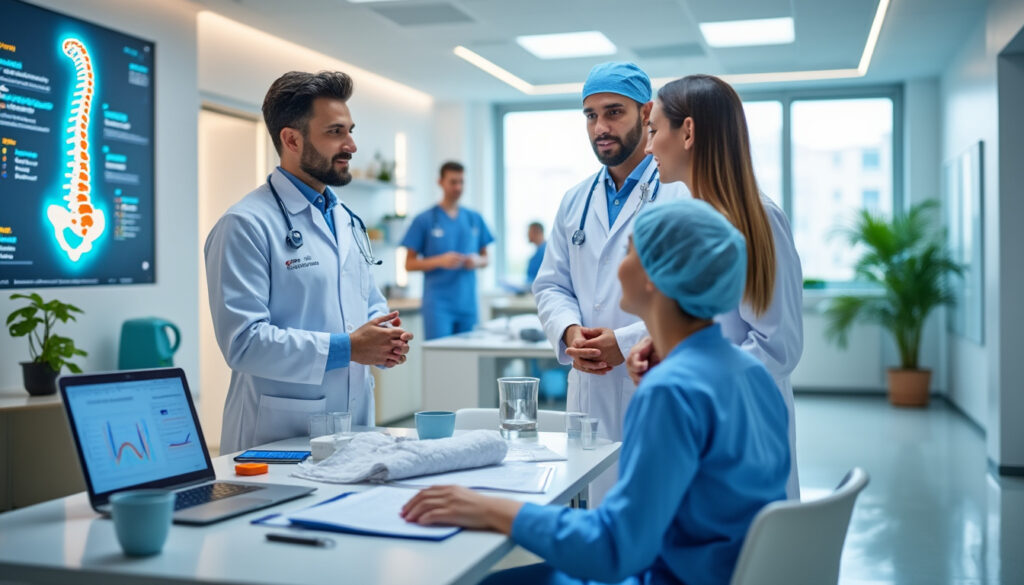
The holistic patient journey for IntraSPINE begins with a thorough clinical evaluation at the Clinique TAGMED under Dr. Desforges’ expert oversight. This assessment includes a detailed review of clinical history, imaging studies, and prior treatment responses.
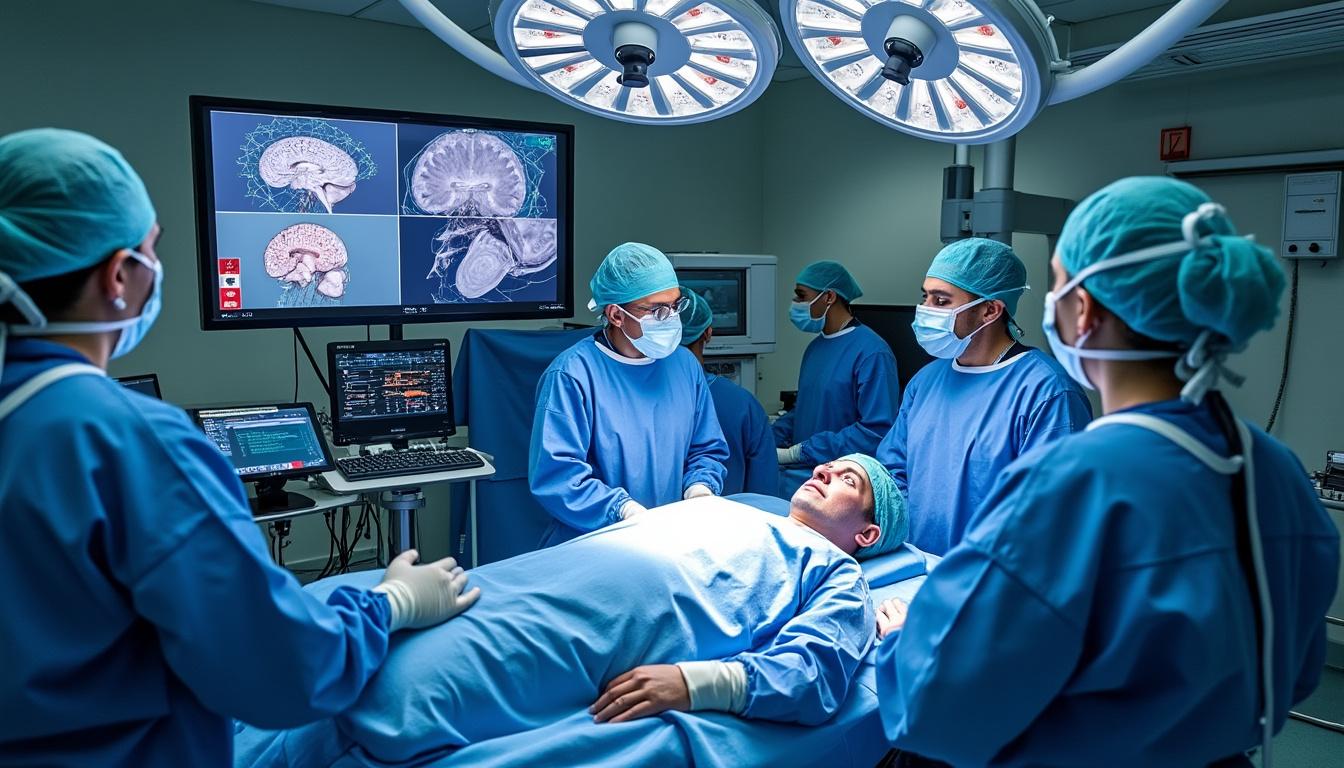
Once conservative management has been appropriately concluded without sufficient relief, patients are referred for surgical planning in France through the Franchir cooperative. The surgical procedure itself is minimally invasive, typically performed in ambulatory settings to shorten hospitalization and promote rapid rehabilitation.
Postoperative care is a critical component involving Neurothérapie Montréal, where tailored rehabilitation programs focus on enhancing spinal function, managing pain effectively, and supporting the patient’s psychosocial well-being. Follow-ups emphasize monitoring the implant’s function, spinal alignment, and overall health to ensure long-lasting benefits.
This well-orchestrated pathway minimizes logistical and emotional burdens on patients and families, fostering confidence in the entire process.
Stepwise Breakdown of the IntraSPINE Patient Pathway
- Initial Assessment: Comprehensive spinal evaluation with Dr. Desforges at Clinique TAGMED, confirming diagnosis and prior treatments.
- Conservative Management: Neurovertebral decompression and osteopathic care to attempt non-surgical relief.
- Surgical Referral: Coordination by Franchir for scheduling and logistics of surgery in France.
- Minimally Invasive Surgery: Implantation of IntraSPINE with precision technique.
- Postoperative Rehabilitation: Personalized follow-up with Neurothérapie Montréal, including physical therapy and pain management.
- Long-Term Monitoring: Continued clinical follow-up to assess implant performance and spinal health.
The Unique Value Proposition of IntraSPINE and TAGMED Clinic for Quebec Patients
What sets IntraSPINE and the collaborating clinical teams apart is the combination of innovation, scientific rigor, and ethical patient engagement. IntraSPINE offers an advanced implant designed specifically for dynamic stabilization based on extensive biomechanical research. Its approval by international bodies, including CE and FDA certifications, assures patients and clinicians of its safety and efficacy.
TAGMED Clinic plays an essential role as a reference center for spine care, specializing in conservative treatments such as neurovertebral decompression—an indispensable step before surgery. Guiding patients through this evidence-based pathway, the clinic ensures all therapeutic options are fairly evaluated while prioritizing patient safety and comfort.
This dynamic synergistic model benefits from Dr. Desforges’ deeply ingrained ethical standards and leadership positions, reinforcing trust through transparent communication and personalized care strategies. For many Quebec patients, this means access to surgical innovations previously unavailable locally, supported by a network dedicated to optimizing recovery and long-term spinal health.
Frequently Asked Questions about IntraSPINE in Sherbrooke
What advantages does IntraSPINE have over traditional fusion surgery?
IntraSPINE preserves the natural movement of the lumbar spine segment, reduces post-operative pain, and limits mechanical stress on adjacent vertebrae, unlike fusion which immobilizes the operated area.
What does the patient journey for IntraSPINE implantation involve?
After a comprehensive assessment at Clinique TAGMED, the patient is referred to a specialized center in France for minimally invasive surgery, followed by personalized post-operative care upon their return to Quebec.
Is conservative treatment necessary before considering IntraSPINE surgery?
Yes, completing 3 to 6 months of conservative care, including advanced neurovertebral decompression, is critical to determine the surgery’s necessity and optimize outcomes.
Are IntraSPINE implants safe and approved?
IntraSPINE implants hold CE and FDA certifications, ensuring compliance with rigorous international safety, quality, and effectiveness standards.
What does rehabilitation involve after IntraSPINE implantation?
Rehabilitation focuses on physical therapy, pain management, and psychological support to enhance recovery and restore spinal health.
For more information or to discuss your individual case, please visit https://www.sostourismemedical.com/contact and take the first step toward a personalized spinal health journey.