Mirabel Sciatica Relief for Chronic Disc Conditions
June 4, 2026
La Prairie Neck Pain Prevention for Office Workers
June 4, 2026
Chronic back pain and degenerative disc disease represent significant challenges for many individuals in Lévis and surrounding Quebec regions. Patients seeking durable relief that not only reduces symptoms but simultaneously preserves natural spinal motion find themselves navigating a complex landscape of surgical and conservative options. Among the latest breakthroughs stands disc prosthesis—a revolutionary approach to lumbar spine care that restores functionality by replacing damaged discs with biomechanically advanced artificial implants. These devices emulate the physiological behavior of healthy intervertebral discs, offering superior motion preservation compared to traditional fusion surgeries. For over three decades, Dr. Sylvain Desforges has been at the forefront of spinal health innovation, providing expert evaluations and guiding patients through tailored care paths that integrate cutting-edge therapies accessible transatlantically, bridging Quebec and France.
This article delves deeply into the nuances of disc prosthesis and its role in lumbar spinal restoration. Exploring surgical varieties offered in France, the critical importance of thorough conservative management including advanced neurovertebral decompression at Clinique TAGMED, and the practical advantages of international care coordination, the discussion reveals why this treatment paradigm is gaining momentum. Technological refinements in viscoelastic implants that preserve six degrees of spinal motion, methods to ensure regulatory and ethical compliance, and patient-centered educational strategies all converge to create a comprehensive framework for back pain relief and spine health maintenance. Such integrated care pathways underscore the potential for rapid recovery and long-term well-being among Quebec patients willing to explore modern solutions far beyond conventional approaches.
Exploring Surgical Options for Lumbar Disc Prosthesis in France
France has established itself as a vanguard destination for advanced spinal surgeries, particularly lumbar disc prosthesis, that combines state-of-the-art technology with experienced surgical teams. Patients from Lévis seeking alternatives to the lengthy waitlists or costly private care at home find in France an attractive option offering both clinical innovation and personalized care coordination. Understanding the available surgical procedures helps patients make informed decisions aligned with their unique spinal conditions.
Simple Disc Replacement
Simple disc replacement involves removing the damaged intervertebral disc and implanting a single-piece artificial device designed to restore disc height and cushion between vertebrae. These implants, made from medical-grade materials such as metal alloys and polyethylene, aim to alleviate pain primarily caused by degenerative disc disease or herniated discs. By maintaining some spinal mobility, these prostheses provide better outcomes than rigid fusion procedures, which immobilize segments.
The benefits of simple disc replacement include reduced postoperative stiffness, faster functional recovery, and decreased risk of adjacent segment degeneration. However, patient eligibility depends on factors like spinal stability, absence of significant arthritis, and localized disc pathology. For a comprehensive understanding of this procedure and its candidacy criteria, resources on lumbar disk replacement offer valuable insights.
Alternatives to Spinal Fusion Surgery
Traditional spinal fusion surgery fixes two or more vertebrae together to eliminate painful motion but often transfers stress to adjacent segments, accelerating their wear. Recognizing this limitation, French centers provide alternatives such as dynamic stabilization devices that allow partial motion and reduce adjacent segment overload. These devices employ flexible rods or implants that stabilize without completely immobilizing the spine, offering biomechanical advantages and preserving a degree of natural movement.
Further innovation embraces dynamic implants that mimic physiological spinal motion, reducing complications associated with fusion. Patients with conditions like degenerative spondylolisthesis, spinal instability, or multi-level disc degeneration may benefit from these alternatives after precise evaluation. The interplay of design and biomechanical function is critical, as seen with devices bearing viscoelastic properties which absorb shock while maintaining segmental flexibility.
Motion-Preserving Lumbar Prostheses
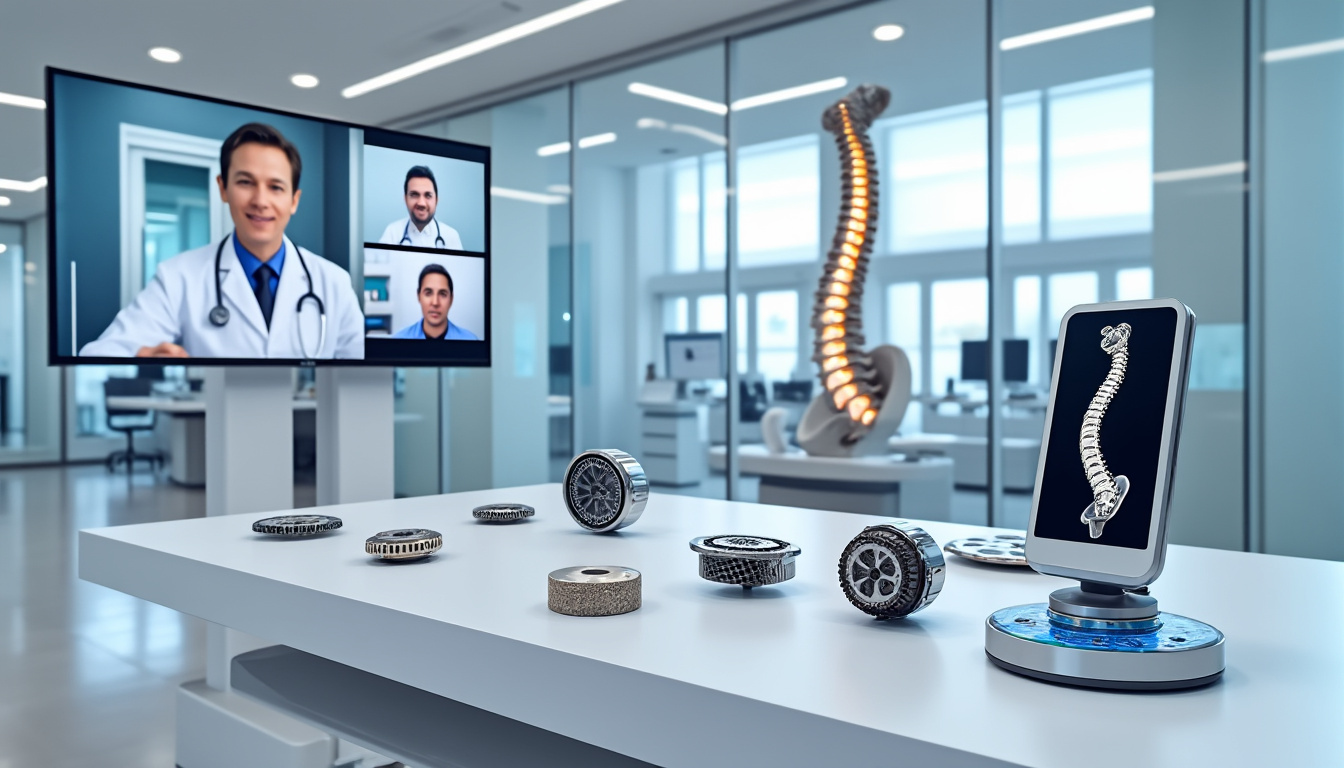
At the cutting edge of lumbar spinal surgery are motion-preserving prostheses that replicate the complex biomechanics of a healthy intervertebral disc. Developed after years of multidisciplinary research in Paris, the LP-ESP lumbar prosthesis exemplifies this innovation by combining titanium endplates with a viscoelastic polycarbonate urethane core. This design permits six degrees of motion — flexion-extension, lateral bending, axial rotation, translation, and compression — thereby closely emulating natural disc behavior.
The clinical implications are profound. Patients receive durable pain relief while maintaining spinal mobility essential for daily activities and long-term spine health. Furthermore, such implants limit wear particle release, decreasing inflammation and implant-related complications. Detailed biomechanical analyses justify their selection for patients committed to preserving functional movement amid degenerative disc disease.
| Type of Prosthesis | Design Characteristics | Biomechanical Function | Clinical Indications |
|---|---|---|---|
| Simple Disc Replacement | Single-piece implant restoring disc height | Basic movement with focus on stability | Degenerative disc disease, herniation |
| Fusion Alternatives | Dynamic stabilization devices with limited motion | Reduces adjacent level stress, partial mobility | Instability, degenerative spondylolisthesis |
| Motion-Preserving Prostheses | Viscoelastic implant with multi-axis movement | Restores natural spinal kinematics | Degenerative diseases needing mobility preservation |
This overview helps contextualize options accessible through transatlantic care, emphasizing personalized suitability after thorough evaluation by expert teams coordinated by Dr. Desforges in Lévis.

IntraSPINE® in Sherbrooke: Durable Solution for Chronic Low Back Pain
The management of chronic low back pain, a widespread condition affecting millions across Quebec and beyond, has reached a pivotal moment thanks to innovative medical technologies and coordinated care pathways. At the heart of this evolution lies the IntraSPINE implant,…
Mandatory Conservative Treatments Before Considering Disc Prosthesis Surgery
Before embarking on any surgical treatment for lumbar disc issues, adherence to a rigorous period of conservative management is essential. International and Canadian guidelines recommend at least three to six months of comprehensive non-surgical therapies to optimize outcomes and ascertain the absolute necessity of surgery.
Neurovertebral Decompression at Clinique TAGMED
Among the innovative treatments available locally in Lévis, neurovertebral decompression therapy stands out. Offered by Clinique TAGMED, this advanced, minimally invasive technique targets disc rehydration and alleviates nerve compression, often leading to substantial symptom improvement. Enhanced hydration restores disc height and reduces mechanical stress, thereby delaying or even preventing progression that would necessitate surgical intervention.
Dr. Sylvain Desforges strongly advocates initiating neurovertebral decompression before considering disc prosthesis if this has not been attempted previously. Its efficacy both in symptom relief and preventing unnecessary surgery aligns perfectly with rigorous, evidence-based patient care models.
Complementary Conservative Approaches
Other non-surgical therapies complement decompression treatment and include specialized osteopathic care aimed at realigning spinal structures, physiotherapy programs focusing on strengthening core muscles and improving flexibility, careful medication management to address inflammation and pain, and patient education fostering lifestyle modifications that protect spine health.
These combined approaches not only enhance the spine’s natural healing but also equip patients with tools to manage symptoms proactively and reduce recurrence risks.
- Neurovertebral decompression to reduce nerve pressure and improve disc condition.
- Osteopathic manual therapy to restore spinal alignment and mobility.
- Physiotherapy focusing on core stabilization and flexibility.
- Targeted pharmacological treatment for pain and inflammation control.
- Patient education emphasizing ergonomics and activity modification.
| Conservative Treatment | Main Objective | Recommended Duration |
|---|---|---|
| Neurovertebral Decompression | Reduce nerve compression, improve disc hydration | 3-6 months |
| Osteopathic Therapy | Restore spinal alignment and flexibility | Ongoing |
| Physiotherapy | Strengthen spinal support musculature | 3-6 months |
| Medication | Control inflammation and pain | As needed |
By meticulously completing these conservative treatments, patients better position themselves for successful surgical outcomes if surgery later becomes necessary. Skipping this critical step may expose patients to risks associated with premature surgical intervention without exhausting all safer options.
Spine Surgery in Trois-Rivières: Reduce Pain and Preserve Mobility
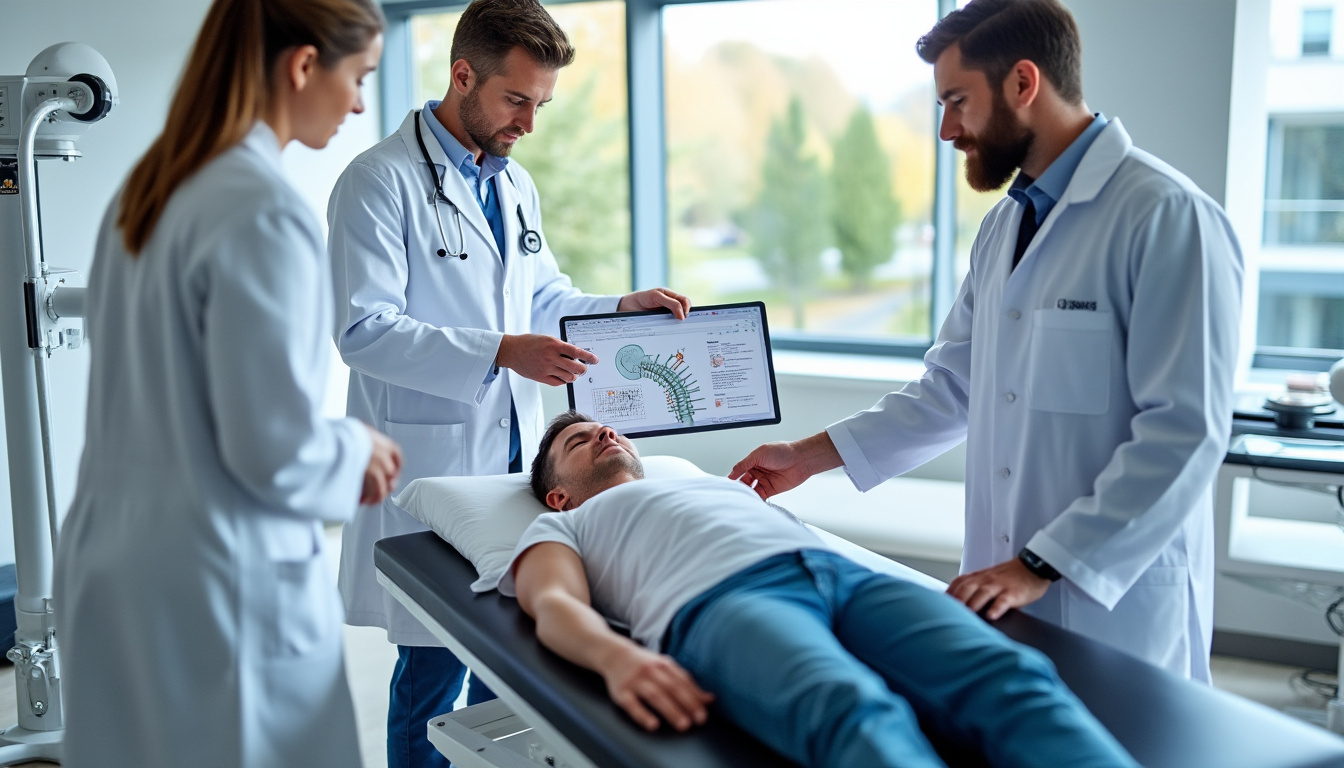
In recent years, spine surgery in Trois-Rivières has evolved notably, combining advanced medical expertise with innovative technologies to deliver patient-centered care. This growing field addresses the increasing demand among Quebec residents seeking effective solutions for chronic back pain and mobility…
Advanced Biomechanical Benefits and Implant Technologies in Lumbar Disc Prosthesis
The evolution of disc prosthesis technology over recent years has been remarkable, particularly concerning biomechanical fidelity and implant materials, with direct implications for patient outcomes. Implant designs now emphasize reproducing natural lumbar spine mechanics to enhance both immediate recovery and long-term spinal health.
Six Degrees of Freedom for Natural Movement
Traditional fusion restricts spinal motion, often resulting in reduced flexibility and accelerated wear of adjacent discs. Modern lumbar prostheses like the LP-ESP represent breakthroughs by allowing six degrees of freedom: forward and backward bending (flexion-extension), side bending (lateral bending), rotational movement (axial rotation), translational sliding, and dynamic compression. This comprehensive motion control protects spinal facets and preserves kinematic integrity.
Viscoelastic cores within these implants mimic the shock absorption properties of natural discs, cushioning the vertebrae from impact forces during activities such as walking, running, or lifting. This dynamic response reduces mechanical stress on both the implant and surrounding tissues.
Enhanced Implant Longevity and Safety
Innovative materials such as polycarbonate urethane cores with titanium endplates have been engineered to limit particulate wear—a common challenge in joint implants—thereby reducing inflammation and the potential for implant rejection. These improvements result in enhanced durability and patient satisfaction. Clinical evidence indicates sustained pain relief and preserved mobility years after implantation.
| Implant Model | Core Materials | Degrees of Freedom | Unique Features |
|---|---|---|---|
| LP-ESP Lumbar Prosthesis | Polycarbonate urethane core, titanium endplates | 6 (flexion, extension, lateral bending, axial rotation, translation, compression) | Viscoelastic motion control, reduced particles, shock absorption |
| Synergy Disc (Cervical) | Mobile polyethylene core, congruent endplates | Multi-axis mobility for sagittal balance | Preserves natural neck alignment and flexibility |
| M6-L Lumbar | Polymer core with fiber annulus, titanium endplates | Biomimetic shock absorption and native mechanics | Dynamic core replicates nucleus behavior |
Patients exploring disc prosthesis in Lévis can learn more about these advancements by consulting detailed implant information provided by expert evaluation teams who emphasize innovation alongside safety and efficacy.

Cervical Disc Prosthesis in Quebec City: Avoid Post-Surgery Stiffness
Chronic neck pain remains a significant challenge for thousands of residents in Quebec City every year, often leading them to seek effective spinal surgery options that minimize downtime and maximize long-term mobility. Among the recent advancements revolutionizing cervical spine care,…
Care Coordination and Patient Journey from Quebec to France for Spinal Surgery
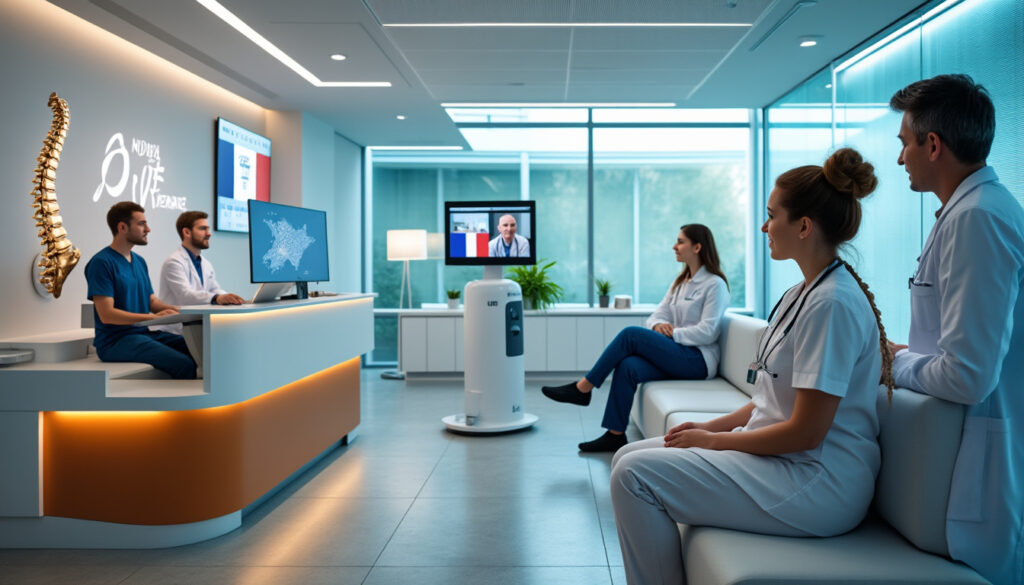
Achieving optimal results with lumbar disc prosthesis surgery involves precise organization across clinical evaluations, conservative treatment completion, surgical intervention, and postoperative rehabilitation. Dr. Sylvain Desforges offers expert guidance and facilitation through each step, ensuring Quebec patients receive seamless, ethical care coordinated transatlantically with French surgical centers.
Initial Assessment and Conservative Preparation
The journey begins in Quebec with an in-depth osteopathic examination supported by advanced imaging. This thorough diagnostic workup ensures accurate spinal pathology identification and assesses candidacy for disc prosthesis. Conservative treatments such as those offered at Clinique TAGMED conclude this preparatory phase, optimizing spinal health prior to surgery.
Logistics and Multidisciplinary Support
Thanks to established collaborations, teams assist patients in travel arrangements from Lévis to France, including administrative support and clear communication to alleviate stress. Language assistance and tailored patient education reinforce empowerment and informed decision-making throughout the care continuum.
Surgical Excellence and Postoperative Follow-Up
The surgical procedure is performed in French centers equipped with leading operating room technology and available implants from top manufacturers like DePuy Synthes and Zimmer Biomet. Postoperative rehabilitation plans emphasize progressive mobility and pain management with continuous remote follow-up by Canadian and French clinicians working together.
Reintegration and Long-Term Spine Health
Upon returning home, patients receive personalized reintegration support including physical therapy coordination and periodic monitoring to maintain surgical benefits and preserve long-term spinal function. This comprehensive approach elevates recovery quality while minimizing complications and enhancing patient confidence.
Minimally Invasive Surgery in Longueuil: Reduce Hospital Stay Duration
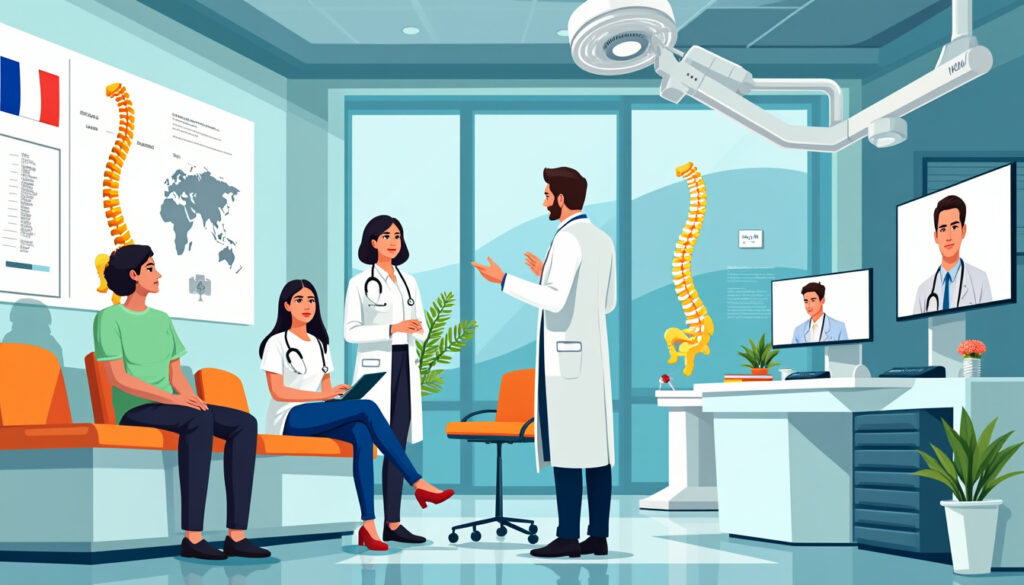
In recent years, advances in spinal care have dramatically reshaped the treatment landscape for patients suffering from debilitating spinal conditions. Particularly in Longueuil, the emergence of minimally invasive surgery (MIS) techniques offers a transformative alternative to conventional open surgeries. These…
Advantages of International Surgical Care: Biomechanical, Economic, and Personal Benefits for Quebec Patients
The transatlantic medical care pathway for disc prosthesis offers several significant advantages for Quebec patients seeking lumbar spinal restoration. This pathway reflects not only surgical innovation but also rigorous standards in safety, efficiency, and individualized support.
- Reduced Surgical Wait Times: Access to surgery within weeks circumvents typical Canadian delays, expediting back pain relief and functional recovery.
- Access to Innovative Technologies: Patients utilize cutting-edge prosthetic disc designs unavailable or limited in Canada, ensuring state-of-the-art biomechanical restoration.
- Optimized Cost-Effectiveness: By leveraging international healthcare networks, patients obtain premium care often at costs comparable or lower than private Canadian options.
- Personalized Multidisciplinary Support: Dedicated teams facilitate every phase from assessment through rehabilitation, addressing patient concerns with empathy and clarity.
- Continuous Care Integration: Follow-up coordination between French surgeons and Quebec healthcare providers ensures sustained spine health management and patient reassurance.
This comprehensive support model champions patient-centered values and reflects Dr. Desforges’ commitment to ethical, evidence-based spinal care.
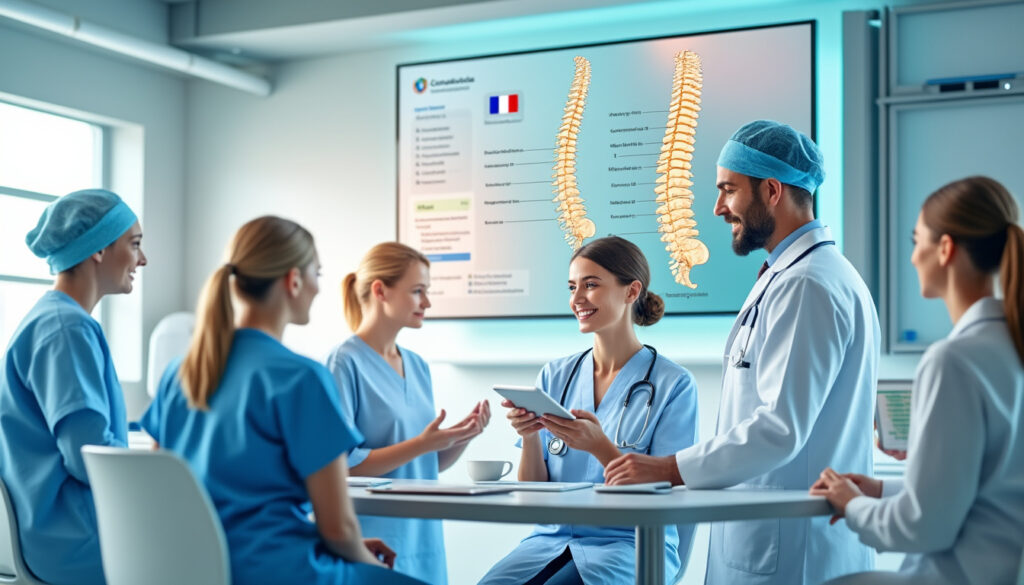
IntraSPINE® in Laval: Modern Solution for Lumbar Stabilization
In the evolving landscape of orthopedic treatments, the city of Laval has become a hub for innovations addressing chronic lower back pain. Among the groundbreaking solutions gaining attention is the IntraSPINE device—a modern spinal implant designed to offer dynamic lumbar…
Minimally Invasive Surgical Techniques Improving Recovery in Lumbar Disc Replacement
Minimally invasive surgery has transformed spinal operations, notably in lumbar disc replacement. These approaches reduce trauma to muscles and tissues, limit blood loss, and shorten hospitalization—all crucial advantages that speed recovery timelines and lower complication risks.
Using refined surgical tools and sometimes robotic assistance, surgeons access the affected lumbar discs through smaller anterior incisions, minimizing disruption to surrounding anatomy. This precise technique facilitates safe implantation of artificial discs while enhancing postoperative comfort.
Research consistently reports faster mobilization, decreased pain, and earlier return to daily activities among patients undergoing minimally invasive lumbar prosthesis surgeries. The meticulous training and expertise of surgical team members are critical to achieving these benefits, with ongoing advancements incorporated regularly.
| Minimally Invasive Technique | Key Benefits |
|---|---|
| Anterior Approach | Direct disc access, reduced muscle disruption, shorter recovery |
| Robotic-Assisted Surgery | Enhanced precision, lower risk of implant misplacement |
| Laparoscopic Techniques | Smaller incisions, less pain, faster healing |
Patients in Lévis opting for lumbar disc prosthesis surgery with these minimally invasive methods benefit from an overall improved surgical experience with accelerated postoperative progression towards restored lumbar function and back pain relief.
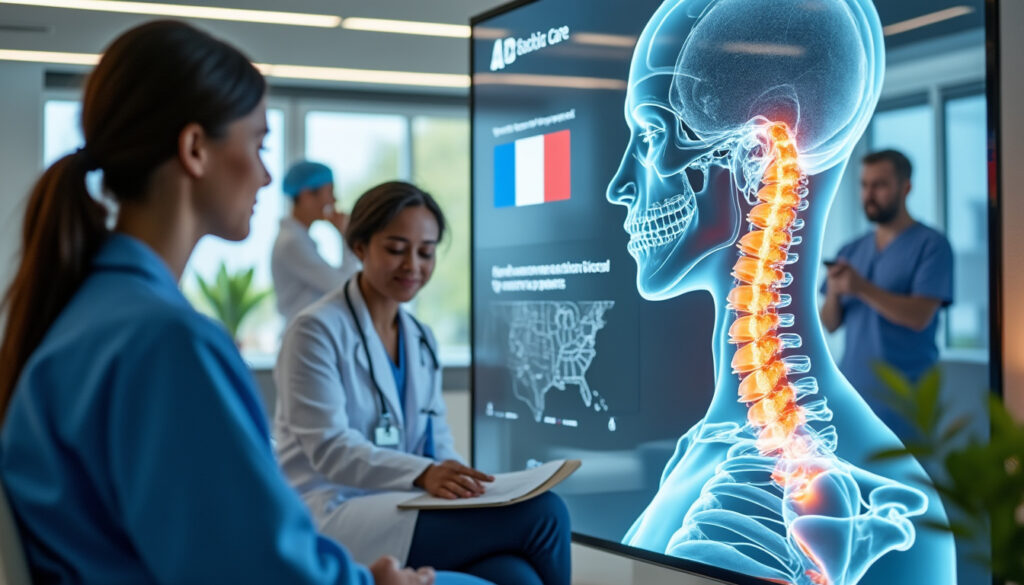
Neck Surgery in Montreal: Maintain Cervical Flexibility and Function
Neck conditions causing persistent pain or functional loss place a substantial burden on individuals and healthcare systems, especially in urban centers like Montreal. Surgical interventions targeting the cervical spine have evolved tremendously, aiming not only to relieve symptoms but to…
Patient Education and Humanized Care in Navigating Spine Surgery Decisions
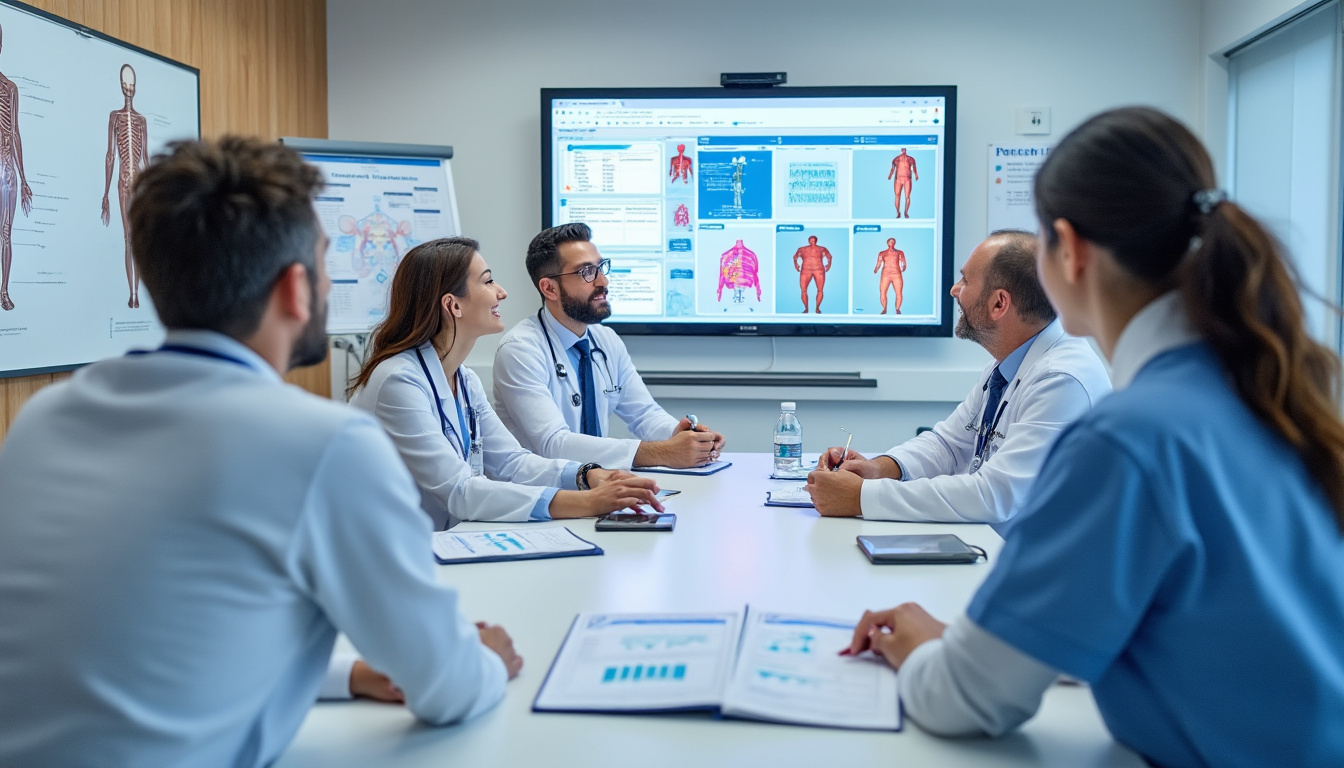
Clear and compassionate communication plays a fundamental role in supporting patients through the intricacies of spinal surgery decisions. Dr. Desforges emphasizes the importance of eliminating unnecessary jargon while delivering thorough explanations of treatment indications, procedural steps, and realistic functional outcomes.
Patients are encouraged to actively participate by asking questions and engaging in pre- and postoperative counseling sessions. Multilingual materials and personalized guidance bridge language and cultural gaps, especially crucial when coordinating care across Quebec and France.
This educational approach nurtures patient confidence, reduces anxiety associated with surgery, and fosters adherence to rehabilitation protocols, all of which contribute to successful outcomes and sustained spine health.

Disc Prosthesis in Lévis: Quick and Long-Lasting Results
Chronic back pain caused by degenerative disc disease continues to profoundly impact the quality of life for many residents in Lévis and the broader Quebec area. For decades, traditional spinal fusion surgery has been the primary solution for alleviating severe…
Key Services and Unique Advantages at Clinique TAGMED in Lévis
Clinique TAGMED, under the expertise of Dr. Desforges and a multidisciplinary team, provides a benchmark for advanced conservative spinal care in Quebec. Its signature neurovertebral decompression therapy addresses nerve impingement and disc degeneration, frequently delaying or obviating the need for surgery.
Innovations including laser-assisted treatments and dynamic implant techniques complement the clinic’s approach. Stringent adherence to Quebec and Canadian health regulations ensures patient safety and ethical care standards. This facility serves as a critical nexus for coordinating international referrals and bridging pre- and postoperative treatment phases for patients pursuing lumbar disc prosthesis surgery abroad.
Access to cutting-edge technology and a collaborative care environment enhances patient experience and outcomes, making TAGMED an essential resource for those exploring comprehensive spinal restoration options.

Motion Surgery in Terrebonne: Maintain Intervertebral Mobility
Back pain remains a widespread concern for many in Quebec, with traditional treatment pathways often imposing lengthy waiting periods and financial constraints. Recently, Motion Surgery in Terrebonne has emerged as a transformative option, attracting patients seeking spinal solutions that prioritize…
Frequently Asked Questions about Lumbar Disc Prosthesis and Spine Health
What types of disc prosthesis are commonly used in France?
France offers simple disc replacements, dynamic fusion alternatives, and advanced motion-preserving prostheses like the LP-ESP which provide natural spinal movement preservation.
Why is a period of conservative treatment necessary before considering lumbar disc surgery?
Conservative treatments such as neurovertebral decompression and osteopathic care help reduce symptoms, promote natural healing, and ensure surgery is a last resort after other therapies have been exhausted.
How do motion-preserving artificial discs benefit spinal biomechanics?
They restore six degrees of freedom, absorb shocks dynamically, and maintain physiological spinal kinematics, minimizing adjacent segment degeneration often seen with fusion surgery.
What advantages do Quebec patients gain from the transatlantic lumbar prosthesis care pathway?
Reduced wait times, access to innovative implants, coordinated multidisciplinary support, and integrated follow-up create an efficient and patient-centered experience.
How is patient safety ensured when coordinating spine surgery between Canada and France?
Strict compliance with informed consent, privacy laws, standardized clinical protocols, and ongoing outcome monitoring aligned with Canadian regulations safeguard patient rights and clinical quality.
For more information or to discuss your specific spinal condition and treatment options, please visit SOS Tourism Medical Contact to connect with experts dedicated to your personalized care.