Boucherville Sciatica Relief Without Invasive Treatments
July 10, 2026
Conservative Treatments vs Surgery: A Clear Guide for Quebec Patients
July 10, 2026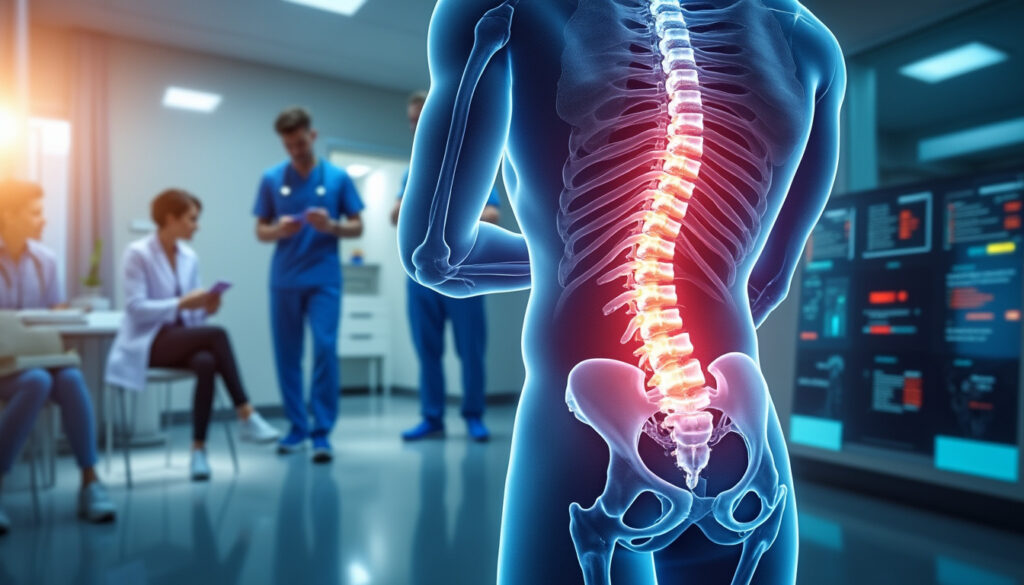
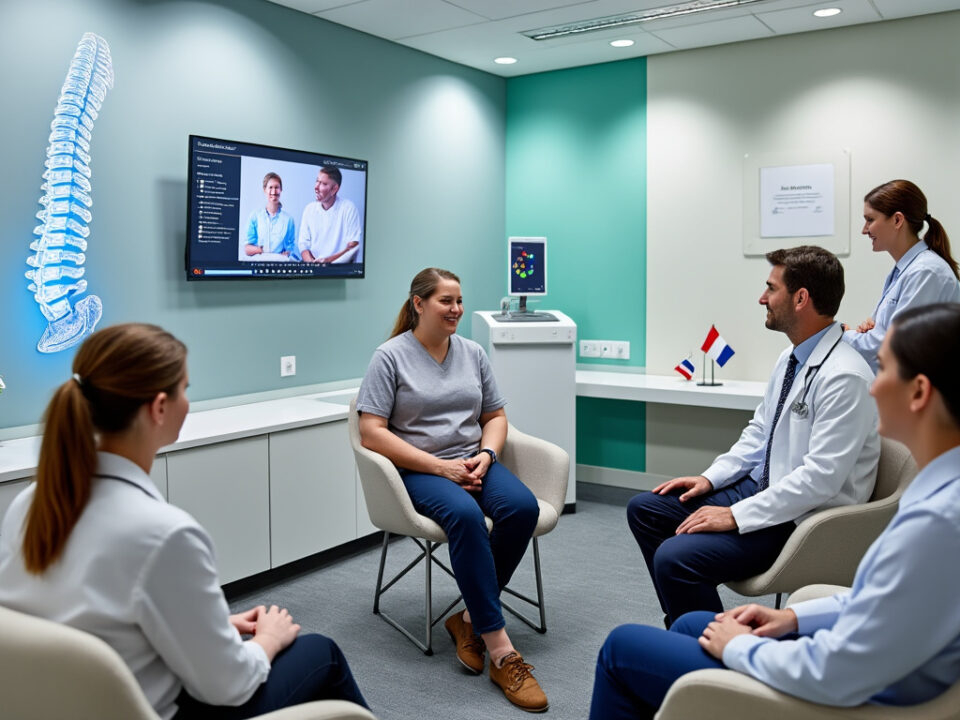
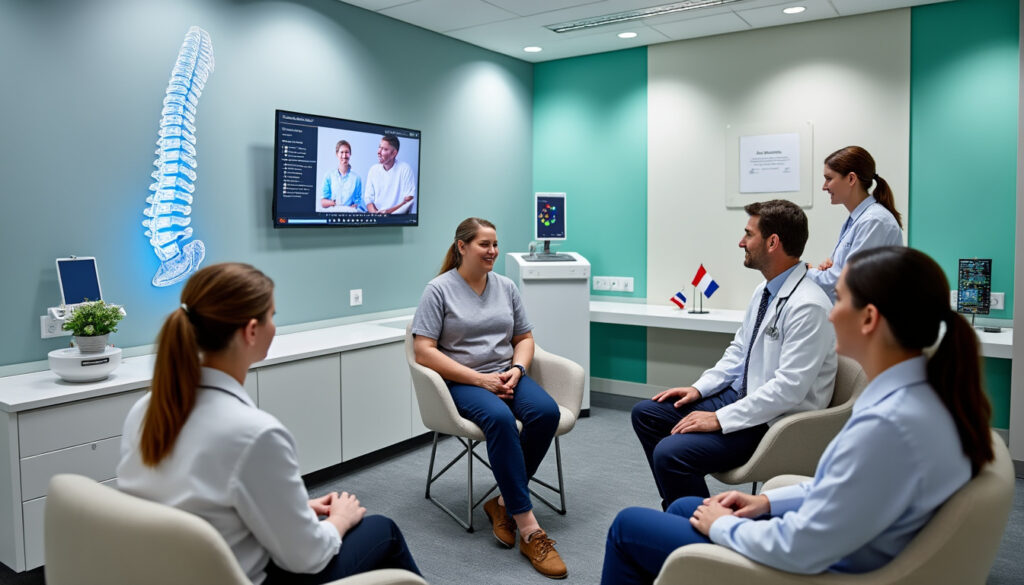
The community of Sainte-Julie faces a significant challenge in managing lumbar disc herniation, a condition that impacts a large portion of the working population, especially adults aged 30 to 45. This age group often contends with chronic lower back pain and functional disorders that diminish quality of life and productivity. Understanding the root causes, identifying symptoms early, and exploring innovative yet accessible treatment options are critical for improving spinal health in this region. Among these treatments, neurovertebral decompression therapy has emerged as a promising non-surgical alternative that blends advanced technology with clinical expertise.
Spinal health remains a major focus in Sainte-Julie’s healthcare discussions, as more patients seek solutions that avoid invasive procedures while providing effective relief. This shift reflects broader trends favoring personalized treatment plans that consider individual patient needs and leverage non-invasive therapies’ benefits. Neurovertebral decompression therapy exemplifies this approach, offering targeted relief through controlled spinal traction designed to reduce pressure on affected nerve roots.
Experts like Dr. Sylvain Desforges, with more than three decades of experience in spinal care, lead the integration of such advanced treatments in Québec. His work underscores the importance of clear patient education, scientific rigor, and the thoughtful application of new technologies. By coordinating international best practices and fostering multidisciplinary collaboration, Dr. Desforges provides Sainte-Julie patients with access to cutting-edge care that respects both medical ethics and local regulatory guidelines.
Understanding Lumbar Disc Herniation: Causes and Symptom Recognition in Sainte-Julie
Lumbar disc herniation represents a common source of lower back pain and radiculopathy, conditions frequently observed in Sainte-Julie’s active population. The herniation occurs when the nucleus pulposus—the gel-like center of an intervertebral disc—protrudes or extrudes through a breach in the annulus fibrosus, the tougher outer ring. This displacement can compress adjacent nerve roots, leading to characteristic symptoms that vary widely depending on the hernia’s severity and location.
In Sainte-Julie, patients typically present with persistent lumbar pain accompanied by radicular symptoms, such as pain radiating into the buttocks, thighs, knees, or even feet. This radiating pain stems from nerve root irritation or compression, often resulting in numbness, tingling, or muscle weakness in the affected limbs. Early identification of these signs is essential to prevent progression to more severe complications, such as motor deficits or cauda equina syndrome, which demand emergency intervention.
Different forms of disc herniation influence clinical decision-making and treatment paths. For example, a protrusion involves disc bulging without rupturing the outer ring, often responding well to conservative therapies. In contrast, an extrusion indicates a more pronounced rupture and potential sequestration of disc material, sometimes necessitating a more aggressive clinical approach. The Sainte-Julie medical community, including the renowned Clinique PSB, ensures thorough evaluations through orthopedic and neurological testing, supplemented by imaging techniques like MRI when appropriate.
Understanding symptom patterns and recognizing warning signs, such as sudden muscle cramps or gait disturbances, empower patients and clinicians to select timely, appropriate interventions. The availability of precise, early diagnostic capabilities fosters better patient outcomes and underlines the importance of tailored treatment strategies in managing lumbar disc herniation effectively.

IntraSPINE® in Sherbrooke: A Long-Lasting Solution for Chronic Lower Back Pain
Chronic lower back pain remains one of the most pressing health concerns in Sherbrooke and beyond, impacting millions and often diminishing daily quality of life. Despite the prevalence of lumbar discomfort, many face limited access to cutting-edge treatments amidst lengthy…
Risk Factors and Preventive Measures for Lumbar Disc Herniation in Sainte-Julie
The prevalence of lumbar disc herniation in Sainte-Julie reflects several interconnected risk factors, many rooted in lifestyle and occupational exposures. Sedentary habits, characterized by prolonged sitting and limited physical activity, contribute notably to vertebral disc degeneration by weakening spinal support musculature. This muscular insufficiency allows increased mechanical stress on discs, accelerating their wear and promoting herniation.
Overweight and obesity present additional challenges by increasing lumbar spine loading and compressive forces, further destabilizing spinal integrity. In Sainte-Julie’s local industries, manual laborers such as construction workers, warehouse employees, and assembly line operators face frequent repetitive movements and poor ergonomic conditions, raising their susceptibility to disc injuries. Additionally, professional drivers endure sustained vibrations and limited mobility, factors shown to exacerbate disc deterioration over time.
Genetics also plays a non-negligible role, with some individuals predisposed to earlier or more severe disc pathology. This hereditary element underscores that prevention strategies must combine personalized assessments with population-wide education and behavioral modification.
Effective prevention hinges on integrating several core components:
- Regular physical activity: Emphasizing strengthening exercises targeting the core, abdominal, and paraspinal muscles to improve spine stability.
- Ergonomic education: Training patients in proper posture and movement mechanics at work and home to minimize undue stress on the spinal discs.
- Weight management: Encouraging balanced nutrition and weight control to reduce excess mechanical load.
- Early intervention: Prompt medical consultation upon symptom onset to prevent progression through conservative therapy.
- Workplace adaptations: Collaborations between employers and healthcare professionals to optimize ergonomic standards.
By fostering patient awareness and proactive behavior, these measures empower Sainte-Julie residents to protect their spinal health and mitigate the risk of lumbar disc herniation. Tailored advice and continuous evaluation at specialized clinics like Clinique PSB support long-term positive outcomes in this regard.

Herniated Disc Care in Sainte-Julie: Why TAGMED’s Neurovertebral Decompression Therapy Stands Out
In the vibrant community of Sainte-Julie, back pain—particularly that stemming from herniated discs—has become a widespread concern affecting people from all walks of life. The relentless search for effective, non-invasive treatments has brought renewed attention to a pioneering therapy that…
How Neurovertebral Decompression Provides Targeted Relief for Herniated Discs in Sainte-Julie
Neurovertebral decompression has become a key innovation in non-surgical therapies addressing herniated discs, especially in Sainte-Julie, where demand for minimally invasive options is high. This technique involves precise, controlled traction applied to the lumbar spine, increasing intervertebral space and thus easing pressure on nerve roots compressed by herniated disc material.
The benefits of neurovertebral decompression extend beyond mere pain relief. By reducing mechanical stress, this therapy promotes improved local blood flow and facilitates natural tissue repair mechanisms within the disc. Patients commonly experience not only diminished radicular pain but also enhanced spinal mobility, significantly improving their daily function.
Customized treatment protocols are designed at clinics such as TAGMED under the expert guidance of Dr. Sylvain Desforges. Each patient’s therapy considers the unique characteristics of their disc herniation and their tolerance to traction forces. This personalized approach ensures maximal therapeutic efficacy while minimizing discomfort and potential adverse effects.
Unlike surgical interventions, neurovertebral decompression carries a lower risk profile, avoiding anesthesia-related complications and postoperative morbidity. This advantage is highly appreciated by patients seeking alternative pathways to recovery that prioritize long-term spinal health and quality of life.
The consultation and follow-up are critical components accompanying the decompression treatment, aiming to adapt the care plan dynamically based on patient response. This monitoring ensures sustainable improvements and serves as a cornerstone for integrating decompression with adjunctive rehabilitation therapies, which further bolster recovery.

Back Surgery in Trois-Rivières: Alleviating Pain While Preserving Mobility
In Trois-Rivières, Quebec, the persistence of back pain affects a substantial portion of the population seeking effective and personalized solutions. Back pain, often caused by spinal disorders or herniated discs, can drastically diminish quality of life, limiting mobility and causing…
Structuring an Effective Neurovertebral Decompression Program in Sainte-Julie
The management of lumbar disc herniation through neurovertebral decompression in Sainte-Julie typically unfolds across several phases, each with defined objectives and professional inputs. The complete program usually spans eight to twelve weeks, although individual timelines are subject to symptom severity and patient progress.
Following an initial comprehensive assessment—including detailed history, physical examination, and imaging studies—treatment planning can commence with precision. Early stages focus on active decompression sessions, which are more frequent and aim to relieve nerve pressure efficiently. Subsequently, the program transitions into rehabilitation, emphasizing targeted muscle strengthening and flexibility enhancement to support spinal stability.
| Phase | Duration (Weeks) | Primary Objectives | Key Professionals Involved |
|---|---|---|---|
| Diagnostic Evaluation | 1-2 | Confirm diagnosis, plan treatment strategy | Osteopath, Radiologist, Neurologist |
| Neurovertebral Decompression | 6-10 | Reduce nerve compression, alleviate pain | Osteopath, Physiotherapist |
| Rehabilitation & Strengthening | 2-4 | Restore function, prevent recurrence | Physiotherapist, Osteopath |
| Maintenance & Prevention | Variable (ongoing) | Support long-term spinal health | Patient & Healthcare Team |
This flexible framework allows clinicians to tailor interventions continuously to clinical changes and patient feedback, optimizing outcomes. Sainte-Julie patients have successfully completed such programs at specialized clinics, evidencing sustained pain reduction and improved functional capacity without resorting to invasive surgery.

Disc herniation remains a significant health concern in Pointe-Claire, impacting the lives of a diverse population ranging from labor-intensive workers to the aging community. The condition, characterized by the displacement or rupture of the intervertebral disc, often leads to debilitating…
Role of Rehabilitation in Post-Decompression Recovery and Chronic Back Pain Prevention
After the active phase of neurovertebral decompression, rehabilitation becomes essential in converting temporary pain relief into lasting spinal health benefits. In Sainte-Julie, rehabilitation protocols integrate physiotherapy exercises aimed at reinforcing core and lumbar muscles, restoring balance, and enhancing spinal flexibility.
Specific exercise regimens include progressive stretching, guided strengthening of paraspinal and abdominal muscles, and gentle mobilizations tailored to the degree of herniation and patient tolerance. Alongside physical therapy, patient education programs promote ergonomic awareness in daily activities, reducing mechanical overload risk.
Comprehensive rehabilitation strategies delivered within a patient-centered framework have demonstrated decreased rates of herniation recurrence and lower reliance on pharmacological pain management. This integration of decompression therapy with rehabilitation is a model backed by the clinical experience of experts such as Dr. Sylvain Desforges, who emphasize both technical precision and empathetic patient support.
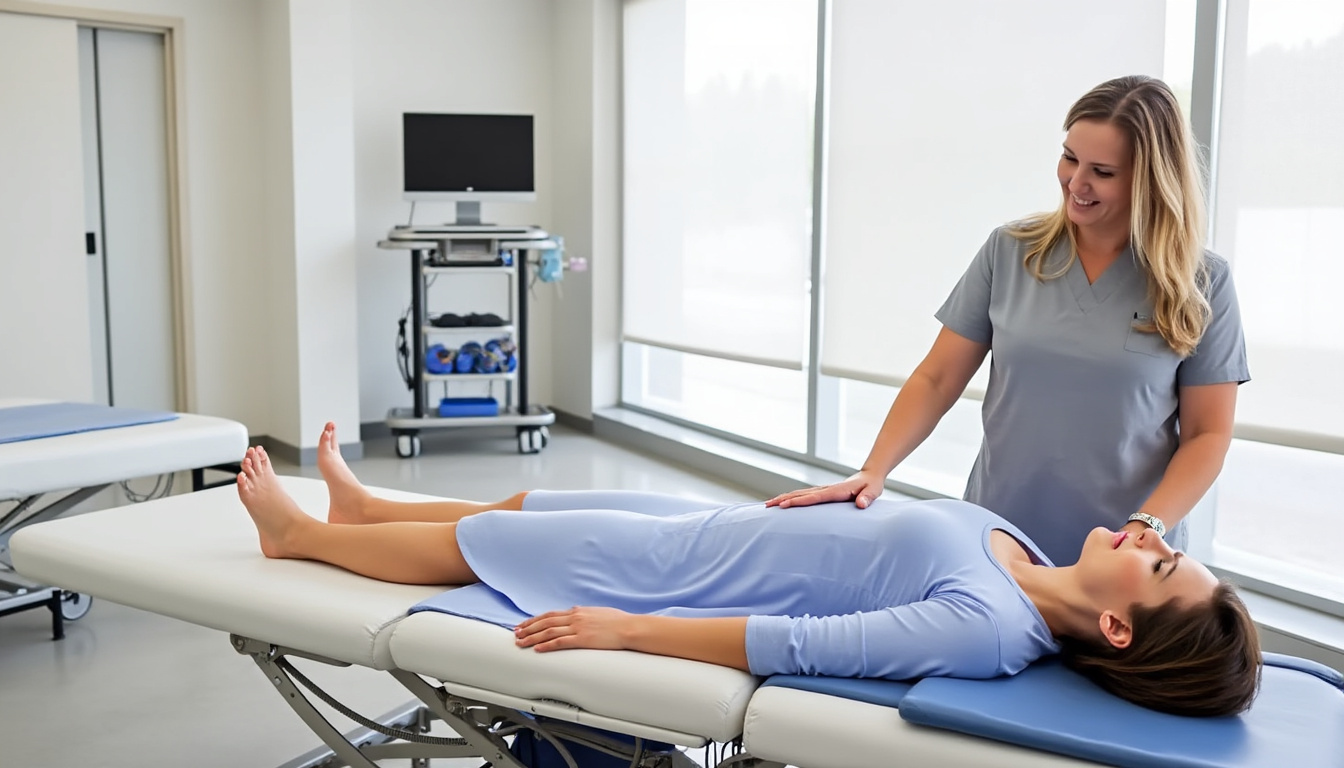

TOPS™ in Gatineau: A High-Performance Solution for Lumbar Spine Care
In a region where chronic back pain increasingly affects quality of life, the quest for advanced and effective lumbar spine treatments is paramount. Lumbar spinal stenosis, a prevalent condition among Quebec’s aging population, often imposes persistent discomfort and mobility limitations.…
Potential Complications and Safety Measures of Neurovertebral Decompression Therapy
Although neurovertebral decompression therapy is generally safe and well-tolerated, most medical protocols in Sainte-Julie stress the importance of thorough patient evaluation to identify contraindications. Conditions such as spinal fractures, infections, or neoplasms exclude patients from decompression treatment to avoid adverse outcomes.
During therapy, some patients may experience transient side effects including mild nerve root irritation or muscular spasms, which typically subside as the spine adapts to traction forces. Occasional reports mention temporary fatigue or weakness correlating with neuromuscular realignment processes.
Close monitoring by experienced healthcare providers remains paramount. Adjusting traction parameters in response to patient feedback and clinical signs helps minimize discomfort and prevent complications. Open communication channels between patient and clinician ensure rapid response to any emergent issues, reflecting Sainte-Julie’s commitment to safe and ethical spinal care.
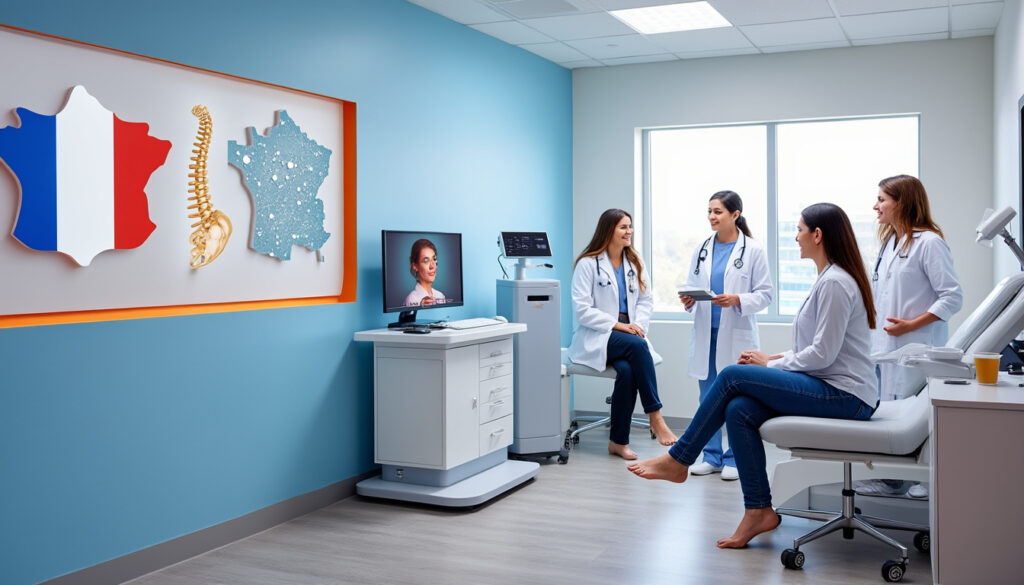
At Gouin Clinic, the landscape of herniated disc therapy has entered a transformative era marked by the integration of Personalized Treatment Plans and breakthrough Neurovertebral Decompression Therapy. This non-surgical approach is revolutionizing how spinal disorders are managed, offering patients an…
Comparing Surgical and Non-Surgical Approaches: The Emerging Role of Decompression in Sainte-Julie
For many years, surgical interventions were considered the gold standard for managing severe lumbar disc herniation. However, recent advances and accumulating clinical evidence reveal that non-surgical options like neurovertebral decompression often provide effective symptomatic relief and functional improvement without the inherent risks of surgery.
Surgical procedures, while sometimes necessary, carry potential complications such as infection, anesthesia risks, and prolonged recovery times. By contrast, decompression therapy directly addresses the mechanical cause of nerve compression through spinal traction, facilitating natural healing while being minimally invasive.
Studies indicate that a significant portion of patients avoid surgery following consistent decompression therapy combined with appropriate rehabilitation. This trend aligns with Sainte-Julie’s healthcare priorities to expand patient access to innovative, evidence-based, and cost-effective treatments.
To better understand the comparative benefits and how decompression fits into the overall management spectrum of lumbar disc herniation, one may consult detailed analyses on spinal decompression techniques and their therapeutic outcomes.
Given these developments, patients are encouraged to explore neurovertebral decompression as a viable first-line treatment and to consult experts who can provide comprehensive evaluations and personalized care pathways.

Cervical Disc Prosthesis in Quebec: Preventing Post-Operative Stiffness
Neck pain is one of the most common musculoskeletal complaints in Quebec, affecting a significant portion of the population annually. Often rooted in degenerative cervical disc diseases or herniated discs, this persistent discomfort severely impacts daily life and mobility. Fortunately,…
Practical Tips for Maximizing the Effectiveness of Neurovertebral Decompression in Sainte-Julie
Successful treatment outcomes in neurovertebral decompression depend heavily on patient engagement and adherence to clinical guidance. Sainte-Julie clinicians recommend several practical steps to optimize therapy benefits:
- Maintain regular therapy sessions: Consistent participation ensures cumulative traction effects and steady progress.
- Stay well-hydrated: Proper hydration supports disc elasticity and overall spinal tissue health.
- Practice ergonomic postures: Awareness of seat height, lumbar support, and work environment reduces undue spinal stress.
- Adhere to prescribed exercise routines: Daily strengthening and flexibility exercises enhance spinal stability and resilience.
- Avoid abrupt movements or heavy lifting during treatment: Minimizing mechanical strain facilitates tissue healing.
- Consume an anti-inflammatory diet: Nutritional choices supporting tissue recovery can augment treatment effects.
- Incorporate stress management techniques: Relaxation and breathing exercises help reduce muscle tension and improve healing.
These recommendations, when combined with expert clinical oversight, markedly decrease risks of herniation recurrence and improve patient quality of life. Open dialogue between patients and practitioners in Sainte-Julie clinics ensures individualized modifications, making treatment journeys as comfortable and effective as possible.

The prevalence of herniated disc conditions in Blainville has sparked considerable discussion and misconceptions about their causes, symptoms, and treatments. While the pain and disability associated with this spinal disorder are well documented, the emergence of non-surgical options such as…
Frequently Asked Questions about Lumbar Disc Herniation and Neurovertebral Decompression
How long does a typical neurovertebral decompression treatment last in Sainte-Julie?
Treatment programs generally extend over 8 to 12 weeks, varying with symptom severity and patient response to therapy.
Is the decompression therapy painful during sessions?
Neurovertebral decompression is non-invasive and usually well tolerated, with minimal to no pain reported during sessions.
Can decompression therapy help avoid surgical intervention for herniated discs?
Many patients experience significant relief allowing them to postpone or avoid surgery altogether through dedicated decompression therapy as a first-line option.
What risks should patients be aware of during neurovertebral decompression?
Possible mild nerve irritation or muscle spasms can occur, but careful supervision considerably limits these risks.
How can one prevent lumbar disc herniation recurrence after treatment?
Maintaining good postural habits, engaging in regular spinal exercises, and adhering to ergonomic principles form the cornerstone of long-term prevention.