Candiac Lumbar Disc Injury Rehabilitation Success Stories
May 16, 2026
Montreal Chronic Back Pain Solutions for Professionals
May 16, 2026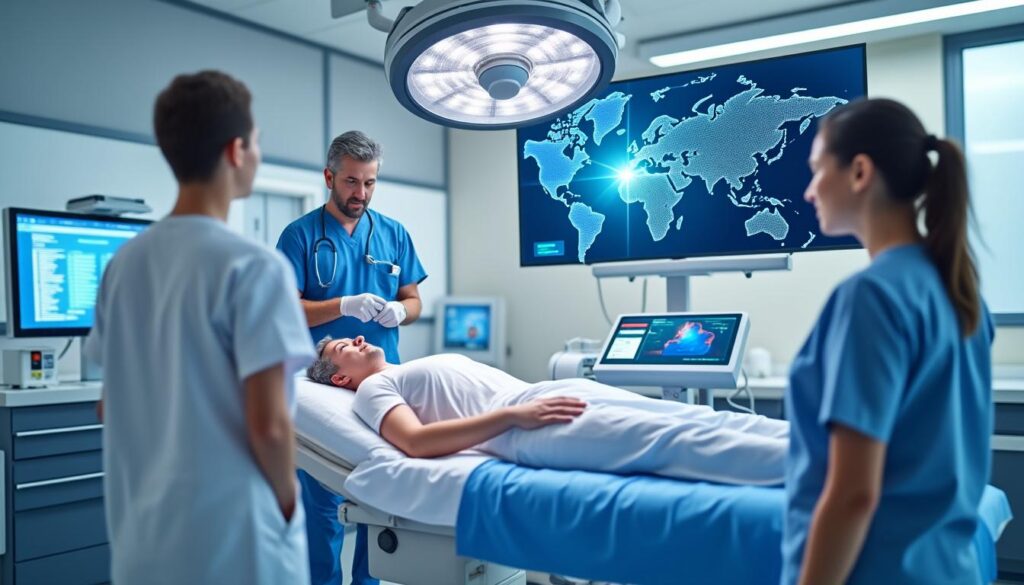
The management of chronic lower back pain remains a significant challenge for many patients throughout Quebec, including those in Saguenay. Faced with extended wait times in the local healthcare system and the high costs associated with private care, individuals are increasingly seeking effective, innovative alternatives that provide lasting relief without compromising the spine’s natural mobility. The lumbar disc prosthesis emerges as a groundbreaking solution, offering a durable alternative to traditional spinal fusion surgeries. Engineered to mimic the natural function of intervertebral discs, this surgical option preserves lumbar spine mobility while alleviating pain linked to degenerative disc diseases.
Thanks to the pioneering expertise of Dr. Sylvain Desforges, a revered figure in spinal care with over 30 years of experience, and collaborations between Canadian and French medical teams, patients now have access to state-of-the-art technologies, including advanced artificial discs and minimally invasive surgical methods. This transatlantic approach not only shortens treatment delays but also leverages innovations unavailable in Canada, ensuring patients receive highly personalized care tailored to their unique condition.
As the medical landscape evolves in 2026, understanding the nuances of the lumbar disc prosthesis and its place within contemporary spinal treatments is crucial. This article explores the intricacies of the procedure, the journey patients embark upon from evaluation to recovery, and the inherent biomechanical, economic, and human benefits embedded within this modern alternative to spinal fusion.
Understanding Lumbar Disc Prosthesis: A Modern Approach to Spinal Disc Replacement
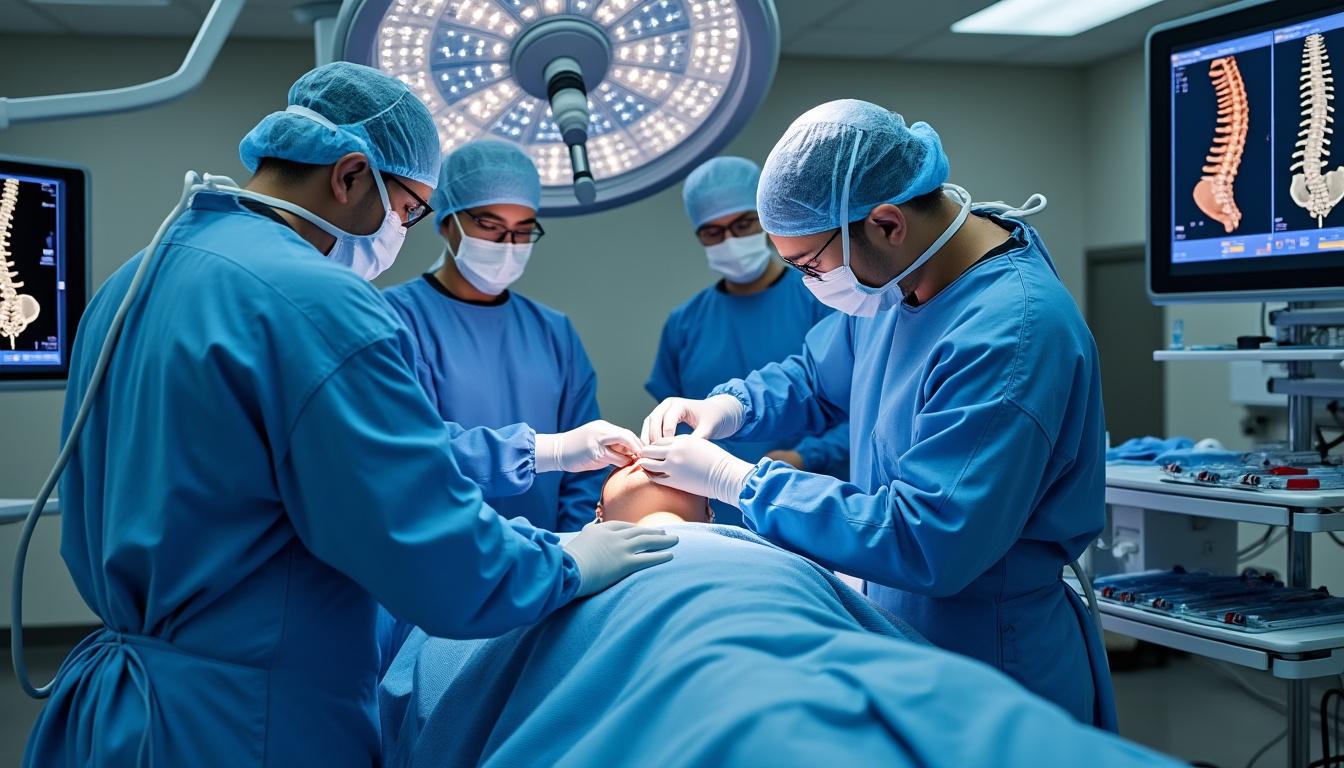
The lumbar disc prosthesis, also known as lumbar total disc replacement (TDR), represents a sophisticated orthopedic surgery designed to restore natural spine function. Unlike spinal fusion, which immobilizes vertebrae to reduce pain, this procedure replaces the degenerated disc with an artificial implant that preserves segmental motion, fostering better biomechanical outcomes.
The prosthesis typically consists of a metallic or ceramic base securely anchored onto adjacent vertebral bodies coupled with a highly durable polyethylene core that simulates the disc’s cushioning and flexibility. This design allows for physiological movements such as flexion, extension, lateral bending, and rotation, closely replicating the spine’s natural mechanics.
Applying this technology in Saguenay offers remarkable advantages in reducing the mechanical stress on adjacent spinal levels, a common complication observed in fusion surgeries, where rigid immobilization may accelerate degeneration in neighboring discs. Furthermore, patients benefit from a shorter operative time, minimal muscle disruption due to the anterior surgical approach, and a faster return to daily activities, underscoring the procedure’s minimally invasive nature.
For more detailed information about the safety and efficacy of this intervention, readers may consult the comprehensive insights shared on lumbar disc prosthesis in Saguenay, which highlights ongoing clinical outcomes and approvals affirming its reliability.

IntraSPINE® in Sherbrooke: Durable Solution for Chronic Low Back Pain
The management of chronic low back pain, a widespread condition affecting millions across Quebec and beyond, has reached a pivotal moment thanks to innovative medical technologies and coordinated care pathways. At the heart of this evolution lies the IntraSPINE implant,…
Indications, Contraindications, and Patient Selection for a Lumbar Disc Prosthesis
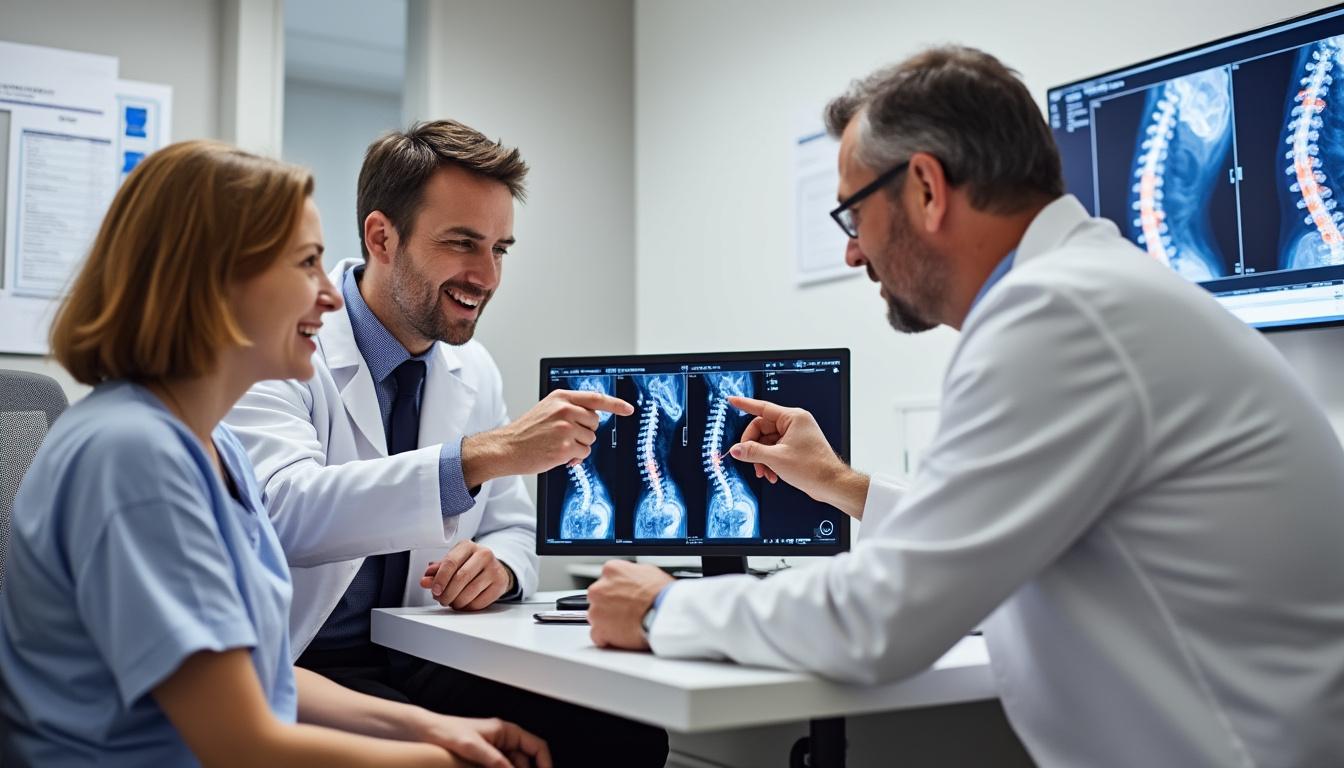
Successful outcomes with lumbar disc prostheses depend heavily on meticulous patient selection. Typically, candidates are adults suffering from chronic lower back pain directly linked to single-level degenerative disc disease, confirmed by rigorous clinical evaluation and advanced imaging techniques such as MRI. Other inclusion criteria include the absence of significant vertebral instability, minimal facet joint arthritis, and no major spinal deformities, as such conditions might necessitate alternative surgical strategies.
Conversely, contraindications include pronounced osteoporosis, spondylolisthesis, severe facet arthropathy, infections, or previous complex spinal surgeries that compromise the anatomical site. Dr. Sylvain Desforges, with his extensive qualifications (B.Sc., D.O., N.D.) and comprehensive evaluations at the Clinique TAGMED, ensures that patients undergo a thorough diagnostic process to tailor treatment plans specific to their pathology.
In many cases, the persistence of lumbar pain despite exhaustive conservative therapies signals the need for surgical consideration. However, limiting surgical intervention strictly to patients who have undergone at least three to six months of specialized non-invasive therapies—including neurovertebral decompression offered exclusively by TAGMED—is vital. These treatments not only reduce surgical risks but also help in distinguishing those who truly require operative intervention from those who might still benefit from conservative management.
The following list summarizes critical prerequisites for eligibility:
- Confirmed degenerative disc pathology without spinal instability
- Failure of 3 to 6 months of intensive conservative therapy including neurovertebral decompression
- Good general health and ability to undergo anesthesia and surgery
- No significant bone density loss or structural spinal abnormalities
- Informed patient motivation with a clear understanding of benefits and limitations
Spine Surgery in Trois-Rivières: Reduce Pain and Preserve Mobility
In recent years, spine surgery in Trois-Rivières has evolved notably, combining advanced medical expertise with innovative technologies to deliver patient-centered care. This growing field addresses the increasing demand among Quebec residents seeking effective solutions for chronic back pain and mobility…
Conservative Treatments Before Considering Surgery: Emphasizing Non-Invasive Therapy
One of the core pillars in managing lower back pain is exhaustive conservative treatment prior to any surgical decision. Under the guidance of Dr. Desforges and his team at Clinique TAGMED, patients have access to advanced conservative options beyond conventional physiotherapy, such as neurovertebral decompression— a precise, robotically-assisted technique that gently relieves pressure on spinal structures.
This approach integrates osteopathic manual therapies, education on pain management, tailored muscular strengthening, and postural re-education, delivered with an unwavering commitment to evidence-based practices and patient safety consistent with Quebec and Canadian medical regulations. It is this dedication to scientific rigor and innovation that sets the Clinique TAGMED apart as a leader in spinal care.
The benefits of this treatment regime include decreased pain intensity, improved spinal flexibility, and often avoidance of surgical intervention entirely. However, if symptoms persist despite comprehensive conservative care, the progression to surgical alternatives like the lumbar disc prosthesis becomes justifiable and timely.
In particular, the facility’s focus on integrating emerging technologies—like laser therapies and minimally invasive decompression—ensures that patients receive contemporary treatments maximizing efficacy while minimizing risks associated with traditional therapies or premature surgery.
List of advantages of advanced conservative therapies at TAGMED:
- Precision decompression targeting affected spinal levels
- Reduction of inflammation and nerve irritation without surgery
- Personalized osteopathic manipulation techniques improving joint mobility
- Comprehensive patient education enhancing long-term self-management
- Potential to postpone or avoid surgical procedures

TOPS™ in Gatineau: High-Performance Option for the Lumbar Spine
The landscape of spinal surgery has witnessed profound evolution, particularly for patients grappling with lumbar spine disorders such as spinal stenosis and spondylolisthesis. These conditions, increasingly prevalent among Quebec’s population, impose substantial limitations on mobility and quality of life. The…
Surgical Techniques for Lumbar Disc Replacement in France: Fusion vs Motion-Preserving Options
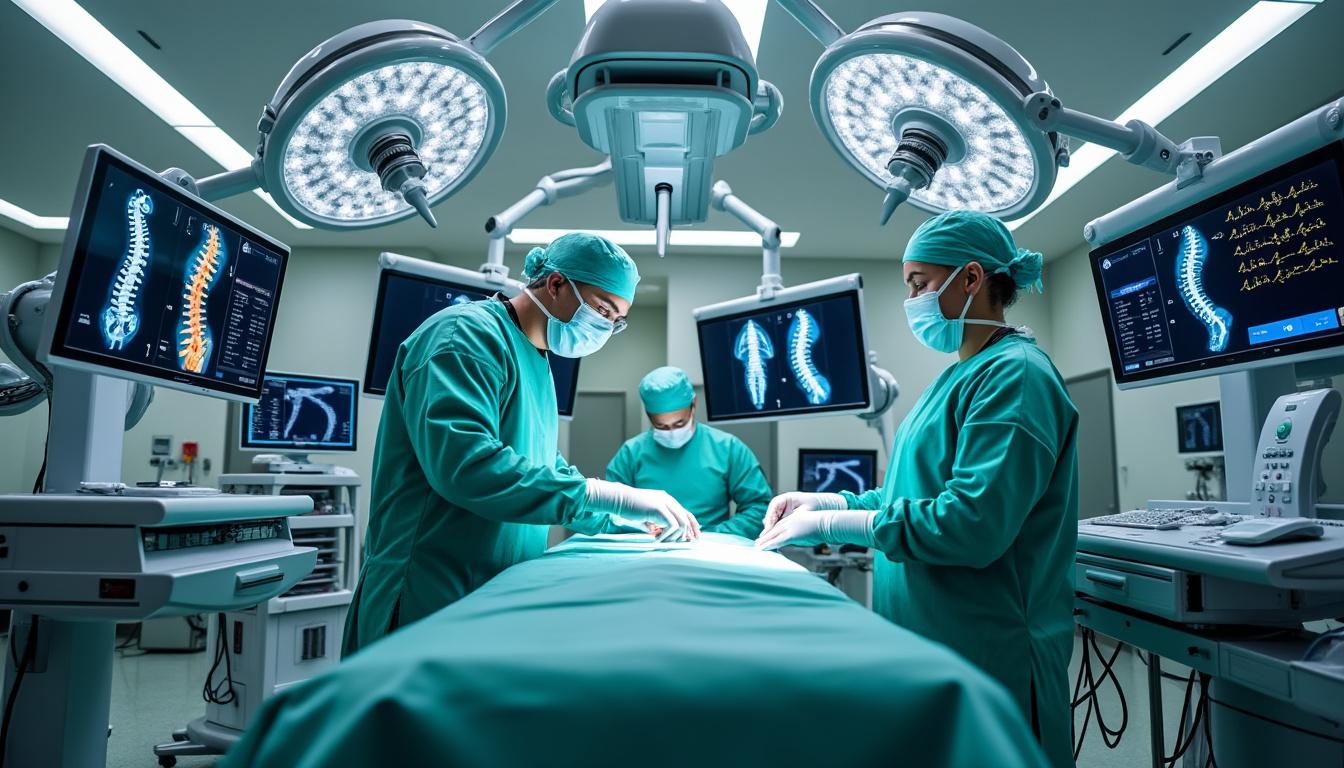
French orthopedic centers offer a spectrum of surgical choices tailored to individual spinal pathologies. The classical spinal fusion, or arthrodesis, while effective for stabilizing unstable or deformed segments, unfortunately sacrifices mobility by permanently uniting vertebrae, often leading to unnatural stress on adjacent discs and potential secondary pain syndromes.
Alternatively, the motion-preserving lumbar disc prosthesis offers a more physiological solution by maintaining natural spine mechanics. Implants like ProDisc, TOPS, and IntraSPINE—frequently utilized in leading French centers—ensure dynamic stabilization, support lumbar lordosis, and protect facet joints, contributing to improved postoperative outcomes.
The surgical approach is typically anterior retroperitoneal, a pathway that minimizes muscular disruption and operative times, enhancing early mobility and accelerating recovery. Minimally invasive and endoscopic techniques further reduce tissue trauma, complicating anesthetic requirements, and hospital stays.
Below is a comparative table illustrating key differences between major surgical options:
| Technique | Indications | Advantages | Limitations |
|---|---|---|---|
| Spinal Fusion | Instability, severe deformity | Reliable segment stabilization | Loss of segmental mobility, accelerated adjacent degeneration |
| Lumbar Disc Prosthesis | Discogenic pain without major instability | Preserves mobility, faster recovery | Strict patient selection, technically demanding |
| Dynamic Implants (e.g., TOPS) | Moderate instability, mobility preservation desired | Stabilizes while preserving function | Not suitable for severe arthritis |
| Endoscopic Surgery | Herniated discs, early degeneration | Minimally invasive, rapid recovery | Limited to specific indications |
For further insights into the evolving market landscape and FDA-approved devices in spinal disc replacement, the analysis presented by leading spinal market research offers an excellent resource.

Cervical Disc Prosthesis in Quebec City: Avoid Post-Surgery Stiffness
Chronic neck pain remains a significant challenge for thousands of residents in Quebec City every year, often leading them to seek effective spinal surgery options that minimize downtime and maximize long-term mobility. Among the recent advancements revolutionizing cervical spine care,…
Transatlantic Patient Journey: Coordinated Care from Quebec to France and Back
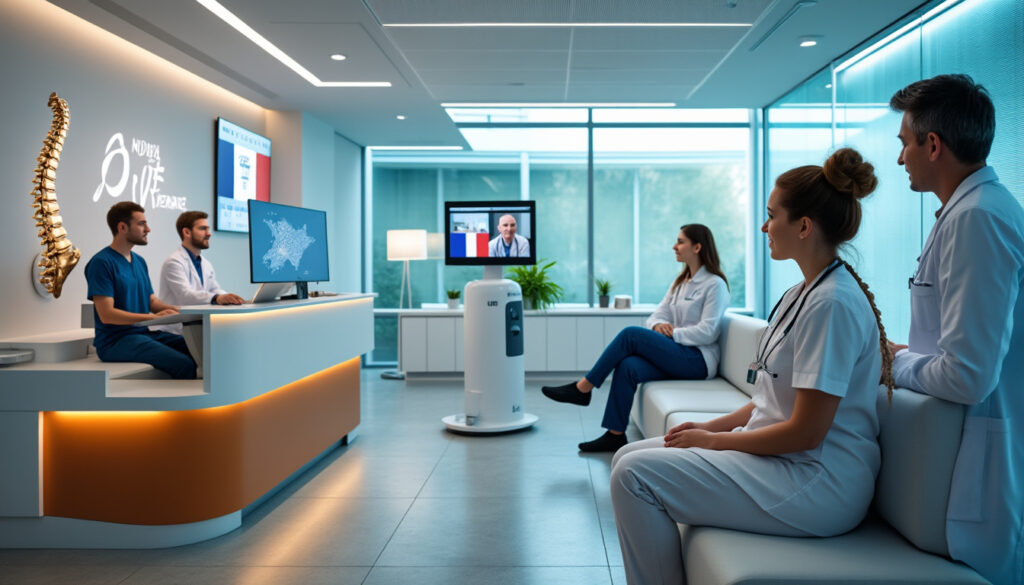
Embarking on a lumbar disc prosthesis surgery overseas may appear daunting, yet the unique transatlantic coordination led by Dr. Sylvain Desforges ensures a seamless, patient-centered process. From the initial assessment in Quebec through to surgery in France and subsequent rehabilitation back home, this collaborative model integrates expertise, logistics, and continuous communication.
The process begins with Dr. Desforges’ comprehensive evaluation at Clinique TAGMED, encompassing clinical and imaging assessments tailored to confirm surgical candidacy. Upon validation, the patient’s journey is supported by Franchir, an organization managing travel, accommodation, and scheduling appointments with specialized French surgeons and clinical teams.
Post-surgery, patients benefit from customized rehabilitation programs supervised by Neurothérapie Montréal, preserving surgical gains and facilitating reintegration into daily life and work. The continuous follow-up between Canadian and French teams guarantees maintained quality and safety standards.
This integrative pathway not only mitigates Québec’s long wait times but also provides access to advanced implants and techniques safeguarded by strict ethical and scientific protocols curated by Dr. Desforges, Acknowledged for founding both the ACMA and the College of Canadian Osteopaths, he advocates for evidence-based practices combined with humanized care throughout the journey.
Key steps in the transatlantic surgical pathway:
- Initial detailed evaluation and conservative care at Clinique TAGMED
- Planning and logistics coordination with Franchir
- Surgical intervention by experienced French orthopedic surgeons
- Postoperative rehabilitation and follow-up through Neurothérapie Montréal
- Long-term monitoring and personalized care adjustment
Minimally Invasive Surgery in Longueuil: Reduce Hospital Stay Duration
In recent years, advances in spinal care have dramatically reshaped the treatment landscape for patients suffering from debilitating spinal conditions. Particularly in Longueuil, the emergence of minimally invasive surgery (MIS) techniques offers a transformative alternative to conventional open surgeries. These…
Biomechanical and Economic Advantages of Lumbar Disc Prosthesis for Saguenay Patients
The biomechanical superiority of lumbar disc prostheses is increasingly documented in scientific literature. By allowing preserved spine mobility, the implant reduces abnormal loading and wear on adjacent spinal segments, a key factor in preventing secondary degenerative changes and recurrent pain.
Patients report faster functional recovery, decreased postoperative inflammation, and improved quality of life compared to those undergoing traditional fusion. This improved mobility correlates with better posture and balance, positively affecting daily activities and occupational capabilities.
Economically, opting for lumbar disc prosthesis—especially within the Quebec-France transatlantic care network—can translate into substantial long-term savings by reducing secondary interventions, chronic pain management expenses, and loss of productivity. Furthermore, coordinated care avoids unexpected costs through transparent planning of surgery, travel, and rehabilitation.
Outlined below is a summary table comparing key functional outcomes:
| Parameter | Lumbar Disc Prosthesis | Spinal Fusion |
|---|---|---|
| Segmental Mobility | Preserved | Eliminated |
| Risk of Adjacent Segment Degeneration | Reduced | Increased |
| Postoperative Recovery Time | Shorter (2-4 weeks for sedentary work) | Longer (6-12 weeks or more) |
| Quality of Life Improvement | Marked | Variable |
IntraSPINE® in Laval: Modern Solution for Lumbar Stabilization
In the evolving landscape of orthopedic treatments, the city of Laval has become a hub for innovations addressing chronic lower back pain. Among the groundbreaking solutions gaining attention is the IntraSPINE device—a modern spinal implant designed to offer dynamic lumbar…
Ensuring Patient Understanding: Education and Informed Decision-Making
Integral to Dr. Sylvain Desforges’ work is the commitment to render complex spinal concepts accessible to patients. He focuses on lucid communication without unnecessary jargon, explaining the rationale behind disc prosthesis, the expected benefits, limitations, potential risks, and postoperative course.
Patients are encouraged to ask questions, actively participate in their health choices, and understand that each case is unique requiring a personalized approach. This humanistic pedagogical approach strengthens trust and empowers patients to navigate their care confidently.
Beyond face-to-face consultations, educational resources, including detailed guides, patient testimonials, and informational webinars, complement the learning process. This comprehensive support network is pivotal in demystifying surgery and nurturing positive treatment experiences.
Critical points covered during patient education sessions:
- Differences between fusion and prosthesis
- Importance of preoperative conservative treatments
- Expected surgical procedure and recovery timeline
- Potential postoperative complications and risk mitigation
- Long-term maintenance and follow-up strategies
Neck Surgery in Montreal: Maintain Cervical Flexibility and Function
Neck conditions causing persistent pain or functional loss place a substantial burden on individuals and healthcare systems, especially in urban centers like Montreal. Surgical interventions targeting the cervical spine have evolved tremendously, aiming not only to relieve symptoms but to…
Personalized Services and Added Value in Lumbar Disc Prosthesis Care
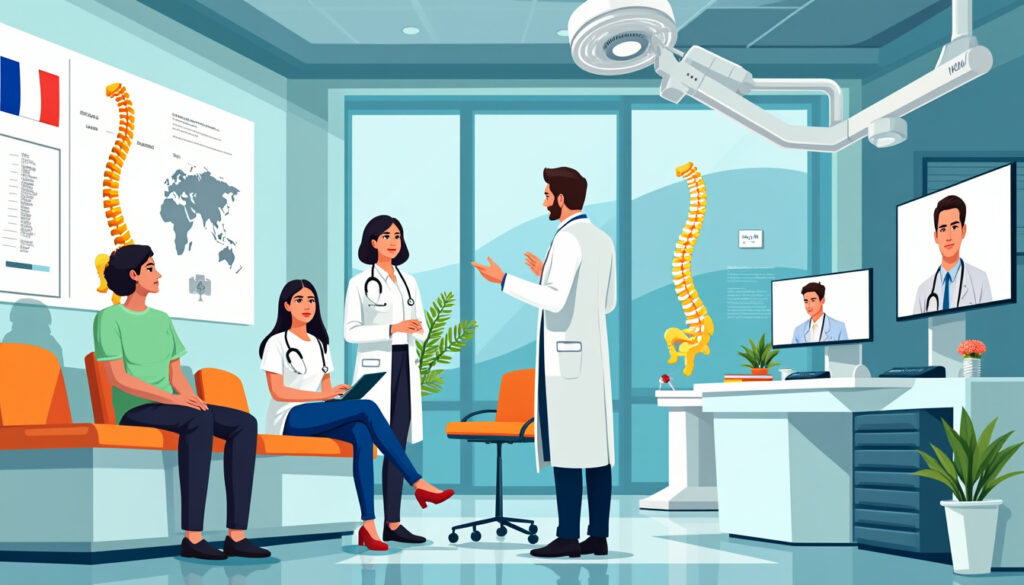
What sets apart the lumbar disc prosthesis pathway coordinated by Dr. Desforges is the integration of advanced technology, interdisciplinary expertise, and an unwavering commitment to patient-centric care. This includes access to innovative implants with rigorous biomechanical validation, alongside the support of a multidisciplinary team comprising osteopaths, neurosurgeons, orthopedic surgeons, and rehabilitation specialists.
Patients benefit from a streamlined, end-to-end pathway that encompasses initial evaluation, advanced conservative treatment, surgical coordination abroad, and tailored rehabilitation upon return. This complete continuum of care not only enhances outcomes but also provides peace of mind, mitigating common anxieties related to international medical travel.
This model exemplifies the confluence of scientific rigor, ethical standards, and empathy—ensuring that each individual receives care aligned with the highest benchmarks in spine health management. Innovations such as neurovertebral decompression, dynamic implants, and laser therapies reflect a forward-thinking philosophy anchored in continuous improvement.

Disc Prosthesis in Lévis: Quick and Long-Lasting Results
Chronic back pain caused by degenerative disc disease continues to profoundly impact the quality of life for many residents in Lévis and the broader Quebec area. For decades, traditional spinal fusion surgery has been the primary solution for alleviating severe…
Encouragement to Take Control: Initiating Your Personalized Evaluation
Given the complex nature of lumbar spine disorders and the variety of treatment pathways available today, the first step toward effective care is an informed, expert evaluation. Dr. Sylvain Desforges and his team are equipped to guide you through this process with clarity, precision, and genuine care.
If you experience persistent lower back pain impacting your daily life despite conservative therapies, consider exploring the opportunity of a lumbar disc prosthesis. Whether you are in Saguenay or elsewhere in Quebec, the transatlantic surgical program offers a unique blend of innovation and tradition to serve your needs.
For more detailed information or to discuss your individual case, please visit https://www.sostourismemedical.com/contact to request a personalized assessment and begin your pathway to improved spinal health.
What are the main risks associated with lumbar disc prosthesis?
Risks include infection, implant failure, and persistent pain. Each patient’s case is unique and requires thorough evaluation by experts to minimize complications.
How long does recovery typically last after lumbar disc replacement surgery?
Light activities can often resume within 2 to 4 weeks. Physically demanding jobs may require 6 to 12 weeks of gradual return to full function.
Is everyone with back pain a candidate for lumbar disc prosthesis?
No. Only patients with confirmed discogenic pain without major spinal instability or deformity, who have completed thorough conservative treatments, should consider this option.
What is neurovertebral decompression and how does it relate to surgery?
Neurovertebral decompression is a non-invasive therapy to relieve back pain by gently stretching spinal segments. It is often recommended before considering surgery to improve outcomes or potentially avoid operative treatment.
What does the pre-surgical evaluation involve?
It includes detailed clinical exams, advanced imaging, and comprehensive review of medical history and treatment options to determine the suitability of lumbar disc prosthesis.