Mirabel Neck Herniation Recovery Using Decompression
May 16, 2026
La Prairie Lumbar Disc Pain Managed with TAGMED Protocol
May 16, 2026
Chronic back pain linked to lumbar disc degeneration significantly affects many individuals in Saguenay, pushing the boundaries of traditional treatments and elevating the need for innovative solutions. Patients seeking alternatives to spinal fusion—which can restrict mobility and expedite adjacent segment wear—now consider lumbar disc prosthesis as a promising option that preserves spinal motion while offering durable relief. This surgical approach, expertly coordinated by Dr. Sylvain Desforges, leverages his extensive 30+ years of expertise in spinal evaluation and osteopathy to connect Quebec patients with advanced, minimally invasive interventions available through a transatlantic care model with leading French clinics.
In this evolving therapeutic landscape, maintaining long-term spinal mobility emerges as a cornerstone goal. Lumbar disc prostheses are engineered to mimic the natural biomechanics of intervertebral discs, enabling controlled movement across multiple planes. Such innovations promise not only reduction in back pain but also preservation of the spine’s functional integrity, reducing the risk of degeneration in neighboring segments. The comprehensive patient journey facilitated by Dr. Desforges—from initial evaluation in Saguenay to surgery in France and post-operative rehabilitation in Quebec—embodies a commitment to rigorous, evidence-based practices melded with personalized, compassionate care.
Surgical Options in France: Understanding Lumbar Disc Prosthesis Among Choices
France offers a spectrum of proven spinal surgical techniques that Quebec patients can access, thanks to strategic transatlantic coordination led by Dr. Desforges. The available surgical options for addressing lumbar disc pathology vary in invasiveness, biomechanical impact, and rehabilitation demands. Recognizing the merits and limitations of each choice is essential for informed decision-making and aligns with Dr. Desforges’ dedication to transparent patient education and evidence-based recommendations.
Simple Decompression Surgery
Frequently performed to relieve nerve compression caused by spinal stenosis or herniated discs, simple decompression involves removing bony overgrowth or disc fragments impinging on neural structures. This procedure preserves much of the spine’s anatomy, enabling quicker functional recovery. However, it does not directly remedy the underlying disc degeneration, leaving potential for symptom recurrence over time. Patients with localized nerve root compression and minimal mechanical spinal instability are typical candidates.
Spinal Fusion Surgery
Traditional spinal fusion surgery stabilizes painful vertebral segments by creating a bony bridge, effectively eliminating motion at that level. While frequently leading to effective pain relief, fusion changes spinal mechanics, potentially increasing stress and degeneration in adjacent discs. The loss of segmental mobility is a marked disadvantage, especially for younger or active patients seeking to maintain physical function. Rigorous patient evaluation is essential, and Dr. Desforges’ expertise is pivotal in guiding patients through understanding these trade-offs.
Motion-Preserving Lumbar Disc Prosthesis Surgery
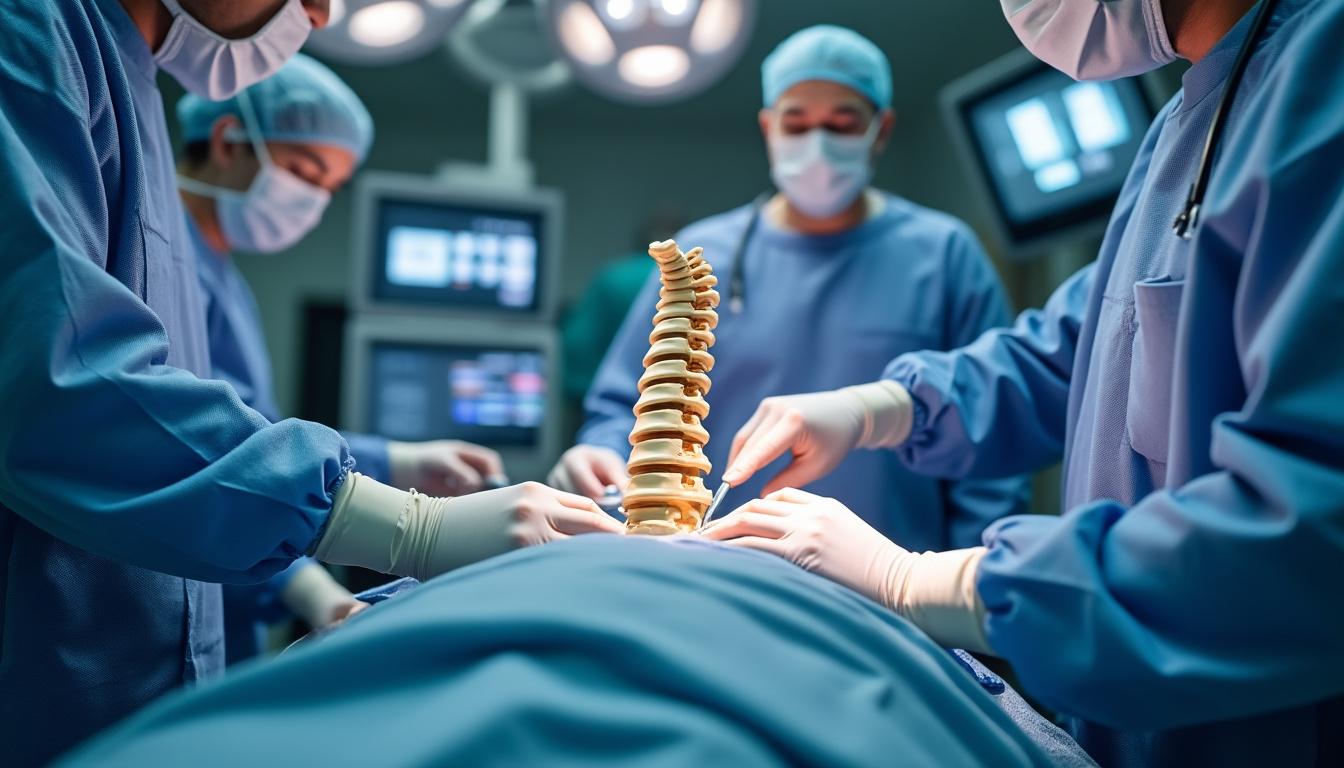
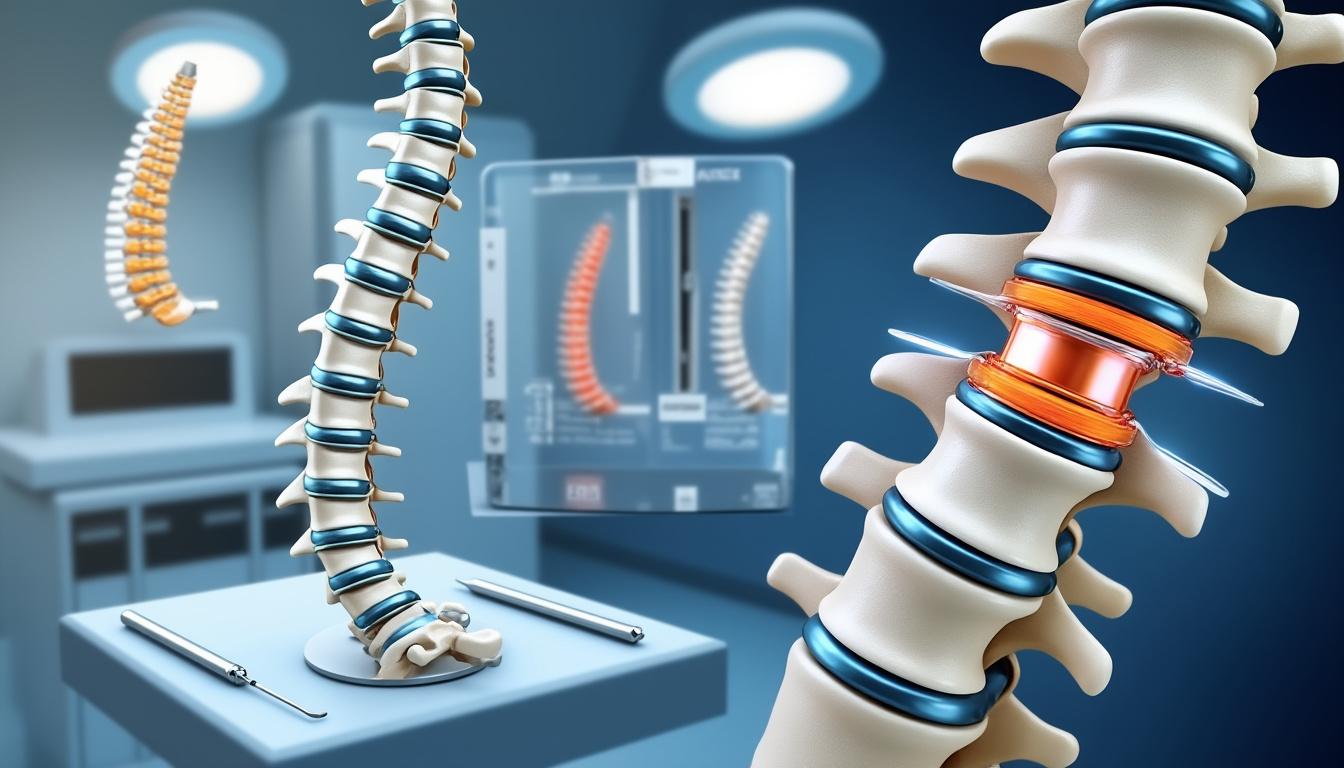
Lumbar disc prosthesis, unlike fusion, replaces the deteriorated disc with an implant designed to restore physiological motion. Devices such as the LP-ESP prosthesis afford six degrees of freedom and incorporate viscoelastic properties that absorb shocks, replicating the natural disc’s biomechanical behavior. This approach maintains spinal mobility, reducing the risk of accelerated adjacent segment degradation and facilitating earlier return to daily activities.
Key advantages of disc prosthesis surgery include:
- Preservation of natural spinal mechanics with controlled mobility in flexion, extension, lateral bending, and rotation.
- Shock absorption to minimize stress on facet joints and surrounding tissues.
- Reduced incidence of adjacent segment disease compared to fusion, supporting long-term spine health.
- Potential for shorter rehabilitation periods and enhanced functional outcomes.
The precise selection of implants and surgical techniques available in leading French centers, supported by technological partnerships with innovators like Spineart’s BAGUERA L and Columna’s mobile lumbar prostheses, ensures a tailored approach for each patient’s biomechanical needs. Under Dr. Desforges’ coordination, Quebec patients benefit from this highly specialized care endowed with scientific rigor and ethical oversight.
IntraSPINE® in Sherbrooke: Durable Solution for Chronic Low Back Pain
The management of chronic low back pain, a widespread condition affecting millions across Quebec and beyond, has reached a pivotal moment thanks to innovative medical technologies and coordinated care pathways. At the heart of this evolution lies the IntraSPINE implant,…
The Importance of Preoperative Conservative Care: Neurovertebral Decompression at Clinique TAGMED
Before considering invasive surgery, Dr. Desforges underscores that patients must undertake comprehensive conservative treatment for 3 to 6 months. This commitment is essential in aligning with both Quebec and Canadian healthcare guidelines that emphasize non-surgical interventions as the first therapeutic line.
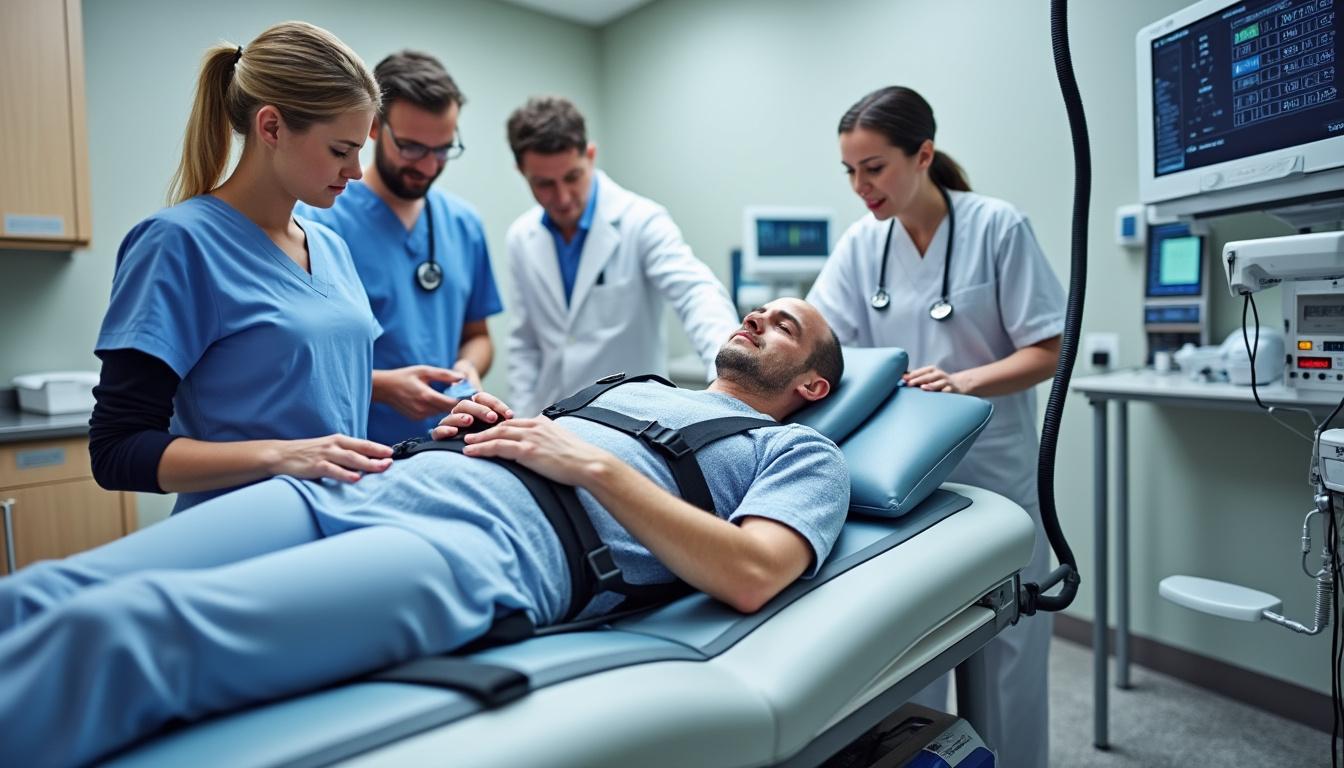
An advanced cornerstone of conservative care is neurovertebral decompression, a non-invasive procedure offered at Clinique TAGMED in Quebec. This technology targets intervertebral pressure reduction, fostering tissue healing and pain relief without surgery. Patients with lumbar disc degeneration have reported significant improvement when this modality complements physical therapy and osteopathic management. Neurovertebral decompression’s role is critical; if not part of initial treatment, completing it is strongly advised before exploring surgical avenues.
The benefits of rigorous conservative management include:
- Alleviation or reduction of back pain that might deflect need for surgery.
- Improved functional spine stability and patient education on injury prevention.
- Optimized patient condition, enhancing surgical outcomes if surgery becomes necessary.
By integrating these scientifically validated treatments, patients participate actively in their recovery journey with the support of Dr. Desforges’ expertise, which harmonizes innovative care and ethical principles.
Spine Surgery in Trois-Rivières: Reduce Pain and Preserve Mobility
In recent years, spine surgery in Trois-Rivières has evolved notably, combining advanced medical expertise with innovative technologies to deliver patient-centered care. This growing field addresses the increasing demand among Quebec residents seeking effective solutions for chronic back pain and mobility…
Coordinating the Transatlantic Patient Journey: Personalized Support Every Step of the Way
One of the core strengths of this pathway is the meticulous coordination led by Dr. Desforges between Quebec patients and French surgical centers. This transatlantic collaboration ensures patients receive streamlined access to advanced care while preserving continuity through all stages.
The patient’s journey unfolds in clearly defined steps:
- Comprehensive Clinical and Radiological Evaluation in Saguenay: Dr. Desforges performs thorough assessments, verifying the adequacy of conservative treatment and confirming surgical candidacy based on individual biomechanics.
- International Coordination and Teleconsultations: Collaborations with French surgical teams optimize implant selection and scheduling, drastically reducing typical waiting intervals encountered domestically in Quebec.
- Surgical Procedure in France: Surgeries are performed using minimally invasive anterior approaches with hospital stays averaging two to three days. Advanced imaging and spinal navigation enhance precision.
- Postoperative Rehabilitation in Quebec: Following return, rehabilitation protocols are customized and supervised, often incorporating remote telehealth services to maintain progress and address concerns.
This comprehensive, patient-centered approach respects both ethical and scientific obligations while addressing logistical challenges. Patients benefit from clear communication, emotional support, and expert guidance, securing higher satisfaction and improved long-term outcomes.

TOPS™ in Gatineau: High-Performance Option for the Lumbar Spine
The landscape of spinal surgery has witnessed profound evolution, particularly for patients grappling with lumbar spine disorders such as spinal stenosis and spondylolisthesis. These conditions, increasingly prevalent among Quebec’s population, impose substantial limitations on mobility and quality of life. The…
Biomechanical Benefits of Lumbar Disc Prosthesis: Preserving Natural Spinal Function
Understanding why lumbar disc prosthesis preserves spinal mobility offers greater clarity on its therapeutic advantages. Normal lumbar discs permit multi-directional motion—such as flexion, extension, rotation, and lateral bending—that facilitate everyday activities.
In contrast to spinal fusion that immobilizes affected segments, disc replacement restores near-physiological movement. For example, devices like the LP-ESP implant integrate a viscoelastic core bonded to titanium plates, granting controlled elastic response and shock absorption. These characteristics not only replicate natural biomechanics but also shield adjacent structures from excessive strain.
| Biomechanical Parameter | Natural Disc | Spinal Fusion | Lumbar Disc Prosthesis (LP-ESP) |
|---|---|---|---|
| Segmental Range of Motion | Up to 6° | 0° (immobile) | 4-6° (approximates natural motion) |
| Shock Absorption | High | Absent | Present (viscoelastic properties) |
| Stress on Adjacent Segments | Physiological | Increased risk of degeneration | Reduced due to preserved mobility |
Patients undergoing lumbar disc prosthesis often experience easier transitions back to daily life and a lower incidence of adjacent segment disease, outcomes supported by extensive research. For more on maintaining intervertebral mobility through this technique, see this detailed overview.
Cervical Disc Prosthesis in Quebec City: Avoid Post-Surgery Stiffness
Chronic neck pain remains a significant challenge for thousands of residents in Quebec City every year, often leading them to seek effective spinal surgery options that minimize downtime and maximize long-term mobility. Among the recent advancements revolutionizing cervical spine care,…
Postoperative Rehabilitation: Supporting Long-Term Recovery and Spine Health
Following lumbar disc prosthesis surgery, recovery typically spans approximately three months, with multifaceted rehabilitation critical to successful outcomes. Dr. Desforges emphasizes a gradual reintroduction to physical activity combined with tailored physiotherapy aiming to stabilize and strengthen lumbar musculature.
Key elements of postoperative care focus on:
- Incremental mobilization that respects implant positioning and healing tissues.
- Regular neurologic and pain assessments coordinated locally with guidance from Dr. Desforges.
- Patient education on ergonomics, posture, and activity modification to preserve spinal health.
- Close liaison with multidisciplinary teams to adapt rehabilitation plans responsively.
Clear communication about realistic expectations and timelines is integral, fostering patient motivation and adherence. Most patients report significant pain relief and restoration of functional mobility within months, enjoying renewed quality of life.
Minimally Invasive Surgery in Longueuil: Reduce Hospital Stay Duration
In recent years, advances in spinal care have dramatically reshaped the treatment landscape for patients suffering from debilitating spinal conditions. Particularly in Longueuil, the emergence of minimally invasive surgery (MIS) techniques offers a transformative alternative to conventional open surgeries. These…
Economic and Human Advantages of the Saguenay-France Transatlantic Care Model
The transatlantic surgical pathway coordinated by Dr. Desforges offers notable economic and human benefits tailored to Quebec patients’ realities besides clinical excellence. Receiving surgery in accredited French centers often rivals or is more cost-effective than private alternatives locally.
Reduced wait times shorten periods of inactivity and suffering—a crucial factor for working adults and active families striving to maintain their lifestyles. Greater availability of cutting-edge devices and surgical expertise in France ensures quality without compromise.
Moreover, continuous postoperative support upon return to Quebec reflects a holistic approach to patient well-being. Emotional reassurance, transparent education, and personalized communication alleviate anxieties frequently experienced in international treatment journeys.
Together, these factors create a comprehensive framework that addresses financial, medical, and psychosocial needs with unmatched coordination and care quality.
IntraSPINE® in Laval: Modern Solution for Lumbar Stabilization
In the evolving landscape of orthopedic treatments, the city of Laval has become a hub for innovations addressing chronic lower back pain. Among the groundbreaking solutions gaining attention is the IntraSPINE device—a modern spinal implant designed to offer dynamic lumbar…
Ensuring Surgical Appropriateness: Candidate Criteria and Risk Awareness
Lumbar disc prosthesis surgery is suitable primarily for patients displaying symptomatic one or two-level degenerative lumbar discs without significant facet joint arthropathy or spinal deformities. A thorough conservative care trial is mandatory before considering this surgical option.
Understanding the risks is also essential. Although modern minimally invasive techniques and advanced implants have considerably lowered complication rates, potential surgical risks include those associated with the anterior approach, implant migration, or wear. Dr. Desforges carefully evaluates each case to tailor recommendations that prioritize patient safety and benefit.
The following table summarizes eligibility and risk factors:
| Aspect | Considerations |
|---|---|
| Candidate Criteria | Persistent symptomatic disc disease, failure of 3-6 months conservative care, absence of severe facet joint disease or instability |
| Potential Risks | Anesthesia complications, implant-related issues, infection, anterior approach vascular or nerve injury (rare) |
| Benefits | Maintained spinal mobility, reduction in chronic back pain, lower adjacent segment degeneration risk |
Dr. Desforges targets individualized evaluation, ensuring the surgical pathway is clearly indicated and that patients are well-informed throughout their care journey.
Neck Surgery in Montreal: Maintain Cervical Flexibility and Function
Neck conditions causing persistent pain or functional loss place a substantial burden on individuals and healthcare systems, especially in urban centers like Montreal. Surgical interventions targeting the cervical spine have evolved tremendously, aiming not only to relieve symptoms but to…
Technological Innovations Driving Superior Lumbar Disc Prosthesis Outcomes
Continuous advancements in surgical implants and operative technology underpin the successes of lumbar disc prosthesis procedures. French spine centers utilize cutting-edge devices praised for their biomechanical excellence and durability.
Featured innovations include:
- The LP-ESP prosthesis with its patented one-piece viscoelastic core integrated with titanium substrates, delivering six degrees of freedom and shock absorption.
- High-precision spinal navigation and intraoperative imaging enabling unparalleled implant placement accuracy with minimal tissue disruption.
- Minimally invasive anterior surgical approaches that reduce complications and expedite recovery.
- Bioactive implant coatings, such as hydroxyapatite and titanium, promoting osseointegration and long-term implant stability.
These technologies align perfectly with Dr. Desforges’ dedication to evidence-based practice, patient safety, and innovative care, offering Saguenay patients access to treatment modalities unavailable in Canada. For broader insights, explore the detailed resources on lumbar artificial disk replacement from AAOS OrthoInfo and significant long-term studies published on ResearchGate.
Who is a good candidate for lumbar disc prosthesis?
Patients with symptomatic degenerative lumbar discs who have completed at least 3-6 months of conservative treatment and do not have severe facet joint disease or spinal instability are typically considered suitable candidates.
How long is recovery after lumbar disc prosthesis surgery?
Recovery generally spans about three months involving gradual mobilization, physical therapy, and monitoring to assure proper healing and implant integration.
Why is conservative treatment important before surgery?
Conservative treatment helps alleviate symptoms and strengthens the spine, ensuring surgery is only pursued if necessary and optimizing surgical outcomes if performed.
What are the biomechanical advantages of disc replacement over fusion?
Disc prosthesis preserves natural spinal motion and shock absorption, reducing stress on adjacent segments and lowering the risk of further degeneration compared to rigid spinal fusion.
What support is provided after surgery in Quebec?
Postoperative rehabilitation is coordinated by Dr. Desforges, integrating local therapy support and telehealth monitoring to ensure effective recovery and address any concerns promptly.

Disc Prosthesis in Lévis: Quick and Long-Lasting Results
Chronic back pain caused by degenerative disc disease continues to profoundly impact the quality of life for many residents in Lévis and the broader Quebec area. For decades, traditional spinal fusion surgery has been the primary solution for alleviating severe…