Saint-Eustache Lumbar Disc Injury Recovery Stories
May 16, 2026
Vaudreuil-Dorion Chronic Back Pain Managed Non-Surgically
May 16, 2026
In the evolving landscape of spinal care, patients in Quebec seeking efficient and advanced treatment options often face long waits and high costs for private clinics. This situation has sparked growing interest in alternatives that provide both quality and timeliness. Minimally invasive surgery (MIS) in Longueuil represents one such alternative, offering a cutting-edge approach that lessens patient risk, accelerates healing, and minimizes scarring—all vital factors in spine-related procedures.
Backed by over 30 years of commitment to evidence-based practice and innovation, Dr. Sylvain Desforges stands as a pioneer in spinal evaluations and care coordination. His expertise, spanning osteopathy, neuro-orthopedics, and advanced therapeutic techniques, uniquely positions him to facilitate care pathways transatlantically between Canada and France. This international coordination brings access to technologies and surgical techniques not always available in Quebec, thereby enhancing patient outcomes through personalization and precision.
Understanding Minimally Invasive Surgery in Longueuil: Techniques and Benefits for Spinal Care
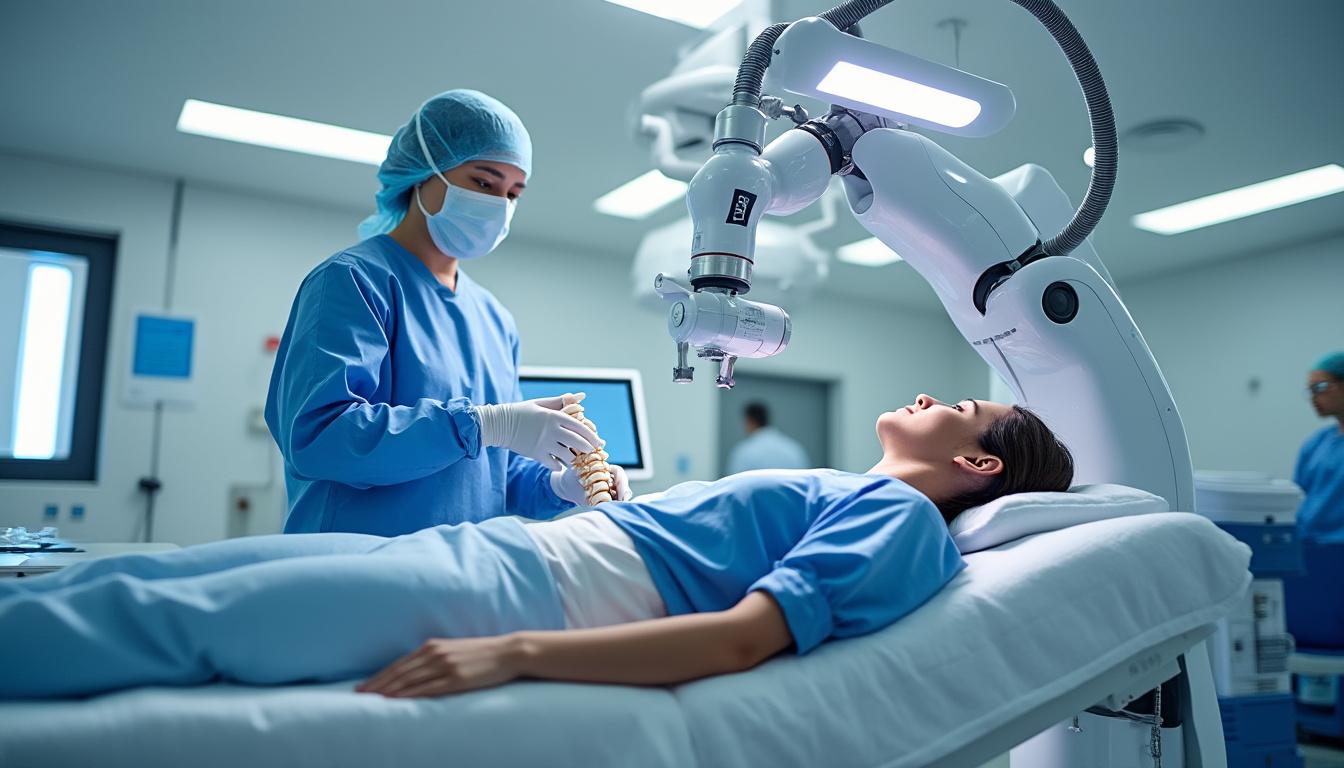
Minimally invasive surgery has transformed the way spinal procedures are conducted, particularly in centers near Quebec such as Longueuil. Unlike traditional open surgeries, MIS uses small incisions, specialized instruments, and often employs camera-guided visualization to perform complex interventions with minimal disruption to surrounding tissues. This results in several clinical advantages.
Evidence indicates that patients undergoing MIS in Longueuil experience reduced operative trauma, which translates into less postoperative pain and a significantly shorter hospital stay. For example, patients treated for herniated discs or spinal stenosis via MIS typically return to routine activities faster than those having open surgery. Advantages such as reduced scarring and lower infection risk also correlate positively with the overall patient recovery experience.
Furthermore, the use of advanced medical technology—including robotic assistance, laser-guided decompression, and real-time imaging—enhances precision. Surgeons can target pathological areas with accuracy while sparing healthy tissue, preserving the biomechanical integrity of the spine. This is particularly relevant in procedures designed to maintain spinal mobility rather than generate rigid fusion, a key goal in modern spinal care innovation.
This focus on preserving natural movement aligns well with Dr. Desforges’ approach, emphasizing treatments supported by rigorous scientific evaluation while respecting patient safety and the ethical standards mandated by both Quebec and Canadian medical regulatory bodies. Through these practices, patients are assured that innovation never compromises thoroughness or clinical responsibility.

IntraSPINE® in Sherbrooke: Durable Solution for Chronic Low Back Pain
The management of chronic low back pain, a widespread condition affecting millions across Quebec and beyond, has reached a pivotal moment thanks to innovative medical technologies and coordinated care pathways. At the heart of this evolution lies the IntraSPINE implant,…
Exploring Types of Spinal Surgery Available in France for Quebec Patients
For patients evaluating surgical solutions, France’s healthcare system offers a spectrum of spinal surgeries that complement the latest advancements in technology and technique. Understanding these options is a critical part of making an informed decision about transatlantic treatment paths facilitated by experts like Dr. Desforges.
Decompression and Motion-Preserving Surgeries
One of the widely adopted interventions is decompressive surgery aimed at relieving nerve compression from herniated discs, spinal stenosis, or other mechanical causatives. Modern minimally invasive decompression procedures in France utilize endoscopic guidance and laser technologies to precisely remove problematic tissue while minimizing collateral damage.
Moreover, motion-preserving surgeries such as dynamic implants and artificial disc replacements aim to maintain spinal flexibility post-intervention. Unlike traditional fusion surgeries that immobilize spinal segments, these techniques preserve natural biomechanics, reducing the risk of adjacent segment disease and long-term degeneration. Such innovations align directly with the philosophy promoted by Dr. Desforges, who values biomechanical considerations in surgical planning.
Spinal Fusion Procedures
While motion preservation is desirable, fusion remains the standard for cases involving severe instability or deformity. French surgeons employ refined techniques that use minimally invasive approaches combined with high-grade implants, ensuring greater fixation reliability and faster recovery. Key benefits include reduced muscular injury and quicker restoration of function, often yielding better outcomes compared to conventional open fusion surgeries.
Benefits of Transatlantic Surgical Expertise
French medical centers bring extensive experience, augmented by significant technological investments, allowing select Quebec patients access to a higher level of care. Through collaborations orchestrated by Dr. Desforges, personalized surgical plans are developed with coordinated support before, during, and after treatment, guaranteeing continuity and quality beyond borders.
Spine Surgery in Trois-Rivières: Reduce Pain and Preserve Mobility
In recent years, spine surgery in Trois-Rivières has evolved notably, combining advanced medical expertise with innovative technologies to deliver patient-centered care. This growing field addresses the increasing demand among Quebec residents seeking effective solutions for chronic back pain and mobility…
Detailed Patient Journey: From Evaluation to Postoperative Care
Embarking on a minimally invasive spinal surgery pathway involves several carefully managed stages, overseen with the scientific rigor and personalized attention championed by Dr. Desforges. Understanding these steps enables patients to set realistic expectations and actively participate in their care.
Comprehensive Evaluation and Treatment Planning
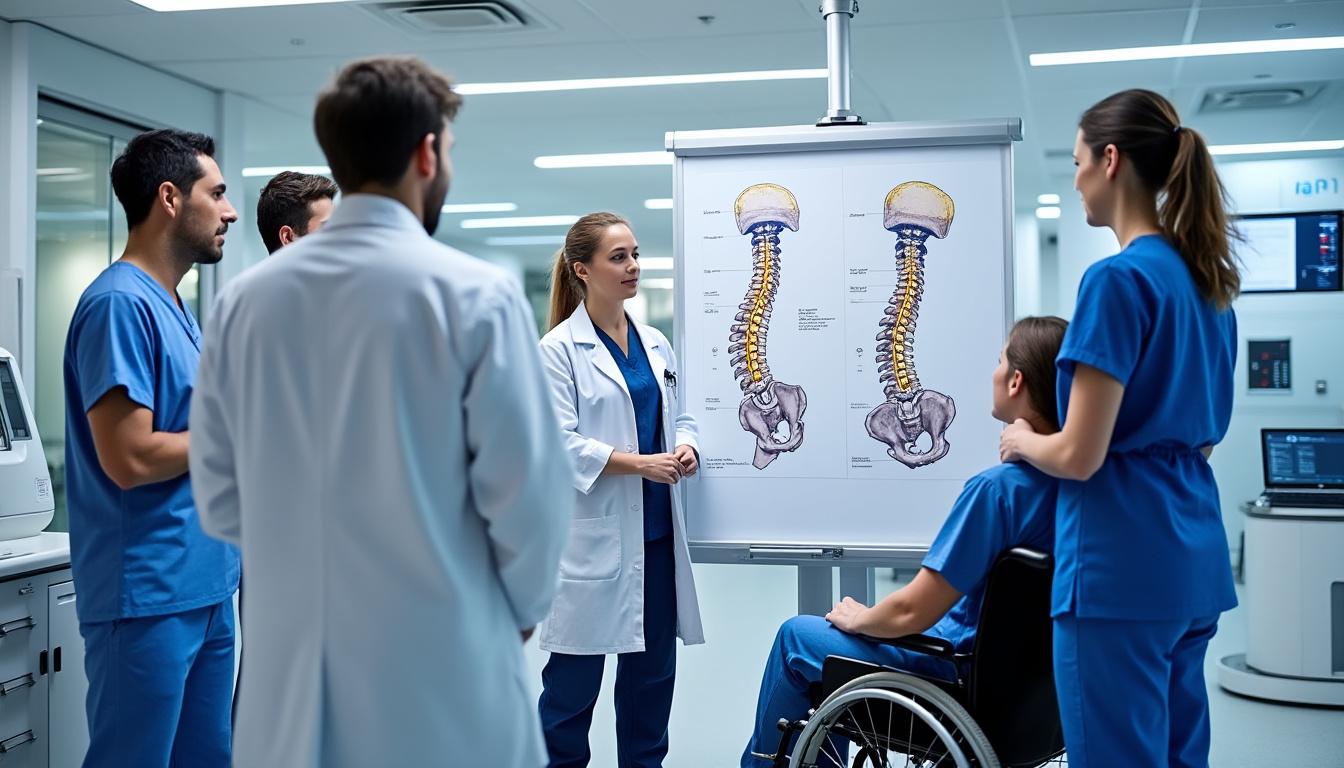
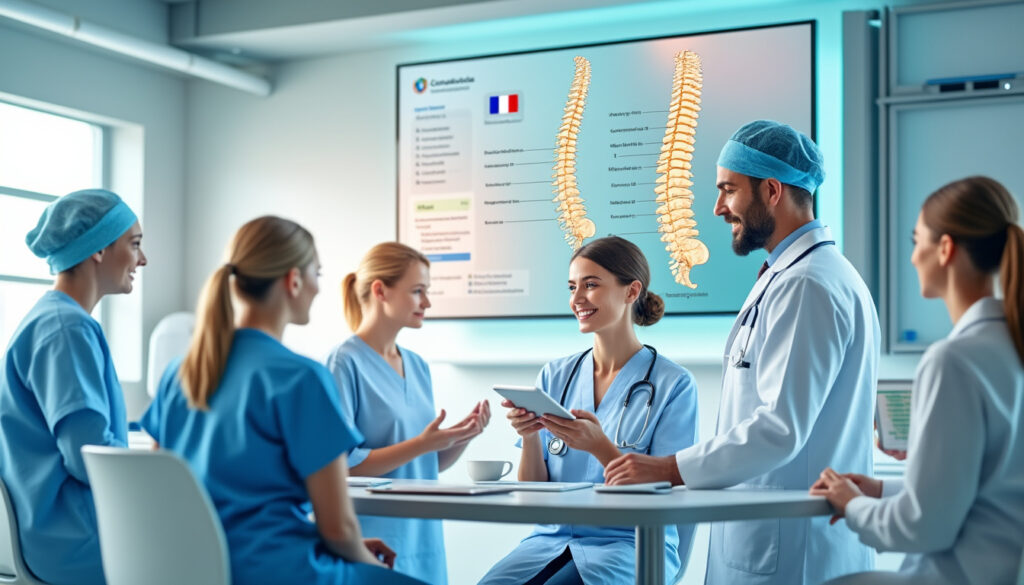
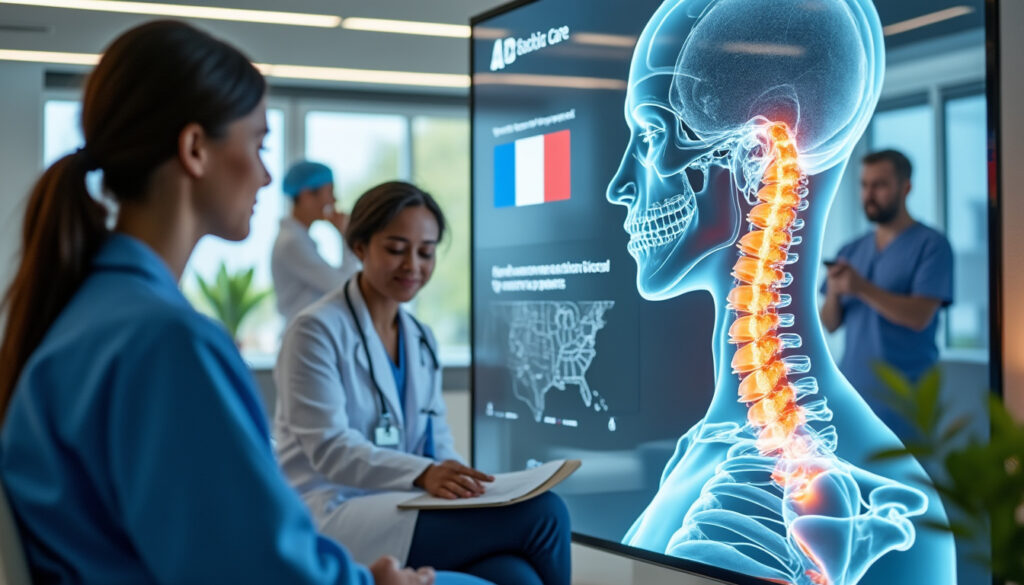
The journey starts with a thorough evaluation by Dr. Desforges, who leverages his multidisciplinary expertise to assess spinal pathologies with precision. Key diagnostic tools like advanced imaging, biomechanical assessments, and clinical examinations are integrated to form a complete picture. This groundwork is essential to determine whether surgery is warranted or if conservative management remains appropriate.
Emphasis on Conservative Care Before Surgery
Crucially, surgery is considered only after a tailored trial of 3 to 6 months of conservative treatment, including physical therapy, pharmacological management, and innovative techniques such as neurovertebral decompression. Clinics like TAGMED specialize in these advanced non-surgical interventions, offering patients sophisticated options aimed at resolving symptoms and improving function without the risks of surgery. This protocol aligns with best practices and reflects Dr. Desforges’ commitment to evidence-based care.
Coordinated Surgery and Hospital Experience in France
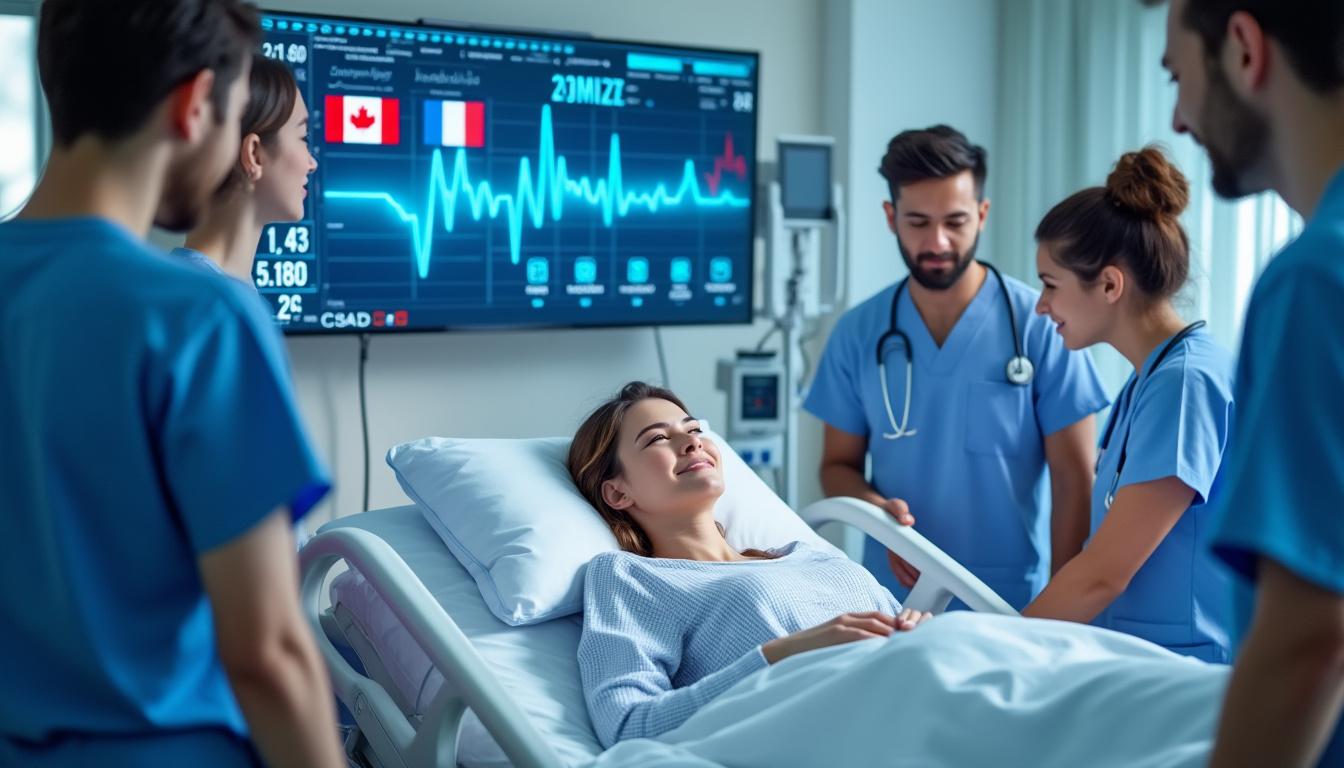
When surgery is deemed necessary, Dr. Desforges arranges for treatment at top-tier French centers renowned for minimally invasive spinal procedures. The surgical timeline prioritizes patient safety and efficiency, resulting in faster procedures and shorter recovery times. Throughout hospitalization, multidisciplinary teams conduct continual monitoring to optimize outcomes and manage postoperative pain, emphasizing personalized support.
Recovery and Rehabilitation: From France Back to Quebec
Postoperative care is designed to ensure smooth transition back to Quebec, with ongoing communication between French surgical teams and Canadian caregivers. Rehab programs are tailored to individual needs, incorporating mobility preservation and gradual return to daily activities. Follow-up evaluations by Dr. Desforges help assess functional progress and adjust care plans accordingly.
Cervical Disc Prosthesis in Quebec City: Avoid Post-Surgery Stiffness
Chronic neck pain remains a significant challenge for thousands of residents in Quebec City every year, often leading them to seek effective spinal surgery options that minimize downtime and maximize long-term mobility. Among the recent advancements revolutionizing cervical spine care,…
Advantages of a Transatlantic Care Pathway for Quebec Patients
The unique cross-border pathway opens multiple layers of benefits beyond ordinary healthcare experience. Several aspects stand out as particularly impactful for patients considering surgery.
Optimized Timing and Access
Quebec patients often encounter prolonged delays for spinal surgeries in public and private sectors. Organizing surgery in Longueuil or France through expert coordination reduces wait times substantially. This acceleration prevents symptom worsening and avoids the complications of lengthy untreated spinal conditions.
Superior Technological Access
French centers, aided by extensive government and private funding, frequently integrate the latest advanced medical technology—such as dynamic implants, laser decompression, and high-resolution imaging systems—delivering treatment options that may not yet be widely available in Quebec. These technologies contribute to enhanced safety, precision, and patient recovery.
Economic and Human-Centered Benefits
The pathway optimizes costs by combining high-quality care with efficiency, providing patients with value beyond what local or private clinics might offer. Moreover, the process includes personalized coaching, thorough education on surgical techniques, and emotional support, reflecting Dr. Desforges’ humanistic approach and prioritization of patient well-being.
Minimally Invasive Surgery in Longueuil: Reduce Hospital Stay Duration
In recent years, advances in spinal care have dramatically reshaped the treatment landscape for patients suffering from debilitating spinal conditions. Particularly in Longueuil, the emergence of minimally invasive surgery (MIS) techniques offers a transformative alternative to conventional open surgeries. These…
The Role of Advanced Technologies in Reducing Risks and Enhancing Outcomes
Technological progress has propelled minimally invasive surgery from concept to a leading standard in spinal care. The integration of robotics, laser devices, and innovative implants contributes decisively to reducing perioperative risks.
Robotic-assisted surgery provides enhanced surgical precision, reducing human error and enabling more consistent procedural outcomes. Lasers facilitate focused decompression, minimizing soft tissue damage and accelerating healing. Meanwhile, cutting-edge implants designed to preserve or restore spinal motion reduce the downstream effects of fusion surgeries.
Collectively, these technologies contribute to lower infection risk and minimized postoperative pain, factors that support quicker mobilization and improved long-term function. They also help safeguard the spine’s natural biomechanics, which is essential for maintaining quality of life after surgery.
IntraSPINE® in Laval: Modern Solution for Lumbar Stabilization
In the evolving landscape of orthopedic treatments, the city of Laval has become a hub for innovations addressing chronic lower back pain. Among the groundbreaking solutions gaining attention is the IntraSPINE device—a modern spinal implant designed to offer dynamic lumbar…
Musculoskeletal Expertise in Longueuil and the Importance of Choosing the Right Surgical Team
Longueuil is home to several esteemed orthopaedic surgeons proficient in advanced minimally invasive spinal interventions. These practitioners contribute significantly to the region’s growing reputation as a hub for quality spinal care.
Among the most prominent are experts focusing on joint replacements, spinal decompressions, and motion-preserving surgeries. Their familiarity with minimally invasive surgical techniques ensures patients benefit from the latest procedures tailored to individual pathology and functional recovery goals.
Choosing a surgical team with comprehensive experience in both technical skill and multidisciplinary collaboration is critical. Dr. Desforges’ network facilitates direct connections with such clinicians and clinics, streamlining patient access to expert care that values precision, safety, and human-centered recovery.
For detailed profiles of leading surgeons, resources such as the top orthopaedic surgeons in Longueuil provide valuable insights.
Neck Surgery in Montreal: Maintain Cervical Flexibility and Function
Neck conditions causing persistent pain or functional loss place a substantial burden on individuals and healthcare systems, especially in urban centers like Montreal. Surgical interventions targeting the cervical spine have evolved tremendously, aiming not only to relieve symptoms but to…
The Essential Role of Conservative Treatment Before Considering Surgery
Surgeries, especially spinal ones, must never be the first resort. Instead, patients are encouraged to exhaust a comprehensive array of conservative therapies before contemplating operative intervention. This strategy is not only scientifically validated but also aligned with the ethical framework upheld by Dr. Desforges.
These conservative approaches include structured physical rehabilitation, focused pharmacological treatment, pain management, and innovative non-invasive options like neurovertebral decompression therapy. Clinics such as TAGMED champion these advanced modalities, offering patients a chance to significantly reduce symptoms without surgery.
Only upon completion and evaluation of at least three to six months of such treatments should surgery be considered. This ensures patients benefit from natural recovery whenever possible while reserving surgical intervention for persistent, refractory conditions that compromise function.

Disc Prosthesis in Lévis: Quick and Long-Lasting Results
Chronic back pain caused by degenerative disc disease continues to profoundly impact the quality of life for many residents in Lévis and the broader Quebec area. For decades, traditional spinal fusion surgery has been the primary solution for alleviating severe…
Providing Clarity and Confidence Through Patient Education and Support
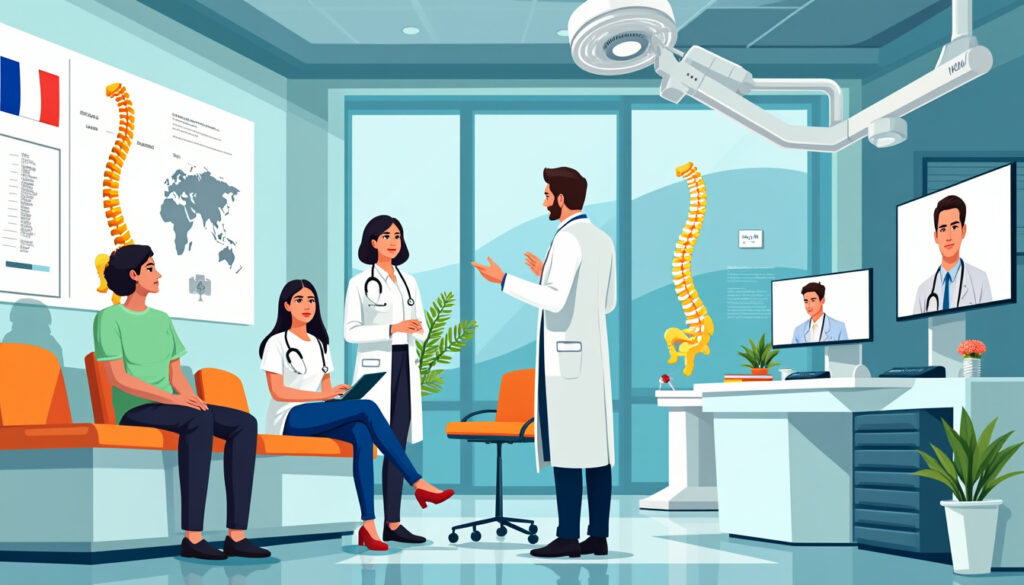
Deciding on spinal surgery can be daunting. Dr. Desforges prioritizes demystifying medical procedures through clear, jargon-free explanations that help patients understand the indications, limitations, and potential outcomes of minimally invasive surgery. This educational approach empowers patients to participate actively in their care, asking questions and making well-informed decisions.
Beyond clinical facts, this process nurtures confidence and calms anxieties associated with spinal interventions. Personalized counseling, access to multidisciplinary care teams, and transparent information about postoperative pathways are hallmarks of Dr. Desforges’ approach.
Such comprehensive communication supports a positive surgical experience and underpins optimal recovery trajectories.
- Clear explanation of surgical techniques and expectations
- Individualized risk-benefit analysis for each patient
- Educational resources to reinforce understanding
- Coordination with rehabilitation and follow-up teams
- Transparent discussions on innovative technologies used

Motion Surgery in Terrebonne: Maintain Intervertebral Mobility
Back pain remains a widespread concern for many in Quebec, with traditional treatment pathways often imposing lengthy waiting periods and financial constraints. Recently, Motion Surgery in Terrebonne has emerged as a transformative option, attracting patients seeking spinal solutions that prioritize…
Taking the Next Step: Contact and Evaluation Opportunities
For patients considering minimally invasive spinal surgery and seeking expert guidance, reaching out to specialized programs coordinated by Dr. Sylvain Desforges offers a pathway to personalized evaluation and management. The transatlantic collaboration ensures patients receive state-of-the-art care while benefiting from a comprehensive, human-centered approach to spinal health.
You are invited to engage with the team to discuss your specific condition, explore surgical and non-surgical treatment options, and initiate your tailored care pathway. The coordination ensures all steps—from thorough evaluation to recovery monitoring—are seamless and oriented to your best interests.
Visit https://www.sostourismemedical.com/contact for more information or to start a confidential consultation about your spinal health needs.
What are the main benefits of minimally invasive surgery for spinal conditions?
Minimally invasive surgery reduces tissue damage, postoperative pain, scarring, and infection risk. It also enables quicker recovery and shorter hospital stays compared to traditional open surgery.
How does the transatlantic care pathway improve access to spinal surgery?
By coordinating evaluations and surgeries between Quebec and France, patients experience shorter wait times and access to advanced technologies and expert surgeons not always available locally.
Why is conservative treatment recommended before considering surgery?
Conservative treatments like physical therapy, pain management, and neurovertebral decompression can alleviate symptoms without surgical risks. Surgery is reserved for cases where these methods fail after several months.
What technologies are used in minimally invasive spinal surgery to reduce risks?
Techniques including robotic assistance, laser-guided decompression, and dynamic implants enhance precision, minimize tissue trauma, and preserve spine biomechanics to lower complication rates.
How can patients in Quebec access these minimally invasive procedures?
Through expert evaluation and coordination led by Dr. Desforges, Quebec patients can access specialized care in Longueuil and France, ensuring personalized treatment plans and continuity of care.